April Is The Best Time To Propagate Hydrangea Cuttings In Michigan
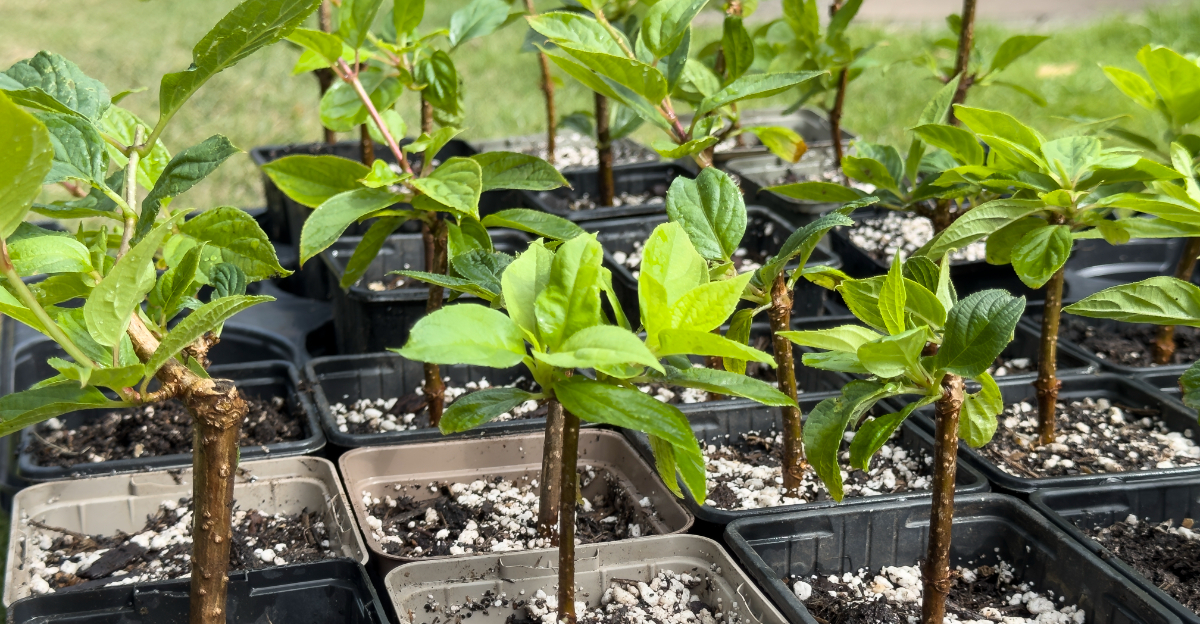
April is one of the best times for Michigan gardeners to propagate hydrangea cuttings, and timing plays a big role in success. As plants wake up from winter and begin pushing fresh, soft growth, they are in the perfect stage for cuttings to root more easily.
The cooler temperatures and steady moisture of early spring help reduce stress, giving new cuttings a better chance to establish before summer heat arrives. Many gardeners wait too long and miss this ideal window, making the process harder than it needs to be.
Starting in April allows you to take advantage of active growth while conditions are still gentle. With the right approach, a single healthy plant can turn into several new ones over time.
It is a simple and rewarding way to expand your garden and enjoy even more blooms in the seasons ahead.
1. New Spring Growth Is Ideal For Softwood Cuttings
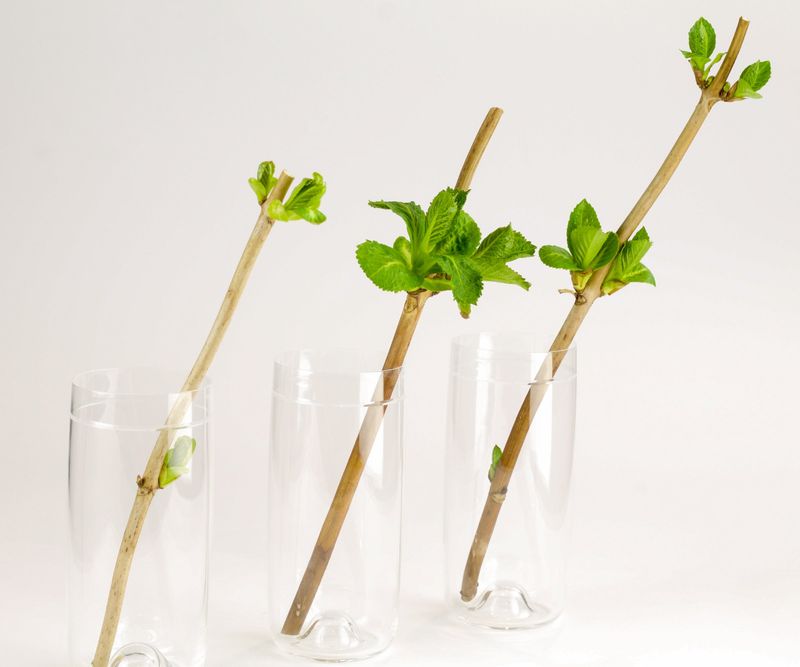
Fresh growth straight from the plant is one of gardening’s best-kept secrets. In Michigan, April is exactly when hydrangeas begin pushing out those soft, bright green stems that root faster and more reliably than older, woody growth.
Softwood cuttings are young, flexible stems taken before they harden up, and they respond incredibly well to rooting hormone and moist growing medium.
The timing matters more than most gardeners realize. Stems that are too mature tend to resist rooting, while stems that are brand new and pliable seem almost eager to develop roots.
April hits that sweet spot in Michigan, giving you material that is actively growing and full of the energy needed to form new roots quickly.
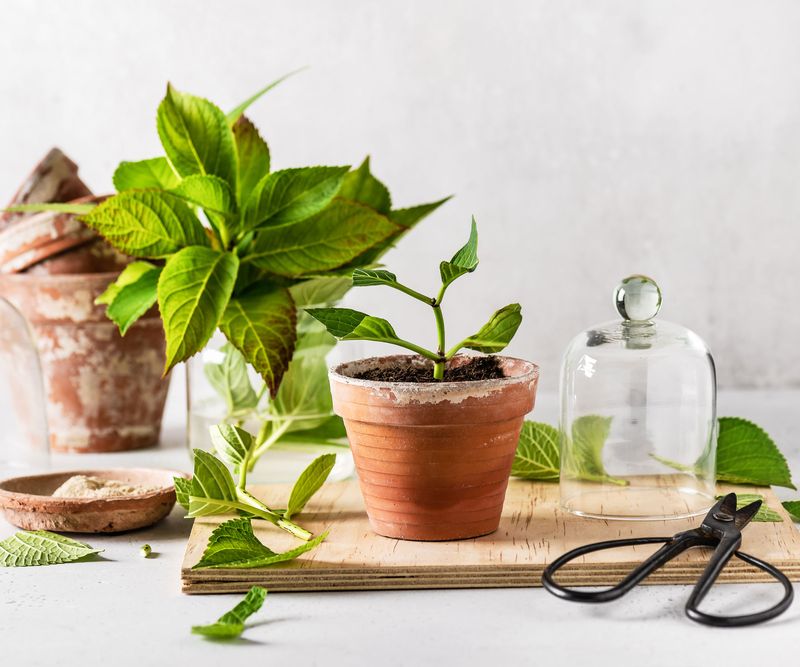
To take a good cutting, snip a stem about four to six inches long just below a leaf node. Remove the lower leaves to expose the node, dip the cut end in rooting hormone powder, and press it into moist potting mix.
Keep the soil consistently damp and place your cutting in bright, indirect light. Michigan gardeners who start in April often see roots forming within two to four weeks, which is a genuinely satisfying result for such a simple technique.
2. Cooler Temperatures Reduce Stress On Cuttings
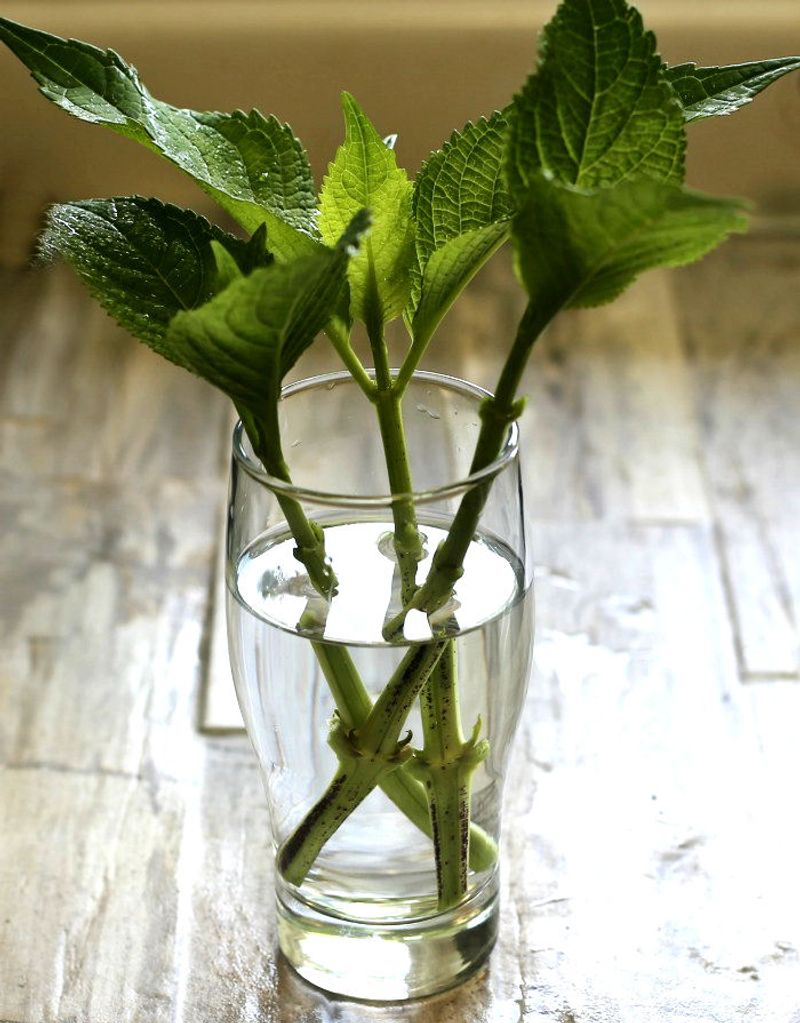
Heat is one of the biggest enemies of freshly cut plant stems. When temperatures climb too high, cuttings lose moisture faster than they can absorb it, and that leads to wilting before any roots even get a chance to form.
April in Michigan keeps things comfortably cool, usually ranging between the mid-40s and low 60s Fahrenheit, which is genuinely ideal for delicate cuttings.
Cooler air slows down moisture loss through the leaves, giving each cutting precious time to develop a root system before it needs to support itself.
Summer propagation in Michigan can be tricky for exactly this reason, since July temperatures regularly push into the upper 80s, putting cuttings under serious stress. April simply removes that problem from the equation entirely.
Indoors, you can keep cuttings near a bright window without worrying about overheating, which makes the whole process much more manageable.
Your Michigan Garden Changes Every Week. Your Plan Should Too.
Gardening in Michigan changes quickly throughout the season. Every Friday you’ll receive a simple weekly plan showing exactly what to plant, prune, fertilize, harvest, and protect so you never miss the right timing.
A small plastic bag placed loosely over the pot creates a mini greenhouse effect that holds in just enough warmth and moisture.
Michigan gardeners who have tried propagating in both spring and summer often say April feels almost effortless by comparison.
The cooler conditions are forgiving, and even beginner gardeners tend to see strong results when the temperature is working in their favor.
3. Plants Have Stored Energy From Winter Dormancy
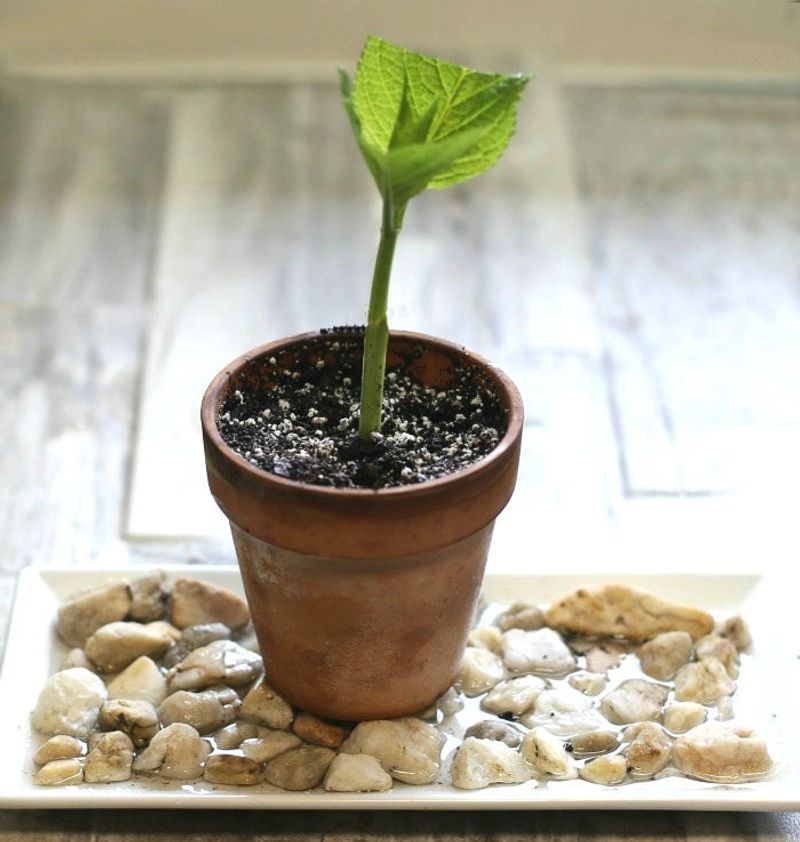
After a long Michigan winter, hydrangeas wake up in spring with something powerful stored inside their roots and stems. During dormancy, the plant quietly builds up carbohydrate reserves that fuel the explosive burst of growth you see every April.
That stored energy does not just power new leaves and stems, it also supports root development in cuttings taken from the plant during this period.
Think of it like a fully charged battery. The plant has spent months conserving resources, and now it is ready to put that energy to work.
Cuttings taken in April carry some of that stored vitality with them, which gives them a real head start compared to cuttings taken later in the season when the plant has already spent much of its energy on flowering and leafing out.
Experienced Michigan gardeners often notice that April cuttings root faster and grow more vigorously than those taken in late summer.
The science behind this is straightforward: cuttings with higher carbohydrate reserves have more fuel available for the energy-intensive process of forming new roots.
Pairing that biological advantage with proper technique, like using clean cuts and fresh rooting medium, makes April propagation one of the most rewarding gardening activities you can do in Michigan each spring.
4. Higher Natural Humidity Supports Rooting
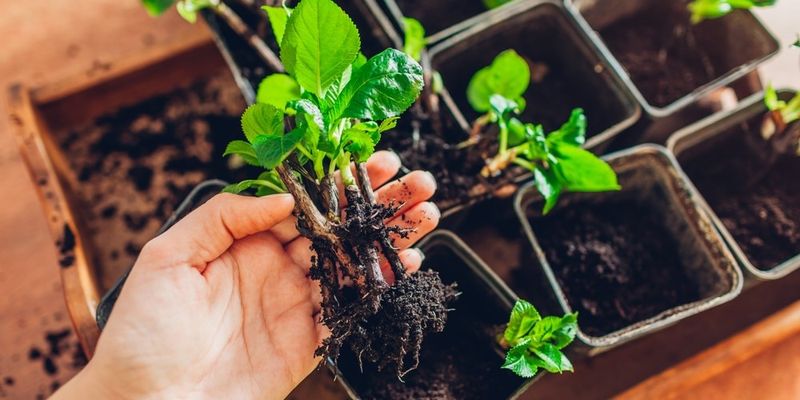
Michigan springs are famously damp, and that natural humidity turns out to be a genuine advantage when rooting hydrangea cuttings.
Moisture in the air slows down the rate at which leaves lose water, which is critical for a cutting that has no roots yet and cannot draw moisture up from the soil.
April’s naturally humid conditions do a lot of the work for you before you even set up a humidity dome.
Keeping cuttings hydrated without overwatering the soil is one of the trickiest parts of propagation. Too much water in the growing medium encourages rot, while too little humidity around the leaves causes wilting.
Michigan’s April air strikes a natural balance that indoor gardeners in drier climates have to work much harder to replicate artificially.
You can boost humidity even further by placing a clear plastic bag or a dome cover over your cuttings. Just make sure to lift the cover for a few minutes each day to allow fresh air circulation and prevent mold from forming.
Gardeners in Michigan who take advantage of the natural spring humidity often report healthier, greener cuttings that stay turgid and firm while roots develop below the surface.
It is one of those environmental advantages that makes Michigan an unexpectedly great place to propagate hydrangeas every spring.
5. Less Risk Of Heat Stress Than Summer Propagation
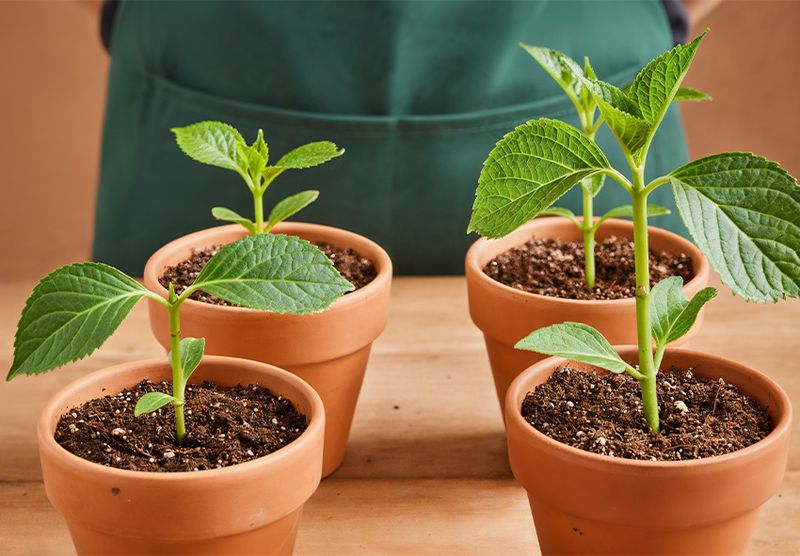
Summer propagation sounds appealing, but Michigan summers can be surprisingly brutal for freshly cut stems.
Temperatures regularly soar into the high 80s and even low 90s, and that kind of heat pulls moisture out of unrooted cuttings at a rate that is nearly impossible to counteract.
April sidesteps the entire problem by offering mild, gentle conditions that cuttings simply thrive in.
Wilting is the most common sign of heat stress in cuttings, and once a cutting wilts significantly, its chances of rooting drop fast.
The cellular damage caused by excessive heat and moisture loss is difficult to reverse, and many gardeners find themselves starting over after a frustrating summer attempt.
April’s cooler temperatures in Michigan make wilting far less likely, which means less babysitting and more consistent results.
Even on warmer April days in Michigan, temperatures rarely climb high enough to stress a cutting that is kept in a shaded spot with adequate moisture.
The forgiving nature of spring conditions means you can take a few extra cuttings, try different rooting mediums, and experiment with techniques without worrying that a warm afternoon will undo all your hard work.
For anyone who has struggled with summer propagation in Michigan, switching to an April schedule tends to feel like a completely different and much more enjoyable experience.
6. Longer Growing Season After Rooting
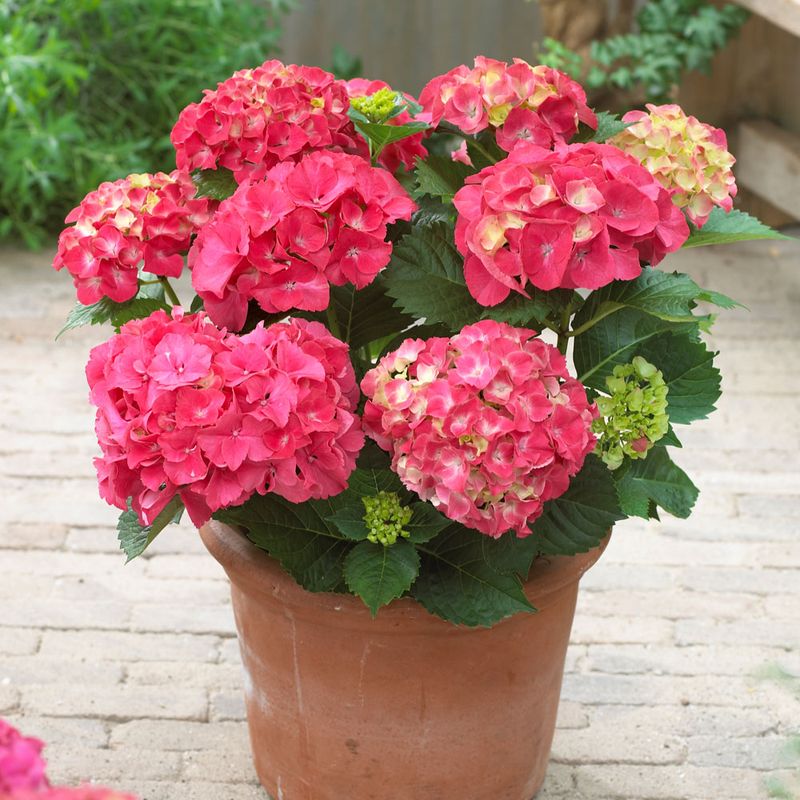
Timing in gardening is everything, and starting hydrangea cuttings in April gives you one of the biggest advantages possible: a full growing season ahead.
Michigan’s growing season typically runs from late spring through early October, and cuttings that root in April have months of warm weather to develop strong root systems and establish themselves before cold weather returns.
A cutting that roots in April can spend May, June, July, and August building up its root structure, developing new leaves, and growing stronger by the week.
By the time fall arrives in Michigan, that young plant is well-established and much more capable of surviving its first winter.
Compare that to a cutting rooted in August, which has only a few weeks before temperatures begin dropping, and the April advantage becomes obvious.
Strong establishment before winter is genuinely important in Michigan, where winters can be harsh and prolonged. Young plants that have had a full season to grow develop larger, more insulating root masses that protect them during cold months.
Many Michigan gardeners treat April propagation as an investment in future garden beauty, knowing that the plants they start now will reward them with full, healthy growth the following year.
Starting early simply gives each cutting the best possible foundation for a long and thriving life in the garden.
7. Easier To Identify Healthy Non-Flowering Stems
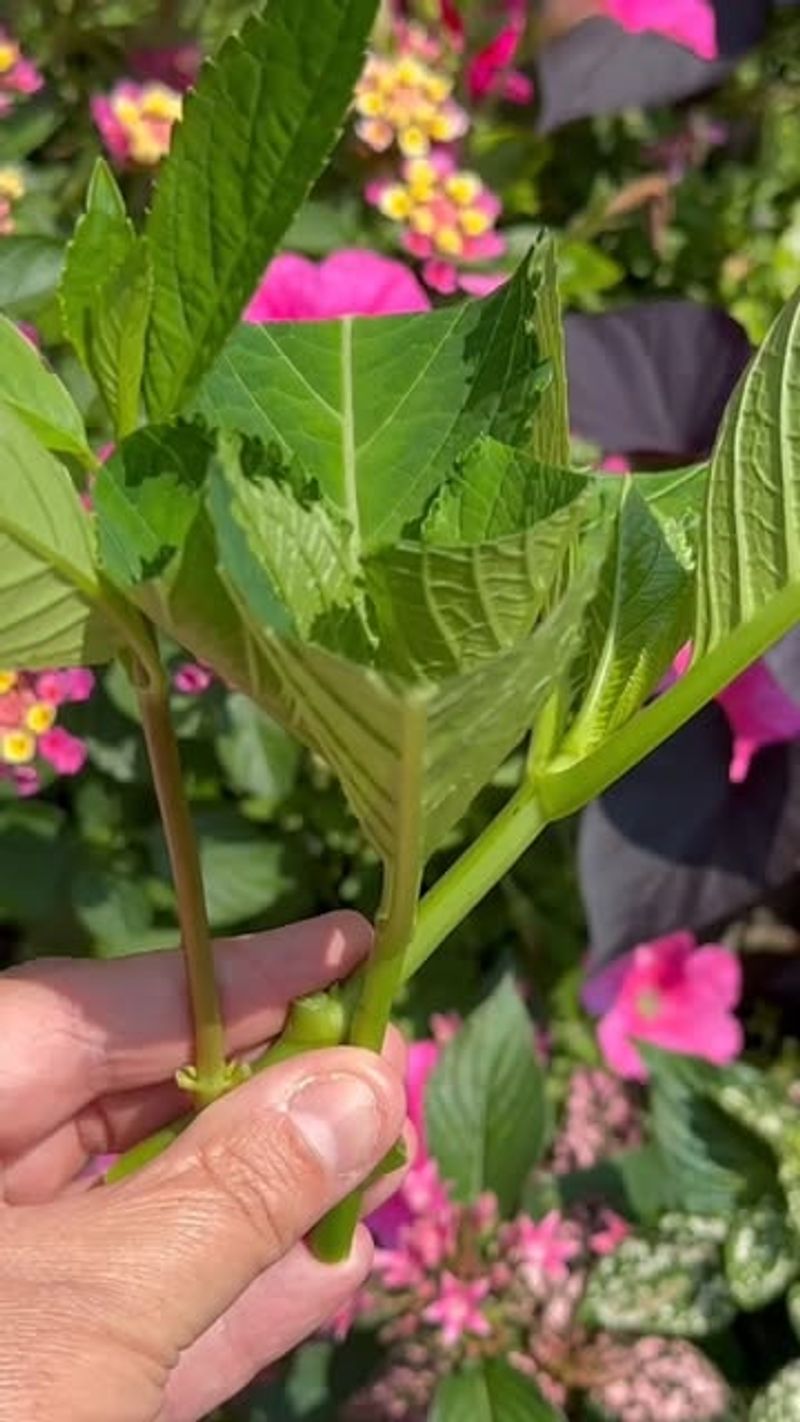
Picking the right stem makes a surprisingly big difference in propagation success. Flowering stems, which are stems that already carry a flower bud, put their energy into blooming rather than rooting, which makes them much less effective as cuttings.
In April, most Michigan hydrangeas have not yet set visible flower buds, so the stems you see are almost entirely vegetative and ideal for propagation.
Later in the season, it becomes genuinely tricky to tell which stems are vegetative and which are headed toward flowering. Misidentifying a stem and planting it as a cutting often leads to weeks of waiting with no results, which is frustrating.
April removes that guesswork almost entirely, since the plant’s energy is focused purely on leafy growth rather than reproduction.
Look for stems with two or three pairs of fresh, healthy leaves and a clean, green appearance. Avoid anything that looks limp, discolored, or damaged, as those stems are less likely to root successfully.
Michigan gardeners who make their cuttings in April often find that nearly every stem they select is a strong candidate, simply because the plant’s growth at that time of year is so uniformly vegetative.
That kind of consistency makes the whole propagation process feel more predictable and rewarding, especially for gardeners who are trying it for the first time.
8. Outdoor Conditions Soon Match Indoor Growing Needs
One of the most stressful moments in propagation is moving a young plant from a cozy indoor setup to the unpredictable outdoors. Plants that have been growing under controlled conditions can struggle with the sudden change in light, wind, and temperature.
April propagation in Michigan solves this naturally, because by the time your cuttings have rooted and grown strong enough to move outside, late spring conditions are already warm, bright, and gentle.
The process of gradually introducing young plants to outdoor conditions is called hardening off, and April-started cuttings in Michigan go through this transition at exactly the right time.
Starting them outside for an hour or two each day in May, then slowly increasing their outdoor time over a week or two, aligns perfectly with Michigan’s warming spring weather. There is no jarring leap from a heated indoor environment into summer heat.
By early June in Michigan, rooted cuttings started in April are typically ready for a permanent outdoor spot. The light levels, temperatures, and humidity outdoors at that point closely mirror what the plants experienced indoors during their early weeks.
That smooth transition reduces transplant shock and helps young hydrangeas settle into their new garden home quickly and confidently.
Michigan gardeners who plan their propagation timeline around this natural seasonal shift tend to end up with healthier, more resilient plants that hit the ground running.