These Michigan Trees Could Get You Fined If You Cut Them Down
Cutting down a tree on your property might seem like a simple decision, but in Michigan, it is not always that straightforward.
Some trees are protected by local rules, environmental laws, or special designations, and removing them without permission can lead to fines or other penalties.
This often catches homeowners off guard, especially when a tree looks damaged, overgrown, or inconveniently placed.
The reason behind these rules is to protect natural areas, support wildlife, and preserve important parts of the landscape.
In some cases, even trees near water, wetlands, or shared property lines come with added restrictions.
Knowing which trees are protected and when permits are required can save you from costly mistakes.
Before making any cuts, it helps to understand the rules that apply in your area and why they matter more than you might expect.
1. Red Mulberry (Morus rubra)
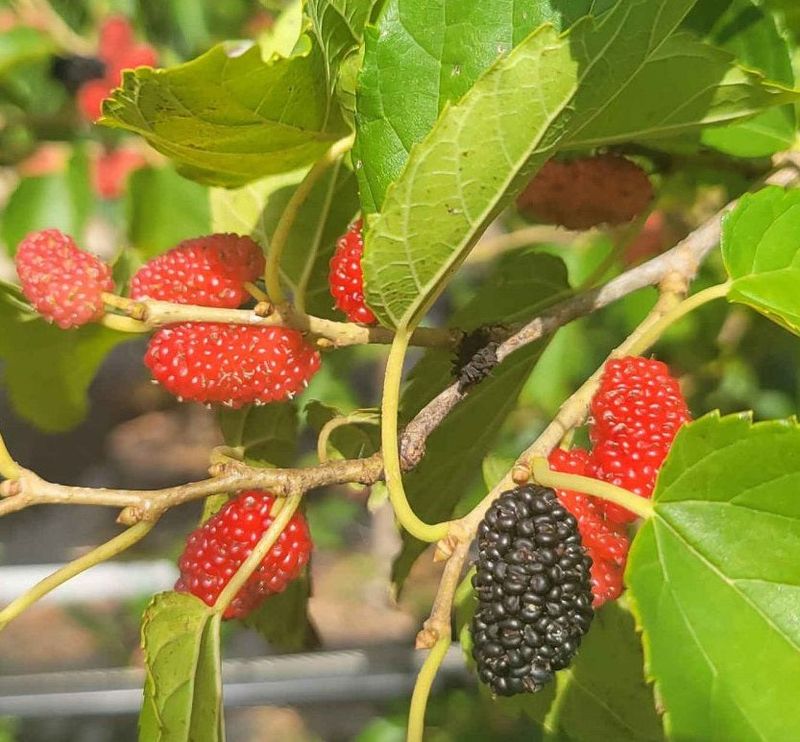
Most people walk right past a Red Mulberry without realizing they are looking at one of Michigan’s more carefully monitored native trees.
This species is officially listed as state threatened in Michigan, which means it is covered under Part 365 of the Natural Resources and Environmental Protection Act.
That designation makes it illegal to “take” a naturally occurring tree; meaning to remove, destroy, or harm it, without proper authorization from the state.
However, contrary to many viral claims, violations are generally treated as misdemeanors, not felonies, and the penalties are typically far more limited than dramatic online warnings often suggest.
Red Mulberry trees are medium-sized and produce sweet, dark berries that are an important food source for birds and other wildlife.
They are most often found in rich woodlands, floodplains, and forest edges across southern Michigan, where soil conditions are favorable and competition is moderate.
Despite their ecological value, their numbers have been steadily declining. One of the biggest threats to the species is hybridization with invasive white mulberry, which can dilute the genetic integrity of native populations.
Habitat loss from development and land-use changes has also contributed to their reduced presence across the state.
Because Red Mulberry can be difficult to distinguish from more common mulberry species, especially for those unfamiliar with the subtle differences, proper identification is critical before any removal takes place.
If you think one may be growing on your property, contacting the Michigan Department of Natural Resources or a qualified arborist for confirmation is a smart and responsible first step that can help avoid both ecological harm and unnecessary legal trouble.
2. American Chestnut (Castanea dentata)
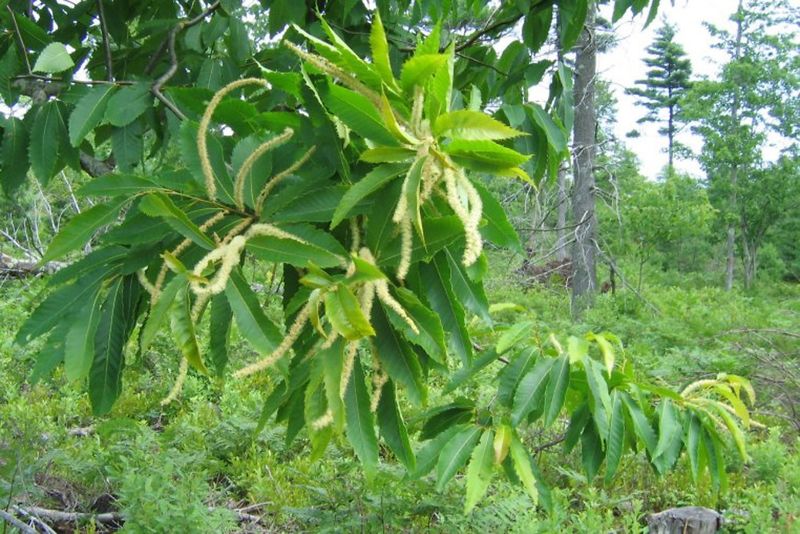
Once one of the most dominant trees in eastern North America, the American Chestnut was nearly eliminated by chestnut blight in the early 1900s.
Today, any surviving individuals in Michigan are extremely rare, which is why the species is listed as state endangered.
This designation places it under Michigan’s endangered species law, meaning that removing or damaging a naturally occurring tree without authorization can violate state regulations.
American Chestnuts are recognizable by their long, narrow leaves with sharply serrated edges and their tall, straight growth form.
Your Michigan Garden Changes Every Week. Your Plan Should Too.
Gardening in Michigan changes quickly throughout the season. Every Friday you’ll receive a simple weekly plan showing exactly what to plant, prune, fertilize, harvest, and protect so you never miss the right timing.
Spotting one in the wild is uncommon and often exciting for naturalists, foresters, and conservationists alike.
In many cases, these trees are not large forest giants but smaller, persistent individuals that continue to resprout despite the presence of disease.
Because surviving trees may carry some level of genetic resistance to the blight, they are especially important to restoration programs working to reestablish the species.
While the law does provide protection, most real-world situations are handled through cooperation rather than enforcement.
Landowners who discover one are typically encouraged to report it to the Michigan DNR or organizations like the American Chestnut Foundation.
Protecting these rare survivors plays a meaningful role in restoring a species that once shaped entire forest ecosystems across the region.
3. Pumpkin Ash (Fraxinus profunda)
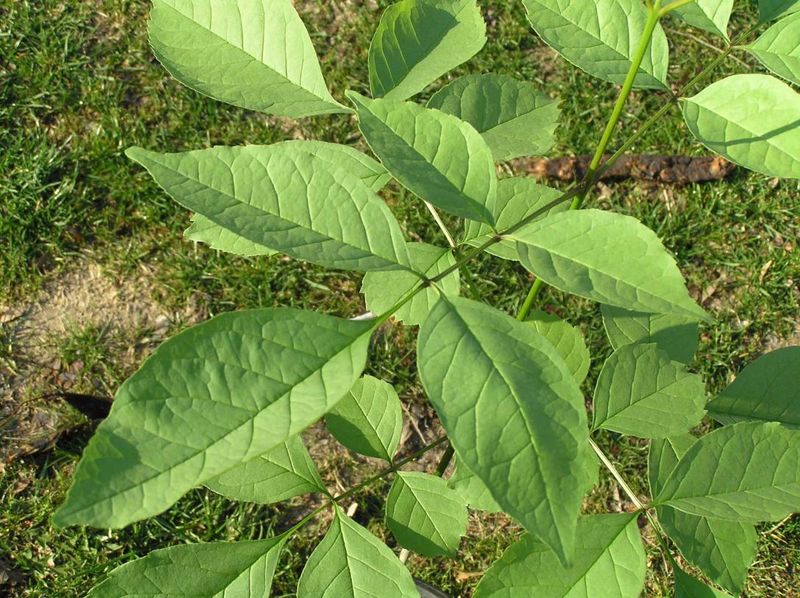
Tucked away in Michigan’s wetland habitats, the Pumpkin Ash is one of the state’s lesser-known but officially state threatened tree species.
It earns its name from the swollen, pumpkin-like base that can develop when growing in saturated soils.
Like other threatened species, it is protected under Michigan law, meaning unauthorized removal of a naturally occurring tree may violate state regulations.
What makes Pumpkin Ash particularly important from a legal standpoint is where it grows. This species is typically found in floodplain forests, river bottoms, and other wetland environments.
In many cases, those areas are also regulated under Michigan’s wetland protection laws. That means removing a Pumpkin Ash could require permits not only because of the species itself, but also because of the sensitive habitat it occupies.
Beyond legal considerations, Pumpkin Ash populations have been heavily impacted by the invasive emerald ash borer, which has devastated ash species across Michigan. As a result, remaining trees are increasingly significant from a conservation perspective.
If you suspect a Pumpkin Ash is present on your property, especially in a wetland area, it’s important to verify identification and consult the appropriate agencies before taking action.
4. Swamp Cottonwood (Populus heterophylla)
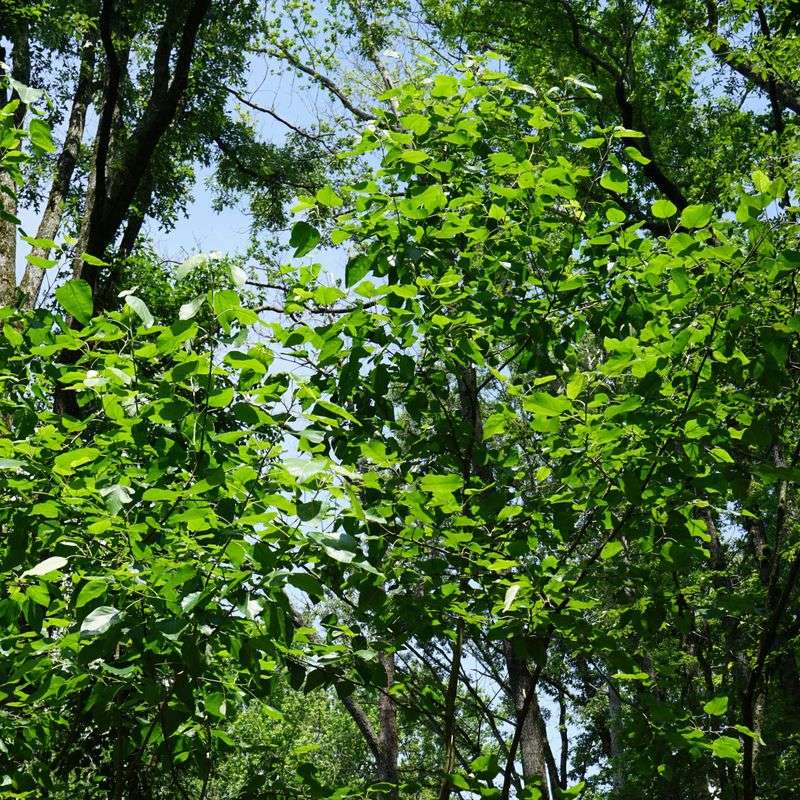
Standing quietly in Michigan’s floodplain forests, the Swamp Cottonwood is one of the rarest native trees in the state.
It is listed as state endangered, which places it under the full protection of Michigan’s endangered species law.
As with other listed species, removing or damaging a naturally occurring tree without authorization can result in a legal violation.
Swamp Cottonwood trees can grow quite large and are adapted to wet, poorly drained soils along rivers, lakes, and lowland forests.
They play an important ecological role by stabilizing soil and providing habitat for wildlife. However, their populations in Michigan are limited, which is why each remaining tree is considered important for the species’ survival.
One of the biggest challenges with this species is identification. Swamp Cottonwood closely resembles more common cottonwood species, making it easy to overlook or misidentify.
This creates a situation where someone could unintentionally remove a protected tree without realizing it.
For property owners, especially those with land near water, it’s worth taking a cautious approach.
Confirming the species through a knowledgeable professional or consulting the Michigan DNR can prevent both ecological harm and potential legal issues.
5. Kentucky Coffeetree (Gymnocladus dioicus)
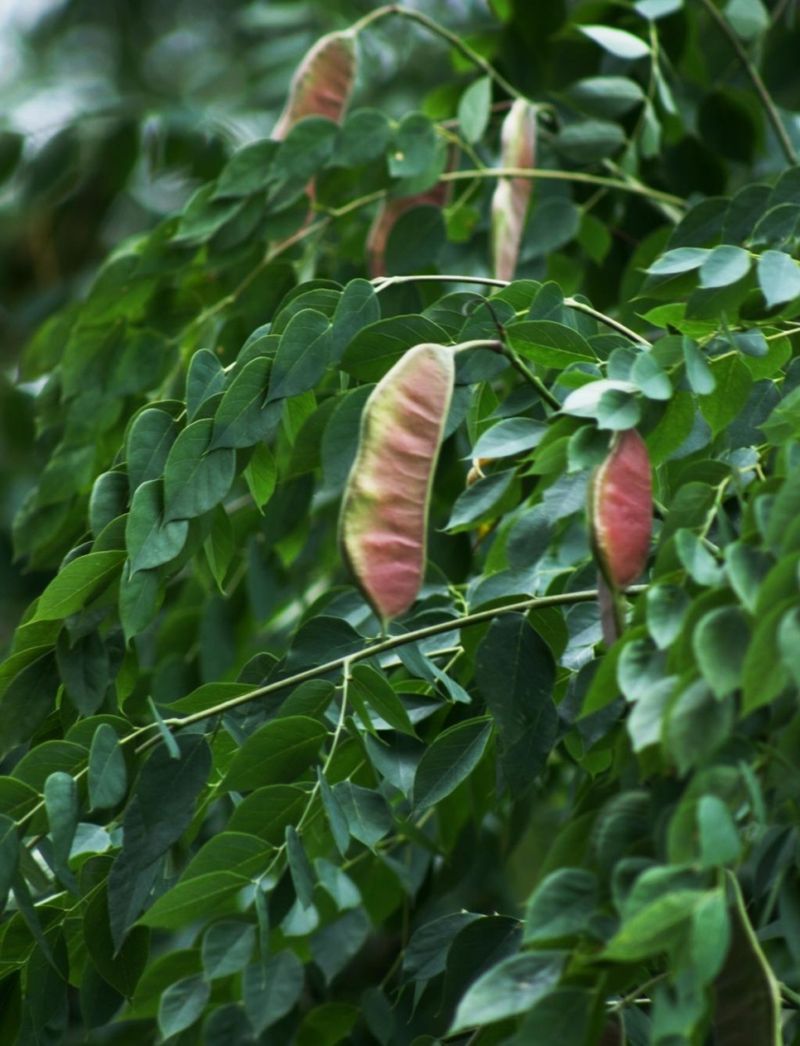
With its bold, open branching pattern and unusually large leaves, the Kentucky Coffeetree is one of the more distinctive native trees found in Michigan.
Despite its unique appearance and relative rarity in some areas, it is generally classified as a species of special concern in the state rather than threatened or endangered. This distinction is important.
Species of special concern are monitored due to declining or limited populations, but they are not protected under Michigan’s endangered species law.
That means there is no blanket statewide restriction on removing a Kentucky Coffeetree from private property based solely on its species status.
However, that does not mean there are no rules at all. Depending on where the tree is located, other regulations may apply.
Local ordinances, conservation easements, or protected land designations can still restrict removal in certain situations.
Because of this variability, it’s always a good idea to check local regulations before removing any large or uncommon tree.
While the Kentucky Coffeetree may not carry statewide legal protection, it still holds ecological and historical value that many communities aim to preserve.
6. Butternut (Juglans cinerea)
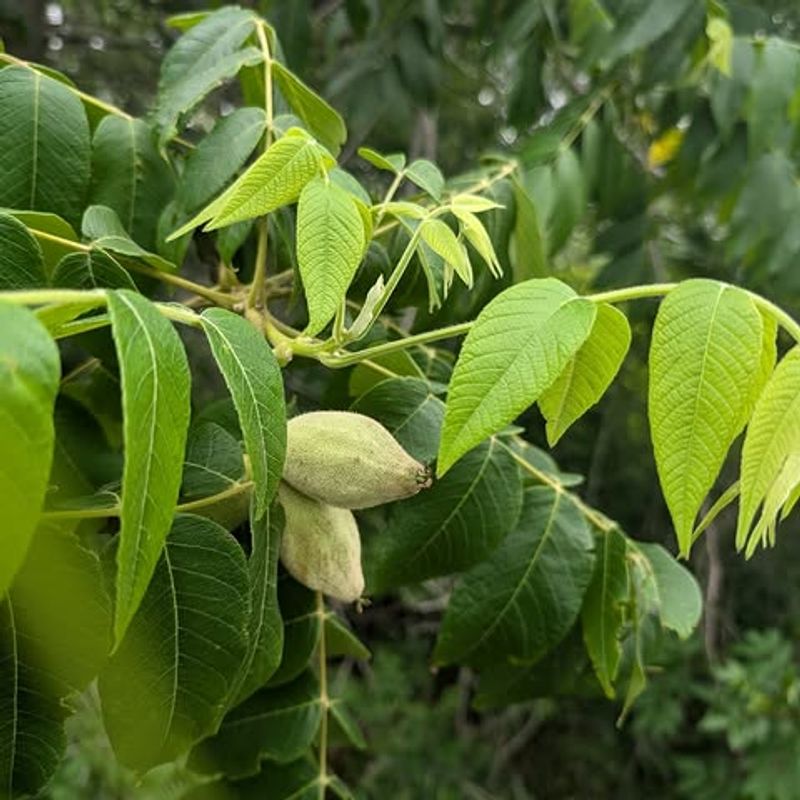
Known for its rich nuts and attractive wood grain, the Butternut has been steadily declining across Michigan due to a fungal disease called Butternut canker. In response to this decline, the species is listed as a species of special concern in the state.
Like other species in this category, Butternut is not protected under Michigan’s endangered species law, meaning there is no general statewide prohibition against removing it from private property.
However, restrictions can still exist depending on context. Trees located on protected public lands, within conservation easements, or under specific forest management plans may be subject to additional rules.
Even where removal is allowed, Butternut trees are considered highly valuable from a conservation standpoint, especially individuals that show resistance to the disease.
These trees are important for research and restoration efforts aimed at preserving the species long-term.
Because of this, many conservation organizations encourage landowners to retain healthy Butternut trees whenever possible.
If one is found on your property, having it evaluated by a knowledgeable arborist or contacting a local conservation district can help determine its condition and potential significance.
7. American Elm (Ulmus americana) Survivor Trees
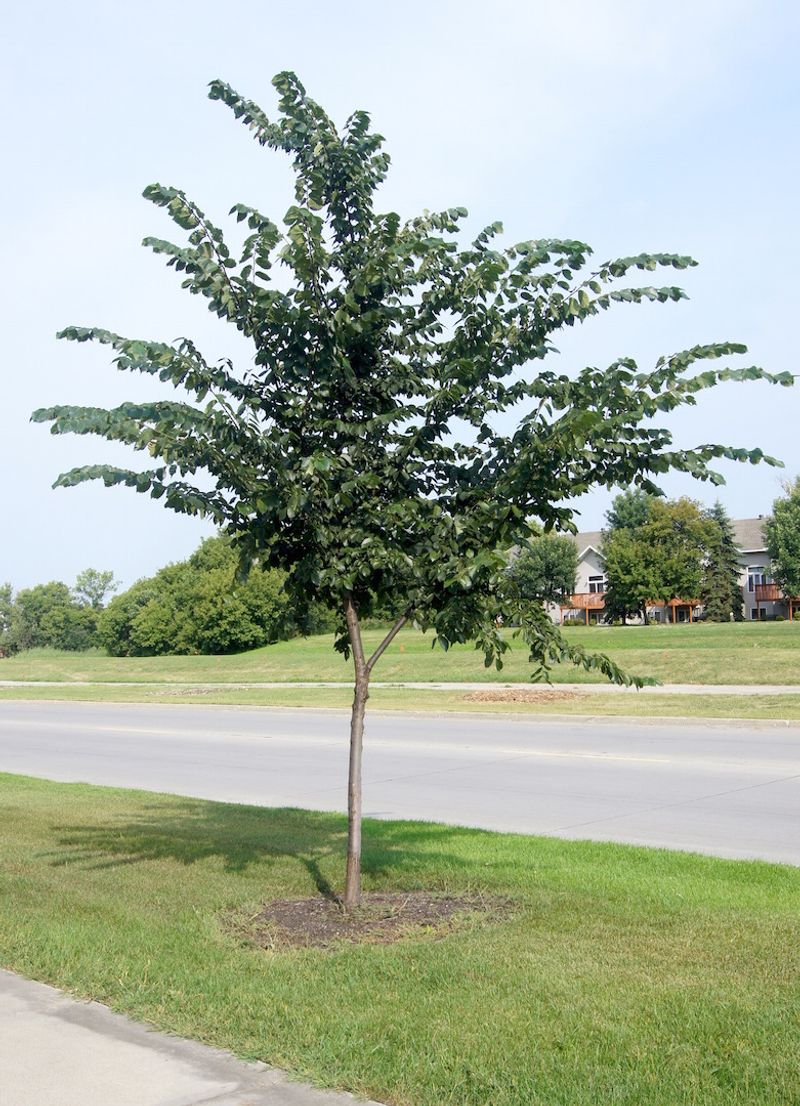
There is something remarkable about a surviving American Elm. Once one of the most iconic trees in Michigan, the species was devastated by Dutch Elm Disease, leaving only scattered individuals that show natural resistance.
These “survivor” trees are not protected under a single statewide law, but they are often recognized and protected at the local level.
Many Michigan cities and towns have ordinances that protect significant or heritage trees, and American Elms with documented disease resistance often fall into that category.
In these cases, removing a protected tree without permission can result in fines, required replacement plantings, or other penalties defined by local regulations. Beyond legal considerations, these trees hold important scientific and cultural value.
They represent rare genetic resistance and are sometimes used in research or breeding programs aimed at restoring the species.
Because protections vary widely by municipality, it’s important for property owners to check local ordinances before removing any large or notable elm.
What appears to be just another tree could actually be part of a broader effort to preserve a species that once shaped the landscape of entire communities.