How Michigan Gardeners Turn Simple Poles Into A Beautiful Living Bean Teepee
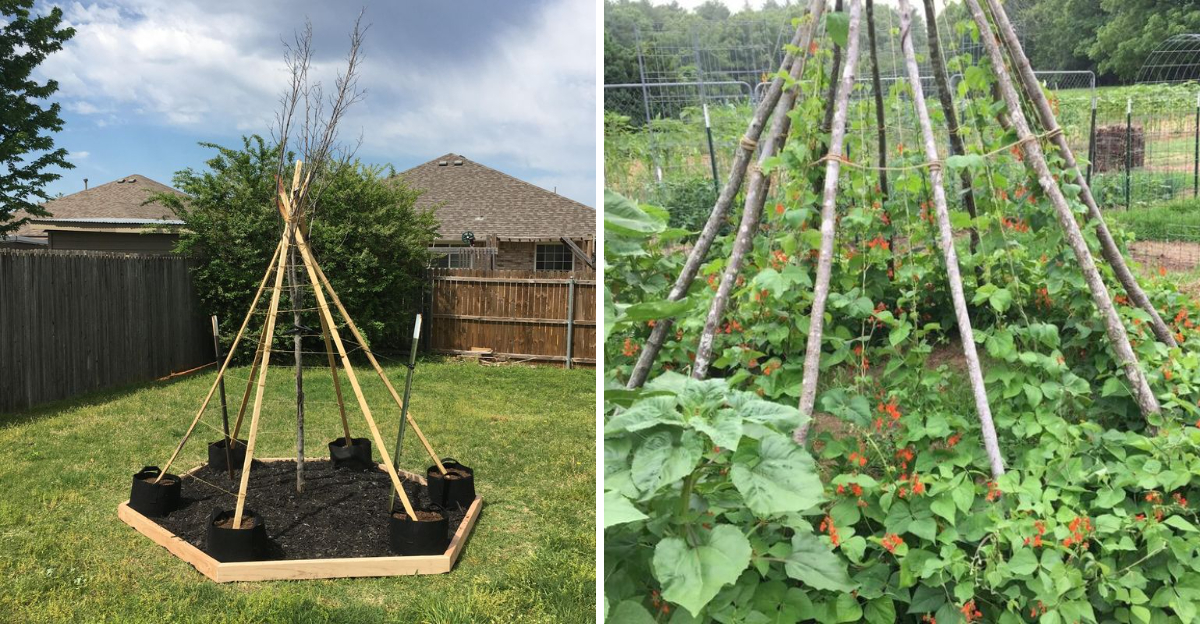
A few simple poles can turn into something truly eye catching in a Michigan garden when you grow beans around them. A bean teepee is more than just a way to support climbing plants.
It creates a living structure that adds height, shade, and a sense of fun to your space. As the beans grow, they quickly cover the frame with green leaves and hanging pods, turning basic materials into a natural focal point.
Michigan’s summer conditions give climbing beans a strong growing season, making this project both practical and rewarding. It is also a great option for small gardens since it uses vertical space instead of spreading out.
Whether placed in a backyard or a raised bed, a bean teepee brings both beauty and function together. With a little setup early on, it can become one of the most enjoyable features in your garden.
1. Choose The Right Bean Type For Climbing Success
Not every bean plant is built for climbing, and that is where pole beans truly shine. Michigan gardeners specifically reach for pole bean varieties like Kentucky Wonder or Blue Lake when planning a teepee garden.
These varieties belong to the species Phaseolus vulgaris and grow naturally upward, reaching impressive heights of six to ten feet by midsummer.
Bush beans stay low and compact, which makes them wonderful for raised beds, but they simply cannot do what pole beans do. Pole beans send out curling tendrils that wrap around anything nearby, pulling the vine upward with surprising speed.
That climbing habit is exactly what turns a basic pole frame into a lush, green living structure.
In Michigan, both Kentucky Wonder and Blue Lake perform reliably through the warm summer months. Kentucky Wonder has been a gardener favorite for over a century because of its rich flavor and heavy production.
Blue Lake is equally popular and produces crisp, tender pods that are great for fresh eating or canning.
Picking the right bean variety from the start sets the entire teepee project up for a successful and beautiful season, giving Michigan gardeners something truly special to enjoy all summer long.
2. Build The Frame With 5 To 8 Sturdy Poles
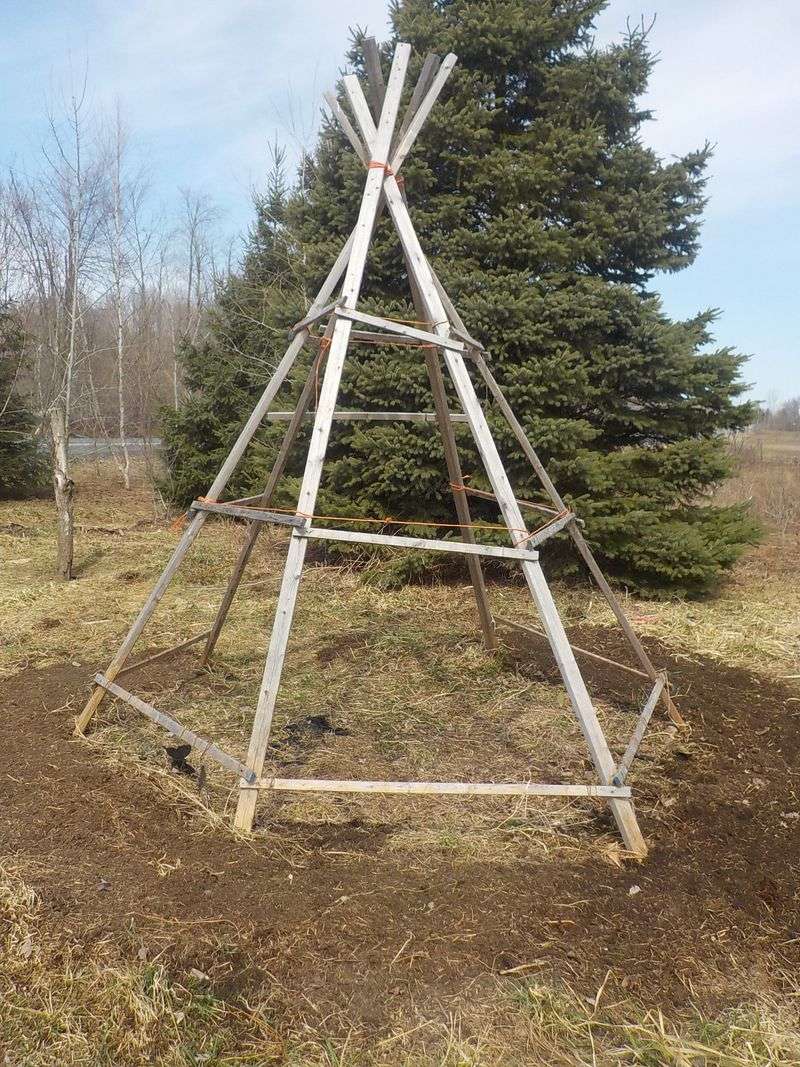
Building the frame is honestly one of the most satisfying parts of the whole project. Michigan gardeners typically gather five to eight poles made from bamboo, wooden stakes, or even strong pruned branches from their own trees.
Each pole should stand about six to eight feet tall so the finished teepee has enough height for beans to climb freely all season.
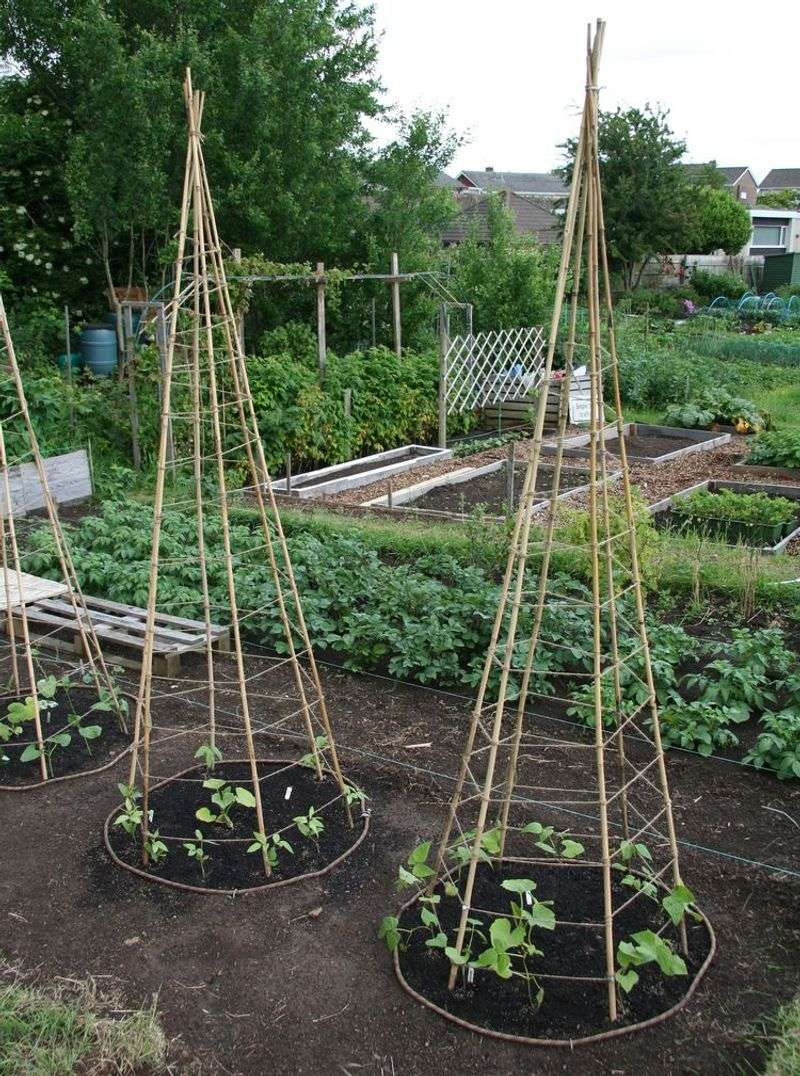
Push each pole firmly into the ground in a circular pattern, spacing them evenly around a circle that measures roughly four to six feet across.
Lean all the poles inward so they meet at a single point at the top, then lash them together securely using garden twine, jute rope, or even wire. The goal is a stable cone shape that will not wobble when summer winds pick up.
Bamboo is a popular choice across Michigan because it is lightweight, strong, and easy to find at local garden centers. Wooden dowels from hardware stores work just as well and tend to last multiple seasons if stored properly after harvest.
Your Michigan Garden Changes Every Week. Your Plan Should Too.
Gardening in Michigan changes quickly throughout the season. Every Friday you’ll receive a simple weekly plan showing exactly what to plant, prune, fertilize, harvest, and protect so you never miss the right timing.
Some gardeners even leave a wider gap between two of the poles to create a small entrance, turning the teepee into a shaded hideout that kids absolutely love.
A well-built frame is the backbone of the entire living structure, so taking a little extra time here pays off big.
3. Place The Teepee In A Spot With Full Sun
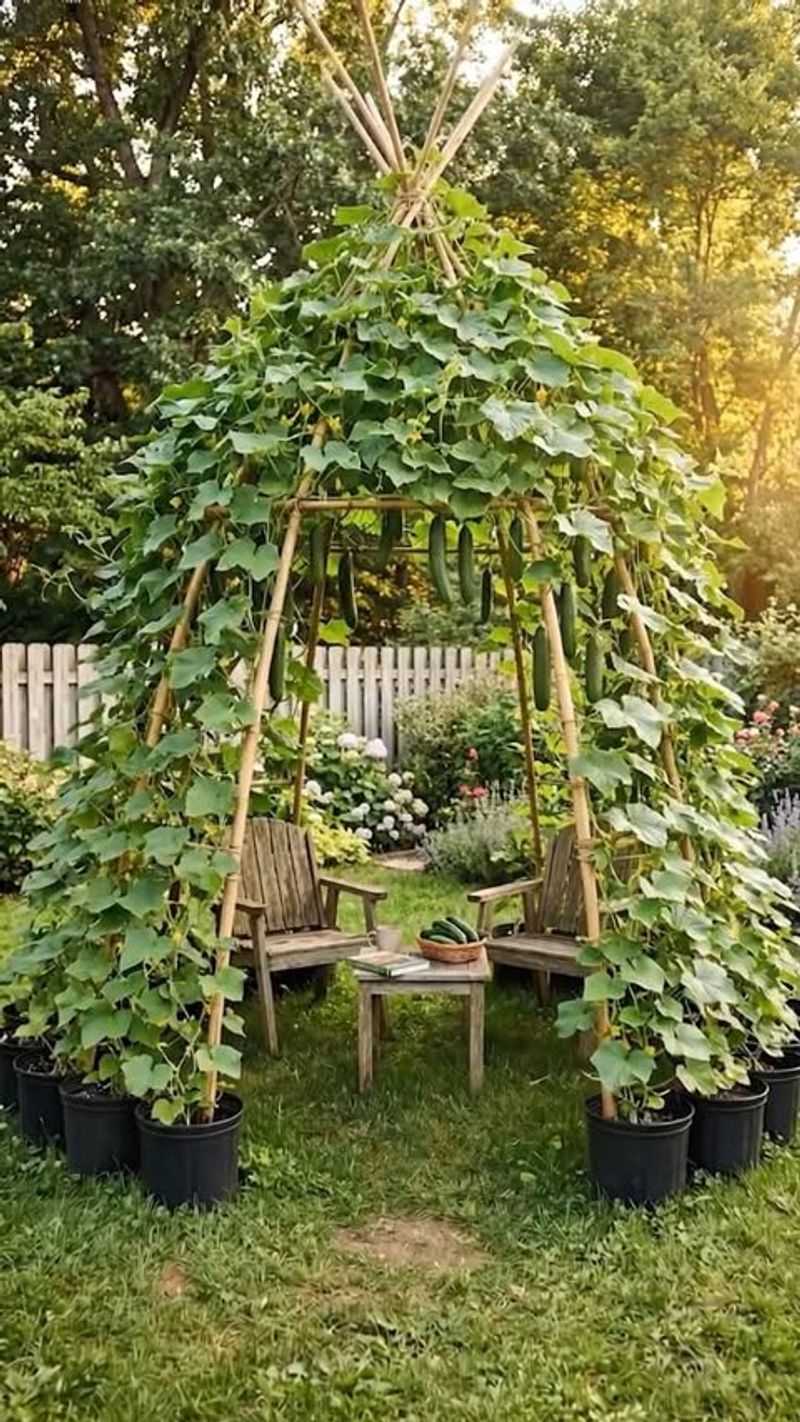
Sunlight is the fuel that powers a bean teepee, and Michigan gardens offer plenty of it during the long summer days. Pole beans need a minimum of six to eight hours of direct sunlight every single day to grow strong, flower well, and produce a generous harvest.
Placing the teepee in the wrong spot can slow growth significantly, even if everything else is done perfectly.
Walk around your yard at different times of day before you commit to a location. Notice where shadows fall from trees, fences, or nearby structures.
A south-facing or west-facing open area usually gets the most consistent sun throughout the day in Michigan, which makes those spots prime real estate for a bean teepee.
Avoid placing the teepee too close to tall trees or buildings that cast long afternoon shade. Beans are warm-season plants that thrive in heat and brightness, so giving them the sunniest spot available is always the smartest move.
One bonus of choosing a great location is that a fully grown teepee covered in vines and flowers actually becomes a beautiful focal point in the garden.
Michigan gardeners often position their teepees where guests can admire them from a patio or window, turning a functional vegetable structure into a genuine garden showpiece that catches every eye.
4. Plant Seeds Around The Base In Late Spring
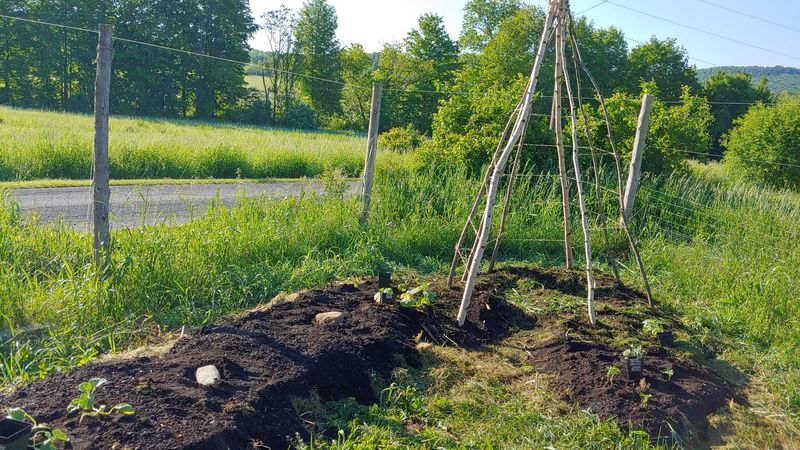
Timing is everything when it comes to planting bean seeds in Michigan. Soil temperature needs to reach at least 60 degrees Fahrenheit before seeds go in, because cold soil causes seeds to rot rather than sprout.
For most of Michigan, that sweet spot arrives sometime in mid to late May, though gardeners in the Upper Peninsula sometimes wait until early June to be safe.
Plant two to three seeds near the base of each pole, pressing them about one inch deep into the soil.
Spacing them evenly around the circle ensures that every pole gets covered with vines as the season progresses, creating that full, lush look that makes a bean teepee so visually stunning.
Water gently right after planting to help the seeds settle into the soil. Michigan gardeners often prepare the planting area a week or two before seed day by loosening the soil and mixing in compost or aged manure.
Beans prefer well-drained soil with a pH between 6.0 and 6.8, so testing the soil beforehand is a smart habit.
One fun fact worth knowing is that beans actually fix nitrogen from the air into the soil through their roots, which naturally improves the garden bed for future seasons.
Planting at the right time and in well-prepared soil gives every seed the best possible start toward becoming a thriving, climbing vine.
5. Thin Seedlings So Every Vine Has Room To Grow
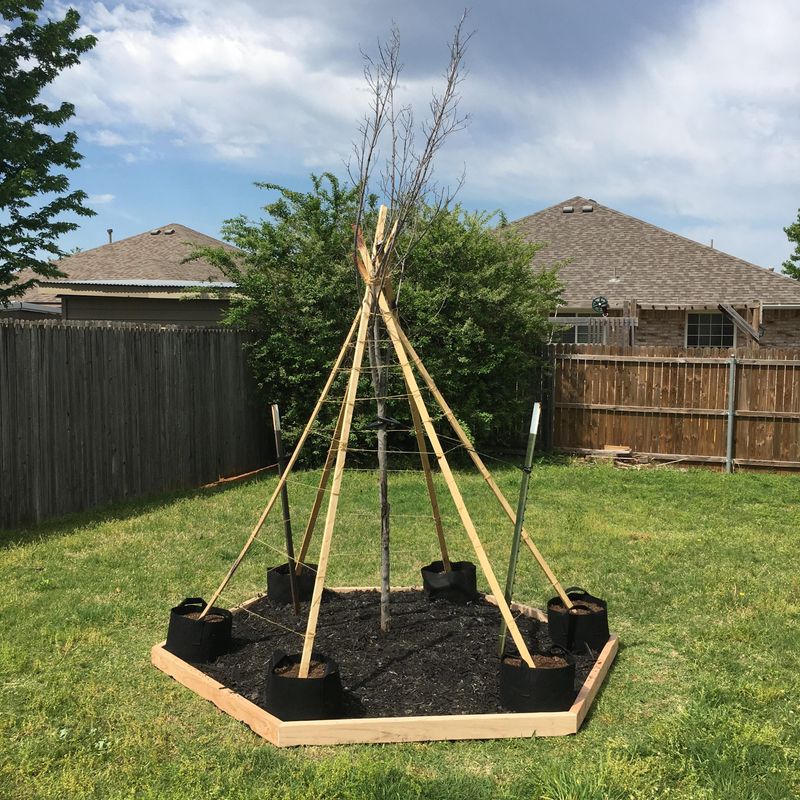
About a week after planting, tiny bean seedlings begin to push up through the soil, and it is one of the most exciting moments in the whole garden season. However, when multiple seeds sprout near the same pole, crowding becomes a real problem fast.
Michigan gardeners know that thinning seedlings early leads to stronger, more productive vines later in the season.
Once seedlings reach about three inches tall, choose the one or two healthiest-looking plants near each pole and carefully remove the rest.
Snipping them at the soil line with small scissors is gentler than pulling, since pulling can disturb the roots of nearby plants you want to keep.
Aim for one strong plant per pole as a general rule, though two plants can work if the teepee frame is especially wide.
Thinning might feel a little wasteful at first, but it genuinely makes a huge difference. Plants with enough personal space develop stronger root systems, grow taller faster, and produce more beans per vine than crowded plants ever could.
Think of it like giving each vine its own lane on the highway. In Michigan gardens where summer heat builds up quickly in July, well-spaced vines also get better airflow around their leaves, which helps reduce the chance of fungal issues.
A little pruning work early in the season rewards you with a much healthier and more beautiful teepee by August.
6. Guide Young Vines Onto The Poles Right Away
Pole beans are natural climbers, but they sometimes need a little nudge in the right direction during their first few weeks of growth. Young vines grow quickly and can start sprawling sideways across the ground if no one steps in to redirect them upward.
Michigan gardeners make it a habit to check their teepees every couple of days during early summer to guide new growth onto the poles.
Gently wrap the young vine around the pole in a clockwise direction, which tends to feel most natural to the plant. The vine will quickly produce small, curling tendrils that grab onto the pole on their own once they make first contact.
You can also use soft garden ties or strips of old fabric to loosely hold a vine against the pole while it gets established, being careful not to wrap anything too tightly around the delicate stem.
This guiding process usually only needs to happen for the first two to three weeks. After that, the vines take over completely and climb with impressive determination all on their own.
Watching a bean vine find its pole and spiral upward is genuinely one of the most satisfying things about growing a living teepee in a Michigan garden.
The early guidance work is minimal, but it makes a noticeable difference in how evenly the poles get covered as the season builds toward full summer beauty.
7. Water Consistently To Keep Vines Strong And Healthy
Water is one of those things that bean plants simply cannot do without, especially during the first few weeks after germination. Michigan summers can swing between rainy spells and dry stretches, so relying only on rainfall is not a reliable strategy for teepee gardeners.
Consistent watering is what keeps vines climbing steadily and bean pods filling out properly throughout the season.
Aim to give the teepee about one inch of water per week, either from rain or from the garden hose. Water at the base of the plants rather than overhead, since wet leaves in humid Michigan summers can invite fungal problems like powdery mildew.
Morning watering is ideal because the soil absorbs moisture before the afternoon heat arrives, and any water that splashes onto leaves has time to dry off naturally during the day.
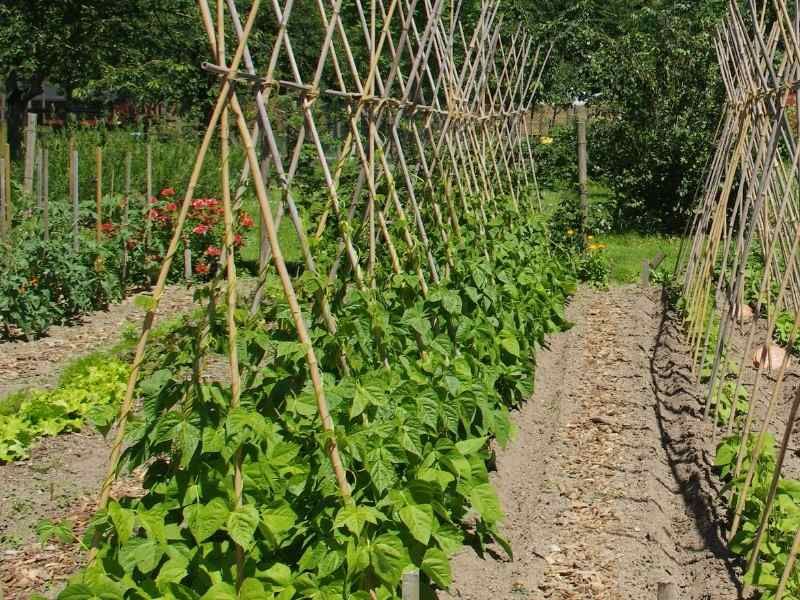
Mulching around the base of the teepee with straw or wood chips is a great trick that many experienced Michigan gardeners swear by.
A two to three inch layer of mulch holds soil moisture in, reduces how often you need to water, and keeps the root zone cooler during hot July and August days.
Drip irrigation systems work beautifully for teepee gardens too, delivering water right to the roots with very little waste.
Staying on top of watering, especially during dry stretches, is one of the most impactful things you can do for a thriving, productive bean teepee all season long.
8. Watch Your Teepee Transform Into A Living Garden Feature
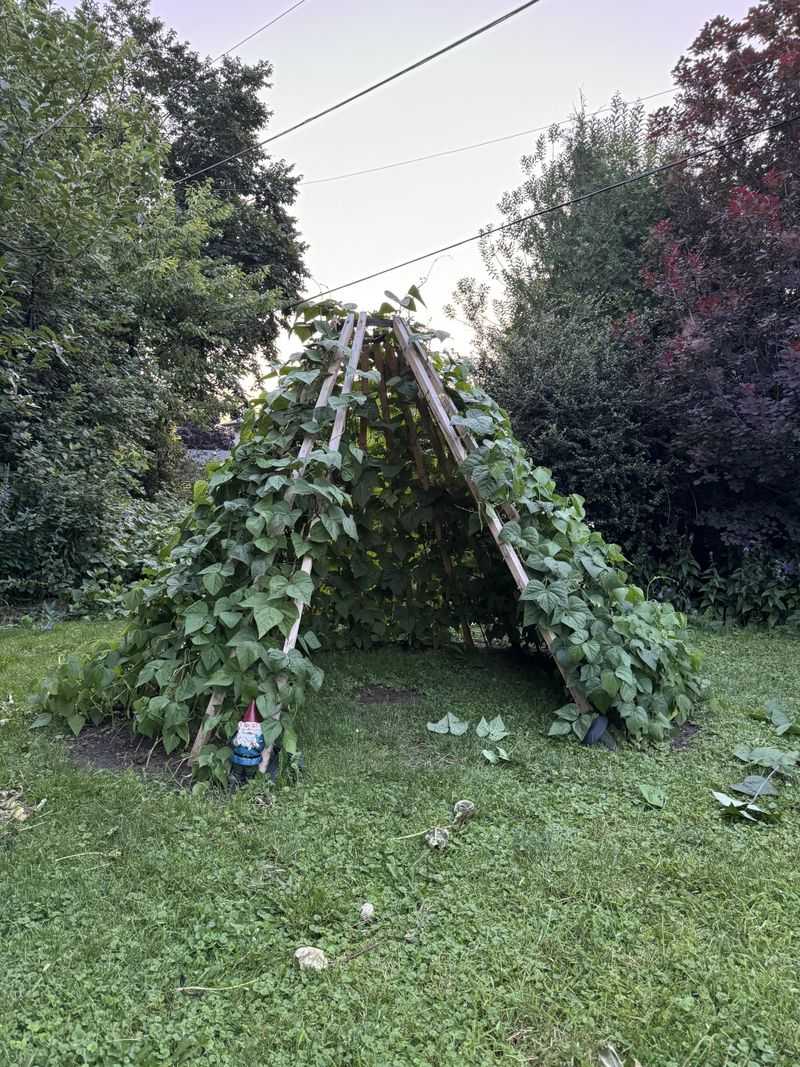
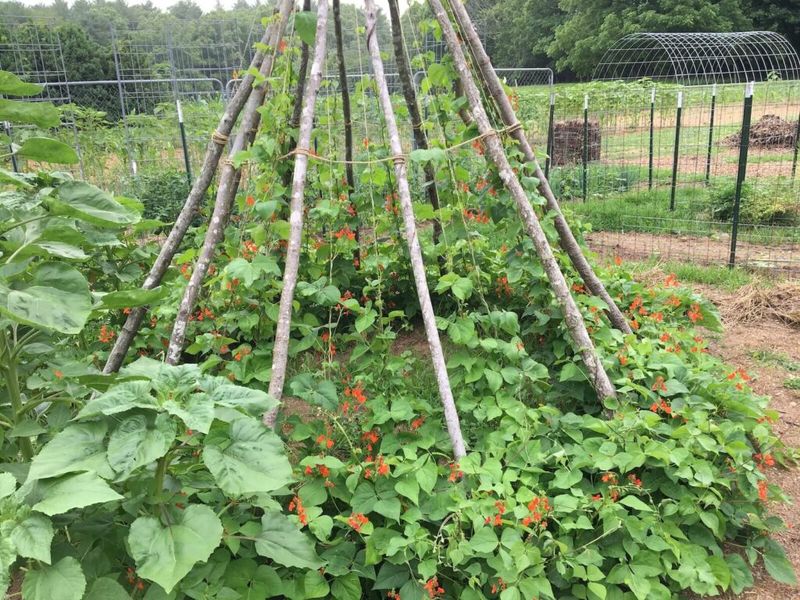
By the time early to mid-July rolls around in Michigan, something almost magical happens to a bean teepee. The poles that once stood bare and simple in the spring soil are now completely wrapped in thick, green vines loaded with leaves, flowers, and bean pods.
The structure transforms from a wooden frame into a living, breathing garden feature that draws compliments from every neighbor who walks by.
Scarlet runner beans add a splash of bright red flowers to the teepee if you mix them in with your pole beans, creating a look that is as beautiful as any ornamental garden plant.
Even standard green pole bean varieties produce small white or purple flowers that attract bees and butterflies, turning the teepee into a buzzing little ecosystem right in your Michigan backyard.
Harvesting beans regularly, about every two to three days once production starts, encourages the plant to keep producing more pods throughout the season.
A fully grown bean teepee is also practical in ways that go beyond just food. The dense vine cover creates a shaded interior that stays noticeably cooler than the surrounding yard, making it a beloved hideaway for kids during hot summer afternoons.
Michigan gardeners who build a teepee once almost always build one again the following year, because the combination of beauty, productivity, and pure garden joy is genuinely hard to beat. It is one of the most rewarding projects a home gardener can take on.