What Happens When You Fertilize Too Early In Georgia Spring
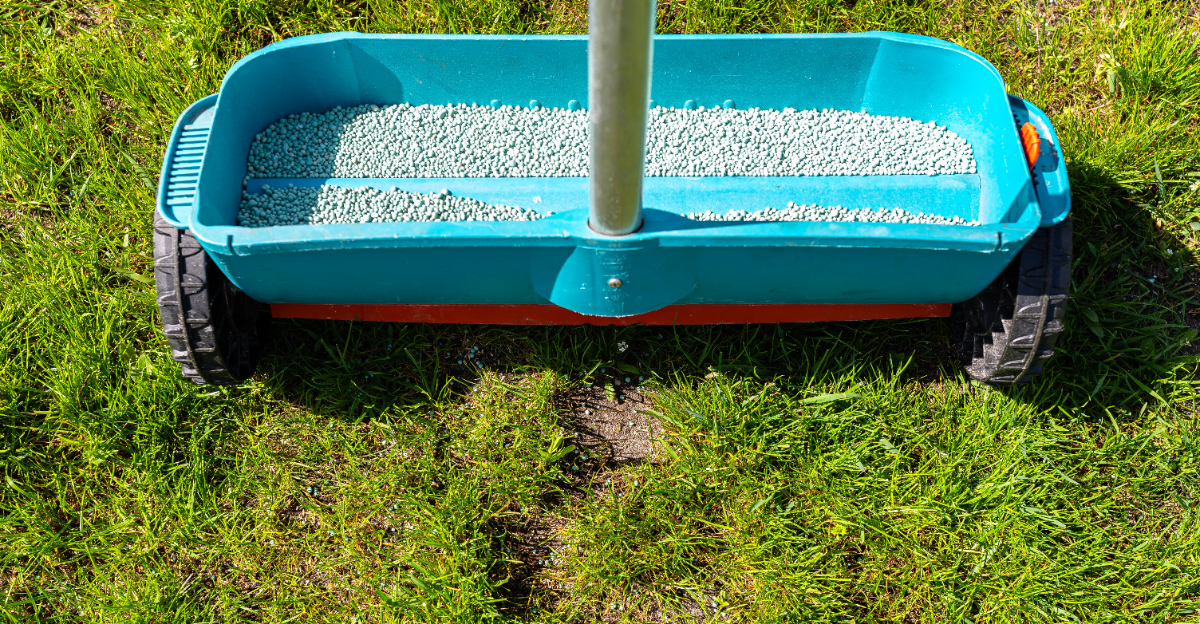
Early spring in Georgia can be misleading, with warm afternoons followed by cool nights that keep soil temperatures inconsistent. A lawn might start to show signs of life, but that does not mean it is ready for fertilizer yet.
That early push can seem like the right move, especially when green blades begin to appear. The problem is what happens beneath the surface does not always match what is visible above it.
Feeding too soon often leads to uneven results that take weeks to correct.
Small timing mistakes at this stage can shape how a lawn performs through the rest of the season. Knowing when to wait matters just as much as knowing when to act.
1. Early Feeding Pushes Growth Before Soil Warms
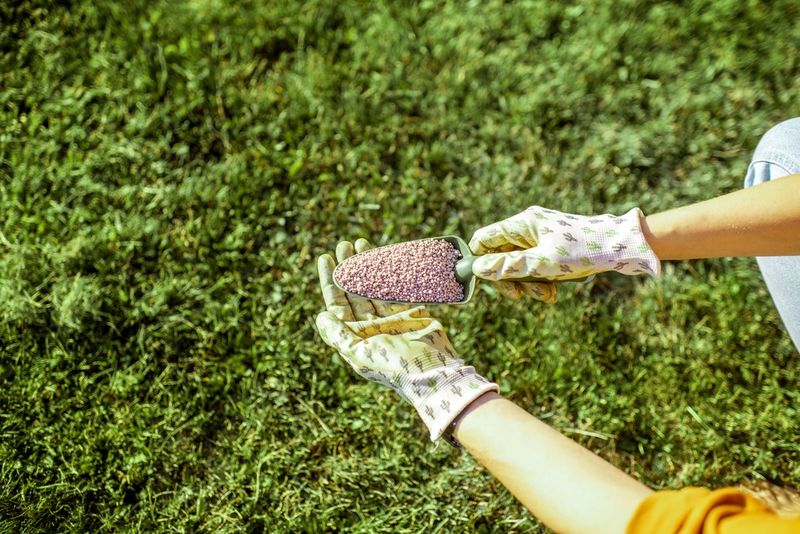
Fertilizing before your soil is actually ready is one of the most common mistakes Georgia homeowners make every spring.
Warm-season grasses like Bermuda and Zoysia need soil temperatures to reach around 65 degrees Fahrenheit before they can really use what you put down.
Feed them too early, and you are essentially pushing the engine before the fuel system is connected.
What happens is the fertilizer triggers top growth, but the roots are still sitting in cold, sluggish soil. You might see some green shoots pop up and feel good about it, but that growth is soft, thin, and not backed by a healthy root system.
It looks encouraging on the surface while the foundation stays weak underneath.
Georgia’s spring soil can stay cooler than the air temperature for weeks, especially after a wet winter. Even if daytime highs are climbing into the 70s, your soil at a couple of inches deep might still be sitting in the low 50s.
Grass blades responding to fertilizer in those conditions tend to be fragile and uneven.
A simple soil thermometer, available at most garden centers, takes the guesswork out of the decision. Check the temperature at about two to three inches deep for several mornings in a row.
2. Late Cold Snaps Damage That Soft New Growth
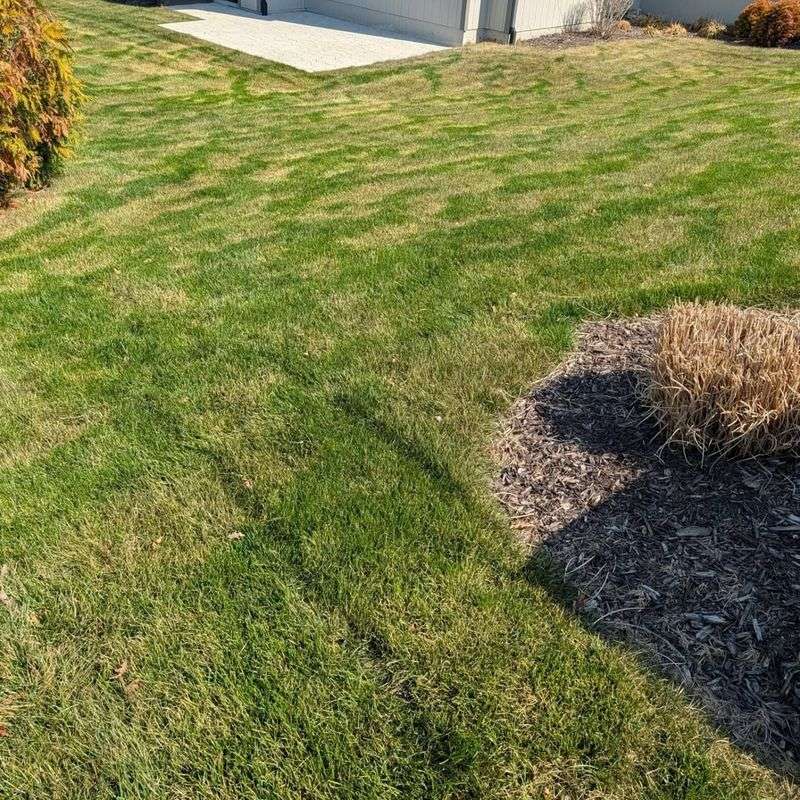
Georgia gardeners know spring weather does not follow a straight line. A stretch of warm days in late February or early March can feel convincing, but the state regularly sees cold snaps well into April.
When fertilizer pushes new growth too early, that tender grass becomes extremely exposed to whatever cold comes next.
Soft, fast-growing grass tissue holds more water and has less structural strength than growth that develops slowly over time. When temperatures drop below freezing, that watery tissue takes the hit hard.
You end up with patches of brown, damaged grass that looked perfectly fine just days before the cold arrived.
Bermuda grass is especially prone to this pattern in Georgia. It greens up quickly when pushed with nitrogen, but that early green can get wiped back to brown with a single frost event.
Centipede grass is even more sensitive and can take weeks to recover from cold damage after being pushed into early growth.
Waiting to fertilize until after your last realistic frost date for your part of Georgia reduces this risk significantly. North Georgia gardeners generally need to wait longer than those in the coastal plains, where spring arrives earlier and more reliably.
Your Georgia Garden Changes Every Week. Your Plan Should Too.
Gardening in Georgia changes quickly throughout the season. Every Friday you’ll receive a simple weekly plan showing exactly what to plant, prune, fertilize, harvest, and protect so you never miss the right timing.
Checking local frost history for your county gives you a more accurate picture than just watching the forecast a few days out.
3. Nutrients Leach Out During Heavy Spring Rain
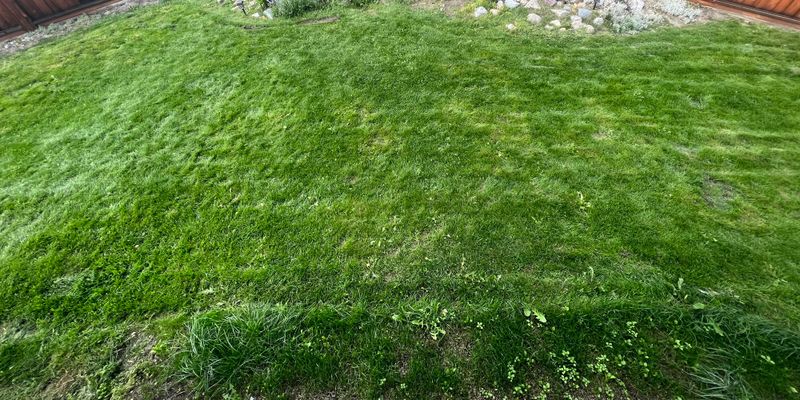
Spring in Georgia brings rain, sometimes a lot of it, and often in heavy bursts rather than slow, steady showers. When you apply fertilizer to soil that is not actively absorbing nutrients, those nutrients do not just sit and wait.
Water moves them down through the soil profile and eventually out of the root zone entirely.
Nitrogen is especially prone to leaching because it does not bind tightly to soil particles. A couple of heavy rains after an early application can push a significant portion of your fertilizer investment straight past the roots and into the groundwater.
You spent the money, put in the effort, and the lawn got very little benefit from it.
Phosphorus can run off the surface during heavy rain events, particularly on sloped yards or compacted soil. Runoff carrying fertilizer nutrients is also an environmental concern in Georgia, contributing to water quality issues in local streams and lakes.
It is not just a waste, it is a problem that extends beyond your property line.
Applying fertilizer when your grass is actively growing and the soil is warm enough to absorb it reduces this waste considerably. Slow-release nitrogen fertilizers also help by making nutrients available gradually rather than dumping everything at once.
4. Roots Cannot Absorb Fertilizer In Cool Soil
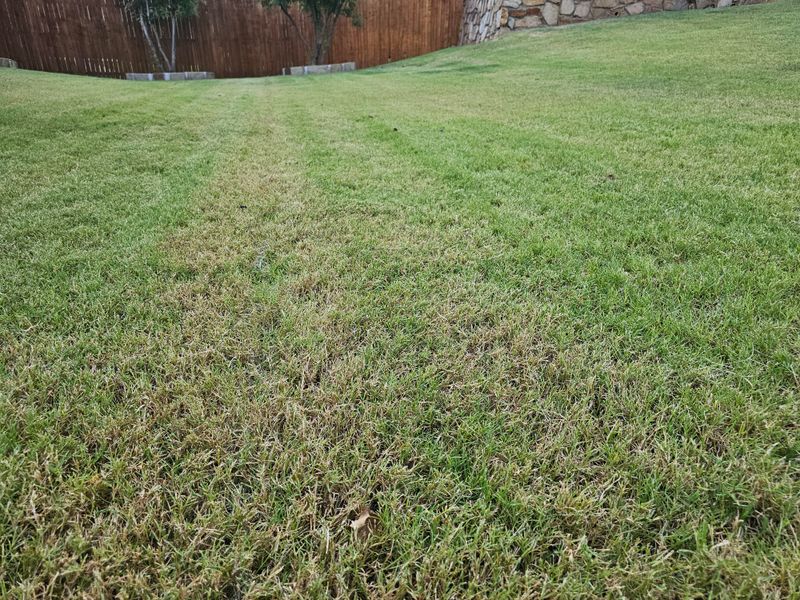
Root activity in warm-season grasses slows down significantly when soil temperatures drop. Below about 55 degrees Fahrenheit, Bermuda, Zoysia, and Centipede grass roots are operating in a low-energy state.
Nutrient uptake becomes inefficient, and the grass simply cannot process what you are putting in front of it.
Fertilizer applied under these conditions does not get stored for later use by the plant. Nitrogen especially does not work that way.
It either gets taken up relatively quickly or it moves through the soil with water or breaks down. The window between application and loss is short, and cool roots are too slow to take advantage of it.
Georgia gardeners sometimes notice that grass fertilized in cool conditions looks uneven for weeks. Some areas might show a little response while others stay flat.
That inconsistency is often a sign that root activity is patchy and unreliable across the lawn. It is not a fertilizer quality issue, it is a timing issue.
Soil biology also plays a role here. The microorganisms that break down organic matter and make nutrients available to roots are also less active in cool soil.
Even fertilizers that depend on microbial activity to release nutrients work slower and less predictably in cold conditions.
5. Weak Growth Attracts Pests And Disease
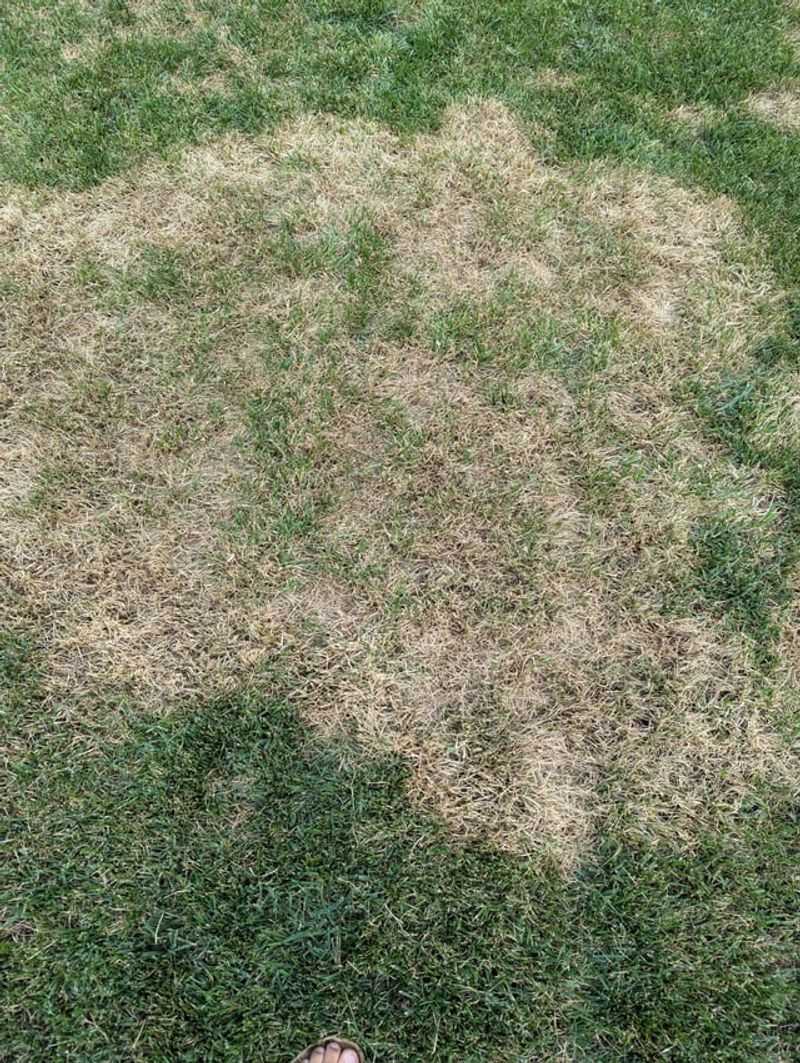
Soft, rapidly pushed grass growth is a magnet for trouble. When nitrogen stimulates top growth faster than the plant can build cell structure, the resulting tissue is thinner, more tender, and far easier for insects and fungal pathogens to get into.
Healthy, well-timed growth has more resistance built in naturally.
Fungal diseases like brown patch and dollar spot are more likely to take hold in Georgia lawns when conditions combine soft grass tissue with cool, wet spring weather. Early fertilization can set up exactly that combination.
The grass grows fast and soft, temperatures stay inconsistent, moisture sits on the blades longer in cool air, and fungal spores find an easy target.
Grubs and other soil insects are also more of a problem in lawns that have shallow, underdeveloped root systems. A lawn that was pushed into early growth without solid root support is less able to handle pest pressure.
Damage that a healthy, deeply rooted lawn might shrug off can cause visible stress in one that was pushed too fast.
Building a lawn that resists pests and disease starts with letting it develop on its own schedule. Fertilizing after the soil has warmed and the grass is actively growing produces thicker, stronger blades that are structurally tougher.
6. Salt Buildup Stresses Roots In Wet Conditions
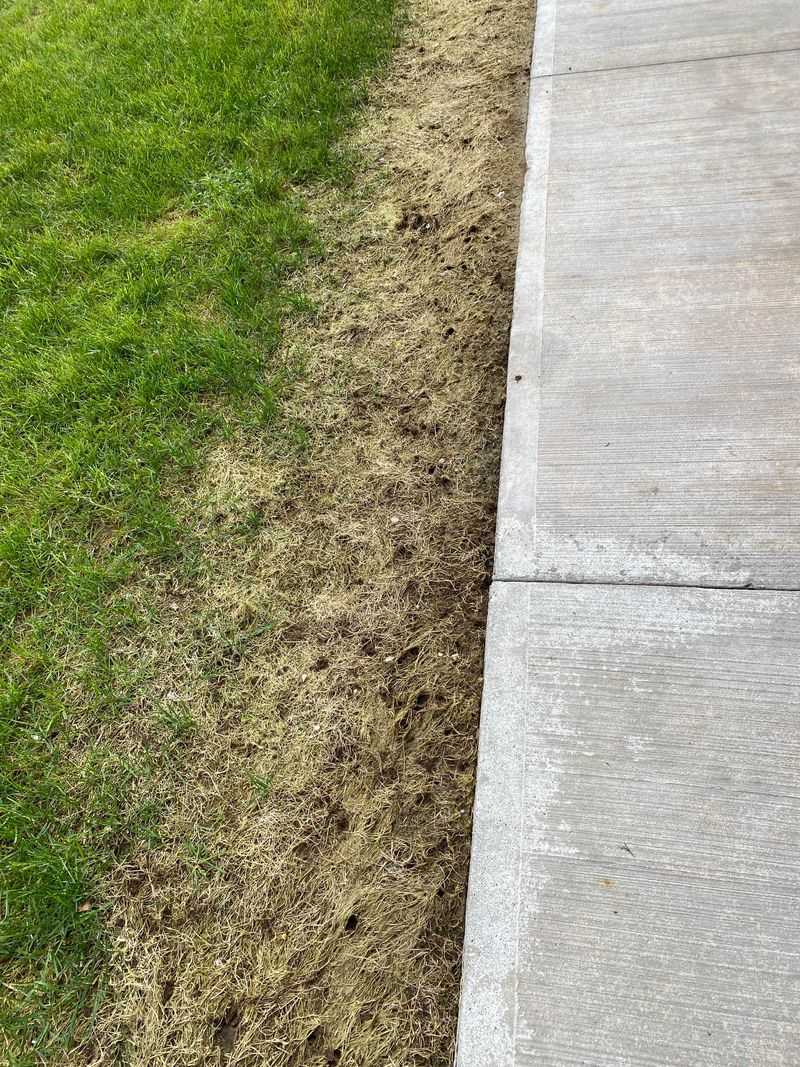
Most fertilizers carry some level of salt index, meaning they introduce salts into the soil when applied. Under normal growing conditions, active roots absorb nutrients and water moves salts through the profile at a manageable rate.
Early spring in Georgia changes that balance in ways most homeowners do not think about.
When soil is wet from spring rain and the grass is not actively growing, salts from fertilizer can concentrate around the root zone instead of moving through it.
High salt concentrations pull moisture away from roots through osmotic pressure, essentially making it harder for roots to take up water even when water is available.
The result looks a lot like drought stress, which is confusing given how much rain Georgia gets in spring.
Sandy soils in south Georgia drain quickly and flush salts through faster, but they also lose nutrients rapidly. Clay-heavy soils in the Piedmont region hold water longer, which can extend the period that salt concentrations stay elevated around roots.
Neither soil type handles early fertilization particularly well for different reasons.
Granular fertilizers with a high salt index are the biggest concern in this situation. Slow-release formulas or fertilizers with lower salt indexes reduce the risk, but timing still matters significantly.
Applying any fertilizer when the grass is dormant or barely active leaves more room for salt stress to develop.
7. Mid To Late Spring Feeding Works Best After Soil Warms
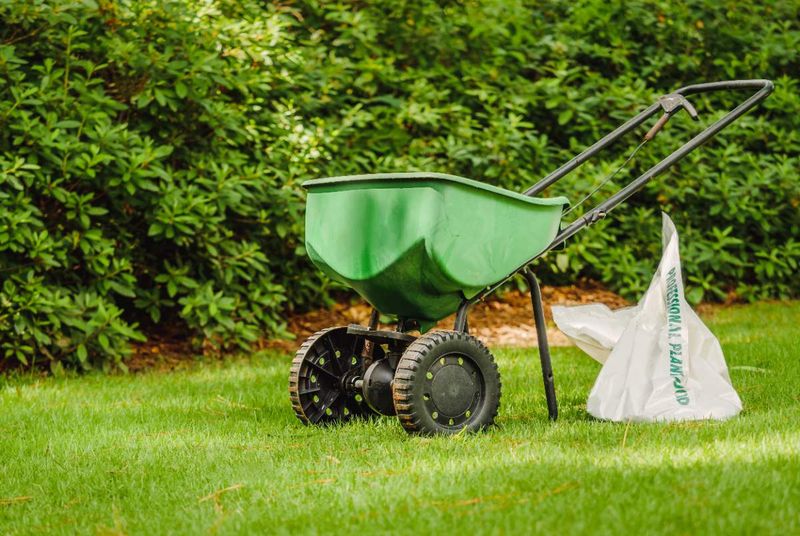
Getting the timing right is less complicated than it might sound. For most of Georgia, mid to late spring, roughly late April through May, is when warm-season grasses hit their stride and fertilizer actually does what it is supposed to do.
Soil temperatures are holding above 65 degrees, roots are active, and the grass has already been mowed at least once or twice.
By that point, Bermuda, Zoysia, Centipede, and St. Augustine lawns are pulling nutrients efficiently. Fertilizer applied during active growth gets used rather than wasted.
You see more even greening, stronger lateral spread, and better density compared to lawns that were pushed too early and spent weeks recovering from the consequences.
Tall Fescue is the exception worth noting. As a cool-season grass, it follows a different schedule and can take an early spring feeding in late February or early March before it begins active growth.
If your Georgia lawn is fescue, especially in the northern parts of the state, the timing rules are different from what applies to warm-season turf.
A practical approach is to stop watching the calendar and start watching the lawn itself. When the grass has visibly greened up on its own, been mowed at least once without much forcing, and the soil thermometer is reading consistently warm, that is your reliable signal.