7 No-Mow Lawn Ideas With Ground Covers For Arizona Yards
Arizona lawns ask for a lot and rarely give back the look most expect. Water use climbs, patches show up, and the surface never quite stays even through the hotter stretch of the year.
Traditional grass often turns into a constant fix instead of something that feels finished.
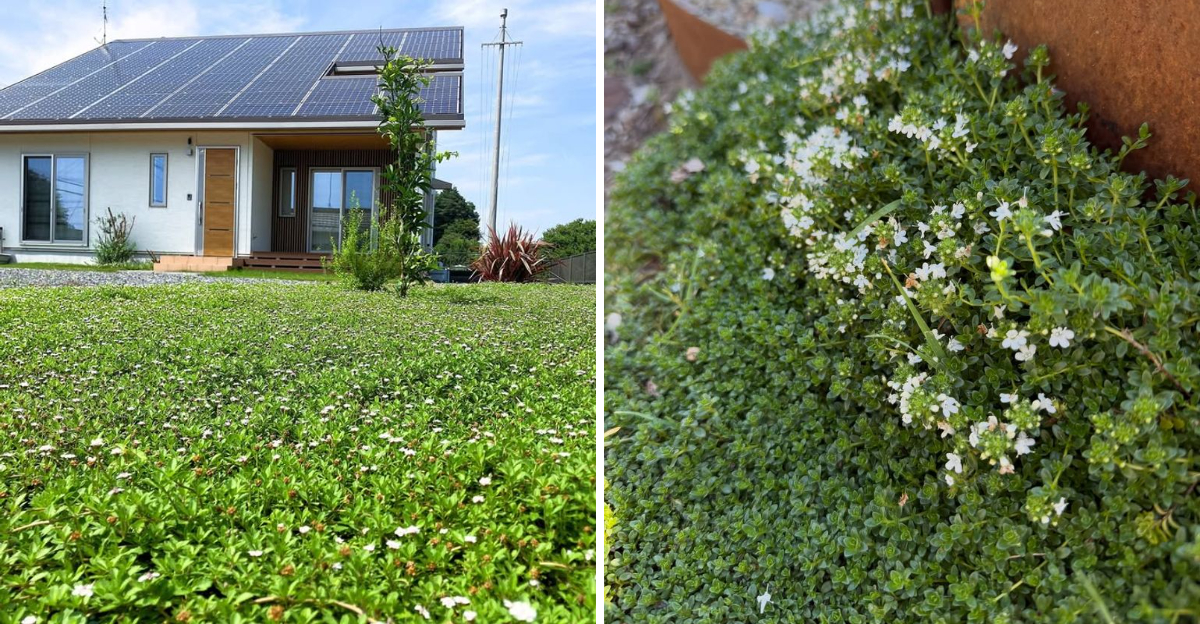
Ground covers offer a cleaner approach that fits the climate far better. Low growth, steady spread, and a more natural finish can replace that high effort routine without sacrificing visual appeal.
Some bring soft texture, others create a tighter surface that holds up well under sun and dry conditions.
Switching to the right mix can completely change how the yard comes together, especially in spaces where grass has always been a struggle.
1. Blue Grama Forms A Low Native Lawn Alternative
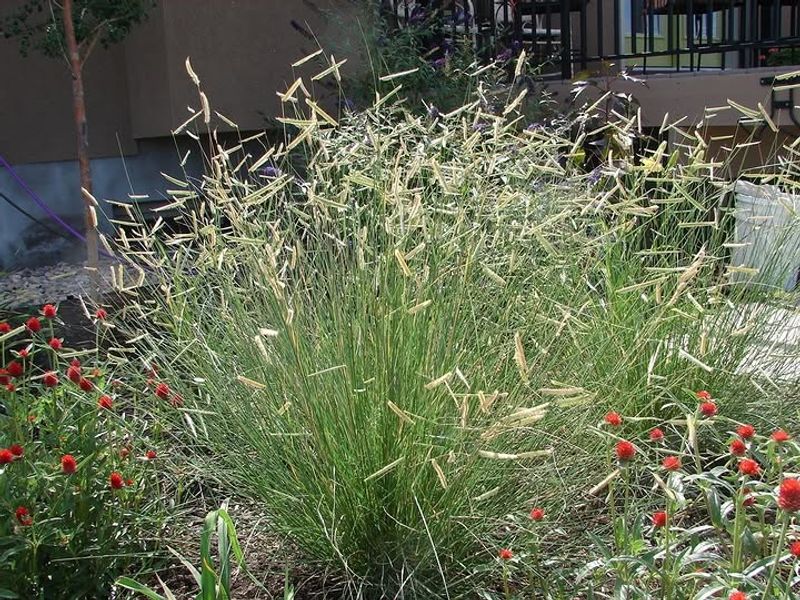
Blue Grama is one of those plants that actually belongs in Arizona, and that matters more than most people realize. Native to the Southwest, it evolved alongside the region’s dry summers and mild winters, which means it handles the heat without much help from you.
Planted in a yard, it stays naturally short, usually under a foot, and skips the whole mowing routine that traditional turf demands.
Getting it started does take some patience. Seeding works best in late spring or early summer when soil temps are warm enough for germination.
You can also plant plugs if you want faster coverage. Either way, expect a few months before it fills in, and keep the soil lightly moist during that stretch.
Once it has settled in, Blue Grama runs on very little supplemental water. In many Arizona yards, rainfall alone carries it through cooler months.
During the hottest stretches of summer, a deep watering every couple of weeks keeps it from going completely dormant.
It goes tan in winter, which some people dislike. But come spring, it greens back up without any intervention.
That seasonal shift is just how it works, and honestly, a tan yard in January still beats a patchy, overwatered lawn struggling to survive. Blue Grama also supports native pollinators and birds, so it pulls extra duty beyond just looking decent.
For Arizona homeowners wanting a lawn feel without the upkeep, this grass is a genuinely practical starting point.
Its distinctive seed heads, which resemble small eyelashes, appear in summer and add subtle texture without increasing maintenance needs.
2. Frogfruit Spreads Fast And Handles Light Foot Traffic
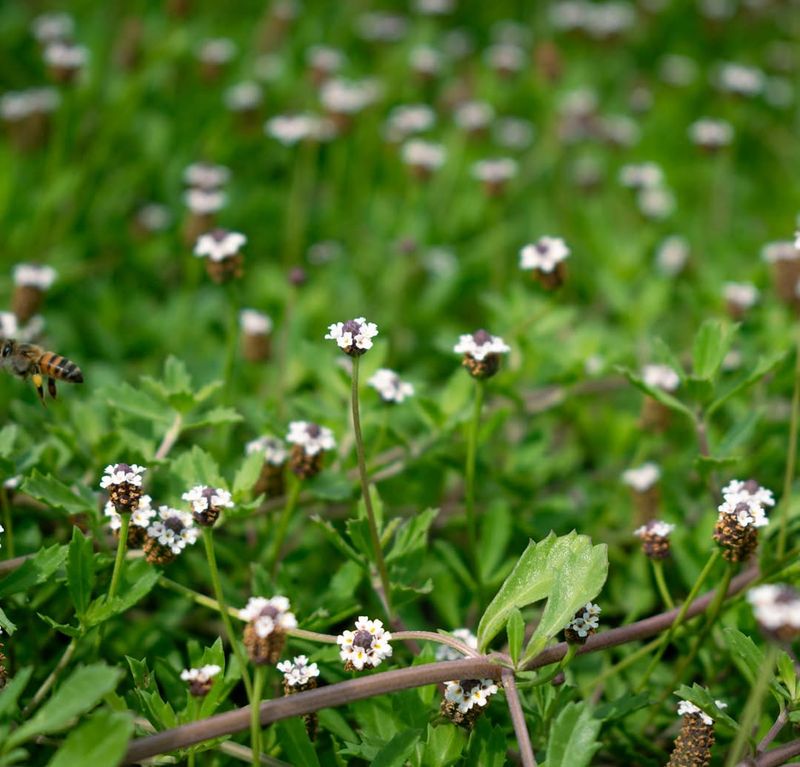
Frogfruit might have the strangest name in the plant world, but its performance in Arizona yards is no joke. Also known as Phyla nodiflora, it spreads aggressively by sending out runners that root wherever they touch soil.
Give it a season and it can cover a surprising amount of ground, which makes it useful for filling large open areas without spending a fortune on plants.
What sets it apart from many other ground covers is its ability to handle some foot traffic. Not heavy use, but casual walking paths or areas where kids occasionally cut across the yard?
Frogfruit bounces back from that kind of pressure better than most low-growing options. The stems are flexible and close to the ground, so they tend to recover rather than snap.
Your Arizona Garden Changes Every Week. Your Plan Should Too.
Gardening in Arizona changes quickly throughout the season. Every Friday you’ll receive a simple weekly plan showing exactly what to plant, prune, fertilize, harvest, and protect so you never miss the right timing.
Tiny white flowers appear throughout the warmer months, and those blooms attract butterflies and bees consistently. If you want to support pollinators in your Arizona yard, this plant delivers on that without needing any special care.
Just plant it, water it through the first summer, and let it do its thing.
It does need some water to look its best during peak Arizona heat. Completely cutting it off during July and August will slow its spread and cause browning.
A deep watering once or twice a week through the hottest months keeps it green and spreading. Full sun works, but it also tolerates partial shade, giving it flexibility for yards with mixed light conditions across different parts of the property.
In frost-prone areas, it may go dormant during winter, then regrow from the roots once temperatures warm up again.
3. Kurapia Creates A Dense Green Carpet With Low Water Use
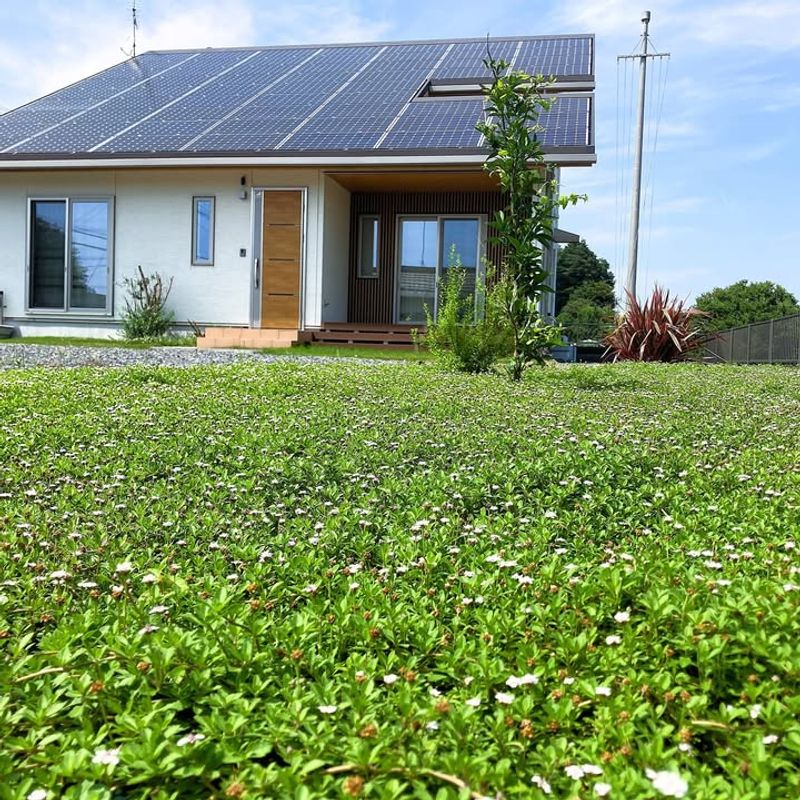
Kurapia came out of Japan and has been gaining real traction in hot, dry climates across the American Southwest.
It is a sterile hybrid, meaning it does not spread by seed and stays where you plant it, which is a big deal if you are worried about it jumping into garden beds or neighboring yards.
That controlled growth habit makes it easier to manage than many aggressive spreaders.
Water use is where Kurapia really stands out compared to traditional turf. Research from California and Arizona has shown it can use significantly less water than conventional grass while maintaining decent coverage.
In Phoenix or Tucson, that kind of efficiency adds up fast on your water bill, especially through a long desert summer.
Planting it from plugs spaced about a foot apart gives the best results. It fills in within a single growing season under good conditions, though soil quality and sun exposure affect that timeline.
Full sun is ideal, and it struggles in heavy shade, so assess your yard before committing to large areas.
Small white flowers pop up regularly, and while they are subtle, they do attract some pollinators. If you prefer a cleaner look, occasional mowing at a high setting keeps it tidy, but it is not required.
Kurapia stays relatively low on its own. For Arizona homeowners wanting something that genuinely looks like a lawn without the same resource demands, Kurapia is one of the more promising options available right now in the region.
It performs best in well-drained soil, as overly wet or poorly draining areas can slow its spread and lead to uneven coverage.
4. Creeping Lantana Covers Ground And Handles Heat
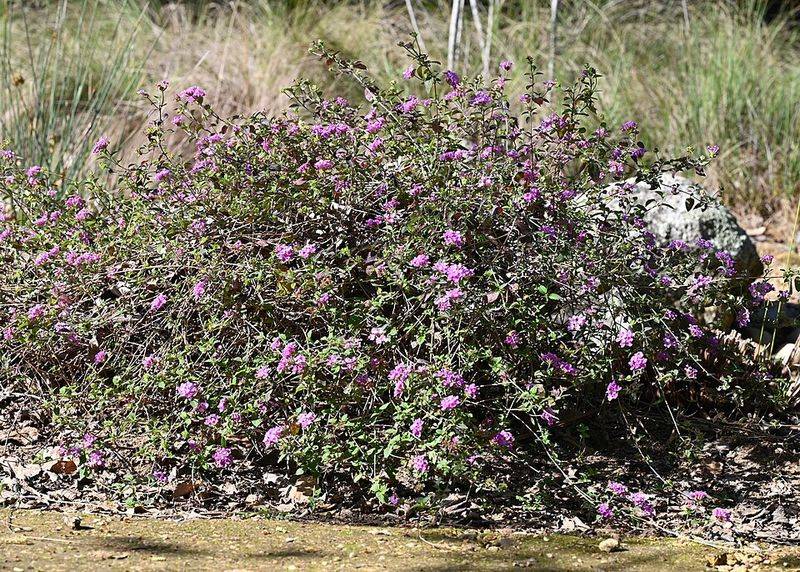
Few plants shrug off Arizona summer heat the way Creeping Lantana does. While other ground covers slow down or stress out when temperatures push past 110 degrees in Phoenix, this plant keeps blooming.
Purple and lavender flowers appear from spring through fall, and the dense trailing stems cover ground quickly enough to crowd out weeds without much help from you.
It spreads outward rather than upward, staying low enough that it does not block views or overwhelm smaller garden features. Mature plants can reach several feet wide but stay under two feet tall, which gives it a flat, carpet-like appearance across open areas.
That growth habit works especially well on slopes or along walls where erosion can be a problem in Arizona’s monsoon season.
Water needs are modest after the first year. Getting plants established through their first summer does require regular watering, roughly two to three times per week during peak heat.
After that, cutting back to once a week or even less is usually enough depending on your soil and location.
One real consideration: Lantana berries are toxic to pets and some wildlife. If you have dogs that chew on plants or children who might grab berries, weigh that carefully before planting it in accessible areas.
That said, in yards where it is not a concern, Creeping Lantana is one of the hardest-working ground covers available for Arizona conditions. Its combination of color, toughness, and weed suppression is genuinely hard to beat in the desert Southwest.
Creeping Lantana also handles reflected heat from walls and pavement without losing coverage, making it especially useful in hotter parts of the yard.
5. Trailing Rosemary Forms A Tough And Drought-Tolerant Mat
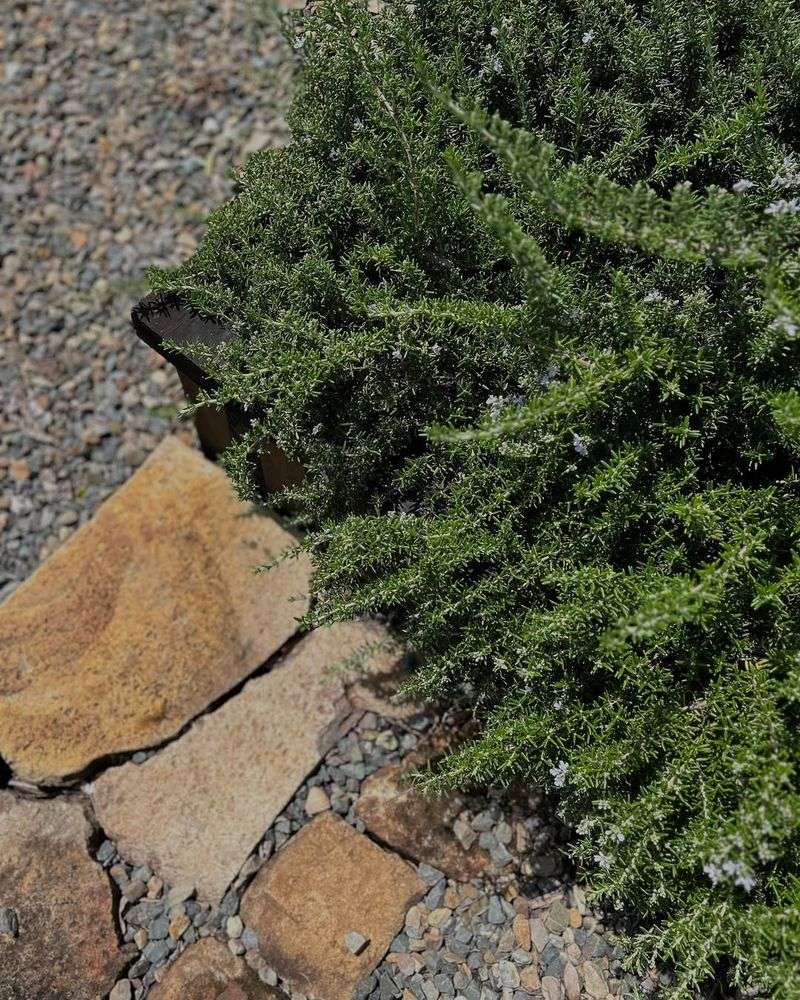
Trailing Rosemary is one of those plants that earns its keep in multiple ways. Yes, it covers ground and suppresses weeds, but it also smells incredible, produces small blue flowers that bees love, and can be clipped for cooking if you want.
That kind of multi-use value is rare in a ground cover, and in Arizona yards, it is a plant that genuinely rewards you for planting it.
Unlike upright rosemary varieties, the trailing form spreads horizontally and stays close to the ground. It works well on slopes, in rock gardens, or along pathways where foot traffic is minimal.
The stems root as they spread, which helps anchor soil on inclines and reduces erosion during Arizona’s monsoon rains.
Drainage is the one thing Trailing Rosemary is picky about. Soggy soil leads to root problems, so planting it in well-draining ground or amended beds is important.
Raised areas or spots with sandy, rocky soil work best. Arizona’s naturally lean, fast-draining soils are actually a good match for this plant in most cases.
Water requirements drop significantly after the first growing season. During establishment, watering every few days through summer heat keeps it stable.
After that, deep but infrequent watering every one to two weeks is usually plenty, even during hot stretches. Trimming back the tips after flowering encourages denser growth and prevents the center from getting woody and bare over time.
For sun-baked Arizona yards, Trailing Rosemary is a dependable, fragrant, and genuinely attractive ground cover option.
6. Dichondra Works In Light Shade With Soft Coverage
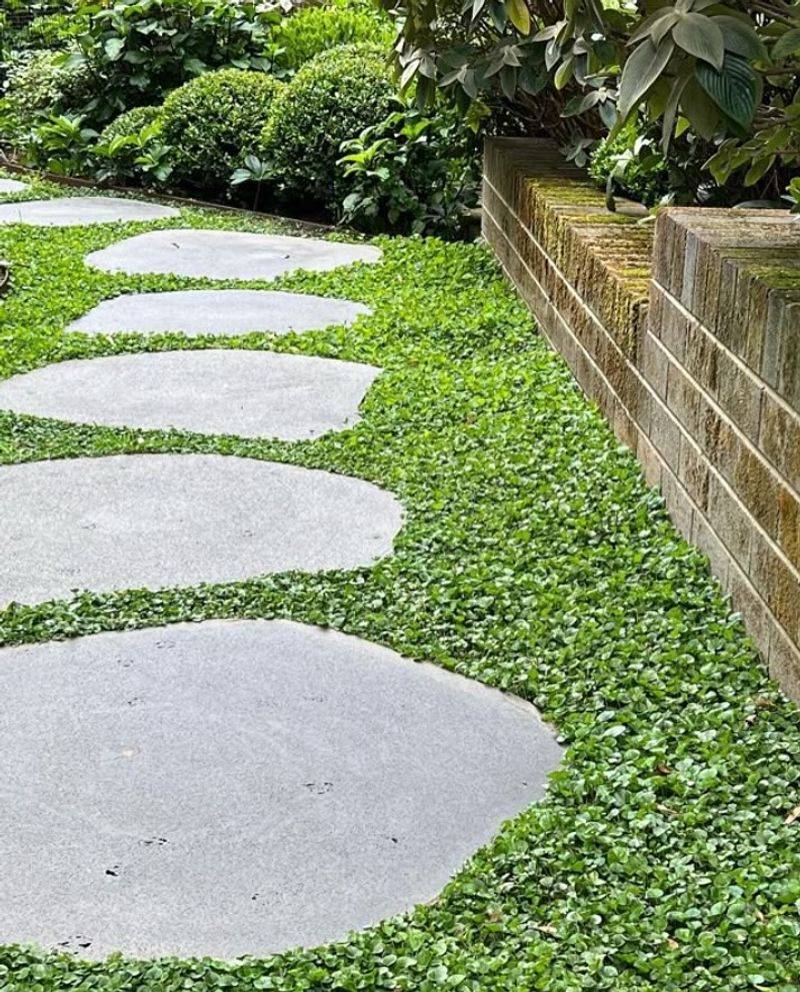
Most ground covers for Arizona want full sun, which makes Dichondra genuinely useful for a specific problem: what to do with those shaded or partially shaded spots in your yard where other plants struggle.
Under trees, along shaded fence lines, or in east-facing areas that escape afternoon sun, Dichondra can fill in where tougher desert plants often thin out and look patchy.
Its small, round leaves have a soft, almost velvet-like texture that creates a carpet effect unlike anything else on this list. It stays very low, rarely getting above two inches tall, which means it genuinely eliminates the need for mowing in the areas it covers.
Walking across it feels different from grass, softer and springier underfoot, though it is not built for heavy or repeated foot traffic.
Water is the trade-off with Dichondra in Arizona. It needs more consistent moisture than desert-adapted plants, especially through the intense heat of June and July.
Drip irrigation set on a regular schedule makes managing this much easier.
Planting from seed is affordable and works well in cooler months, while plugs give you faster coverage in spring. Either way, soil prep matters here more than with tougher plants.
Loosening compacted Arizona soil and mixing in some compost before planting gives Dichondra a much better chance at filling in evenly and staying lush through the warmer months ahead.
Good drainage is just as important, since soggy or compacted soil can lead to thinning and patchy growth over time.
7. Woolly Thyme Stays Low And Handles Dry Conditions
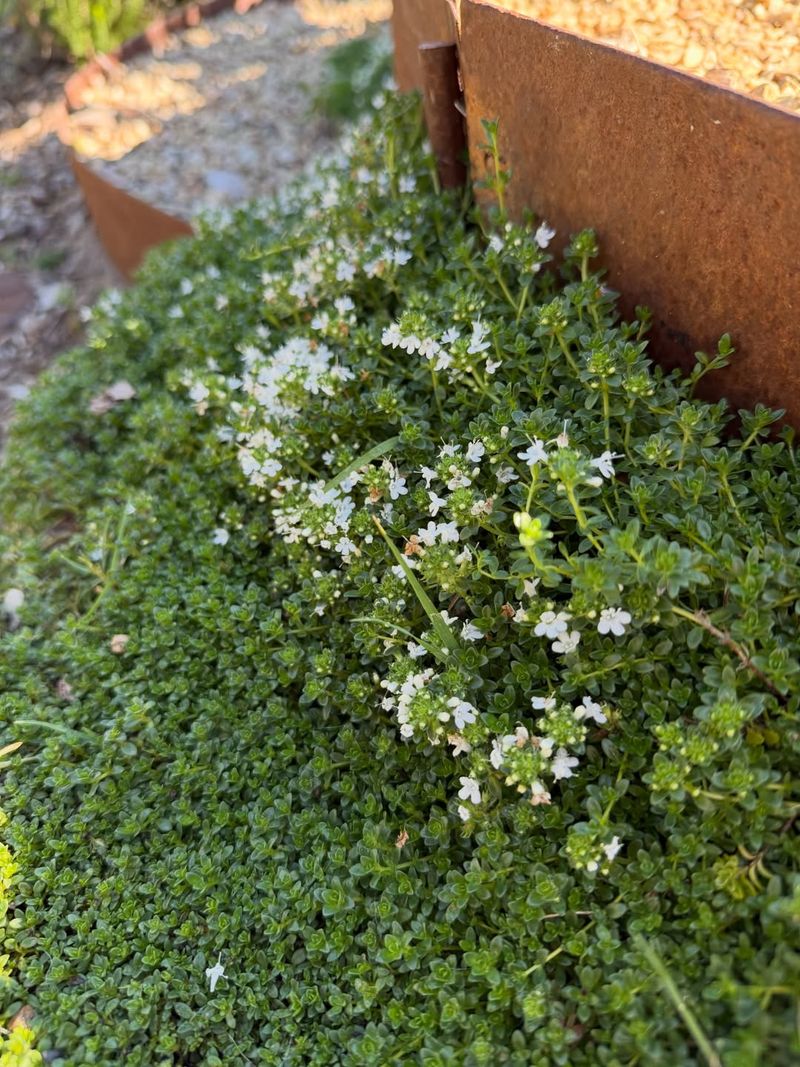
Woolly Thyme does something most ground covers cannot pull off: it looks right at home tucked between stepping stones, filling gaps in flagstone patios, or creeping along the edges of gravel paths.
Its soft, fuzzy gray-green foliage stays almost flat, which makes it a natural fit for the kind of dry, textured landscapes that work so well in Arizona yards.
It is not trying to be a lawn replacement, but in the right spot, it fills space beautifully.
Dry conditions suit it well. Arizona’s low humidity and hot sun are not problems for Woolly Thyme the way they are for moisture-loving plants.
It handles reflected heat from pavers and gravel without much complaint, which is a real advantage in yards where hardscaping makes up a large portion of the space.
Watering frequency is low compared to most ground covers on this list. After getting established through the first season, it can often survive on rainfall alone during cooler months.
Through peak summer heat, a deep watering every ten days to two weeks is typically enough to keep it from drying out completely.
Small pink flowers appear in late spring and early summer, adding a soft pop of color before the heat of July arrives. Bees and small pollinators visit those blooms regularly.
One thing to note: Woolly Thyme does not hold up under consistent foot traffic. It works best as a filler plant rather than a walkable surface.
For dry Arizona yards with rock or gravel features, it slots in naturally and adds texture without demanding much in return.