10 Oregon Shrubs That Give Birds Cover During Nesting Season
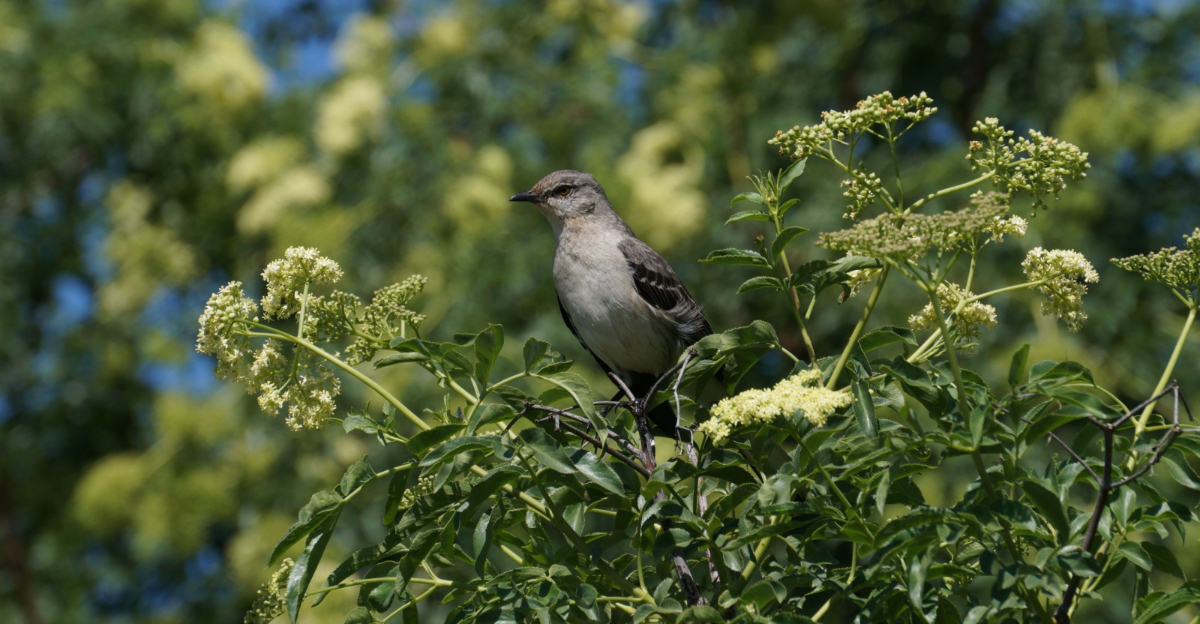
Did you know that a bird’s favorite part of your yard might not be the feeder, but the dense thicket in the corner?
As Oregon spring brings longer days, birds across the state begin a frantic search for safe, sheltered spots to raise their young.
While food and water help, a thick shrub is often the single most important gift you can offer during nesting season. Our native shrubs leaf out quickly this time of year.
They create layered cover that allows birds to hide, rest, and feel secure enough to stay. If you want a front-row seat to nature’s nursery, adding the right greenery can turn your garden into a preferred sanctuary.
1. Western Serviceberry Creates Layered Cover For Birds
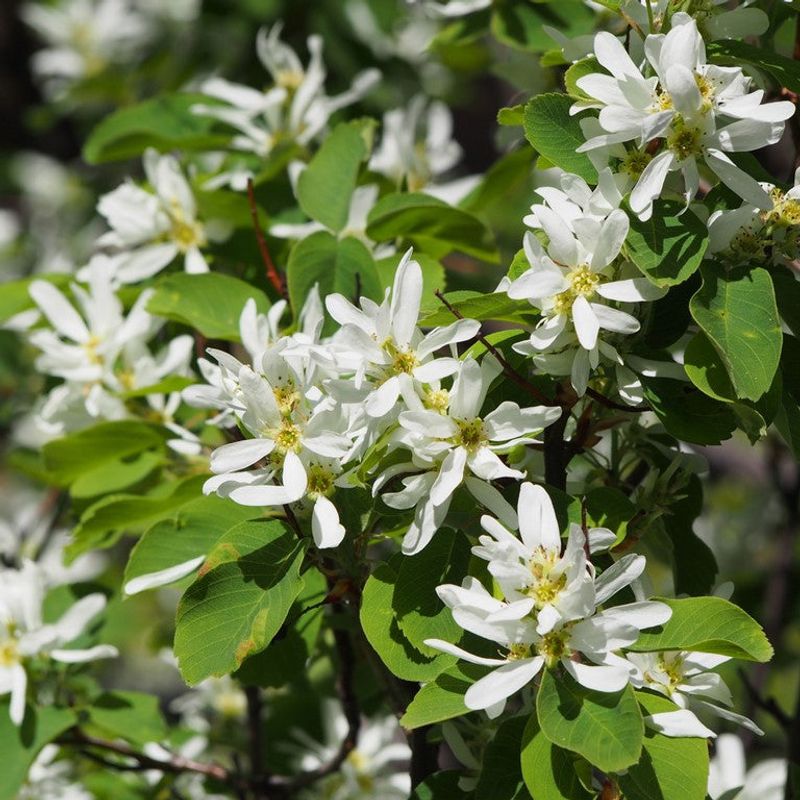
Few shrubs fill a spring Oregon garden with as much energy as Western Serviceberry, and birds seem to notice immediately when its branches start thickening with new growth.
Known botanically as Amelanchier alnifolia, this deciduous native can reach six to fifteen feet tall, creating a layered canopy that small songbirds find very useful when nesting season begins.
Robins, thrushes, and warblers are among the birds that move through its branches looking for shelter and spots to build.
The shrub’s dense branching habit is a big part of what makes it so valuable for cover. Even before the small white flowers appear in early spring, the structure of the plant gives birds a sense of enclosure that open ornamentals simply cannot match.
Serviceberry works especially well along woodland edges or as a backyard screen planting.
In Oregon, Western Serviceberry thrives in full sun to partial shade and handles a range of soil conditions, making it adaptable across much of the state.
Planting it near other native shrubs helps create the kind of layered habitat that encourages birds to nest nearby rather than just passing through.
Its later-season berries attract additional visitors once nesting wraps up.
2. Ososberry Gives Birds Early Seasonal Shelter
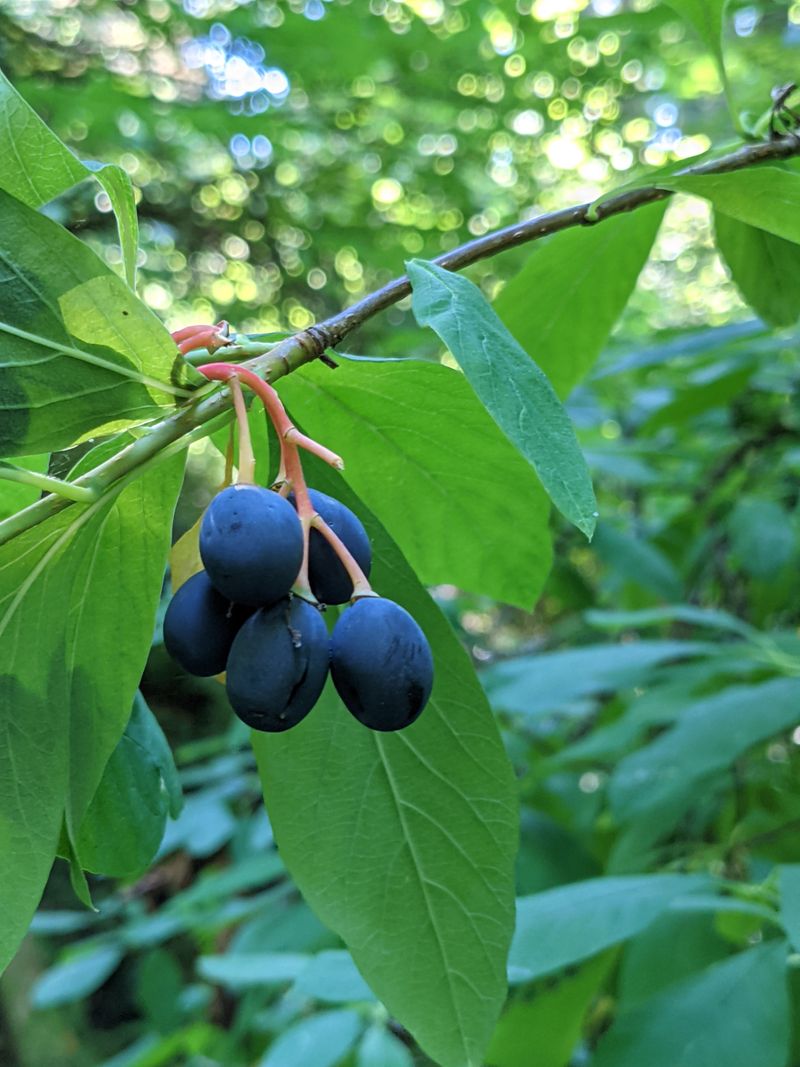
One of the first native shrubs to leaf out each year in Oregon, Oso Berry earns its place in a bird-friendly garden by offering shelter earlier than almost anything else in the landscape.
By late winter or very early spring, Oemleria cerasiformis already has fresh green leaves pushing out, and that early canopy gives birds a place to tuck in before most other shrubs have woken up from dormancy.
That timing alone makes it stand out.
Oso Berry grows naturally along stream banks and forest edges in western Oregon, and it tends to form multi-stemmed thickets that are genuinely useful for birds looking for cover.
Song sparrows, towhees, and warblers move through its branches readily during nesting season.
The shrub’s upright form and moderate density create the kind of screening that birds rely on when they need to feel hidden from predators.
In home landscapes, Oso Berry works well in partial shade and moist but well-drained soils, making it a solid choice for shaded borders or the edges of rain gardens.
Your Oregon Garden Changes Every Week. Your Plan Should Too.
Gardening in Oregon changes quickly throughout the season. Every Friday you’ll receive a simple weekly plan showing exactly what to plant, prune, fertilize, harvest, and protect so you never miss the right timing.
It typically grows eight to fifteen feet tall and spreads slowly by root sprouts, gradually filling in to create a more continuous screen over time.
3. Blue Elderberry Adds Dense Backyard Cover
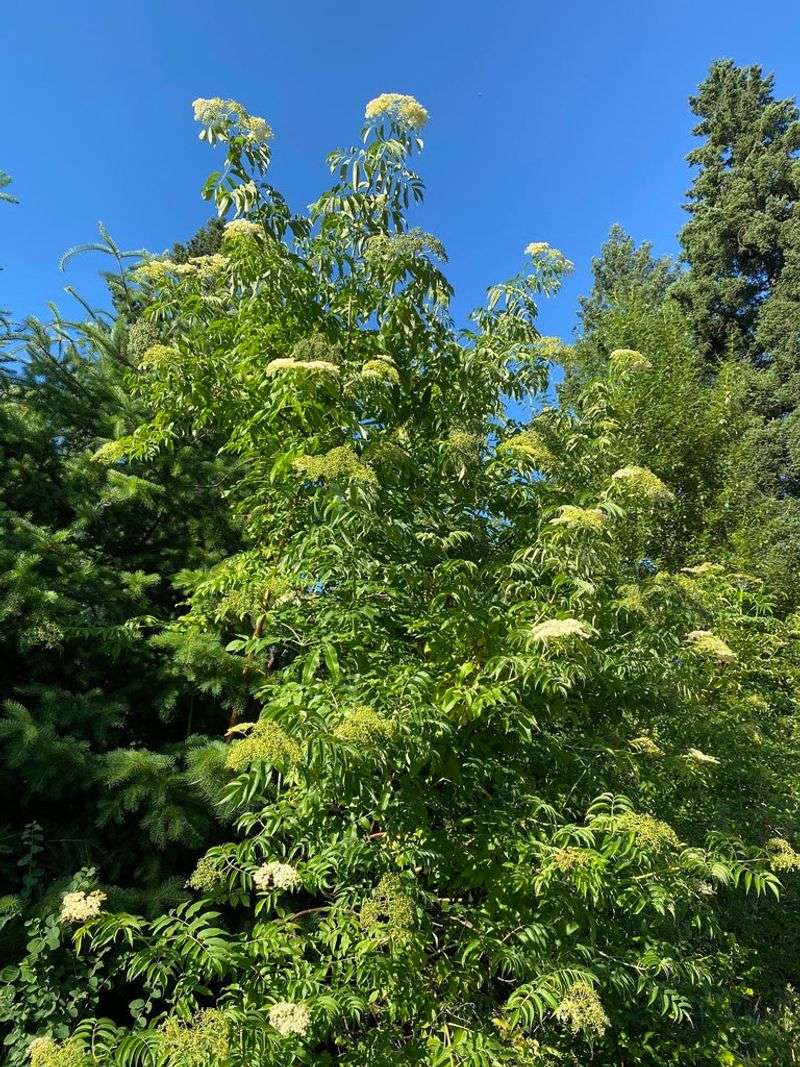
Walk past a mature Blue Elderberry in late spring and you will likely hear birds rustling around inside its branches before you ever see them.
Sambucus nigra ssp. cerulea grows quickly and fills in with large, pinnately compound leaves that create a surprisingly dense interior, which is exactly what birds want when they are looking for a place to nest or simply hide from the activity of a busy yard.
In Oregon, this shrub is native to drier areas east of the Cascades but adapts reasonably well in many western Oregon gardens with good drainage.
Blue Elderberry can grow into a large shrub or small tree reaching ten to twenty feet, so it works best as a background planting or informal screen rather than a tidy foundation shrub. Its size is part of its value for birds.
Larger shrubs offer more interior volume, which means more room for multiple nesting pairs and better protection from wind and predators during the critical weeks of late spring and early summer.
The flat-topped clusters of creamy white flowers appear in late spring, and the blue-black berry clusters that follow in late summer draw cedar waxwings, robins, and band-tailed pigeons.
For cover during nesting season specifically, the dense foliage from late April onward is the real draw.
4. Red Elderberry Helps Fill Bird-Friendly Garden Edges
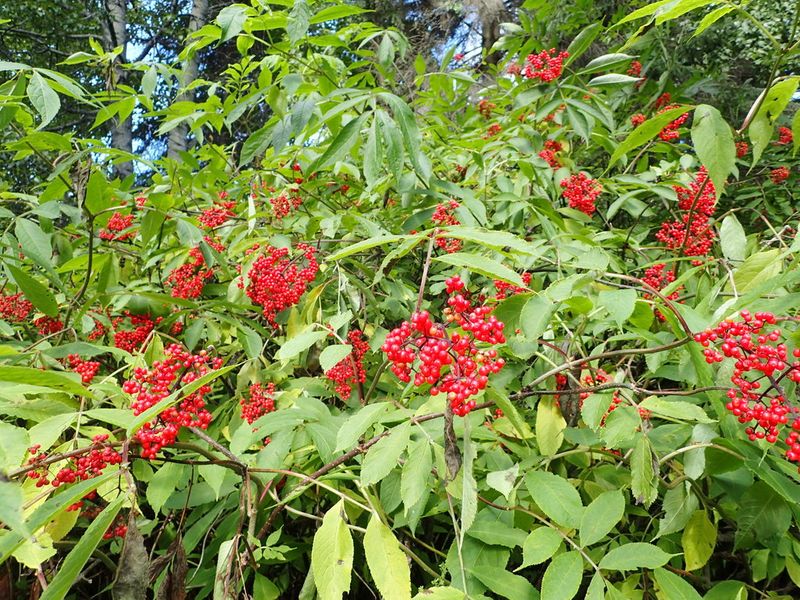
Red Elderberry brings a slightly different energy to the garden than its blue-berried cousin, and in western Oregon it tends to feel right at home along shaded edges, stream corridors, and the transition zones where woodland meets open yard.
Sambucus racemosa grows vigorously in moist, rich soils and can reach ten feet or more in a single season under good conditions.
That fast growth rate means it fills in quickly, giving birds cover sooner than slower-growing shrubs.
The shrub’s large leaves and dense branching create a lush, full interior that many birds find appealing during nesting season.
Spotted towhees, Swainson’s thrushes, and Wilson’s warblers have all been observed using Red Elderberry for shelter in Oregon gardens near wooded areas.
Planting it along a garden edge or fence line where it can grow to its natural size tends to produce the best results for bird habitat.
Red Elderberry’s creamy flower clusters appear in early to mid-spring, and the bright red berries that follow in summer are quickly consumed by a range of fruit-eating birds.
One practical note for Oregon gardeners: the berries and raw plant parts are not edible for people, so it is best sited away from areas where young children play frequently.
For birds, though, it is a reliable and rewarding shrub to include.
5. Red-Osier Dogwood Brings Thick Cover To Moist Yards
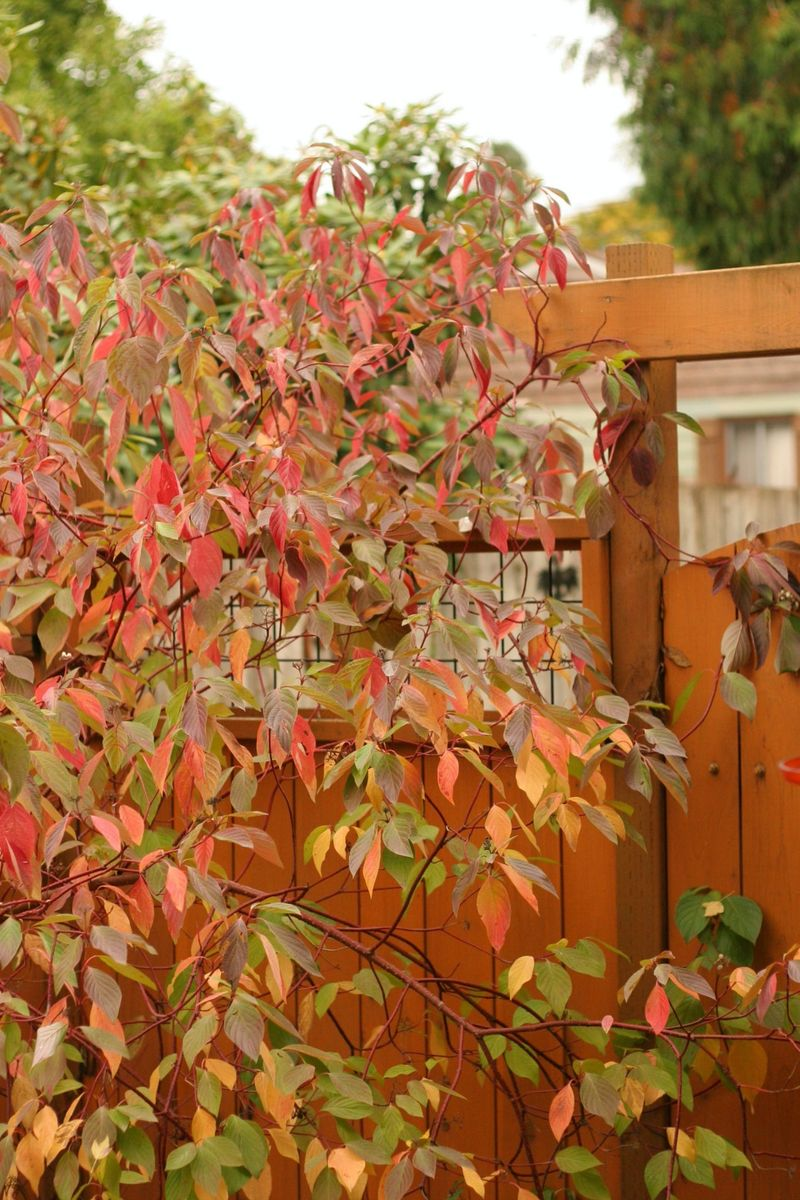
There is something almost architectural about a well-established Red-Osier Dogwood in spring.
The bright red stems that made it eye-catching all winter suddenly disappear beneath a flush of broad, deep green leaves, and what was once an open shrub becomes a dense, leafy mass that birds move into quickly as nesting season ramps up.
Cornus sericea is native across much of Oregon and grows especially well in moist or periodically wet soils, making it a natural fit for low spots, rain gardens, and stream-adjacent plantings.
Song sparrows and yellow warblers are among the species that commonly nest within or near Red-Osier Dogwood thickets in Oregon.
The shrub spreads by root sprouts and can form broad colonies over time, which increases the amount of interior cover available to birds.
That spreading habit may need some management in smaller yards, but in a naturalistic border or along a property edge, it is one of the most productive cover plants you can choose.
Red-Osier Dogwood does best in full sun to partial shade and tolerates standing water better than most shrubs. Its clusters of small white flowers appear in late spring, followed by white berries in late summer that attract waxwings, robins, and grosbeaks.
For Oregon yards with moisture to spare, it is a standout choice for nesting season habitat.
6. Tall Oregon Grape Offers Low Evergreen Shelter
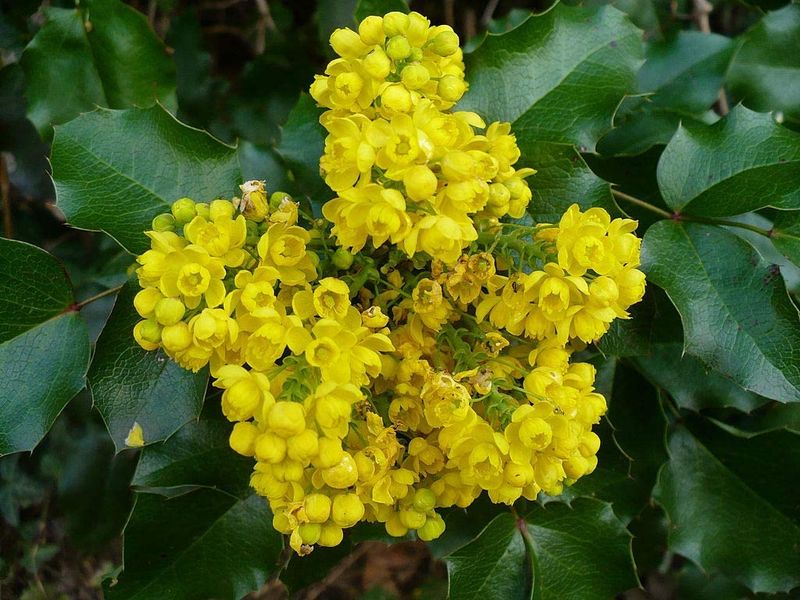
Unlike the deciduous shrubs that go bare each winter, Tall Oregon Grape keeps its glossy, holly-like leaves year-round, and that evergreen persistence is genuinely valuable for birds that need cover even when the rest of the garden has gone dormant.
Mahonia aquifolium, Oregon’s state flower, is a familiar sight in home landscapes across the state, and its dense, spiny foliage offers a kind of protection that few other low to mid-height shrubs can provide.
Birds can tuck into its interior with relatively little risk from larger predators that are deterred by the sharp leaf margins.
During nesting season specifically, the shrub’s layered, upright stems create useful vertical structure at a height of three to six feet. That mid-layer cover is often missing from yards that have large trees but few understory plantings.
Dark-eyed juncos, spotted towhees, and song sparrows are among the birds that regularly use Oregon Grape for shelter and ground-level foraging nearby.
Tall Oregon Grape grows well in sun or shade across much of Oregon, including drier areas east of the Cascades where some other native shrubs struggle.
Its yellow flower clusters appear in early spring, and the blue-black berries that follow are eaten by a range of birds.
For gardeners wanting reliable, low-maintenance evergreen cover, it is a smart and practical choice.
7. Western Mock Orange Adds Light Cover In Spring
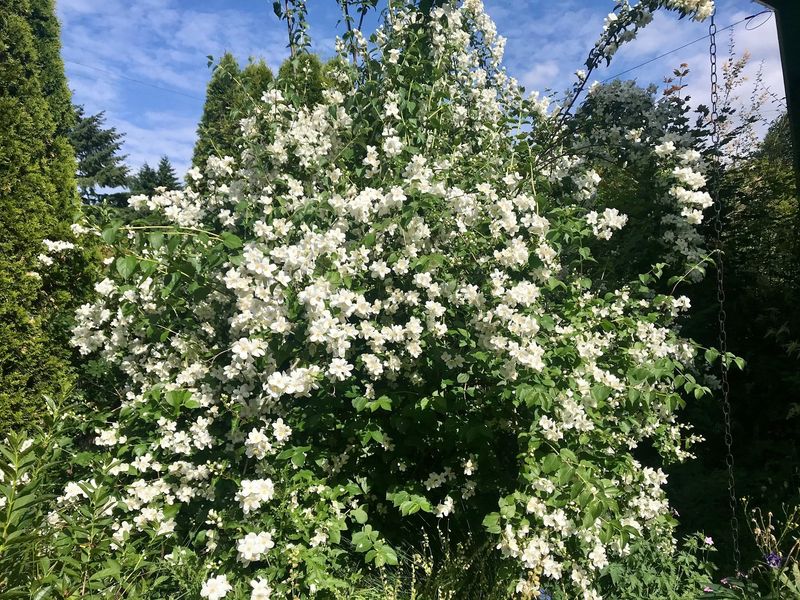
When Western Mock Orange blooms in late spring, the fragrance alone is enough to stop you in your tracks.
But beyond the lovely white flowers, Philadelphus lewisii offers something quietly practical for birds during nesting season: a loosely arching structure with enough interior density to give smaller songbirds a sense of cover without the heavy screening of a tighter-growing shrub.
That lighter canopy suits birds that prefer to nest in somewhat open, airy spots rather than deep thickets.
Western Mock Orange is native to Oregon and grows naturally along rocky slopes, canyon edges, and open woodland margins, often in areas with good drainage and plenty of sun.
In home gardens, it works well as a mid-border shrub or informal hedge and can reach five to ten feet tall depending on site conditions.
Its arching branches fill in noticeably during the growing season, providing progressively more cover from late spring through summer.
Yellow warblers and house finches are among the birds that have been recorded nesting in or near Mock Orange in Pacific Northwest gardens.
The shrub is adaptable to a range of Oregon climates and does especially well in the drier interior valleys where some moisture-loving natives can struggle.
Pairing it with denser shrubs nearby helps create the layered habitat that gives birds more options during nesting season.
8. Snowberry Forms Dense Cover Birds Can Tuck Into
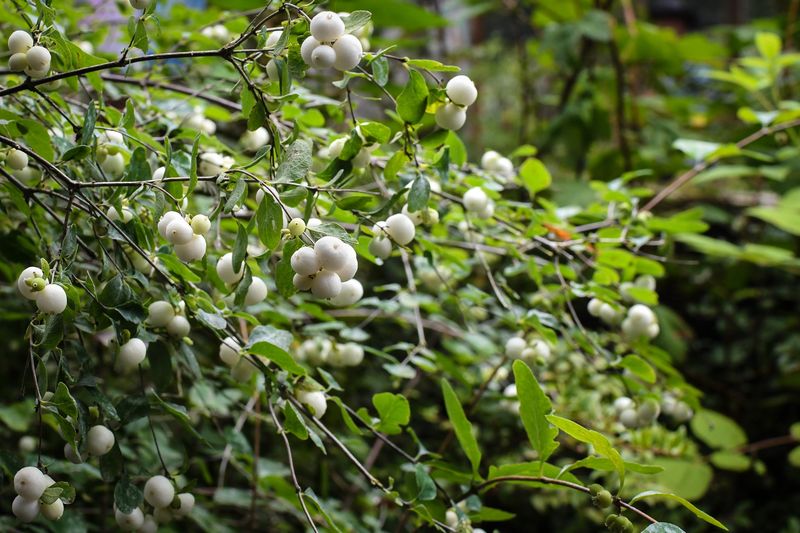
Snowberry might not be the showiest shrub in the garden, but birds seem entirely unbothered by that. What Symphoricarpos albus lacks in dramatic flowers it more than makes up for in structural density.
The shrub’s fine, twiggy branching creates a tight interior that small birds find genuinely useful, especially during the weeks when they are actively building nests and need places to move in and out of quickly without being too exposed.
In Oregon, Snowberry grows naturally in open forests, along roadsides, and at the edges of disturbed areas, which tells you something about how adaptable it is.
During nesting season, the shrub’s compact form offers good screening at a height of two to five feet, filling in the lower layer of a garden border where taller shrubs leave a gap.
Song sparrows, common yellowthroats, and other low-nesting species appreciate that ground-adjacent cover.
Snowberry spreads gradually by root sprouts and can form a loose colony over time, which increases its usefulness as a continuous screen.
It tolerates a wide range of conditions across Oregon, from dry slopes to moist valley soils, and handles both sun and partial shade reasonably well.
The white berries that appear in late summer and persist into winter are eaten by several bird species when other food sources run low.
For a low-effort, high-value cover plant, Snowberry earns its place in any bird-friendly Oregon garden.
9. Nootka Rose Creates Thorny Shelter For Nesting Birds
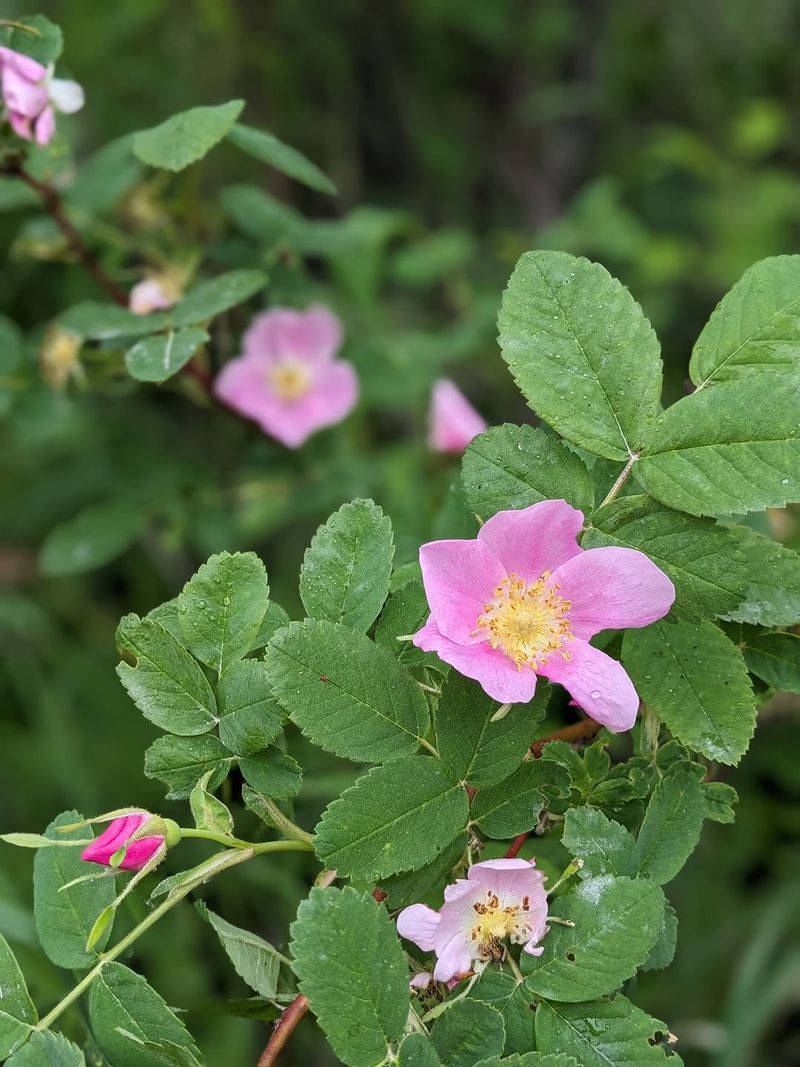
Ask any birder where to look for a hidden nest in an Oregon hedgerow and there is a good chance the answer involves a thorny shrub. Nootka Rose, Rosa nutkana, is one of the best examples of that principle in action.
Its stout, curved thorns make the interior of a mature plant genuinely difficult for larger predators to navigate, which is precisely why birds like Song Sparrows, American Goldfinches, and Common Yellowthroats often choose it for nesting.
The protection that those thorns provide can make a real difference during the vulnerable weeks when eggs and nestlings are present.
Nootka Rose is native across much of Oregon and grows readily in a range of conditions, from moist stream banks to drier open slopes.
It typically reaches four to eight feet tall and spreads by root sprouts, gradually forming the kind of dense, impenetrable thicket that birds find most useful.
In a home landscape, it works best along a fence line, property edge, or naturalistic border where its spreading habit has room to develop without becoming a management issue.
The large, single pink flowers that appear in late spring are followed by round red rose hips in fall and winter. Those hips are eaten by robins, waxwings, and other fruit-eating birds long after nesting season ends.
Planting Nootka Rose as part of a mixed native hedgerow is one of the most effective things an Oregon gardener can do for nesting bird habitat.
10. Oceanspray Adds Soft Cover To Garden Borders
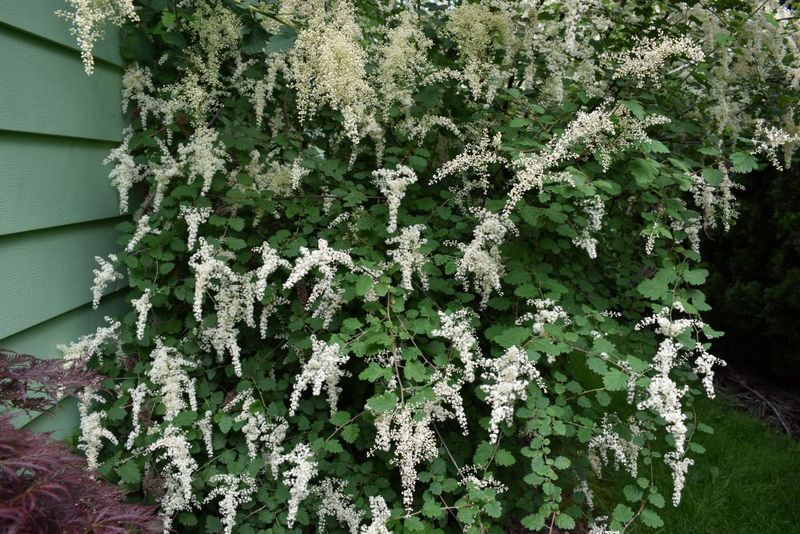
Oceanspray has a graceful, almost relaxed quality in the landscape, with its long arching branches and cascading plumes of creamy white flowers that appear in early summer.
Holodiscus discolor is native to Oregon and grows across a broad range of conditions, from dry rocky slopes in the Cascades to open woodland edges in the Willamette Valley.
That adaptability makes it one of the more reliable native shrubs for home gardeners across the state who want to add cover without a lot of maintenance demands.
During nesting season, Oceanspray’s arching structure creates a soft, layered canopy that birds can move through easily.
It tends to grow four to twelve feet tall depending on site conditions, and its branching fills in well enough to give smaller songbirds a sense of shelter without forming the tight thicket of a denser shrub like Snowberry or Nootka Rose.
That lighter cover suits species that prefer to nest in more open situations, including some warblers and vireos.
The dried flower clusters that remain on the plant after blooming provide additional perching and foraging structure through late summer and fall.
Pairing Oceanspray with denser shrubs in a mixed border creates the kind of habitat variety that supports a wider range of nesting birds.
For sun-exposed garden edges in Oregon, it is a dependable and attractive choice that earns its keep through multiple seasons.