These 8 Common Oregon Garden Weeds Are Actually Edible
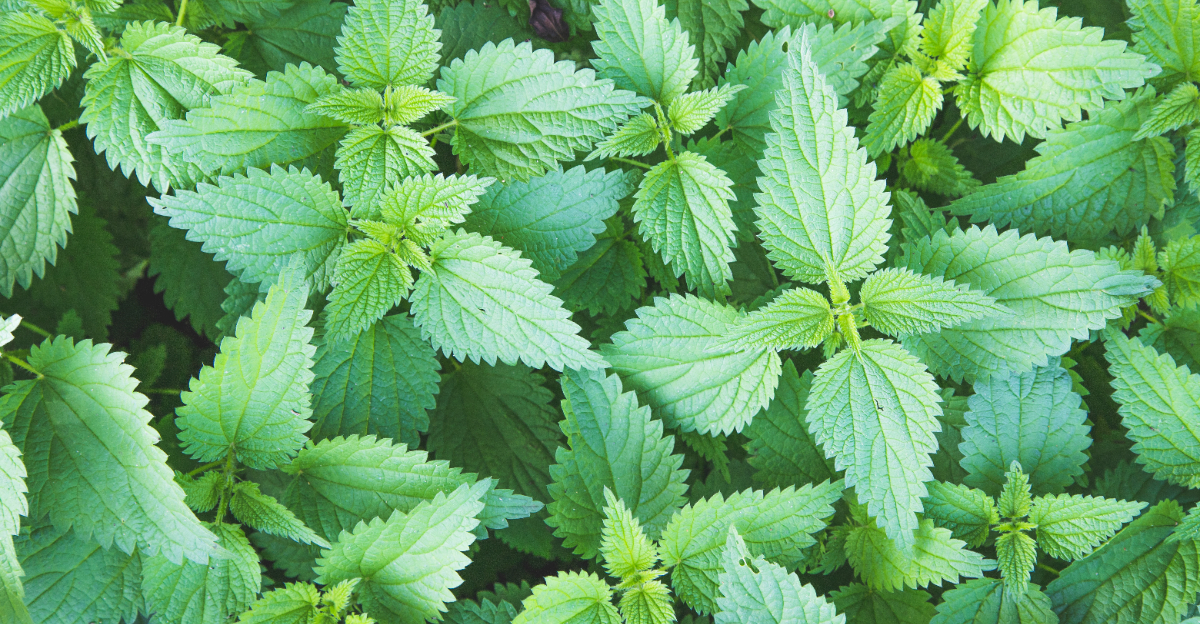
Think your garden is full of annoying freeloaders? Plot twist: some of those so-called weeds are actually edible.
Yep, the scrappy plants popping up between your stepping stones and muscling into your flower beds might deserve a spot on your plate instead of your hit list. Nature really has a sense of humor.
In Oregon, plenty of common garden weeds are more than just persistent little troublemakers. They are tasty, useful, and often packed with surprising benefits.
Some have peppery leaves, some bring a fresh green bite, and some have been showing up in kitchens and folk remedies for ages. Not bad for plants most people yank out without a second glance.
Before you go full backyard forager, it helps to know what is worth picking and what should stay put. Once you know who is who, your weeding routine gets a whole lot more interesting. And honestly, dinner might too.
1. Dandelion
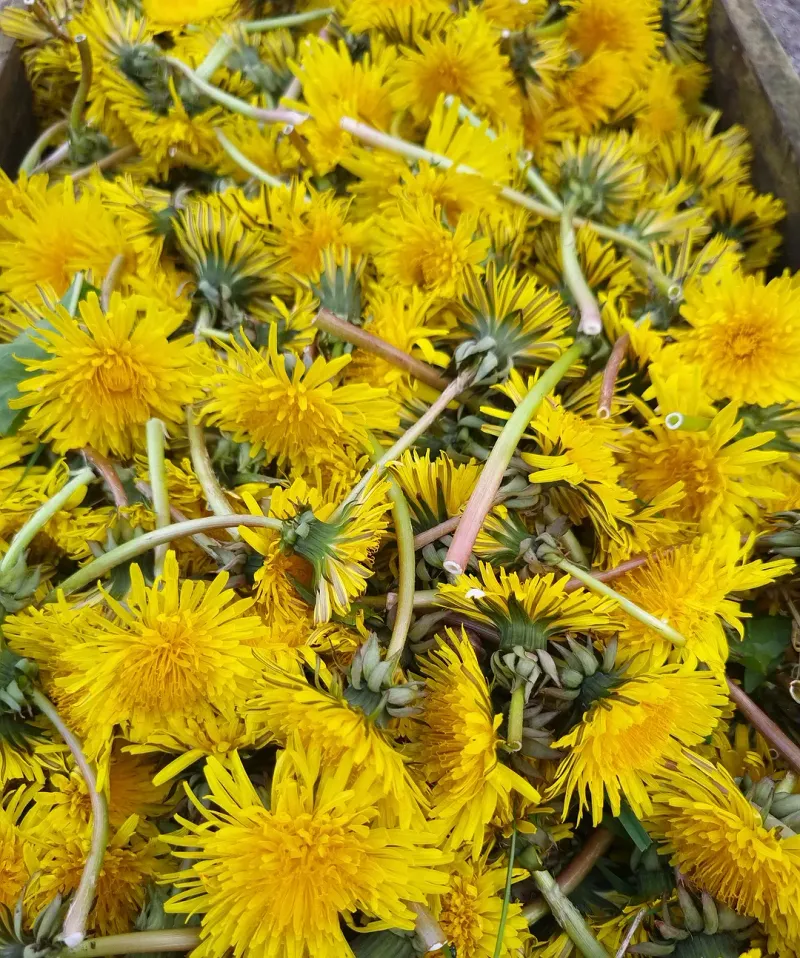
You have probably yanked hundreds of these out of your lawn without ever thinking twice. Dandelions are one of the most well-known edible weeds in Oregon, and almost every single part of the plant can be eaten.
The roots, leaves, and flowers are all fair game in the kitchen.
Young dandelion leaves taste slightly bitter, similar to arugula. They work great in fresh salads, especially when paired with a tangy vinaigrette.
The flowers can be tossed into salads too, or even used to make a sweet dandelion jelly.
The roots are where things get really interesting. When roasted and ground, dandelion roots make a caffeine-free coffee substitute that many Oregonians enjoy.
The roots can also be cooked and eaten as a vegetable. Dandelions are loaded with vitamins A, C, and K, plus calcium and iron.
Always pick leaves from areas free of pesticides or vehicle exhaust. Spring is the best time to harvest in Oregon, when the leaves are young and less bitter.
Rinse everything well before eating.
2. Purslane
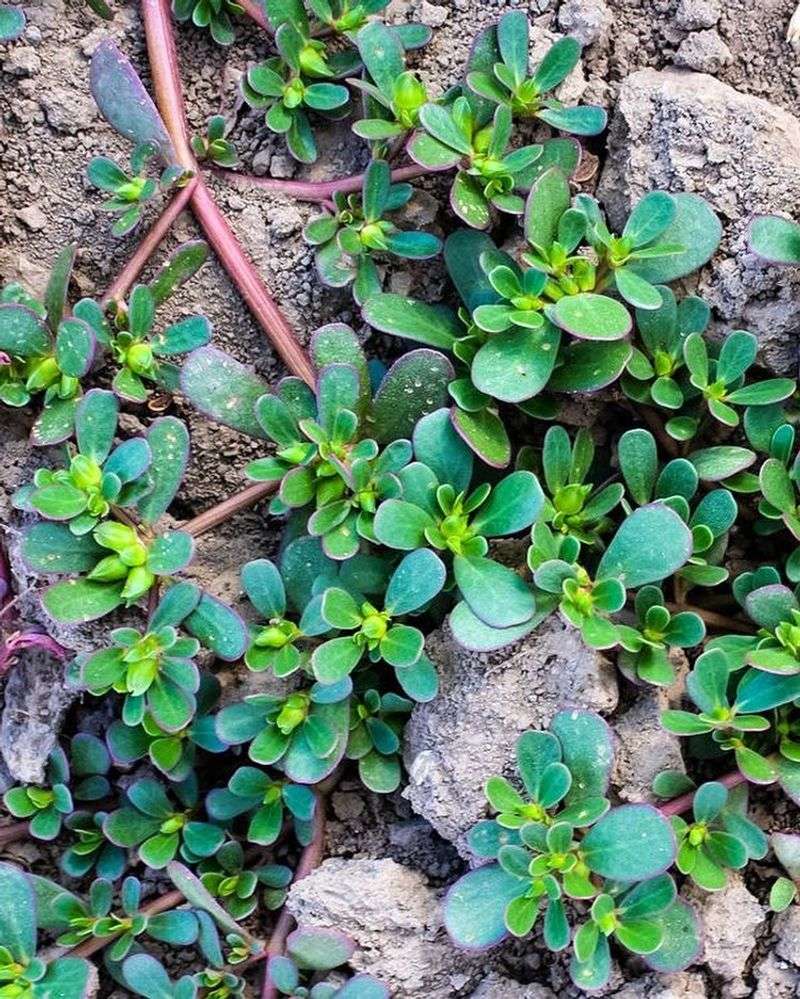
Purslane is a sneaky little plant. It hugs the ground, spreads fast, and shows up in gardens all across Oregon every summer.
Most people rip it out without a second thought, but this weed is actually one of the most nutritious plants you can eat for free.
What makes purslane stand out is its omega-3 fatty acid content. That is unusual for a leafy plant, and it makes purslane a surprisingly healthy addition to your meals.
The leaves and stems are both edible, and they have a mild, slightly lemony flavor with a satisfying crunch.
You can eat purslane raw in salads, add it to sandwiches, or stir it into soups and stir-fries. It wilts quickly when cooked, so add it at the very end of cooking.
In Oregon, purslane grows best during the warm summer months and is easy to spot with its thick, reddish stems and paddle-shaped leaves. Always harvest from clean soil away from roads and treated lawns.
Rinse the stems and leaves thoroughly. Purslane also contains vitamin C, magnesium, and potassium, making it a true nutritional powerhouse hiding in plain sight.
Your Oregon Garden Changes Every Week. Your Plan Should Too.
Gardening in Oregon changes quickly throughout the season. Every Friday you’ll receive a simple weekly plan showing exactly what to plant, prune, fertilize, harvest, and protect so you never miss the right timing.
3. Chickweed
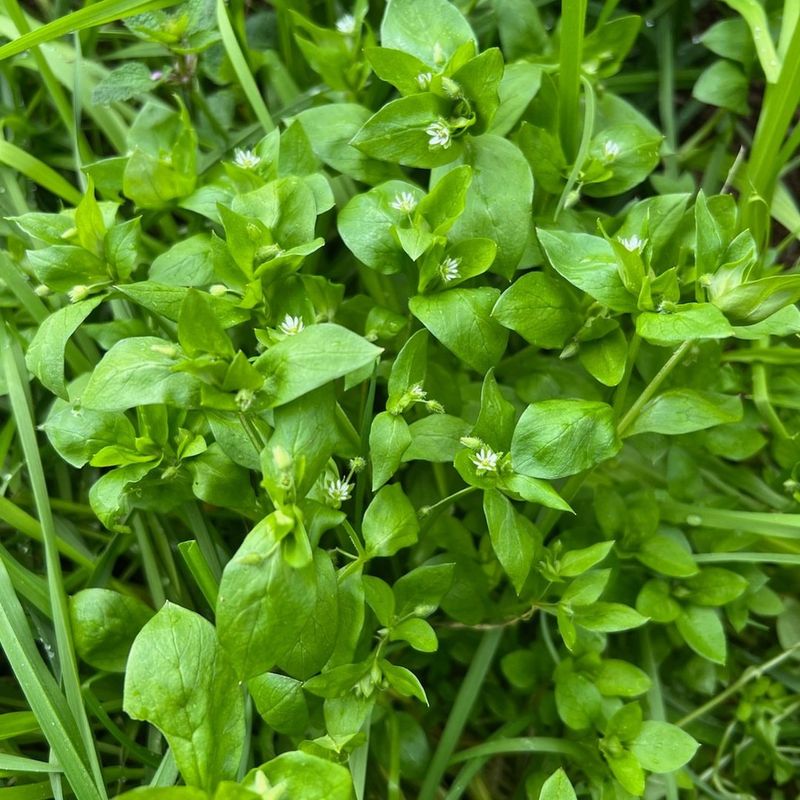
Cool, wet Oregon winters and springs create the perfect conditions for chickweed to thrive. This low-growing plant carpets garden beds and lawns with a soft, lush mat of tiny oval leaves and delicate white star-shaped flowers.
Chickens love it, which is exactly how it got its name.
The good news for foragers is that chickweed tastes surprisingly pleasant. It has a mild, fresh flavor similar to spinach with a hint of sweetness.
You can eat it raw straight from the garden, toss it into salads, blend it into smoothies, or lightly saute it with garlic and olive oil.
Chickweed is also packed with nutrients, including vitamins B, C, and D, plus iron and calcium. It grows abundantly in Oregon from late fall through early spring, making it one of the few fresh greens available during the cooler months when most garden plants are dormant.
Harvest the tender tips of the stems for the best flavor and texture. Avoid any plants growing near roads or sprayed areas.
Chickweed is easy to identify, but always double-check before eating any wild plant. It is one of Oregon’s most generous and overlooked edible weeds.
4. Cress
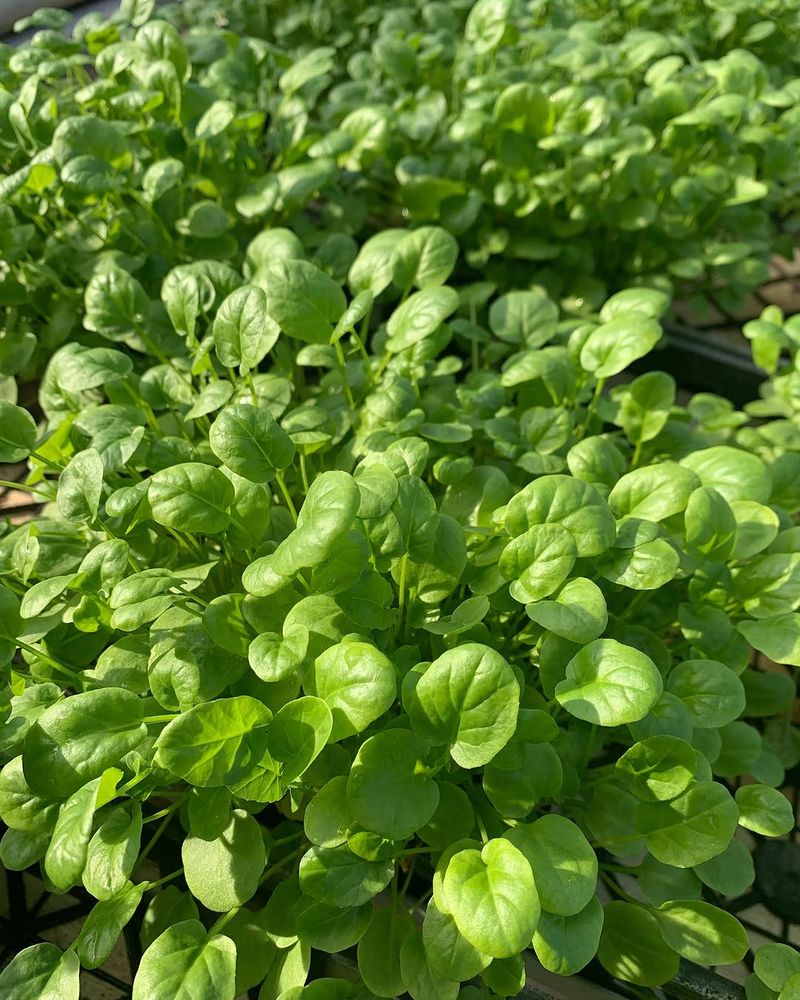
Cress has been eaten by humans for thousands of years, and Oregon happens to be a great place to find it growing wild. Bittercress, in particular, pops up in garden beds and along moist pathways all across the state, especially during the cooler months of fall and spring.
The leaves have a sharp, peppery bite similar to watercress or arugula. That bold flavor makes cress a great addition to salads, sandwiches, and grain bowls.
A small handful goes a long way when you want to add a punch of flavor without any extra seasoning.
Cress is rich in vitamins A and C, along with calcium and antioxidants. It is one of the easier edible weeds to identify in Oregon gardens, featuring small rounded leaflets along a central stem topped with tiny white flowers.
Hairy bittercress is the most common variety you will find in Portland-area gardens and across the Willamette Valley. Always harvest before the plant goes to seed for the most tender flavor.
Rinse carefully to remove any soil or debris. Whether you eat it raw or lightly wilted, cress adds a fresh, zesty note to almost any dish you can think of.
5. Mustard
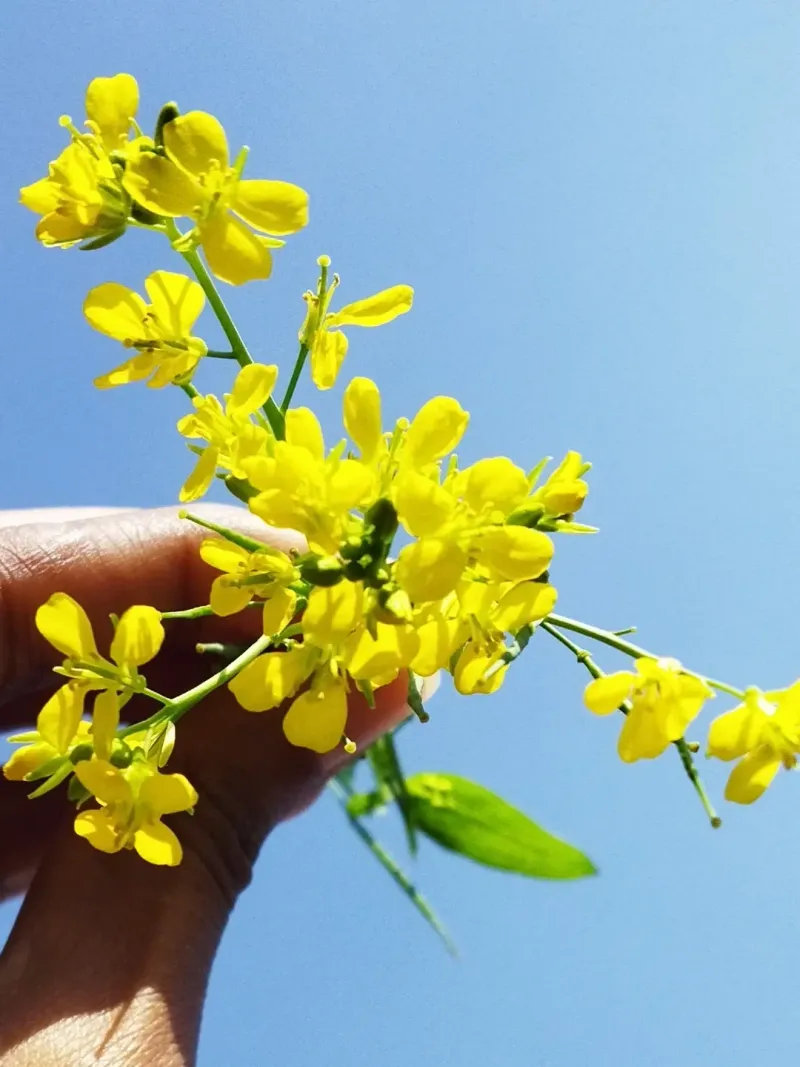
Bright yellow mustard flowers are a familiar sight across Oregon every spring. Wild mustard pops up along roadsides, in farm fields, and right in the middle of garden beds.
Most farmers consider it a nuisance, but foragers know better.
Every part of the wild mustard plant is edible. The young leaves can be eaten raw in salads when they are small and tender.
As the plant matures, the leaves become more pungent and are best cooked. Try sauteing them with olive oil and garlic, or adding them to soups and bean dishes where the strong flavor mellows beautifully.
The flowers are also edible and make a colorful garnish for salads and spring dishes. The seeds can be ground to make homemade mustard condiment, which is a fun kitchen project.
Wild mustard is rich in vitamins C and K, plus folate and calcium. In Oregon, it is most abundant from February through May.
Look for the distinctive four-petal yellow flowers arranged in a cross shape to help with identification. Always pick young leaves for the best taste.
Avoid plants near heavily trafficked roads or areas with known chemical use, and wash everything thoroughly before eating.
6. Lambsquarters
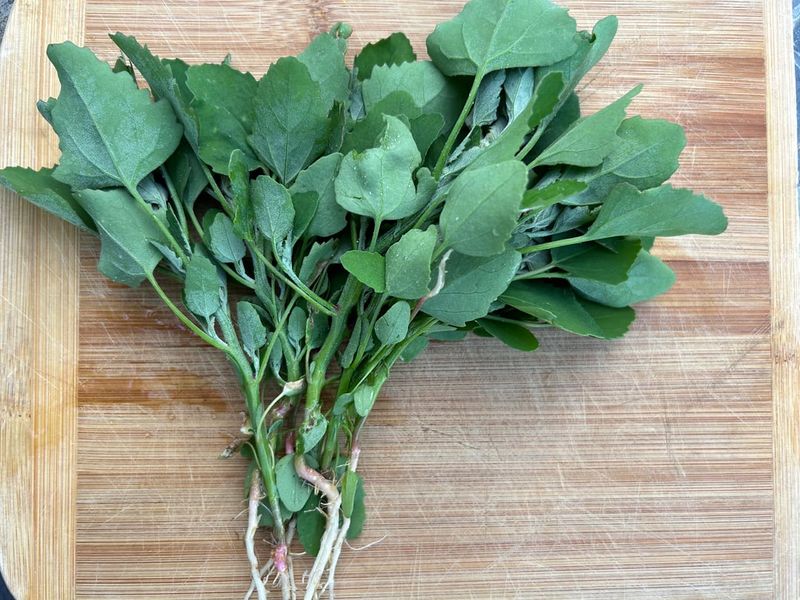
Long before grocery store spinach became a staple, lambsquarters was feeding people across North America. This tall, leafy weed grows in gardens, vacant lots, and farm fields all over Oregon, and it is one of the most nutritious edible weeds you will ever come across.
The leaves have a dusty, powdery coating that gives them a silvery-green appearance. That coating is completely natural and harmless.
The flavor is mild and earthy, very similar to spinach. Young leaves can be eaten raw in salads, while older leaves are best cooked.
Use them anywhere you would use spinach, including pasta dishes, omelets, and soups.
Lambsquarters is loaded with iron, calcium, vitamin C, and protein. Some nutritionists consider it more nutrient-dense than store-bought spinach, which is pretty remarkable for a plant most Oregonians pull out of their garden without thinking.
It grows quickly during summer and can reach several feet tall if left alone. Harvest the tender top leaves and young shoots for the best texture and flavor.
The plant thrives in the rich soil common in Oregon gardens, especially in the Willamette Valley. Rinse the leaves well before cooking to remove the powdery residue and any garden debris.
7. Common Mallow
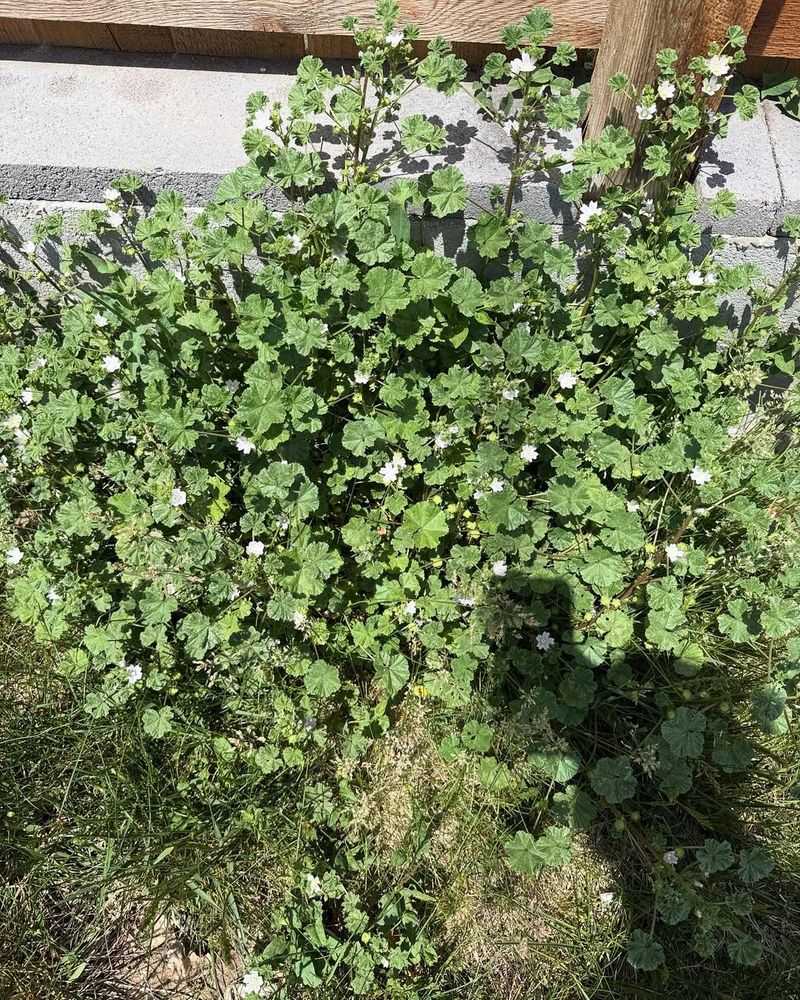
Common mallow is the kind of plant that blends right into the background of a garden. Its round, scalloped leaves and small pink-purple flowers are easy to overlook, but once you know what to look for, you will start spotting it everywhere across Oregon.
The leaves have a mild, slightly mucilaginous texture when cooked, similar to okra. That quality actually makes them useful as a natural thickener in soups and stews.
Young mallow leaves can also be eaten raw in salads, where they add a soft, pleasant texture. The flowers and immature seed pods are edible too, and the seed pods are sometimes called “cheeses” because of their round, wheel-like shape.
Mallow contains vitamins A and C, plus calcium and antioxidants. It has a long history of use in Mediterranean cooking and has been naturalized throughout Oregon.
You will find it growing in lawns, garden edges, and disturbed soil. It tends to appear in spring and summer and can handle dry conditions well.
Harvest the younger, smaller leaves for eating raw, and use larger leaves for cooking. Always confirm identification before eating any foraged plant.
Common mallow is considered safe and has been enjoyed as food for thousands of years around the world.
8. Stinging Nettle
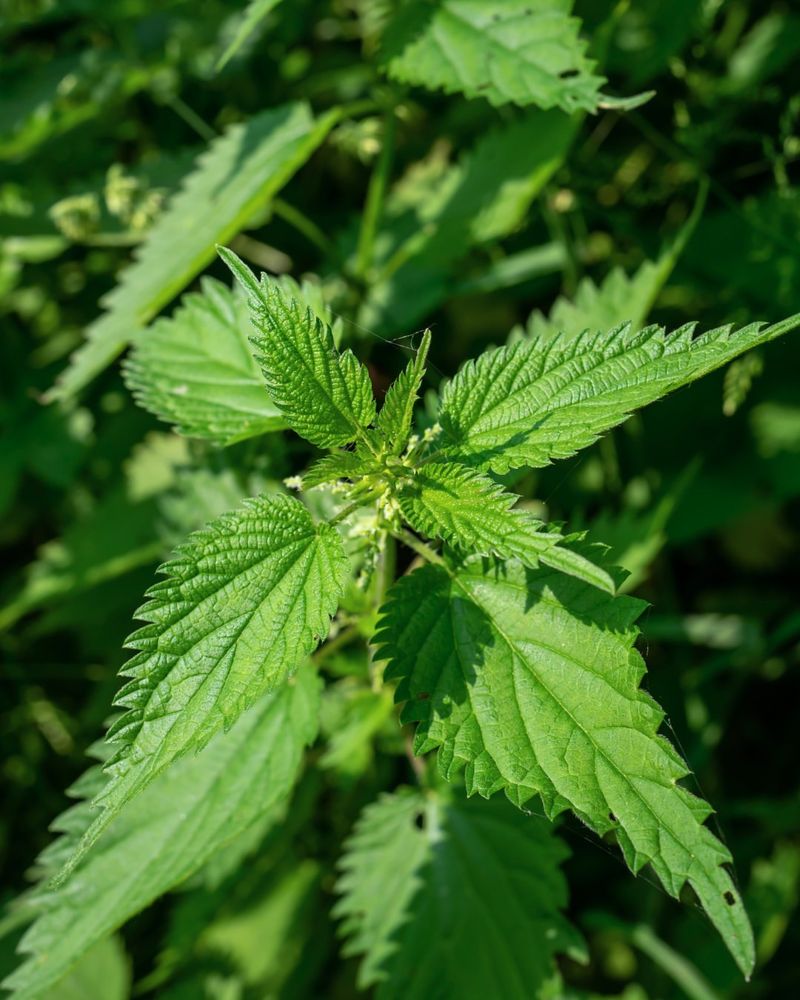
Most people have a memorable story about accidentally brushing against stinging nettle. Those tiny hollow hairs on the leaves and stems deliver a sharp, burning sting that can last for hours.
But here is the twist: once cooked or dried, all of that sting disappears completely, and what you are left with is one of the most nutritious greens in the Pacific Northwest.
Stinging nettle has a rich, earthy flavor that works beautifully in soups, pasta, pesto, and sauteed side dishes. It tastes somewhat like spinach but with a deeper, more complex flavor.
Across Oregon, nettle grows abundantly along streams, in moist woodlands, and at the edges of gardens and fields. Spring is the best time to harvest, when the young shoots are most tender.
Always wear gloves when harvesting nettle. Use tongs or thick gloves to handle the raw plant, and blanch it in boiling water for about one minute to neutralize the sting.
After blanching, it is completely safe to handle and eat. Nettle is rich in iron, calcium, magnesium, and vitamins A and C.
Many Oregon foragers consider it a true wild superfood. It has also been used in herbal teas for centuries and remains one of the most beloved edible wild plants in the region.