These Oregon Trees Can Cause Costly Foundation Problems If Planted Too Close
Planting a tree feels like a solid, wholesome decision. More shade, more beauty, maybe even a perfect backyard hammock spot.
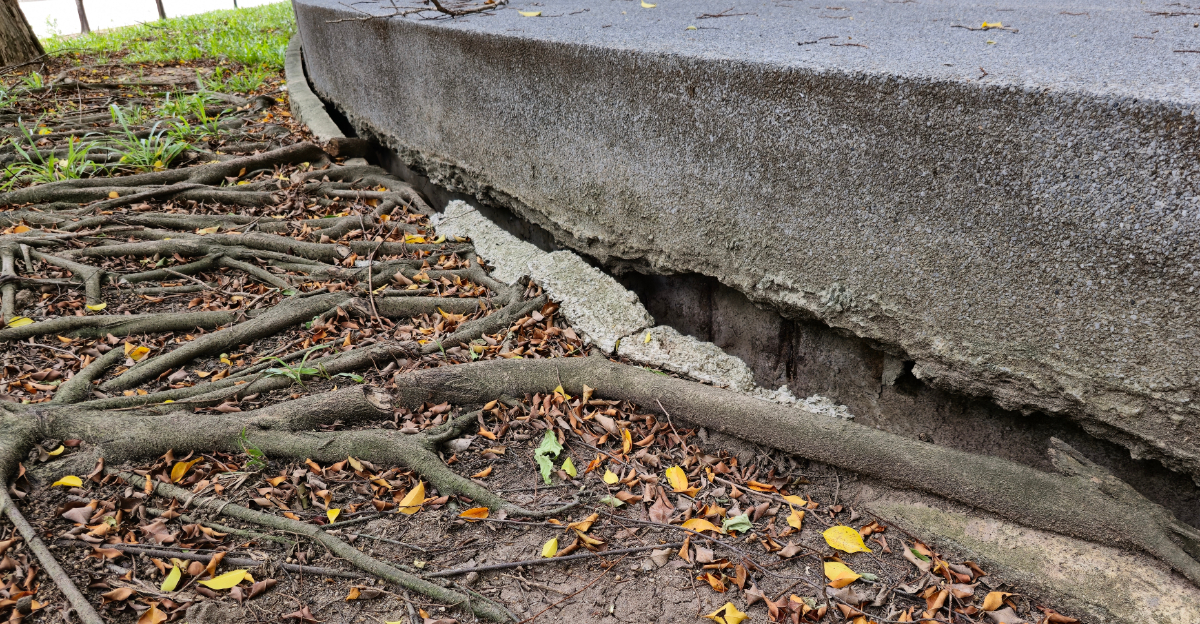
But here’s the catch: some Oregon trees have roots that do not play nice with your home’s foundation. What starts as a tiny sapling can turn into a slow-moving, underground wrecking crew.
Certain trees send out aggressive roots in search of water, and guess what your foundation often provides? Yep.
Moisture, tiny cracks, and the perfect place to sneak in and start causing trouble. We’re talking shifting soil, cracked concrete, and repair bills that can make your wallet cry a little.
The tricky part is that many of these trees are popular choices, so it is easy to plant one without realizing the long-term risks.
A little planning now can save you a massive headache later. Your future self and your foundation will seriously thank you.
1. Willows
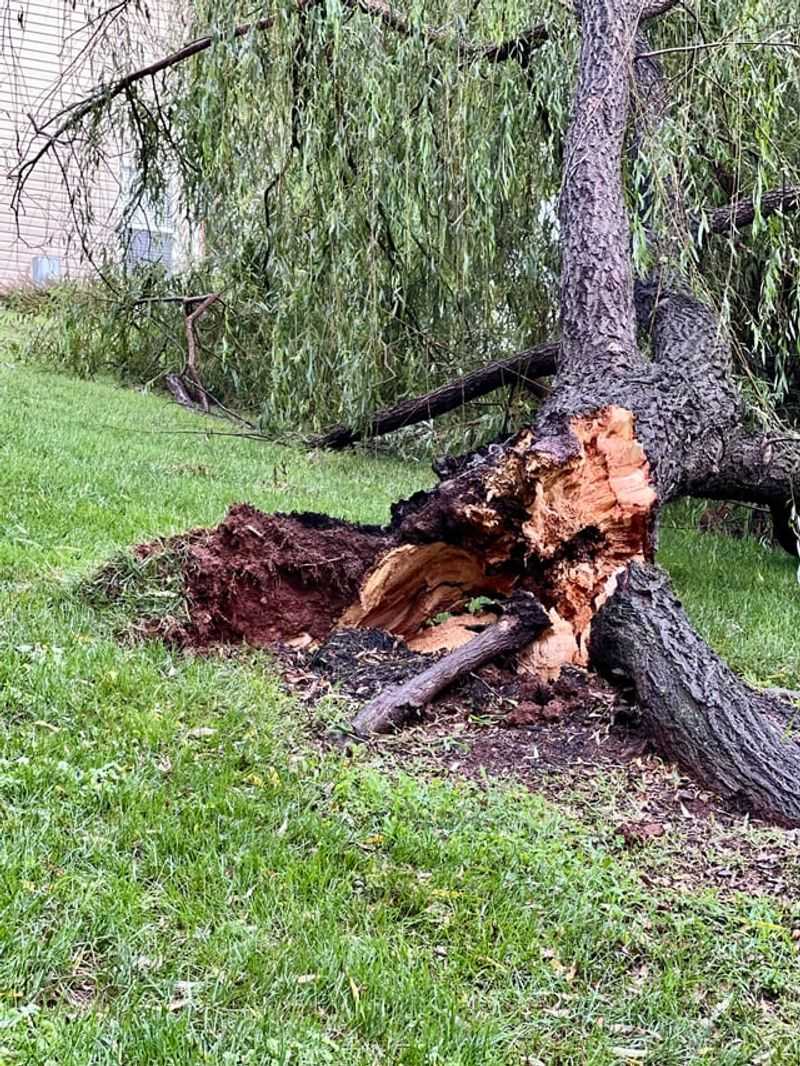
Few trees look as graceful and romantic as a weeping willow swaying in a gentle breeze. But behind that beauty is one of the most aggressive root systems you will ever encounter.
Willows are water-seekers by nature, and their roots will travel surprisingly far to find moisture.
In Oregon, where rainfall is common and soil stays moist for much of the year, willows thrive. That also means their roots grow fast and spread wide.
They are known to infiltrate underground pipes, septic systems, and drainage lines with ease. Once roots get inside a pipe, they expand and cause serious blockages.
Planting a willow too close to your home is a recipe for expensive plumbing and foundation repairs. Most experts recommend keeping willows at least 50 feet away from any structure.
Even at that distance, their roots can sometimes reach your home’s foundation.
If you already have a willow in your Oregon yard, keep a close eye on your drainage and plumbing. Watch for slow drains, wet spots in your yard, or cracks forming near your home.
Catching root damage early is much cheaper than fixing it after the fact.
2. Cottonwoods And Poplars
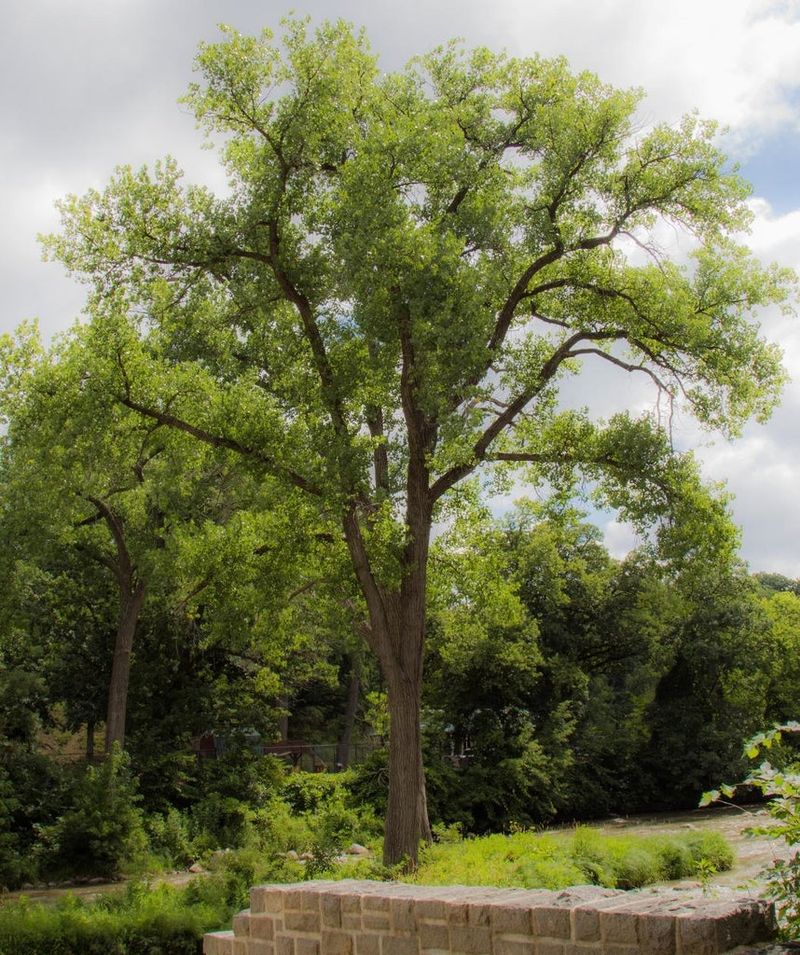
Cottonwoods and poplars are fast growers, which makes them appealing to homeowners who want shade quickly. But that fast growth comes with a serious downside.
Their root systems spread just as quickly as their branches, often reaching far beyond the tree’s canopy.
In Oregon, these trees are common along riverbanks and in residential neighborhoods. Their roots are shallow but wide-spreading, making them especially dangerous near foundations, driveways, and sidewalks.
They love moisture and will chase water sources underground, including your home’s plumbing.
Cottonwoods can grow over 100 feet tall, and their massive size means their roots need a lot of space. Planting one near your house in Eugene or Salem is a gamble that rarely pays off.
The roots can push up concrete slabs and create uneven surfaces that are both ugly and hazardous.
Poplars share many of the same root behaviors and should be treated with the same caution. Keep both species at least 40 to 50 feet away from your home.
Your Oregon Garden Changes Every Week. Your Plan Should Too.
Gardening in Oregon changes quickly throughout the season. Every Friday you’ll receive a simple weekly plan showing exactly what to plant, prune, fertilize, harvest, and protect so you never miss the right timing.
If you love the look of these trees, plant them near the edge of your property where they have plenty of room to grow without causing structural damage.
3. White Poplar
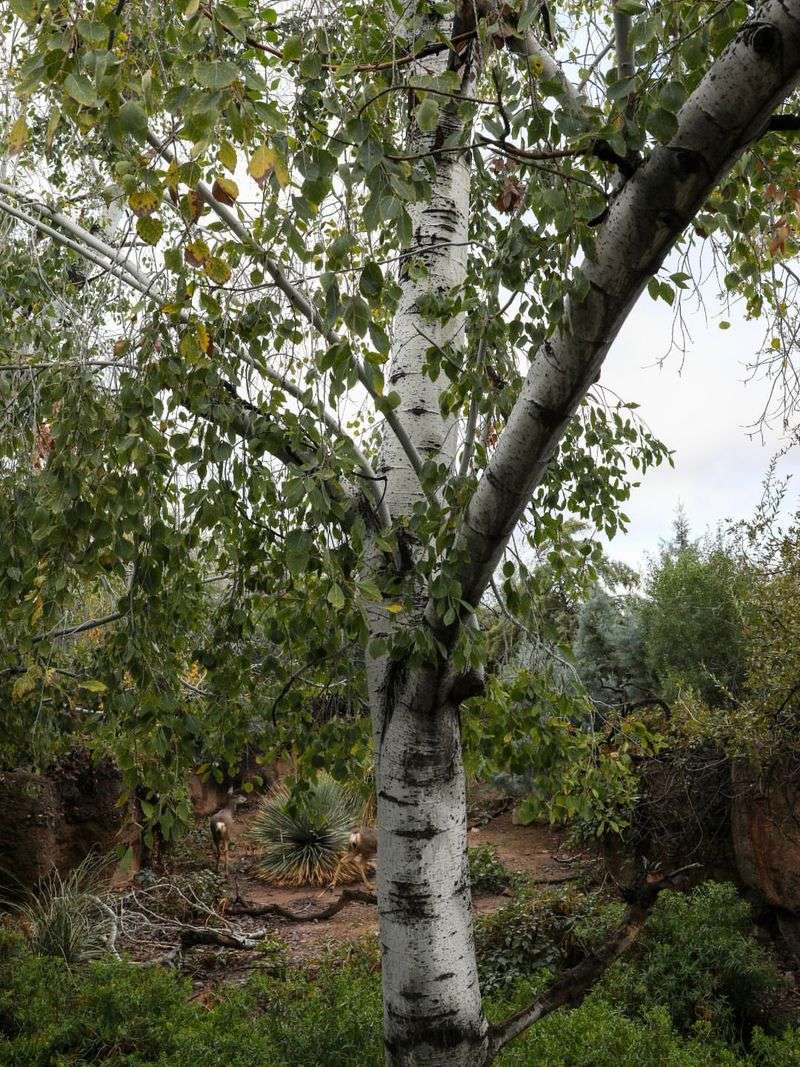
White poplar is often planted for its striking appearance. The leaves are dark green on top and bright silver underneath, which creates a shimmering effect in the wind.
Many Oregon homeowners choose it as an ornamental tree without knowing the problems it can cause underground.
What makes white poplar especially tricky is its suckering habit. It sends up new shoots from its roots, which can pop up several feet away from the main tree.
These suckers are hard to control and can spread across your entire yard. Over time, you may end up with a cluster of trees where you only wanted one.
The root system of white poplar is both wide and shallow. It tends to grow along the surface, which means it can lift sidewalks, crack driveways, and put pressure on your home’s foundation.
In Oregon’s wet climate, these roots grow aggressively and are hard to stop once they get going.
Removing a white poplar is not as simple as cutting it down. The roots often continue to send up shoots for years after the trunk is gone.
If you are considering planting one in your Oregon yard, think carefully about where it goes and how much space it truly has to grow safely.
4. Norway Maple
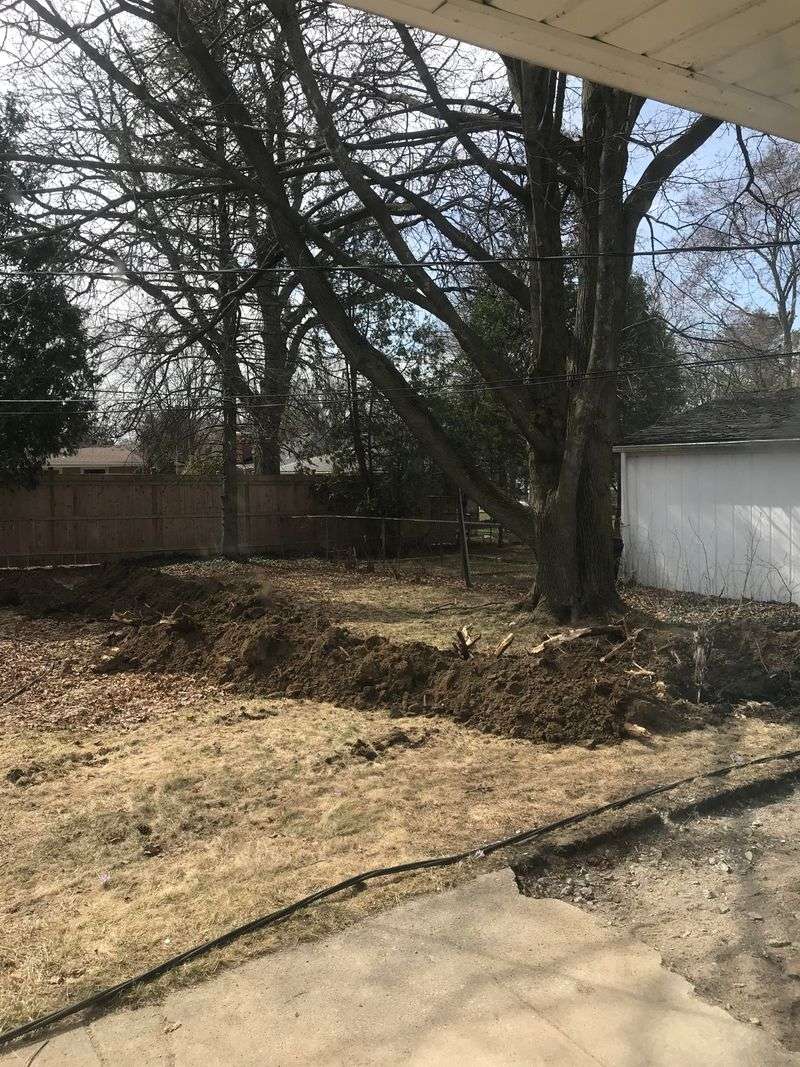
Norway maple is one of the most widely planted shade trees in the Pacific Northwest, including Oregon. It grows fast, provides great shade, and looks attractive in a yard.
But its popularity does not mean it is a safe choice near your home’s foundation.
The roots of Norway maple are dense and spread out close to the surface. They compete aggressively with nearby plants for water and nutrients, often leaving nothing for grass or garden beds.
More concerning, they can crack sidewalks, driveways, and even push against foundation walls over time.
Norway maple is also considered an invasive species in many parts of Oregon. It produces large numbers of seeds that sprout easily, and seedlings can take over natural areas quickly.
This is one reason why some cities in Oregon have restricted or discouraged its planting in public spaces.
For homeowners, the lesson is clear. Keep Norway maple well away from your house, ideally at least 30 feet or more.
If you want shade without the risk, look for smaller ornamental trees with less aggressive root systems that are native to Oregon. Native species are often better suited to local soil and weather conditions, making them a smarter long-term choice for your landscape.
5. Tree-Of-Heaven
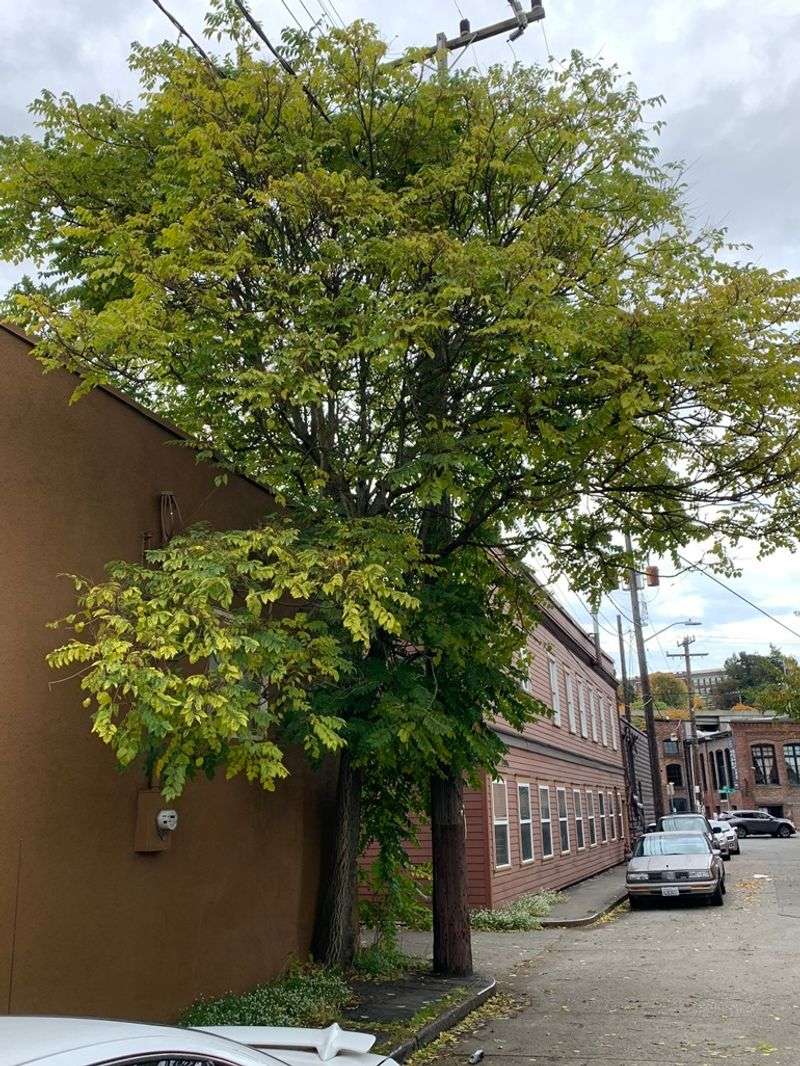
This tree sounds like something you would want in your yard, but the name is misleading. Tree-Of-Heaven is actually considered one of the most invasive species in North America, and Oregon is no exception.
It grows incredibly fast, sometimes adding six feet or more in a single year.
Originally from China, tree-of-heaven was introduced to the United States in the 1700s as an ornamental plant. It quickly spread across the country and is now found in cities and rural areas throughout Oregon.
It thrives in disturbed soils, which makes roadsides, vacant lots, and even cracks in pavement fair game for this tough tree.
Its roots are aggressive and can grow into foundations, sewage systems, and drainage pipes. The tree also releases chemicals into the soil that prevent other plants from growing nearby.
This makes it harmful to your garden and your home at the same time.
Tree-of-heaven is very hard to get rid of once it is established. Cutting it down often causes it to send up multiple new shoots from the stump and roots.
If you spot one growing near your Oregon home, it is best to address it early before the roots have a chance to spread and cause lasting structural damage to your property.
6. Black Locust
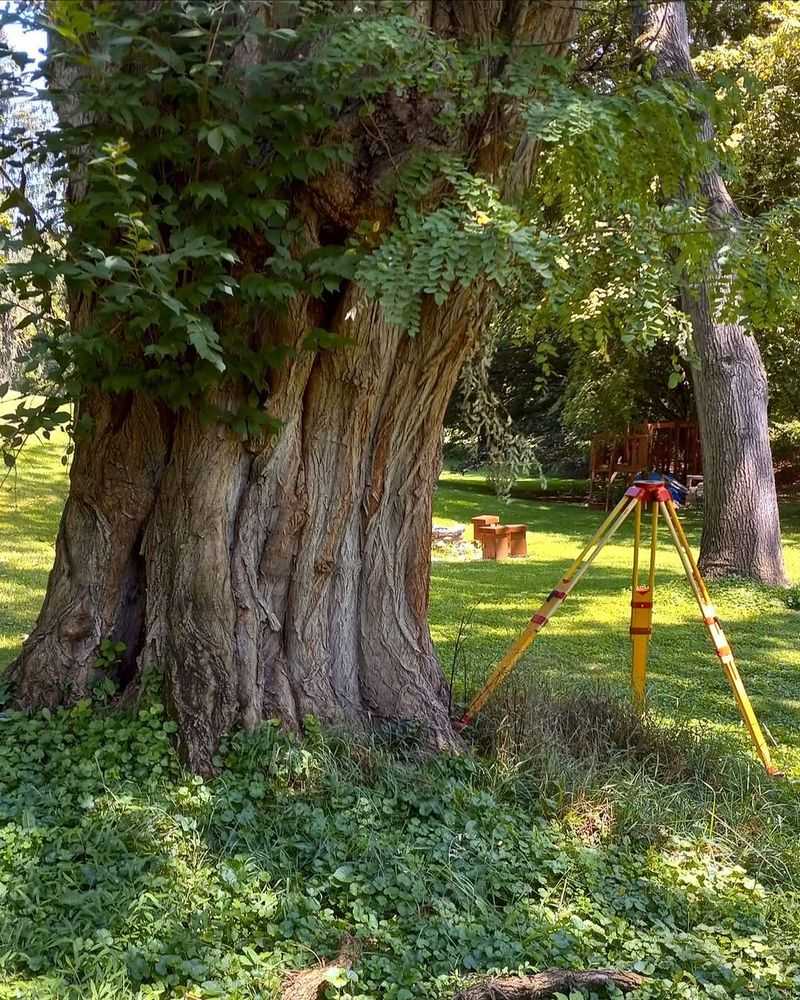
Black locust has a lot going for it on the surface. It grows quickly, produces fragrant white flowers in spring, and its wood is incredibly hard and durable.
Some Oregon landowners plant it for erosion control or as a windbreak. But near a home’s foundation, it is a different story.
The root system of black locust is both deep and wide-spreading. It anchors itself firmly in the ground, which is great for erosion control but bad news for nearby structures.
The roots can work their way under concrete slabs and put pressure on foundation walls, leading to cracks and shifting over time.
Like tree-of-heaven, black locust also spreads through root suckers. Cut one down, and you may end up with a ring of new sprouts popping up all around the stump.
Managing a black locust that is too close to your home can quickly become an ongoing battle that is both time-consuming and expensive.
In Oregon, black locust is found throughout the Willamette Valley and other parts of the state. If you want to use it on your property, plant it far from any structures, at least 30 to 40 feet away.
And always consult with a certified arborist before planting any fast-growing tree near your home.
7. Redwood
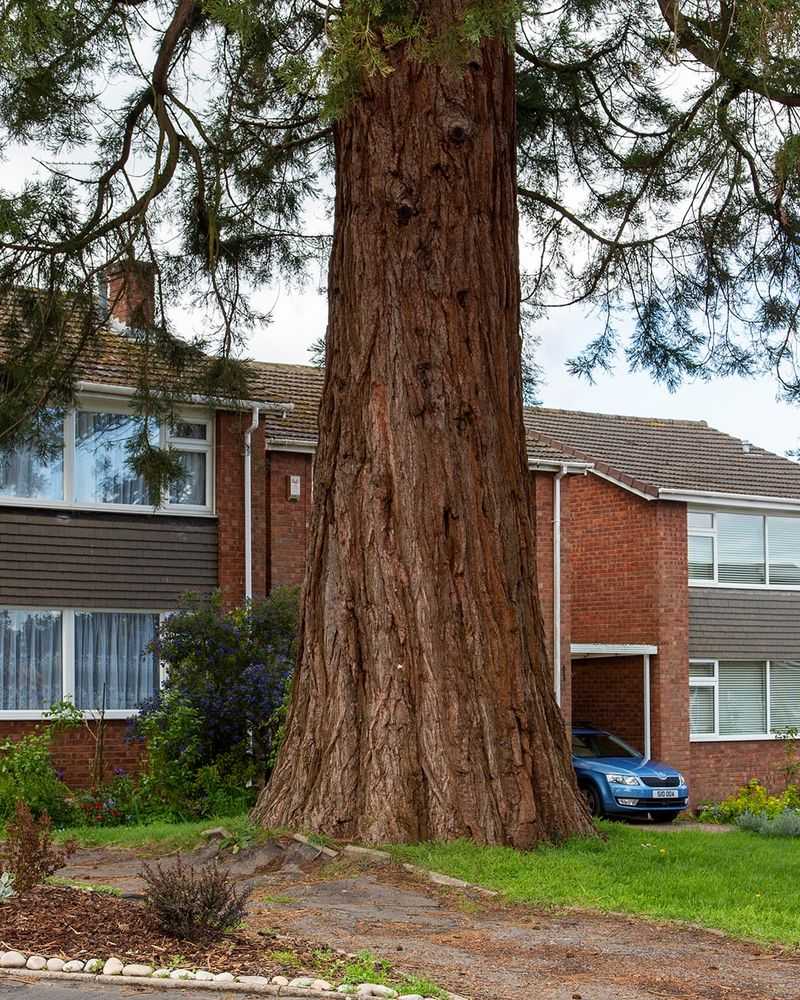
Redwoods are among the most awe-inspiring trees on the planet. They are tall, majestic, and deeply connected to the Pacific Northwest identity.
In Oregon, coast redwoods grow well along the southern coast, and many homeowners plant them hoping to enjoy their dramatic size and beauty.
The problem is that redwoods grow enormous, and their root systems match their ambition. While redwood roots tend to spread laterally rather than growing straight down, they can cover a huge area close to the surface.
A mature redwood can have roots spreading 50 feet or more in every direction from the base of the trunk.
Near a home’s foundation, those spreading roots can cause serious problems. They push against concrete, lift slabs, and can even work their way into underground utilities.
The sheer size and weight of a mature redwood also means that any root movement has a significant impact on surrounding structures.
Redwoods are best suited for large open spaces in Oregon, not small suburban lots. If you are determined to plant one, give it at least 50 feet of clearance from your home, garage, and any underground systems.
Enjoying a redwood from a distance is far better than dealing with the foundation repairs that can come from planting one too close to your house.