8 Drought-Tolerant Plants That Handle Georgia’s Early Heat
Early heat has a way of settling into a Georgia yard before summer even begins. The soil starts to dry faster than expected, and plants that looked fine just weeks ago begin to lose that fresh, steady growth.
Leaves may curl slightly or fade, and the whole garden feels like it is under quiet stress.
It does not always look serious at first. Watering seems enough, and nothing appears completely damaged.
Still, that slow change keeps building, especially during long stretches of warm days.
Many gardeners reach this point and wonder why some plants struggle while others keep going without much effort. The difference is not always about how much care they get, but which plants are actually suited for these early conditions.
That small shift in choice can change how the entire yard handles the season.
1. Lantana Handles Heat And Dry Soil Without Slowing Down
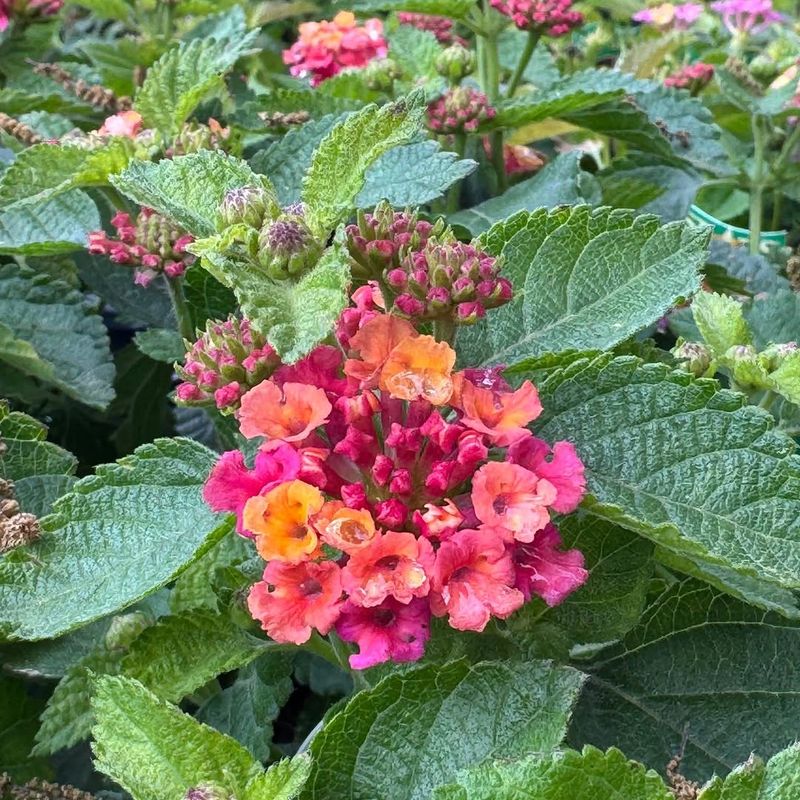
Lantana is one of those plants that almost seems to enjoy punishment. Baking sun, dry ground, weeks without rain — and it just keeps putting out flowers.
In Georgia’s early heat, that kind of reliability is hard to find in something this colorful.
The blooms come in tight clusters and shift between orange, red, pink, yellow, and sometimes purple, often all on the same plant. Pollinators go absolutely wild for it.
Butterflies and hummingbirds show up consistently once the flowers open, which adds real life to any yard or garden bed.
Lantana does best in full sun with soil that drains quickly. Heavy clay soil that stays wet can cause root problems, so if your Georgia garden has that dense red clay, mix in some compost before planting to improve drainage.
Raised beds also work well.
Spreading varieties make solid ground cover along slopes or driveways. Upright types work in containers or as a border plant.
Either way, avoid overwatering — Lantana actually performs better with less moisture than most people expect.
Deadheading is not required, but cutting back leggy stems mid-season encourages fresh growth and more blooms. By late summer, a healthy Lantana plant can be impressively full without much help from you.
2. Salvia Thrives In Full Sun With Minimal Water Needs
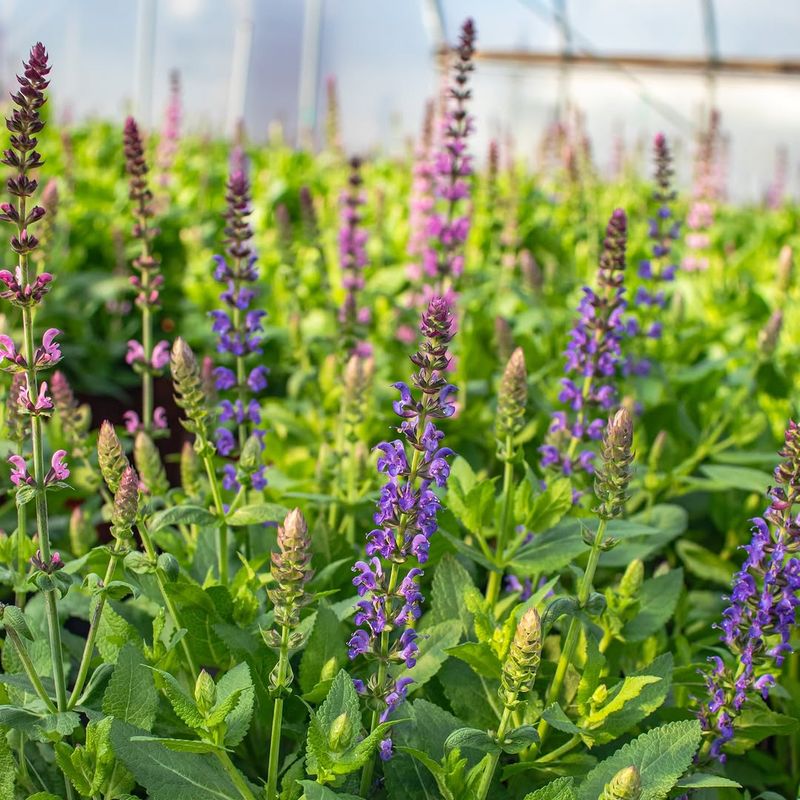
Walk past a Salvia in full bloom on a hot Georgia afternoon and you will notice something — the plant looks completely unbothered. No wilting, no yellowing, just steady upright growth and flower spikes reaching toward the sky.
Salvia greggii, sometimes called Autumn Sage, has adapted surprisingly well to the Southeast despite its Southwestern roots.
It handles Georgia’s early heat season without missing a beat, pushing out red, pink, coral, or purple blooms from late spring through fall with minimal intervention.
Full sun is non-negotiable for Salvia. Shade will reduce blooming significantly and make the plant stretch awkwardly toward light.
Plant it in a spot that gets at least six hours of direct sun, and keep the soil on the drier side between waterings.
One practical tip: avoid planting Salvia in low spots where water collects after rain. Standing water is a bigger threat to this plant than dry weather.
Your Georgia Garden Changes Every Week. Your Plan Should Too.
Gardening in Georgia changes quickly throughout the season. Every Friday you’ll receive a simple weekly plan showing exactly what to plant, prune, fertilize, harvest, and protect so you never miss the right timing.
Good drainage keeps the roots healthy through Georgia’s unpredictable weather swings.
Cutting the stems back by about a third after the first big flush of blooms encourages a second round of flowering. Hummingbirds are strongly attracted to the tubular flowers, so placing Salvia near a porch or window gives you a front-row view of the activity.
It is a genuinely rewarding plant for Georgia gardeners willing to give it the right spot.
3. Coneflower Stays Strong Through Heat And Short Dry Spells
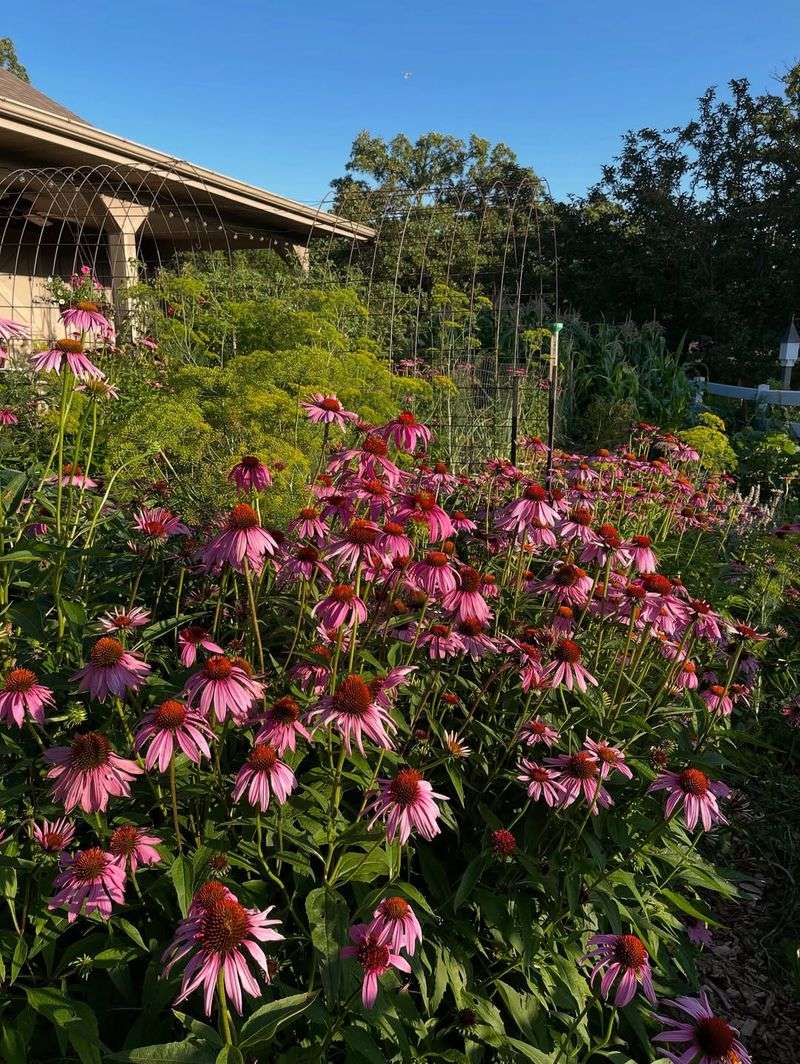
Purple coneflower has been growing across the Southeast long enough to develop real toughness. Short dry stretches, clay soil, relentless afternoon sun — it handles all of that without dramatic drooping or fading flowers.
Echinacea purpurea blooms from early summer into late summer, sometimes pushing new flowers well into August in Georgia. The petals are a soft lavender-pink that surrounds a raised, spiky orange-brown cone.
That cone stays on the plant even after the petals drop, giving birds something to pick at during late summer and fall.
Plant coneflower in full sun for the best results. Partial shade is tolerable, but the stems tend to get floppy without enough light.
Spacing plants about 18 inches apart gives each one room to develop without crowding, which also helps airflow and reduces fungal issues during Georgia’s humid stretches.
Watering deeply but infrequently after planting helps roots grow down rather than staying shallow. Shallow roots are more vulnerable during dry spells, so this early habit pays off over time.
Once the plant is settled in, it handles short dry periods without needing much from you.
Coneflowers spread gradually through self-seeding, so you may find new plants popping up around the original each year. That natural spreading can fill in a garden bed without any extra cost or effort on your part.
4. Black Eyed Susan Keeps Blooming Even In Dry Conditions
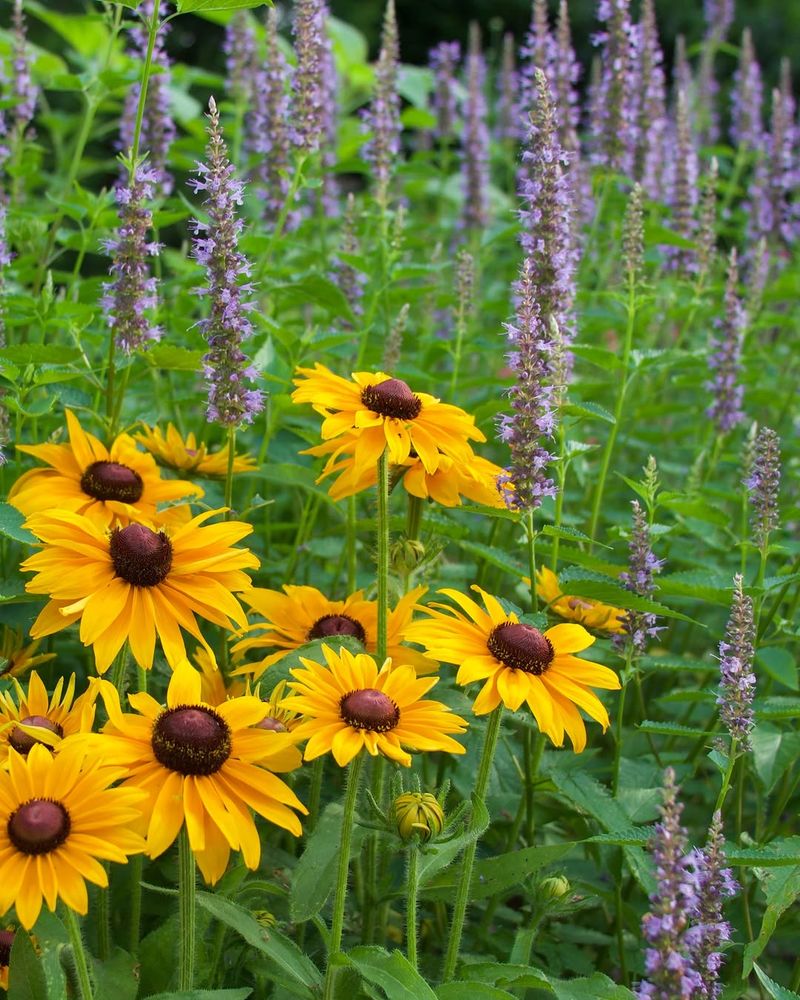
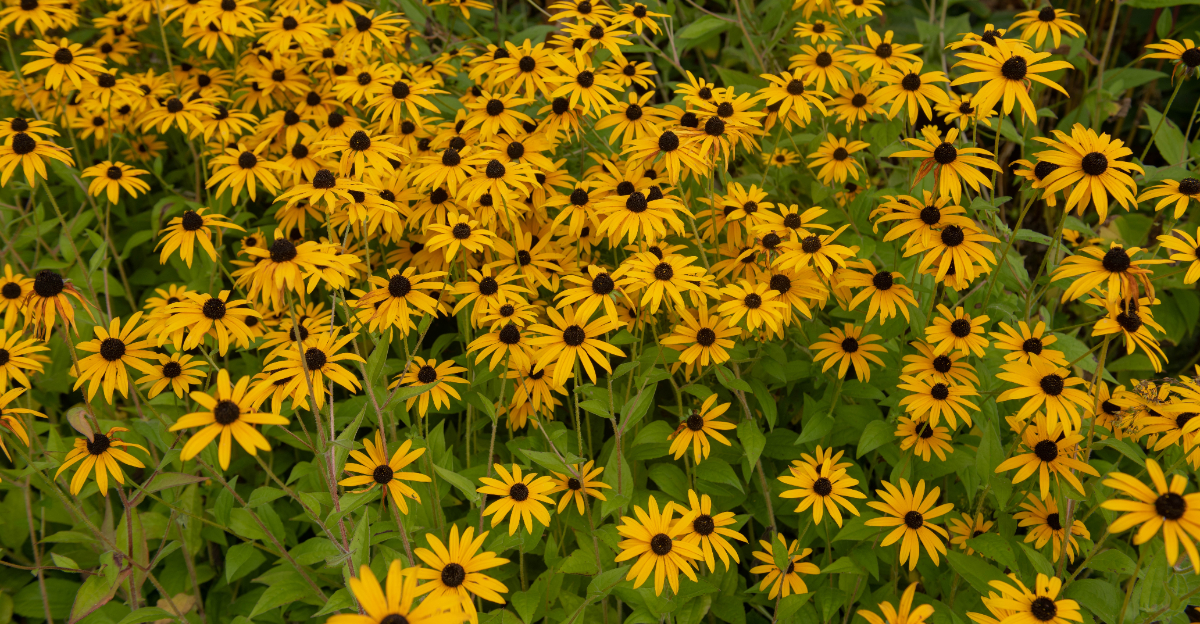
Few plants are as cheerful and dependable in a Georgia summer as Black-Eyed Susan. Those bright yellow petals around a dark brown center are hard to miss, and the plant keeps producing them even when the ground is dry and the heat is stacking up.
Rudbeckia hirta is well-suited to Georgia’s climate, handling both clay-heavy soils and sandy soils better than many ornamentals.
It blooms reliably from early summer into fall, making it one of the longer-performing plants you can put in a Georgia garden bed without worrying about constant care.
Full sun brings out the best blooming. Afternoon shade can reduce flower production and make stems weaker, so pick an open spot with good sun exposure.
Soil does not need to be rich — average or even slightly poor soil works fine, as long as it drains well after rain.
Butterflies and bees visit the flowers regularly throughout the blooming season.
If you leave the seed heads standing at the end of the season, birds like goldfinches will pick through them during the cooler months, extending the plant’s usefulness well past its bloom period.
Cutting stems back by half after the first wave of blooms can encourage a second flush later in summer. Clumps tend to expand gradually over the years, so dividing them every few seasons keeps the plants vigorous and prevents overcrowding in the bed.
5. Coreopsis Handles Heat And Keeps Flowering With Little Water
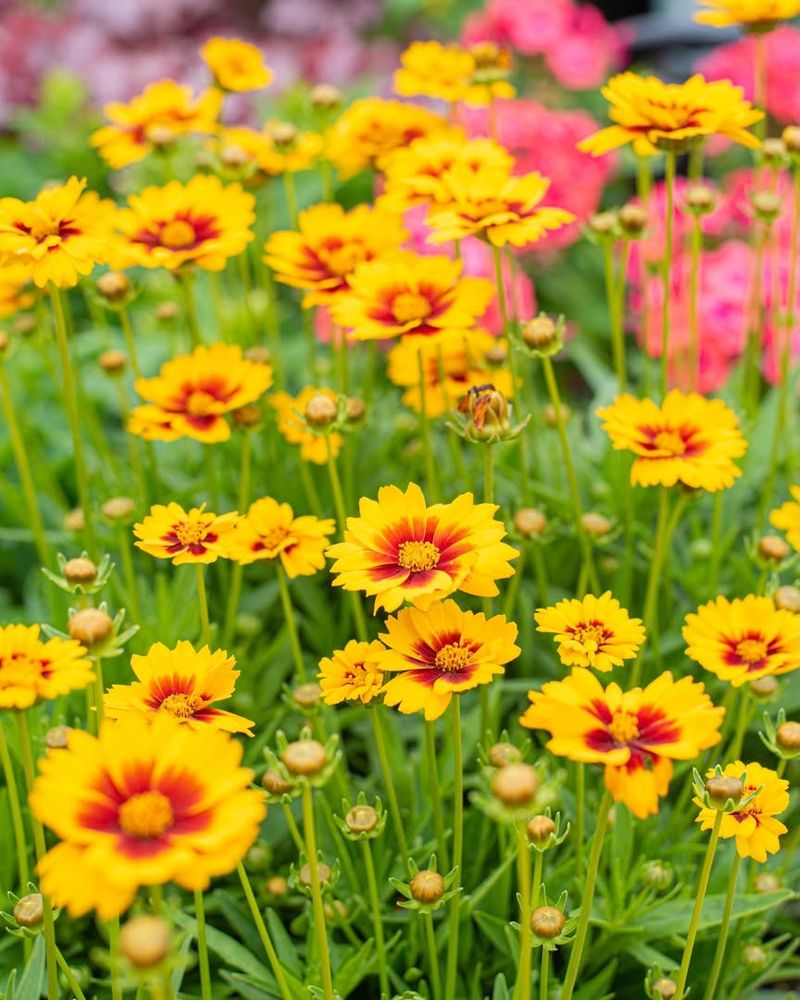
Coreopsis earns its spot in any Georgia garden by doing something most plants struggle with — blooming hard through weeks of heat and dry soil without much complaint.
The bright yellow or golden flowers keep coming even when neighboring plants are starting to look stressed.
Thread-leaf Coreopsis, in particular, handles Georgia’s early heat season well. Its fine, feathery foliage stays green and fresh-looking even when rainfall is sparse.
The flowers are small but appear in such numbers that the plant looks almost covered in gold during peak bloom.
Sandy or loamy soil that drains quickly suits Coreopsis well. If your garden has heavy clay, amending the planting area before putting Coreopsis in the ground will make a noticeable difference in how the plant performs.
Raised beds are another solid option for gardens with drainage challenges.
Watering once a week during the first month after planting helps roots establish. After that, Coreopsis can typically manage on natural rainfall alone during most Georgia summers, though a deep soak during extended dry stretches helps maintain blooming.
Deadheading spent flowers encourages continuous blooming through summer. Without it, the plant will still flower, but production slows down noticeably.
Cutting back the whole plant by about a third in midsummer can also refresh growth and trigger a fresh round of blooms heading into late summer and early fall.
6. Yarrow Grows Well In Dry Soil And Handles Sun All Day
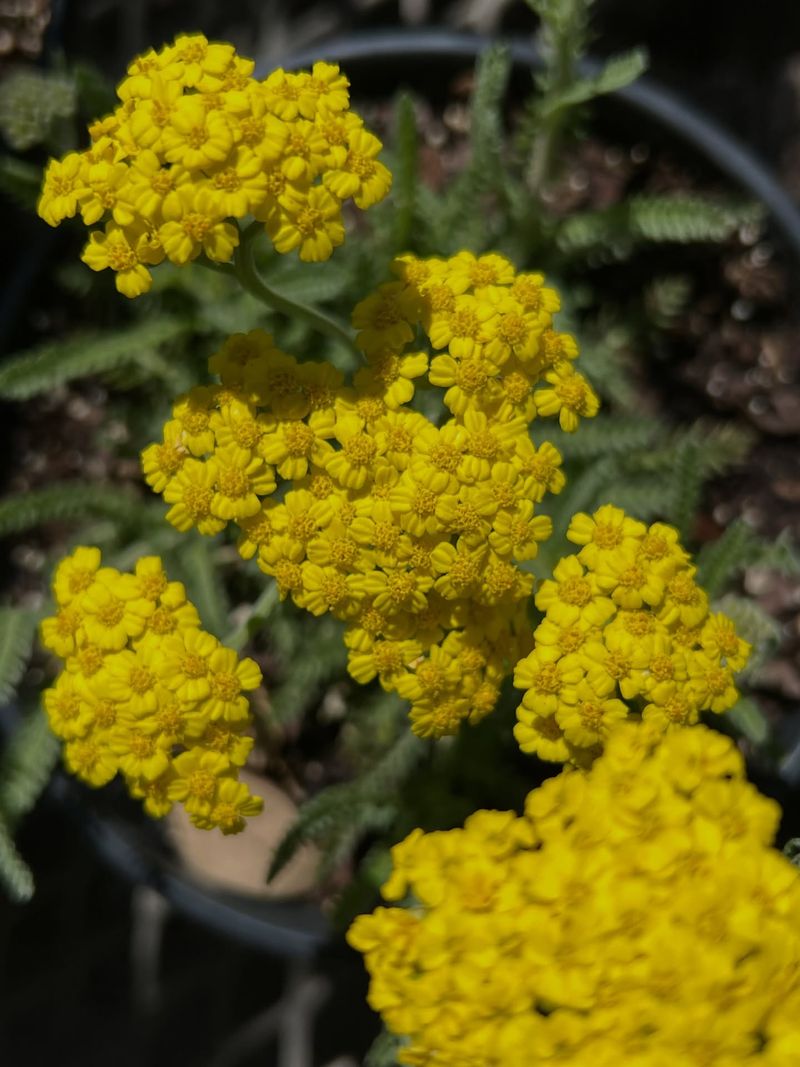
Yarrow is not a flashy plant, but it is a genuinely tough one. It grows in dry, rocky, or sandy soil where other plants give up, and it does it without needing much attention from the gardener.
In Georgia’s early heat, that kind of durability is worth a lot.
Achillea millefolium produces flat-topped clusters of small flowers in yellow, white, pink, or red depending on the variety. The feathery foliage has a soft texture and a faintly herbal scent.
Both the flowers and the leaves hold up well in heat without wilting dramatically the way broad-leafed plants often do.
Full sun all day is where Yarrow performs best. It can handle partial shade but tends to get leggy and fall over without enough light.
Soil should drain well — Yarrow is particularly sensitive to wet feet, and soggy soil during Georgia’s humid spells can lead to root rot faster than dry conditions ever would.
Spacing plants about 12 to 18 inches apart keeps air circulating around the foliage, which helps during Georgia’s humid summers. Powdery mildew can appear in crowded plantings, so giving each plant room makes a practical difference.
After the first bloom cycle, cutting the flower stems down to the basal foliage encourages a second round of blooms later in the season.
Yarrow spreads gradually through underground runners, so dividing clumps every two or three years keeps the planting tidy and productive.
7. Sedum Stores Water In Leaves And Survives Dry Periods
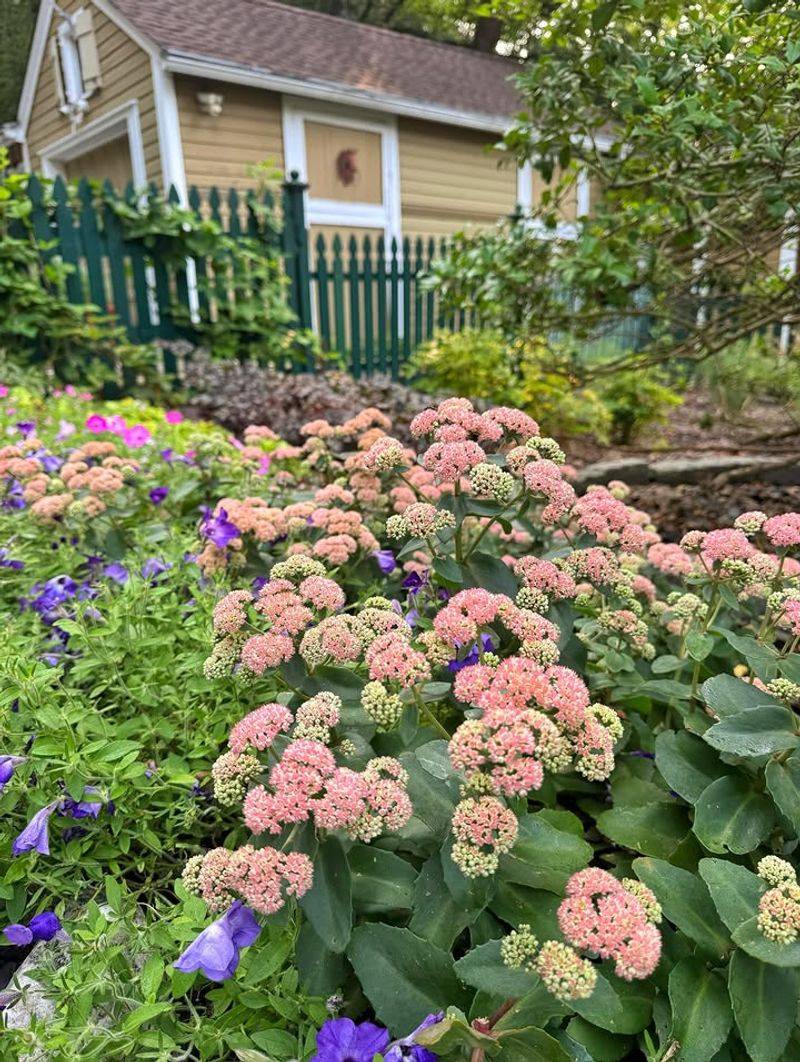
Sedum carries its own water supply. Those thick, fleshy leaves store moisture, which means the plant keeps functioning during dry stretches that would cause serious stress in most other garden plants.
In Georgia’s heat, that built-in reserve is a genuine advantage.
Upright Sedum varieties like ‘Autumn Joy’ work well as border plants, growing into dense clumps with flat flower heads that shift from pale pink to deep rose as summer progresses.
Shorter, spreading varieties like Sedum spurium work as ground cover between stepping stones or along dry garden edges.
Sandy or gravelly soil suits Sedum well. Heavy clay that stays wet after Georgia’s summer rain events can cause more problems for Sedum than any drought would.
If your soil holds water, amending it with coarse sand or small gravel before planting improves drainage significantly.
Planting Sedum in full sun produces the most compact, sturdy growth. Too much shade causes stems to stretch and flop.
Six or more hours of direct sun is a reliable target for keeping upright varieties looking their best through the summer heat.
Minimal fertilizing is actually better for Sedum — too much nitrogen pushes soft, floppy growth that falls open at the center. A light application of balanced fertilizer in early spring is usually sufficient.
Beyond that, Sedum mostly takes care of itself through Georgia’s long, dry summer stretches.
8. Blanket Flower Blooms Reliably In Heat With Very Little Water
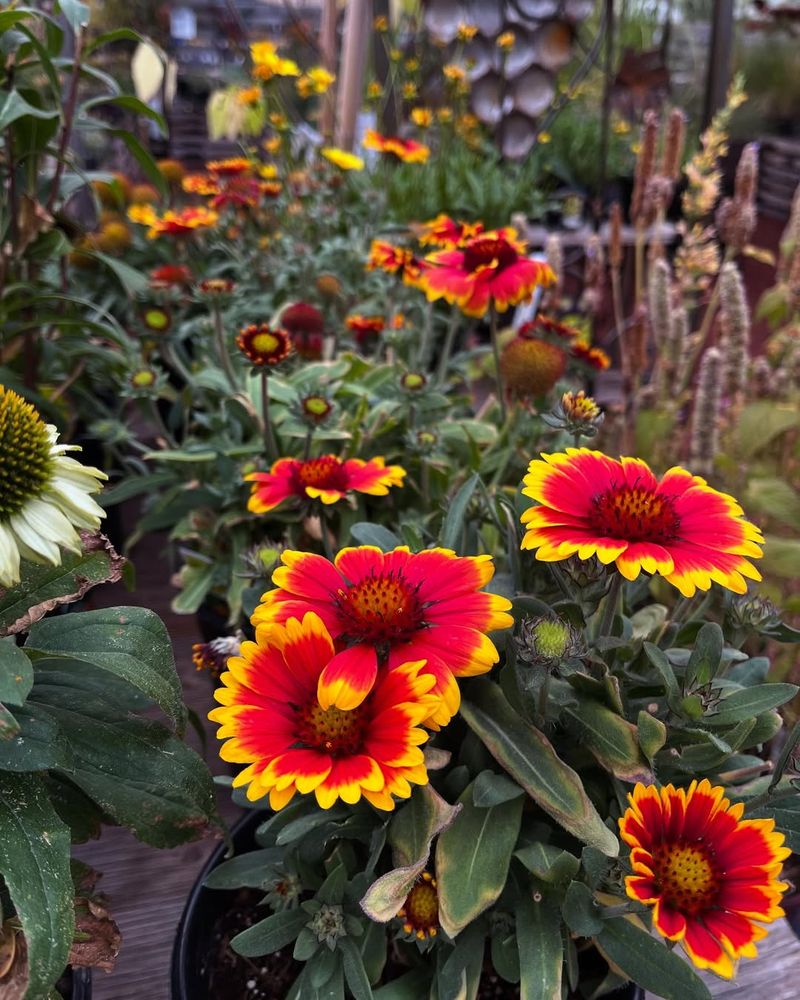
Blanket flower looks like it belongs in a painting — bold red and yellow petals radiating out from a reddish-brown center, almost like a tiny sunset sitting on a stem. What makes it even better is how little it asks for in return for all that color.
Gaillardia thrives in conditions that most flowering plants find difficult. Dry soil, intense afternoon sun, high heat — these are actually the conditions where blanket flower performs most consistently.
In Georgia gardens, where summer heat arrives early and stays late, this plant fills in reliably through months that challenge other species.
Sandy or lean soil suits Gaillardia better than rich, heavily amended beds. Fertile soil with too much organic matter tends to produce lush foliage at the expense of flowers.
Keeping the soil on the lean side encourages more blooming and more compact growth.
Deadheading spent blooms extends the flowering season noticeably. Without removing old flowers, the plant shifts energy toward seed production and slows down new bud development.
Spending a few minutes each week cutting back spent stems keeps the display going through late summer.
Blanket flower tends to be short-lived as a perennial in Georgia’s humid conditions, often performing best in its first and second year.
Allowing some seed heads to mature and drop at the end of the season encourages natural reseeding, which keeps the plants coming back without replanting each spring.