How Long Do These Vegetables Take To Grow In Oregon
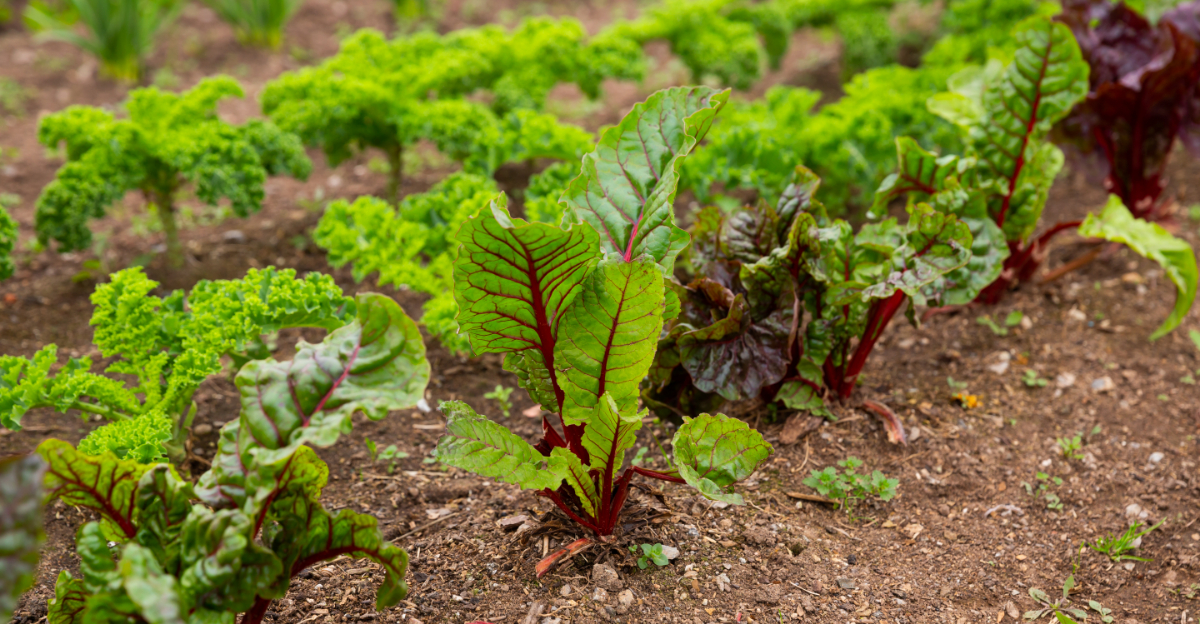
Anyone who grows vegetables in Oregon knows the waiting game can feel longer than expected.
You plant with the best intentions, keep checking the bed, and before long you are standing there like it is a pot on the stove, hoping something will happen faster just because you looked at it again.
Oregon’s cool springs and regional weather shifts can make timing even more confusing. Some vegetables move along quickly, while others need a lot more patience than seed packets seem to suggest.
Add in cloudy stretches, chilly nights, and different planting windows from western to eastern Oregon, and it is easy to misjudge what is actually on schedule.
That is why knowing the real timeline matters. It helps with planning, spacing, and deciding what is still worth planting.
Pay close attention to which crops are ready surprisingly fast and which ones ask you to settle in for the long haul.
1. Radishes That Rush To Harvest
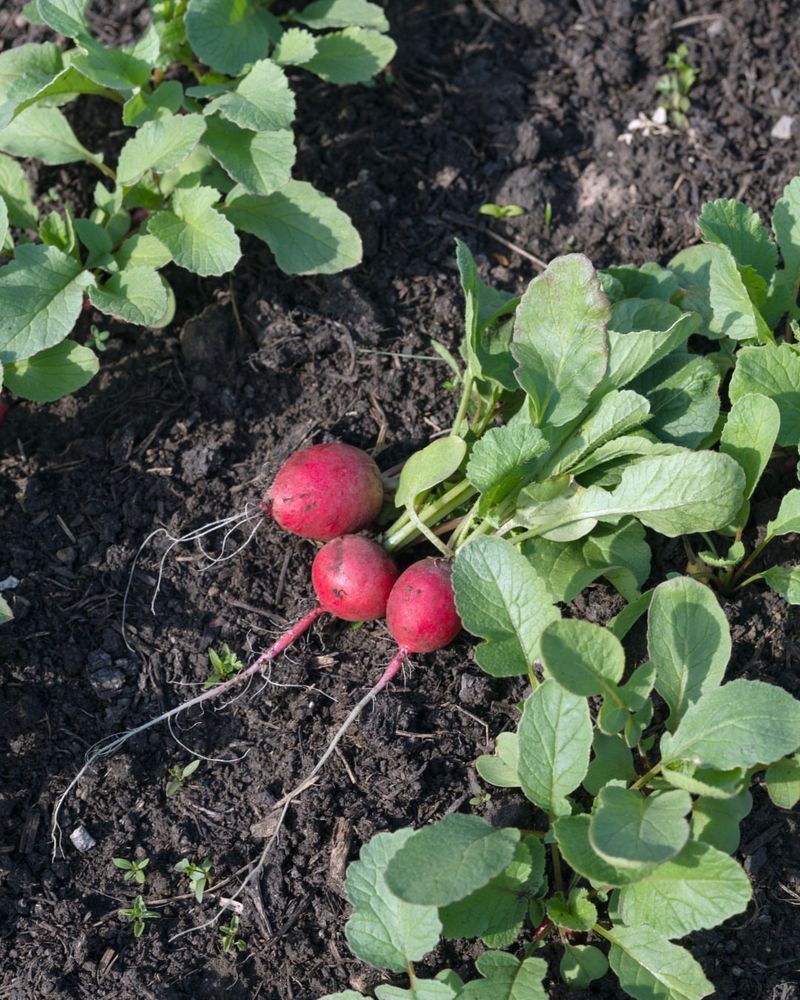
If patience is not your strong suit, radishes are about to become your new best friend in the garden. These small but mighty root vegetables are some of the fastest-growing crops you can plant anywhere in Oregon, including the cool coastal regions and the warmer western valleys.
In just 25 to 35 days, you can go from planting a tiny seed to pulling a crisp, spicy radish right out of the ground.
Radishes love cooler temperatures, which makes them a perfect fit for Oregon’s spring and fall seasons. You can plant them as early as March in the western valleys or wait until late summer for a fall harvest.
They grow best in loose, well-draining soil, so make sure to loosen the ground before planting to let the roots spread freely without any resistance.
One fun fact about radishes is that gardeners often use them as row markers alongside slower-growing vegetables like carrots. By the time the radishes are harvested, the carrots are just getting started.
Space your seeds about one inch apart and thin them out once they sprout to avoid crowding, which can cause misshapen roots. Water them consistently, but do not overdo it, since soggy soil can cause cracking.
Radishes are an excellent starter crop for beginner gardeners in Oregon who want a quick win early in the season.
2. Leaf Lettuce That Fills In Fast
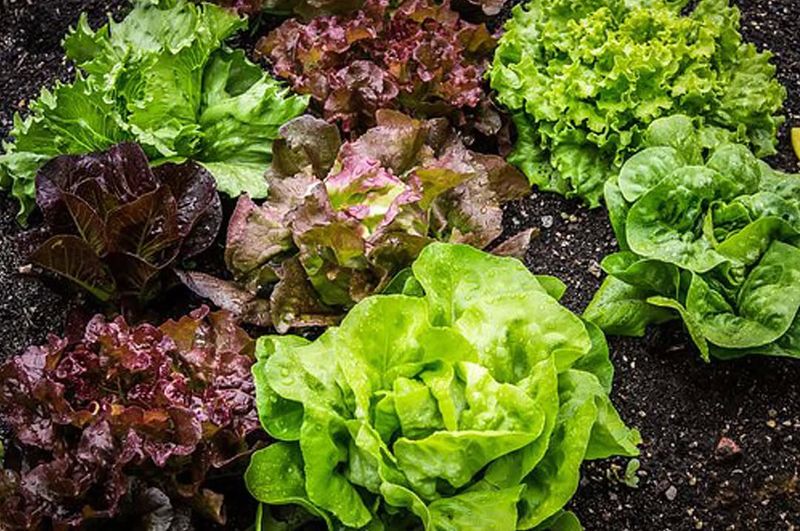
Leaf lettuce is the kind of vegetable that makes you feel like a real gardener the moment you see those soft, ruffled leaves spreading across your garden bed. Unlike head lettuce, which takes much longer to mature, leaf lettuce is ready to harvest in just 45 to 60 days.
That makes it one of the most practical crops for Oregon gardeners who want fresh salad greens without a long wait.
Oregon’s cool, mild climate is practically made for growing lettuce. The western valleys and the Oregon Coast offer ideal conditions, with moderate temperatures and plenty of moisture.
Lettuce does not thrive in intense heat, so planting in early spring or late summer provides the best results. If temperatures rise unexpectedly, the leaves can turn bitter, so keep an eye on the forecast and consider using a shade cloth during warmer stretches.
Your Oregon Garden Changes Every Week. Your Plan Should Too.
Gardening in Oregon changes quickly throughout the season. Every Friday you’ll receive a simple weekly plan showing exactly what to plant, prune, fertilize, harvest, and protect so you never miss the right timing.
One of the greatest things about leaf lettuce is that you can harvest it using the cut-and-come-again method. Simply snip the outer leaves while leaving the center of the plant intact, and new leaves will keep growing back for weeks.
This stretches your harvest season significantly. Plant seeds about six inches apart in rows, water regularly, and feed with a light nitrogen fertilizer to encourage leafy growth.
Gardeners in Oregon often get two full rounds of lettuce in a single season by planting in both spring and early fall.
3. Spinach That Comes Along Quickly
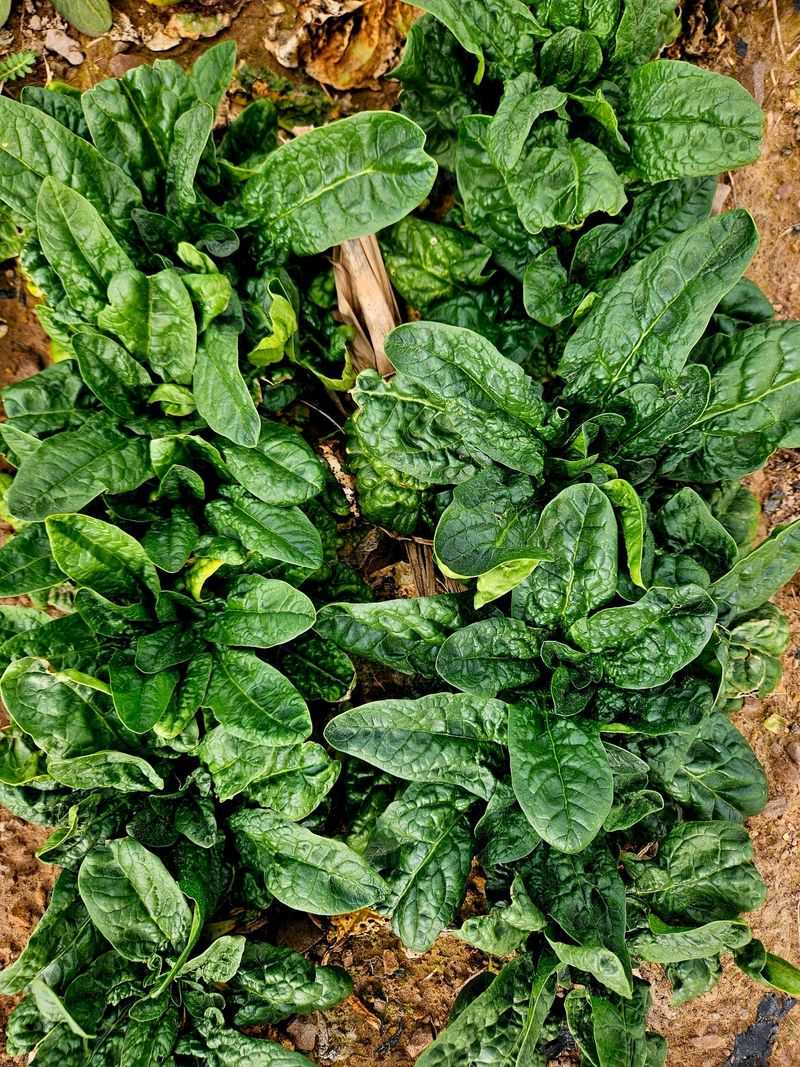
Ready to harvest in just 40 to 50 days, spinach is a cool-season crop that thrives in the moderate temperatures found across much of the state. From the Willamette Valley to the Columbia River region, spinach fits right in with Oregon’s gardening calendar.
Plant spinach as soon as the soil can be worked in early spring, usually around late February or March in western Oregon. It can even handle a light frost, which makes it one of the toughest early-season greens you can grow.
The seeds germinate best when soil temperatures are between 35 and 60 degrees Fahrenheit, so Oregon’s cool spring mornings are actually a big advantage here. Spinach prefers rich, moist soil with good drainage.
Adding compost before planting gives the plants a nutritional head start and helps them produce the thick, dark leaves that are packed with iron and vitamins. Harvest the outer leaves first, just like lettuce, to keep the plant producing for a longer stretch of time.
Avoid letting spinach sit in the garden too long once warm weather arrives, since the plant will bolt, meaning it sends up a flower stalk and the leaves become tough and less tasty. A fall planting in Oregon can also yield a wonderful second harvest before winter arrives.
4. Bush Beans That Pick Up Speed In Warm Soil
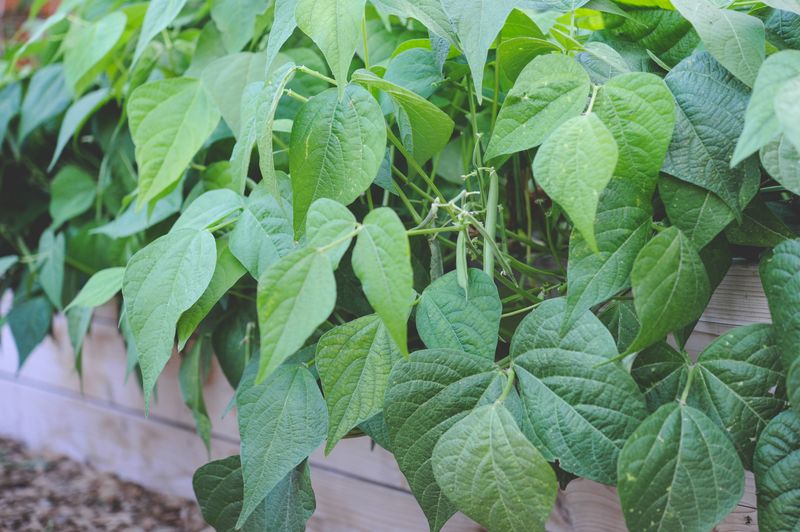
Few vegetables are as satisfying to grow as bush beans. They grow on compact, bushy plants that do not need staking or trellising, which makes them incredibly easy to manage in any size garden.
In Oregon, bush beans typically take between 50 and 75 days to reach full harvest, depending on the variety and the specific growing region you are working in.
Bush beans love warm soil, so do not rush to plant them too early. In Oregon’s western valleys, wait until late May or early June when the soil temperature has reached at least 60 degrees Fahrenheit.
Planting in cold soil can cause seeds to rot before they even sprout. The Columbia River Valley’s warmer summers are especially well-suited for growing bush beans, where the heat helps pods fill out quickly and evenly.
One practical tip is to plant bush beans in successive batches every two to three weeks. This staggered planting method, often called succession planting, gives you a steady supply of fresh beans throughout the summer rather than one giant harvest all at once.
Space seeds about three to four inches apart in rows, and water at the base of the plants to keep the foliage dry and reduce the risk of fungal issues. Bush beans are also great for the soil because they fix nitrogen, meaning they actually improve the ground for whatever you plant next season.
Oregon gardeners love them for that reason alone.
5. Beets That Reward A Little Patience
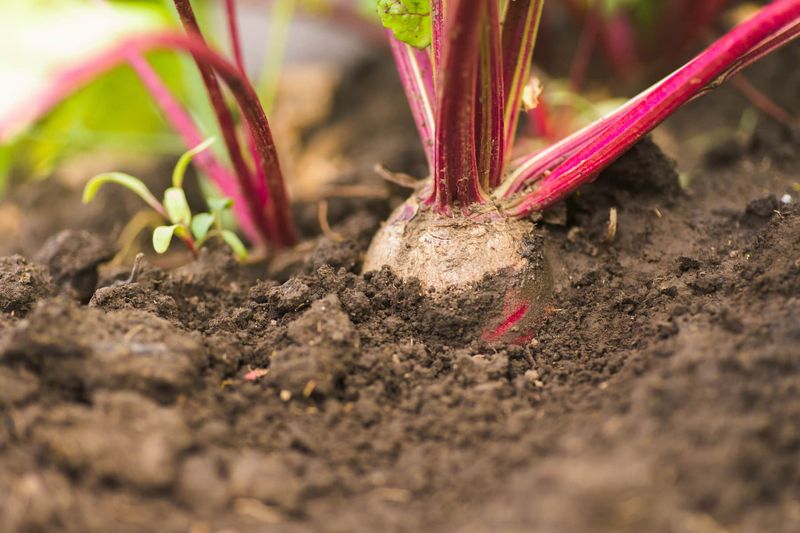
Beets are one of those vegetables that surprise people because almost the entire plant is edible. The roots are sweet and earthy, and the leafy greens on top can be cooked just like spinach.
In Oregon, beets typically mature in 50 to 70 days, making them a solid mid-season crop that fits well into the state’s varied growing calendar.
Oregon’s cool spring and fall temperatures are ideal for beet production. The western valleys and coastal regions, with their long growing seasons, allow gardeners to plant beets twice in a single year, once in early spring and again in midsummer for a fall harvest.
Beets prefer loose, deep soil free of rocks and large clumps, since any obstruction in the ground can cause the roots to fork or grow in odd shapes.
Each beet seed is actually a cluster of seeds, so thinning the seedlings is essential. Once they sprout and reach about two inches tall, thin them to three to four inches apart so each root has enough room to swell properly.
Skipping this step leads to crowded, undersized beets that never reach their full potential. Water steadily and evenly throughout the growing season, since irregular watering can cause the roots to crack.
Adding a layer of mulch helps keep soil moisture consistent. For Oregon gardeners looking for a vegetable that delivers double the value, beets are a smart and delicious choice worth planting every season.
6. Carrots That Take Their Time But Pay Off
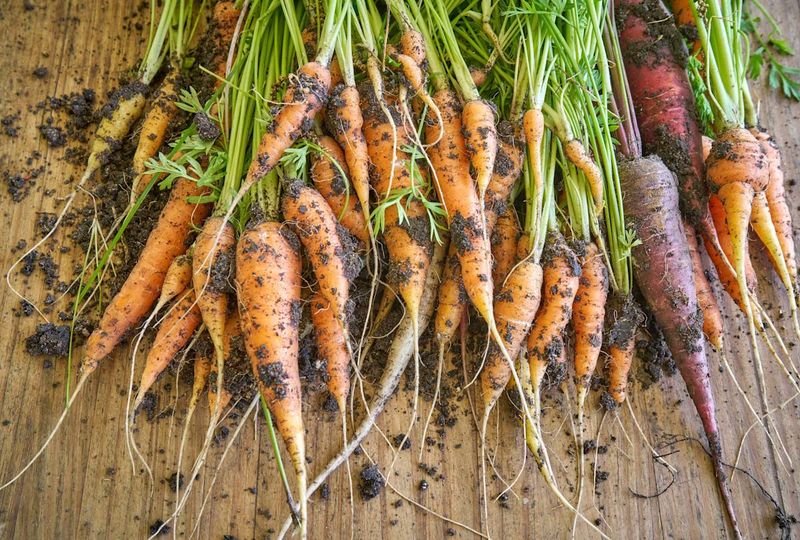
A treasure hunt of the vegetable garden, carrots reward gardeners with a sweet surprise at harvest time. You plant the seeds, tend to the feathery green tops for weeks, and then finally pull the roots out of the ground to see what you have grown.
In Oregon, carrots take about 60 to 80 days to reach full maturity, and the wait is absolutely worth it when you bite into a sweet, crunchy homegrown carrot.
Oregon’s diverse soil types can be a challenge for carrot growers, but with a little preparation, great results are very achievable. Carrots need deep, loose, sandy or loamy soil to grow long and straight.
Rocky or heavy clay soil causes the roots to fork and twist. Before planting, work the soil down to at least 12 inches and remove any stones or debris.
The Willamette Valley’s fertile soil, when properly prepared, produces some excellent carrot harvests.
Sow carrot seeds directly into the garden in early spring, around March or April in western Oregon. The seeds are tiny, so mixing them with sand before scattering them helps you spread them more evenly.
Thin the seedlings to about two inches apart once they reach a few inches tall. Carrots are slow to germinate, sometimes taking up to three weeks to show any growth, so do not give up on them too early.
Keeping the soil consistently moist during germination is the single most important thing you can do. Oregon gardeners who get this step right are almost always rewarded with a fantastic harvest.
7. Zucchini That Grows In A Hurry
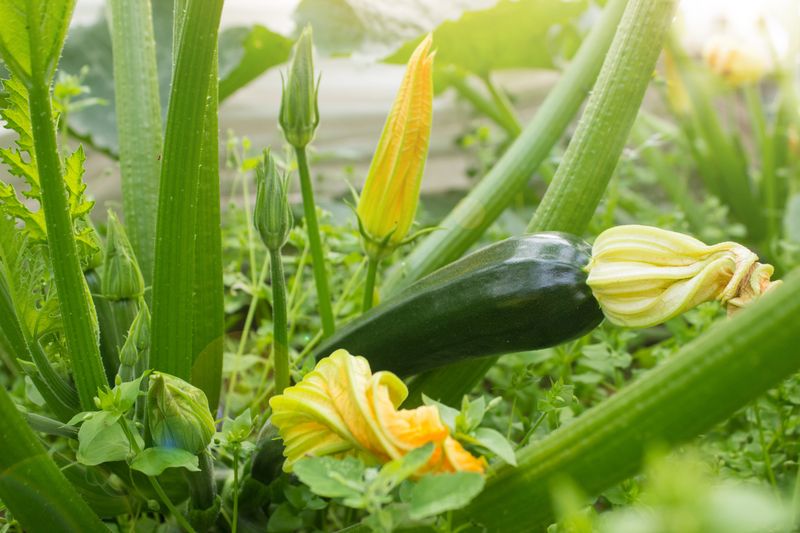
Ask any Oregon gardener about zucchini and you will likely get a laugh. This vegetable is famous for producing more squash than most families can eat, and it does so in a surprisingly short amount of time.
Zucchini typically matures in just 45 to 55 days, making it one of the quickest summer squash crops to grow in Oregon.
Zucchini loves warm weather and grows best in Oregon’s sunny western valleys and the Columbia River region, where summer temperatures are high enough to keep the plants thriving. Wait until after the last frost to plant, which in most parts of Oregon means late May.
Zucchini plants grow large and bushy, so give each plant plenty of space, at least three feet in every direction, to spread out without crowding neighboring plants.
Once zucchini starts producing, check the plants every single day. Fruits that are left on the plant too long quickly grow into oversized, tough-skinned squash that are less flavorful and harder to cook with.
Harvesting zucchini when it is six to eight inches long gives you the best flavor and texture. Plants that are regularly harvested also keep producing new fruits for a longer stretch of the season.
Bees and other pollinators play a huge role in zucchini production, so planting flowers nearby to attract them is a smart move for any Oregon gardener looking to maximize their summer squash yield.
8. Cucumbers That Climb Toward Harvest Fast
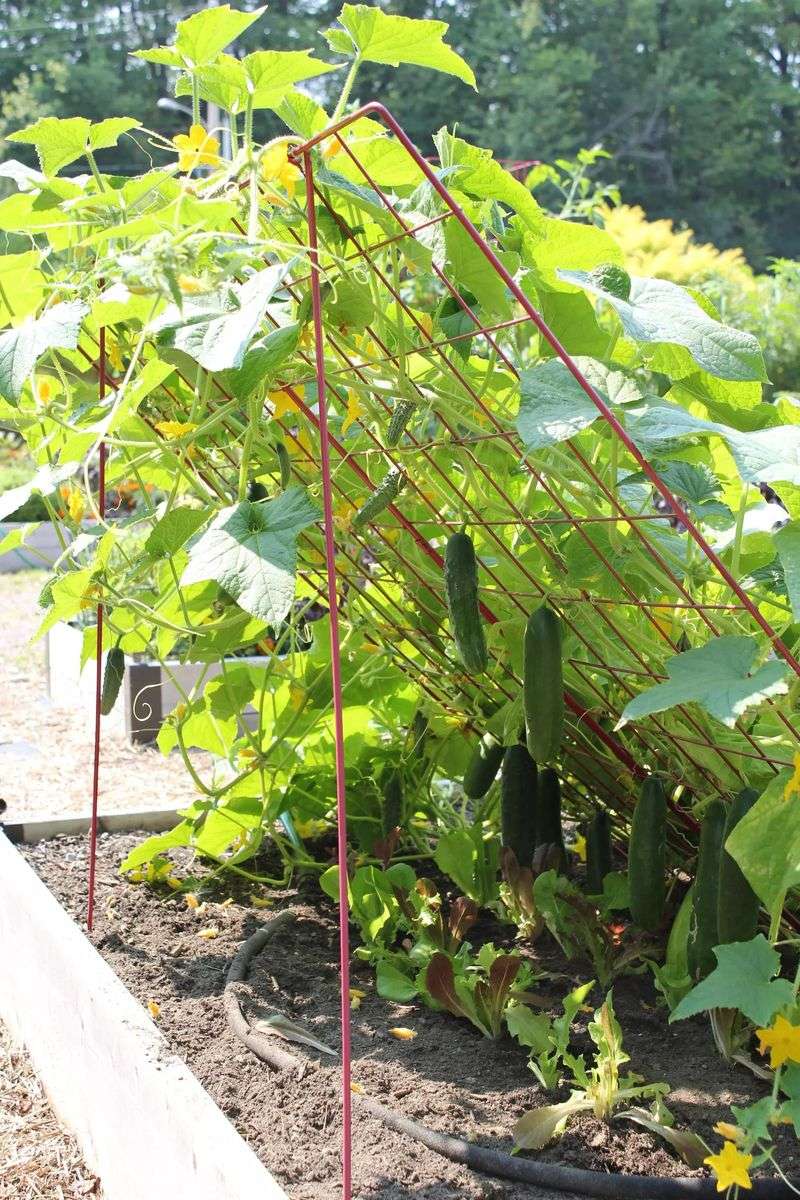
There is nothing quite like slicing into a freshly picked cucumber on a warm Oregon summer afternoon. Crisp, cool, and refreshing, homegrown cucumbers are a completely different experience from anything you find at the grocery store.
Depending on the variety, cucumbers are ready to harvest in 50 to 70 days after planting, making them a reliable mid-season crop for Oregon gardeners.
Cucumbers thrive in warm conditions, so they perform especially well in the Columbia River Valley and the warmer inland areas of western Oregon. They need soil temperatures of at least 65 degrees Fahrenheit to germinate properly, which typically means planting outdoors in late May or early June.
Starting seeds indoors two to three weeks before the last frost date gives you a head start and can shave valuable time off your growing season.
Training cucumber vines up a trellis or fence saves garden space and keeps the fruits off the ground, which reduces the risk of rot and makes harvesting much easier. Water deeply and consistently, aiming for about one inch of water per week.
Cucumbers are mostly water themselves, so irregular watering causes bitter-tasting fruits and poor growth. Harvest cucumbers while they are still dark green and firm.
Once they start turning yellow, the seeds inside become tough and the flavor drops off significantly. Oregon gardeners growing cucumbers for the first time are often amazed at just how productive a single healthy vine can be throughout the summer.
9. Broccoli That Needs More Time To Finish Strong
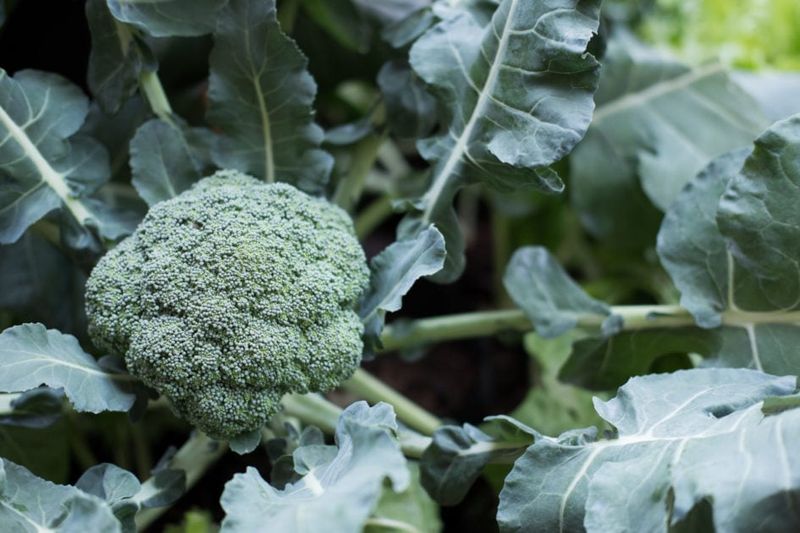
A crop that rewards patient gardeners, broccoli offers something truly impressive at harvest time. Those large, dense green heads take longer than most vegetables to develop, requiring about 70 to 100 days from transplant to harvest.
But for Oregon gardeners, broccoli is well worth the wait, especially given the state’s naturally cool climate, which broccoli absolutely loves.
Oregon’s western valleys and coastal regions are ideal for broccoli because the vegetable prefers temperatures between 45 and 75 degrees Fahrenheit. Hot weather causes broccoli to bolt, sending up flowers and making the heads loose and less flavorful.
Starting seeds indoors in late winter and transplanting them outside in early spring takes advantage of Oregon’s mild early-season temperatures and gives the plants the long, cool growing window they need to form tight, flavorful heads.
Plant broccoli transplants about 18 inches apart in rows that are two feet apart. They need consistent watering and benefit from a side dressing of fertilizer about three weeks after transplanting.
Harvest the main head while the florets are still tight and dark green, before any yellow flowers begin to open. After the main head is cut, smaller side shoots will continue to grow and produce for several more weeks, extending your harvest considerably.
Broccoli is also one of the most nutritious vegetables you can grow, loaded with vitamins C and K. Oregon gardeners who make room for broccoli in their garden each season rarely regret the decision.