Why Ohio Azaleas Struggle In Front Yards And Where They Grow Better Instead
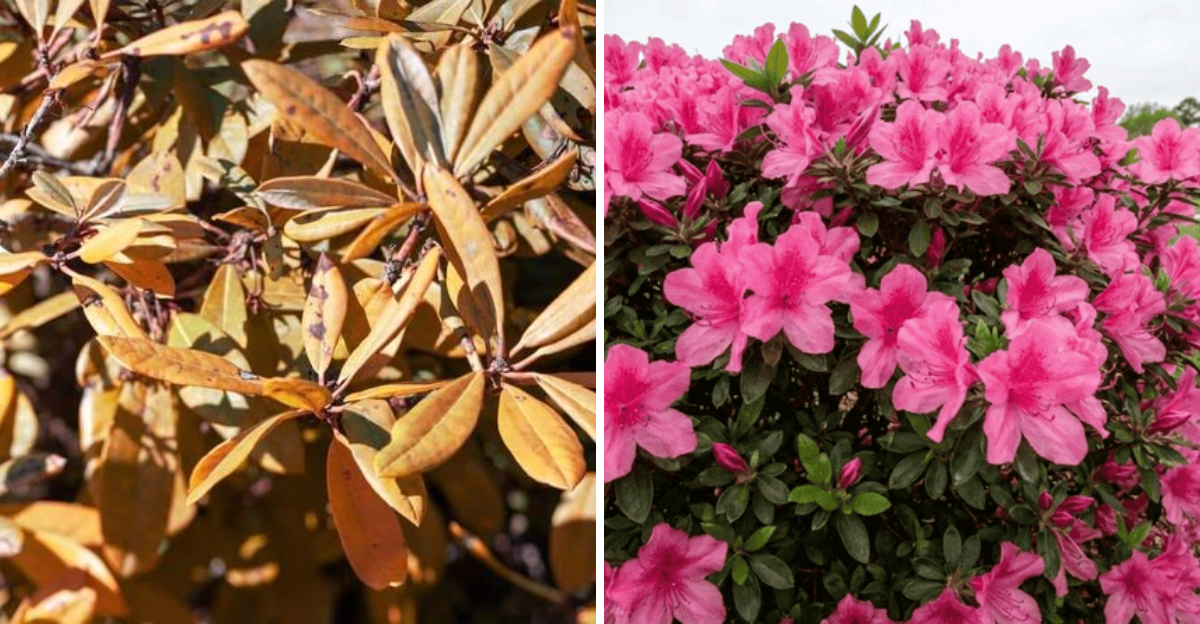
Azaleas should be showstoppers, not stubborn disappointments. Yet in many Ohio front yards, they never seem to hit their stride.
You plant one out front, expect a burst of color each spring, and end up with thin growth, scorched leaves, or a shrub that looks worse every year. Sound familiar?
The problem usually is not bad luck or poor care. It is the spot itself.
Front yards often expose azaleas to harsh sun, drying wind, and soil conditions that leave them struggling from the start. That is why so many healthy-looking nursery plants lose their charm once they go in the ground.
Put them in the wrong place and they barely hang on. Give them a more protected setting and they can fill out, stay vibrant, and bloom the way you hoped.
So where do azaleas actually perform best in Ohio landscapes? The answer may change where you plant them for good.
1. Too Much Sun Can Burn Sensitive Azalea Leaves
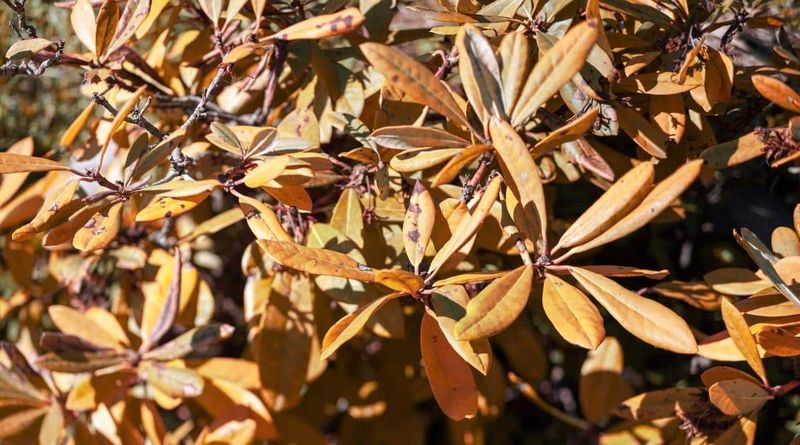
Picture a row of azaleas planted right along a sunny front walkway, soaking up eight or more hours of direct sunlight every single day. By midsummer, those once-glossy leaves start showing brown, crispy edges, and the plant looks exhausted rather than vibrant.
That leaf scorch is not a coincidence.
Azaleas perform best in partial shade, especially with morning sun and protection from intense afternoon heat. Full sun in open front yards raises soil temperatures, dries out shallow roots quickly, and pushes the plant into a constant state of stress.
Ohio summers may not be scorching compared to the deep South, but even moderate heat combined with full exposure can seriously weaken azaleas over time.
The fix starts with location. A spot that receives filtered sunlight through a high tree canopy, or direct morning sun with shade from noon onward, creates the gentle light balance azaleas genuinely prefer.
South-facing and west-facing front yards are typically the worst offenders because they catch the hottest rays of the day.
If your front yard gets full sun most of the day, consider relocating your azaleas to the east side of the house or beneath taller shade trees where the light is softer and the temperatures stay cooler during peak summer hours.
2. Heavy Clay Soil Can Suffocate The Roots
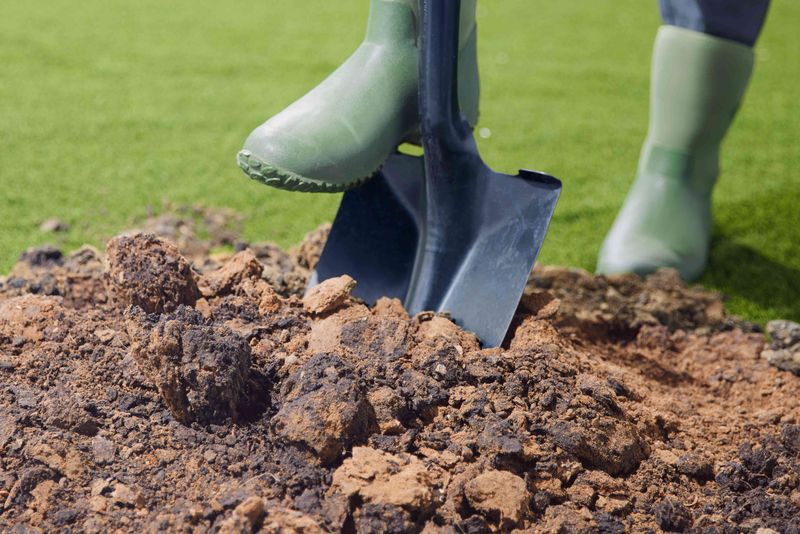
If you have ever tried digging a hole in an Ohio backyard and hit a wall of sticky, dense clay, you already know the challenge.
Ohio soils are famously clay-heavy, particularly in the central and western parts of the state, and that kind of soil is just about the worst possible match for azaleas.
Ohio State University Extension notes that azaleas require loose, well-drained, slightly acidic soil to develop a healthy root system. Their roots are fine and shallow, meaning they need soil they can actually spread through.
When those roots hit compacted clay, they cannot penetrate deeply, water pools around them instead of draining away, and the roots begin to suffocate from lack of oxygen. Over time, the plant weakens, leaves yellow, and flowering becomes sparse or stops entirely.
Your Ohio Garden Changes Every Week. Your Plan Should Too.
Gardening in Ohio changes quickly throughout the season. Every Friday you’ll receive a simple weekly plan showing exactly what to plant, prune, fertilize, harvest, and protect so you never miss the right timing.
Front yards in Ohio neighborhoods are especially problematic because construction activity often leaves the topsoil stripped away and the remaining ground heavily compacted.
Adding organic matter like pine bark, compost, or aged wood chips can loosen clay soil and dramatically improve its structure.
Many experienced Ohio gardeners find that building a raised bed or berm filled with amended soil gives azaleas the loose, well-aerated growing environment they need to genuinely thrive rather than simply survive through each season.
3. Poor Drainage Can Lead To Constant Stress
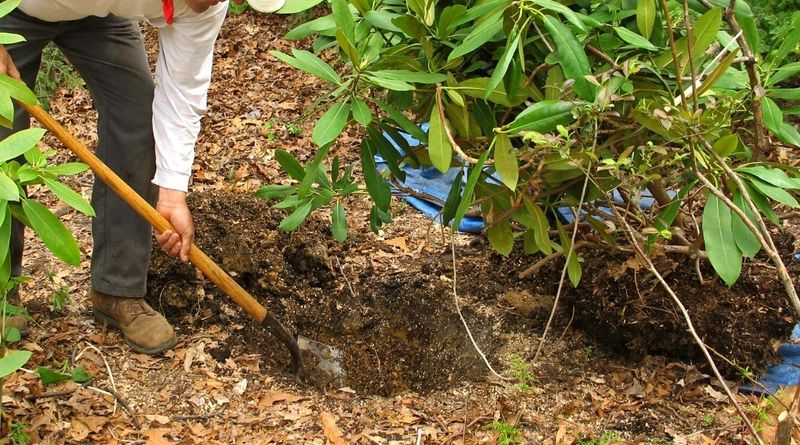
After a heavy Ohio rainstorm, walk out to your front yard and watch where the water goes. If it sits in puddles near your foundation beds or drains away slowly over many hours, that is a red flag for anyone hoping to grow azaleas in those spots.
AAzaleas are highly sensitive to waterlogged conditions. Their shallow root systems cannot handle soil that stays wet for extended periods, because saturated soil starves roots of the oxygen they need to function.
Root rot can set in quickly, and once it takes hold, the plant has very little chance of bouncing back without serious intervention.
Front yard locations make drainage problems worse in several ways. Water from rooflines, downspouts, and sloped driveways often funnels directly into foundation planting beds.
Clay-heavy Ohio soils slow drainage further. Even a well-meaning gardener who waters regularly can accidentally tip a struggling azalea over the edge.
The best solution is to test drainage before planting by digging a hole about twelve inches deep, filling it with water, and timing how fast it drains.
If the water is still sitting there several hours later, raised beds or amended soil mounds can provide the drainage improvement azaleas need to stay healthy through Ohio’s wet spring seasons.
4. Front Yards Often Lack The Acidic Soil Azaleas Need
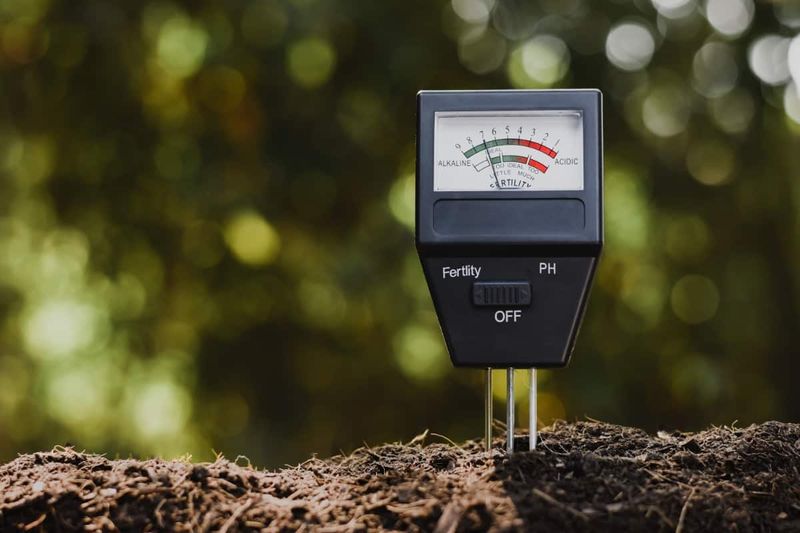
Most people do not think much about soil pH until their plants start looking pale and sickly for no obvious reason. For azaleas, pH is not a minor detail but a fundamental growing requirement that determines whether the plant can absorb nutrients at all.
According to Ohio State University Extension and soil testing guidance through ohioline.osu.edu, azaleas need a soil pH between 4.5 and 6.0 to grow well.
Many Ohio soils naturally fall in the neutral to slightly alkaline range, especially in areas with limestone-derived parent material.
When soil pH climbs above 6.0, azaleas cannot absorb iron and other key minerals properly, leading to interveinal chlorosis, where the tissue between leaf veins turns yellow while the veins stay green.
Front yards are especially prone to pH problems because concrete foundations, sidewalks, and driveways all leach lime into surrounding soil over time, gradually pushing pH upward.
A simple soil test from your local OSU Extension office can tell you exactly where your pH stands and what amendments you need.
Adding sulfur or aluminum sulfate can lower pH over time, while mulching with pine needles or pine bark helps maintain acidity long-term.
Testing your soil before planting is always the smartest first move, and retesting every few years keeps you ahead of any slow drift back toward alkaline conditions.
5. Winter Wind And Exposure Can Cause Damage

Ohio winters are not always the harshest in the country, but they are unpredictable in ways that can seriously set back azaleas planted in exposed locations.
A stretch of mild December weather followed by a sudden January deep freeze can catch plants off guard, especially when they are already stressed from a difficult growing season.
Winter wind is one of the most damaging forces for azaleas growing in open front yards. Cold, drying winds pull moisture from the leaves of broadleaf evergreen azaleas faster than frozen ground can replace it, causing a condition called winter desiccation.
The leaves turn brown and papery, and flower buds that were set in fall can be completely lost before spring ever arrives.
Ohio State University Extension notes that broadleaf evergreens are particularly vulnerable to desiccation during Ohio winters, especially in exposed or windy sites.
Front yards face the full force of northwest winds that sweep across Ohio from late fall through early spring. Without nearby structures or established trees to buffer that wind, azaleas planted in open foundation beds take the brunt of every cold front.
Anti-desiccant sprays applied in late fall can offer some protection by coating leaves and slowing moisture loss.
Better yet, selecting cold-hardy azalea varieties bred specifically for the upper South and lower Great Lakes region gives plants a fighting chance when temperatures plunge and winds pick up across Ohio.
6. Heat From Pavement And Walls Can Add Extra Stress
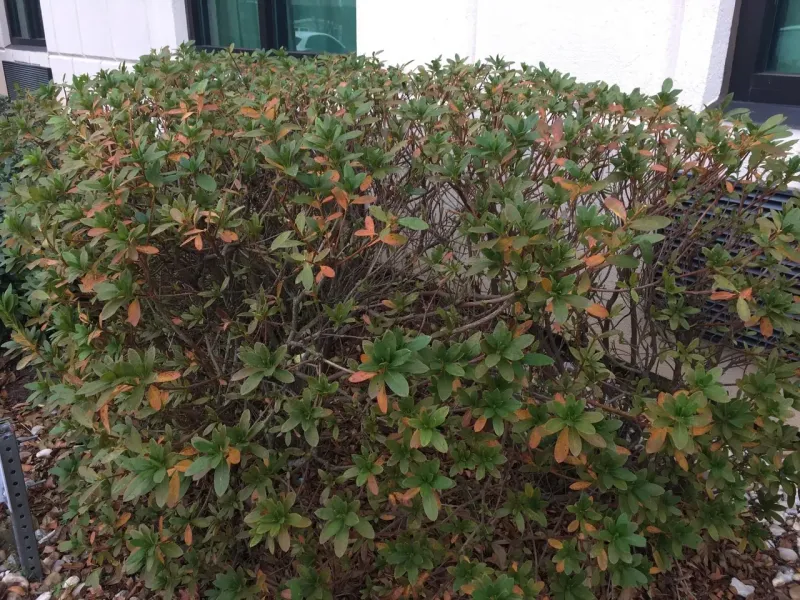
On a hot July afternoon in Ohio, the concrete driveway in front of your house can reach temperatures well above the air temperature, sometimes climbing past 130 degrees at the surface. That kind of radiant heat does not stay put.
It bounces outward and upward, wrapping around anything planted nearby, including azaleas tucked into foundation beds along the front of the house.
This reflected heat effect, sometimes called the urban heat island effect at a small scale, creates growing conditions far harsher than the surrounding landscape.
South-facing brick or stone walls absorb heat all day and release it slowly through the evening, keeping nearby soil warmer than it would otherwise be.
For azaleas, which naturally grow in cool, shaded woodland understories, that kind of heat is genuinely taxing on their system.
The combination of pavement heat, wall reflection, and summer sun can push soil temperatures high enough to damage fine azalea roots sitting just a few inches below the surface.
Ohio gardeners who notice their front-yard azaleas wilting by midday even after recent rain should consider whether reflected heat from nearby hard surfaces is compounding the problem.
Moving plants away from driveways and south-facing walls, applying a thick layer of organic mulch to insulate the soil, and choosing heat-tolerant azalea cultivars are practical steps that can make a meaningful difference in how well plants hold up through Ohio summers.
7. Open Spaces Leave Azaleas Without Protection
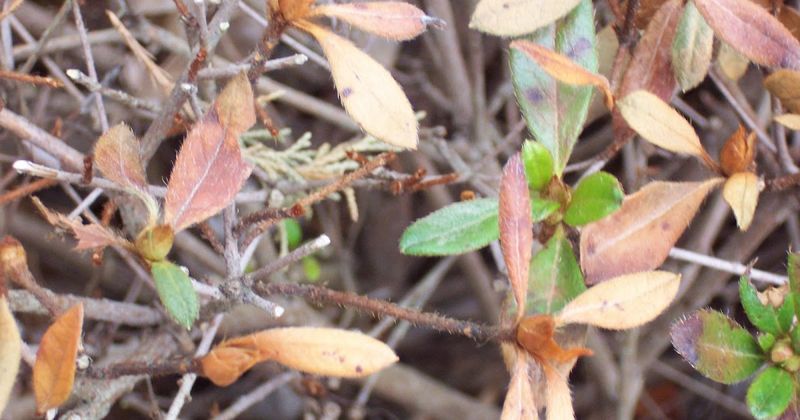
Walk through any established neighborhood in central Ohio and you will notice something about the yards where azaleas look genuinely healthy.
They almost always have something around them, whether it is a mature tree overhead, a fence nearby, or neighboring shrubs that create a layered, sheltered environment.
Front yards rarely offer any of that.
Open front yards expose plants to every environmental extreme that Ohio weather can throw at them. There is no canopy overhead to filter sunlight and regulate temperature swings.
There is no windbreak to slow cold air moving across the yard in February. There is no neighboring vegetation to help retain soil moisture or create the slightly more humid microclimate that azaleas naturally prefer.
Without that layered protection, azaleas planted alone in open front beds are essentially on their own against conditions they were never built to handle.
Native azaleas in the wild do not grow in the middle of open fields. They grow along forest edges and beneath tree canopies where conditions are more stable and sheltered.
Creating a layered planting in your yard, with taller shrubs or small trees providing a backdrop and lower plants filling in around azaleas, mimics that natural environment.
Even adding a wooden fence or a garden wall on the windward side of a planting can meaningfully reduce stress by cutting wind speed and creating a pocket of calmer, more protected growing space for your azaleas to settle into.
8. Shaded Woodland Spots Help Azaleas Thrive
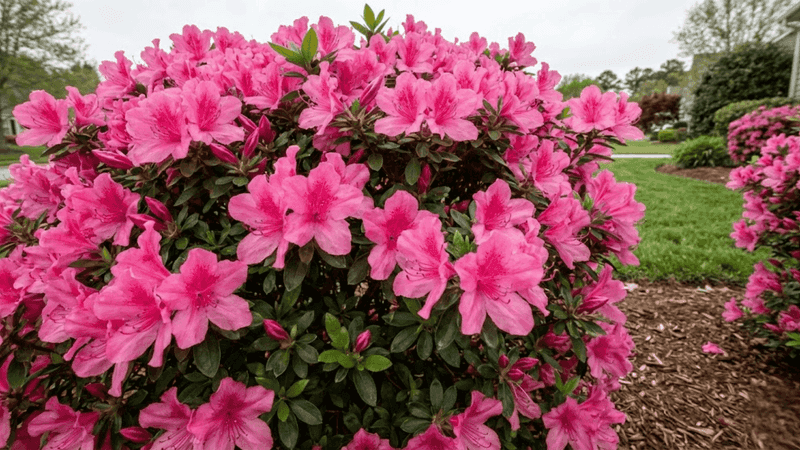
Once you move azaleas out of that tough front yard environment and into a spot that actually suits them, the transformation can be remarkable.
A location beneath a high canopy of deciduous trees, where sunlight filters down in soft, shifting patterns throughout the day, is close to the ideal setting that azaleas naturally evolved to love.
The best planting sites combine morning sun with afternoon shade, good air circulation without harsh wind exposure, and slightly acidic, well-drained soil enriched with organic matter.
A backyard woodland edge, the north or east side of the house, or a spot sheltered by established shrubs and trees all tend to check those boxes far more reliably than a typical Ohio front yard.
Ohio gardeners who have made the switch often report that azaleas they struggled with for years in the front yard suddenly began blooming heavily once relocated.
Adding a two to three inch layer of pine bark or leaf mold mulch around the base conserves moisture, keeps roots cool, and slowly acidifies the soil as it breaks down.
Container planting is another option that gives you complete control over soil composition and placement, letting you move plants to the best available light conditions as seasons change.
Finding that sweet spot between sun and shade is the real secret to growing azaleas successfully in Ohio.