8 Flowers To Plant In Pennsylvania Gardens Before April Ends
Want a Pennsylvania garden that looks full, colorful, and ready to show off as soon as the season gets moving? Then timing matters more than many people think.
The stretch before April ends is one of those sweet spots when planting can really work in your favor.
The soil is starting to warm, the air still has some spring gentleness to it, and many flowers get a much better start before the heavier heat and faster growth of late spring take over.
That early window can make a noticeable difference. Flowers planted now often have more time to settle in, spread their roots, and adjust before the season starts pushing them harder.
For gardeners, that means a better shot at healthier plants, stronger blooms, and less stress later on. It also means you can shape beds, borders, and containers while everything still feels fresh and full of possibility.
In Pennsylvania, spring never feels like it lasts quite long enough, so getting flowers in the ground before April slips away is a smart move. The right picks now can bring steady color and energy to the garden for weeks to come.
1. Pansies (Viola × Wittrockiana)
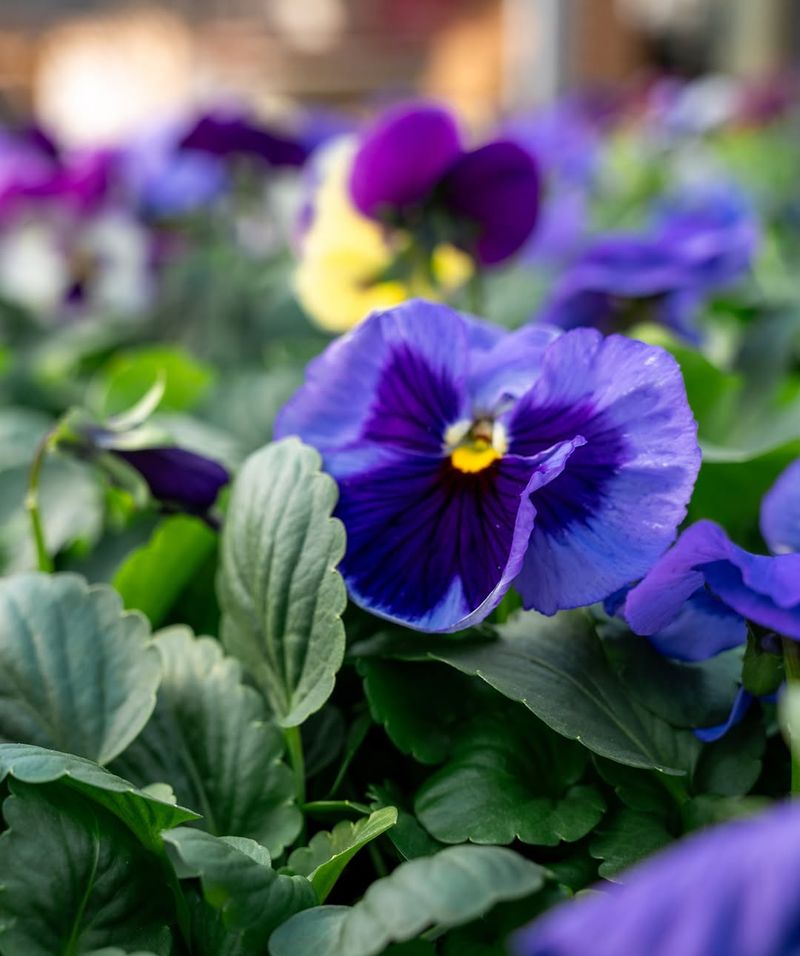
Few flowers show up for spring duty quite like the pansy. These bright, cheerful blooms have little “faces” on their petals that make them instantly recognizable and loved by gardeners of all ages.
In Pennsylvania, pansies are one of the very first flowers you can safely put in the ground, even when temperatures are still dipping at night.
Pansies can handle light frost without a problem, which makes them a smart pick for early April planting across the state. They prefer well-drained soil and at least four to six hours of sunlight each day.
You can tuck them into garden beds, window boxes, or containers on your porch, and they will start blooming almost right away.
One fun fact: pansies were developed in the early 1800s from wild violets, and their name comes from the French word “pensee,” meaning thought. Plant them in groups for the most color impact.
Water them regularly but avoid overwatering since soggy roots are not their friend. Deadhead spent blooms to encourage more flowers throughout the season.
In Pennsylvania gardens, pansies typically perform beautifully from early April all the way through late May before the summer heat slows them down.
2. Snapdragons (Antirrhinum Majus)
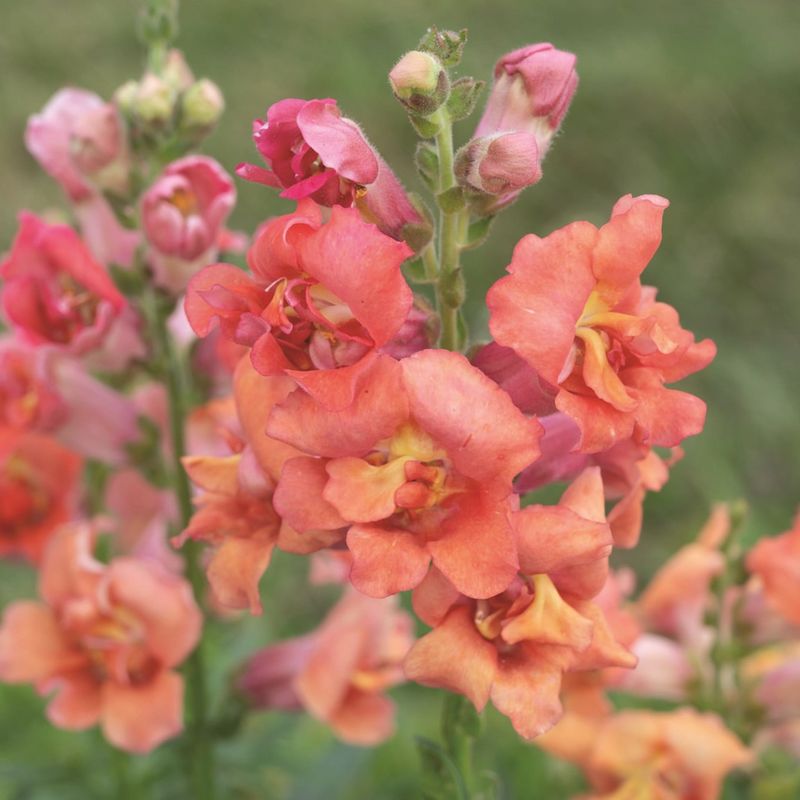
Snapdragons have a playful secret: squeeze the sides of a bloom gently and it opens like a little mouth. Kids love this trick, and adults love the bold, upright color these plants bring to the garden.
For Pennsylvania gardeners, snapdragons are a fantastic early-season choice because they actually prefer cool weather to get going.
Plant snapdragons in April while temperatures are still mild, and they will reward you with tall, colorful flower spikes before summer even arrives. They grow well in full sun and need soil that drains well.
Snapdragons can tolerate a light frost, so an unexpected cold snap in early April is usually not a big concern for them.
Your Pennsylvania Garden Changes Every Week. Your Plan Should Too.
Gardening in Pennsylvania changes quickly throughout the season. Every Friday you’ll receive a simple weekly plan showing exactly what to plant, prune, fertilize, harvest, and protect so you never miss the right timing.
These flowers add real height and structure to garden beds, making them excellent as a backdrop for shorter plants like pansies or alyssum.
In Pennsylvania, gardeners in areas like Bucks County and the Lehigh Valley have long used snapdragons to add vertical interest to their spring displays.
Pinch off the top of young plants to encourage bushier growth and more blooms. Keep up with deadheading to extend the flowering season well into early summer.
With the right care, snapdragons can put on a show for several weeks before the heat of July arrives.
3. Calendula (Calendula Officinalis)
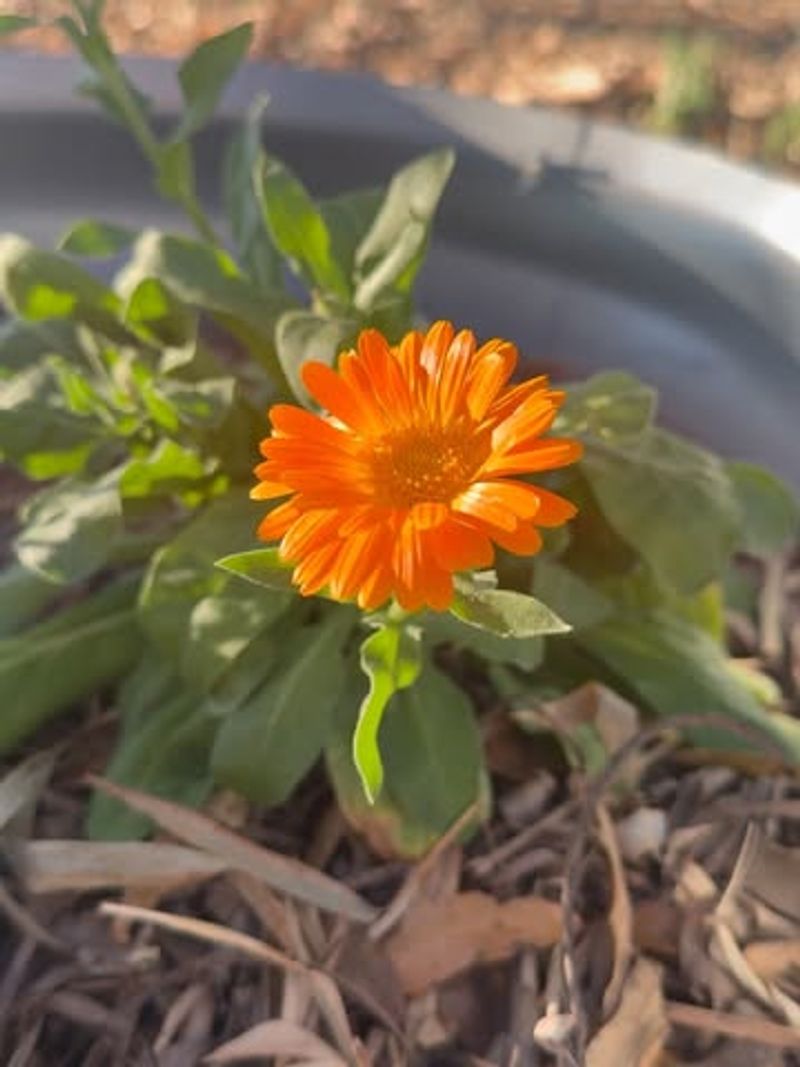
Calendula is sometimes called pot marigold, but do not let that nickname fool you into thinking it needs warm summer weather.
Calendula actually thrives in cool conditions, making it one of the best flowers to plant in Pennsylvania before April ends. Its bold orange and yellow blooms look like little suns scattered across your garden beds.
What makes calendula especially appealing is how quickly it gets going. Seeds germinate fast in cool spring soil, and plants begin blooming early and keep going for a long time.
Unlike many flowers that slow down when the weather turns cold again, calendula just keeps producing. It also attracts pollinators like bees and butterflies, which is great news for the rest of your garden.
Calendula has a long history of use in herbal remedies and even cooking. The petals are edible and have been used in teas, salads, and skin care products for centuries.
In Pennsylvania, direct-sow seeds into prepared garden beds in early April for the best results. Choose a sunny spot with well-draining soil.
Thin seedlings to about ten inches apart so each plant has room to spread. Keep soil lightly moist but not wet.
Deadhead regularly to encourage continuous blooming, and you will enjoy this cheerful flower from late April well into the cooler days of fall.
4. Dianthus (Dianthus Spp.)
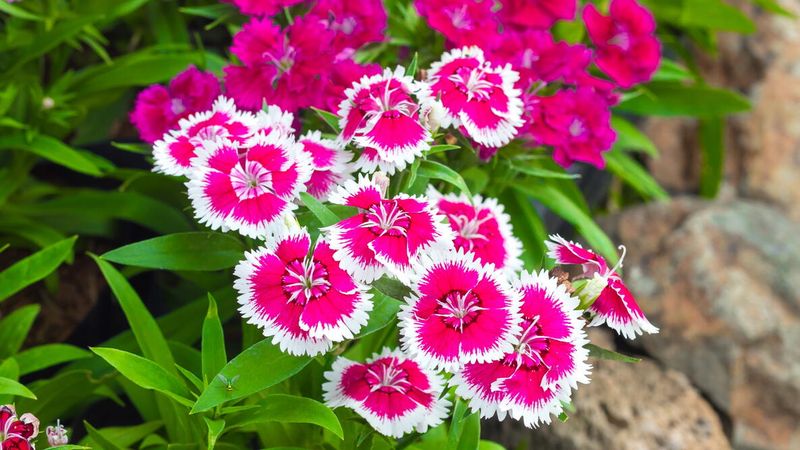
Walk past a dianthus plant in bloom and you might catch a sweet, spicy fragrance that stops you in your tracks. Sometimes called pinks or carnations, dianthus flowers come in shades of red, pink, white, and bi-color patterns that look almost too pretty to be real.
They have a classic, old-fashioned garden charm that never goes out of style. Pennsylvania gardeners love dianthus because it is cold-tolerant and blooms reliably in spring. Plant it in April, and it will settle in nicely while the weather is still cool.
Dianthus prefers full sun and well-drained, slightly alkaline soil. It works beautifully along garden borders and pathways where its low-growing habit keeps things tidy and neat.
One thing that makes dianthus especially valuable is that it often blooms again later in the season after its first spring flush. Deadhead spent flowers regularly and give it a light trim after the first bloom cycle to encourage a second round of color.
Dianthus is also fairly drought-tolerant once established, which is helpful during dry Pennsylvania summers. If you are planting in containers, pair it with taller plants for a layered look.
Many varieties are perennials, meaning they will come back year after year, giving you more beauty for your gardening investment across multiple seasons.
5. Alyssum (Lobularia Maritima)
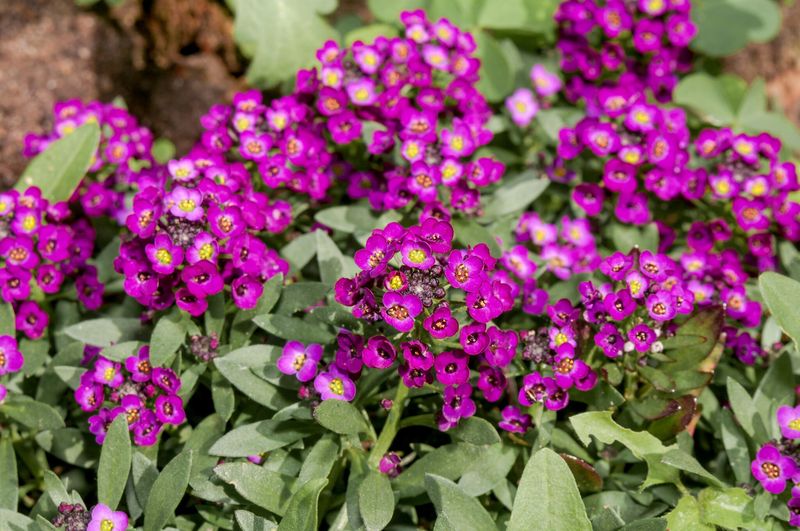
If you have ever leaned down near a patch of alyssum and caught a honey-sweet scent drifting up, you already know why this little flower is so beloved.
Sweet alyssum is a low-growing, spreading plant that forms a soft carpet of tiny blooms in white, pink, or purple. It is one of the most useful filler plants you can add to a Pennsylvania spring garden.
Alyssum thrives in cool spring weather and is easy to grow from seed or transplant. Scatter seeds directly over prepared soil in April, press them lightly in, and keep the area moist.
Germination happens quickly, and plants fill in fast. This makes alyssum perfect for filling gaps between other plants in beds and borders, or for draping over the edges of containers and window boxes.
Beyond its beauty, alyssum is a magnet for beneficial insects. Tiny parasitic wasps and hoverflies are drawn to its flowers, and these insects help control garden pests naturally.
That is a big win for Pennsylvania gardeners who want to avoid chemical sprays. Alyssum does best in full sun but can handle partial shade.
It may slow down during the hottest part of summer, but it often bounces back beautifully when cooler fall temperatures return. A light shearing after the first bloom flush keeps plants looking fresh and encourages a second wave of fragrant flowers.
6. Larkspur (Consolida Ajacis)
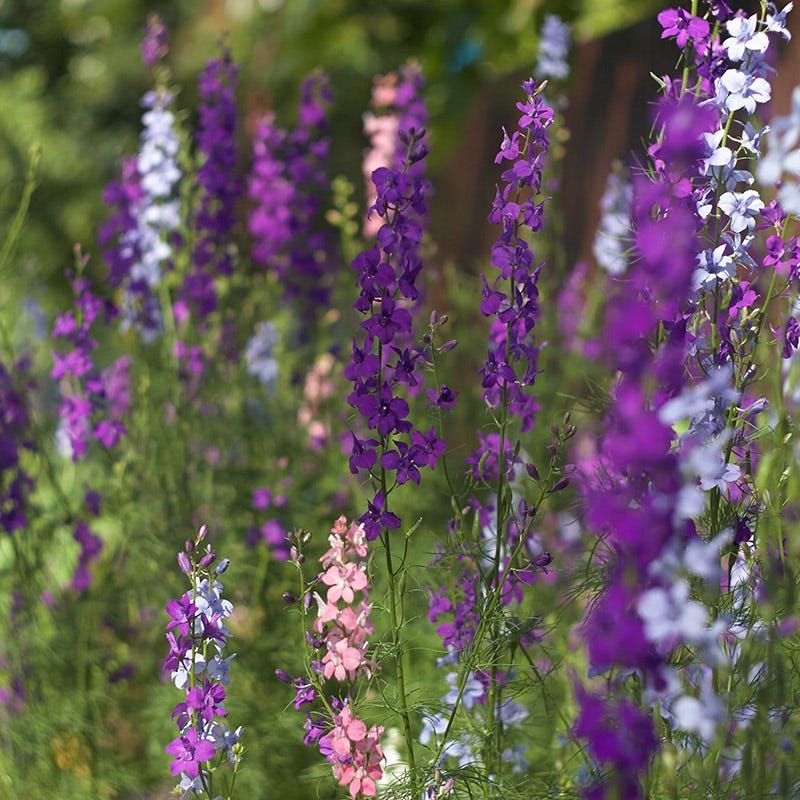
Larkspur brings a touch of wild, romantic beauty to any garden. Its tall spikes of blue, purple, pink, and white blooms look like they belong in a painting of an English countryside cottage.
In Pennsylvania, larkspur is best planted in early spring because it needs cool soil to germinate well, making April the perfect window.
Direct sow larkspur seeds into the garden as soon as the soil can be worked. Do not start them indoors because they do not transplant well.
Sprinkle seeds over prepared soil, press them in gently, and keep the area watered. Cool April temperatures in Pennsylvania are ideal for getting these seeds going.
Once established, larkspur grows quickly and produces stunning vertical spikes that add real drama to garden beds.
Larkspur is a cottage garden classic, and it pairs beautifully with other spring bloomers like pansies and dianthus. It self-seeds freely, which means if you let a few seed heads mature and drop, you may find new larkspur plants popping up in the same spot next spring.
Plant it in a sunny location with well-drained soil for the best performance. Larkspur grows best before summer heat arrives, so getting it in the ground before April ends is truly important for Pennsylvania gardeners who want those gorgeous tall spikes to appear in late spring and early summer.
7. Coreopsis (Coreopsis Spp.)
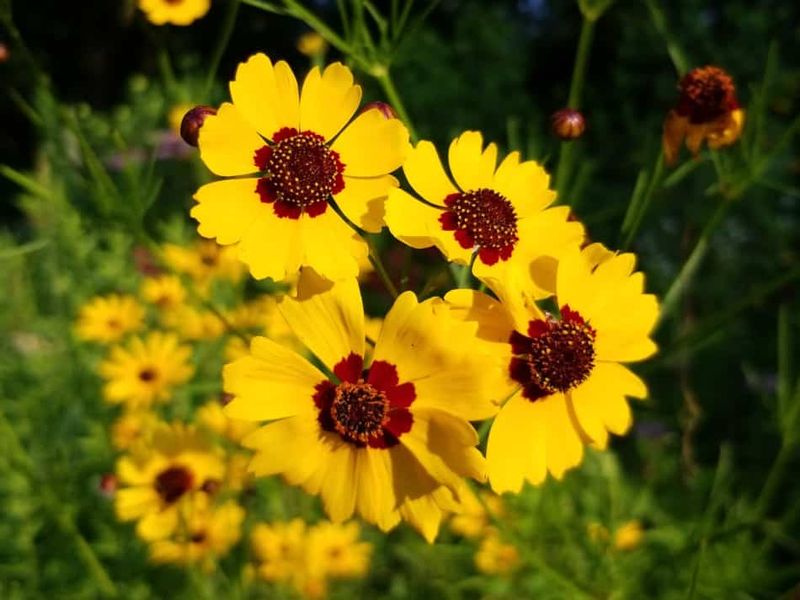
Coreopsis is often called tickseed, and once you see a mass of its cheerful, daisy-like yellow flowers swaying in a warm breeze, you will understand why Pennsylvania gardeners keep coming back to it year after year.
What sets coreopsis apart from many other spring flowers is its ability to transition smoothly from spring all the way into summer and beyond without missing a beat.
Planting coreopsis in April gives it time to establish a solid root system while the weather is still mild and moist. It tolerates a wide range of soil conditions and is quite forgiving for beginner gardeners.
Once established, coreopsis is drought-tolerant and handles the heat of a Pennsylvania summer far better than many other flowers. It grows well in full sun and produces blooms for an impressively long season.
There are many coreopsis varieties to choose from, including both annual and perennial types. Perennial varieties will return each spring, giving you long-term value from a single planting.
Deadhead spent blooms regularly to keep the plant producing new flowers. Coreopsis also attracts butterflies and bees, making it a great choice for pollinator-friendly Pennsylvania gardens.
Whether you plant it along a sunny border in Chester County or in a raised bed in Harrisburg, this reliable, long-blooming flower will become one of your garden favorites for seasons to come.
8. Sweet Peas (Lathyrus Odoratus)
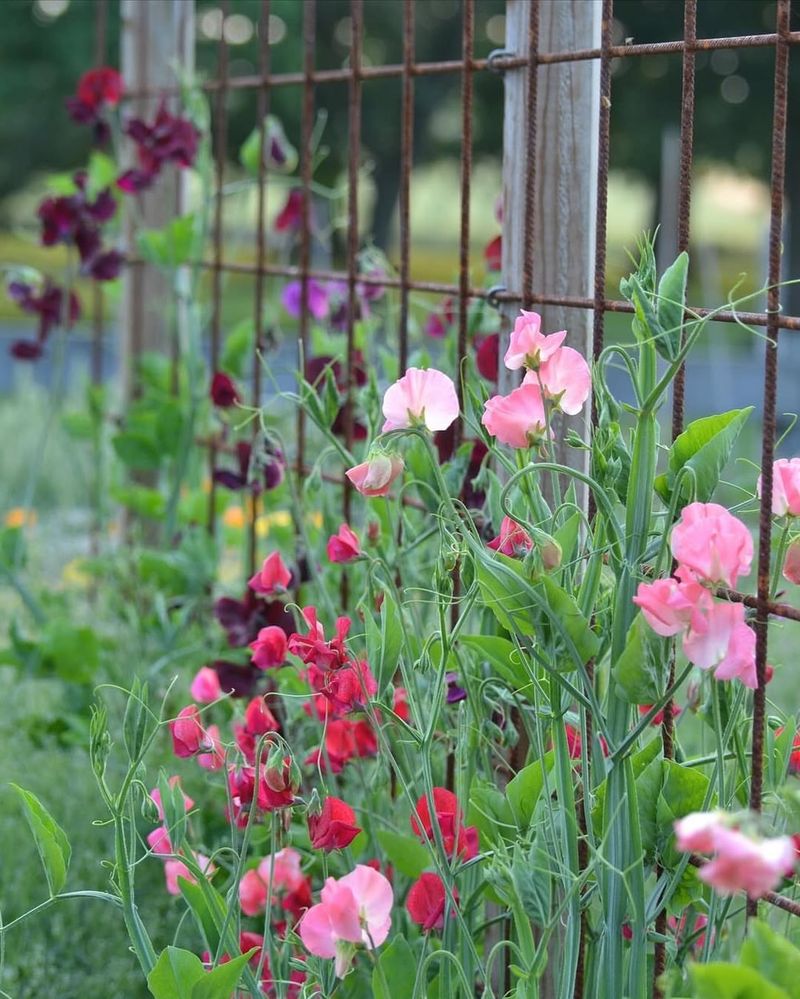
Sweet peas smell like spring itself. Their fragrance is soft, floral, and unmistakably lovely, which is why they have been a garden favorite for over three hundred years.
For Pennsylvania gardeners, sweet peas are a must-plant in April because they absolutely need cool weather to get off to a good start. Once summer heat sets in, their performance drops quickly, so early planting is everything.
Soak sweet pea seeds overnight before planting to help speed up germination. Then sow them directly into the garden in a sunny spot with rich, well-drained soil.
Sweet peas are climbers, so give them a trellis, fence, or some other support structure to grab onto as they grow. They will reward you with wave after wave of delicate, colorful blooms in shades of pink, purple, red, and white throughout late spring.
Sweet peas add beautiful vertical interest to Pennsylvania gardens, making them especially useful along fences or against walls. Cut the flowers often to bring them indoors since fresh-cut sweet peas in a vase fill a room with their incredible scent.
Cutting blooms also encourages the plant to keep producing more flowers. Water consistently and mulch around the base to keep roots cool as temperatures rise.
In Pennsylvania, sweet peas planted before April ends will typically bloom from late May through June, giving you weeks of breathtaking color and fragrance to enjoy.