4 Popular Georgia Vines You May Regret Planting And What To Grow Instead
The vine looked perfect at first, climbing fast and filling the fence with thick green growth that gave the yard a finished look in Georgia. For a while, it felt like the easiest win in the garden.
Then something started to feel off. It spread faster than expected, reached into places it was never meant to go, and became harder to keep in control with each passing week.
That shift is easy to recognize once it happens. What once felt low effort starts turning into constant trimming, pulling, and second guessing.
The same plant that made the yard feel complete begins to take over more than it should.
It happens more often than most expect, especially with a few common vines that look harmless at first. Choosing the right replacement early can save time, effort, and a lot of frustration later.
1. English Ivy Spreads Fast And Damages Trees And Structures
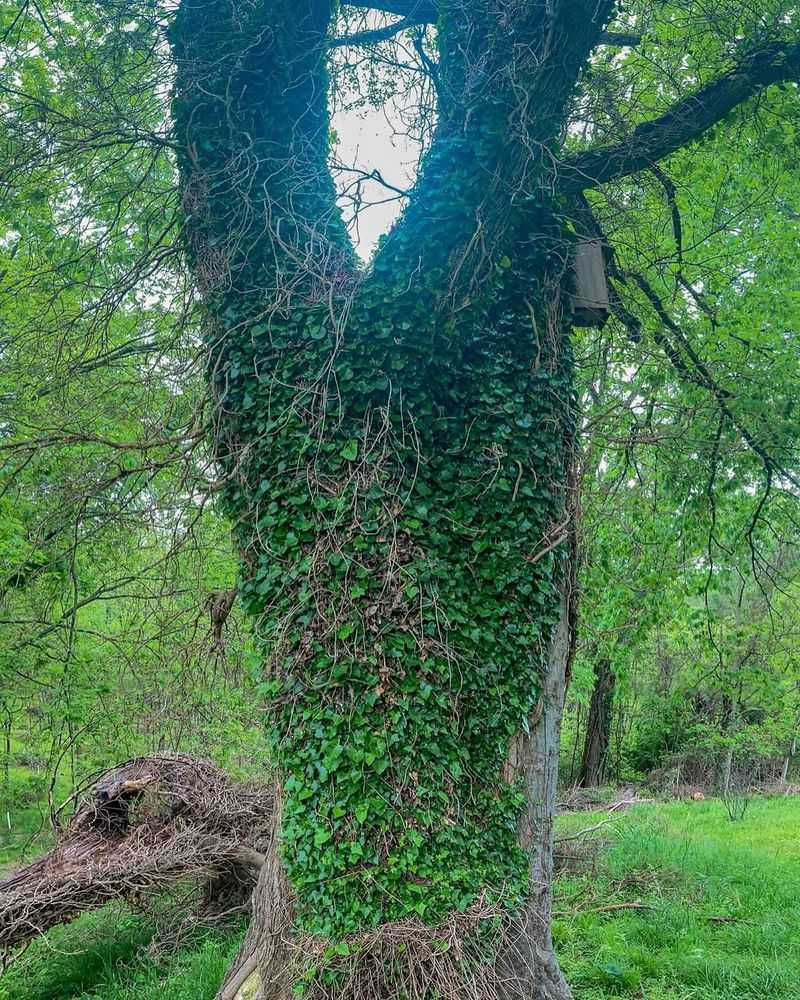
English ivy looks tidy on a fence or wall, but that neat appearance does not last long in Georgia’s warm, humid climate. Within a few seasons, it can carpet the ground, climb tree trunks, and work its way into siding, gutters, and wooden structures.
The weight and moisture it holds against surfaces can cause real damage over time.
What makes it especially frustrating is how hard it is to get rid of once it spreads. Pulling it out by hand leaves behind roots that resprout quickly.
It also forms what gardeners call “ivy deserts” on the ground, where nothing else can grow underneath its thick mat of leaves.
In Georgia, English ivy is listed as an invasive species because it crowds out native groundcover plants and changes the ecology of wooded areas. Birds do spread its seeds into natural areas, which extends the problem beyond your own property line.
A much better option for ground coverage or low climbing is Virginia creeper, a native vine that turns brilliant red in fall. It clings to surfaces without causing structural damage and supports local wildlife far better than English ivy ever could.
If you already have ivy in your yard, removing it in stages during cooler months tends to be more manageable than trying to tackle it all at once.
2. Wisteria Takes Over Quickly And Becomes Hard To Control
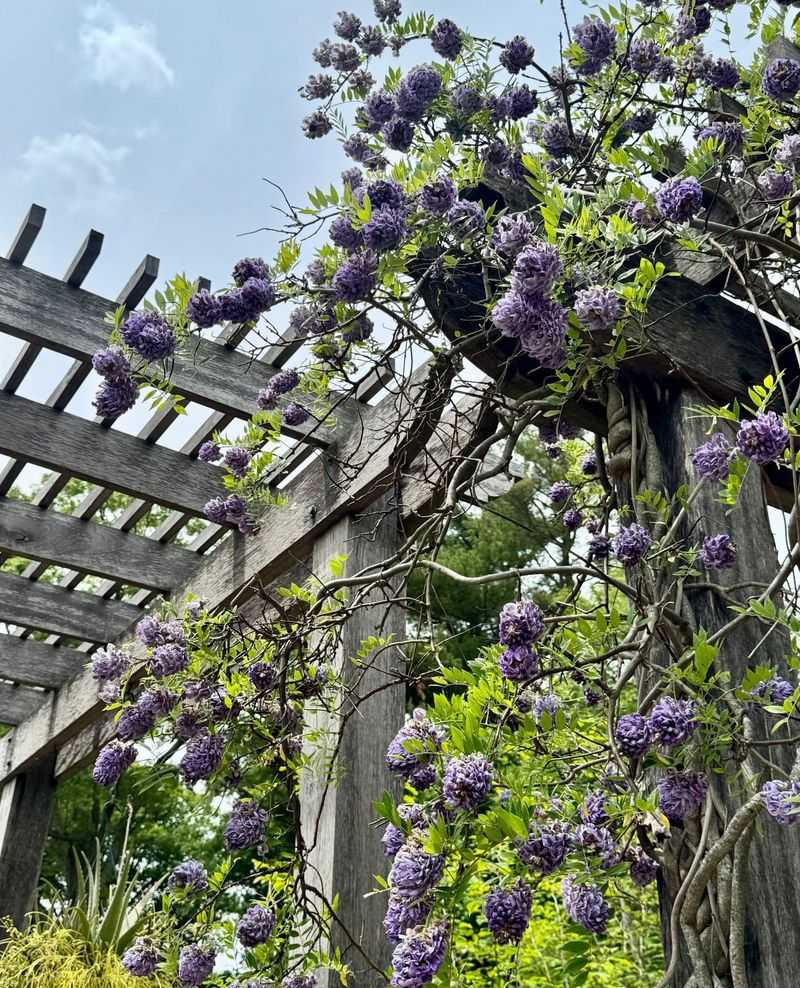
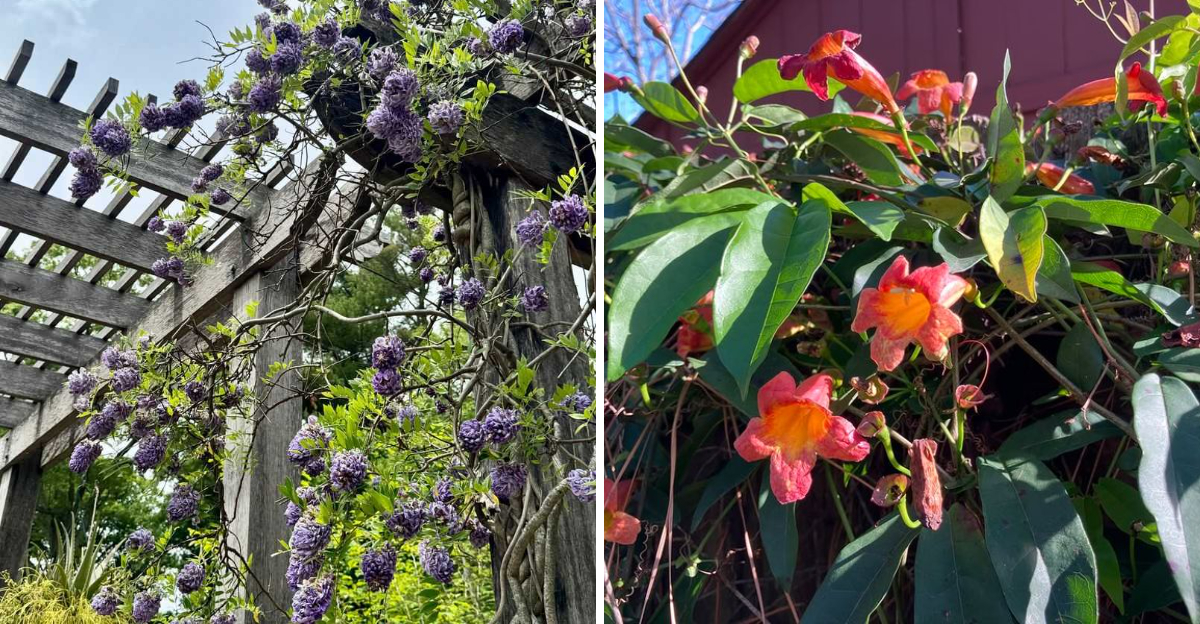
Few vines look as stunning as wisteria in full bloom, and that is exactly why so many Georgia homeowners plant it without a second thought. Those long, fragrant clusters of purple flowers are genuinely beautiful in late spring.
The problem starts shortly after that first blooming season.
Chinese wisteria, the most commonly sold variety, is a relentless grower. Its woody stems can wrap around tree branches and trunks, eventually girdling them and cutting off the flow of nutrients.
It has also been known to pull down gutters, crack wooden pergolas, and pry apart fence boards as the stems thicken over the years.
Controlling it requires consistent pruning, sometimes multiple times per season, and skipping even one year of maintenance can set you back significantly. Roots go deep, and cut stems resprout aggressively if not managed right away.
Your Georgia Garden Changes Every Week. Your Plan Should Too.
Gardening in Georgia changes quickly throughout the season. Every Friday you’ll receive a simple weekly plan showing exactly what to plant, prune, fertilize, harvest, and protect so you never miss the right timing.
American wisteria is the smarter choice for Georgia gardens. It blooms with the same beautiful flower clusters but grows at a far more reasonable pace.
It is native to the southeastern United States, including Georgia, and it responds much better to standard pruning. You still get the gorgeous spring display without spending your summers fighting back woody vines that seem to double in size overnight.
Plant it on a strong metal arbor rather than wood for best results.
3. Trumpet Vine Spreads Aggressively And Attracts Unwanted Growth
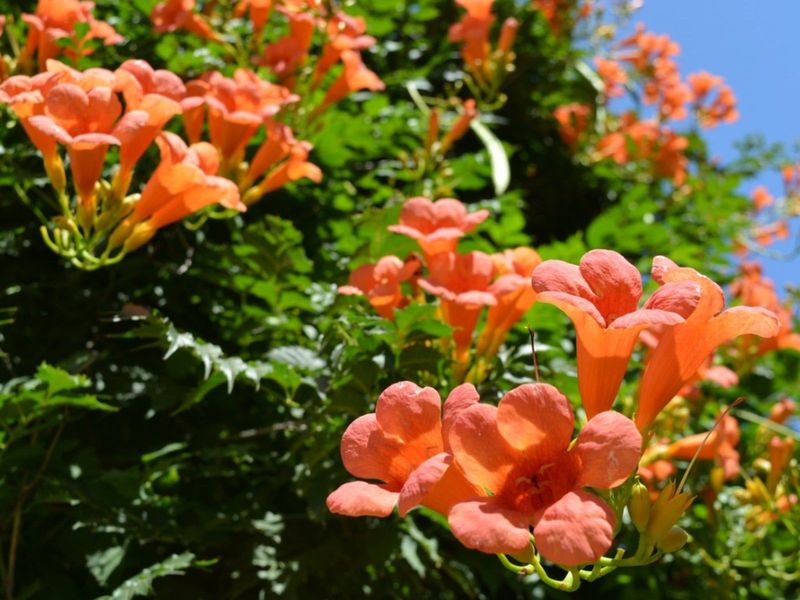
Trumpet vine gets recommended a lot because hummingbirds absolutely love its bright orange flowers, and that part is completely true. If attracting hummingbirds is your goal, trumpet vine delivers.
What the plant tags and garden catalogs tend to leave out is how aggressively this vine spreads once it gets going.
In Georgia’s long growing season, trumpet vine sends up suckers from its roots that can pop up several feet away from the main plant. Those suckers come up through lawns, garden beds, and even cracks in driveways or patios.
Cutting the vine back does not stop the root system from spreading underground, so you often end up with new growth appearing in places you never expected.
It can also grow quite heavy, and older vines develop thick, woody stems that can pull fencing down or damage wooden structures. The plant is not picky about where it roots, which is part of why it becomes such a persistent problem in Georgia landscapes.
Crossvine is a native alternative that also draws hummingbirds with its tubular orange and yellow flowers. It climbs well on fences and trellises and does not send up invasive root suckers the way trumpet vine does.
Crossvine is a much more neighborly plant overall, giving you the wildlife benefit without the years of battle to keep it contained in a specific spot.
4. Wintercreeper Climbs And Smothers Nearby Plants
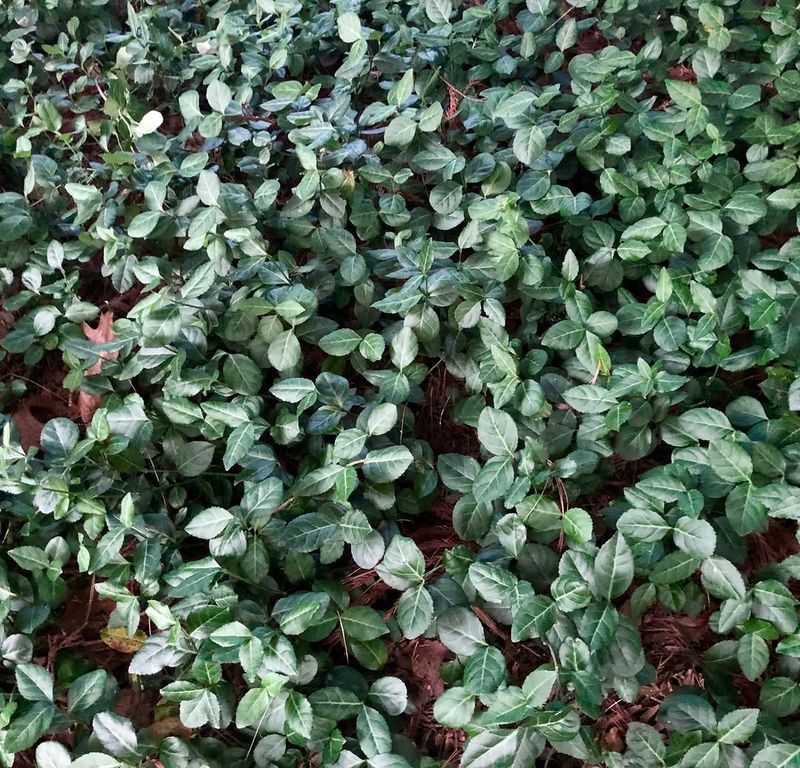
Wintercreeper often gets sold as a low-maintenance groundcover or evergreen climber, and it does look attractive in a pot at the nursery. Plant it in a Georgia yard, though, and you will likely find yourself dealing with a vine that spreads further and faster than the label suggests.
It roots wherever its stems touch soil, which means it can spread outward from the original planting site without any help from birds or wind.
Once it starts climbing a tree, it can reach the upper branches and form a dense canopy of growth that blocks sunlight from the tree’s own leaves. Over time, that kind of pressure weakens even established trees.
Georgia’s mild winters mean wintercreeper stays green and active year-round, giving it more time to spread than it would have in colder climates.
It is listed as invasive in several southeastern states because it moves readily into natural areas and competes with native plants on the forest floor.
For a well-behaved evergreen groundcover alternative, consider planting green-and-gold, a native Georgia groundcover that stays low and spreads slowly.
If you want something that climbs, coral honeysuckle gives you vertical interest, attractive flowers, and wildlife value without the aggressive spreading habit that makes wintercreeper such a problem in Georgia landscapes.
Both options are far easier to keep in check over the long term.
5. Carolina Jessamine Stays Manageable And Blooms Bright In Spring
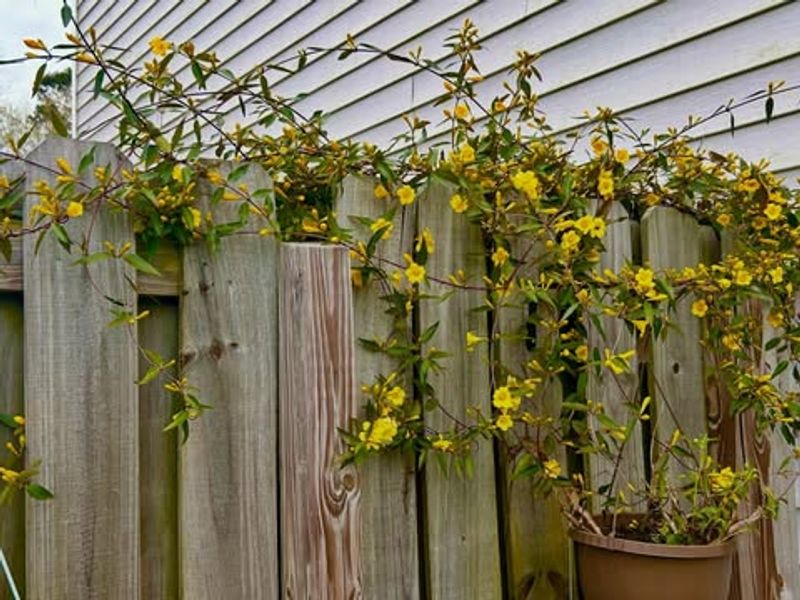
Carolina jessamine is Georgia’s state wildflower, and it earns that recognition every spring when it covers fences and trellises with a flush of bright yellow, sweetly fragrant blooms.
It is one of the first vines to flower in the season, often blooming in late winter to early spring when very little else in the garden is showing color.
Unlike many of the invasive vines that get planted across Georgia, jessamine grows at a pace that most gardeners can manage with basic pruning once a year. It twines rather than spreading by runners or root suckers, so it stays where you put it without creeping into neighboring beds or lawns.
It handles Georgia’s heat and humidity well, tolerating both full sun and partial shade depending on where you need coverage. In shadier spots, it may bloom a little less heavily, but the foliage stays lush and green throughout the year.
One thing worth knowing is that all parts of the plant are toxic if ingested, so it is worth keeping that in mind if young children or pets spend time in your yard.
Planted on a fence, arbor, or mailbox post with that caution in mind, though, Carolina jessamine is one of the most rewarding native vines you can grow in Georgia.
It gives you beauty, fragrance, and a genuinely low-trouble growing experience all in one plant.
6. Crossvine Handles Heat Well And Supports Pollinators
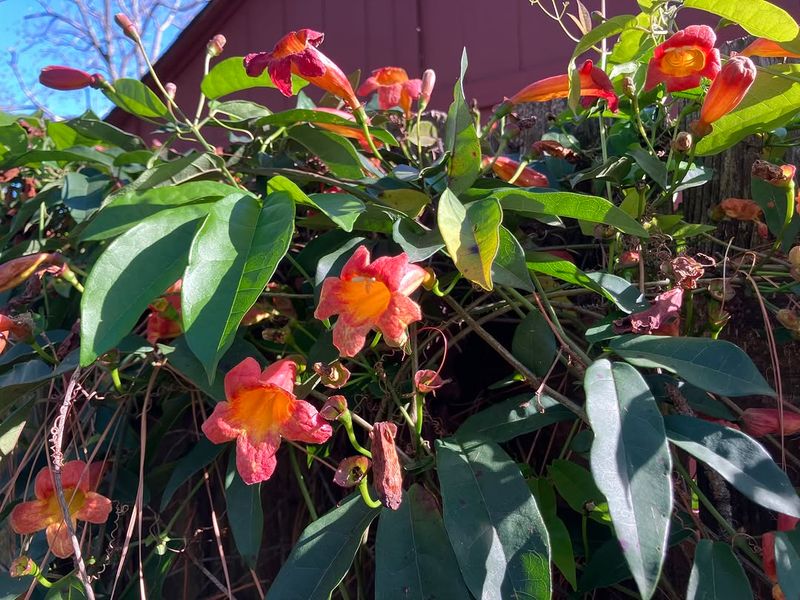
Crossvine is the kind of plant that makes you wonder why more people in Georgia do not grow it. Its trumpet-shaped flowers come in shades of orange, red, and yellow, and they show up early in spring right when hummingbirds and native bees are most active and looking for food sources.
It is a true southeastern native, found growing naturally in woodlands and along forest edges across Georgia. That means it is already adapted to the region’s clay soils, humid summers, and occasional dry spells without needing much intervention from you.
It is not a delicate plant that requires careful coddling.
Crossvine climbs using tendrils with adhesive pads, which lets it grip brick, wood, and chain-link fencing without needing to be tied up constantly. It holds onto surfaces firmly but does not damage them the way more aggressive vines can.
Pruning it once after flowering keeps it tidy and encourages fresh growth the following season.
Unlike trumpet vine, which is often recommended as a hummingbird plant, crossvine does not produce invasive root suckers that pop up across your lawn and garden beds. It stays in its lane, grows to a manageable size, and comes back reliably each spring with a fresh round of blooms.
For any Georgia gardener who wants a pollinator-friendly vine without the drama, crossvine is genuinely hard to beat.
7. Coral Honeysuckle Grows Without Becoming Invasive
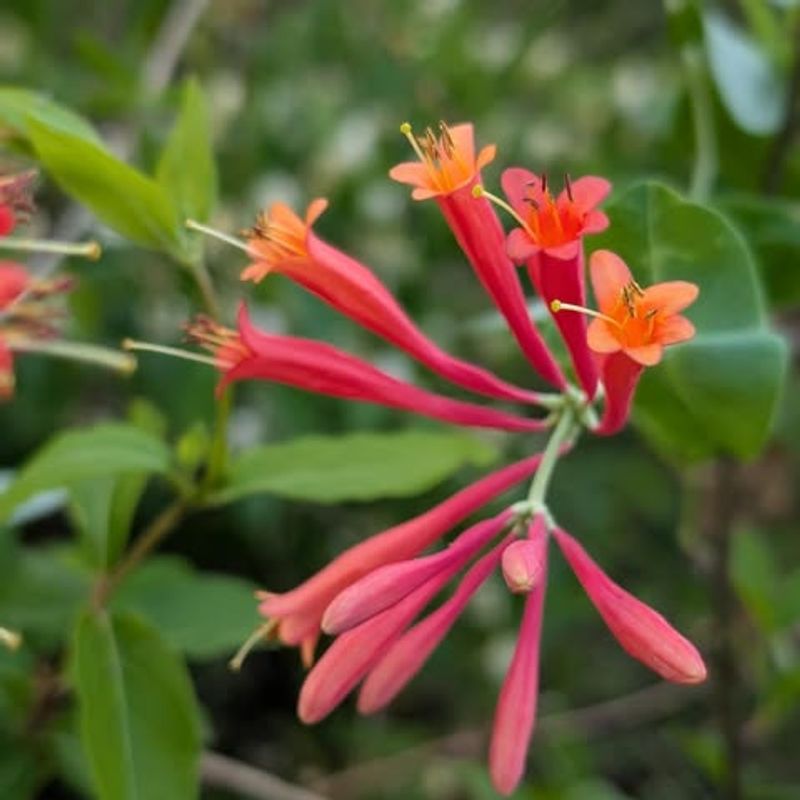
Japanese honeysuckle gets planted all over Georgia, and most people who grow it eventually regret it.
Coral honeysuckle is the native cousin that does everything Japanese honeysuckle does in terms of climbing and flowering, but without turning into a smothering, out-of-control mess across your entire yard.
Its red and orange tubular flowers bloom from spring through summer, sometimes putting on a second flush of color in fall if the weather cooperates. Hummingbirds visit it regularly, and the red berries that follow the flowers bring in songbirds during the cooler months.
It works hard for wildlife across multiple seasons.
Coral honeysuckle is not a fast, aggressive grower, which is actually one of its strengths in a managed garden. It climbs at a steady pace and responds well to pruning if it starts to get larger than you want.
In Georgia, it does best with a few hours of direct sun each day, though it tolerates partial shade without much complaint.
Soil drainage matters more than soil richness for this vine. Average to lean soil with decent drainage tends to produce better flowering than overly rich, heavily amended beds.
If you have been fighting Japanese honeysuckle for years and are ready to replace it with something that behaves, coral honeysuckle planted on a fence or trellis is one of the most practical swaps you can make in a Georgia garden.
8. Climbing Hydrangea Adds Texture Without Aggressive Spread
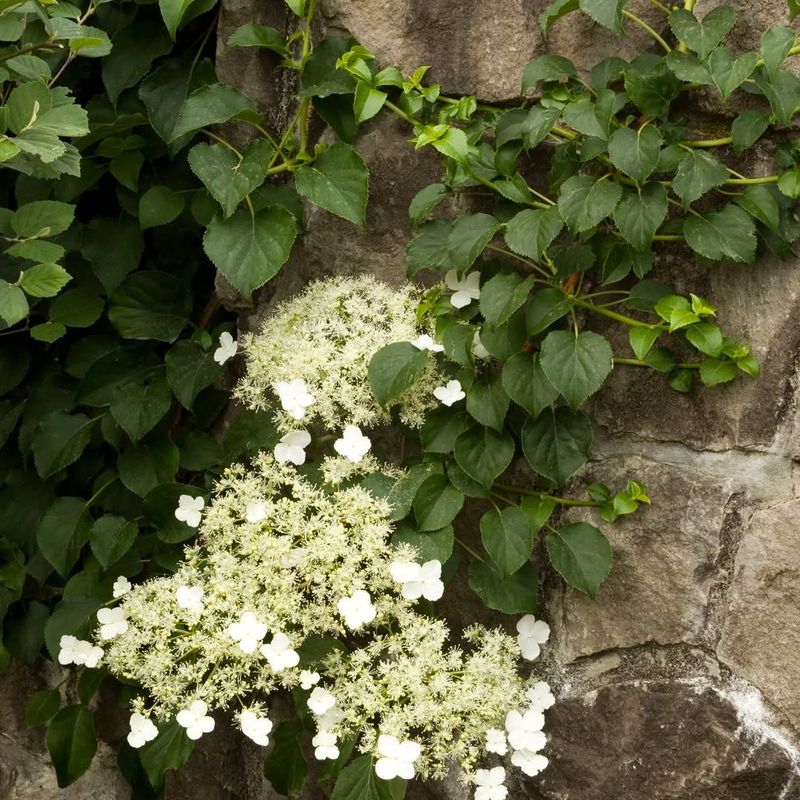
Shade is one of the trickier conditions to work with in a Georgia garden, especially when you want vertical interest on a wall or fence.
Climbing hydrangea is one of the few vines that actually performs well in low-light situations and delivers genuine visual impact without becoming a problem plant.
Its flat-topped white flower clusters appear in early summer and have a classic, old-fashioned look that works well in both formal and casual garden settings. The large, heart-shaped leaves add bold texture to shaded walls throughout the growing season, even when the plant is not in bloom.
Climbing hydrangea attaches to surfaces using small aerial rootlets, similar to how English ivy climbs. On masonry surfaces like brick or stone, this works fine without causing damage.
On wood, it is worth monitoring over time, as the rootlets can hold moisture against painted or stained surfaces.
Growth is genuinely slow for the first couple of years, which can feel discouraging, but the plant is establishing a root system during that time. By the third or fourth year in Georgia’s climate, it begins putting on more noticeable growth and blooms with increasing generosity.
Patience is required upfront, but it is a vine that rewards you for waiting. No invasive tendencies, no root suckering, no need to fight it back every season.
For a shaded wall with nothing growing on it, climbing hydrangea is a solid, dependable choice.