The Hidden Gems Pennsylvania Gardeners Should Know About
The plants everyone knows tend to get all the attention. You see the same favorites at garden centers, in neighborhood yards, and on every “safe choice” list for Pennsylvania landscapes.
They are popular for a reason, but they are not the whole story. Tucked between the usual picks are plants that quietly do an amazing job without getting nearly the credit they deserve.
These are the hidden gems, the ones that make people stop and ask, what is that? For Pennsylvania gardeners, finding a plant like that feels especially satisfying. It is not just about choosing something different for the sake of it.
It is about finding a plant that brings beauty, texture, color, or surprising toughness while still handling the ups and downs of the local seasons.
Some of these overlooked standouts bloom beautifully, some offer striking foliage, and some simply outperform flashier plants with a lot less fuss.
That is what makes them worth knowing. A hidden gem can give a garden more personality, make familiar spaces feel fresh again, and help you create a landscape that looks less predictable and a lot more memorable.
1. Twinleaf (Jeffersonia Diphylla)
Imagine a plant so unusual that even experienced gardeners stop and stare. That is exactly what happens when people see Twinleaf for the first time.
Named after President Thomas Jefferson, this rare woodland plant grows naturally in the forests of Pennsylvania and is one of the most unique native wildflowers you will ever find.
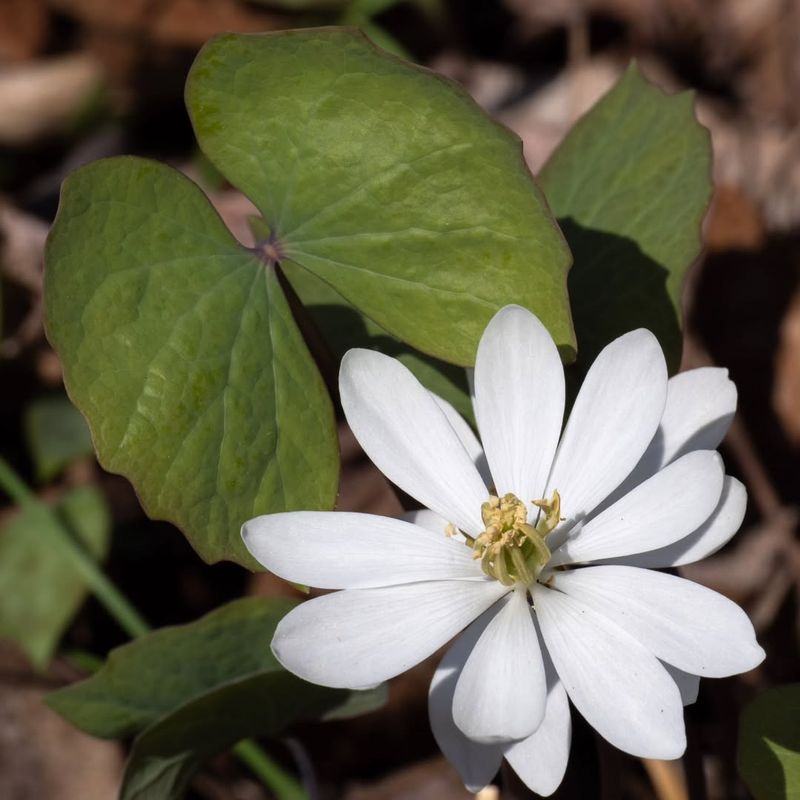
The leaves are the real showstopper. Each leaf is split almost perfectly down the middle, making it look like two separate leaves growing side by side.
No other plant in Pennsylvania looks quite like it. The white flowers appear in early spring, usually before the trees even grow their leaves, which means Twinleaf gets to soak up all that early sunlight.
Gardeners who love shaded spots will appreciate how well Twinleaf fits into natural or woodland-style gardens. It pairs beautifully with ferns, trilliums, and wild ginger.
The plant stays relatively small, reaching about one foot tall, so it works well along shaded paths or under large trees.
One thing to keep in mind is that the flowers do not last very long, sometimes only a few days. But the striking foliage sticks around all season long and keeps the garden looking interesting. Once established, Twinleaf is surprisingly tough and low-maintenance.
Finding it at a nursery can take some effort, but native plant sales hosted by Pennsylvania horticultural groups are a great place to start. Growing Twinleaf in your garden is a wonderful way to support local biodiversity while adding something truly eye-catching to your landscape.
2. Bowman’s Root (Gillenia Trifoliata)
Some plants just have a way of making a garden feel alive. Bowman’s Root is one of those plants.
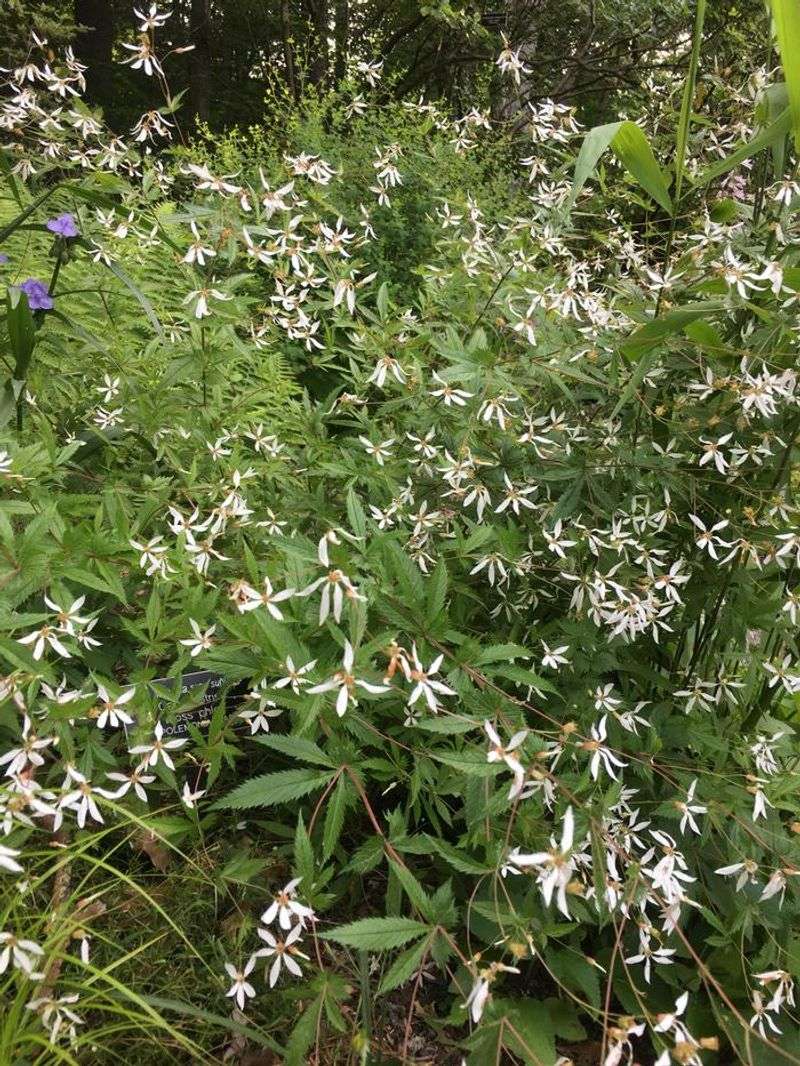
When a breeze passes through, its slender stems and delicate white flowers sway gently, adding a sense of movement that most perennials simply cannot offer. It is the kind of plant that makes your garden look effortless and natural.
Your Pennsylvania Garden Changes Every Week. Your Plan Should Too.
Gardening in Pennsylvania changes quickly throughout the season. Every Friday you’ll receive a simple weekly plan showing exactly what to plant, prune, fertilize, harvest, and protect so you never miss the right timing.
Native to Pennsylvania woodlands, Bowman’s Root has been growing in this region long before anyone started planting formal gardens. It thrives in part shade to full sun and adapts well to different soil types, which makes it a flexible choice for many Pennsylvania gardeners.
The plant typically grows two to four feet tall, giving it a lovely, airy presence in the middle or back of a garden bed.
The star-shaped white flowers bloom in late spring and early summer, attracting butterflies and native bees.
After the flowers fade, the reddish seed pods and fall foliage add another layer of seasonal interest. You get four seasons of beauty from one plant, which is a pretty great deal.
Cottage-style and informal gardens are where Bowman’s Root really shines. It blends naturally with other native plants like wild bergamot, blue wild indigo, and Pennsylvania sedge.
Unlike many trendy garden plants, it does not need constant attention once it gets settled in.
For gardeners who want something that looks refined but grows without fuss, Bowman’s Root is an outstanding choice. It is a true Pennsylvania native that deserves a spot in far more gardens across the state than it currently occupies.
3. Blue Cohosh (Caulophyllum Thalictroides)
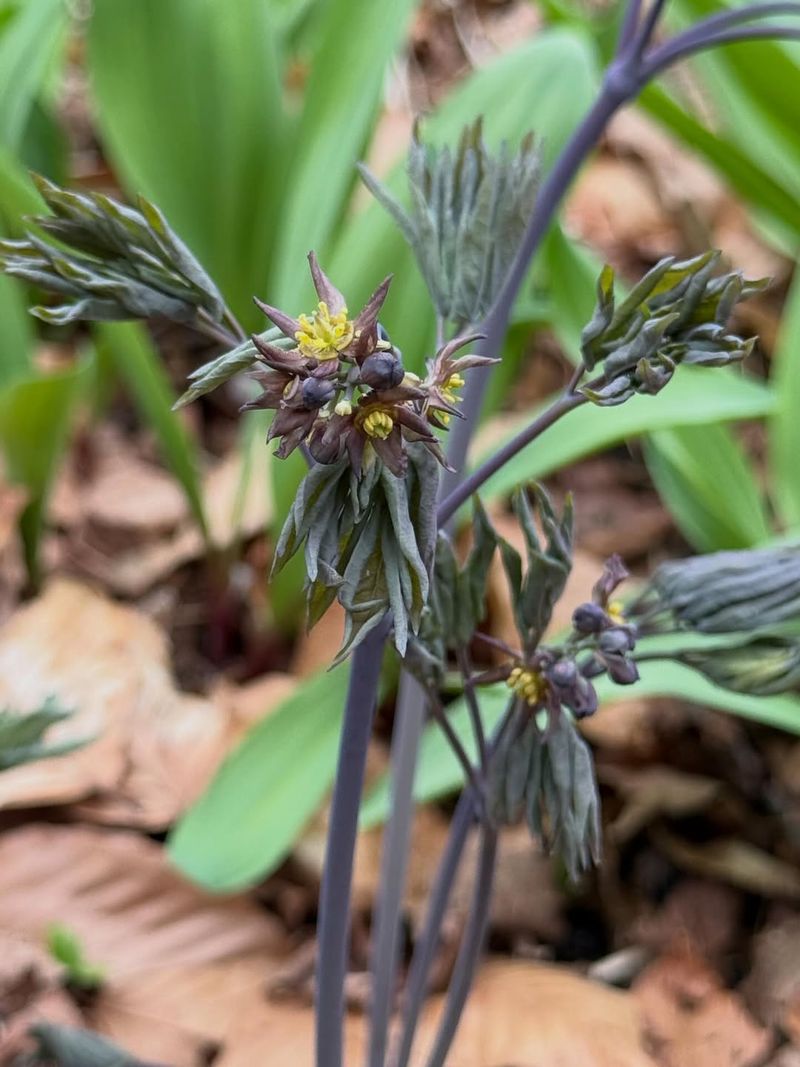
Not every great garden plant needs showy flowers to earn its place. Blue Cohosh proves that bold foliage alone can steal the spotlight.
Walk into any Pennsylvania forest in summer and you might spot its distinctive blue-green leaves rising gracefully from the shaded forest floor. It is a plant with quiet confidence and real staying power.
Blue Cohosh is a native perennial that grows naturally in rich, moist woodlands across Pennsylvania. It reaches about two feet tall and produces small, yellowish-green flowers in early spring.
The flowers are subtle, but the plant more than makes up for it with its dramatic leaf color and the deep blue berries that appear in late summer. Those berries are a real conversation starter.
Shade gardeners, take note. Blue Cohosh is one of the best plants you can grow under dense tree canopies where other plants struggle to survive.
It pairs naturally with trilliums, bloodroot, and Solomon’s seal, creating that lush, layered look that woodland gardens are known for.
Seasonal changes make this plant especially interesting. The young stems in spring have a striking purple-blue color that gradually shifts to blue-green as the season progresses.
Watching that transformation is one of the small pleasures of growing it in your Pennsylvania garden.
One fun fact worth mentioning is that Blue Cohosh was used for centuries by Native American communities for medicinal purposes.
Today, it is valued mostly for its ornamental appeal and its role in supporting native woodland ecosystems. Adding it to your shade garden is a meaningful nod to Pennsylvania’s rich natural heritage.
4. Golden Ragwort (Packera Aurea)
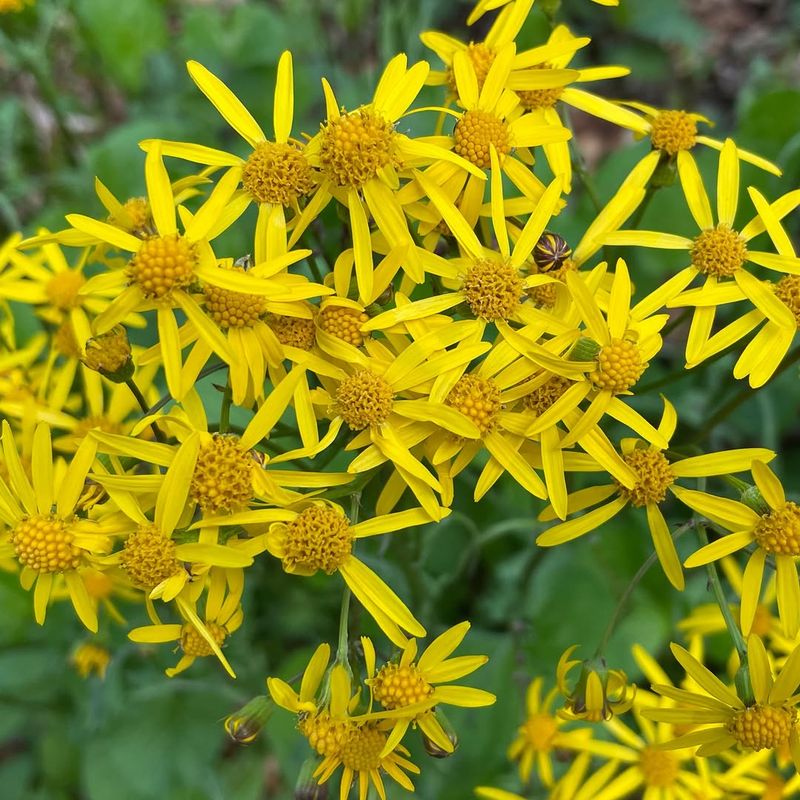
Early spring in Pennsylvania can feel like a long wait for color. Golden Ragwort does not make you wait.
One of the earliest native plants to bloom in the state, it bursts into bright yellow flowers while many other plants are still waking up. For gardeners who are tired of staring at bare soil in March and April, this plant is a genuine mood-lifter.
Golden Ragwort is a native perennial that spreads into a dense, low-growing groundcover over time. It handles shade beautifully, which makes it ideal for spots under trees or along the north side of a building where other plants refuse to cooperate.
The heart-shaped leaves stay green through most of the year, giving the garden a tidy, finished look even when nothing is blooming.
Pollinators absolutely love it. Early bees and butterflies that emerge in spring depend on plants like Golden Ragwort for their first meals of the season.
By growing it in your Pennsylvania garden, you are directly supporting local pollinator populations at the most critical time of year.
Once established, Golden Ragwort is incredibly tough. It handles wet soils, dry soils, and everything in between.
You can plant it along streams, in rain gardens, or in dry shade beneath mature trees. Few native plants offer that kind of versatility.
Many gardeners overlook it because the name is not exactly glamorous. But anyone who has seen a hillside covered in Golden Ragwort blooms on a bright April morning in Pennsylvania knows just how spectacular this overlooked native can truly be.
5. Culver’s Root (Veronicastrum Virginicum)
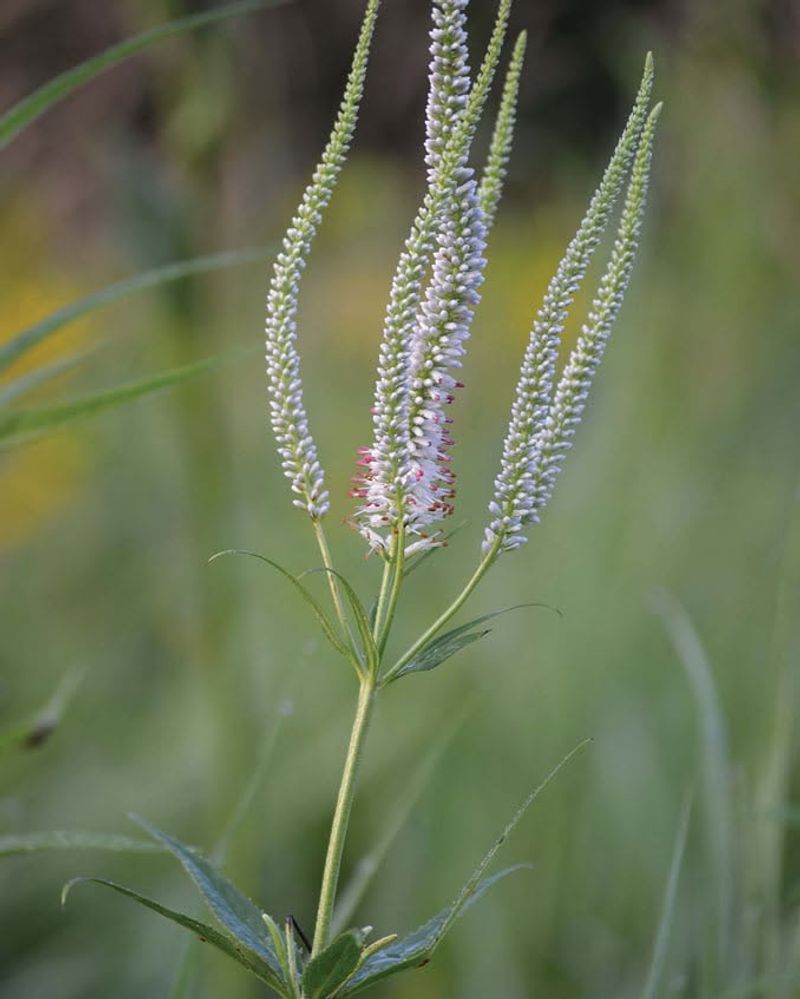
Tall, elegant, and impossible to ignore, Culver’s Root is the kind of plant that makes people pull over their cars to take a closer look.
Its long, slender spikes of white flowers can reach five to seven feet tall, creating dramatic vertical lines that most sunny garden beds desperately need. If your garden feels flat and one-dimensional, this Pennsylvania native is the answer.
Culver’s Root is native to moist meadows and woodland edges across eastern North America, including right here in Pennsylvania. It blooms in mid to late summer, which is a valuable quality since many native plants finish blooming by July.
Having something this striking in flower during August makes a real difference in keeping the garden looking vibrant and alive.
Beneficial insects flock to the flowers. Native bees, wasps, and butterflies treat Culver’s Root like a busy diner, constantly visiting for nectar and pollen.
Gardeners who are serious about supporting local insect populations will find that this plant earns its space quickly and generously.
Plant it in full sun with average to moist soil for the best results. It works beautifully alongside other tall natives like Joe-Pye weed, swamp milkweed, and ironweed.
The combination creates a naturalistic, meadow-style planting that looks stunning from midsummer through fall in any Pennsylvania landscape.
Despite its impressive stature, Culver’s Root rarely needs staking if planted in a spot with good sun exposure.
It is a tough, reliable perennial that rewards patient gardeners with years of spectacular blooms and a constant buzz of beneficial insect activity throughout the growing season.
6. Foamflower (Tiarella Cordifolia)
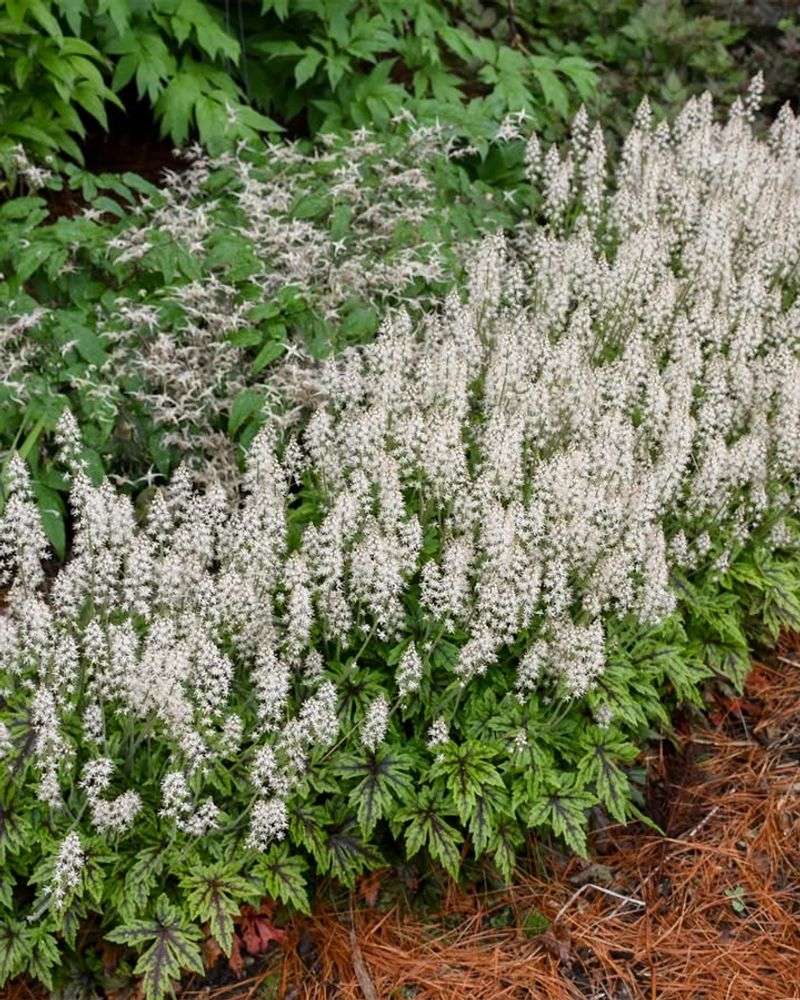
Few plants capture the feeling of a Pennsylvania spring woodland quite like Foamflower. Its soft, frothy white flower spikes rise just above a carpet of beautifully patterned leaves, creating a scene that feels more like a fairy tale than a backyard garden.
For anyone with a shaded yard, this native groundcover might just become your favorite plant of all time.
Foamflower spreads gently by runners, slowly filling in bare spots under trees and shrubs where lawn grass simply cannot survive. Unlike aggressive spreaders that take over everything, Foamflower moves at a polite pace that gardeners can easily manage.
The heart-shaped leaves often have dark purple markings along the veins, making the foliage just as attractive as the flowers.
Spring blooms appear in April and May, drawing in early native bees looking for nectar sources. After the flowers fade, the foliage remains attractive all season long and even stays semi-evergreen through mild Pennsylvania winters.
That means you get ground coverage and visual interest for most of the year with almost no effort on your part.
Foamflower thrives in moist, well-drained soil rich in organic matter. Planting it alongside ferns, wild ginger, and bleeding heart creates a lush, layered shade garden that looks professionally designed.
It is also a smart choice for erosion control on shaded slopes where soil tends to wash away during heavy rains.
Nurseries across Pennsylvania are starting to carry more native cultivars of Foamflower with exciting leaf patterns and colors.
Whether you choose a straight native species or a selected variety, you really cannot go wrong with this charming, low-maintenance gem for your shaded garden spaces.