11 Oregon Shrubs That Need A Light Trim After Blooming In Late Spring
A late spring haircut can do certain Oregon shrubs a world of good, but timing is everything. Trim too early and you cut off flower buds.
Trim too late and you risk chopping away next year’s show. Annoying, yes, but very avoidable.
The sweet spot comes right after blooming, when these shrubs are done showing off and ready for a light cleanup.
That is when a gentle trim can help shape the plant, control size, and keep it looking tidy without messing with its natural rhythm. Nothing drastic here. This is more touch-up than full makeover.
In Oregon gardens, where spring-flowering shrubs do a lot of the heavy lifting early in the season, knowing which ones want a quick post-bloom trim can make a big difference.
A few smart snips now can mean healthier growth, better shape, and an even prettier display next year. Not bad for a job that takes less time than a coffee break.
1. Lilac
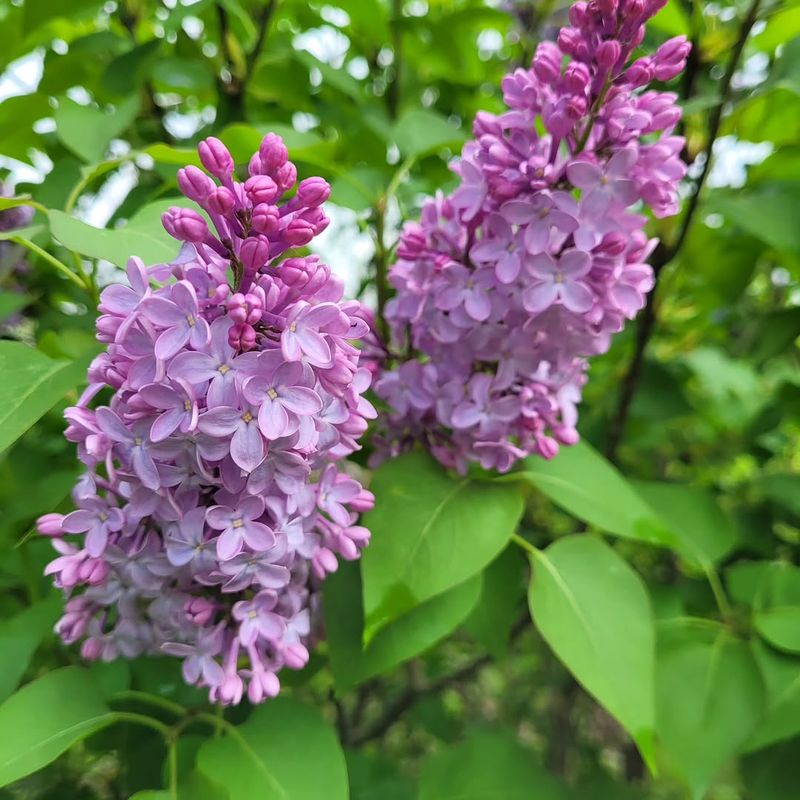
Few shrubs smell as amazing as lilac in full bloom. That sweet fragrance drifting through an Oregon garden in May is hard to beat.
Lilacs are classic favorites for good reason, and taking care of them is easier than most people think.
Lilacs set their flower buds during late summer and early fall. So if you wait too long to prune, you risk cutting off next year’s blooms before they even get a chance to form.
The best window in Oregon is right after the flowers fade, usually by late May or early June.
Focus on snipping off the spent flower clusters and any crossing or crowded branches. Keep the trim light.
You are not reshaping the entire shrub, just tidying it up. Removing old blooms also redirects the plant’s energy toward strong new growth.
Healthy new stems are exactly what will carry those gorgeous purple or white blossoms next spring. With a little attention each year, your lilac will reward you with bigger and better blooms for many seasons ahead in your Oregon yard.
2. Mock Orange
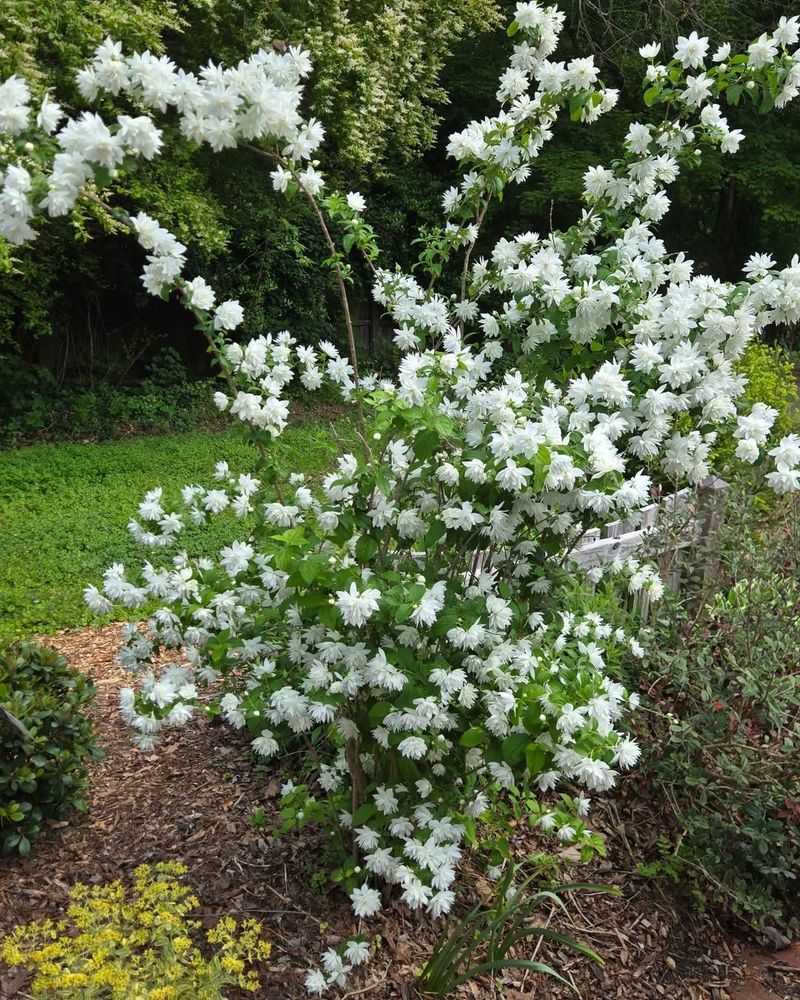
Mock orange is one of those shrubs that stops people in their tracks. The white blossoms smell just like real orange blossoms, which is exactly how it got its name.
Oregon gardeners have loved this plant for generations, and it fits beautifully into both formal and casual garden styles.
After those stunning white flowers fade in late spring, grab your pruning shears and get to work. Mock orange blooms on old wood, meaning the stems that flowered this year grew during the previous season.
Cutting back right after bloom gives the plant plenty of time to push out fresh new stems before summer ends.
Remove the branches that just flowered, cutting them back by about one-third. Also look for any dead, weak, or tangled stems and take those out too.
Keeping the center of the shrub open improves air flow and reduces the chance of disease in Oregon’s moist climate. A well-pruned mock orange will grow fuller and produce more flowers the following year.
Your Oregon Garden Changes Every Week. Your Plan Should Too.
Gardening in Oregon changes quickly throughout the season. Every Friday you’ll receive a simple weekly plan showing exactly what to plant, prune, fertilize, harvest, and protect so you never miss the right timing.
It is a rewarding plant to care for, and that incredible fragrance makes every snip totally worth it.
3. Oregon Grape
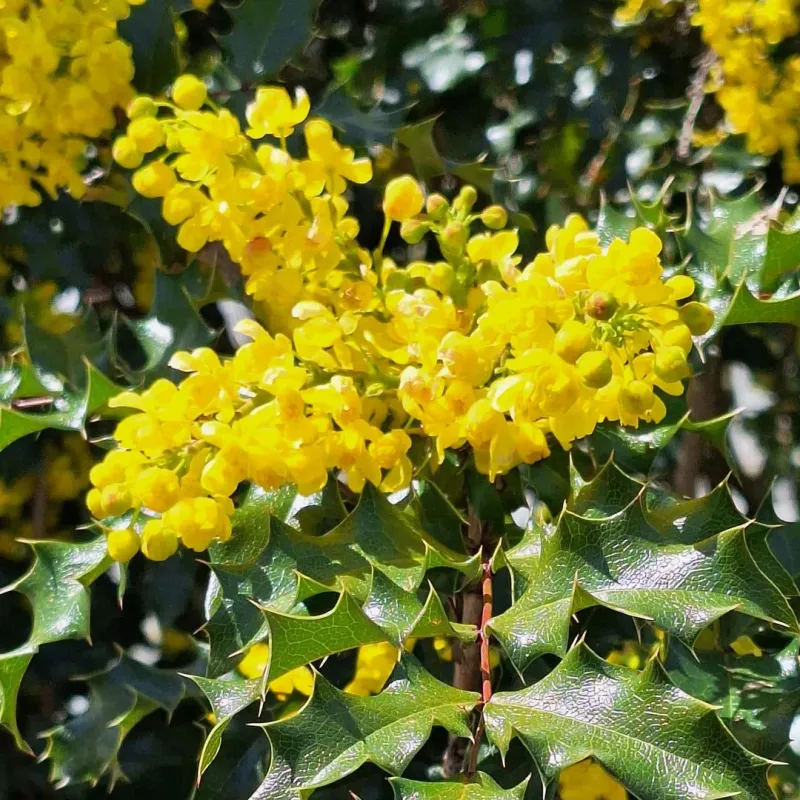
Oregon grape is actually the official state flower of Oregon, which makes it a fitting addition to any local garden. This tough evergreen shrub thrives in the Pacific Northwest climate and adds year-round interest with its spiky, holly-like leaves.
In spring, bright yellow flower clusters light up the plant before turning into those iconic blue-purple berries.
After the flowers finish in late spring, a light trim helps keep Oregon grape looking neat and manageable. Left completely unpruned for years, it can become quite leggy and overgrown.
A few well-placed cuts right after blooming encourage compact, bushy new growth from the base of the plant.
When trimming, focus on removing any stems that are too tall, damaged, or growing in awkward directions. Avoid cutting back into thick, woody stems unless absolutely necessary, since new growth tends to sprout best from younger wood.
Oregon grape is a tough plant and handles light pruning well. It also supports local wildlife, offering food for birds and pollinators.
Keeping it tidy while respecting its natural structure gives you a healthy, attractive shrub that truly represents the spirit of the Pacific Northwest.
4. Azalea
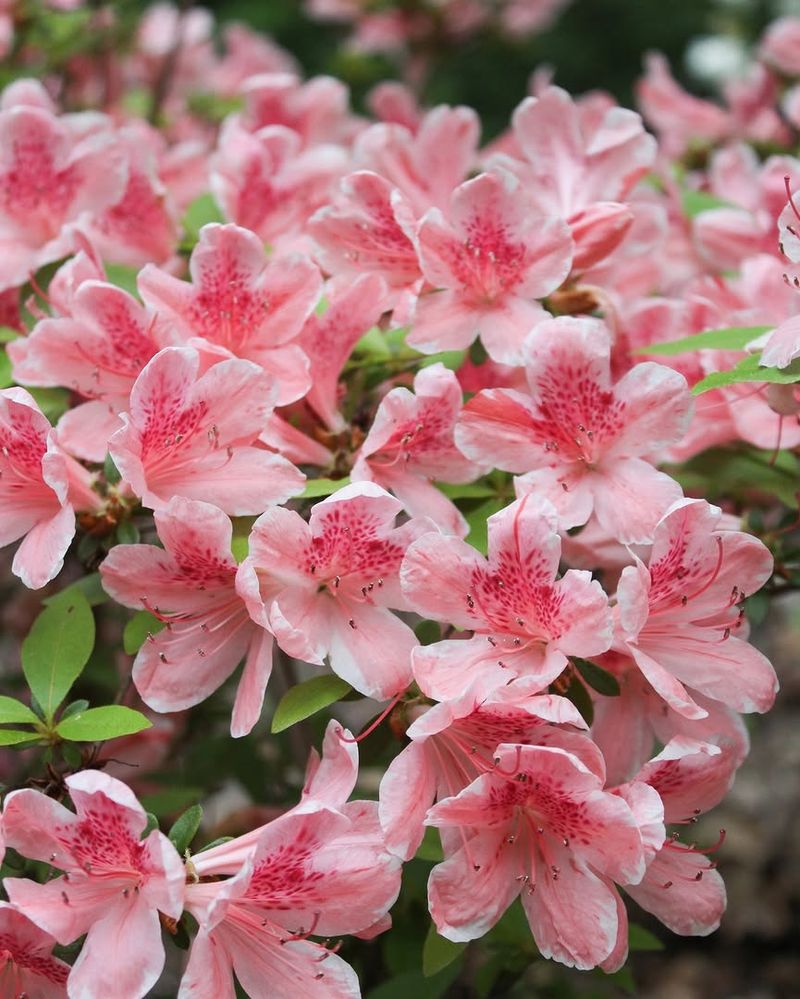
Azaleas put on one of the most dazzling flower shows of the entire spring season. Across Oregon, these shrubs light up gardens with shades of pink, red, orange, white, and purple.
Watching an azalea in full bloom is genuinely exciting, and caring for it properly means you get to enjoy that show year after year.
Like rhododendrons, azaleas bloom on old wood. New buds for next spring start forming very shortly after this year’s flowers drop.
That means pruning right after blooming, not in late summer or fall, is the key to protecting next year’s display. Waiting too long means accidentally removing buds that have already started developing.
A light trim after flowering removes spent blooms and shapes the plant without stressing it. Snip back any branches that look too long, crossed, or out of place.
Avoid removing more than about one-third of the plant at once. Oregon’s rainy climate can encourage fungal issues, so opening up the canopy a little helps air circulate better.
Healthy, well-pruned azaleas bounce back quickly and produce fuller, more vibrant blooms the following spring. It is a small effort for a truly spectacular seasonal reward in your Oregon garden.
5. Rhododendron
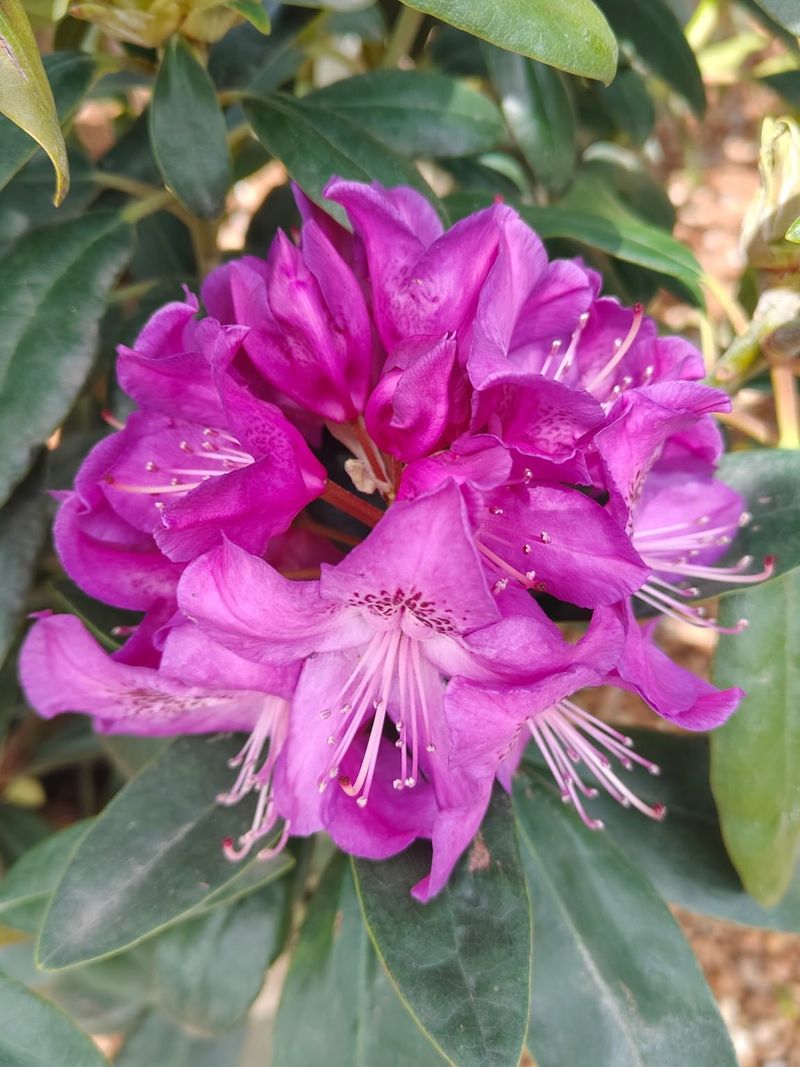
Rhododendrons are practically synonymous with Oregon gardening. These bold, evergreen shrubs produce enormous clusters of flowers that can range from soft white to deep magenta.
Walking past a rhododendron in full bloom feels like stepping into a painting, especially in the lush, green landscapes of western Oregon.
Here is something important to know: rhododendrons bloom on old wood. The buds for next spring start developing just weeks after this year’s flowers fade.
If you miss that pruning window, you could end up cutting away perfectly good buds without even realizing it. The ideal time to trim in Oregon is right after the flowers drop, typically in late May or early June.
Deadheading, which means snapping off the spent flower clusters, is the most important step. Do this carefully by hand to avoid damaging the new growth buds forming just below the old blooms.
You can also lightly shape the plant by trimming back any branches that are too long or unruly. Avoid heavy cutting unless the shrub is seriously overgrown.
Rhododendrons are not fast growers, so patience is important. With consistent post-bloom care, these gorgeous shrubs will thrive and deliver stunning flowers in your Oregon garden for decades.
6. Pieris Japonica
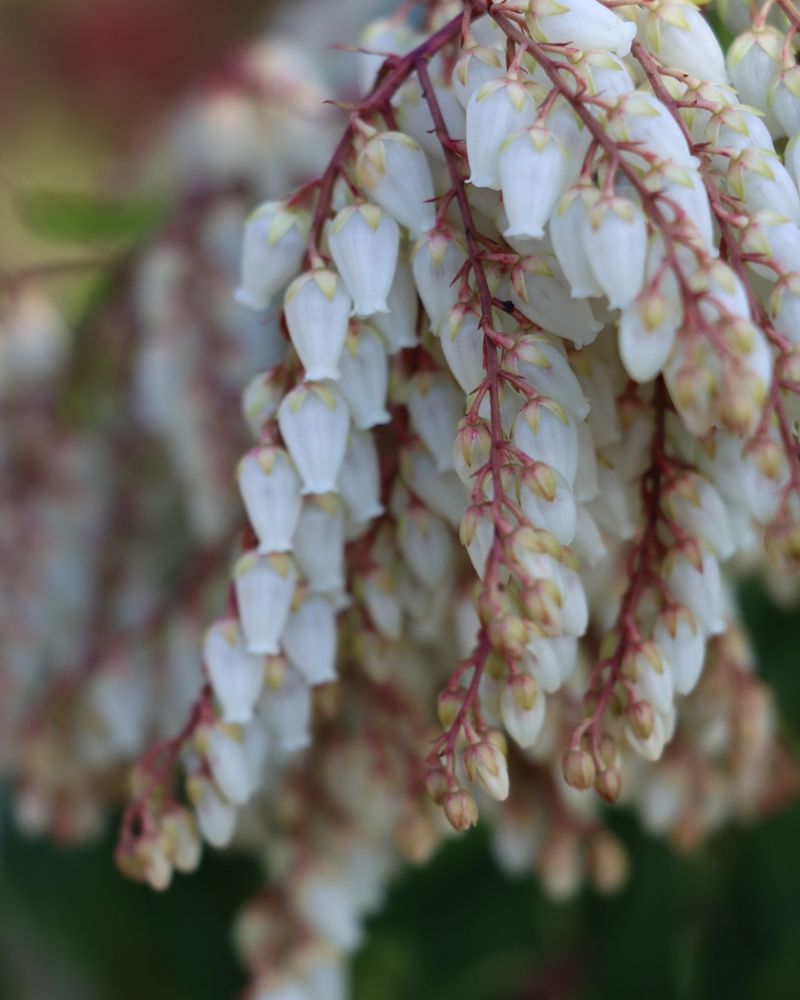
Pieris japonica, also called andromeda or lily-of-the-valley shrub, is a real standout in Oregon gardens. It offers something beautiful in almost every season: drooping clusters of white or pink bell-shaped flowers in early spring, followed by brilliant red new growth that slowly matures to green.
It is a multi-season performer that deserves a spot in more Pacific Northwest yards.
After the flowers fade in late spring, a light trim keeps the plant looking sharp and encourages that colorful new growth to flourish. Pieris japonica does not need heavy pruning, and too much cutting can actually set it back.
Just remove the spent flower clusters and any stems that look damaged, dead, or overcrowded.
One thing worth knowing is that all parts of Pieris japonica are toxic to pets and livestock, so keep that in mind when choosing its location in your yard. In Oregon’s mild and moist climate, this shrub generally stays healthy and attractive with minimal effort.
Giving it well-drained, slightly acidic soil similar to what rhododendrons prefer helps it thrive. A little post-bloom tidying each year goes a long way toward keeping Pieris japonica looking polished, structured, and full of life throughout the Oregon growing season.
7. Flowering Quince
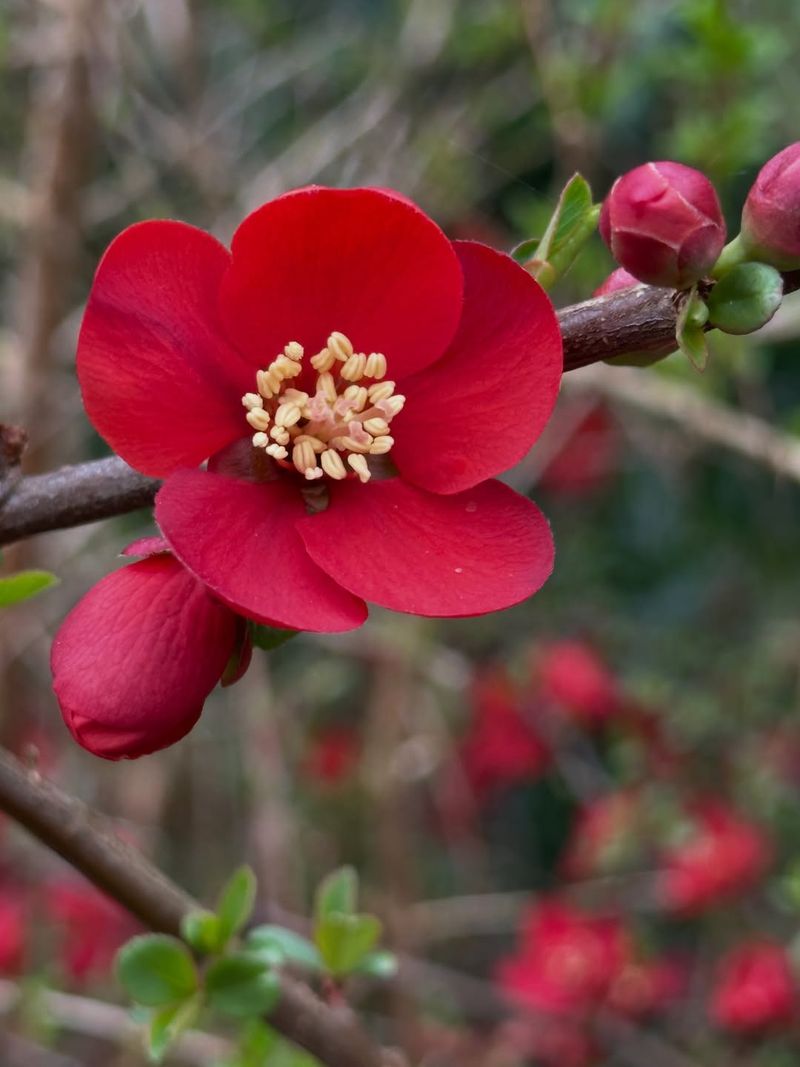
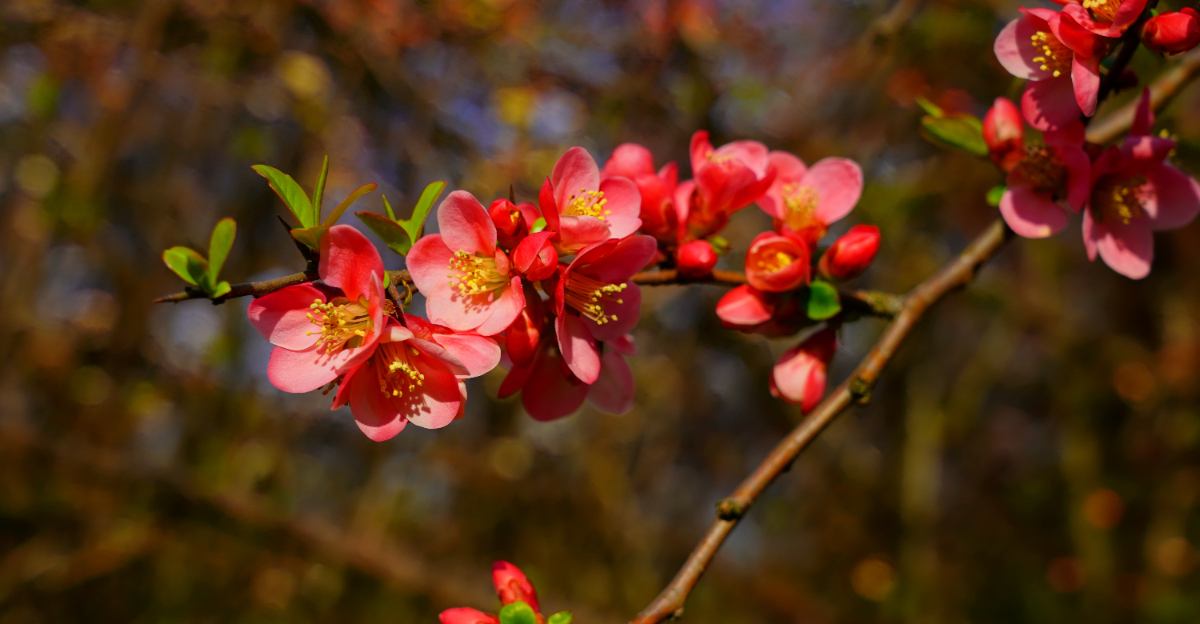
Flowering quince is one of those early risers in the Oregon garden world. Its vivid red, orange, coral, or pink flowers often appear before the leaves even fully open, making it one of the most striking sights of the season.
It has a wild, slightly spiky character that gives any garden a bold, energetic look.
Pruning right after bloom in late spring is the best approach for flowering quince. Since it blooms on old wood, waiting until summer or fall to prune means you will likely be cutting off next year’s flower buds.
A timely post-bloom trim keeps the shrub in good shape without sacrificing future blooms.
Cut back the branches that just flowered, and remove any crossing or inward-growing stems to open up the center of the plant. Flowering quince can become quite thorny and dense over time, so annual light pruning keeps it manageable and attractive.
Wearing thick gloves is a smart move when working with this shrub. In Oregon’s climate, where moisture is plentiful, good air circulation inside the plant also helps prevent fungal problems.
With a bit of post-bloom attention, flowering quince rewards you with an even more vibrant and generous flower display the following spring.
8. Weigela
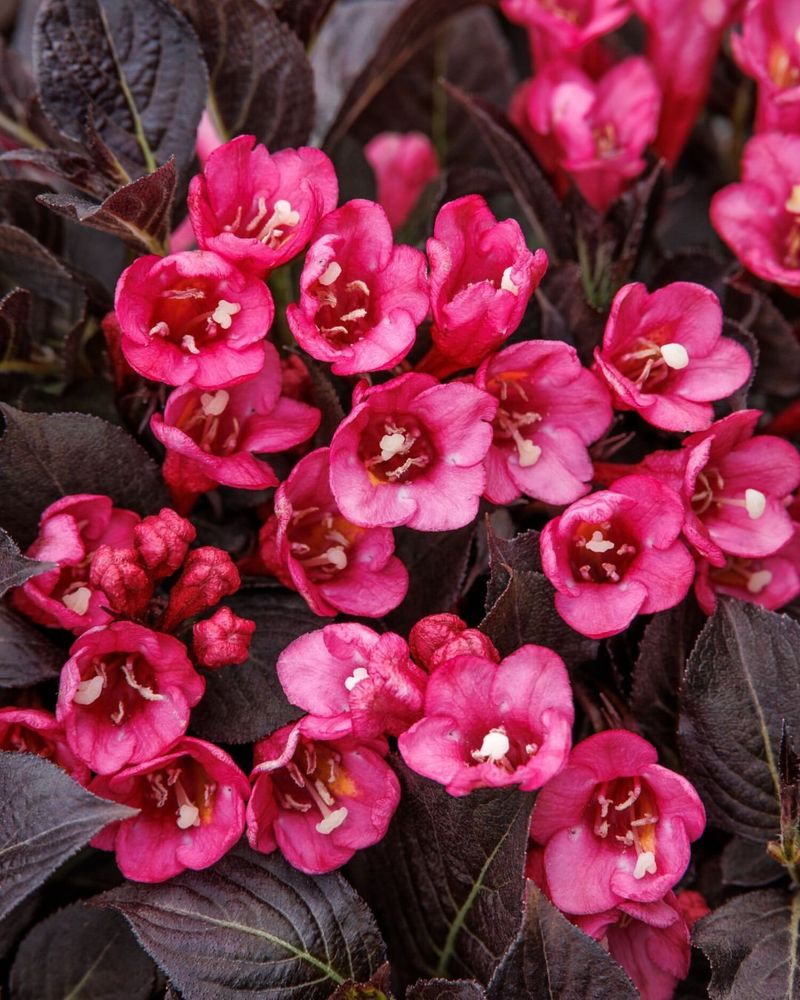
Weigela is a cheerful, easy-going shrub that brings a burst of pink, red, or white trumpet-shaped flowers to Oregon gardens in late spring. Hummingbirds absolutely love it, which makes it a fantastic choice for gardeners who enjoy watching wildlife.
It grows quickly, fills in beautifully, and is surprisingly low-maintenance once established.
After the main flush of flowers finishes in late spring, give weigela a light trim to tidy up its shape and encourage a possible second flush of blooms later in summer. Since weigela blooms primarily on the previous year’s wood, pruning right after the first bloom is the safest approach to avoid cutting off future flowers.
Remove the branches that just finished flowering, cutting them back to a strong outward-facing bud or side shoot. Take out any dead, weak, or crossing branches as well.
Avoid cutting the entire shrub down hard unless it has become severely overgrown, in which case a more gradual renewal pruning over a few years works better. Oregon’s mild climate suits weigela well, and it grows vigorously with regular watering and good light.
A little post-bloom pruning keeps this shrub looking lush, full, and ready to deliver another round of color before the season wraps up.
9. Daphne
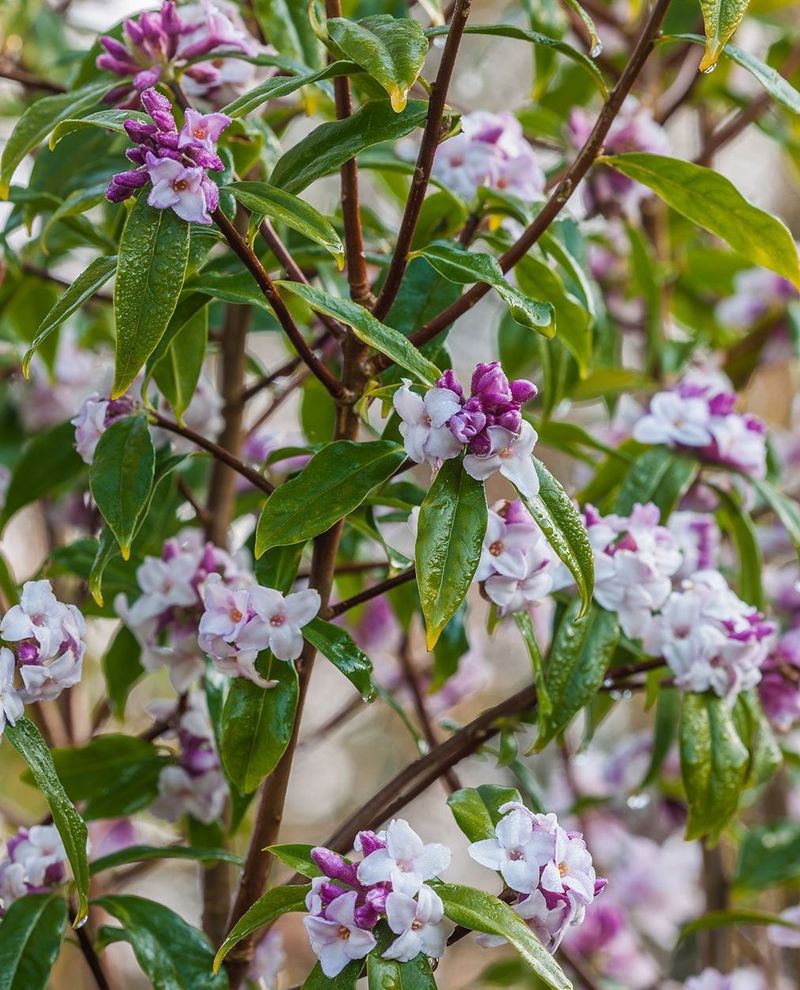
Daphne is one of the most fragrant shrubs you can grow in an Oregon garden. Even a small plant can fill an entire yard with its sweet, almost intoxicating scent.
Gardeners who plant daphne near a pathway or front door are always glad they did, because the fragrance greets everyone who walks by.
Daphne is a bit more delicate than some other spring-blooming shrubs, so pruning needs to be handled with extra care. After blooming in late spring, only a very light trim is recommended.
Removing spent flowers and shaping the tips of branches slightly is usually all that is needed. Daphne does not respond well to heavy cutting and can struggle to recover from aggressive pruning.
Use clean, sharp pruning shears and make smooth cuts to avoid tearing the stems. In Oregon’s wet climate, clean cuts help prevent disease from entering the plant through rough wounds.
Daphne prefers well-drained soil and does not like having wet roots for extended periods. Choosing a slightly elevated planting spot in your Oregon yard can make a real difference in its long-term health.
Treat this shrub gently and consistently, and it will reward you with years of incredible fragrance and beautiful blooms each spring.
10. Spirea (Spring-Blooming Types)
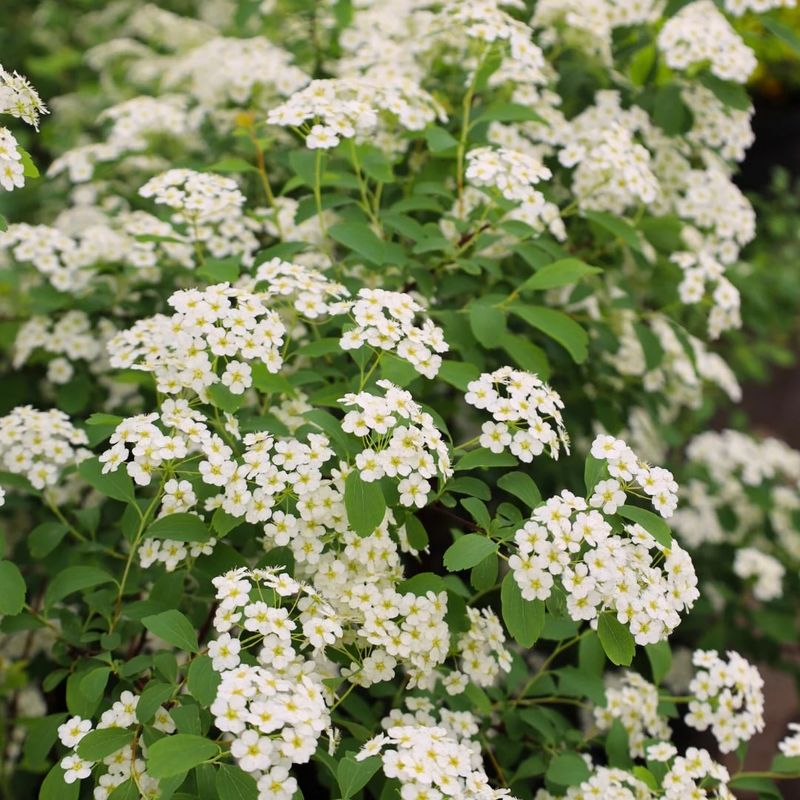
Spring-blooming spirea varieties, like Bridal Wreath spirea, put on a spectacular show in Oregon gardens. Cascading arches covered in tiny white flowers make these shrubs look like something straight out of a fairy tale.
They are tough, reliable, and grow well in the Pacific Northwest’s mild, moist conditions.
The right time to prune spring-blooming spirea is immediately after the flowers fade in late spring. These varieties bloom on old wood, so trimming too late in the season removes the wood that will carry next year’s blooms.
A timely post-bloom trim keeps the plant’s graceful, arching shape intact while encouraging fresh new growth from the base.
Cut back the stems that just flowered by about one-third, and remove any old, woody stems from the center of the plant to keep it from becoming too dense. Thinning out the center also improves air circulation, which is especially helpful in Oregon’s rainy climate where moisture can linger on plants for days.
Spring-blooming spirea bounces back quickly after pruning and grows energetically through summer. With consistent post-bloom care each year, these shrubs stay full, healthy, and loaded with blooms.
They are genuinely one of the most rewarding low-maintenance shrubs you can grow in an Oregon garden.
11. Viburnum (Spring-Flowering Varieties)
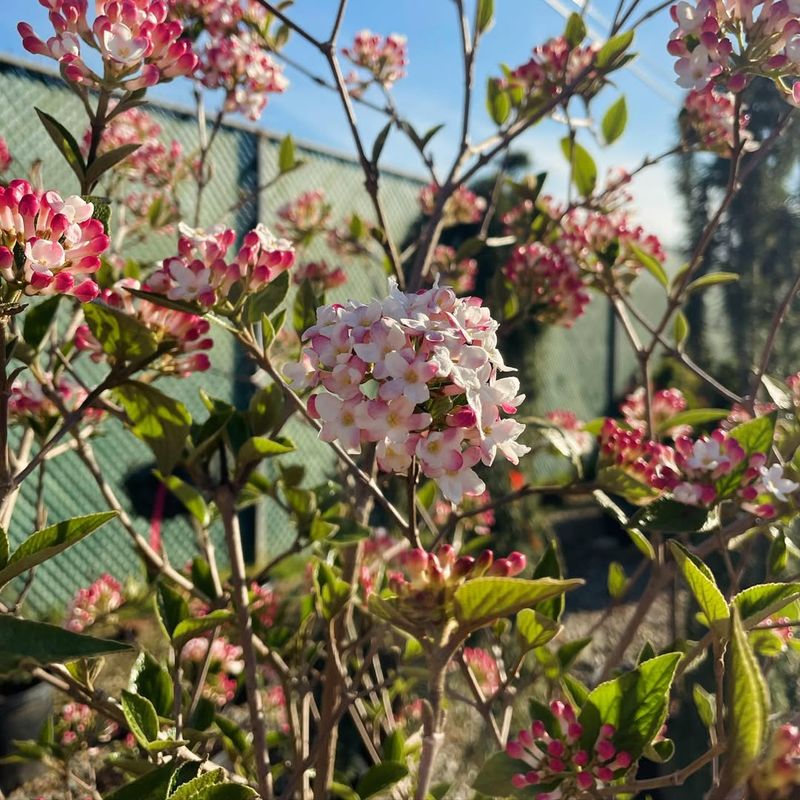
Spring-flowering viburnum varieties are some of the most elegant shrubs an Oregon gardener can choose. Varieties like Korean Spice Viburnum and Doublefile Viburnum produce gorgeous clusters of white or pink flowers that often come with a lovely fragrance.
Add in attractive berries and fall foliage, and you have a shrub that earns its space in the garden across multiple seasons.
After the flowers finish in late spring, a light trim helps shape the plant and keeps it from becoming too large or unruly. Spring-flowering viburnums generally bloom on old wood, so the post-bloom window is the safest time to prune without risking next year’s flower buds.
Waiting until late summer or fall to prune is a common mistake that can result in far fewer blooms the following spring.
Remove spent flower clusters and lightly shape the outer edges of the shrub. Take out any dead or crossing branches to keep the interior open and healthy.
Oregon’s cool, moist climate is actually well-suited to viburnum, and these shrubs tend to grow robustly in the Pacific Northwest. Consistent light pruning after bloom, combined with good soil and adequate watering, helps viburnum stay vigorous and attractive for many years.
It is a genuinely rewarding shrub for any Oregon garden.