Why Ladybugs Are So Helpful In North Carolina Gardens
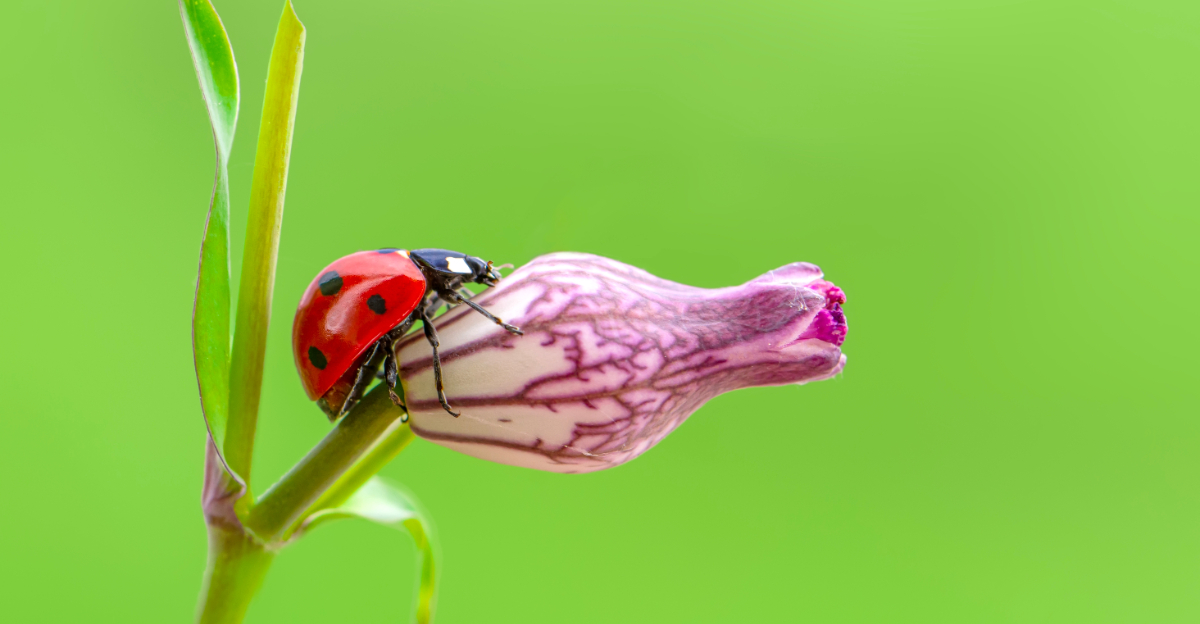
Ladybugs may be small, but they play a big role in keeping North Carolina gardens healthy. As temperatures warm in spring, these helpful insects become active and start searching for food.
What makes them so valuable is their strong appetite for common garden pests that can quickly damage plants. Instead of relying on sprays, many gardeners count on ladybugs as a natural way to keep problems under control.
They fit perfectly into North Carolina’s growing season, helping protect vegetables, flowers, and shrubs as they begin to thrive. Seeing them move across leaves is often a sign your garden is working in balance.
Over time, their presence can lead to stronger plants and fewer issues to manage. If you want a simple, natural way to support your garden, ladybugs are one of the best allies you can have.
1. They Eat Large Numbers Of Aphids
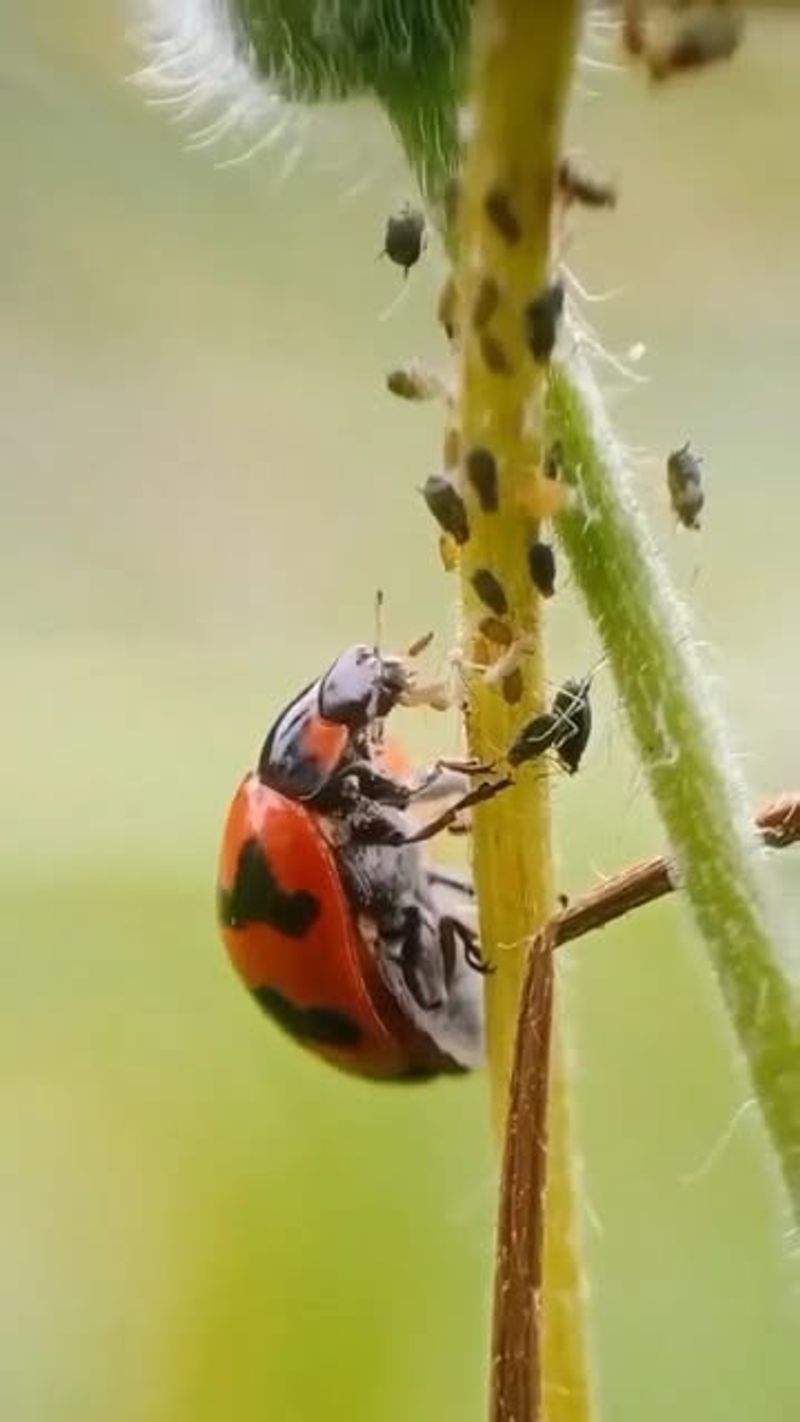
One of the best things about ladybugs is how eagerly they feed on aphids. These tiny sap-sucking pests show up often in North Carolina gardens, especially on roses, peppers, tomatoes, milkweed, and tender spring growth.
When ladybugs move in, they start helping right away by eating aphids from stems, buds, and leaf undersides.
An adult ladybug can eat dozens of aphids in a single day, and that adds up fast. Research commonly notes that a single ladybug may consume thousands of aphids over its lifetime, which makes it a strong natural helper in any backyard bed.
You can see the difference when curled leaves begin to look cleaner and new growth appears less sticky.
Aphids weaken plants by draining juices and leaving behind honeydew, which can lead to sooty mold. In North Carolina’s warm weather, aphid numbers can rise quickly, so having ladybugs around gives you a steady form of control.
I like that they work quietly in the background while your garden keeps growing.
If you want more of them, plant dill, fennel, yarrow, and alyssum nearby. Skip broad-spectrum sprays whenever possible, because those products can remove the helpful insects along with the pests.
Give ladybugs food and a safe place to stay, and they reward you with real garden support.
2. Larvae Eat Even More Pests Than Adults
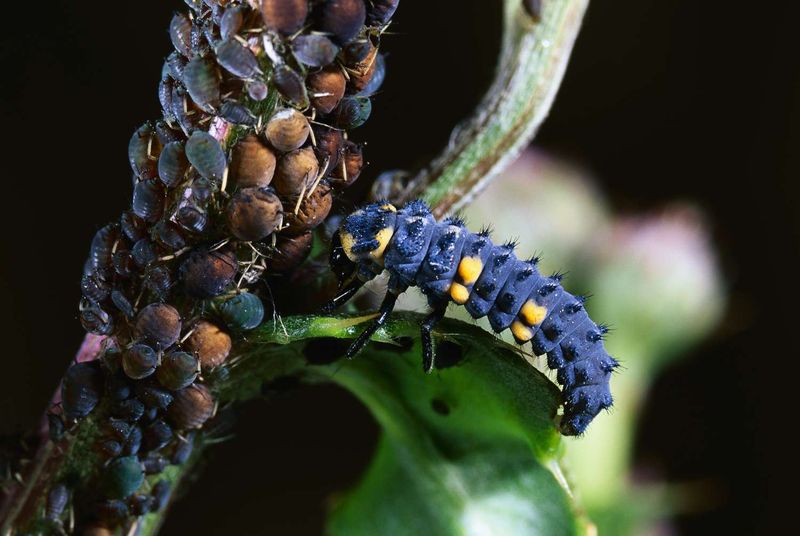
Many gardeners in North Carolina notice adult ladybugs first, but the larvae deserve just as much attention. They look very different, with long dark bodies and bright markings, almost like tiny alligators moving across leaves.
Even though they are easy to overlook, they are some of the hardest-working pest eaters in the garden.
Ladybug larvae feed on aphids and other soft-bodied pests at an impressive rate. In many cases, they consume even more than the adults, which makes them especially valuable during active pest outbreaks in spring and early summer.
When you spot them on your beans, kale, peppers, or flowers, you are seeing free garden help in action.
That matters in North Carolina because warm temperatures can speed up insect activity. A strong group of larvae can bring down pest pressure before leaves become twisted, yellowed, or coated in sticky residue.
Your North Carolina Garden Changes Every Week. Your Plan Should Too.
Gardening in North Carolina changes quickly throughout the season. Every Friday you’ll receive a simple weekly plan showing exactly what to plant, prune, fertilize, harvest, and protect so you never miss the right timing.
You do not need fancy products when nature already placed such effective hunters right on the plant.
The trick is knowing what they are so you do not remove them by mistake. If you avoid unnecessary spraying and leave a little habitat around your beds, more larvae can mature and keep working.
I think that is one of the smartest advantages of welcoming ladybugs into any North Carolina garden space.
3. They Help Control Multiple Garden Pests
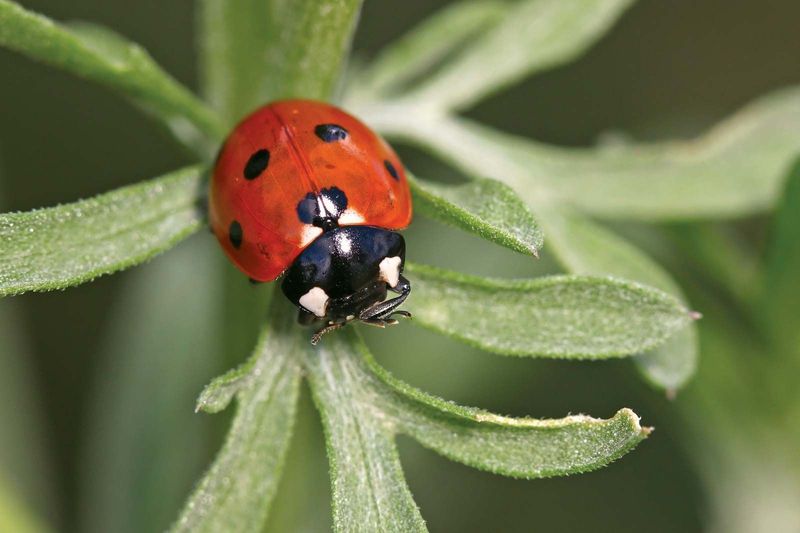
Ladybugs earn their good reputation because they do not focus on just one garden pest. While aphids are a favorite food, many ladybugs also feed on mites, whiteflies, scale insects, mealybugs, and insect eggs.
That broad appetite makes them especially helpful in North Carolina gardens, where different pest problems can appear across a long growing season.
You might notice whiteflies fluttering up from tomatoes, mites troubling beans during hot weather, or scale building up on shrubs. A healthy ladybug population gives you support on several fronts at once, instead of solving only one issue.
That kind of natural backup is useful when your flower beds, vegetables, and ornamentals all face different pressures.
North Carolina’s mix of humidity and heat can create ideal conditions for soft-bodied pests. Because ladybugs search across many plant types, they help connect the whole garden into a more resilient system.
I like knowing that one beneficial insect can patrol roses, herbs, cucumbers, and landscape plants during the same week.
That wider pest control also means you can react less and observe more. Rather than reaching for a spray at the first sign of trouble, you have a chance to let nature balance things out.
When ladybugs are active and food is available, they become a flexible and reliable partner in your garden routine.
4. They Reduce The Need For Pesticides
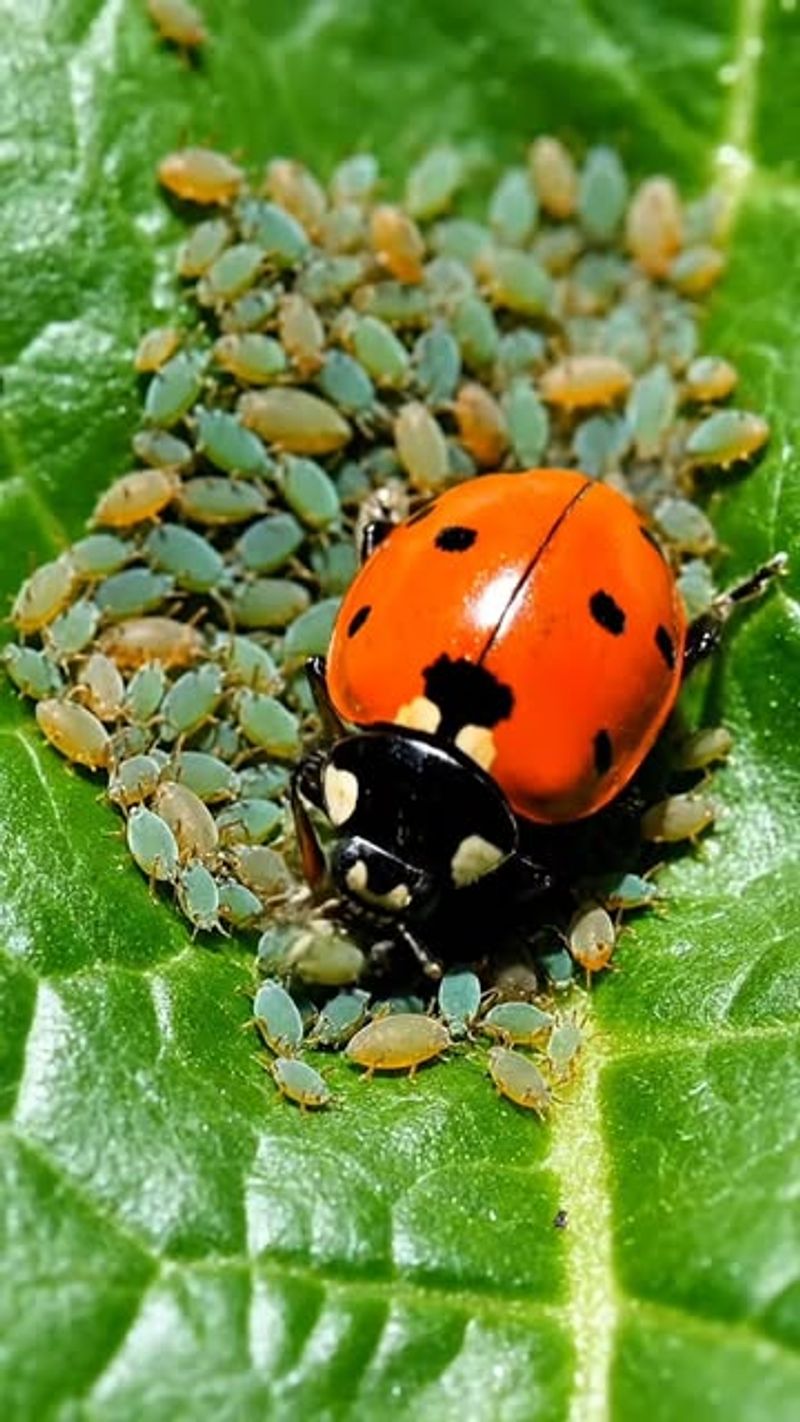
One major reason gardeners appreciate ladybugs is simple: they can lower the need for chemical treatments. When these beneficial beetles feed on common pests, plants often stay in better shape without frequent spraying.
That is a big advantage in North Carolina gardens, where long warm months can tempt you to reach for products too quickly.
Using fewer pesticides helps more than just ladybugs. Bees, butterflies, lacewings, and other helpful insects benefit when the garden stays safer and more balanced.
If you grow vegetables, herbs, or pollinator flowers, reducing harsh treatments can make the whole space feel healthier and easier to manage.
North Carolina gardeners often deal with pest spikes after warm, humid stretches. Ladybugs give you a natural response that keeps working day after day, especially when food sources remain available.
Instead of interrupting the garden with repeated applications, you can focus on watering, mulching, and checking plant health more carefully.
Good habits help ladybugs do their job even better. Try handpicking badly infested leaves, spraying plain water on aphids first, and planting small flowers that provide pollen and nectar.
I find that when you combine those simple steps with active ladybugs, your garden becomes more self-supporting and less dependent on products from the shelf.
5. They Support A Balanced Garden Ecosystem
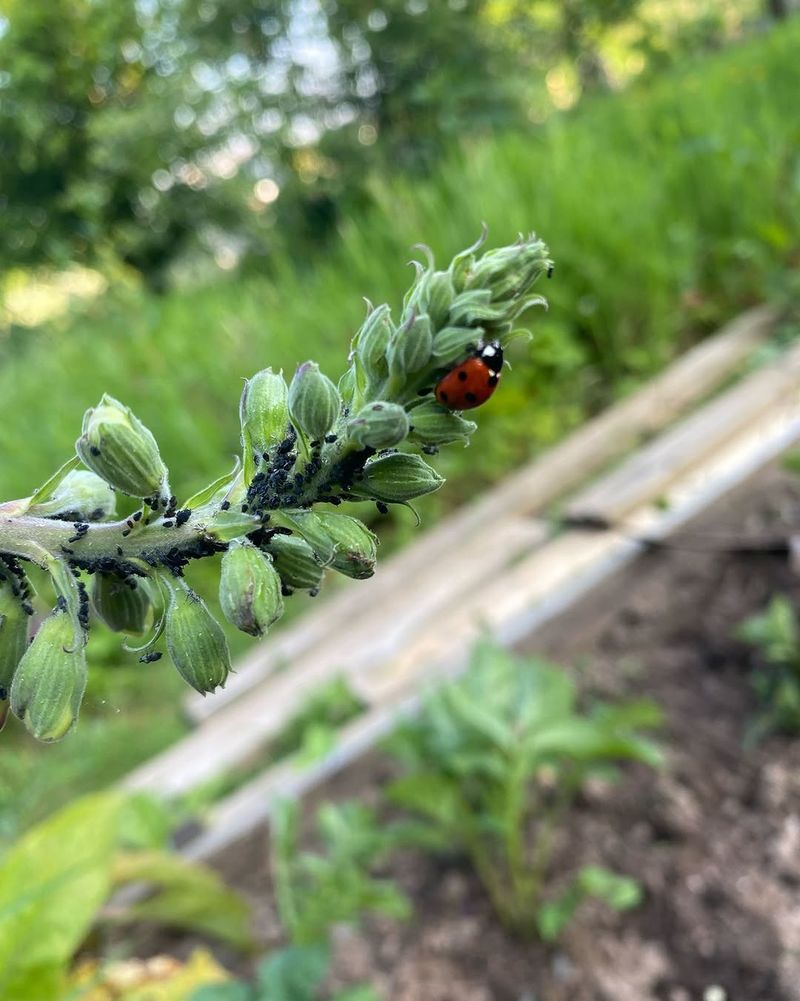
A thriving garden is not just about growing pretty plants or full harvests. It is also about balance, and ladybugs play an important role in keeping that balance steady in North Carolina landscapes.
By feeding on pests before they multiply too far, they help prevent sudden surges that can stress flowers, vegetables, and shrubs.
That natural balance matters even more in North Carolina because the climate stays favorable for insect activity through much of the year. Warm springs, humid summers, and long falls can allow pest populations to build quickly if nothing checks them.
Ladybugs step into that system as part of a bigger web that includes pollinators, spiders, lacewings, birds, and healthy soil life.
When you see ladybugs regularly, it often signals that your garden is offering food, shelter, and fewer disruptive chemicals. That is usually a sign of a more stable environment, not just a lucky moment.
I think gardeners feel more confident when the yard starts functioning like a living community instead of a constant problem to fix.
You can encourage that balance by mixing plant heights, adding flowering herbs, and leaving some dense cover nearby. Mulch, moisture, and plant diversity all support a stronger garden rhythm.
Ladybugs may be small, but in North Carolina they are a very visible reminder that healthy ecosystems often rely on tiny workers.
6. They Reproduce Near Food Sources
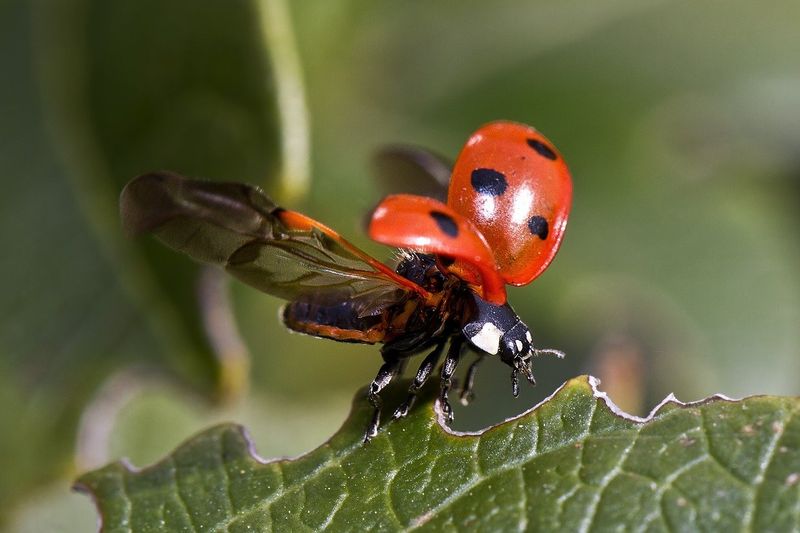
One of the smartest things about ladybugs is where they place their eggs. Female ladybugs usually lay clusters near aphids or other soft-bodied pests, giving the young a food source as soon as they hatch.
In North Carolina gardens, that means their numbers often build right where help is needed most.
This natural pattern makes ladybugs especially efficient. Instead of wandering randomly, the next generation starts life close to active pest colonies on vegetables, flowers, fruiting plants, or shrubs.
That targeted approach can bring fast relief during spring growth and through the warmer months when pest pressure rises.
The eggs are often yellow or orange and tucked under leaves or along protected surfaces. If you spot them, it is a good sign that your garden is already supporting a helpful cycle of natural control.
I always think it is exciting because it means the garden is not just attracting ladybugs for a day, but encouraging them to stay.
You can support that process by avoiding unnecessary sprays, especially on plants with visible aphids and beneficial insects present. Growing dill, fennel, cilantro, and sweet alyssum can also make your North Carolina garden more inviting to adults.
When ladybugs choose your plants as a nursery, you gain an ongoing team of pest managers for free.
7. They Are Harmless To Plants And People
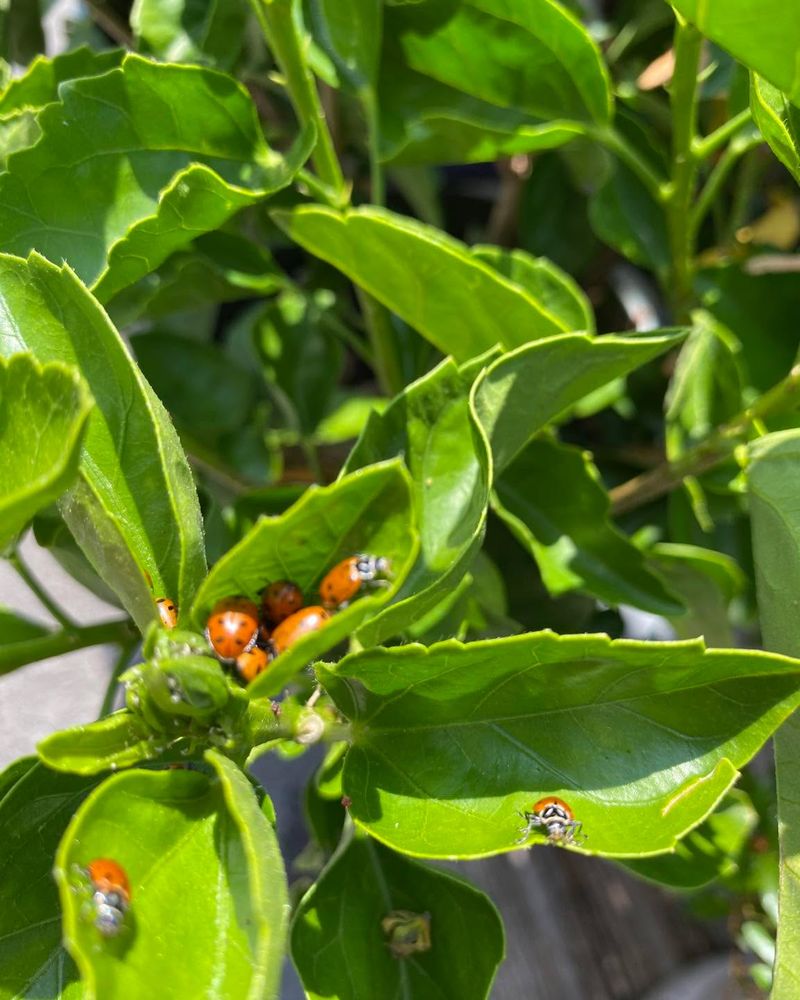
Gardeners love ladybugs for another very practical reason: they are harmless to your plants and safe around people. They do not chew leaves, strip flowers, or ruin vegetables the way common pests can.
In North Carolina gardens, that makes them one of the easiest beneficial insects to welcome without worry.
If a ladybug lands on your hand, there is no reason to panic. They are not interested in biting people for food, and they are far more focused on finding tiny insects among your plants.
That gentle nature makes them perfect for family gardens where children help water, harvest, and watch insects up close.
Plants benefit too because ladybugs support growth rather than damaging it. While they search for aphids, mites, and insect eggs, your peppers, beans, roses, and herbs get a better chance to thrive.
I think that combination of safety and usefulness is exactly why so many North Carolina gardeners feel happy when ladybugs appear.
They also bring a little charm to the yard with their bright colors and familiar spotted look. Even people who feel unsure around insects usually make an exception for ladybugs, which says a lot.
When an insect protects plants, fits into a healthy ecosystem, and stays easy to live with, it earns a permanent place in the garden.