8 Flowers That Naturally Repel Garden Pests In North Carolina Gardens
Some flowers do more than brighten up a garden. In North Carolina, certain varieties can actually help keep common pests away while adding color and life to your space.
Instead of relying only on sprays or treatments, many gardeners are choosing flowers that work as a natural line of defense. These plants release scents or attract beneficial insects that help keep unwanted bugs in check.
In a warm climate where pests can show up quickly, this extra layer of protection can make a big difference. The best part is you do not have to sacrifice beauty to get these benefits.
Many of these flowers are just as eye catching as they are useful. By adding the right ones to your garden, you can create a space that looks great and stays healthier with less effort throughout the season.
1. Marigolds
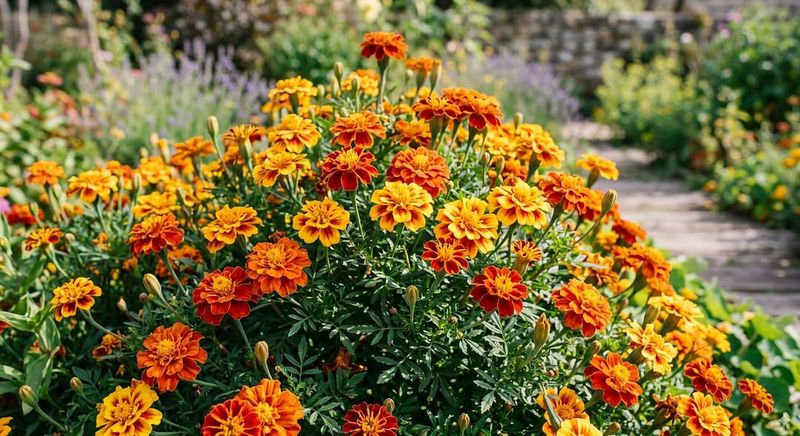
Bright marigolds earn their place in North Carolina gardens fast because they bring color and useful garden support together. Many gardeners tuck them near tomatoes, peppers, beans, and squash to make vegetable beds look fuller while adding practical benefits.
Their roots release compounds that may help reduce certain soil nematodes, which makes them especially popular in warm summer plots across the state.
Another reason people keep planting marigolds is their strong scent. That fragrance can make nearby crops less inviting to some insects, though results vary by pest and garden setup.
I like them best as one part of a bigger plan that also includes spacing, healthy soil, and regular checking.
For North Carolina success, plant marigolds in full sun after the last frost and keep them watered until roots settle in. French marigolds often get the most attention for companion planting, but many types perform well in home beds.
Place them along borders, between vegetable rows, or near raised bed corners for an easy, cheerful boost.
Keep spent blooms trimmed if you want fresh flowers longer through summer and into early fall. With very little fuss, marigolds can brighten your garden while supporting a more balanced growing space.
2. Nasturtiums
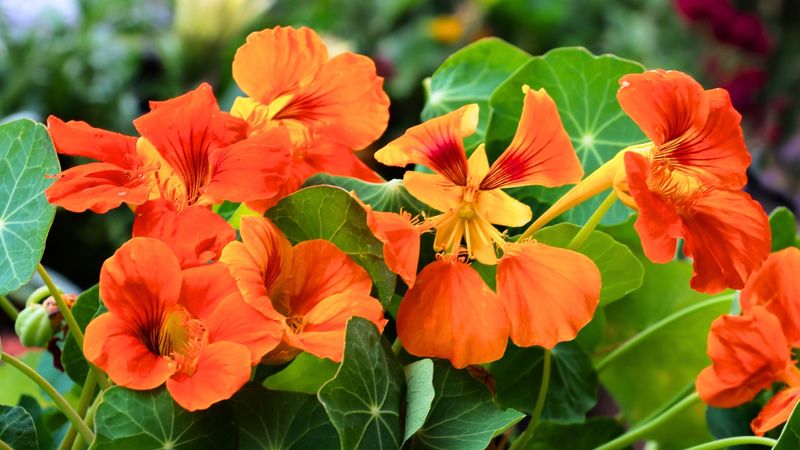
Nasturtiums add a loose, cheerful look to North Carolina gardens, but their real strength comes from how they draw attention away from vegetables. Instead of pushing every pest away, they often work as a trap crop by attracting aphids and other troublesome visitors first.
That can give beans, brassicas, cucumbers, and tomatoes a better chance to grow with less pressure nearby.
The key is placement. Plant nasturtiums a short distance from the crop you want to protect, so pests head toward those round leaves and vivid flowers instead.
In a North Carolina backyard, that might mean letting them trail along bed edges, spill from containers, or fill open spaces beside raised beds.
They also bring bonus value because the flowers are edible and the plants bloom generously in mild weather. Too much rich fertilizer can lead to lots of leaves and fewer blooms, so keep the soil fairly moderate.
Full sun works well in spring, while light afternoon shade helps them stay happier during hotter North Carolina stretches.
Your North Carolina Garden Changes Every Week. Your Plan Should Too.
Gardening in North Carolina changes quickly throughout the season. Every Friday you’ll receive a simple weekly plan showing exactly what to plant, prune, fertilize, harvest, and protect so you never miss the right timing.
Check trap crops often, because they work best when you monitor what gathers there. If you want a flower that looks playful and serves a clear purpose, nasturtiums are a smart, easy choice for a balanced garden.
3. Calendula
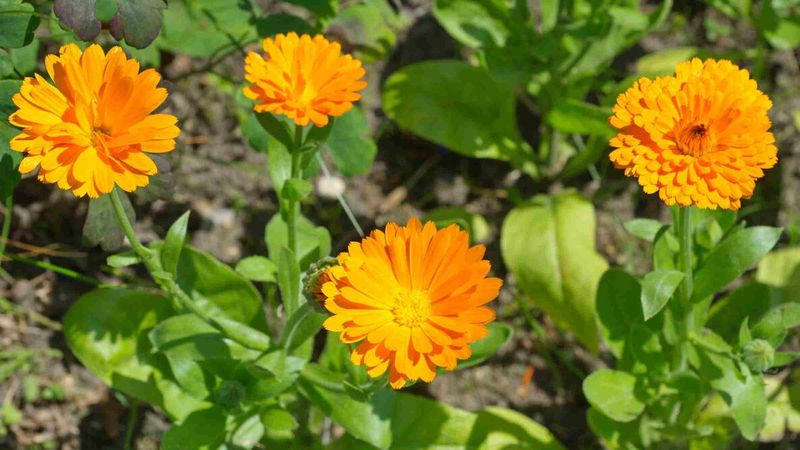
Golden calendula brings a soft glow to North Carolina gardens, and it also helps create a friendlier space for beneficial insects. Its open flowers can attract hoverflies, lacewings, and other helpful visitors that feed on pests such as aphids.
That makes calendula less about direct repelling and more about building a healthier garden team around your crops.
I love how easily calendula fits into food gardens without looking stiff or overly planned. Tuck it near lettuce, kale, herbs, or strawberries, and the whole bed feels brighter right away.
In cooler parts of the North Carolina growing season, it often performs especially well and keeps color going when many summer flowers slow down.
Give calendula full sun to light shade and soil that drains well. It appreciates steady moisture, but soggy ground can lead to weak growth, especially during rainy periods.
Pinching spent blooms encourages more flowers, which means more chances to invite helpful insects into the garden.
Another nice detail is how easy calendula feels for beginners. It grows with a simple, cottage-garden charm while doing something useful behind the scenes.
If you want a flower that supports natural pest balance in North Carolina without demanding constant attention, calendula deserves a spot near your vegetables.
4. Lavender
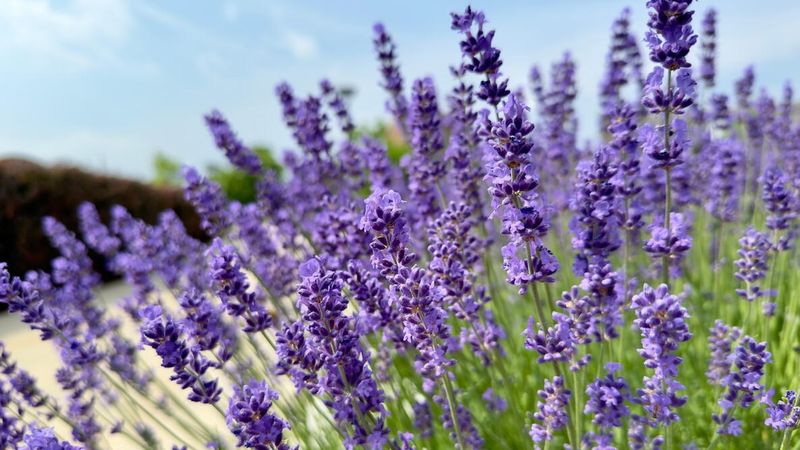
Lavender gives North Carolina gardens a clean, calming look, and its strong fragrance adds more than charm. Many gardeners grow it near paths, patios, herb beds, and borders because the scent can discourage some insects such as moths and flies.
It will not solve every pest issue alone, but it can be a useful part of a thoughtful planting mix.
The biggest secret with lavender in North Carolina is site choice. It needs full sun and sharp drainage, especially in areas where humidity stays high through summer.
Raised beds, gravelly soil, and places with good air flow help the roots stay comfortable and the plant hold its shape.
Because lavender prefers drier conditions, it pairs best with crops and herbs that do not need constant soaking. Try it near rosemary, thyme, or along the sunnier edges of vegetable spaces rather than in the wettest bed.
Once established, it usually needs less fuss than many flowering plants, which is always a welcome bonus.
Prune lightly after blooming to keep plants tidy and encourage fresh growth. Even when flowers fade, the silvery foliage still looks attractive in the landscape.
For North Carolina gardeners who want beauty, fragrance, and a little pest support in one plant, lavender is an easy favorite.
5. Bee Balm
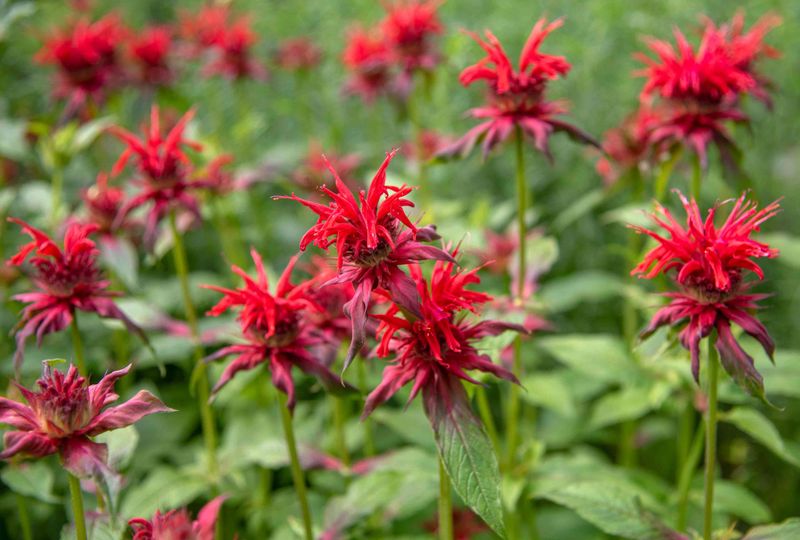
Bee Balm brings energy to North Carolina gardens with shaggy blooms that seem to buzz from morning through late afternoon. As a native-friendly choice, it attracts bees, butterflies, and beneficial insects, including predatory wasps that help keep pest numbers in better balance.
That makes it a strong pick for gardeners who want a lively yard and a more supportive ecosystem around vegetables.
Its value comes from invitation rather than strong scent alone. When helpful insects visit often, they can reduce pressure from soft-bodied pests and improve pollination at the same time.
Plant bee balm near tomatoes, squash, cucumbers, or berry patches, and you create a busy, colorful zone that works harder than it first appears.
North Carolina humidity can suit bee balm well, especially if you choose a spot with morning sun and good air movement. Rich soil and steady moisture help it look its best, but spacing matters because crowded plants can struggle.
Dividing clumps every few years keeps growth fresh and gives you more plants to spread through the garden.
The flowers also make your garden feel more natural and welcoming. Hummingbirds notice them quickly, which adds another layer of life to the space.
If you want a flower that supports pest balance while making North Carolina beds feel vibrant and full, bee balm is a wonderful choice.
6. Chrysanthemums
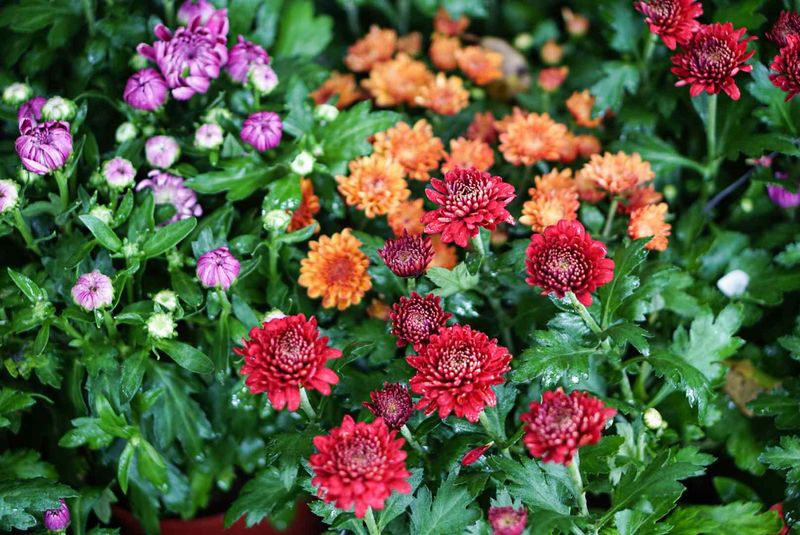
Chrysanthemums do more than light up North Carolina gardens in fall with rich color and dense petals. They contain natural compounds called pyrethrins, which are used in some insect control products and make mums especially interesting to practical gardeners.
While a living plant is not the same as a bottled spray, that natural chemistry explains why chrysanthemums have a strong reputation around pest management.
In the garden, mums work well near patios, porch containers, and seasonal beds where you want late color and extra function. Their scent and natural compounds may help make the area less appealing to certain insects, especially when combined with clean garden habits.
I think of them as a smart supporting player rather than a stand-alone answer.
For the best results in North Carolina, give chrysanthemums full sun and soil that drains well. Keep them evenly watered, pinch young growth in early season for bushier plants, and avoid crowding so air can move freely.
Garden centers often sell them in fall, but spring planting gives roots more time to settle before summer heat.
Mums also fill an important gap when many flowers are fading. That late burst of color keeps beds attractive just when the season starts to soften.
If you want beauty with real garden purpose, chrysanthemums are a strong and dependable option.
7. Petunias
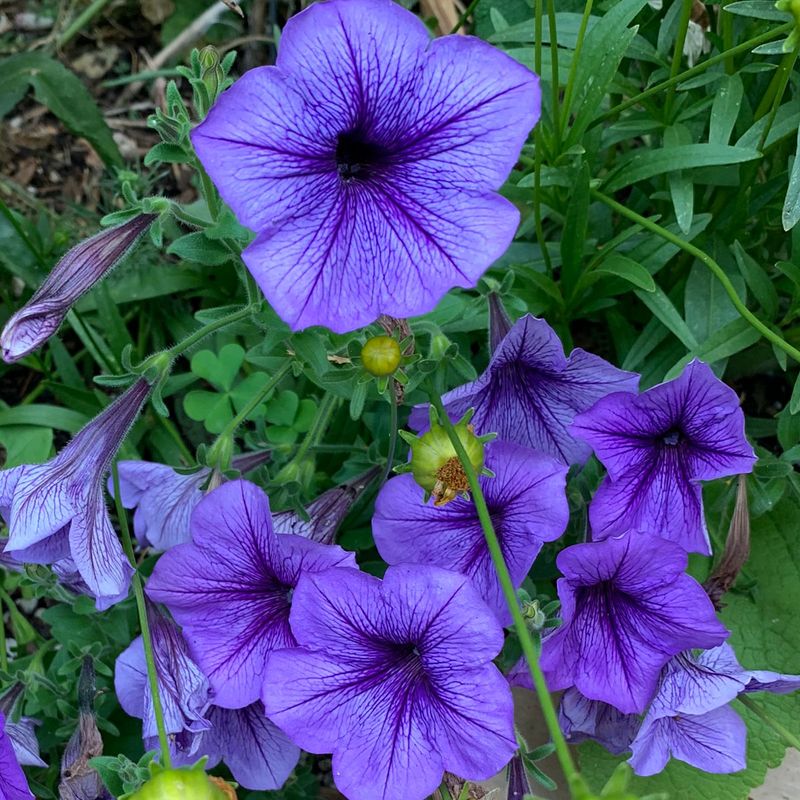
Petunias may look delicate, but they can be surprisingly useful in North Carolina gardens when tucked into mixed plantings. Gardeners often use them near beans, peppers, basil, and tomatoes because they may help deter pests like aphids and leafhoppers.
They also bloom for a long stretch, so you get practical value and nonstop color from spring into warm fall weather.
One thing that makes petunias so easy to use is their flexibility. They fit into containers, hanging baskets, raised beds, and border edges without asking for a major redesign.
In a North Carolina vegetable garden, a few petunias near the corners or along sunny paths can soften the space and make companion planting feel simple.
Choose a sunny location and water regularly, especially during hot spells when containers dry out fast. Modern varieties often bloom heavily without much trimming, but pinching leggy stems can keep plants fuller.
If summer rain gets frequent, good spacing helps air move through the foliage and keeps the planting looking fresh.
Petunias are also easy to match with the rest of your garden style. You can go bright and playful or soft and classic depending on your color choice.
For gardeners who want reliable flowers that quietly support pest management in North Carolina, petunias make a very approachable starting point.
8. Allium Flowers
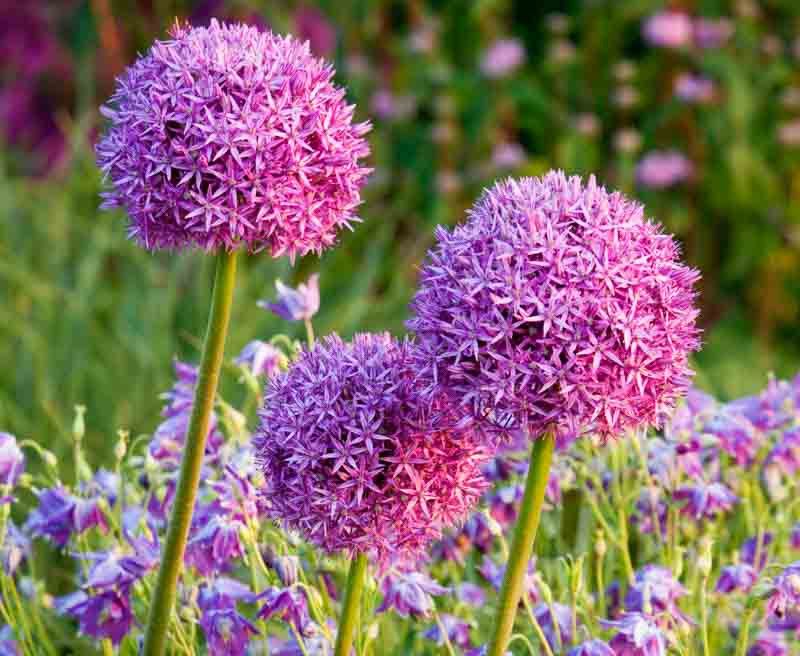
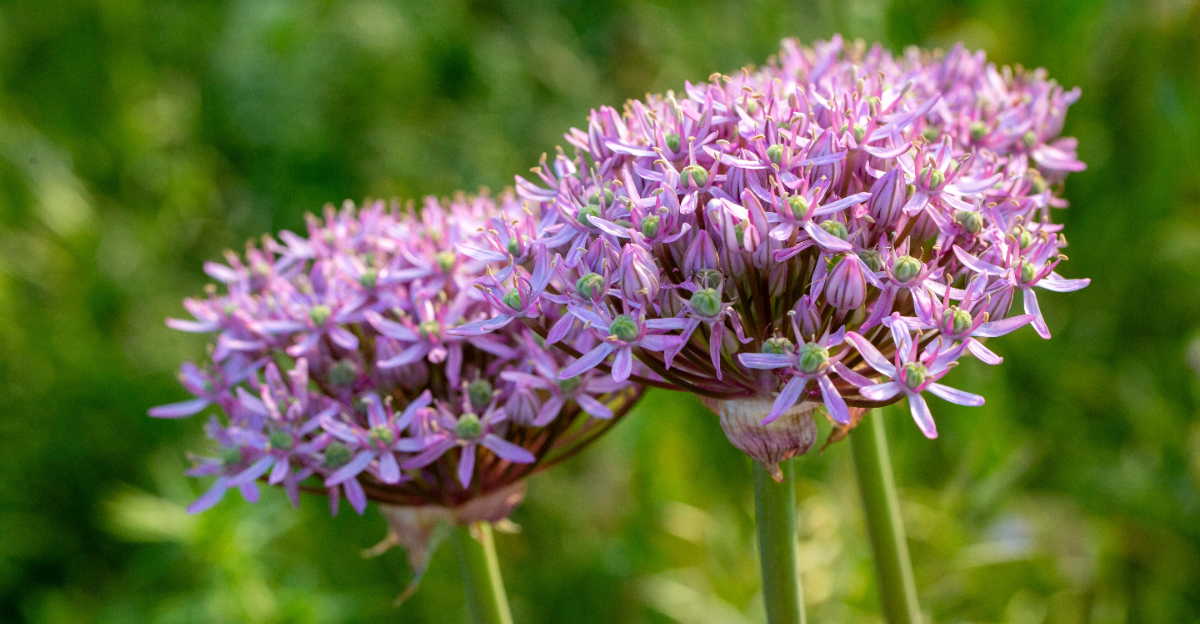
Allium flowers bring structure, bold shape, and a useful scent to North Carolina gardens, which makes them easy to appreciate. Flowering onions, ornamental alliums, and even blooming chives release that familiar onion-like aroma many pests dislike.
When planted near vegetables, they can help make the bed less inviting to certain unwanted visitors while adding strong visual interest.
These flowers work especially well around carrots, lettuce, brassicas, tomatoes, and roses. Because the foliage and blooms rise upright, they slip into tight spaces without shading nearby crops too heavily.
In a North Carolina garden where every square foot matters, that tidy habit is a real advantage.
Most alliums prefer full sun and well-drained soil, and many are quite low maintenance once established. Fall is often the right time to plant ornamental allium bulbs, while chives can go in during cooler parts of the growing season.
If you leave some blooms standing, they also attract pollinators and give the garden a crisp, architectural look.
I especially like using allium flowers to connect vegetable beds with ornamental borders. They make companion planting feel intentional instead of messy or crowded.
For North Carolina gardeners who want a flower that offers scent-based pest support, easy care, and standout style, alliums are a clever choice that earns repeat use.