Pennsylvania Plants Rabbits Usually Avoid Because Of Their Scent
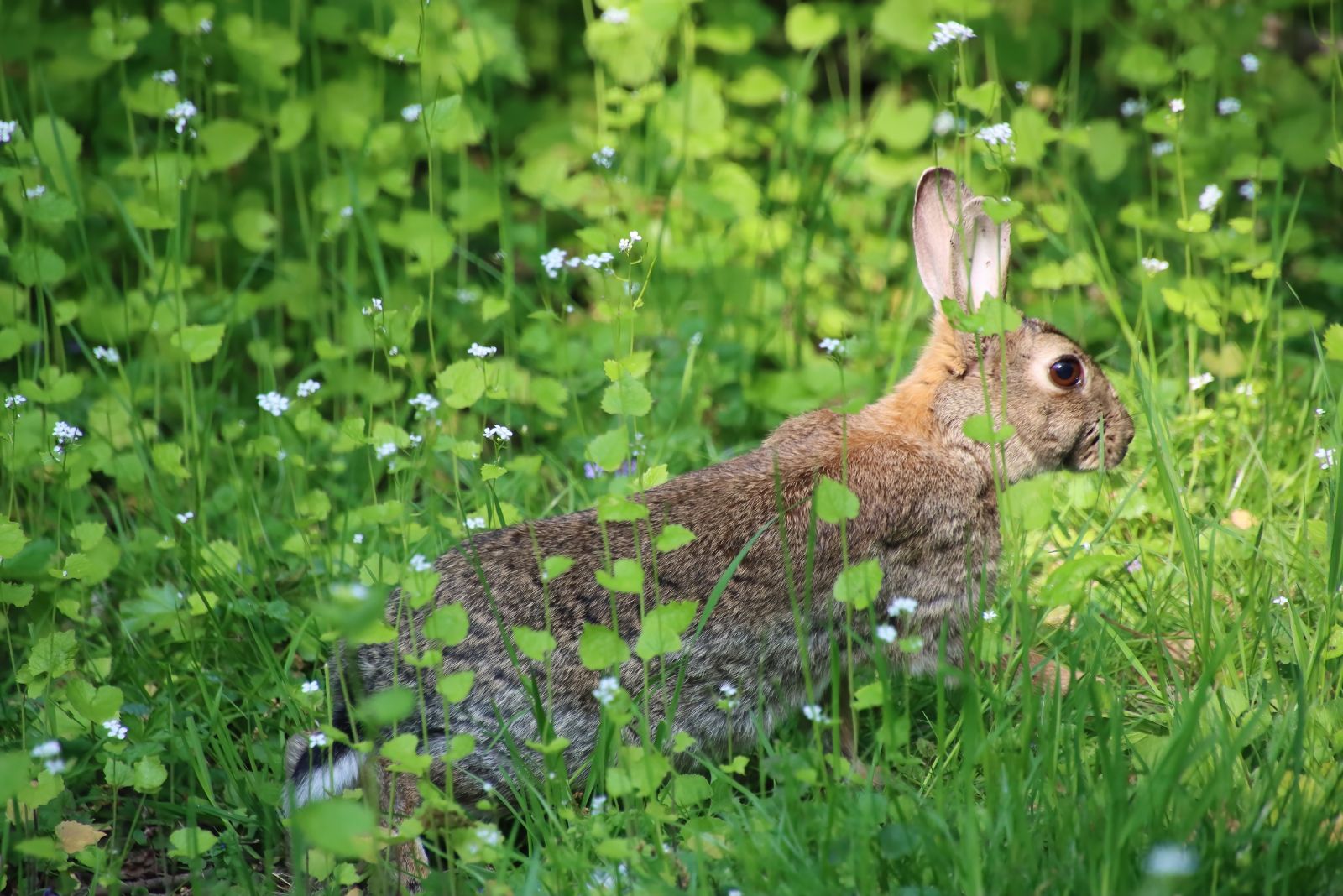
Rabbits may look adorable until they treat your garden like an all-night salad bar. One morning your plants are full and healthy, and the next you are staring at chewed stems, missing leaves, and the kind of damage that feels personal.
In Pennsylvania gardens, this can be especially frustrating because rabbits seem to show up right when everything starts looking good.
The good news is that some plants naturally make them think twice. Strong scents can confuse or annoy rabbits, especially when the fragrance comes from leaves, flowers, or herbs they do not enjoy nibbling.
These plants are not magic shields, but they can make your garden less tempting. For Pennsylvania gardeners, scent-based planting is a smart way to add beauty while cutting down on buffet-style damage.
With the right fragrant picks, your beds can look fuller, smell better, and keep those fluffy little troublemakers moving along.
1. Lavender (Lavandula)
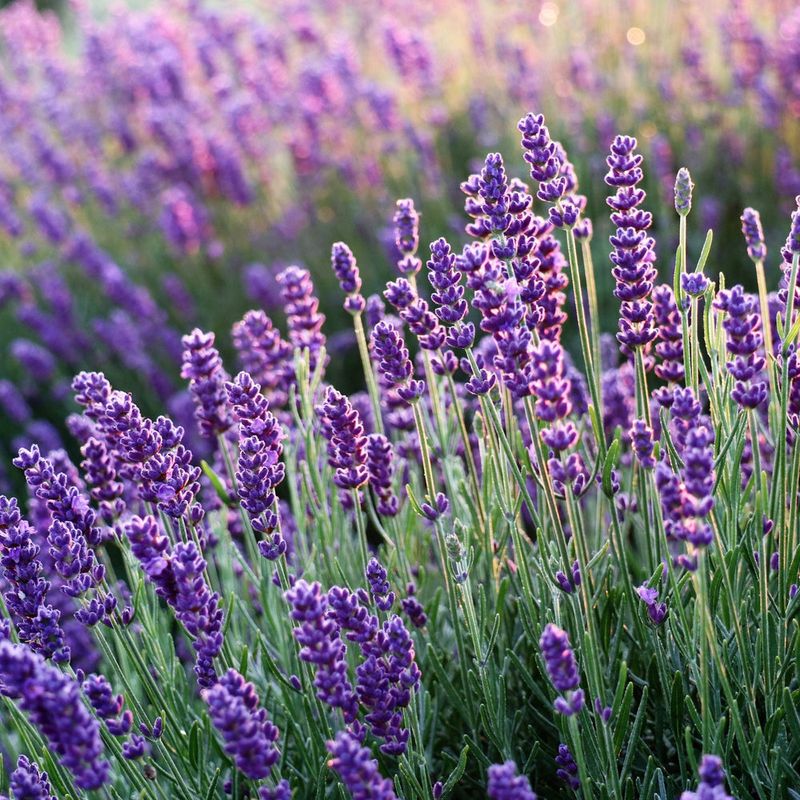
Walk past a lavender plant and you will immediately understand why rabbits want nothing to do with it. The strong, sweet, and slightly medicinal scent that humans find so relaxing is actually overwhelming to a rabbit’s sensitive nose.
Lavender is one of the most popular rabbit-repelling plants that Pennsylvania gardeners reach for, and it is easy to see why.
Lavender grows beautifully in Pennsylvania’s climate, especially in spots that get plenty of sunshine and have well-drained soil. It is a hardy perennial, which means once you plant it, it comes back year after year without much fuss.
The purple flower spikes are stunning in summer and attract pollinators like bees and butterflies, making your garden even more lively.
Beyond keeping rabbits away, lavender has a long history of use in cooking, aromatherapy, and natural medicine. The ancient Romans used lavender in their baths and cooking, and its popularity has never faded.
Planting lavender along the borders of your garden creates a fragrant barrier that rabbits prefer to walk around rather than through.
For Pennsylvania gardeners, placing lavender near vegetable beds or flower borders is a practical and beautiful strategy. Water it sparingly once established, as lavender actually prefers slightly dry conditions.
With very little maintenance needed, this plant earns its place in any rabbit-prone yard. The strong oils in its leaves and flowers are what give lavender its powerful scent, and those same oils are what send rabbits looking elsewhere for a snack.
2. Bee Balm (Monarda)
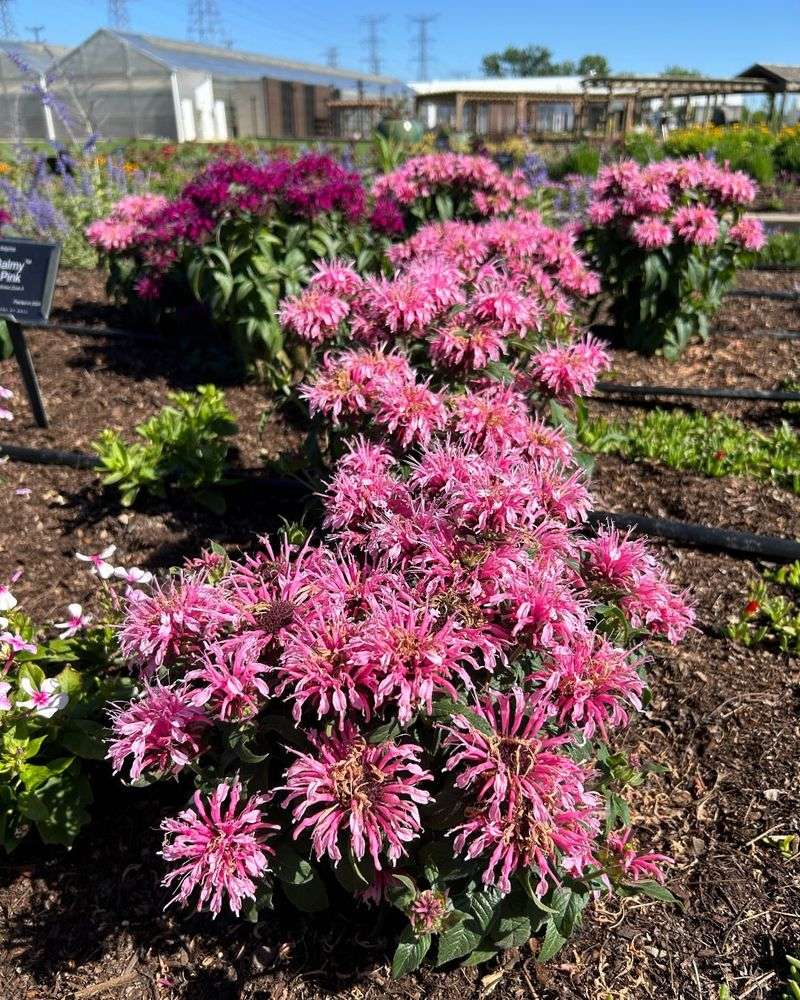
Bee balm is one of those plants that looks almost too beautiful to be practical, but it pulls double duty in a Pennsylvania garden.
Its bright red, pink, or purple blooms light up the landscape from mid to late summer, and the strong minty, oregano-like scent that comes from its leaves is something rabbits strongly dislike.
Gardeners across Pennsylvania have used bee balm as a natural rabbit deterrent for generations.
Native to North America, bee balm has deep roots in American history. Indigenous peoples used it for medicinal purposes, and early colonists brewed it as a tea substitute after the Boston Tea Party.
Your Pennsylvania Garden Changes Every Week. Your Plan Should Too.
Gardening in Pennsylvania changes quickly throughout the season. Every Friday you’ll receive a simple weekly plan showing exactly what to plant, prune, fertilize, harvest, and protect so you never miss the right timing.
Today, Pennsylvania gardeners love it for its bold color and wildlife-friendly qualities. Hummingbirds and butterflies flock to its blooms, but rabbits tend to stay far away.
Bee balm thrives in Pennsylvania’s moist, partly shaded areas, making it a great choice for spots where other plants struggle.
It spreads over time, filling in gaps in your garden and creating a thick, aromatic barrier that rabbits find uninviting. Planting it around the edges of a garden bed helps protect more vulnerable plants nearby.
One thing to keep in mind is that bee balm can be prone to powdery mildew in humid summers. Planting it where air circulates well and choosing mildew-resistant varieties can help prevent this issue.
Overall, bee balm is a rewarding plant that adds color, wildlife activity, and a natural rabbit-repelling quality to any Pennsylvania yard.
3. Catmint (Nepeta)
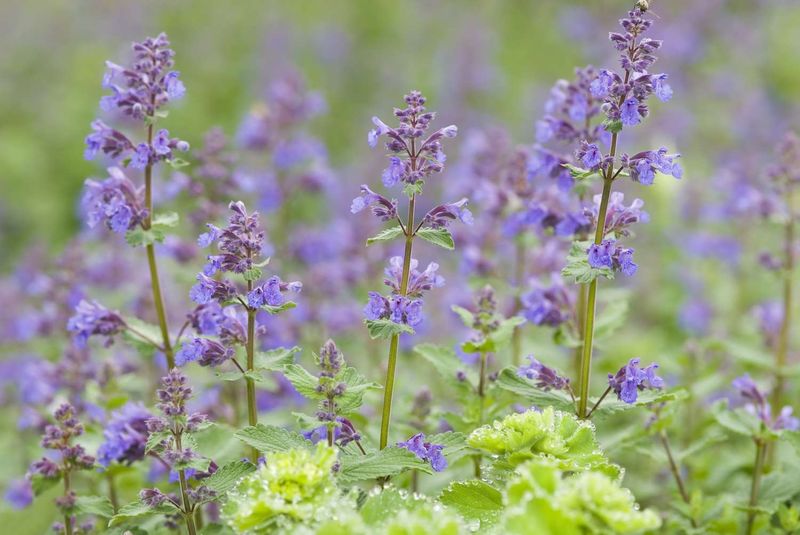
You might think that a plant famous for attracting cats would be pretty useless as a rabbit deterrent, but catmint is actually one of the best rabbit-repelling plants you can grow in Pennsylvania.
While cats go absolutely wild for it, rabbits cannot stand the sharp, minty, slightly spicy smell that catmint releases, especially when its leaves are brushed or crushed.
Catmint is a low-growing, spreading plant that works wonderfully as a ground cover or border plant. Its soft lavender-blue flower spikes bloom in late spring and again in late summer if you cut it back after the first flush.
The silvery-green foliage stays attractive even when it is not in bloom, giving your Pennsylvania garden a tidy, cottage-garden look throughout the growing season.
One of the best things about catmint is how easy it is to care for. It tolerates drought well once established, handles Pennsylvania’s hot summers with ease, and asks for very little fertilizer.
Plant it along walkways, at the front of borders, or around raised vegetable beds to create a fragrant, rabbit-discouraging edge.
Did you know that catmint and catnip are close relatives but are not the same plant? Catmint tends to be less potent and much more ornamental, making it a better garden choice for most people.
Pennsylvania gardeners who want a plant that looks lovely, requires minimal care, and naturally keeps rabbits at bay will find catmint to be a reliable and charming addition to their outdoor space.
4. Yarrow (Achillea)
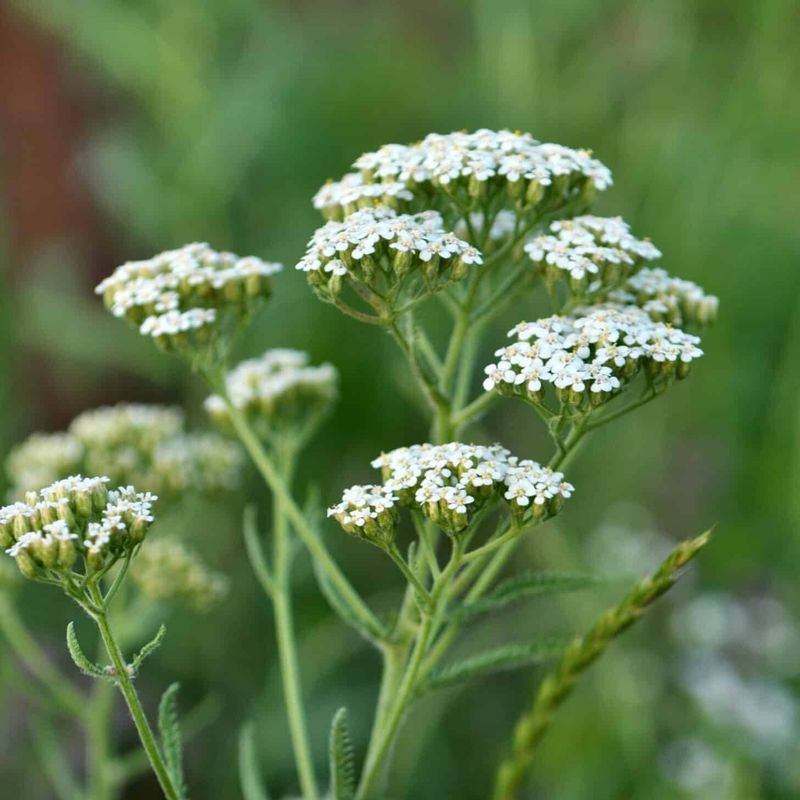
Yarrow has a reputation as a tough, no-nonsense plant, and that reputation is completely deserved. Its flat-topped clusters of tiny flowers come in shades of yellow, white, red, and pink, making it one of the most colorful additions to a Pennsylvania garden.
But beyond its good looks, yarrow produces a strong, slightly bitter, herbal scent that rabbits find very off-putting.
The smell comes from the plant’s natural oils, which are present in both the leaves and the flowers. When rabbits get close enough to sniff yarrow, they tend to turn around and find something more appealing to nibble on.
Pennsylvania gardeners often plant yarrow near more vulnerable flowers and herbs to act as a protective neighbor without needing any sprays or fences.
Yarrow is also one of the easiest plants to grow in Pennsylvania. It loves full sun, handles poor soil well, and is extremely drought-tolerant once established.
It spreads naturally over time, which means you get more coverage in your garden without spending more money. Cutting it back after blooming encourages a second flush of flowers later in the season.
Historically, yarrow was used by soldiers to help treat wounds on the battlefield, and it is even named after the Greek hero Achilles in legend. That kind of tough history fits perfectly with a plant that stands up to rabbit pressure without complaint.
If you want reliable color, easy care, and natural rabbit resistance all in one plant, yarrow is hard to beat in any Pennsylvania garden.
5. Russian Sage (Perovskia Atriplicifolia)
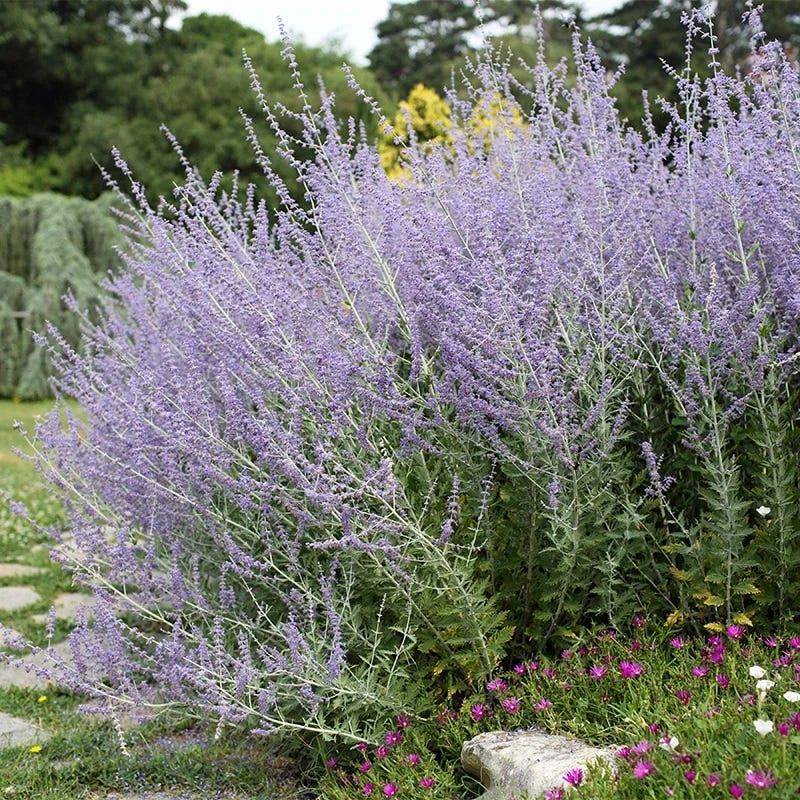
Russian sage is the kind of plant that stops people in their tracks. Its tall, airy stems covered in tiny violet-blue flowers create a misty, almost dreamy effect in the garden from midsummer through fall.
But while it looks delicate, Russian sage is actually an incredibly tough plant, and its strong, sage-like aroma makes it one of the most effective rabbit deterrents you can grow in Pennsylvania.
The scent of Russian sage is hard to ignore. It has a sharp, pungent quality similar to culinary sage but even more intense.
Rabbits rely heavily on their sense of smell to evaluate food, and when they catch a whiff of Russian sage, they quickly decide to move on. Pennsylvania gardeners who have struggled with rabbit damage often report that planting Russian sage nearby makes a noticeable difference.
Russian sage thrives in full sun and well-drained soil, both of which are easy to provide in many Pennsylvania yards. It is drought-tolerant and heat-resistant, making it a solid performer through the hottest summer months.
It also attracts bees and butterflies, adding lively wildlife activity to your garden while quietly discouraging unwanted rabbit visitors.
Cutting Russian sage back hard in early spring encourages fresh, bushy growth and keeps the plant looking its best. It pairs beautifully with yellow or orange flowers like yarrow and black-eyed Susans, creating stunning color combinations.
For Pennsylvania gardeners who want big visual impact alongside real rabbit-repelling power, Russian sage is one of the top choices available.
6. Mountain Mint (Pycnanthemum)
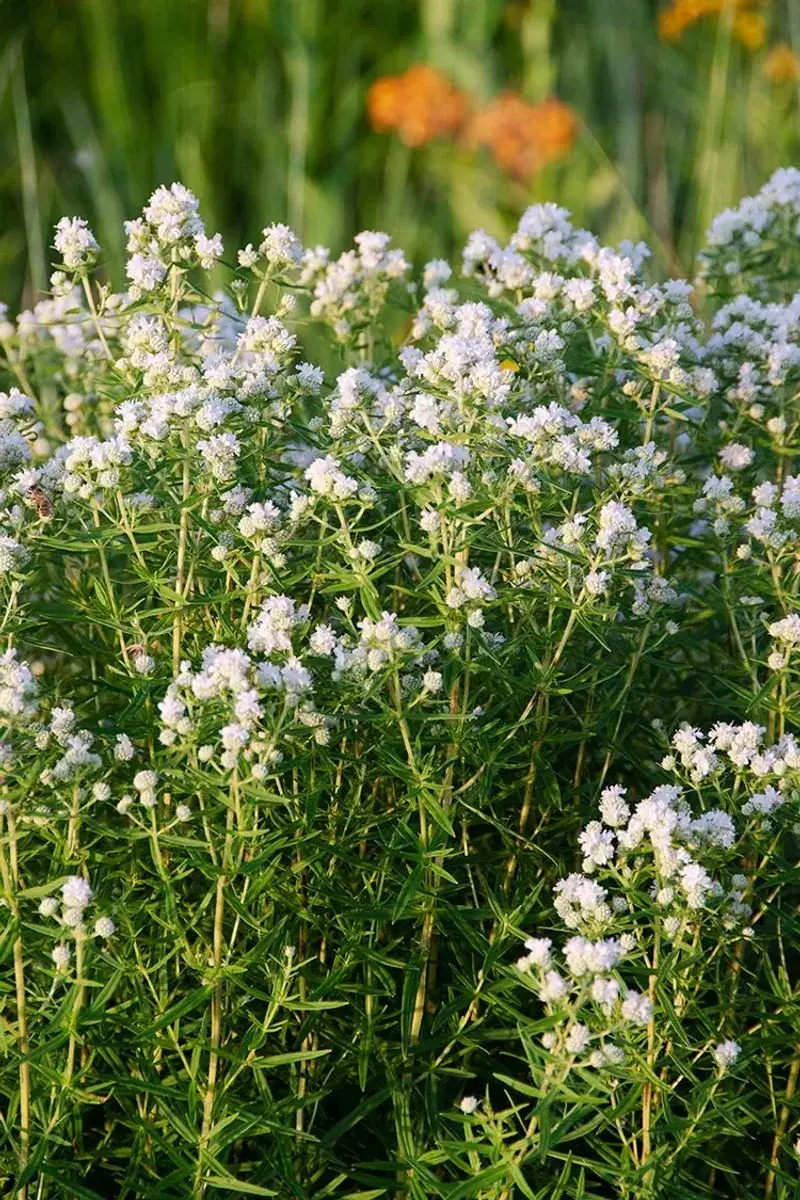
Pennsylvania is actually home to several native species of mountain mint, which makes this plant feel right at home in local gardens. Mountain mint is a powerhouse of fragrance.
Brush against its leaves and a sharp, clean, intensely minty smell fills the air instantly. That smell is exactly what sends rabbits in the opposite direction, making mountain mint one of the most practical plants for Pennsylvania gardeners dealing with frequent rabbit visits.
Beyond its rabbit-repelling abilities, mountain mint is a favorite among pollinators. Its small white or pale lavender flowers are absolutely covered in bees, butterflies, and beneficial wasps during the summer months.
Planting mountain mint is like setting up a welcome sign for pollinators and a no-entry sign for rabbits at the same time. Few plants offer that kind of combination.
Mountain mint is also extremely low-maintenance. It grows well in a range of soil types, tolerates both sun and partial shade, and spreads steadily to fill in bare spots.
In Pennsylvania’s varied landscape, from suburban backyards to rural properties, mountain mint adapts easily. Just be aware that it can spread aggressively, so planting it in a contained area or dividing it regularly keeps it from taking over.
For gardeners who want to support native Pennsylvania plants while also solving a rabbit problem, mountain mint is a genuinely exciting choice. It is both ecologically valuable and practically effective.
The intense minty oils in its leaves are so strong that even dried mountain mint retains its scent for a long time, which speaks volumes about why rabbits prefer to avoid it entirely.
7. Wormwood (Artemisia)
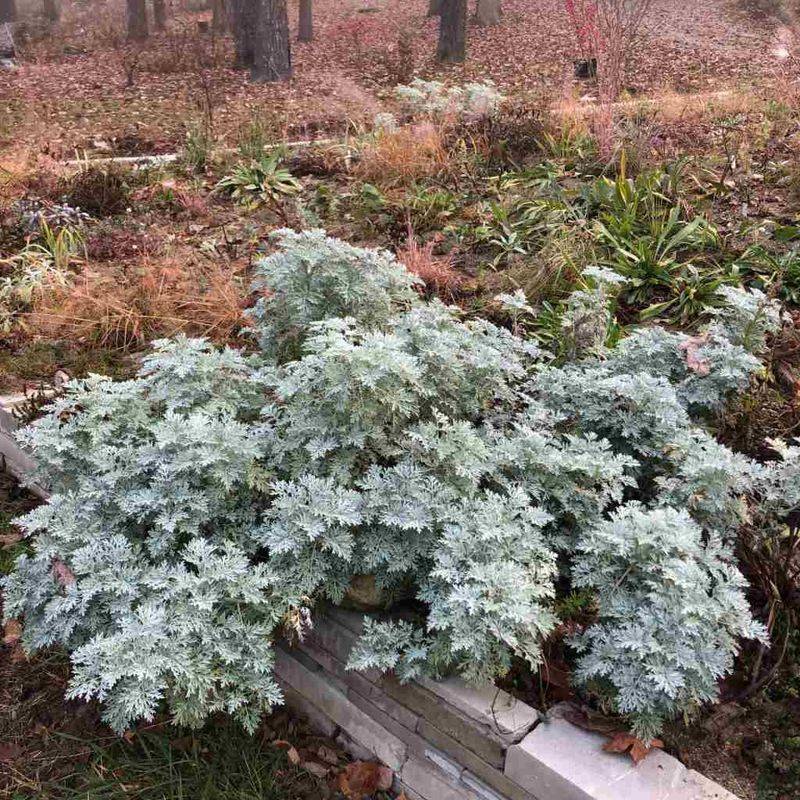
If there is one plant on this list that rabbits avoid most consistently, wormwood might just be it. The silvery, feathery foliage of wormwood is beautiful in the garden, but the scent it releases is intensely bitter and sharp.
Rabbits have highly sensitive noses, and wormwood’s powerful aroma signals to them that this is not a plant worth investigating. Pennsylvania gardeners dealing with persistent rabbit problems often turn to wormwood as a last line of defense.
Wormwood belongs to the Artemisia family, which includes many aromatic plants used throughout history for medicinal and culinary purposes. The plant contains natural compounds called absinthins, which give it that famously bitter smell and taste.
Even nibbling a small amount would be deeply unpleasant for a rabbit, so most of them learn quickly to stay away from areas where wormwood is growing.
In Pennsylvania gardens, wormwood works best in full sun with well-drained soil. It is drought-tolerant and handles poor soil conditions better than many other plants.
The silver foliage adds a striking contrast to green or colorful plants nearby, making it both decorative and functional. Planting wormwood as a border around a vegetable garden or flower bed creates a scent barrier that rabbits are reluctant to cross.
A fun historical note: wormwood was a key ingredient in absinthe, the famous green spirit popular in 19th-century Europe. Artists and writers loved it, though its reputation was quite controversial.
Today, Pennsylvania gardeners have found a much more practical use for this ancient plant, keeping their gardens looking great without battling constant rabbit damage.