8 Georgia Shrubs That Bloom Every Spring And Handle Neglect Easily
Spring settles into a Georgia yard and everything starts to look promising, with fresh growth filling in and early blooms hinting at a colorful season ahead. For a moment, it feels like everything is finally working the way it should.
Then a small shift shows up, and a few shrubs begin to lose that full look while others fade sooner than expected, leaving parts of the yard uneven.
Most gardeners recognize that moment because the care has not changed, yet the results do not hold up. Weather plays a role, but some plants simply need more attention than they give back.
There is a better way to approach it, and it starts with choosing shrubs that stay consistent, keep their shape, and return with reliable blooms each spring without demanding constant care.
1. Azalea Blooms Reliably Each Spring
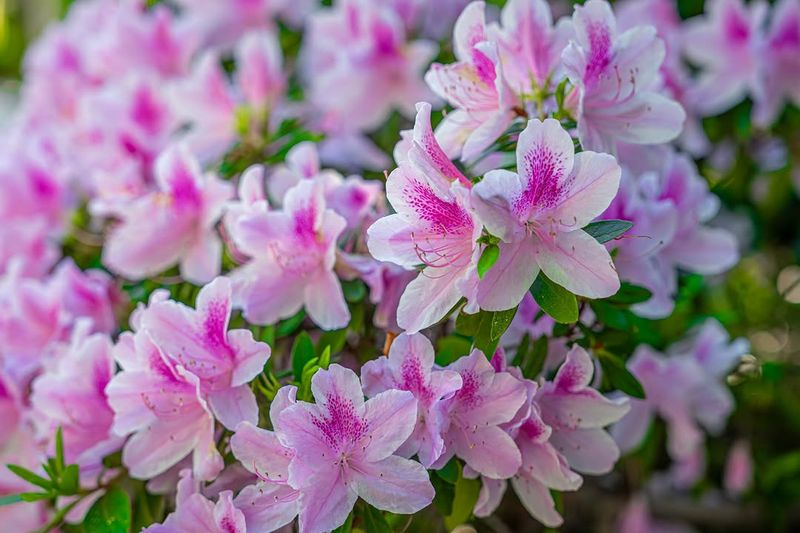
Few plants put on a show quite like the azalea, and Georgia gardeners have loved this shrub for generations. Azaleas burst into clouds of color every spring, covering themselves in blooms that range from soft pink to deep red, bright white, and vivid purple.
Walking through a Georgia neighborhood in April often means passing yard after yard filled with these flowering shrubs.
What makes azaleas such a popular choice is how little they ask in return. Once established in well-drained, slightly acidic soil, they require minimal extra watering or fertilizing.
They grow best in partial shade, which is commonly found under Georgia’s tall pines and hardwoods. Pruning is simple, with trimming done right after blooming so next year’s buds are not removed.
Azaleas include both evergreen and deciduous varieties, allowing different landscape styles throughout the year. Native species, such as the Florida Flame Azalea, also grow well across Georgia and add a more natural woodland feel to gardens.
Pests are rarely a major issue, and established plants usually recover quickly from short dry periods.
For new gardeners or anyone wanting reliable spring color without heavy maintenance, azaleas remain a dependable choice.
Their seasonal display, adaptability to Georgia conditions, and long-standing presence in Southern landscapes make them one of the most recognizable and widely planted flowering shrubs in the region.
A light layer of pine straw mulch helps maintain the soil acidity azaleas prefer while keeping roots cool through Georgia’s warmer months.
2. Spirea Produces Consistent Spring Flowers
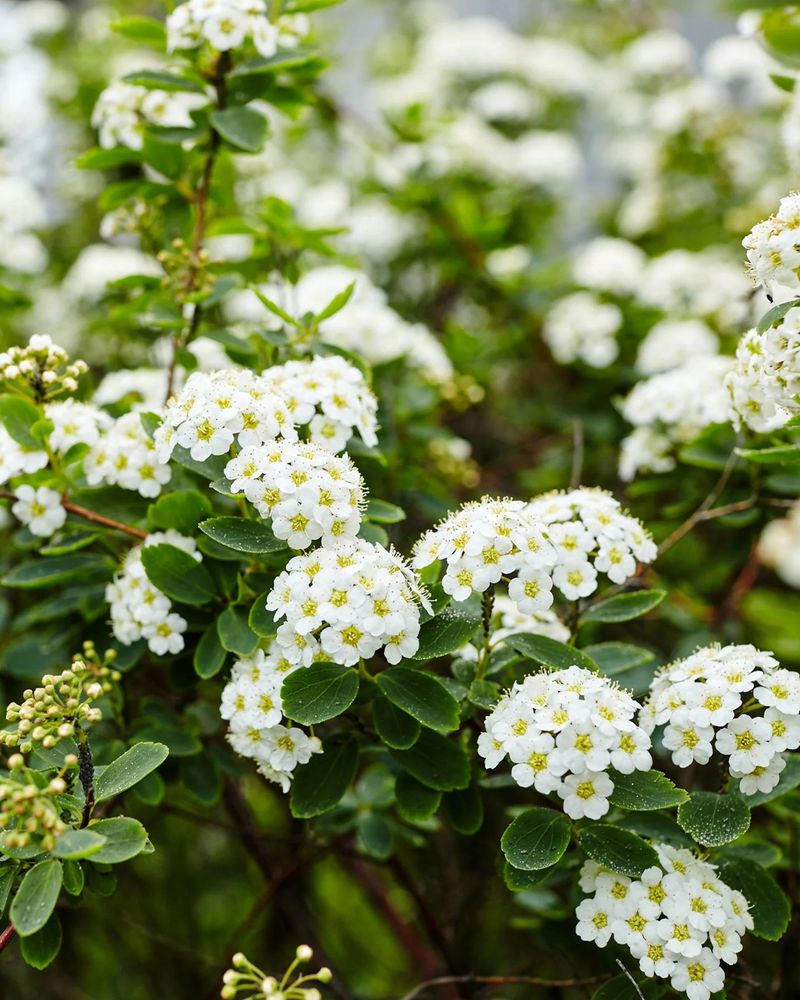
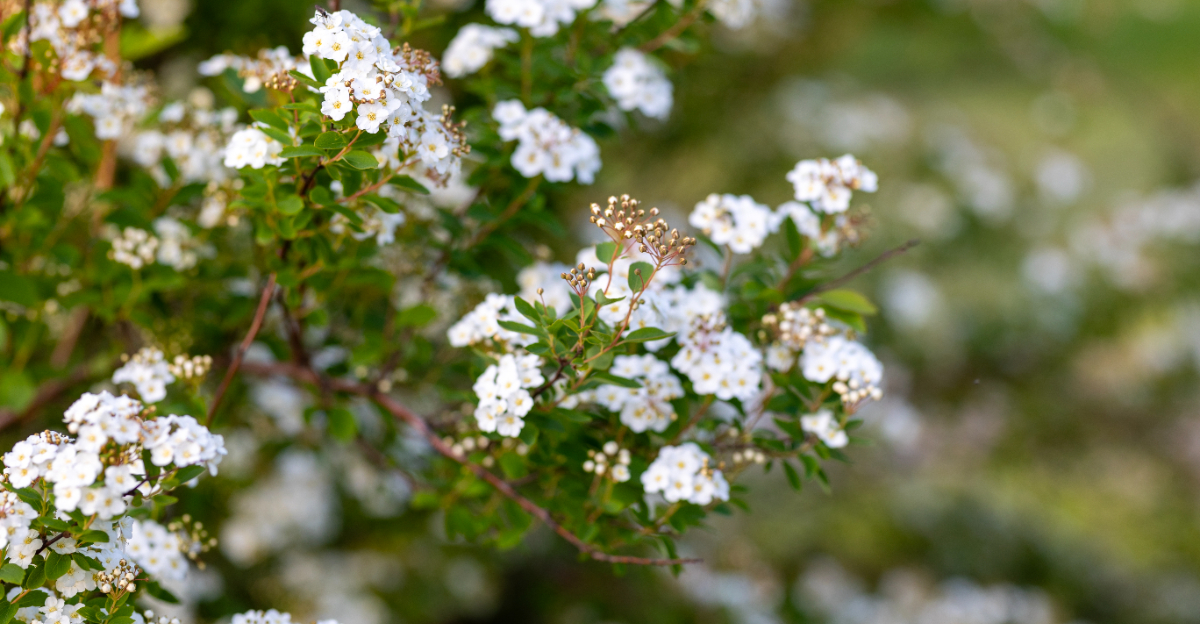
Spirea might be one of the most underrated shrubs in the Georgia landscape, quietly putting on a beautiful show every spring without demanding much attention. Bridal Wreath Spirea is a classic favorite, with long arching branches covered in clusters of tiny white flowers that appear like cascading snow in early spring.
It is the kind of shrub that often makes neighbors stop and ask what it is.
Beyond its appearance, spirea is a very tough plant. It adapts to a wide range of soil types found across Georgia, from sandy coastal areas to heavier clay soils in the Piedmont region.
Once established, it can handle dry periods and still return with reliable blooms the following spring.
Your Georgia Garden Changes Every Week. Your Plan Should Too.
Gardening in Georgia changes quickly throughout the season. Every Friday you’ll receive a simple weekly plan showing exactly what to plant, prune, fertilize, harvest, and protect so you never miss the right timing.
Pruning is simple and timing is important. Cutting it back right after spring flowering encourages healthy growth through summer.
Some varieties, such as Anthony Waterer, can even produce a second, lighter bloom later in the season if lightly trimmed after the first flush.
Spirea also grows fairly quickly, making it useful for filling empty areas in a Georgia yard within a season or two. Deer resistance is another advantage, especially in rural or wooded locations where browsing pressure is common.
With a wide range of forms available, from compact mounding types to taller arching varieties, spirea fits easily into many Georgia garden styles while offering dependable spring color and low-maintenance performance.
It also handles full sun well, which helps it bloom more heavily and maintain a fuller shape in most Georgia landscapes.
3. Forsythia Blooms Early Every Spring
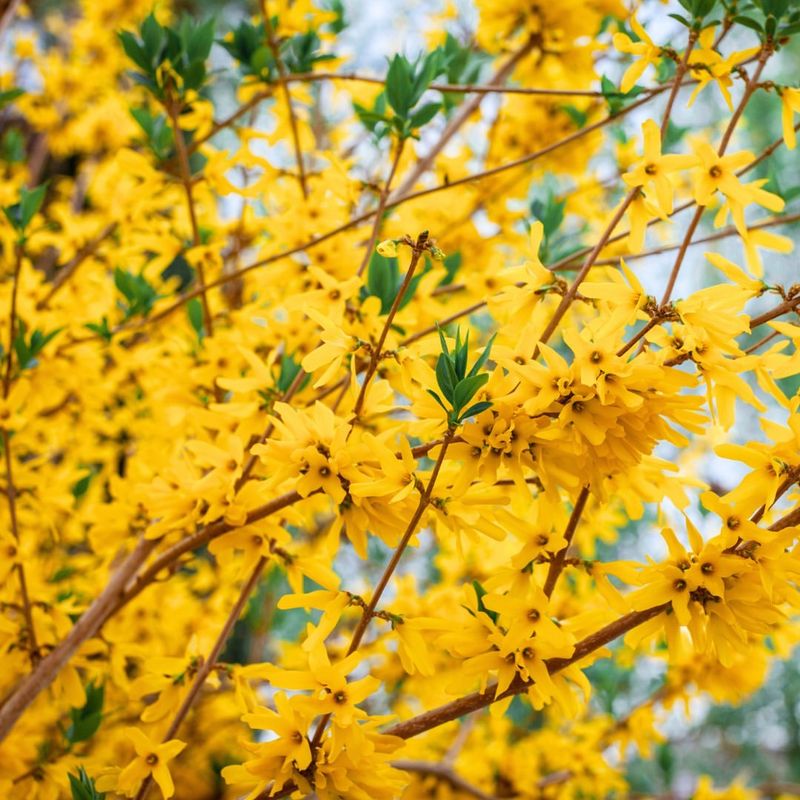
Before almost anything else wakes up in the garden, forsythia is already putting on a golden show. This shrub is known for its bright yellow flowers that cover every branch in late winter to early spring, often before a single leaf appears.
In Georgia, blooms can begin as early as February, signaling that warmer weather is on the way.
Forsythia is one of the most low-maintenance shrubs available. It grows quickly, adapts to a variety of soil types, and recovers well after heavy pruning.
Across Georgia, it is commonly used as a hedge, privacy screen, or standalone feature in larger landscapes.
One important detail is that forsythia produces its flower buds on old wood from the previous season. Because of that, pruning should be done right after flowering in spring.
Cutting it back later in the year removes next season’s blooms.
This timing makes a big difference in maintaining strong yearly color. Forsythia is also useful on slopes and uneven ground, where its spreading growth can help stabilize soil during Georgia’s heavy spring rains.
It performs best in full sun, where flowering is most abundant, but it can still grow in partial shade with fewer blooms. With its early color and reliable growth, forsythia remains one of the most recognizable and dependable spring shrubs in Georgia landscapes.
It rarely faces serious pest or disease problems, which makes it an easy choice for gardeners who want reliable early color without extra care.
4. Oakleaf Hydrangea Flowers In Late Spring
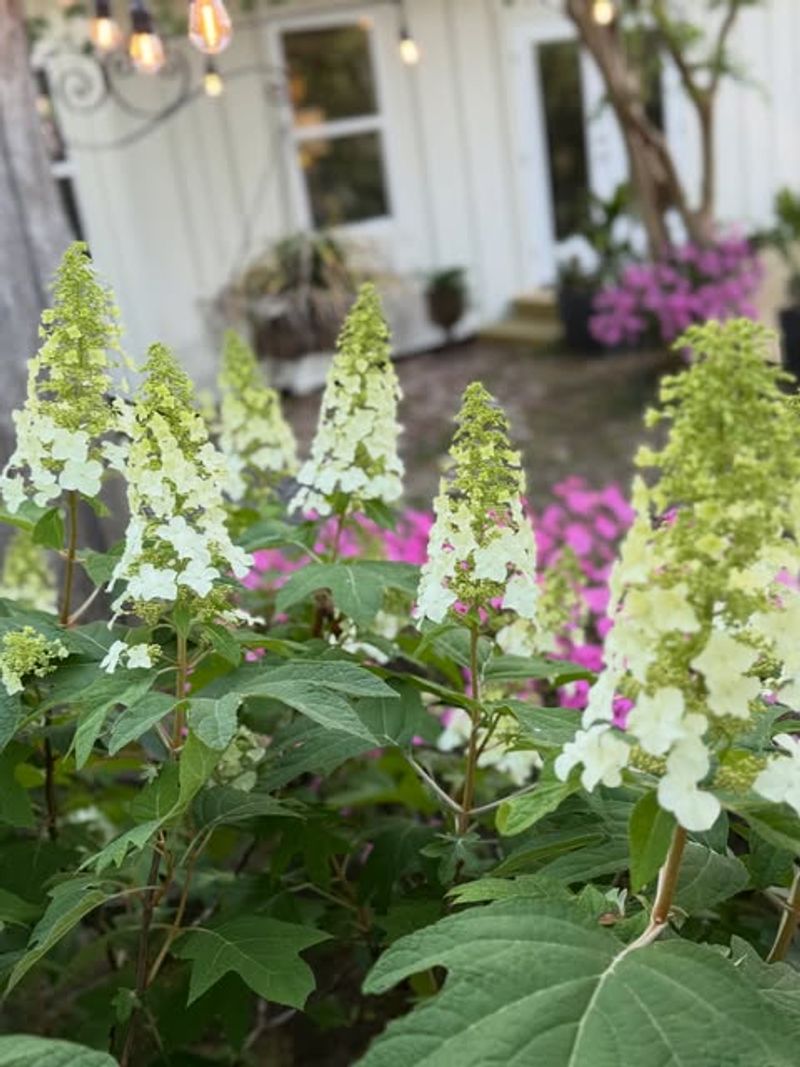
Georgia actually has a native hydrangea worth celebrating, and it is the oakleaf hydrangea. This tough, beautiful shrub produces large, cone-shaped clusters of white flowers in late spring that slowly turn a pinkish-tan as summer arrives.
The blooms are dramatic and long-lasting, making it one of the most rewarding shrubs to grow in the state.
What really sets oakleaf hydrangea apart is its four-season interest. Beyond the spring flowers, it offers rich red and burgundy fall foliage, attractive peeling bark in winter, and bold oak-shaped leaves throughout the growing season.
Few shrubs combine this level of year-round visual appeal in a single plant.
Being a Georgia native, it is well adapted to the state’s heat and humidity. It performs best in partial shade, making it ideal for planting under taller trees or along the north side of fences or buildings.
Once established, it handles dry periods better than many other hydrangeas, though occasional watering during extreme summer heat is still beneficial.
Oakleaf hydrangeas can reach eight to ten feet tall and wide, so adequate space is important when planting. Smaller varieties such as Pee Wee and Sike’s Dwarf work well in more compact gardens.
Pruning is rarely required, and dried flower heads can remain on the plant through winter, adding texture and interest to the landscape.
5. Loropetalum Blooms In Early To Mid Spring
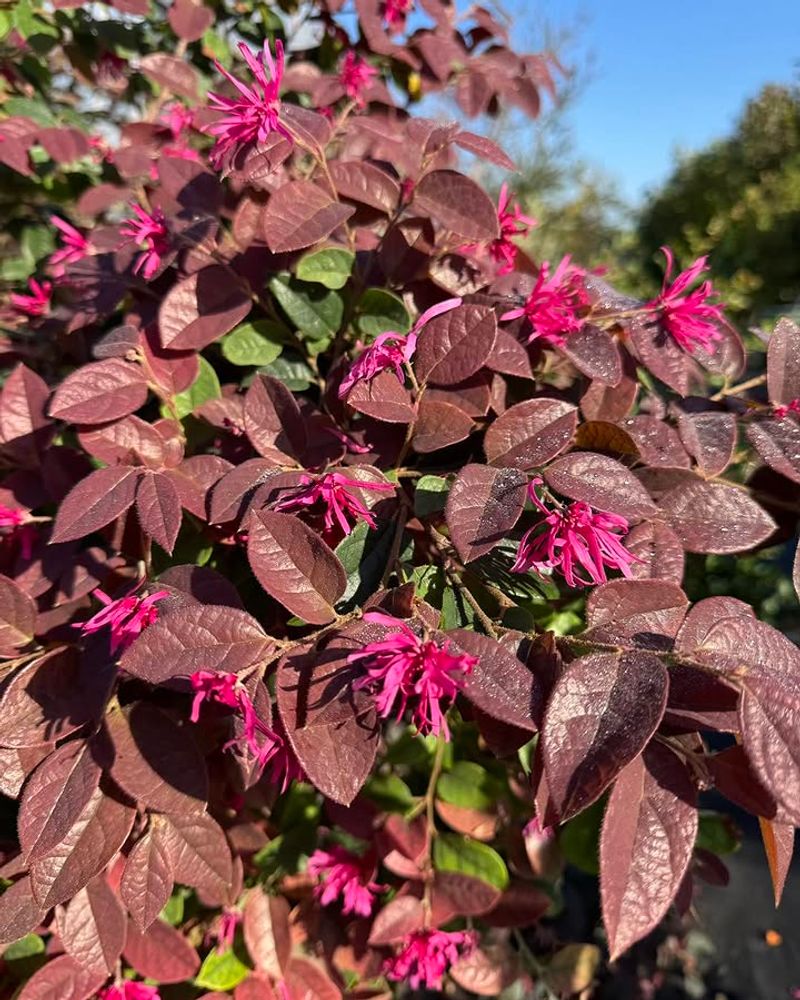
Loropetalum, sometimes called Chinese fringe flower, has become one of the most popular landscape shrubs across Georgia over the past few decades, and for good reason.
Its strap-like, hot pink flowers burst open in early to mid spring against a backdrop of deep burgundy or plum-colored leaves, creating a color combination that is hard to ignore.
It looks like something out of a botanical garden but grows comfortably in an ordinary backyard.
This shrub is highly adaptable to Georgia’s varied soils and climate conditions. It handles the heat of the Piedmont just as well as the milder winters along the coast.
Once established, it is drought-tolerant and typically needs little more than an annual spring application of slow-release fertilizer.
Loropetalum comes in a wide range of sizes, from compact two-foot mounds to large shrubs that reach twelve feet or more. That flexibility makes it useful as a ground cover, hedge, foundation plant, or focal point in mixed borders.
With consistent pruning, it can even be shaped into a small ornamental tree over time.
Light reblooming may occur through the growing season, though the main spring display is the most striking. The foliage remains colorful year-round, so even outside of bloom time, loropetalum continues to provide strong visual interest in Georgia landscapes.
6. Abelia Starts Blooming In Late Spring
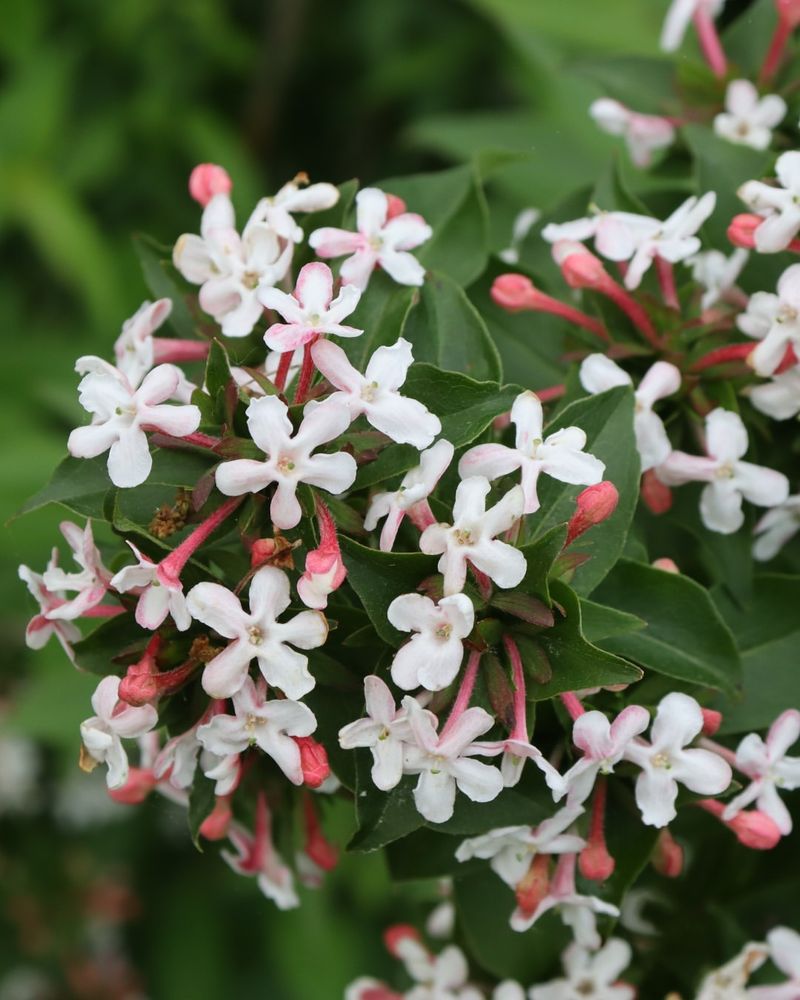
Abelia is the kind of shrub that quietly earns appreciation over time. It begins blooming in late spring and continues steadily through fall, producing small tubular flowers in shades of white and soft pink.
For Georgia gardeners who want long-lasting color without frequent replanting or maintenance, abelia is a dependable choice.
Glossy abelia is the most common variety used across Georgia, known for its shiny, semi-evergreen foliage that reflects light well. In mild winters, the leaves often shift into bronze and reddish tones, keeping the shrub visually interesting even after flowering slows.
It is widely regarded as one of the more reliable multi-season shrubs for Southern landscapes.
Abelia grows well in full sun to partial shade and adapts to a wide range of soil conditions, including the clay soils found in many parts of Georgia. It tolerates summer heat and humidity with little decline, making it a stable option in challenging conditions.
Deer resistance is also a benefit, and serious pest issues are uncommon.
Light pruning in late winter helps maintain shape and encourages fresh growth for the coming season. Abelia works well as a foundation planting, low hedge, or pollinator-friendly shrub, attracting butterflies and hummingbirds throughout summer.
When placed in a sunny Georgia border, it provides steady performance and consistent seasonal interest with minimal effort.
7. Mock Orange Produces Fragrant Spring Blooms
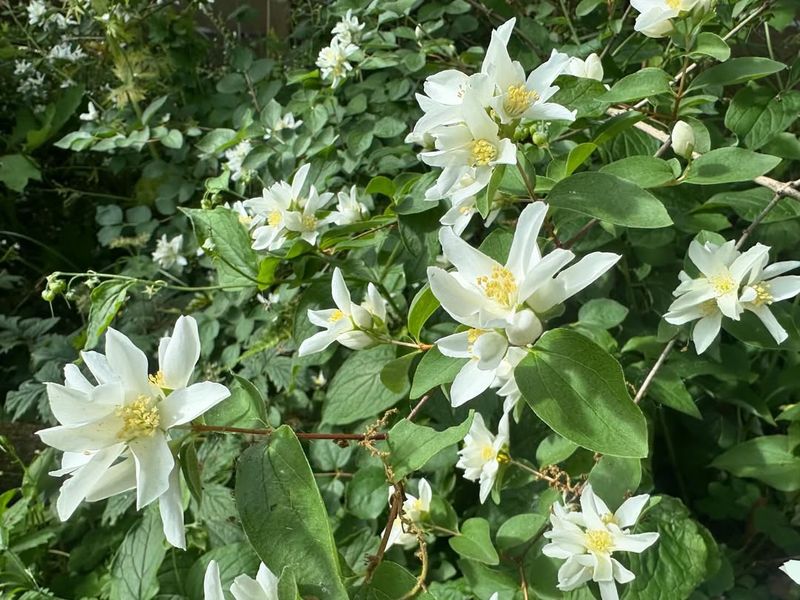
If you have ever walked past a flowering shrub and stopped in your tracks because of an intense citrus-like fragrance, chances are it was a mock orange. This old-fashioned shrub produces clusters of pure white, four-petaled flowers in late spring that smell remarkably like orange blossoms.
In Georgia, where spring evenings are warm and breezy, the scent from a single mock orange can easily drift through an entire yard.
Mock orange has been part of Southern gardens for well over a century, and its lasting popularity is no accident. It is tough, adaptable, and requires very little care once established in Georgia soil.
Full sun to partial shade works well, and it tolerates short dry periods better than many other fragrant shrubs.
The shrub can reach eight to ten feet tall, making it suitable for the back of borders or as an informal privacy screen. Smaller varieties such as Dwarf Snowflake offer a more compact option for limited garden spaces in Georgia yards.
Pruning is best done right after flowering, since blooms form on old wood. This timing helps maintain shape while preserving the following year’s flower display.
Mock orange performs reliably across most of Georgia’s climate zones, from cooler northern areas to the warmer, more humid regions in the south.
It also shows good resistance to common pests and diseases, which makes it a dependable low-maintenance choice for long-term landscape planting.
8. Deutzia Blooms Heavily In Late Spring
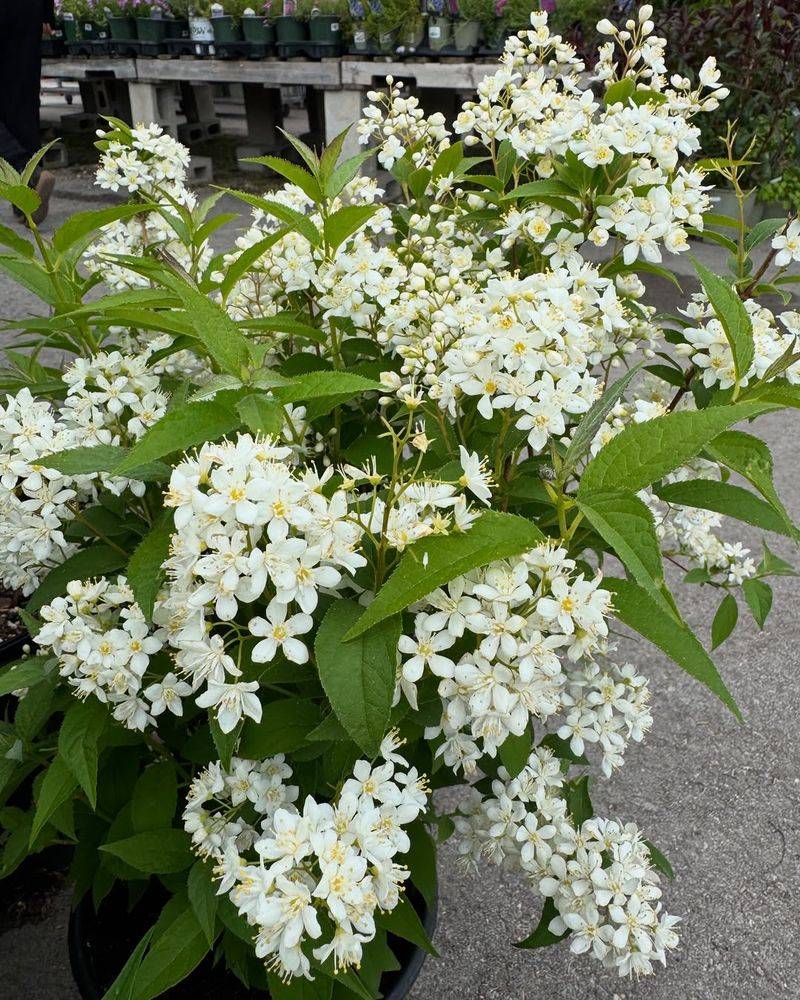
Deutzia might not be as well-known as some of its spring-blooming neighbors, but gardeners who grow it in Georgia often become devoted fans very quickly.
This shrub produces a striking display of small, star-shaped white or pale pink flowers in late spring, often so densely packed that the arching branches bend under their weight.
It is the kind of plant that naturally draws attention from anyone passing by.
One of deutzia’s strongest qualities is its toughness. It grows reliably across Georgia’s varied climate zones, from the cooler mountains in the north to the warmer coastal regions in the south.
Once established, it handles drought, poorer soils, and occasional neglect while still returning with a dependable bloom cycle each year.
Growth is moderate and the overall shape stays relatively tidy, making it easier to manage than many larger flowering shrubs.
Slender deutzia is a popular compact form, typically reaching around four feet, which makes it well suited for smaller Georgia yards or mixed borders.
It performs especially well when planted in groups of three or five, where the flowering effect becomes more fluid and cottage-garden in style. Pruning is typically done right after flowering, although light maintenance can sometimes be skipped without major issues.
During bloom season, deutzia also supports pollinators such as bees and butterflies, adding seasonal activity and movement to Georgia gardens.