How To Help Your Bunny Ear Cactus Bloom In Pennsylvania
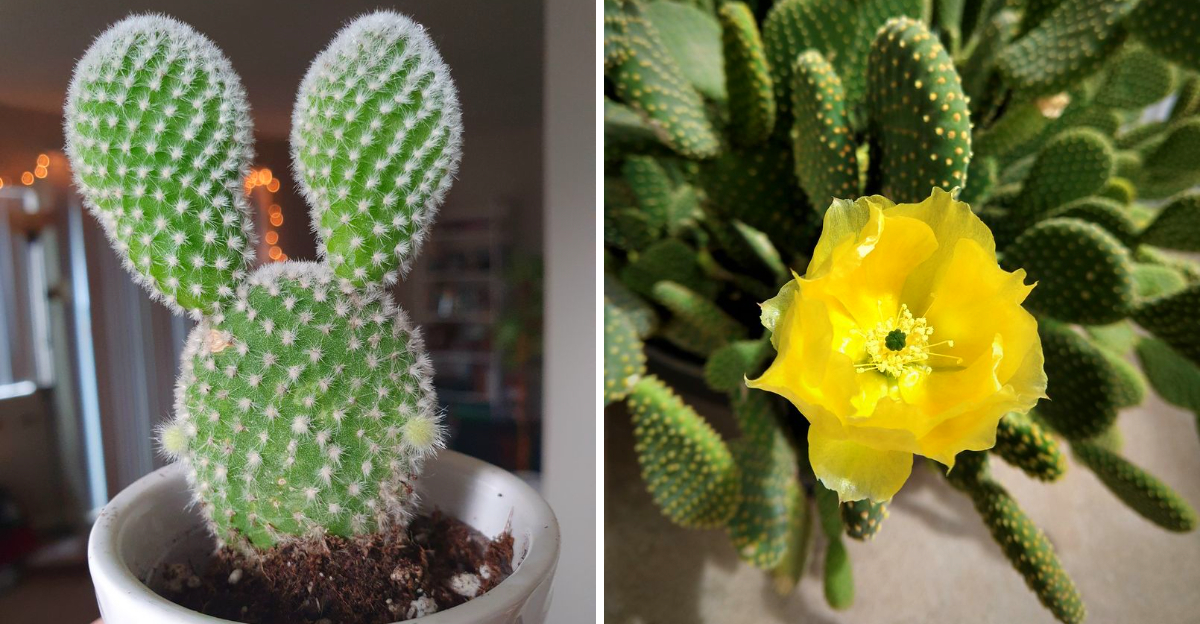
Trying to get a bunny ear cactus to bloom in Pennsylvania is a bit like asking a surfer to find waves in a bathtub.
Our local winters are basically months of gray skies and chilly drafts, which is a far cry from the scorching desert sun these prickly guys crave.
Most people just give your cactus a splash of water and hope for the best, but those cute yellow flowers aren’t going to show up without a real plan.
Getting those elusive blooms requires more than just luck. You have to convince your plant it is actually in Mexico and not stuck in a gloomy living room near Scranton!
Success comes down to a mix of intense lighting, very specific moisture levels, and a chilly nap period during the winter. It takes a good dose of patience, but mimicking that desert magic indoors is totally possible.
1. Bright Light Gives Bunny Ear Cactus A Better Chance To Bloom
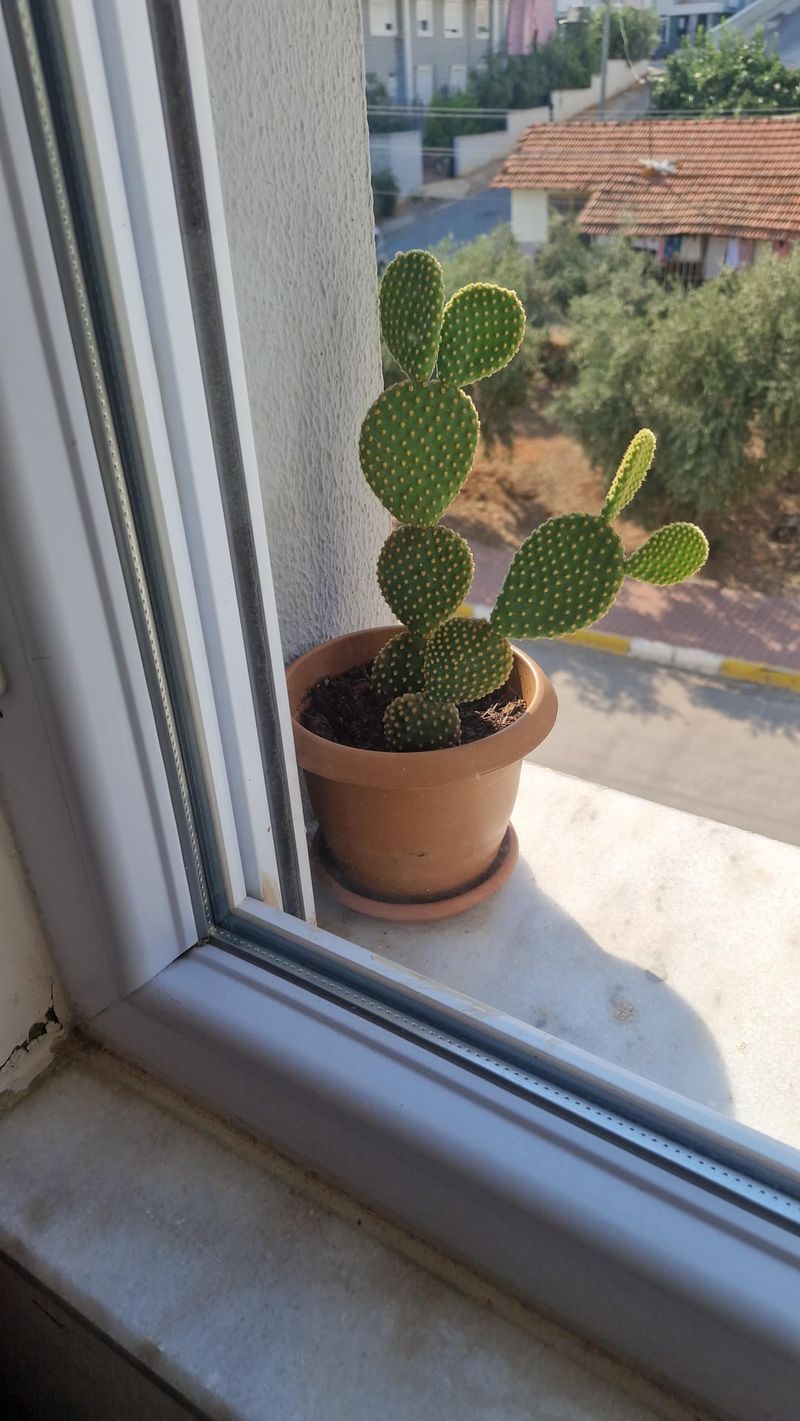
Winter light in Pennsylvania can be surprisingly weak, even on days when the sun does come out. A bunny ear cactus needs at least six to eight hours of direct sunlight each day to stay healthy and develop the energy needed for blooming.
Without enough light, the pads may start to look pale or stretch outward in search of a brighter spot.
South-facing windows tend to offer the strongest light in Pennsylvania homes throughout the year. West-facing windows can work during the warmer months, but they may not provide enough intensity during the shorter days of fall and winter.
Moving the plant closer to the glass can help, since light intensity drops quickly even just a foot away from the window.
Many Pennsylvania growers notice their cactus looks fine but simply never flowers. Low light is often the reason.
A cactus that gets strong, consistent light throughout the growing season builds up the energy reserves it needs to support blooming. Without that foundation, even perfect watering and feeding routines are unlikely to push the plant into flower.
Making light the top priority is one of the most practical steps you can take when growing this cactus as a houseplant in Pennsylvania.
2. Grow Lights Can Help During Dark Pennsylvania Months
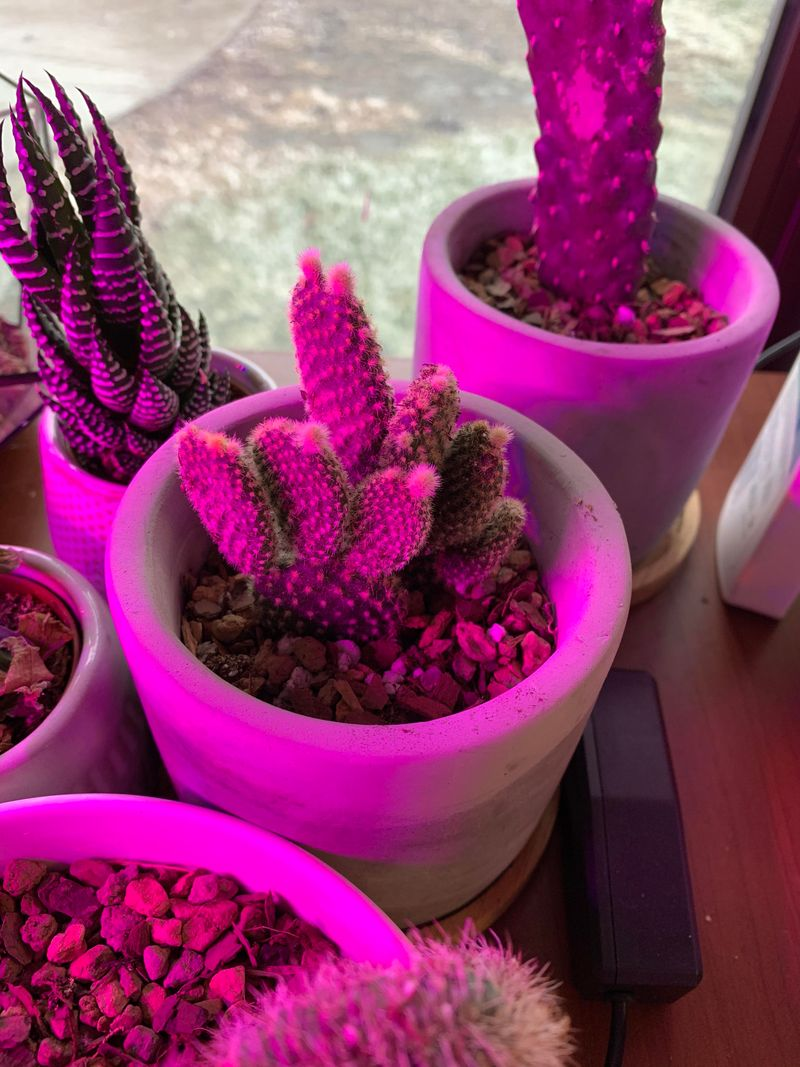
Cloud cover in Pennsylvania can last for days or even weeks at a stretch during late fall and winter. For a cactus that craves full sun, those long gray periods can slow growth and reduce any chance of flowering.
A grow light set up near the plant can help fill in the gaps when natural light simply is not enough.
Full-spectrum LED grow lights are a popular option for indoor cactus growers in Pennsylvania because they use less energy and produce less heat than older bulb types.
Setting the light to run for about twelve to fourteen hours a day during the darker months can help keep the cactus in a more active and light-satisfied state.
Position the light close enough to be effective, typically within twelve to eighteen inches of the plant, without letting it get too warm against the pads.
Your Pennsylvania Garden Changes Every Week. Your Plan Should Too.
Gardening in Pennsylvania changes quickly throughout the season. Every Friday you’ll receive a simple weekly plan showing exactly what to plant, prune, fertilize, harvest, and protect so you never miss the right timing.
A grow light is not a replacement for a good window spot, but it can be a helpful supplement during Pennsylvania’s cloudiest months.
Some growers use both together, placing the cactus near a window and adding a grow light on overcast days.
Over time, consistent light exposure, whether from the sun or a quality grow light, gives the plant a stronger foundation for eventually producing blooms.
3. Dry Soil Between Waterings Supports Healthier Growth
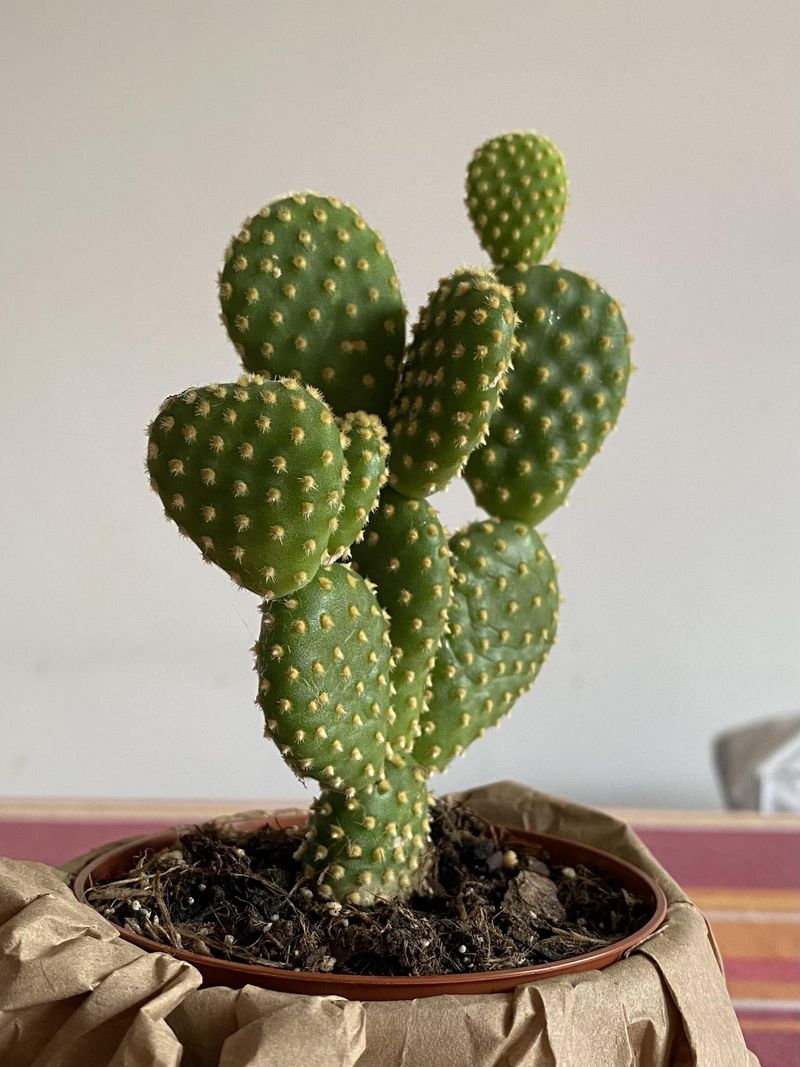
One of the most common mistakes people make with a bunny ear cactus is watering it too often. This plant comes from dry, arid regions where rainfall is infrequent, and it is built to handle long stretches without moisture.
In a Pennsylvania home, where indoor air can feel humid during certain seasons, the soil may stay wet longer than expected if watering happens too frequently.
During the spring and summer growing season, water the cactus thoroughly and then let the soil dry out completely before watering again.
In most Pennsylvania homes, that might mean waiting ten days to two weeks between waterings depending on the pot size, soil type, and how much light the plant receives.
During winter, cut back even further, watering only about once every three to four weeks.
When the soil stays damp for too long, the roots can begin to struggle, and the plant may focus its energy on recovery rather than growth or flowering.
A cactus that experiences regular dry-out periods between waterings tends to develop a stronger root system and a more resilient overall structure.
That resilience is part of what sets up a plant to eventually produce flowers, especially when the other care conditions in your Pennsylvania home are also on track.
4. Fast-Draining Soil Helps Protect The Roots
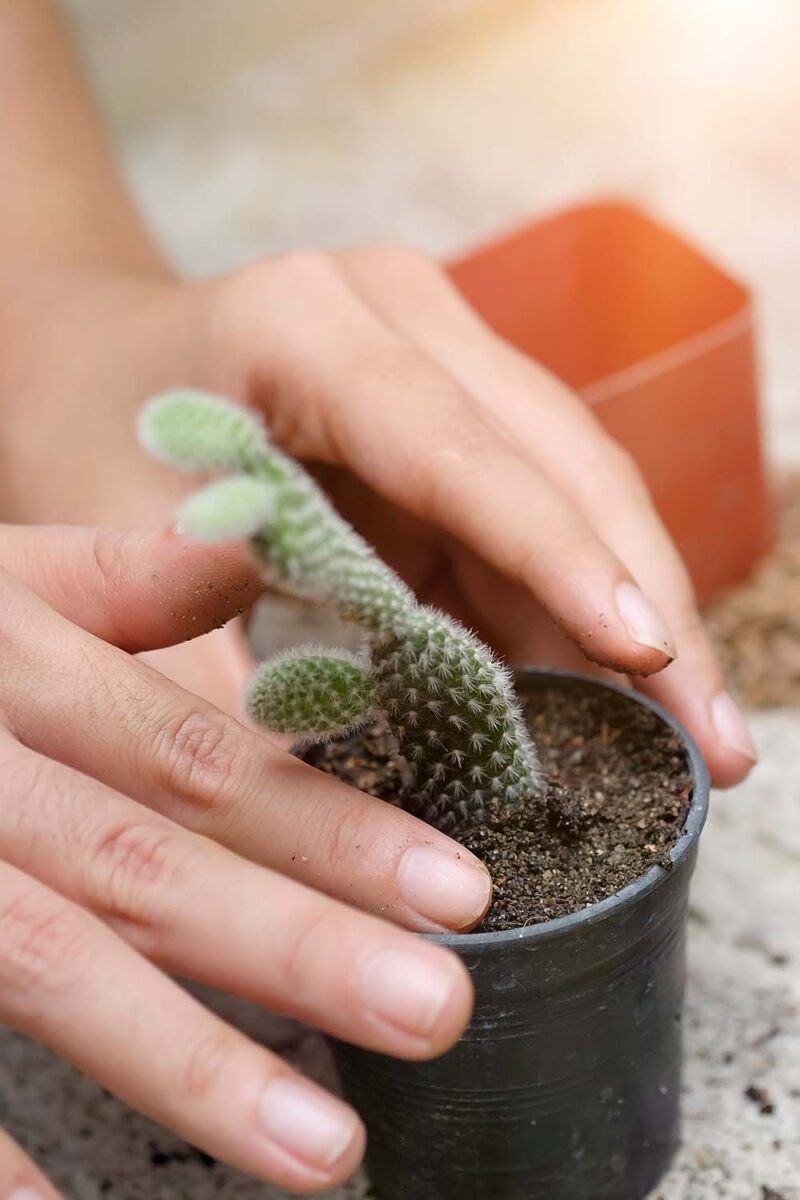
Regular potting mix holds onto moisture longer than a cactus needs, and that extra water sitting around the roots can cause serious problems over time.
A well-draining soil mix is one of the most important things you can set up correctly from the start when growing a bunny ear cactus in Pennsylvania.
Getting the soil right helps protect the plant through every season. A commercial cactus and succulent mix works well as a base.
Many growers in Pennsylvania also add extra perlite or coarse sand to improve drainage even further, aiming for a mix that allows water to flow through quickly rather than pool at the bottom of the pot.
A ratio of about two parts cactus mix to one part perlite is a reasonable starting point for most container situations.
The type of pot matters too. Terra cotta pots are a popular choice for cactus growers because the porous material allows moisture to evaporate through the sides, helping the soil dry out faster than it would in a plastic or glazed ceramic container.
Making sure the pot has at least one drainage hole at the bottom is essential.
In a Pennsylvania home where indoor humidity can vary through the seasons, fast-draining soil paired with a breathable pot gives the roots the dry conditions they need to stay healthy and support eventual blooming.
5. A Cooler Winter Rest Can Support Future Blooms
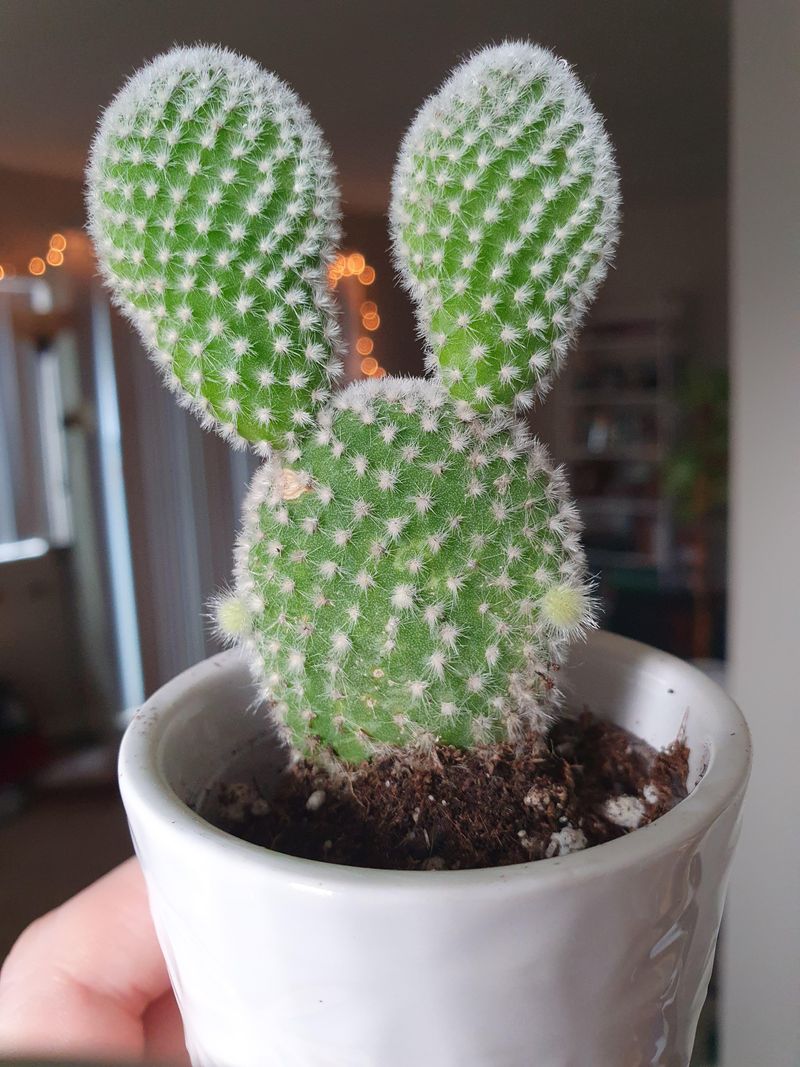
Many cacti, including the bunny ear, benefit from a seasonal rest period during the cooler months.
In their native habitat, temperatures drop noticeably at night during winter, and this cooler stretch signals the plant to slow down and prepare for a new growing cycle.
Pennsylvania actually offers a natural advantage here, because the season does get cold enough to create that shift if you manage indoor placement carefully.
Moving your cactus to a cooler spot in the house during winter, such as an enclosed porch, a basement with a window, or a room that stays around 50 to 55 degrees, can help trigger the rest period this plant needs.
Keep watering minimal during this time and avoid fertilizing. The goal is to let the plant slow down rather than push new growth.
After six to eight weeks of cooler, drier conditions, gradually bring the cactus back to its warmest and brightest location as spring approaches. This shift from cool rest to warm, bright conditions can sometimes encourage the plant to produce buds.
It is not a guarantee, and not every plant will respond the same way, but providing a cooler winter rest is one of the more reliable care steps associated with improving bloom potential in a bunny ear cactus grown as a houseplant in Pennsylvania.
6. Light Feeding In Spring Helps Support Active Growth
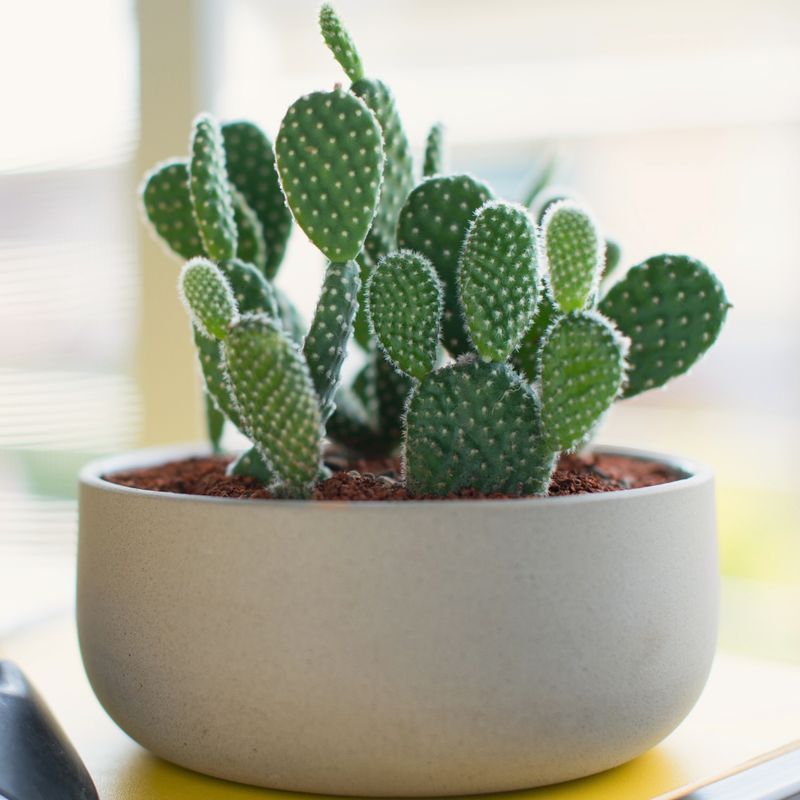
Spring is when a bunny ear cactus starts waking up from its winter rest and shifting back into active growth. Supporting that transition with a light feeding can help the plant build strength during its most productive months.
A little nutrition at the right time goes a long way, especially for a cactus that has been sitting dormant through a Pennsylvania winter.
A diluted cactus fertilizer applied once a month from spring through early summer is a reasonable approach for most houseplant growers.
Look for a fertilizer with a lower nitrogen content and a higher phosphorus ratio, since too much nitrogen can push leafy growth rather than the kind of sturdy, compact development that supports flowering.
Always dilute to at least half the recommended strength to avoid overfeeding.
Skip fertilizing entirely during the fall and winter months when the plant is resting. Adding fertilizer during dormancy can confuse the plant’s natural rhythm and may do more harm than good.
Once late summer arrives, begin tapering off feeding to let the cactus slow back down naturally as Pennsylvania days shorten and temperatures begin to cool.
A light, well-timed feeding routine does not force blooms, but it does help the plant stay strong enough to produce them when conditions come together in the right way.
7. Outdoor Summer Light Can Make A Big Difference
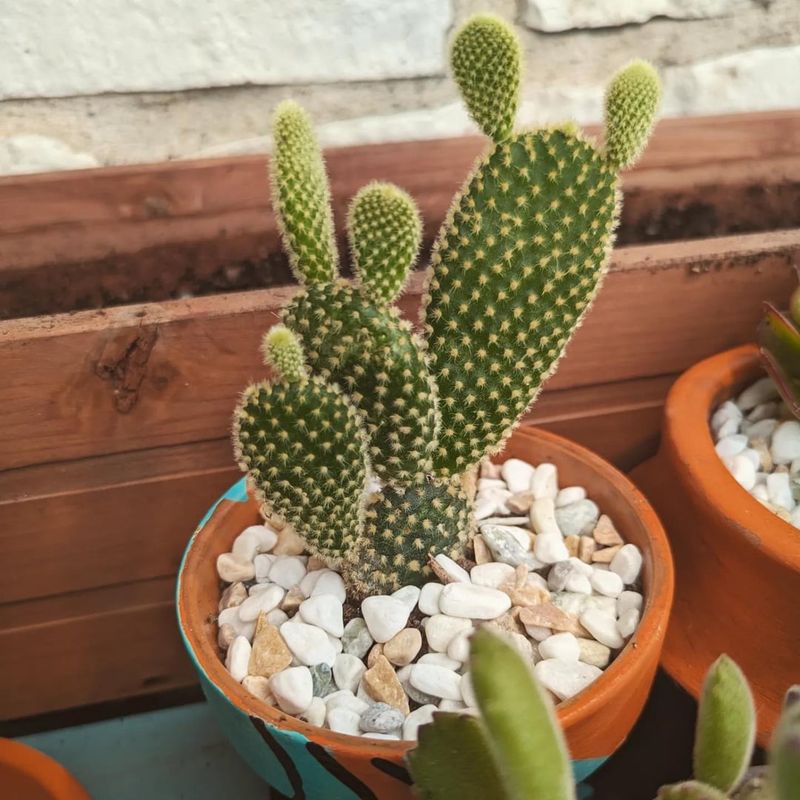
Moving a bunny ear cactus outdoors during the warm months is one of the most effective things a Pennsylvania grower can do to improve its overall health and bloom potential.
The intensity of natural outdoor sunlight is much stronger than what most indoor windows can provide, and spending a season outside can give the plant the energy boost it needs after months of limited winter light.
After Pennsylvania’s last frost, which typically falls somewhere between late April and mid-May depending on the region, the cactus can begin transitioning outdoors.
Start it in a spot with bright indirect light or morning sun for the first week or two, then gradually move it into fuller sun.
Going straight from a dim indoor spot to full outdoor sun can stress the pads, so a slow adjustment is worth the extra effort.
A south or west-facing patio, deck, or outdoor windowsill works well for summer placement. Make sure the container has good drainage and check soil moisture more frequently outdoors, since heat and wind can dry things out faster than inside.
Before Pennsylvania nights start dropping below 50 degrees in early fall, bring the cactus back indoors.
That outdoor stretch, even just a few months long, can noticeably improve a cactus that has been growing slowly and not flowering in a typical Pennsylvania indoor environment.
8. Patience Matters Because Bunny Ear Cactus May Bloom Slowly
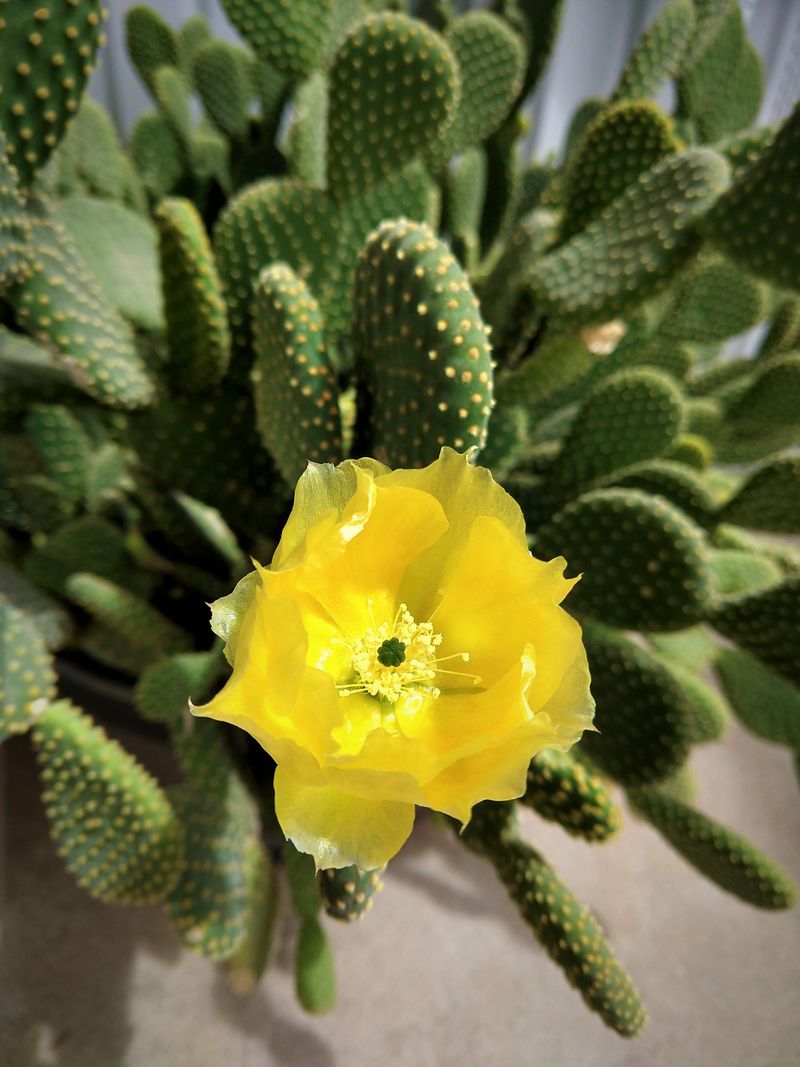
Getting a bunny ear cactus to bloom is not something that happens quickly, and many Pennsylvania growers go several years before seeing a single flower.
That can feel discouraging, especially when the plant otherwise looks healthy and well-cared for.
Understanding that slow development is simply part of this plant’s nature makes it easier to stay consistent with care without expecting fast results.
A young cactus is unlikely to flower regardless of how ideal the conditions are. Most bunny ear cacti need to reach a certain level of maturity before they have the capacity to bloom, and that process takes time.
Even a mature plant may only flower under a specific combination of conditions, including strong light, a proper winter rest, and correct watering, all coming together in the right season.
In a Pennsylvania home, where winter light is limited and indoor conditions can vary quite a bit from one year to the next, blooms may be infrequent or unpredictable. That does not mean something is wrong.
Keep refining the care routine, stay patient, and focus on building a healthy plant rather than chasing a bloom on a fixed timeline.
A cactus that is consistently well-cared for over several years in a Pennsylvania home stands a much better chance of eventually flowering than one that receives inconsistent attention.