What Oregon Gardeners Should Know Before Removing A Neighboring Tree Branch
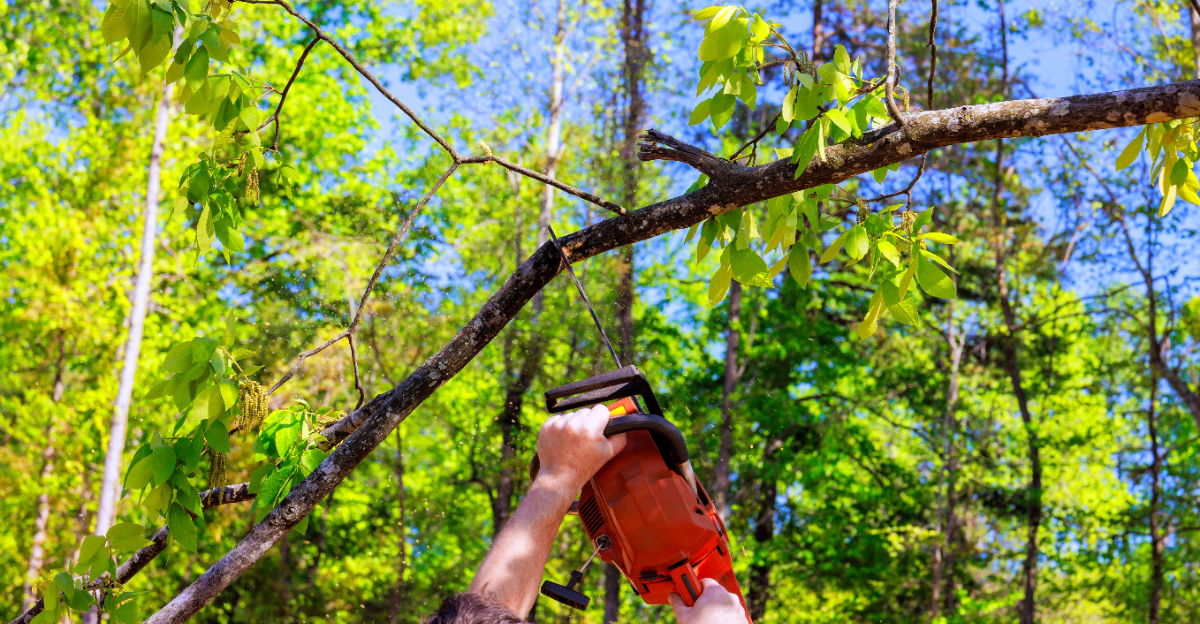
A neighbor’s tree branch hanging over your Oregon garden can feel like nature’s version of borrowing your parking spot. It drops leaves, blocks sun, scratches the fence, and somehow always looks most annoying right after you finish cleaning up.
Before you grab the pruning saw and go full backyard action hero, pause for a second. Tree trimming near a property line can come with real consequences, especially if the branch belongs to someone else or the cut harms the tree.
Oregon gardeners may have the right to deal with overhanging limbs in some situations, but smart timing, careful cuts, and a friendly neighbor chat can save a whole lot of drama. Nobody wants a simple garden chore turning into a fence-line feud.
A little know-how now can protect your plants, your peace, and that very tempting pair of loppers.
Know Your Property Line
Your property line is where your land ends and your neighbor’s begins. In Oregon, knowing exactly where that line is matters a lot when it comes to trees.
Many homeowners assume they know where their boundary is, but guessing can lead to real problems.
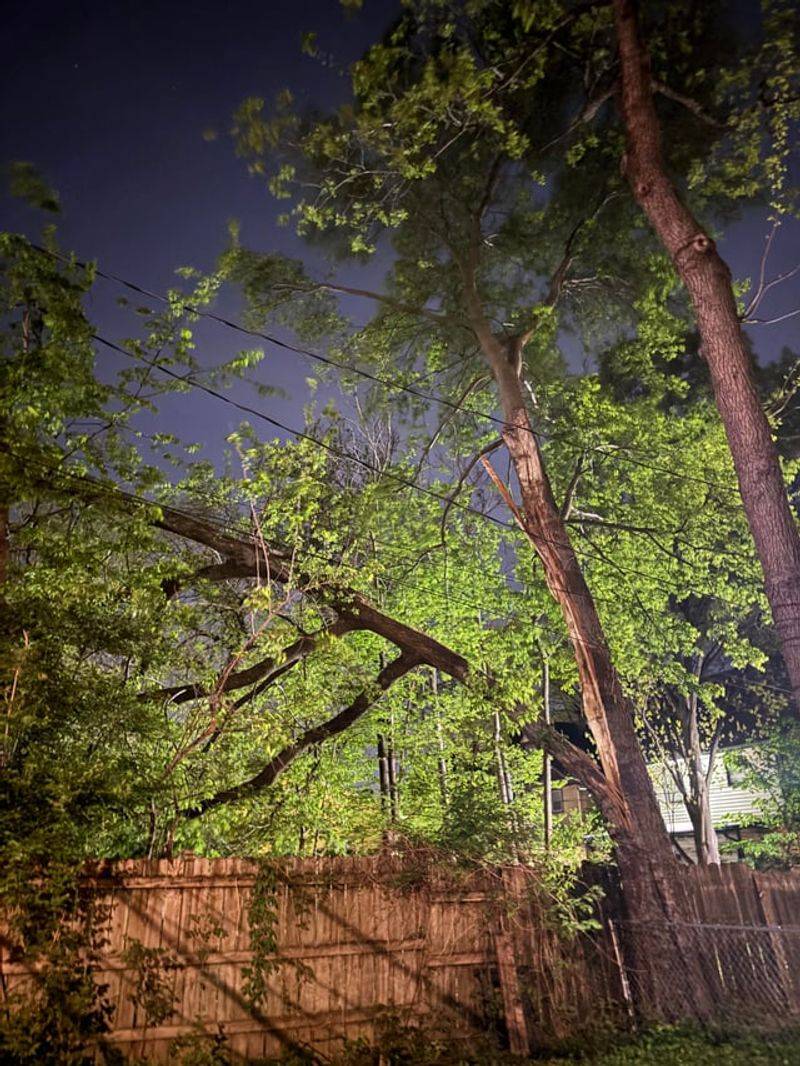
A branch that grows over your property line is technically in your airspace. Oregon law generally allows you to trim branches that cross into your yard, but only up to the property line.
You cannot reach over or into your neighbor’s yard to cut anything.
Before you touch a single branch, it is smart to review your property survey or deed. You can find these documents through your county assessor’s office.
Some Oregon counties also offer online property maps that can help you get a clearer picture.
If you are not sure where the line is, hiring a licensed land surveyor is a solid move. It may cost a little money upfront, but it protects you from making a costly mistake.
Knowing your boundary keeps things legal, fair, and neighborly in your Oregon community.
When You Can Trim Branches
Timing matters more than most people realize when trimming tree branches in Oregon. Trees are living things, and cutting them at the wrong time of year can cause serious harm.
Late winter or early spring, just before new growth starts, is usually the best window for most tree species.
Trimming during the dormant season reduces stress on the tree and lowers the chance of attracting insects or spreading disease. Oregon is home to many native species like Douglas fir, big-leaf maple, and Oregon white oak, and each one has its own ideal trimming schedule.
You should also avoid trimming during heavy rain or when the tree is under drought stress, which is common during Oregon’s dry summer months. Wet conditions can make cuts harder to heal and may invite fungal infections.
Beyond the season, think about the time of day. Early morning is ideal because temperatures are cooler and the tree is less stressed.
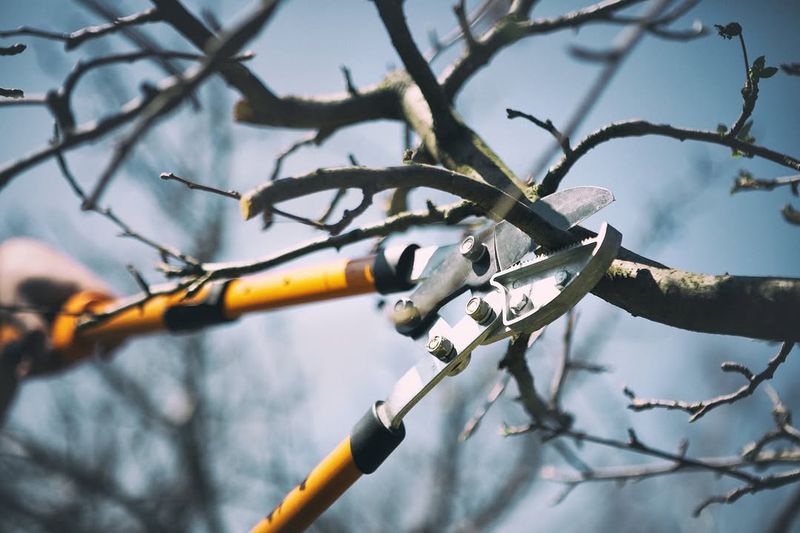
Always use clean, sharp tools to make smooth cuts that heal faster. A little planning around timing can make a big difference in keeping the tree healthy for years to come.
Your Oregon Garden Changes Every Week. Your Plan Should Too.
Gardening in Oregon changes quickly throughout the season. Every Friday you’ll receive a simple weekly plan showing exactly what to plant, prune, fertilize, harvest, and protect so you never miss the right timing.
Avoid Damaging The Tree
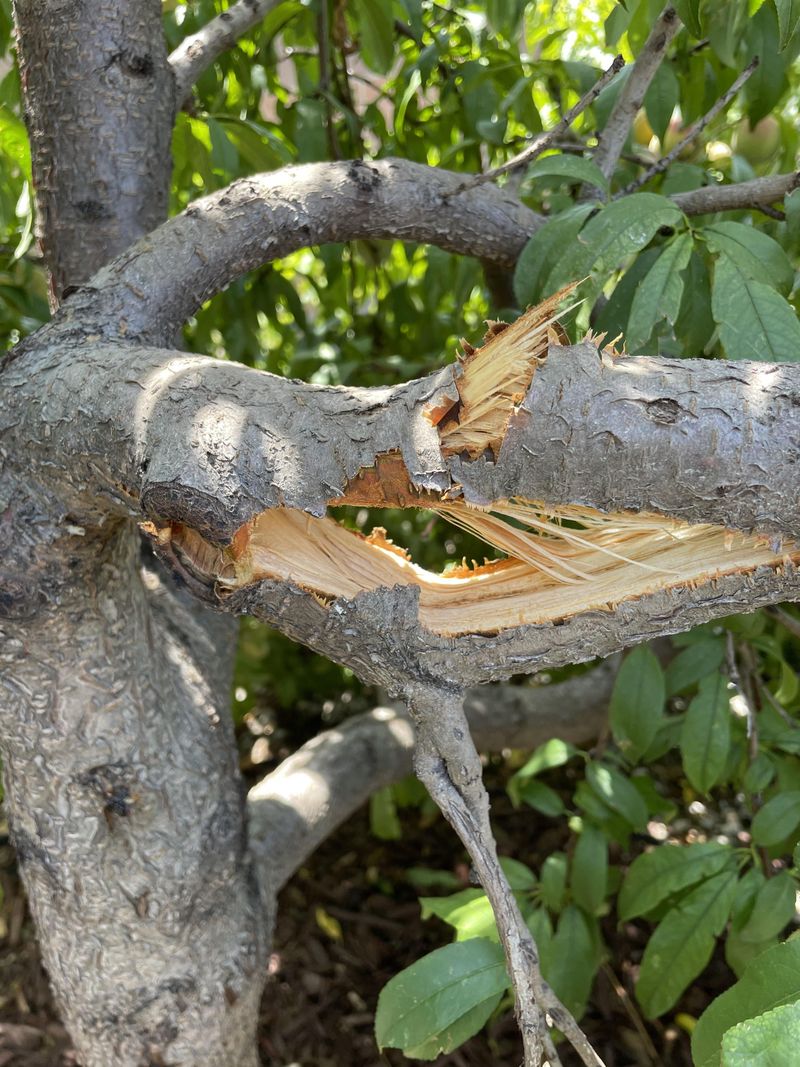
Believe it or not, how you cut a branch matters just as much as where you cut it. A bad cut can leave the tree open to disease, pests, and long-term structural weakness.
Oregon gardeners should always aim to protect the health of the tree, even when trimming branches that cross their property line.
One of the most common mistakes is cutting too close to the trunk or leaving a stub that is too long. The right spot to cut is just outside the branch collar, which is the slightly swollen area where the branch meets the trunk.
Cutting here allows the tree to seal the wound naturally.
Never strip bark or make jagged cuts. These kinds of wounds take much longer to close and leave the tree vulnerable.
Using sharp, clean tools is a must. Dull blades tear wood instead of slicing it cleanly, which causes unnecessary damage.
If the branch is large or heavy, use the three-cut method. Make a small undercut first, then cut from the top, and finish with a clean final cut near the collar.
This prevents the branch from tearing and causing bark damage on the way down.
Talk To Your Neighbor First
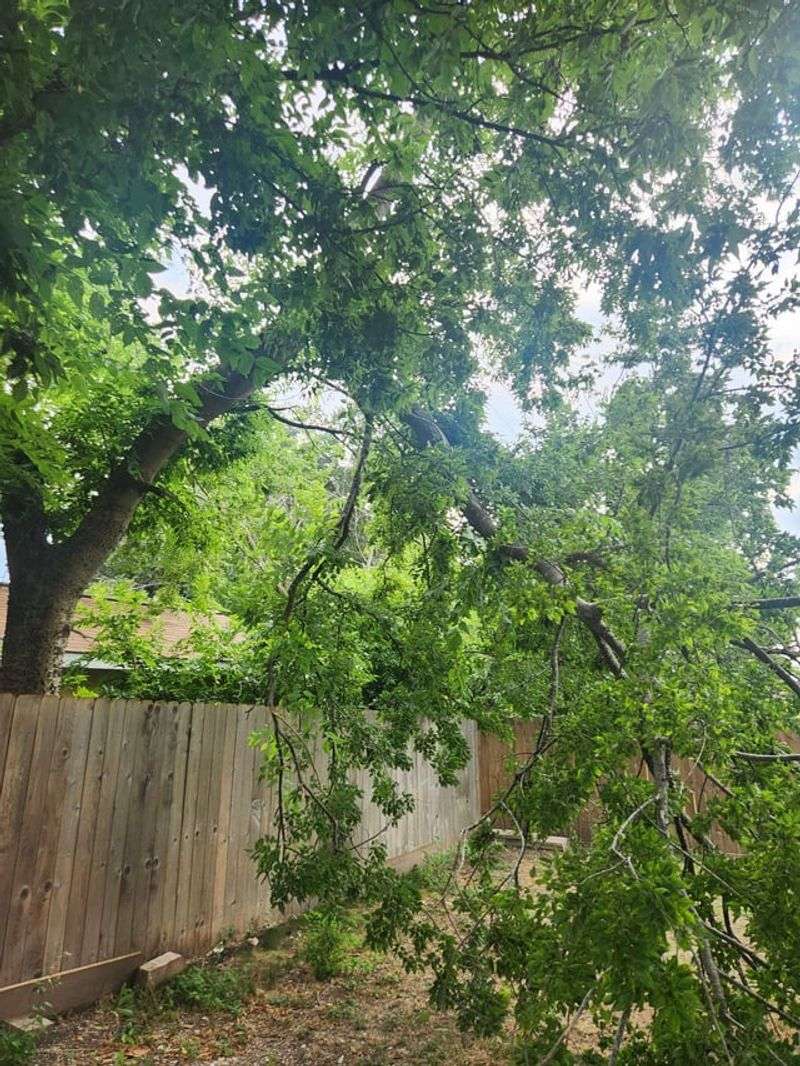
Before pulling out any tools, have a simple conversation with your neighbor. It sounds obvious, but many people skip this step and end up creating unnecessary conflict.
A friendly chat can prevent misunderstandings and even lead to a shared solution that works for both of you.
Your neighbor may not even know the branch is causing a problem. Maybe it is blocking your sunlight, dropping leaves into your gutters, or growing toward your roof.
Explaining your concerns calmly and clearly gives them a chance to respond before any cutting happens.
In Oregon, even though you have the legal right to trim branches on your side of the property line, acting without warning can still feel like a violation of trust. Neighbors who feel blindsided are more likely to become upset, even if you did nothing legally wrong.
Approach the conversation with a friendly attitude and a willingness to listen. You might find that your neighbor is happy to handle the trimming themselves, or they may want to split the cost of a professional.
Either way, starting with communication almost always leads to a better outcome than acting alone. Keeping good relationships in your Oregon neighborhood is worth a lot.
Check Local Tree Rules
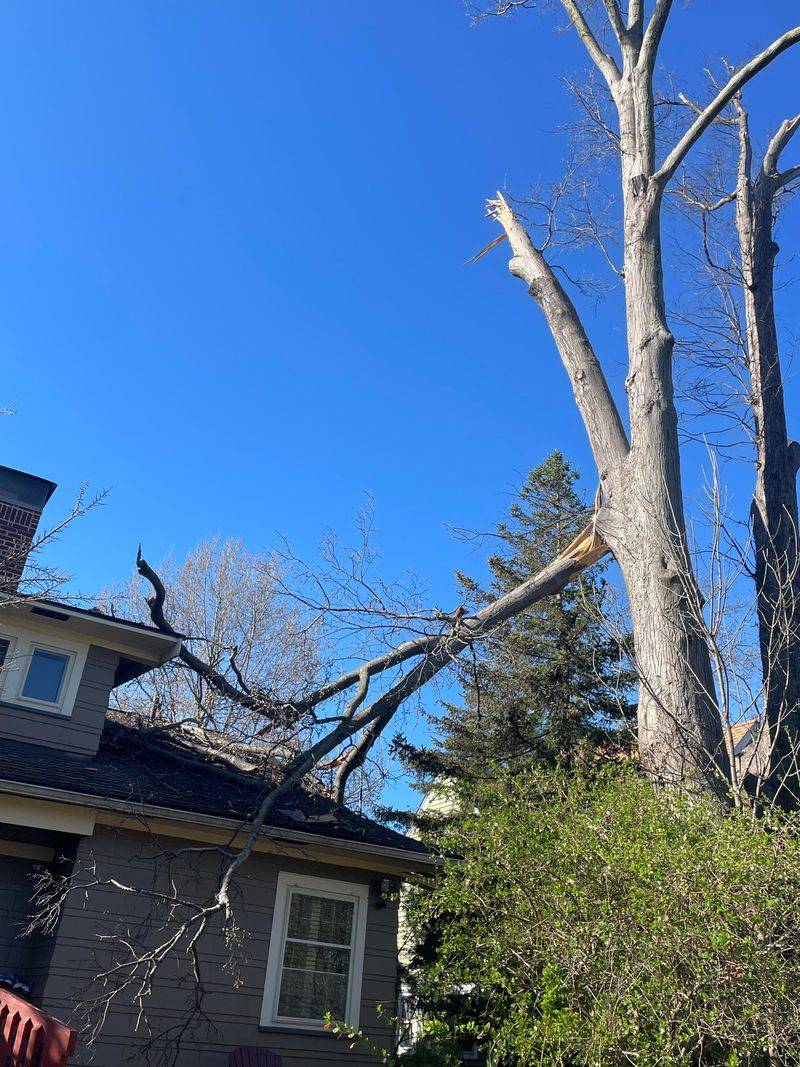
Oregon has general state laws about trees, but local rules can be even more specific. Cities like Portland, Eugene, and Salem all have their own tree codes that may limit what you can do with a neighboring tree.
Checking these rules before you trim is a smart move that can save you from fines or legal headaches.
Some Oregon cities require permits before removing or heavily trimming certain trees, especially heritage trees or species that are protected under local ordinances. Heritage trees are older, significant trees that communities have chosen to preserve.
Cutting one without permission can result in serious penalties.
Your city or county planning department is the best place to start. Many Oregon municipalities have their tree regulations posted online, making it easy to look up the rules from home.
If you are unsure, a quick phone call to your local office can clear things up fast.
Homeowners association rules may also apply if you live in a managed neighborhood. These rules sometimes go beyond city codes and require written approval before any tree work begins.
Taking a few minutes to research the local rules in your Oregon area protects you legally and helps you act responsibly as a community member.
Who Pays For Trimming
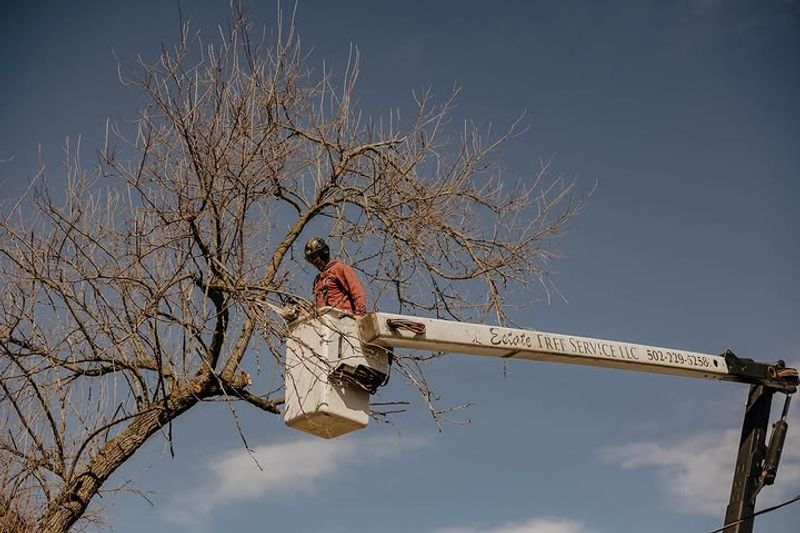
Money questions can make neighborly situations a little awkward, but knowing who is responsible for trimming costs in Oregon can save a lot of confusion. Generally speaking, you are responsible for paying to trim branches that hang over your side of the property line.
Your neighbor is not legally required to cover that cost.
That said, if the tree or its branches are causing actual damage to your property, the situation can get more complicated. Oregon courts have sometimes held tree owners responsible for damage caused by unhealthy or poorly maintained trees.
Documenting any damage with photos is always a good idea.
If both neighbors want the work done and agree to share the cost, that arrangement can be put in writing to avoid future disagreements. A simple written agreement signed by both parties goes a long way in keeping things clear and fair.
Hiring a licensed and insured arborist in Oregon is worth the investment when the job is significant. They carry liability insurance that protects you if something goes wrong during the work.
Splitting the cost of a professional with your neighbor is often a reasonable and affordable solution that keeps both sides happy and the tree healthy.
When To Call An Arborist
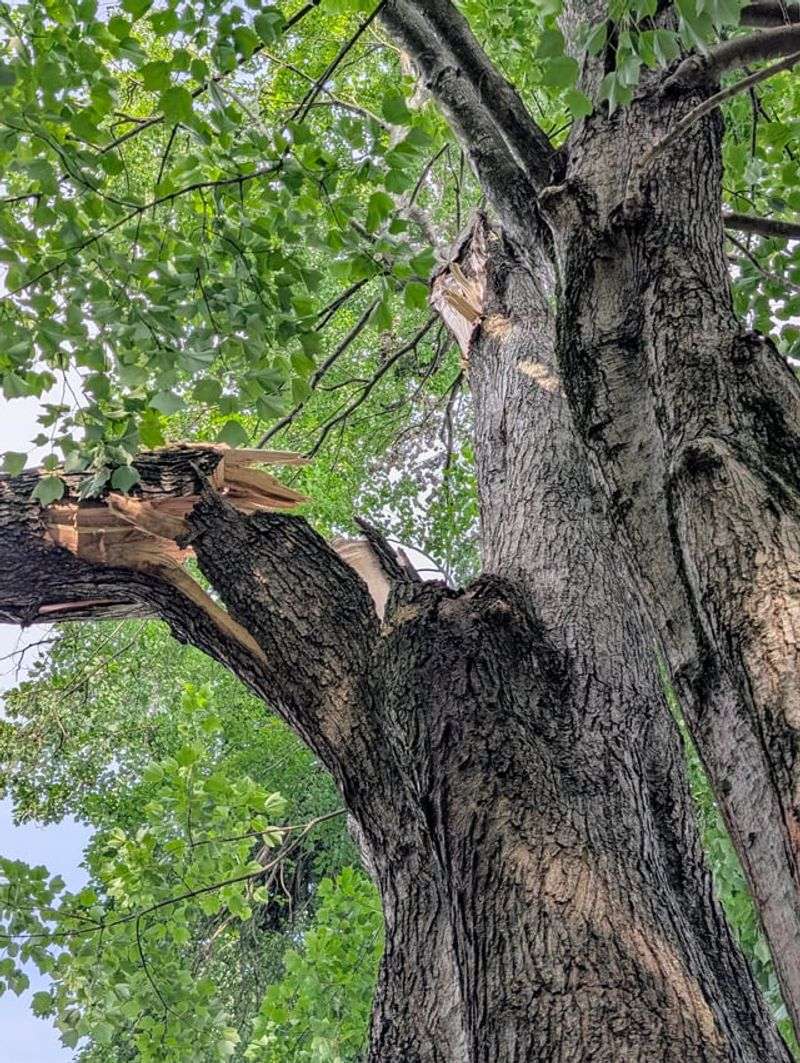
Some tree situations are simply beyond the scope of a weekend gardening project. When branches are large, high up, or close to power lines, calling a certified arborist in Oregon is the safest and smartest choice.
These trained professionals have the tools, skills, and experience to handle complex tree work without causing harm to people or property.
Arborists can also assess the overall health of the tree. If the branch hanging over your yard is showing signs of decay, cracking, or disease, a professional evaluation is essential.
A weakened branch can be a serious hazard during Oregon’s heavy winter storms, which bring strong winds and wet snow to many parts of the state.
You can find certified arborists in Oregon through the International Society of Arboriculture website. Always ask for proof of certification and insurance before hiring anyone.
A reputable arborist will also be willing to provide a written estimate before starting any work.
Calling in a professional is not a sign of defeat. It is a responsible decision that protects your property, your neighbor’s tree, and everyone nearby.
When in doubt about a tricky branch situation in your Oregon yard, a certified arborist is your best resource for safe and informed guidance.