The 8 Best Oregon-Friendly Groundcovers For Yards That Refuse To Grow Grass
Grass has a flair for being picky in Oregon. Give it a shady patch under a maple, a soggy low spot after winter rain, or a dry strip that bakes in August, and it may simply clock out.
That does not mean the yard has to look patchy forever. Groundcovers can turn those stubborn bare places into something lush, layered, and surprisingly easygoing.
Some creep between stepping stones, some spill over slopes, some brighten dim corners, and some offer blooms that make pollinators act like they found a tiny buffet. The best part?
A yard without perfect turf can actually feel more interesting, more natural, and a lot less needy. For gardeners tired of coaxing grass along like a fussy houseguest, these Oregon-friendly groundcovers bring texture, color, and a welcome break from the mower.
1. Wild Ginger
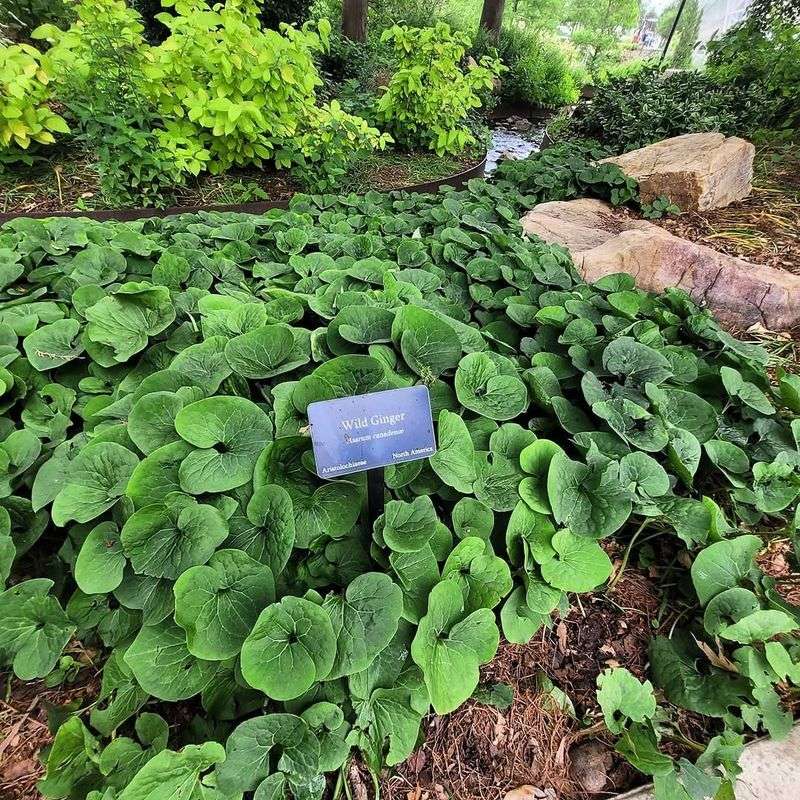
Tucked beneath the canopy of towering Douglas firs, Wild Ginger feels right at home in Oregon’s shaded yards. This native Pacific Northwest plant spreads slowly but steadily, forming a thick, lush carpet of large, heart-shaped leaves that stay green all year long.
It is one of the most reliable groundcovers for deep shade, where almost nothing else will grow.
Wild Ginger (Asarum caudatum) is not related to culinary ginger, but its roots do carry a light gingery scent when crushed. That is a fun little surprise for curious gardeners.
The plant grows low to the ground, usually only four to eight inches tall, and it rarely needs any attention once it gets established.
In Oregon’s rainy climate, Wild Ginger thrives without much extra watering. It loves moist, well-drained soil and does best in spots that get little to no direct sunlight.
Plant it under trees, along north-facing fences, or in those tricky shaded corners your lawn has always struggled with. It spreads by underground rhizomes, so it gradually fills in bare areas on its own.
Give it a season or two, and you will have a beautiful, weed-suppressing mat of greenery that requires almost zero maintenance.
2. Woodland Strawberry
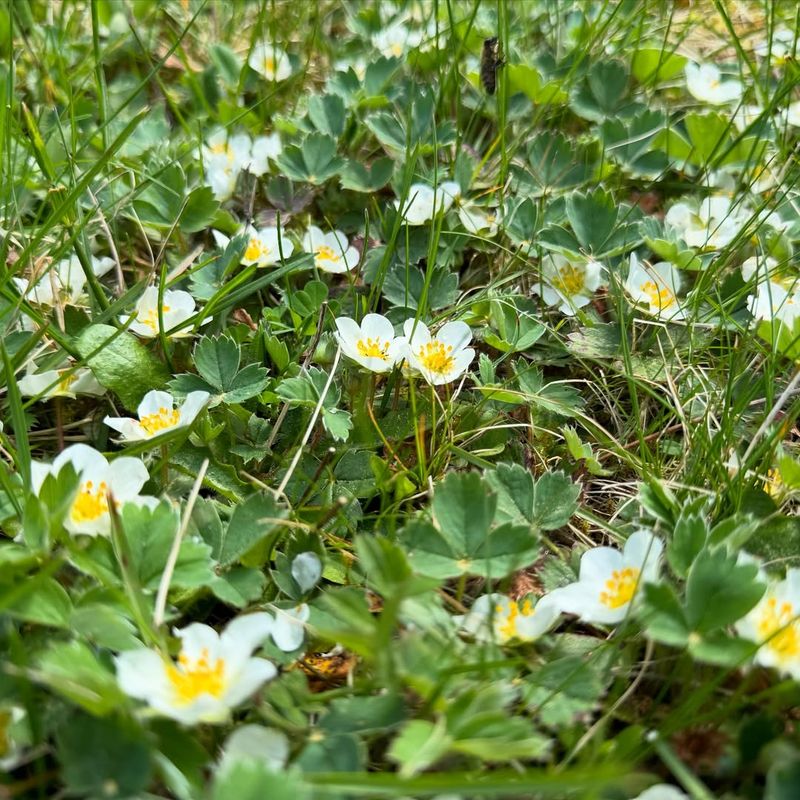
Imagine a groundcover that looks beautiful AND produces tiny edible berries. That is exactly what Woodland Strawberry (Fragaria vesca) brings to Oregon yards.
This cheerful little plant spreads quickly through runners, filling in bare spots with bright green, three-leaflet foliage and delicate white flowers from spring through early summer.
Woodland Strawberry is a native to the Pacific Northwest, which means it already knows how to handle Oregon’s wet winters and dry summers without much help from you. It grows well in both full sun and partial shade, making it one of the most versatile groundcovers on this list.
Once established, it handles drought reasonably well and does not need fertilizing.
The tiny red berries it produces are fully edible and surprisingly sweet. Birds love them too, so expect some wildlife visitors in your yard.
This plant works especially well on gentle slopes, along pathways, or as a lawn replacement in areas that get occasional foot traffic. It handles light stepping better than many other groundcovers.
Your Oregon Garden Changes Every Week. Your Plan Should Too.
Gardening in Oregon changes quickly throughout the season. Every Friday you’ll receive a simple weekly plan showing exactly what to plant, prune, fertilize, harvest, and protect so you never miss the right timing.
In Oregon’s mild climate, Woodland Strawberry stays semi-evergreen, meaning it keeps some of its leaves through winter. It is practical, productive, and genuinely pretty all at once.
3. Ajuga (Bugleweed)
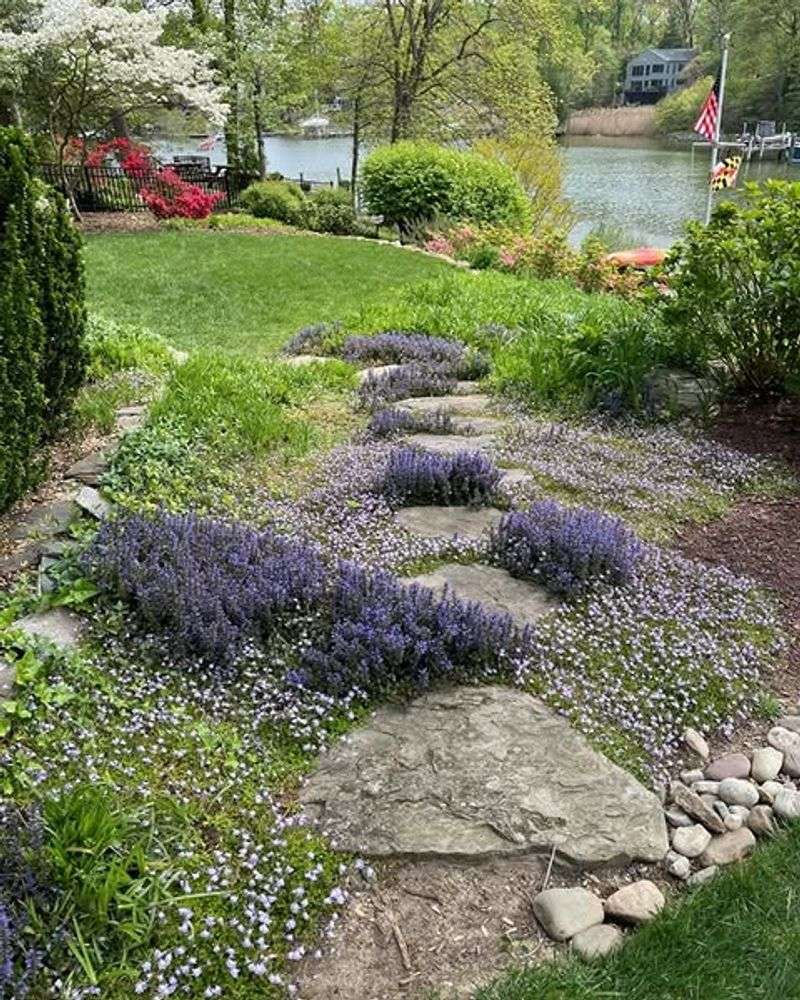
Few groundcovers put on a spring show quite like Ajuga. Also called Bugleweed, this tough little plant sends up tall spikes of vivid blue-purple flowers every spring, turning problem areas into eye-catching garden features.
The foliage itself is striking too, with dark bronze, green, or variegated leaves depending on the variety you choose.
Ajuga reptans spreads quickly through surface runners, similar to how strawberries spread. It fills in bare, shady spots fast, which makes it a favorite for Oregon gardeners dealing with patchy lawns or areas under large trees.
It tolerates heavy clay soil, which is common throughout the Willamette Valley and many other parts of Oregon.
One of Ajuga’s best qualities is its ability to handle both shade and partial sun. It does not need perfect conditions to look great.
It is also semi-evergreen in Oregon’s mild climate, so the colorful foliage sticks around through most of the winter. This plant works beautifully as a border plant, a lawn substitute, or a filler between stepping stones.
It does spread enthusiastically, so planting it near garden beds requires a little monitoring. Overall, it is one of the hardest-working, most colorful groundcovers available for Oregon landscapes.
4. Brass Buttons (Leptinella)
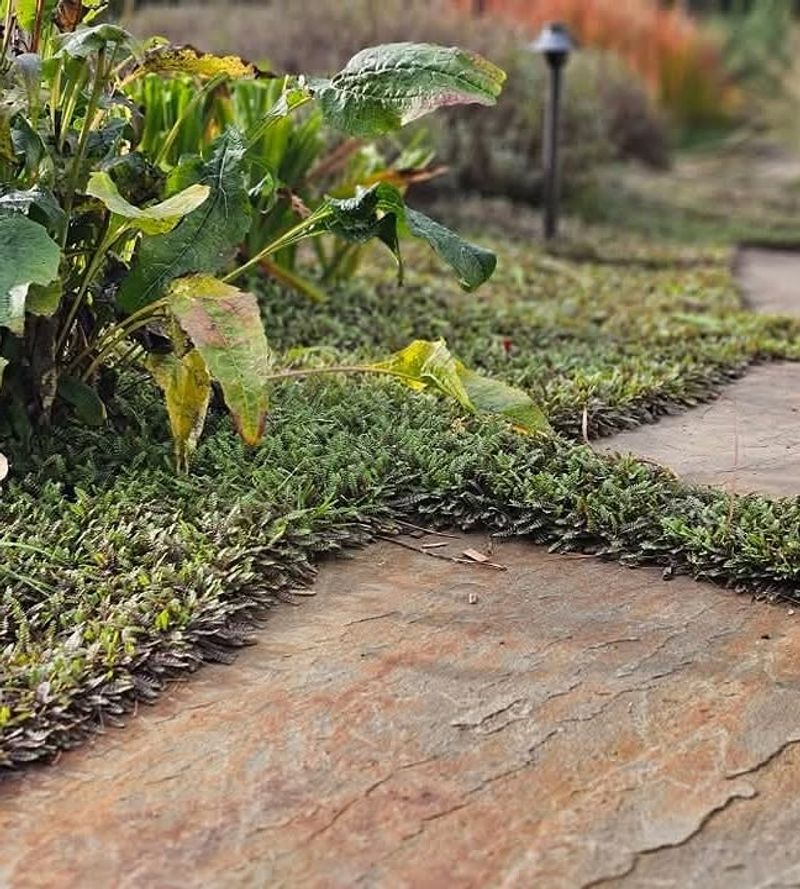
If you have ever wanted a groundcover that looks like a tiny, intricate fern carpet, Brass Buttons is your answer. Leptinella squalida grows incredibly flat and tight to the ground, making it one of the best options for filling the gaps between stepping stones or pavers in Oregon yards.
Its feathery, fern-like leaves have a bronze-green color that looks almost prehistoric.
This New Zealand native has adapted beautifully to Oregon’s wet, mild climate. It loves moisture and handles the long rainy season without any complaints.
Unlike some groundcovers that turn soggy and patchy in winter, Brass Buttons stays looking tidy and attractive year-round. It is also surprisingly tolerant of light foot traffic, which makes it practical as well as pretty.
The name comes from the tiny yellow button-shaped flowers it produces in late spring and summer. They are small but charming, adding a bit of extra texture to the already interesting foliage.
Brass Buttons spreads at a moderate pace, so it fills in steadily without becoming invasive. Plant it in moist, partially shaded areas for best results.
In wetter parts of Oregon like the coast or the Willamette Valley, this plant practically takes care of itself once it is settled in.
5. Oregon Stonecrop
Not every Oregon yard is wet and shady. Some spots are dry, rocky, and baking in the sun during summer, especially in southern Oregon or on exposed slopes.
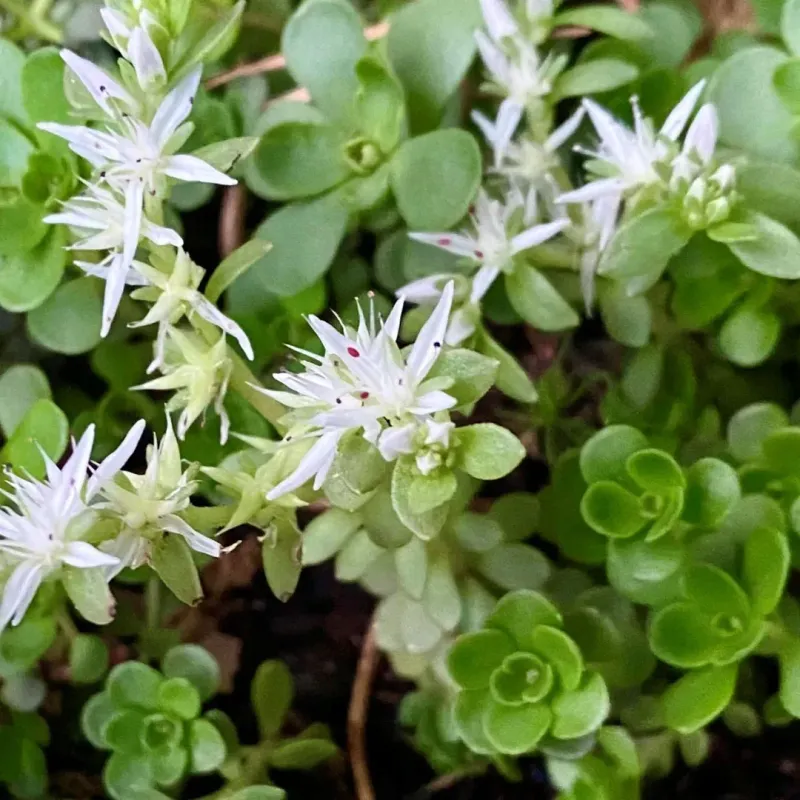
That is exactly where Oregon Stonecrop (Sedum oreganum) thrives. This native succulent stores water in its thick, round leaves, which means it handles drought like a champion.
Oregon Stonecrop is a true Pacific Northwest native, found naturally on rocky outcrops and cliffs throughout the region. In summer, the leaves take on gorgeous red and orange tones when exposed to full sun.
Small clusters of bright yellow flowers appear in early summer, attracting pollinators like bees and butterflies. The plant stays low, usually only a few inches tall, and spreads slowly to form a dense mat.
Because it is native to Oregon, this plant requires almost no care once established. No fertilizing, very little watering, and no pest problems to worry about.
It thrives in poor, rocky, or sandy soil where other plants struggle. If your yard has a dry, sunny slope or a gravel area that nothing seems to cover, Oregon Stonecrop is the answer.
It is rugged, beautiful, and perfectly designed for the toughest spots in your Oregon landscape.
6. Pachysandra
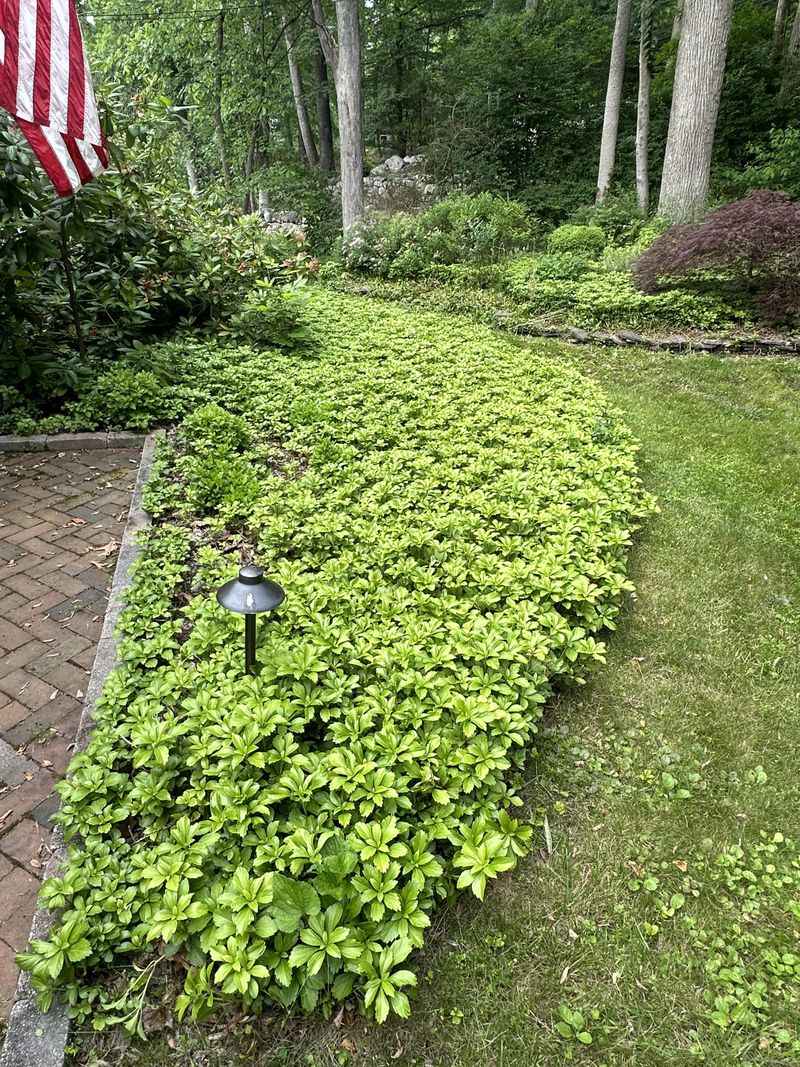
Ask any experienced Oregon gardener about shade groundcovers and Pachysandra will almost always come up. This classic evergreen plant is famous for one thing: turning impossibly dark, root-filled areas under large trees into neat, attractive green carpets.
If you have a spot where nothing grows and the soil is packed with tree roots, Pachysandra can handle it.
Pachysandra terminalis is not a Pacific Northwest native, but it has proven itself extremely reliable in Oregon’s climate over many decades. It tolerates deep shade, dry conditions under tree canopies, and poor soil far better than grass ever could.
The glossy, dark green leaves stay attractive all year, and small white flower spikes appear in early spring, adding a subtle charm to shaded areas.
Growth is slow at first, so patience is needed during the first season. Once established, however, Pachysandra spreads steadily and forms a thick mat that blocks out weeds very effectively.
It rarely needs watering after the first year in Oregon’s rainy climate. Plant it in groups under oaks, maples, or conifers for the best results.
Spacing plants about eight to twelve inches apart speeds up the coverage process. It is a no-fuss, long-lasting solution for Oregon’s most challenging shaded yard areas.
7. Creeping Oregon Grape
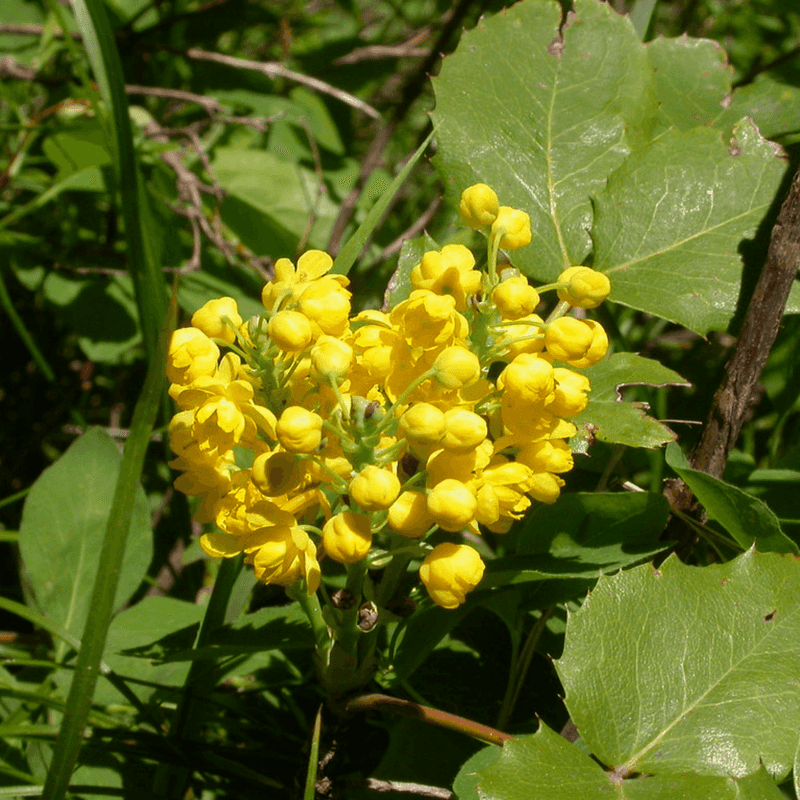
There is something wonderfully fitting about using Oregon’s own state flower as a groundcover. Creeping Oregon Grape (Mahonia repens) is a low-growing relative of the tall Oregon Grape shrub, and it is one of the toughest, most versatile native plants you can add to a Pacific Northwest yard.
It handles shade, drought, and poor soil without missing a beat.
In early spring, clusters of bright yellow flowers cover the plant and attract early-season pollinators. By late summer, those flowers turn into clusters of dusty blue-purple berries that birds go absolutely wild for.
The leathery, spiny leaves turn beautiful shades of red and bronze in fall and winter, adding year-round interest to your landscape. It is one of the most seasonally dynamic groundcovers on this list.
Creeping Oregon Grape grows about one to two feet tall and spreads slowly through underground stems. It works beautifully on slopes, under trees, or along pathways.
Because it is native to Oregon, it requires no fertilizing and very little supplemental watering once established. It is also deer-resistant, which is a major bonus for gardeners in rural or suburban parts of Oregon where deer pressure is common.
Plant it and let nature do the rest.
8. Sweet Woodruff
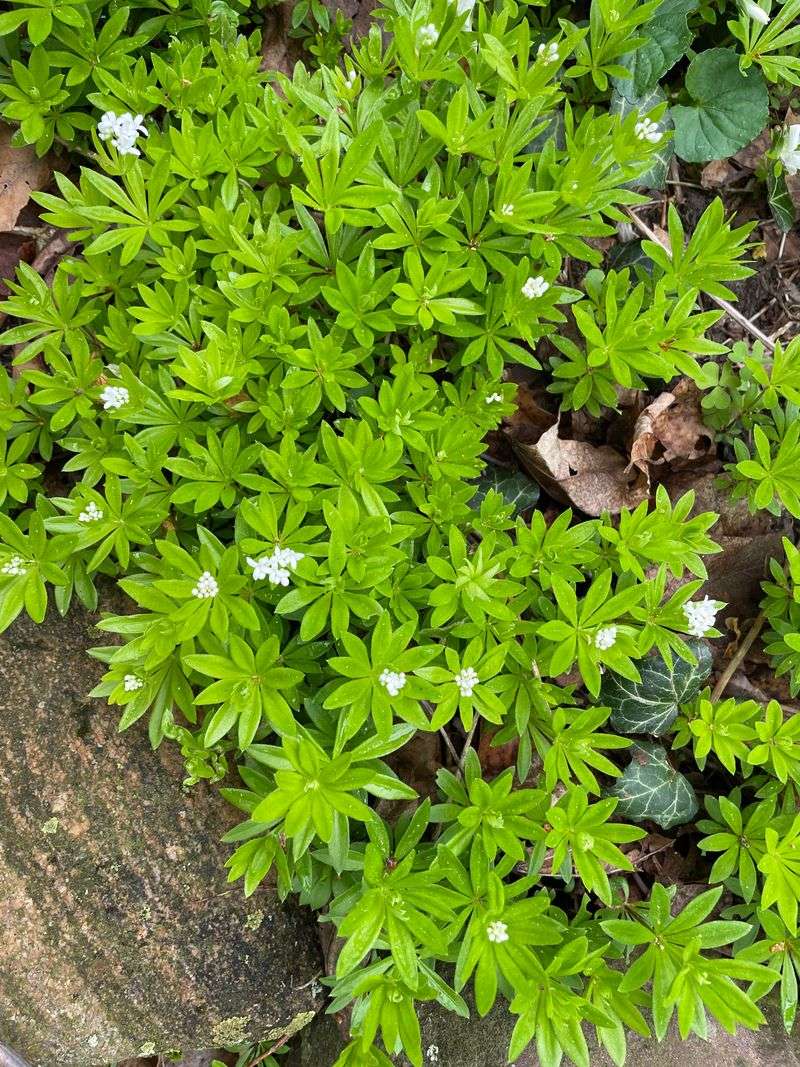
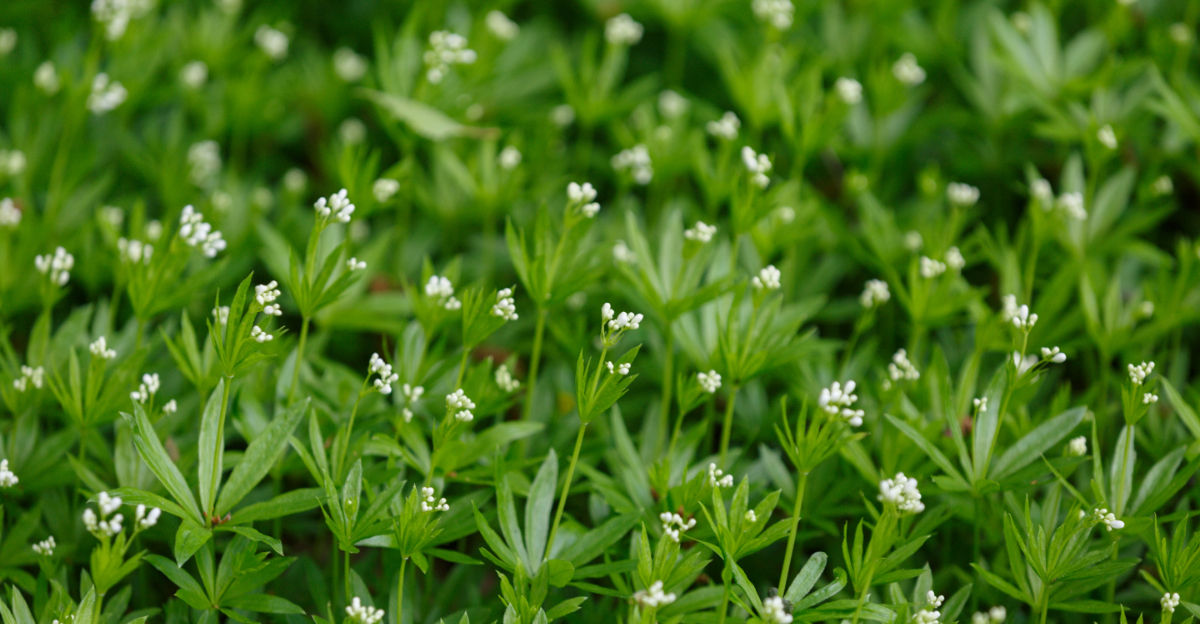
Sweet Woodruff has a storybook quality to it. Delicate white star-shaped flowers float above whorls of bright, fresh green leaves every spring, turning shaded areas into something that looks straight out of a fairy tale.
Galium odoratum has been grown in European cottage gardens for centuries, and it has found a very happy second home in Oregon’s cool, shaded landscapes.
This plant spreads enthusiastically in moist, shaded conditions, which describes a huge number of Oregon yards perfectly. It fills in quickly, smothers weeds, and creates a soft, lush texture that is hard to beat.
When the leaves are dried, they release a sweet vanilla-like fragrance, which is why it has historically been used in potpourri and sachets. That is a fun bonus most groundcovers cannot offer.
Sweet Woodruff goes dormant in summer when conditions get dry, but it bounces back reliably every fall and spring. In wetter parts of Oregon, it may stay green much longer.
It does best in well-drained soil with consistent moisture and dappled or full shade. Plant it under deciduous trees or along shaded borders for a beautiful, low-effort display.
It is a charming, fragrant, and surprisingly tough groundcover that rewards Oregon gardeners with very little effort required.