8 Flowers That Naturally Repel Garden Pests In Georgia Yards
Trouble spots in a Georgia yard tend to show up fast once heat and humidity build, especially around tender plants that pests love. Those areas often sit right beside veggies, along bed edges, or near entry points where insects move in first.
That is exactly where certain flowers can make a quiet difference without extra effort. Strategic placement matters more than most expect.
Tucking the right blooms between vegetable rows, lining them along borders, or placing them near problem corners helps create a natural barrier that pests avoid.
Scent and natural compounds do the work in the background while the garden still looks full and intentional. Georgia’s long growing season only increases pressure, so small decisions like this start to add up quickly.
When these flowers go into the right spots, pest issues feel less overwhelming and plants hold up better through the toughest stretch of the season.
1. Marigolds Help Reduce Nematodes And Deter Some Insects
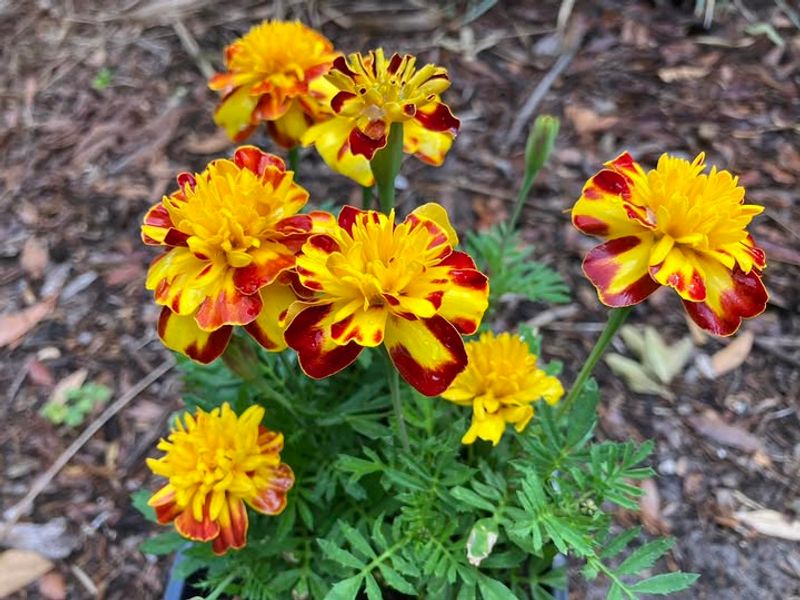
Few flowers pull double duty quite like the marigold. Below the soil, marigold roots release a chemical called alpha-terthienyl, which research has shown can reduce populations of root-knot nematodes.
These microscopic worms are a serious problem for Georgia vegetable gardens, especially in the sandy soils found across much of the state. Planting marigolds as a border or interplanting them directly with tomatoes and peppers can make a real difference over a full growing season.
Above ground, the strong, slightly musky scent of marigold foliage bothers certain insects. Whiteflies and aphids tend to avoid areas where marigolds are planted in large numbers.
A single plant here and there may not do much, so aim for a dense planting along garden edges for better results.
African marigolds are larger and showier but may be less effective for nematode suppression. In Georgia, marigolds grow well from spring through fall and handle the summer heat better than many other flowering plants.
Give them full sun and decent drainage, and they will reward you with color and pest-deterring power all season long. Deadhead spent blooms regularly to encourage continuous flowering.
Spacing matters more than most expect, since marigolds need to be planted thickly to have any real impact on pests in the soil.
Let roots grow in place for the full season rather than pulling plants early, since nematode suppression builds over time.
Rotate planting spots each year rather than putting marigolds in the same exact location, since moving them helps disrupt pest cycles more effectively.
2. Lavender Repels Mosquitoes And Thrives In Sunny Spots
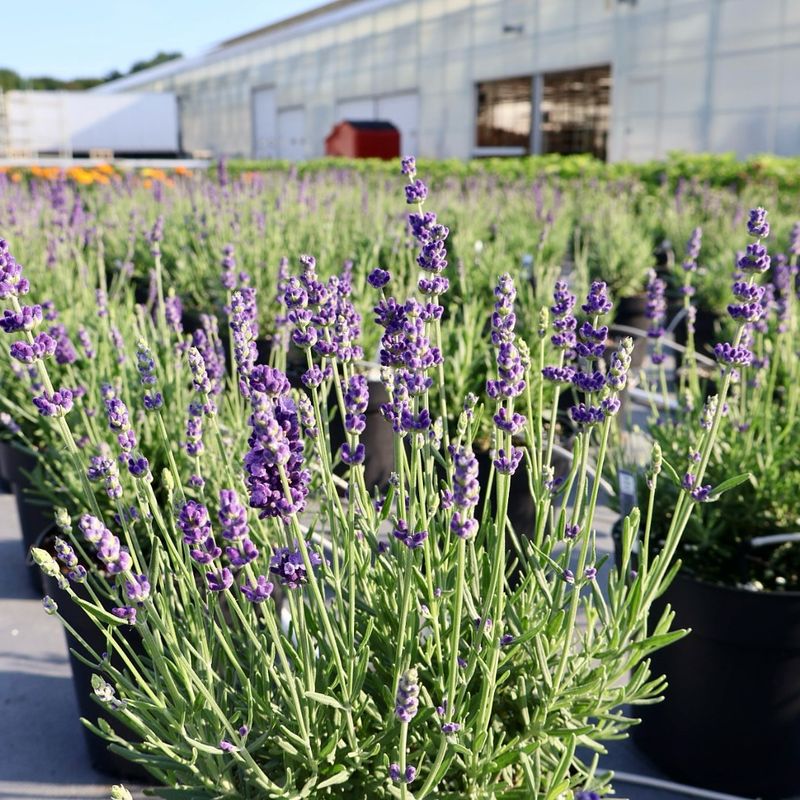
Walk past a lavender plant and you instantly understand why mosquitoes want nothing to do with it. That sharp, clean fragrance that humans love is genuinely off-putting to mosquitoes, moths, and even some flies.
Planting lavender near outdoor seating areas in your Georgia yard can reduce mosquito pressure, especially during those muggy evening hours.
Growing lavender in Georgia takes a little planning. Spanish lavender and Phenomenal lavender are the varieties most recommended for the Southeast because they handle humidity and heat better than English lavender.
Your Georgia Garden Changes Every Week. Your Plan Should Too.
Gardening in Georgia changes quickly throughout the season. Every Friday you’ll receive a simple weekly plan showing exactly what to plant, prune, fertilize, harvest, and protect so you never miss the right timing.
Poor drainage is the biggest threat to lavender in Georgia’s clay-heavy soils, so raised beds or amended soil with sharp sand or gravel mixed in will go a long way.
Full sun is non-negotiable. Lavender wants at least six to eight hours of direct sunlight daily and does not appreciate crowding or poor airflow, which can invite fungal issues in Georgia’s wet summers.
Plant it along walkways, near patios, or around porch steps where foot traffic brushes the leaves and releases even more scent. Once established, lavender is surprisingly drought-tolerant and low maintenance, making it a smart long-term addition to Georgia landscapes.
Prune lightly after each bloom cycle to keep plants compact and encourage repeat flowering throughout the season.
Avoid heavy mulching around the base, since lavender prefers drier conditions and too much moisture can lead to root rot.
3. Chrysanthemums Contain Compounds That Affect Many Insects
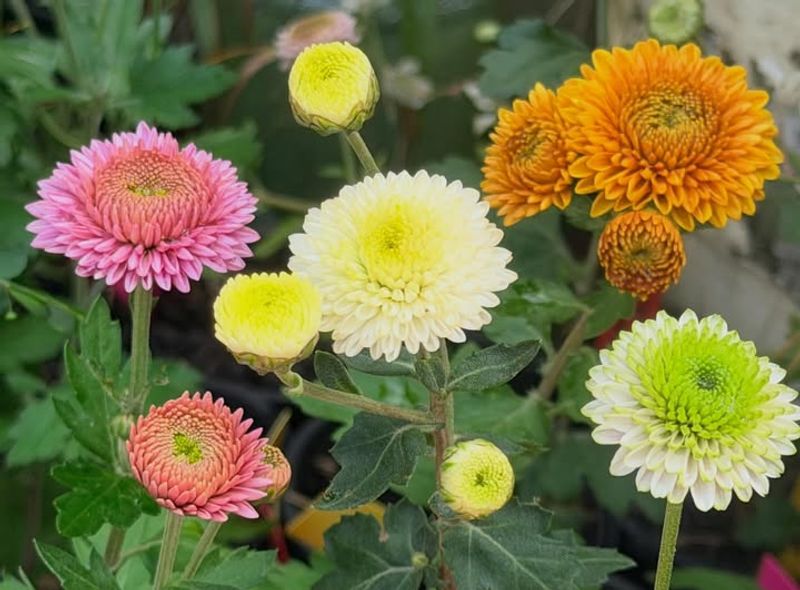
Chrysanthemums are not just a fall decoration. These flowers contain natural compounds called pyrethrins, found mainly in the flower heads, that affect the nervous systems of a wide range of insects.
Ants, roaches, beetles, ticks, and silverfish are among the bugs that pyrethrins can deter or disrupt. Commercial pyrethrin-based insecticides are actually derived from chrysanthemum extracts, which tells you something about how potent these plants can be.
Planting mums in your Georgia garden will not deliver the same concentration as a bottled spray, but it can contribute to a natural pest-management strategy when combined with other pest-repelling plants. The effect is strongest when flowers are in full bloom and releasing their natural oils.
Positioning mums near entryways, garden borders, or vegetable beds adds a layer of passive protection.
Georgia’s fall season is prime time for chrysanthemums, and most garden centers stock them heavily from late summer onward. They prefer well-drained soil and full to partial sun.
Pinching plants back in early summer encourages bushier growth and more flower heads come autumn. Keep in mind that while pyrethrins affect many insects, they can also be harmful to beneficial insects like bees and aquatic organisms, so thoughtful placement matters.
Avoid planting directly beside water features or heavily pollinator-trafficked areas in your Georgia yard.
4. Nasturtiums Act As A Trap Crop For Aphids And Whiteflies
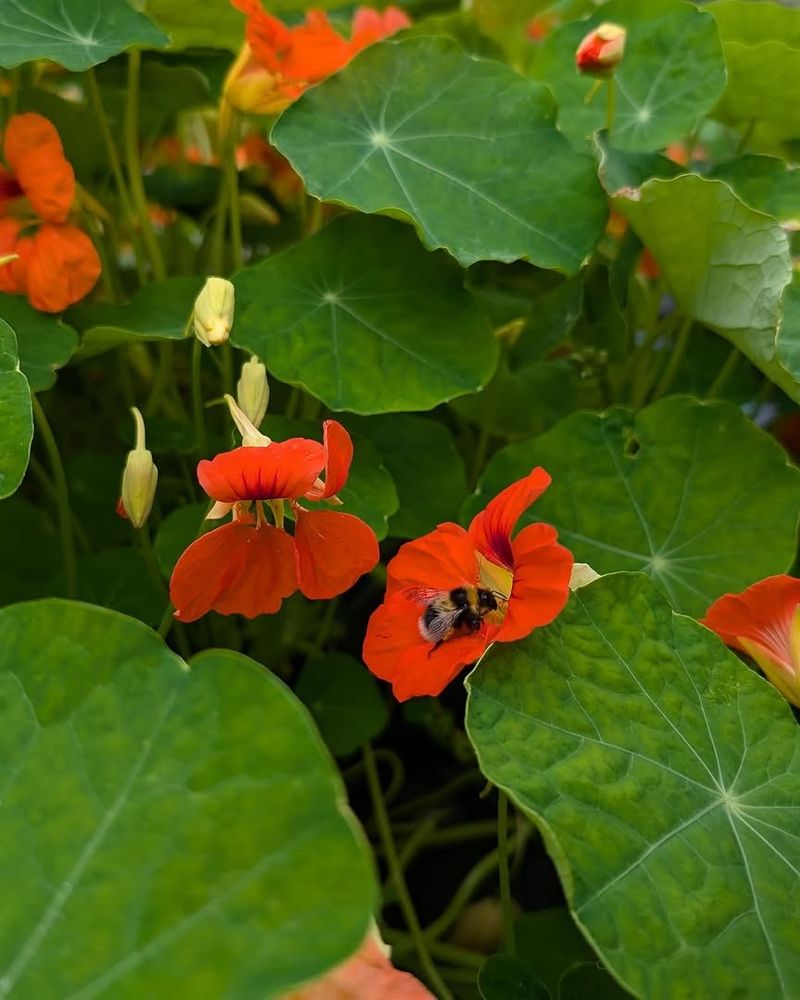
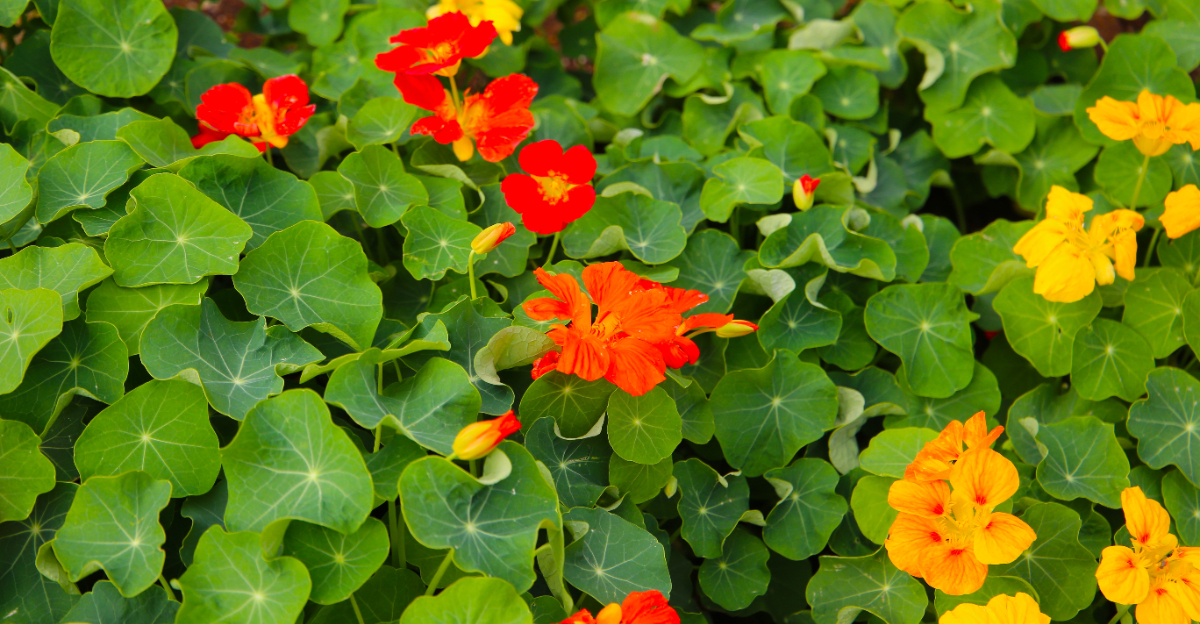
Nasturtiums play a clever trick in the garden. Instead of simply repelling pests, they attract aphids and whiteflies away from plants you actually want to protect.
Gardeners call this a trap crop strategy, and nasturtiums are one of the most reliable options for it. Aphids flock to nasturtiums, clustering on the tender stems and undersides of leaves.
Once they are concentrated there, you can remove the infested nasturtium plants or blast them with water to knock pests off before they spread.
In Georgia, nasturtiums grow best in the cooler parts of the season, spring and fall, since they struggle in intense summer heat. Direct sow seeds after the last frost date for your area, typically mid-March in central Georgia and earlier along the coast.
They prefer lean, well-drained soil and actually produce fewer flowers in overly rich or fertilized ground.
Beyond pest management, nasturtiums offer bonus benefits. Both the flowers and leaves are edible, with a peppery flavor that works well in salads.
Hummingbirds and certain beneficial insects also visit the blooms. Plant nasturtiums as a border around squash, cucumbers, and beans to intercept pest pressure before it reaches your main crops.
Check trap plants every few days during peak pest season so you can act quickly when populations build up on the nasturtiums rather than elsewhere in your yard.
5. Petunias Help Deter Aphids And Leaf Chewing Insects
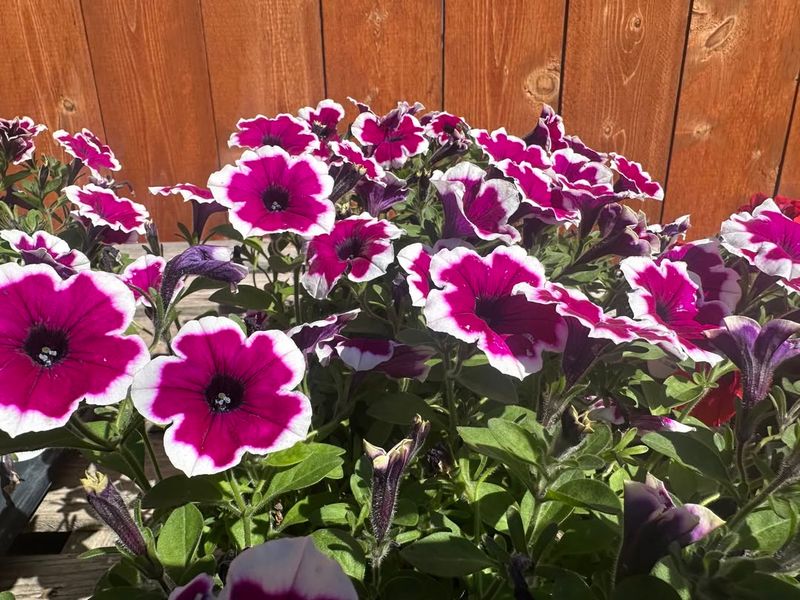
Petunias have a quiet reputation as pest deterrents that most gardeners overlook. Sticky, hairy stems and foliage naturally trap small insects like aphids, making it harder for them to move freely and feed.
Some research also suggests that petunias produce compounds that discourage certain leaf-chewing insects, including asparagus beetles, though results can vary depending on the pest species and planting density.
In Georgia, petunias are warm-season favorites that handle the heat reasonably well, especially wave and spreading varieties. Plant them in full sun with consistent moisture and they will bloom from spring through the first cool snap of fall.
They work especially well in containers placed near vegetable beds or along garden borders where pest pressure tends to be highest.
Pairing petunias with beans, squash, or peppers in Georgia gardens is a practical move. Aphids drawn toward the garden often encounter the sticky petunia foliage before reaching the vegetables.
While petunias are not a silver bullet for pest control, they contribute meaningfully to a layered planting strategy. Deadheading spent flowers keeps plants looking tidy and encourages continued blooming.
Feed petunias with a balanced fertilizer every few weeks and water at the base rather than overhead to avoid fungal issues during Georgia’s humid summer months.
Consistent care makes the difference between a struggling plant and one that genuinely earns its place in your yard.
6. Alliums Help Repel Aphids And Other Soft Bodied Pests
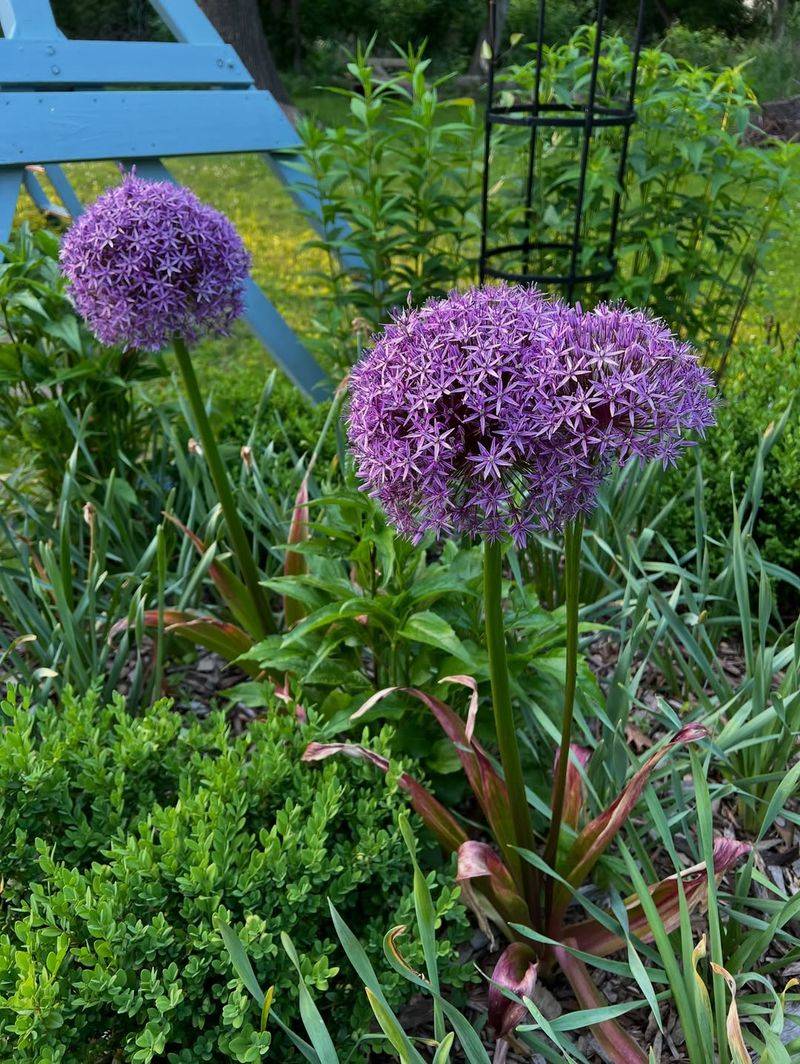
Alliums belong to the same plant family as garlic and onions, and that sulfur-rich chemistry is exactly what makes them useful in the garden. Aphids, slugs, and other soft-bodied pests tend to avoid areas where alliums are growing.
The scent compounds released by allium roots and foliage interfere with how certain insects locate their preferred host plants, which can provide a buffer for nearby vegetables and ornamentals.
Ornamental alliums like Allium giganteum and Allium christophii produce striking globe-shaped flower heads that look impressive in Georgia garden borders from late spring into early summer. They prefer well-drained soil and full sun, and once established they require very little attention.
Bulbs should be planted in fall for spring blooms, making them a great companion to cool-season vegetables like broccoli, kale, and lettuce.
Beyond the ornamental types, consider interplanting chives, a smaller allium, throughout your vegetable beds year-round. Chives bloom reliably in Georgia, attract pollinators, and provide consistent pest-deterring benefits through the growing season.
Keep in mind that alliums can inhibit the growth of beans and peas if planted too closely, so give legumes their own separate space.
Used thoughtfully across your Georgia yard, alliums add structure, seasonal color, and a natural layer of pest management without any extra effort once they are in the ground.
7. Calendula Attracts Beneficial Insects That Control Pests
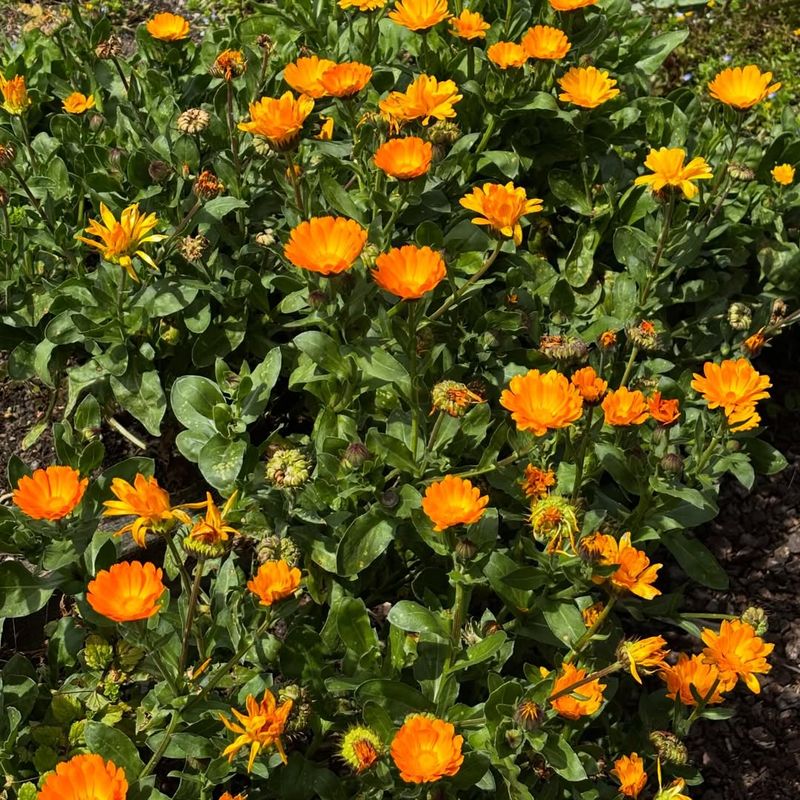
Calendula works differently from most plants on this list. Rather than repelling pests directly, it pulls in the insects that do the pest-controlling for you.
Lacewings, hoverflies, and parasitic wasps are among the beneficial insects that visit calendula blooms for nectar and pollen. Once in your garden, these insects hunt aphids, caterpillars, and other soft-bodied pests with impressive efficiency.
Encouraging beneficial insects is one of the most sustainable pest-management strategies available to Georgia gardeners.
Calendula thrives in Georgia during the cooler months of fall, winter, and spring. It struggles in peak summer heat but can be replanted in late August or early September once temperatures begin to ease.
Direct sow seeds or transplant starts into full to partial sun with moderately fertile, well-drained soil. Regular deadheading keeps flowers coming and maintains the steady nectar supply that beneficial insects depend on.
Pot marigold, as calendula is sometimes called, also has a mild stickiness to its foliage that can trap small insects like whiteflies and fungus gnats.
Planting calendula near brassicas, tomatoes, or herbs in Georgia creates a welcoming environment for natural predators while simultaneously acting as a minor physical trap for smaller pests.
Flowers are edible and have a long history in herbal traditions, adding even more value to what is already a hardworking, easy-to-grow addition to any Georgia yard.
This plant reseeds easily in Georgia, so a single planting can return year after year with minimal effort. Thin seedlings if they crowd, which keeps airflow strong and helps prevent disease.
8. Geraniums Help Deter Mosquitoes And Some Beetles
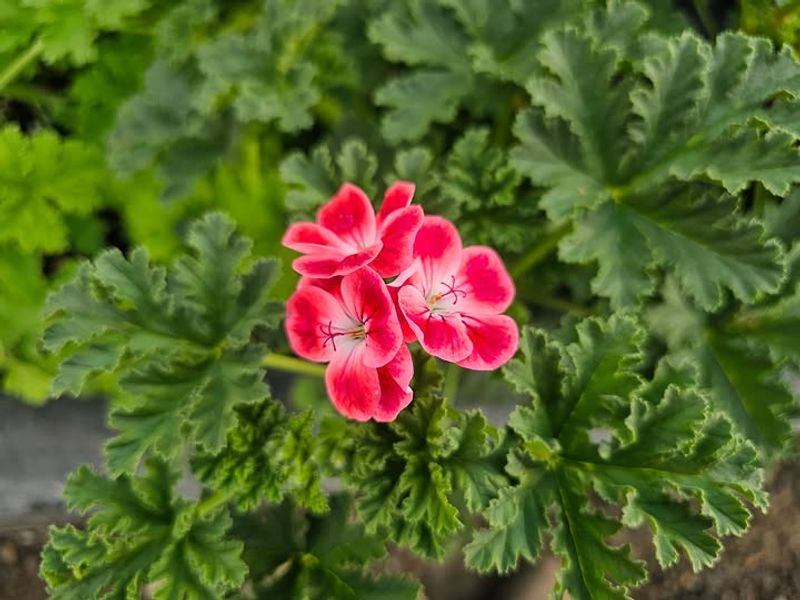
Scented geraniums earned their pest-deterring reputation honestly. Citronella geranium, also sold under the name mosquito plant, releases a lemon-citrus fragrance from its leaves when brushed or crushed.
Planting them along pathways or in containers where people brush past them regularly makes the most sense for Georgia patios and porches.
Planting geraniums near roses, grapes, or other beetle-favored plants in Georgia could help reduce feeding damage over time, though results depend on beetle pressure and garden conditions.
Standard zonal geraniums also contribute to a pest-deterring garden without the same level of fragrance. They are easy to grow in Georgia from spring through fall, preferring full sun and well-drained containers or beds.
Water them moderately, allow the soil to dry slightly between waterings, and fertilize every few weeks for best results. Overwatering is the most common mistake with geraniums in Georgia’s humid climate.
With the right care, these colorful, low-fuss plants earn their keep as both a visual asset and a practical part of your yard’s natural pest-management toolkit.
Deadhead spent blooms regularly to keep plants flowering longer and looking tidy through Georgia’s warm season. Good airflow around plants also helps reduce fungal issues, especially during humid stretches.