What To Do With Your Arizona Gardenias In May For Better Summer Blooms
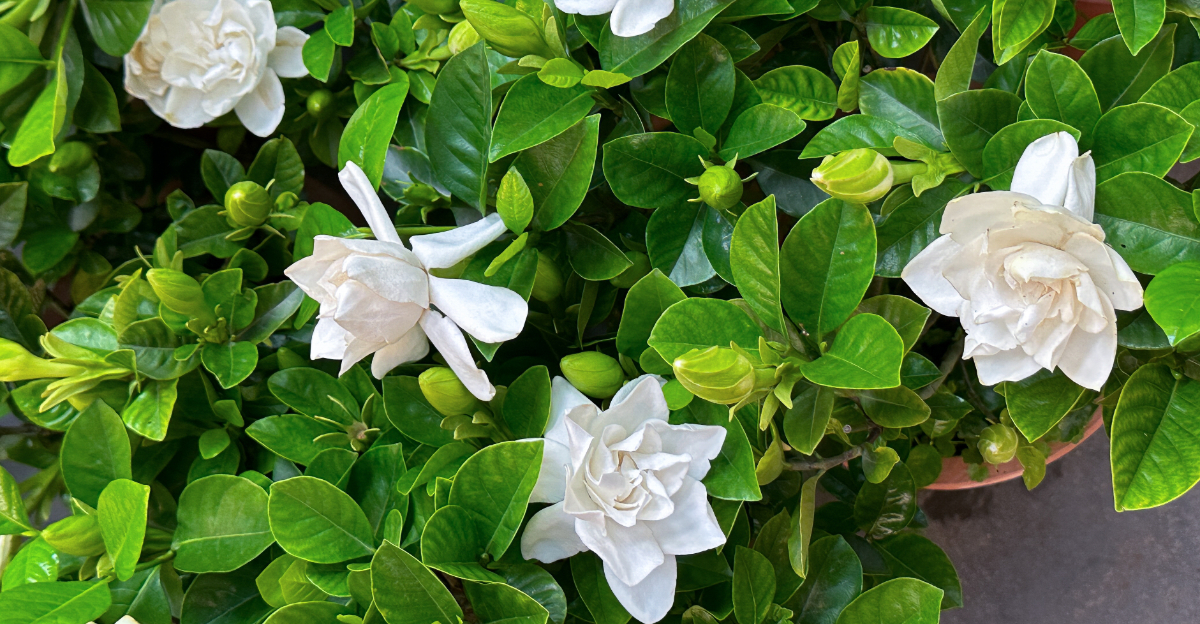
Gardenias can look healthy in Arizona through spring, then suddenly struggle once heat begins to build. Leaves lose their deep green color, buds drop before opening, and growth slows just as the plant should be getting ready to bloom.
That shift often comes down to how conditions change in May. Care during this month sets the tone for how well gardenias handle the months ahead.
Watering depth, soil balance, and light exposure all influence whether the plant holds onto buds or gives up under stress. Small adjustments now can prevent bigger problems later.
Timing matters, especially before temperatures climb too high.
A few focused steps can help gardenias stay steady, keep their buds, and move into summer with stronger growth instead of struggling to recover.
1. Adjust Light Exposure To Prevent Leaf Burn In Rising Heat
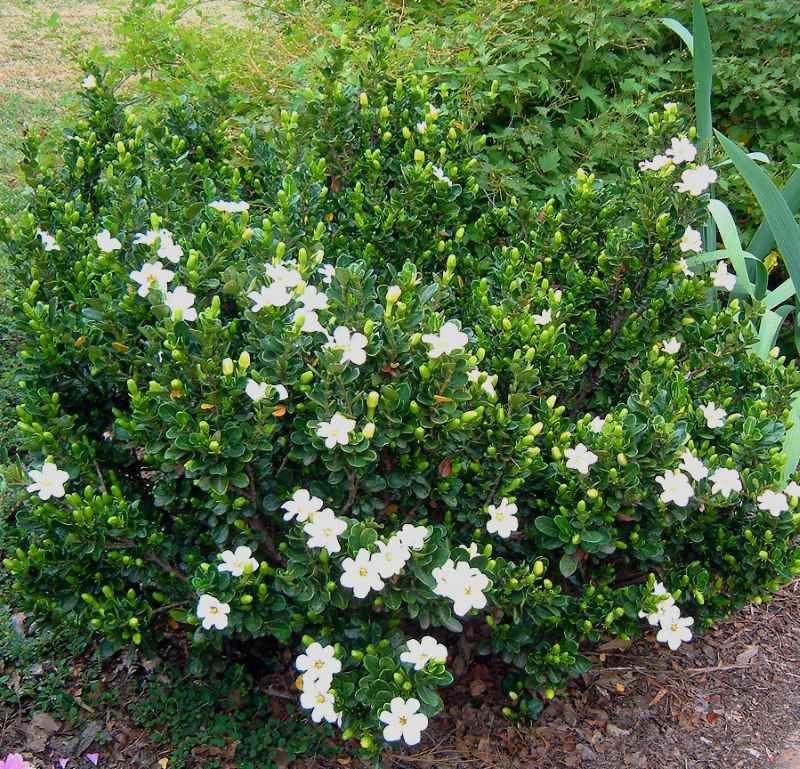
Sunburn on gardenias is one of the fastest ways to wreck a season of growth before summer even begins. In Arizona, May sun is already intense enough to scorch leaves, especially during those long afternoon hours when the UV index spikes hard.
Gardenias prefer bright, indirect light rather than full blasting sun, and this becomes critical as temperatures push toward the 90s and beyond.
If your gardenia is in a pot, moving it to a spot that gets morning sun and afternoon shade is a practical fix that most Arizona gardeners swear by. Morning light is gentler and helps the plant photosynthesize without cooking the leaves.
Afternoon shade, even from a patio cover or a nearby wall, can protect against the worst of the heat damage.
For in-ground plants in Arizona, you have fewer options, but shade cloth rated at 30 to 40 percent can be draped or staked over the plant during peak afternoon hours.
Look for yellowing or brown crispy edges on leaves as early warning signs that the plant is getting too much direct exposure.
2. Water Deeply And Consistently As Temperatures Climb
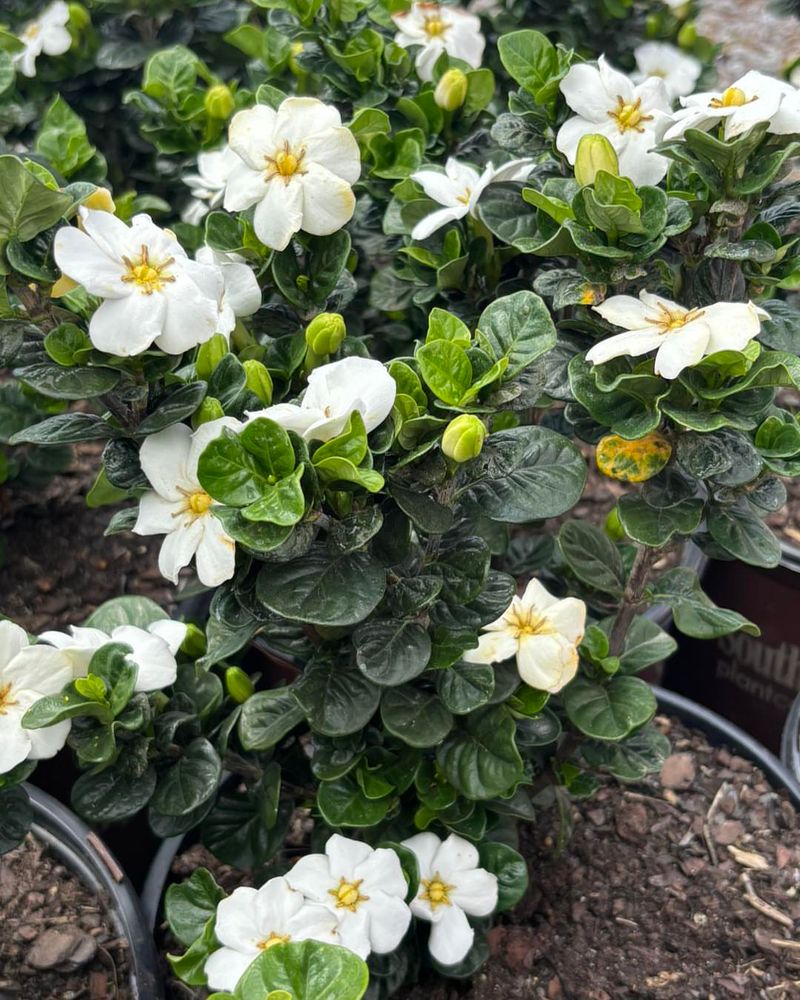
Watering gardenias in Arizona during May is not about sprinkling a little water every day and calling it done. Shallow, frequent watering encourages roots to stay near the surface where the soil dries out fastest.
Deep, consistent watering pushes roots further down into cooler, more stable soil, which helps the plant handle heat stress much better through summer.
A good rule of thumb for Arizona gardeners is to water slowly and deeply two to three times per week in May, depending on your soil type.
Sandy soils drain fast and may need more frequent attention, while clay soils hold moisture longer but can waterlog roots if you overdo it.
Stick your finger about two inches into the soil before watering. If it still feels damp, hold off another day.
Gardenias also hate fluctuating moisture levels. Inconsistent watering leads to bud drop, which is one of the most frustrating problems Arizona gardeners face in late spring.
Once buds form, keeping moisture steady is essential. Drip irrigation systems work really well for gardenias because they deliver water directly to the root zone without splashing foliage, which can invite fungal issues in humid pockets.
Your Arizona Garden Changes Every Week. Your Plan Should Too.
Gardening in Arizona changes quickly throughout the season. Every Friday you’ll receive a simple weekly plan showing exactly what to plant, prune, fertilize, harvest, and protect so you never miss the right timing.
3. Use Acidic Fertilizer To Support Healthy Growth And Buds
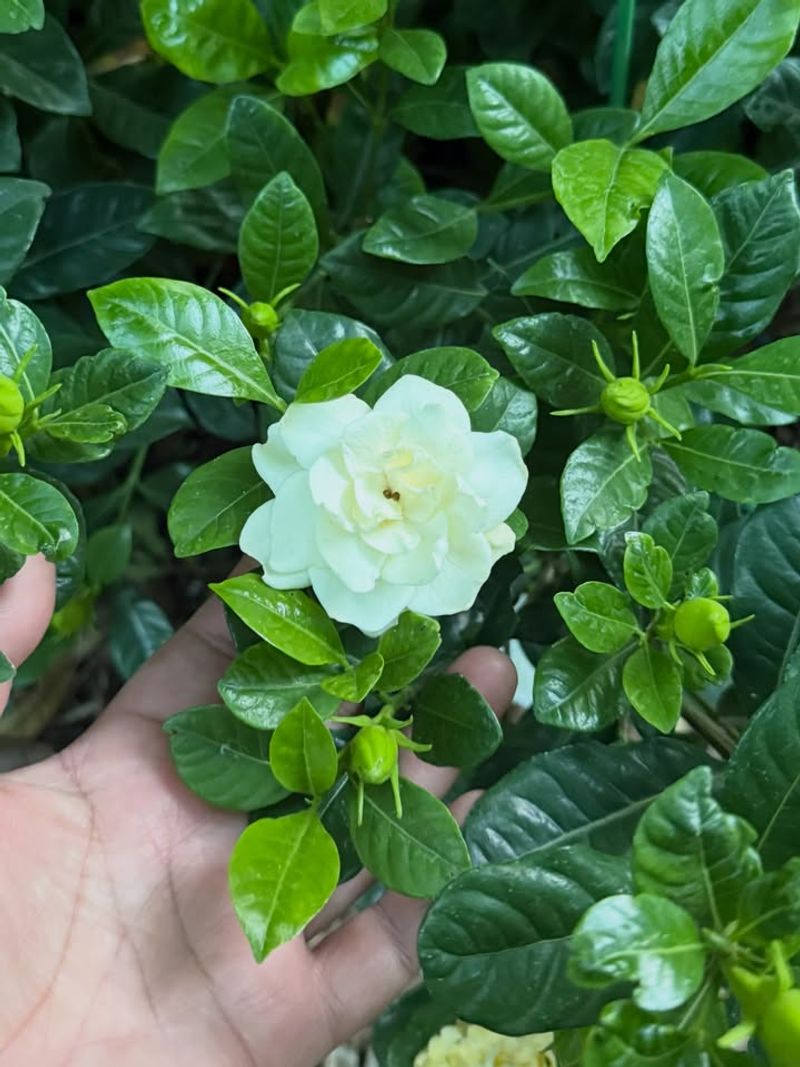
Gardenias are picky eaters, and they have a clear preference for acidic fertilizers that match their natural soil needs. In Arizona, where soil tends to run alkaline, giving gardenias a fertilizer specifically formulated for acid-loving plants is not optional.
Without it, the plant struggles to absorb key nutrients even when those nutrients are technically present in the soil.
Look for fertilizers labeled for azaleas, camellias, or acid-loving plants. These typically contain a balanced mix of nitrogen, phosphorus, and potassium along with trace minerals like iron and manganese that gardenias need for deep green leaves and strong bud development.
Apply in May before the peak heat settles in, because fertilizing during extreme heat can stress roots and cause more harm than good.
Slow-release granular fertilizers work well in Arizona because they feed the plant gradually over several weeks rather than dumping a heavy dose all at once.
Follow the package directions carefully and avoid over-fertilizing, which can push too much leafy growth at the expense of blooms.
Liquid fertilizers are another option and can be applied every two to four weeks during the growing season.
4. Check Soil pH To Keep It In The Right Range
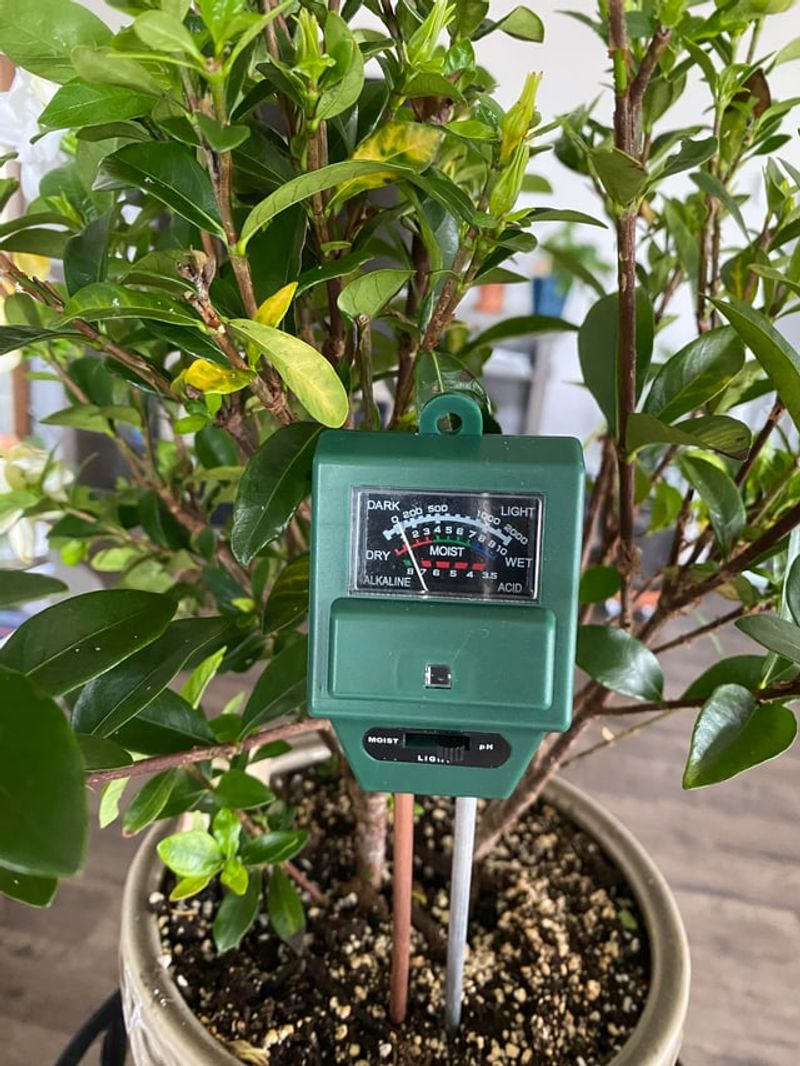
Alkaline soil is one of the biggest hidden obstacles for gardenia growers in Arizona. Most of the state has naturally high-pH soil, often sitting between 7.5 and 8.5, while gardenias need a pH between 5.0 and 6.5 to absorb nutrients properly.
When the pH is off, the plant shows signs of deficiency even when it has been fertilized regularly, because the nutrients are locked out at the root level.
Testing your soil in May is a smart move before you invest more time and money into fertilizers and amendments. Basic pH test kits are available at most garden centers and are easy to use at home.
Collect a small sample of soil from around the root zone, mix it with water, and compare the color result to the chart provided. Doing this once or twice a season gives you a reliable picture of where your soil stands.
If the pH is too high, sulfur is the most common amendment used to bring it down over time. Elemental sulfur works slowly, so adding it in May gives it time to take effect before the hottest months hit.
Iron sulfate is a faster-acting option that also adds iron to the soil, which gardenias in Arizona often need.
5. Add Mulch To Keep Roots Cool And Moist
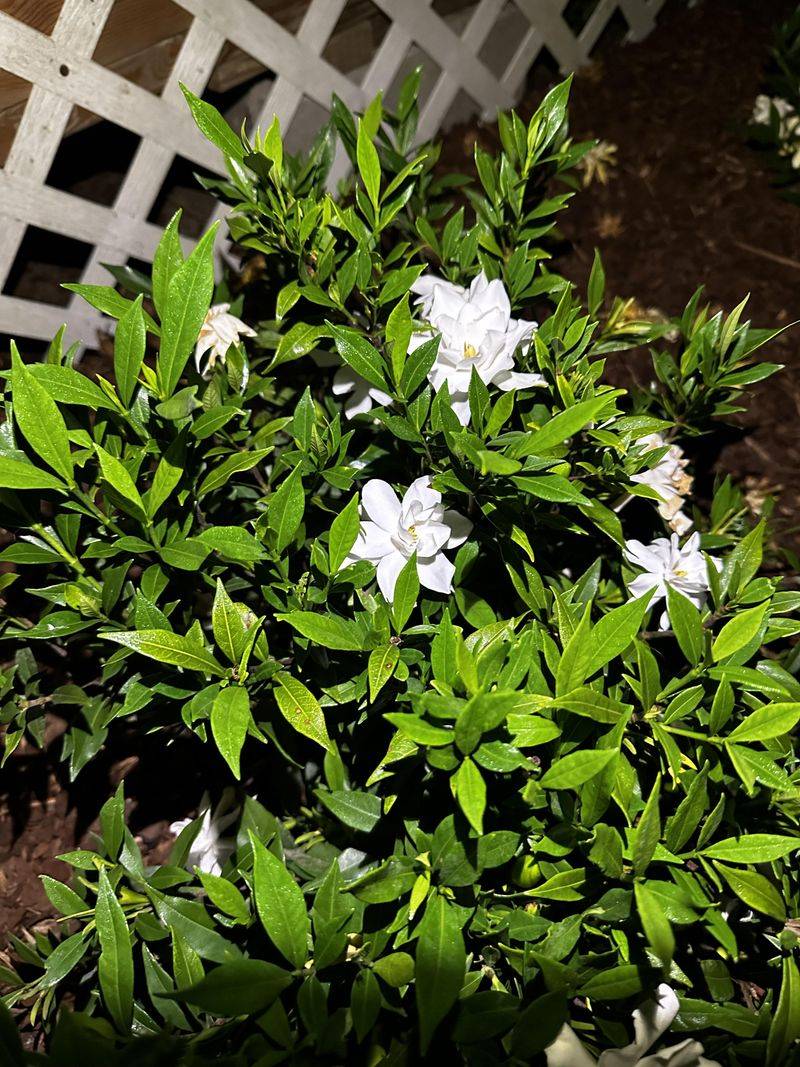
Mulch might be the single most underrated tool an Arizona gardener can use in May. Ground temperatures in Arizona can climb well above air temperature by midsummer, and gardenia roots are sensitive to that kind of heat.
A solid layer of mulch acts like insulation, keeping the soil underneath noticeably cooler and holding onto moisture so the plant does not dry out between waterings.
Organic mulches like shredded bark, wood chips, or compost work best because they break down over time and add a small amount of organic matter back into the soil. Apply a layer about two to three inches thick around the base of the plant, spreading it out to the drip line if possible.
Keep the mulch a few inches away from the main stem to avoid trapping moisture directly against the bark, which can invite rot or pest problems.
In Arizona specifically, mulching before the intense heat of June and July arrives makes a measurable difference in how well gardenias hold up.
Gardeners who skip this step often notice their plants wilting faster, needing more frequent watering, and producing fewer blooms by midsummer.
6. Protect Plants From Intense Afternoon Sun
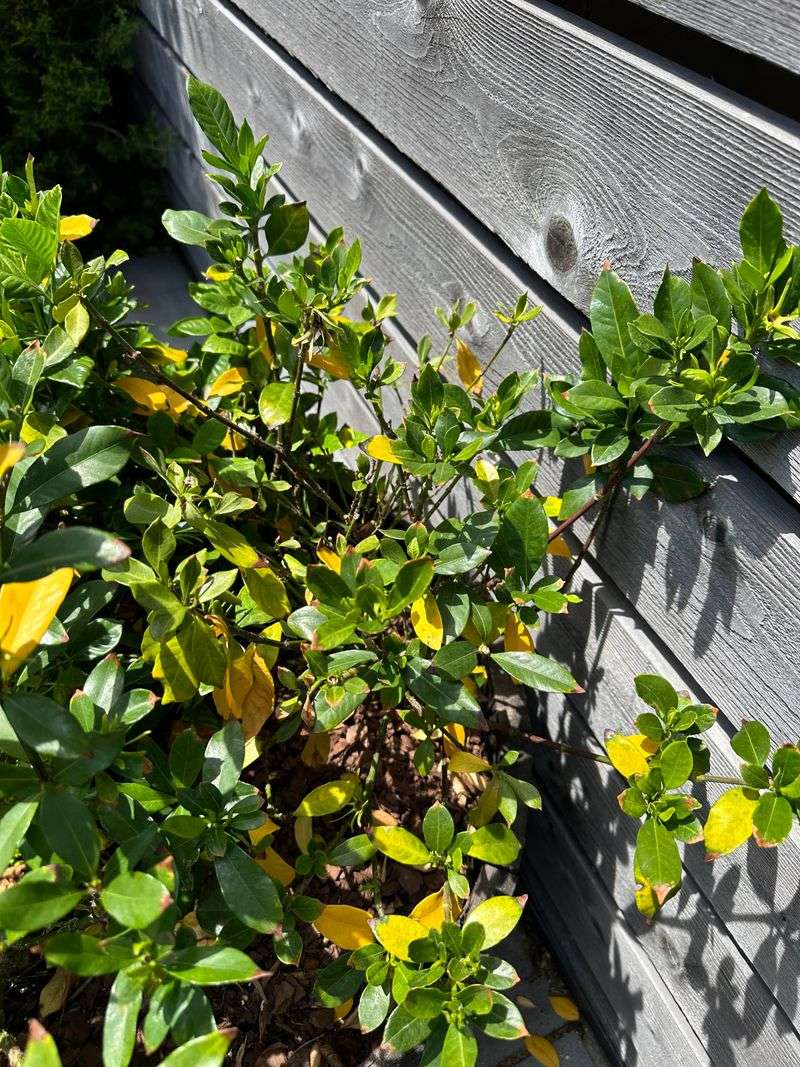
Afternoon sun in Arizona during May is not the same as afternoon sun in most other parts of the country.
By 1 or 2 in the afternoon, the UV intensity and heat coming off paved surfaces, walls, and dry soil can push temperatures around your plants well past what the air thermometer reads.
Gardenias exposed to that kind of direct heat and light for hours can drop buds, scorch leaves, and go into stress mode fast.
Potted gardenias have the advantage of being moveable. Rolling or carrying them to a shaded patio, under a tree, or alongside a north-facing wall in the afternoons gives them relief without a lot of extra effort.
Even a few hours of shade during the hottest part of the day can prevent significant damage and keep the plant focused on blooming rather than just coping.
For gardenias planted directly in the ground across Arizona, creating shade is a bit more involved but still very doable. Temporary shade structures using stakes and shade cloth are widely used by Arizona gardeners during May and June.
Some gardeners plant taller shrubs or fast-growing perennials nearby to create natural shade as a longer-term solution.
7. Avoid Heavy Pruning That Can Reduce Summer Blooms
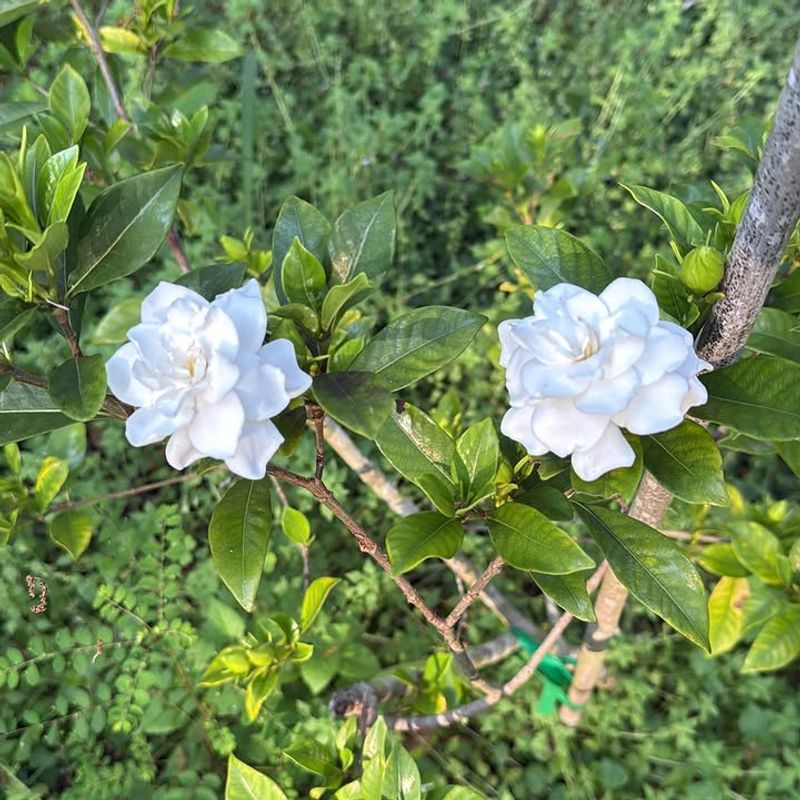
Reaching for the pruning shears in May feels tempting, especially when a gardenia looks a little scraggly after winter. Resist that urge.
Heavy pruning in May removes the very growth where summer flower buds are already forming, and cutting it off means cutting off your bloom potential for the season. Gardenias set their buds on new growth, and by May in Arizona, that process is already well underway.
Light, selective pruning is a different story.
Cleaning up those problem areas improves airflow around the plant and lets it put energy into healthy growth rather than maintaining struggling branches. Use clean, sharp pruners to make precise cuts just above a leaf node.
Save any significant shaping or size reduction for right after the main bloom period ends, which in Arizona typically falls in late summer or early fall depending on your specific conditions and care routine.
Pruning at that point gives the plant time to push out new growth before winter without sacrificing the current season’s flowers.
Arizona gardeners who wait until after blooming to prune consistently report fuller plants and more abundant flowering the following year.