Why Your Ohio Black Eyed Susans Look Terrible After The First Year
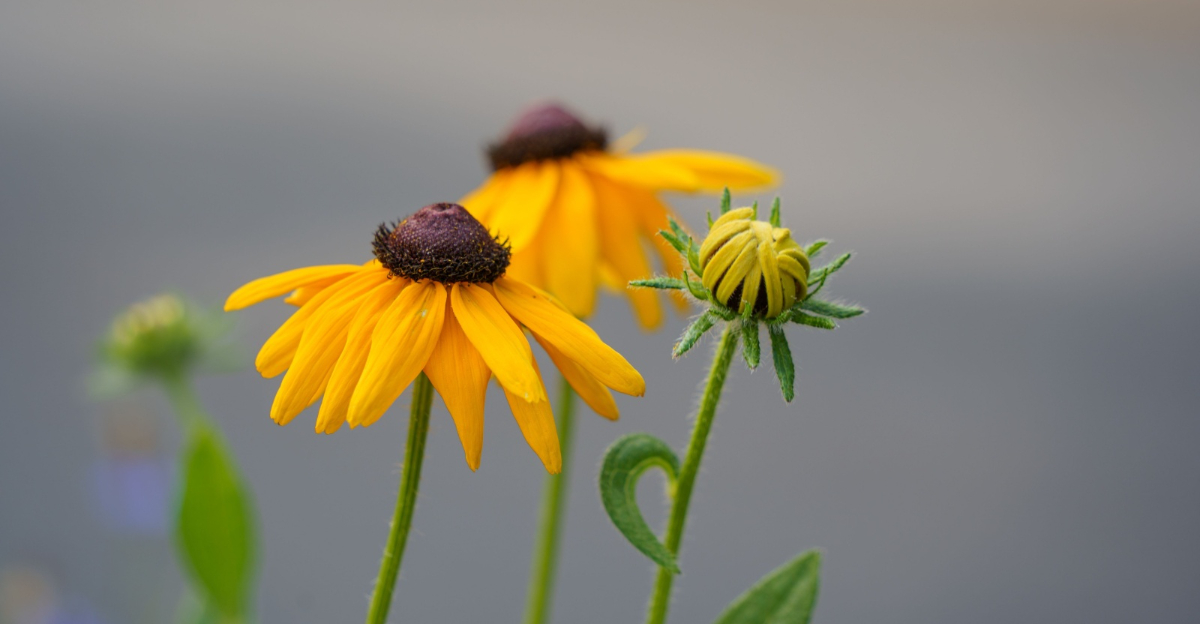
Black-eyed Susans are the ultimate high school sweethearts of the Ohio garden world.
They show up that first year looking absolutely radiant with those sunny yellow petals, making your backyard look like a professional landscaping magazine cover.
You probably spent all winter dreaming about that second-year glow-up, only to find a few scraggly stems or random plants popping up in the middle of your gravel path. It is enough to make you check your soil for a curse!
The truth is that many common varieties are actually short-lived perennials or even biennials. Their presence in your garden is naturally brief, which is just their biological clock ticking away.
Instead of the original plant returning as a massive clump, they often rely on seeds to keep the party going in new spots.
Knowing this secret helps you manage your expectations and keeps your Ohio garden looking full and fabulous.
1. Black-Eyed Susans Are Often Short-Lived By Nature
Sunny flower beds in Ohio can fool you into thinking black-eyed Susans are tough, long-lasting perennials that will come back strong year after year. The truth is a little more complicated.
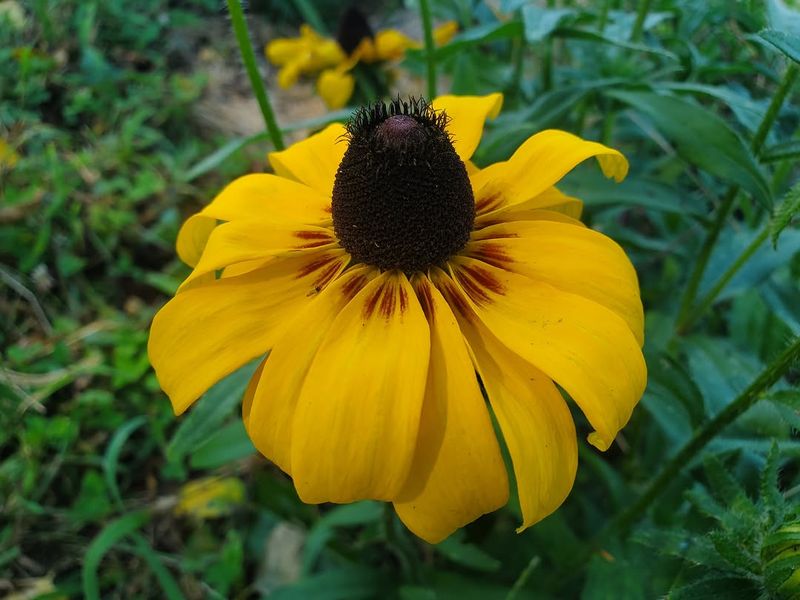
Common black-eyed Susan, known botanically as Rudbeckia hirta, is widely considered a biennial or short-lived perennial, which means its natural lifespan is often just one to two years.
During that first growing season, the plant puts a tremendous amount of energy into producing those bright golden blooms. It looks full, healthy, and impressive.
But once that bloom cycle is complete, the original plant may begin to decline, leaving behind seeds rather than a strong returning clump.
Ohio gardeners who purchase transplants or sow seeds in spring are often seeing peak performance right away. That energy burst is part of the plant’s natural cycle, not a sign that it will keep performing the same way.
When the second year arrives and the original plants are gone or weakened, what you may see instead are smaller seedlings that sprouted from dropped seeds.
These young plants look nothing like the full blooms from year one, which explains why so many Ohio gardeners feel let down without understanding exactly what changed in their flower beds.
2. First-Year Bloom Power Can Be Hard To Repeat
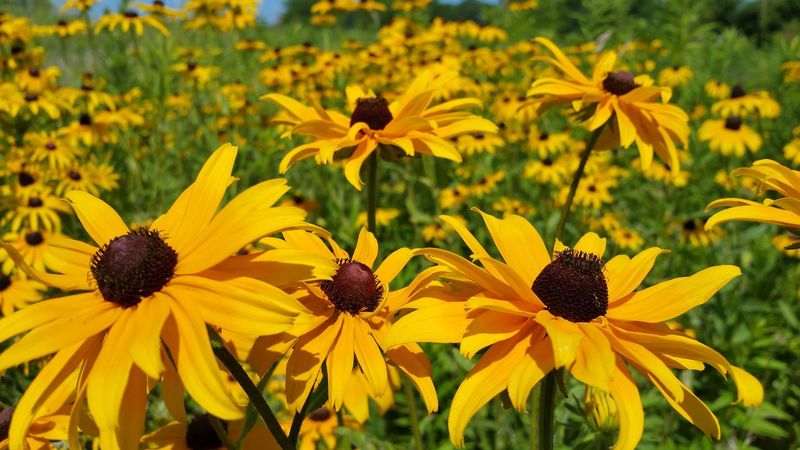
Walking past a bed of black-eyed Susans in their first summer is one of those small garden joys that is hard to forget. The blooms are bold, the plants stand tall, and the color feels almost electric against a blue Ohio sky.
That kind of display sets an expectation, and it is completely understandable why gardeners want it to repeat.
What makes first-year performance so strong is a combination of fresh root development, favorable planting conditions, and the plant’s natural drive to flower and set seed.
Nursery-grown transplants are often cultivated to perform quickly and visually, which means they arrive ready to put on a show.
That early momentum is real, but it is not always sustainable into a second season.
By year two, the original plant may have completed its life cycle or significantly reduced its vigor. Even Rudbeckia varieties that lean more toward true perennial behavior can struggle to match that first-year energy without the right conditions.
Your Ohio Garden Changes Every Week. Your Plan Should Too.
Gardening in Ohio changes quickly throughout the season. Every Friday you’ll receive a simple weekly plan showing exactly what to plant, prune, fertilize, harvest, and protect so you never miss the right timing.
Ohio summers can be hot and humid, which adds stress to plants that are already past their peak.
Gardeners who understand this cycle can plan accordingly by allowing reseeding, adding fresh transplants every other year, or mixing in other long-lived perennials to fill the gaps when black-eyed Susan performance naturally drops off.
3. Self-Seeding Can Change How The Plant Looks Over Time
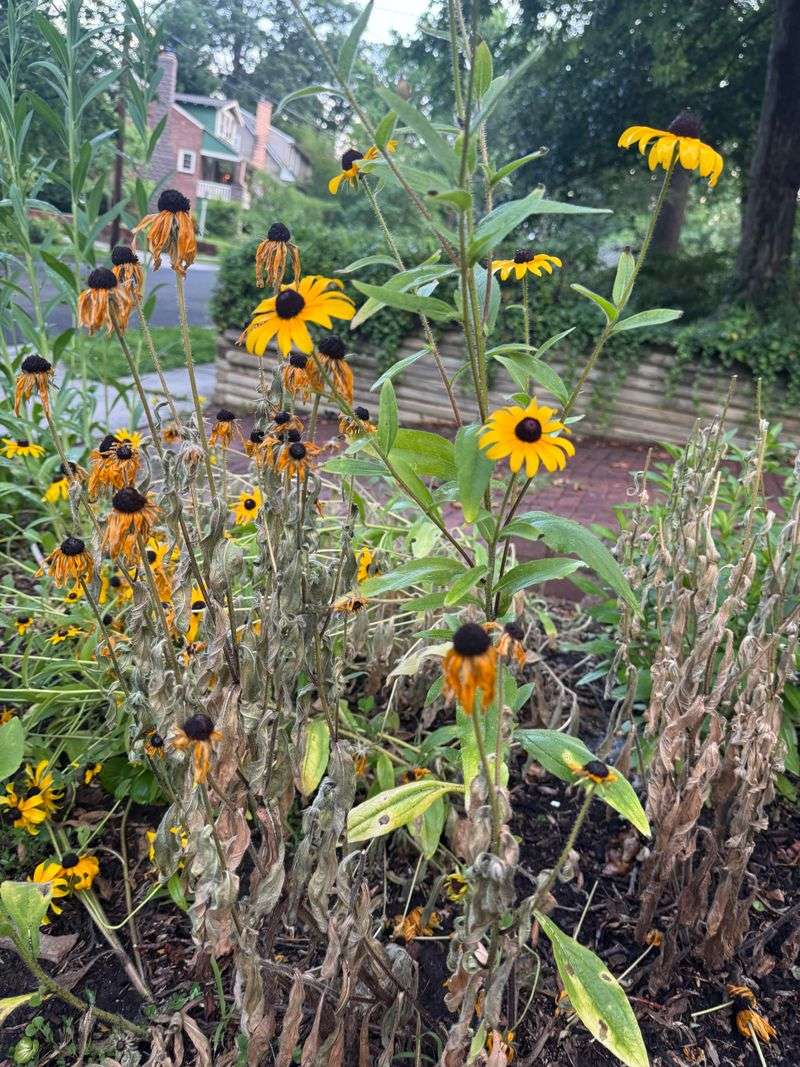
One of the most noticeable changes in a black-eyed Susan planting from year one to year two is where the plants actually show up.
Instead of filling the same neat area, new growth may appear a foot or two away from the original spot, or in thin, scattered clusters that look nothing like the original planting.
Reseeding is the reason. When black-eyed Susans finish blooming, they drop seeds that can travel short distances with wind or wildlife.
In Ohio gardens, those seeds often germinate in slightly different locations the following spring, producing seedlings that are smaller and less uniform than the parent plants.
The result can look messy or patchy, especially in formal borders or cottage-style beds where consistency matters.
Seedlings also take time to establish before they bloom. Many first-year seedlings from reseeding will focus on root and leaf development rather than flowering, which means your bed may look green and sparse rather than colorful during that second season.
This is completely normal plant behavior, but it surprises a lot of Ohio gardeners who were expecting a repeat of their first bold display.
Allowing some reseeding while also removing unwanted seedlings and refreshing with new transplants can help keep the planting looking more intentional and full without completely starting over each year.
4. Ohio Gardeners Often Expect A Longer-Lived Clump
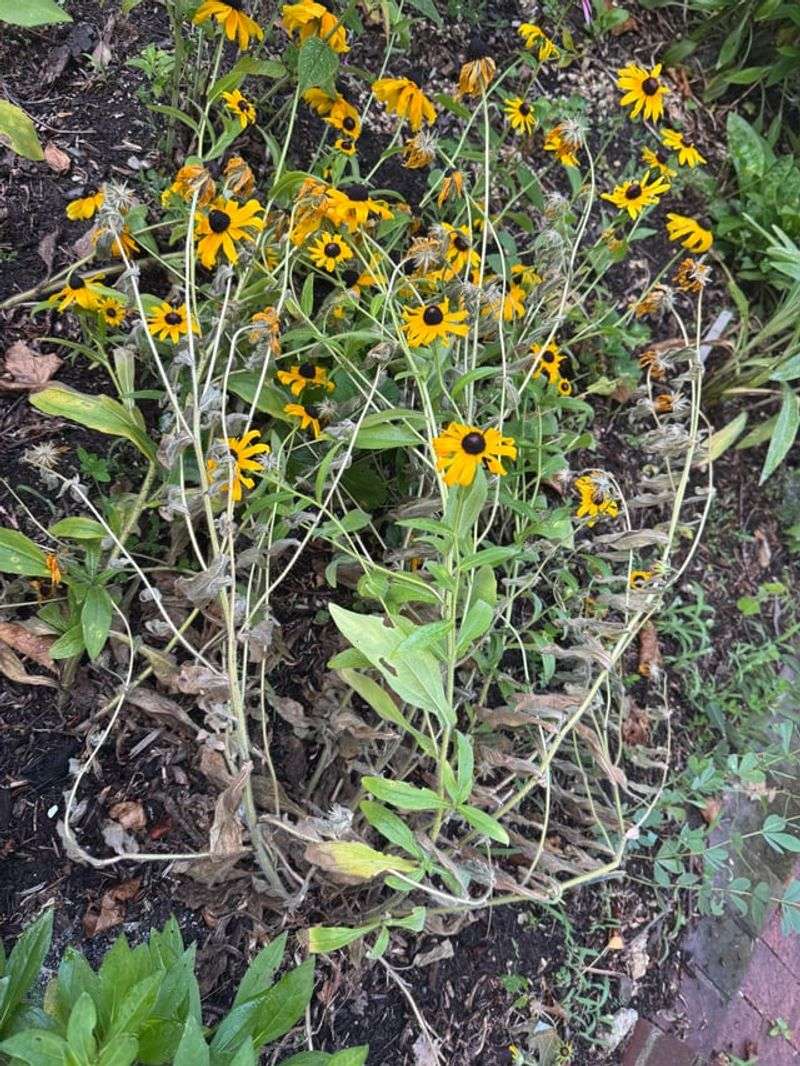
Many perennial flowers in Ohio gardens do exactly what gardeners expect. They come back each spring as a stronger, fuller clump that grows a little larger and more impressive over time.
Coneflowers, daylilies, and black-eyed Susans are often grouped together in the same mental category, so it makes sense that gardeners assume similar long-term behavior from all three.
The confusion is understandable, but black-eyed Susan does not always follow that same pattern.
While some Rudbeckia species, such as Rudbeckia fulgida, are more reliably long-lived perennials, Rudbeckia hirta is the type most commonly sold at Ohio garden centers and planted in home landscapes.
Its short-lived nature means the clump does not typically expand and strengthen the way a true long-lived perennial would.
When Ohio gardeners notice their black-eyed Susan beds looking thinner or more scattered in year two, the assumption is often that something went wrong with care or soil. In reality, the plant may simply be following its natural rhythm.
Adjusting expectations and planting strategy can make a big difference.
Choosing Rudbeckia fulgida cultivars, which tend to return more reliably as expanding clumps, is one practical option for Ohio gardeners who want that consistent, full look without replanting every season.
Knowing what species or variety you are working with before planting saves a lot of guesswork later on.
5. Too Much Shade Can Lead To Weaker Growth
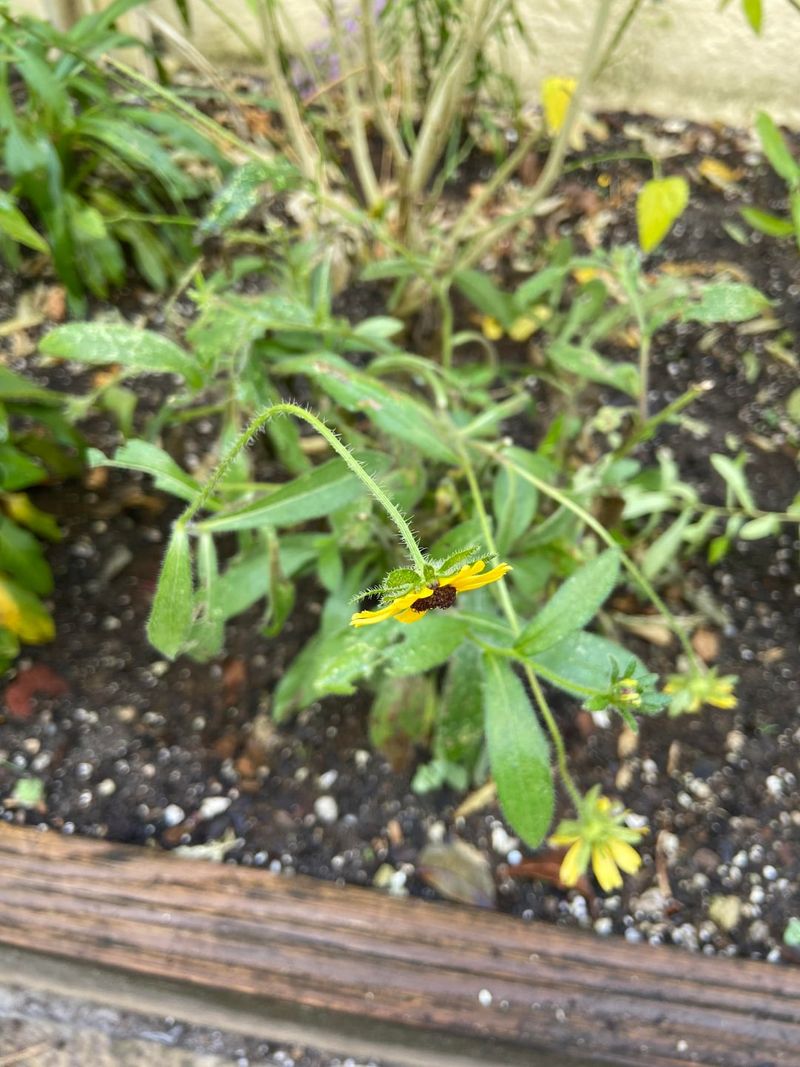
Planting black-eyed Susans near a fence, under a tree canopy, or beside a structure that blocks afternoon light is one of the most common reasons Ohio gardeners see weaker growth after year one.
These plants genuinely love full sun, meaning at least six hours of direct sunlight per day. When that light is reduced, the plants respond in ways that look like poor health.
Stems stretch and lean toward available light, becoming taller and weaker than normal.
Bloom counts drop noticeably, and foliage may look less full or more prone to powdery mildew, which is a fungal issue that shows up more often in shaded, humid Ohio summers.
The plant is not struggling because of bad soil or neglect – it is simply responding to an environment that does not match its needs.
First-year plants sometimes perform reasonably well even in marginal light because they were established under better nursery conditions or because nearby trees had not yet leafed out fully by the time they were planted.
By the second season, that shade issue becomes more obvious as the plants try to compete for light with less stored energy.
Moving black-eyed Susans to a sunnier spot in your Ohio garden, or trimming back overhanging branches to increase light exposure, can make a meaningful difference in how the plants look and perform from one season to the next.
6. Poor Drainage Can Leave Plants Looking Rough
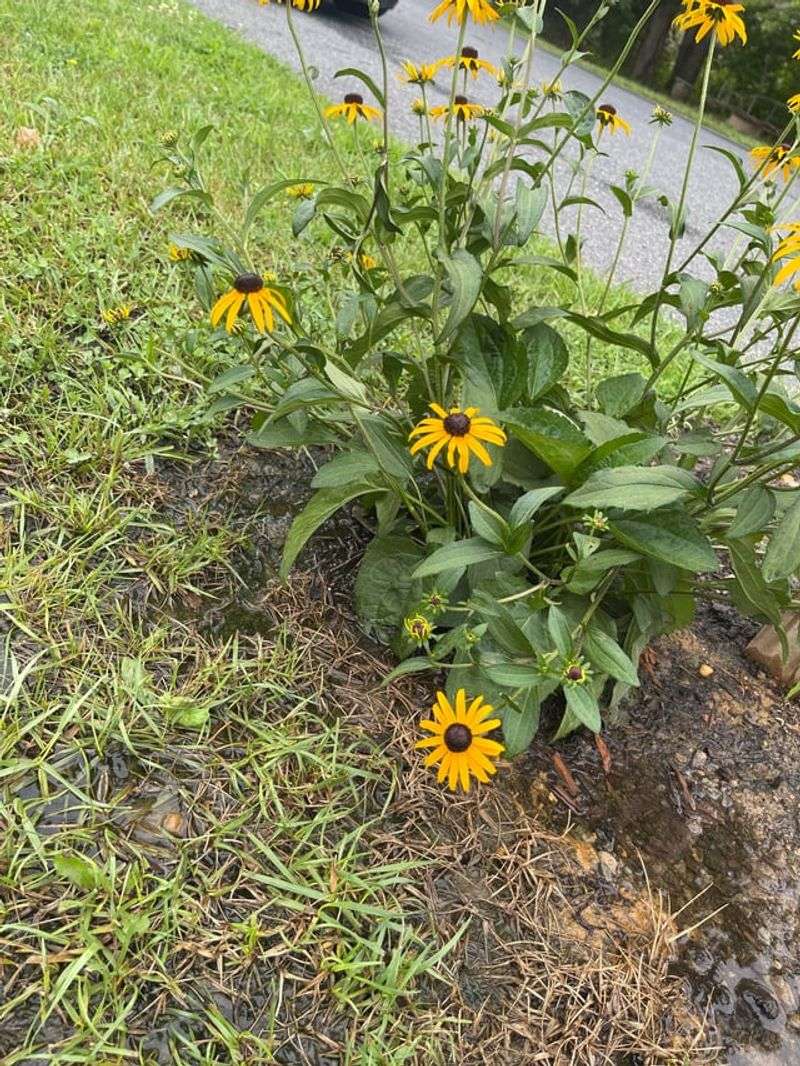
Ohio soil can be tricky. Much of the state has heavy clay soil that holds water longer than most flowering plants prefer, and black-eyed Susans are no exception.
While these plants can handle short dry spells with some grace, they do not appreciate sitting in wet or waterlogged conditions for extended periods, especially through Ohio’s spring rainy season.
When drainage is poor, roots struggle to access the oxygen they need to stay healthy. Plants may look wilted even when the soil is wet, leaves can turn yellow, and overall growth tends to be stunted compared to what you saw in year one.
Over time, root health declines, and the plant loses its ability to produce strong stems and blooms.
Gardeners who planted black-eyed Susans in low spots, near downspouts, or in beds with compacted soil often notice these problems most clearly by the second season.
The first year may have gone smoothly because the plant was young and conditions happened to be favorable.
As the soil compacts further or wet seasons take their toll, the drainage issue becomes harder to ignore.
Improving drainage by adding organic matter like compost, raising the bed slightly, or relocating plants to a spot with better soil structure can help Ohio gardeners get more consistent results without having to replace plants as frequently as they might otherwise need to.
7. Not Every Black-Eyed Susan Acts Like A True Long-Term Perennial
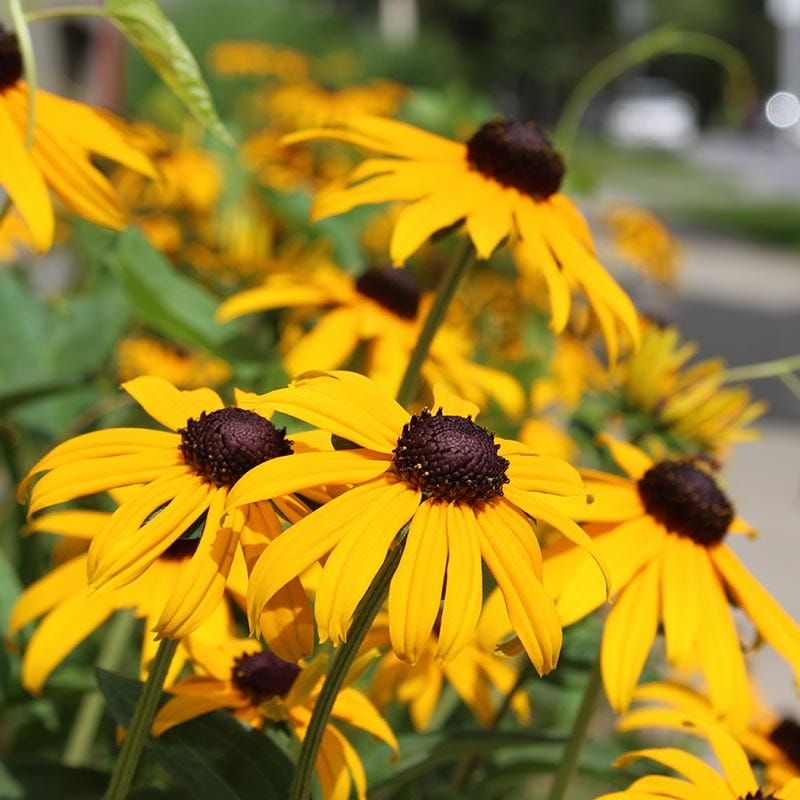
Rudbeckia is a group that includes several different species, and not all of them behave the same way in an Ohio garden.
The label “black-eyed Susan” gets applied broadly to plants that may have very different life cycles, which creates real confusion at the garden center and in the landscape.
Rudbeckia hirta, the most commonly planted type in Ohio home gardens, tends to behave as a biennial or short-lived perennial.
Rudbeckia fulgida, on the other hand, is a more reliably long-lived perennial that returns as an expanding clump with consistent bloom performance over many seasons.
Without reading the plant tag carefully, it is easy to bring home a Rudbeckia hirta thinking it will behave like a sturdy, returning perennial for years to come.
Some popular cultivars sold at Ohio nurseries are bred for showy first-year blooms, which makes them appealing on the shelf but not necessarily built for long-term landscape use.
Understanding the difference between species and selecting accordingly gives Ohio gardeners a much better chance of getting the return performance they are hoping for.
If your goal is a low-maintenance, long-lasting pollinator planting or cottage garden border, seeking out Rudbeckia fulgida varieties rather than Rudbeckia hirta can change your results considerably.
A little label reading before you buy goes a long way in Ohio gardens.