The Best Ground Cover Plants For Clay Soil In North Carolina
Clay soil is one of the most common frustrations for North Carolina gardeners, and it shows up in yards across the Piedmont and beyond in full force.
It gets waterlogged after rain, bakes into something close to concrete during dry stretches, and makes planting feel like more of a battle than it should be.
Ground covers are one of the smartest solutions for these problem areas, but only if you choose varieties that can actually handle what clay throws at them.
The wrong plants will sit there looking stressed all season and never fill in the way you hoped.
The right ones will spread confidently, hold the soil in place, reduce erosion on slopes, and eventually crowd out weeds without asking much in return.
North Carolina’s climate adds another layer to the equation, since whatever you plant needs to handle summer heat and humidity on top of the soil challenges.
These ground covers are genuinely suited for both, and they perform in clay conditions where most other plants simply will not cooperate.
1. Wild Ginger (Asarum canadense)
Tucked beneath the canopy of old oaks and maples, wild ginger does something most plants simply cannot manage in heavy clay soil.
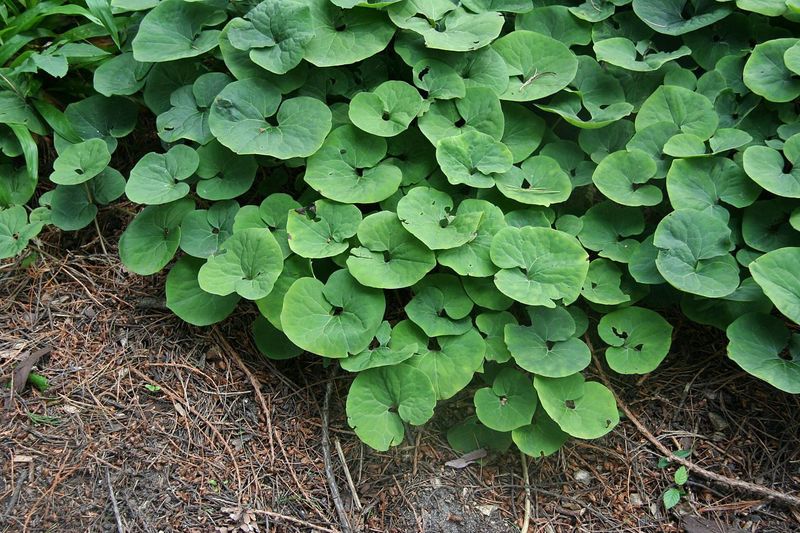
It spreads slowly and steadily by underground rhizomes, forming a thick, lush mat that shades out weeds without any help from you.
That weed-suppressing ability alone makes it one of the most practical ground covers available for North Carolina homeowners dealing with compacted clay.
Unlike many ornamental plants that collapse under the pressure of dense, poorly drained soil, wild ginger holds its ground season after season, asking very little while delivering consistent, reliable coverage across difficult garden beds.
Wild ginger is native to North Carolina, which means it already knows how to handle the Piedmont’s tough conditions.
It thrives in shaded spots where clay is at its worst, tolerating both dry spells and periods of excess moisture without missing a beat.
No fertilizer, no soil amendment, and no supplemental watering are needed once it settles in and gets comfortable in your landscape.
That kind of self-sufficiency is genuinely rare among ground cover plants, and it makes wild ginger especially appealing for homeowners who want results without committing to an ongoing maintenance routine.
The heart-shaped, deep green leaves stay attractive from spring through fall and give garden beds a rich, woodland feel.
Gardeners across North Carolina often overlook this plant in favor of more showy options, but wild ginger earns its reputation through sheer reliability.
The foliage creates a seamless, carpet-like effect that looks intentional and polished with almost zero effort on your part.
If you have a shaded area with clay soil that nothing else seems to handle, wild ginger is the steady, dependable answer you have been looking for all along.
2. Creeping Phlox (Phlox subulata)
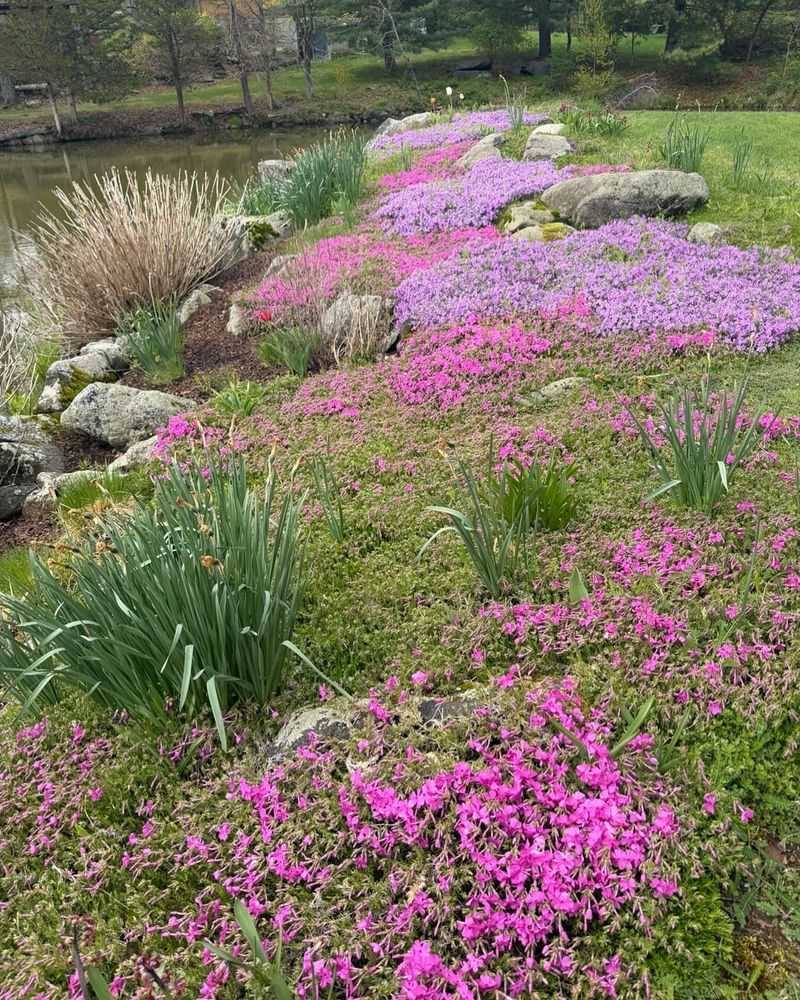
Every spring across North Carolina, creeping phlox puts on one of the most stunning shows a ground cover can offer.
Slopes and hillsides suddenly burst into waves of pink, white, and lavender blooms in April and May, turning what was once a bare, eroding clay problem into a genuine showstopper.
Your North Carolina Garden Changes Every Week. Your Plan Should Too.
Gardening in North Carolina changes quickly throughout the season. Every Friday you’ll receive a simple weekly plan showing exactly what to plant, prune, fertilize, harvest, and protect so you never miss the right timing.
Few plants can match that kind of visual payoff while also doing serious work holding soil in place.
The blooms are so dense and vivid that creeping phlox practically stops traffic, yet most homeowners are surprised to learn that this spectacular display requires almost no effort or specialized care to produce year after year.
Creeping phlox is native to the eastern United States, including North Carolina, so it has a natural toughness built right in.
It handles clay soil better than most low-growing ground covers, tolerating compaction and slow drainage without struggling.
Slopes where clay erosion washes away soil after heavy rain are exactly where this plant proves its worth most clearly.
Its dense, spreading root system grips the soil firmly, reducing runoff and protecting hillsides from the kind of ongoing erosion that frustrates so many North Carolina homeowners every time a significant storm rolls through.
It prefers full to partial sun, making it a versatile choice for many North Carolina yards that get good light exposure.
Once established, it stays low and dense, forming a tight mat that keeps weeds from getting a foothold.
Maintenance is refreshingly minimal since a light trim after the spring bloom is really all it needs to stay tidy and vigorous.
For homeowners who want a flowering ground cover that works hard on difficult clay sites without demanding much in return, creeping phlox is simply one of the best choices available in North Carolina.
3. Green And Gold (Chrysogonum virginianum)
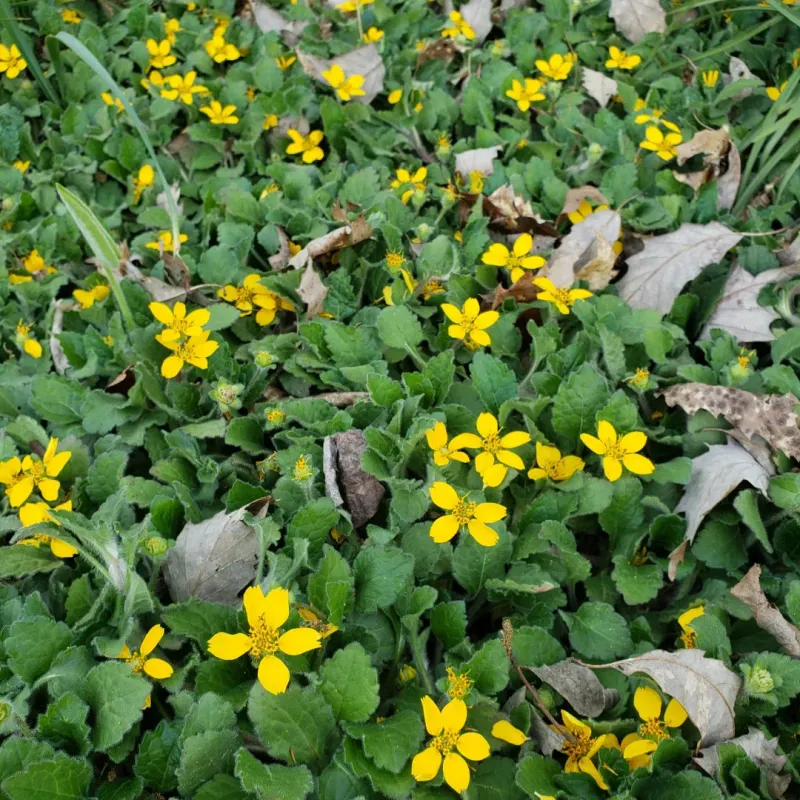
Bright yellow flowers popping up from a low carpet of green foliage is one of the most cheerful sights a North Carolina garden can offer in spring.
Green and gold delivers exactly that, blooming from spring through fall with peak color in April and May.
What makes it even more impressive is that it keeps producing flowers on and off throughout the warm season, long after most other ground covers have finished for the year.
That extended bloom period gives your garden beds sustained color and visual interest at a time when many landscapes settle into an uninspiring stretch of plain greenery between seasons.
Native to North Carolina, this plant has a natural affinity for the Piedmont’s clay-heavy soils and partially shaded conditions.
It spreads steadily without ever becoming pushy or invasive, filling in gaps at a pace that feels manageable for any gardener.
In mild North Carolina winters, the foliage stays evergreen, giving your garden beds color and coverage even when most other plants have gone dormant.
That year-round presence is a genuine advantage for homeowners who want their landscapes to look cared-for and intentional throughout every month of the year, not just during peak growing season.
Green and gold is genuinely one of the most underrated native ground covers for clay soil in North Carolina.
It asks for very little once it gets established, needing no special fertilizer and handling moderate drought without complaint.
Gardeners who try it for the first time are often surprised by how well it performs in spots where other plants have struggled repeatedly.
The cheerful flowers, the tidy spreading habit, and the easy care requirements all add up to a plant that consistently outperforms expectations.
If your yard has partial shade and heavy clay, green and gold deserves a serious spot at the top of your planting list this season.
4. Robin’s Plantain (Erigeron pulchellus)
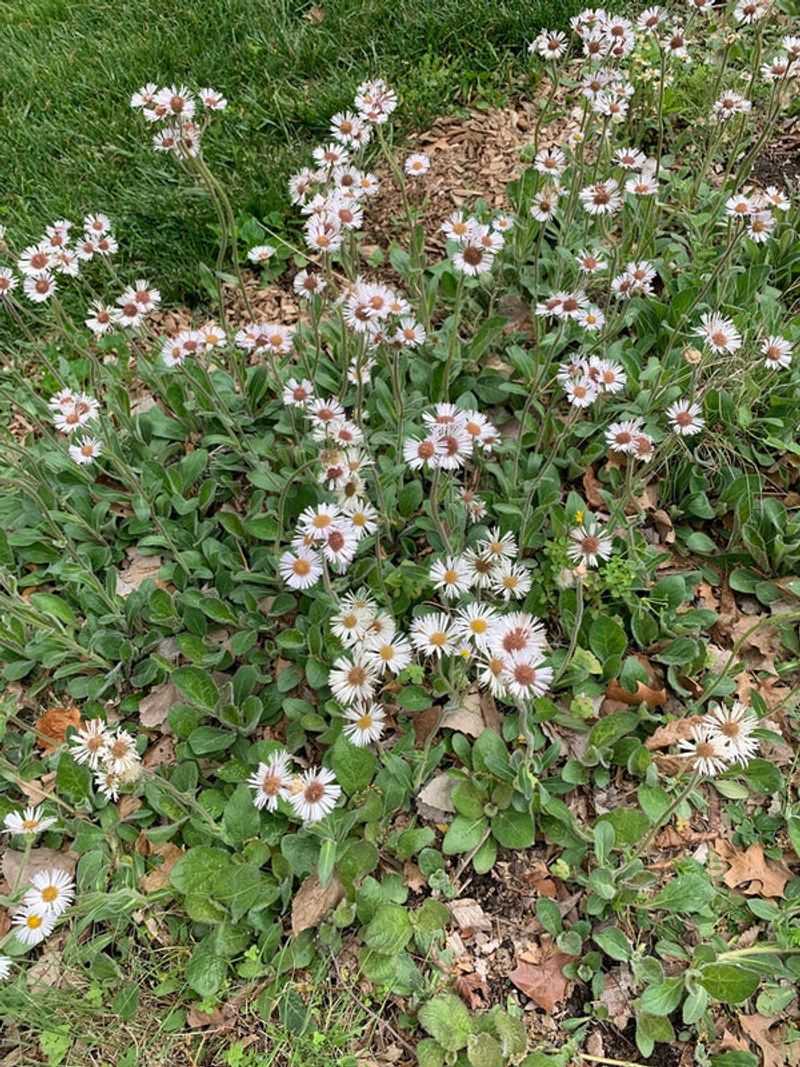
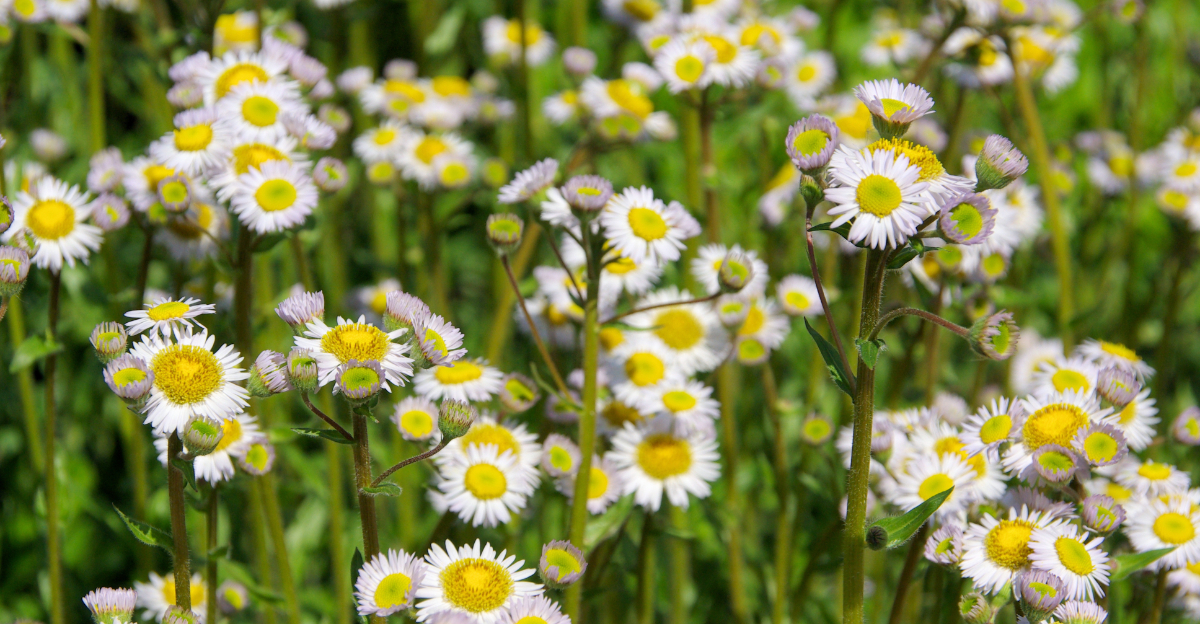
Not many plants can pull off looking delicate while quietly thriving in compacted clay soil, but Robin’s plantain manages it with effortless charm.
Slender lavender blooms that look like tiny daisies rise above soft rosettes of foliage in May and June, bringing a wildflower freshness to spots in North Carolina yards that rarely get much attention.
It is the kind of plant that makes visitors stop and ask what it is, which says something meaningful about a ground cover that is rarely found at mainstream garden centers or featured in popular planting guides.
Its beauty feels genuine rather than engineered, which is exactly what a naturalistic North Carolina landscape needs.
Robin’s plantain is a native North Carolina wildflower that works beautifully as a low-growing ground cover across both the Piedmont and Mountain regions of the state.
It spreads gently by stolons, moving outward at a relaxed pace that never feels overwhelming or out of control.
Compacted clay and partial shade are conditions it handles without any sign of stress, making it a reliable option for those tricky spots under trees or along shaded slopes where more commonly planted ground covers tend to thin out and disappoint after a season or two.
Considering how well it performs, Robin’s plantain is surprisingly overlooked by most North Carolina gardeners.
Many people reach for more familiar options without realizing this native wildflower can fill difficult clay areas just as effectively while adding genuine seasonal beauty.
It needs almost no care once established, and its soft, natural appearance blends seamlessly into woodland-style landscapes.
The flowers attract early pollinators, adding ecological value on top of its practical ground-covering function.
Giving Robin’s plantain a chance in your yard might be one of the most rewarding planting decisions you make this year.
5. Sensitive Fern (Onoclea sensibilis)
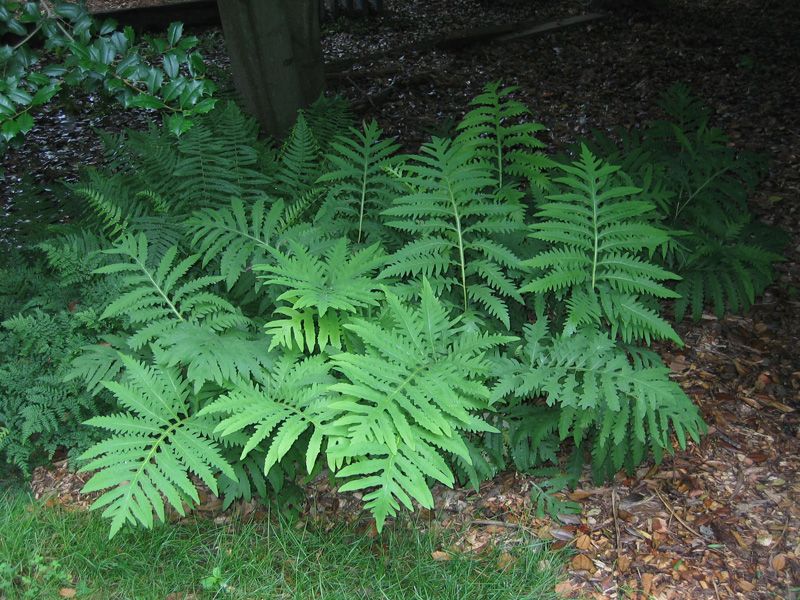
Every North Carolina yard seems to have that one low spot where water pools after rain, the clay stays soggy for days, and nothing seems willing to grow. Sensitive fern was practically made for exactly that problem.
It thrives in moist, heavy clay conditions that send most other ground covers packing, spreading by rhizomes into a lush, weed-smothering colony that fills those wet trouble areas with bold, attractive foliage.
Homeowners who have tried and failed to establish grass, mulch, or other plants in chronically wet areas often find that sensitive fern is the first thing that has ever actually worked, which makes its relative obscurity among mainstream gardeners genuinely puzzling.
Native to North Carolina, sensitive fern grows naturally along stream banks and in low-lying areas across the Piedmont and Coastal Plain, so it already knows how to handle the state’s wet clay conditions.
The broad, arching fronds create a layered, textural look that brings real visual interest to rain gardens, drainage swales, and poorly drained beds throughout the growing season.
It tolerates standing water better than nearly any other ground cover option available to North Carolina gardeners, and it recovers quickly from brief dry spells once the moisture returns, making it remarkably adaptable even within variable planting sites.
One of the best things about sensitive fern is how little effort it demands once it gets going in the right spot.
It spreads naturally, fills in gaps on its own, and keeps weeds from taking hold without any help from you.
The fronds die back cleanly in winter and re-emerge reliably each spring, maintaining a tidy seasonal rhythm that requires no intervention on your part.
For homeowners who have struggled with wet clay areas for years, this native fern offers a practical, low-maintenance solution that actually works.
Sometimes the right plant for the hardest spot in your North Carolina yard has been a native all along.