Must-Have Annuals That Will Make Your Flower Garden In Michigan Look Incredible All Season
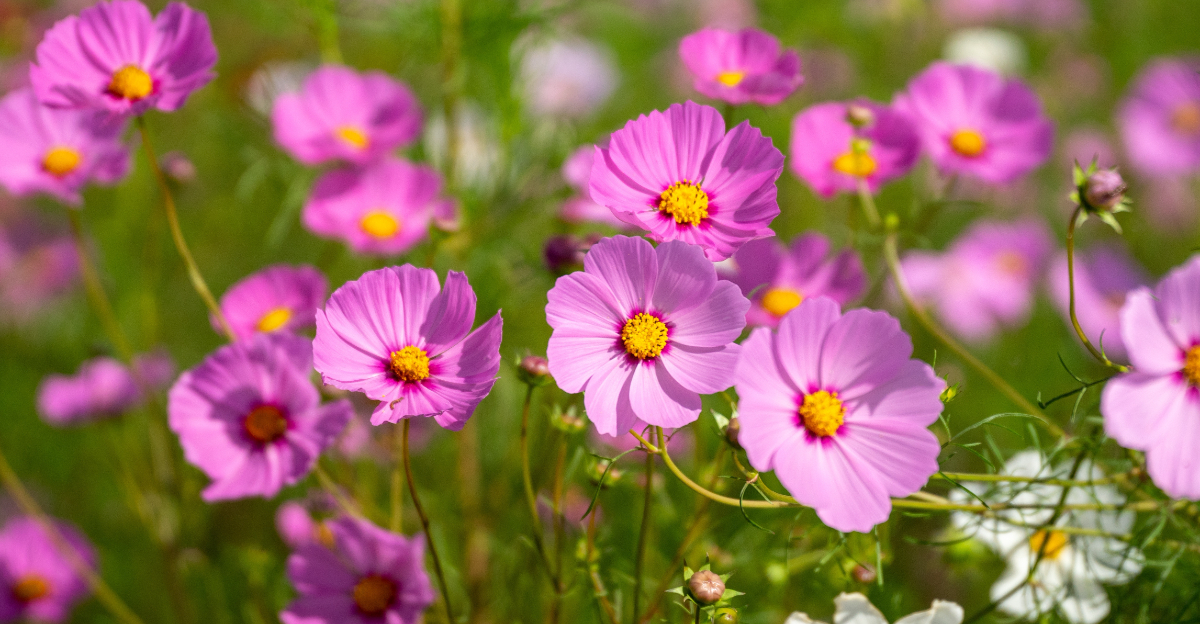
Annuals are the secret weapon of Michigan flower gardens, and the gardeners with the most impressive yards from June through October almost always have them working hard in the mix.
Unlike perennials that bloom for a few weeks and then fade into the background, the right annuals stay in full color for the entire growing season without asking for much in return.
Michigan’s shorter summer window actually makes this even more valuable, because every week of peak color counts and you want plants that show up ready to perform from the moment they go in the ground.
The challenge is that not every annual sold at garden centers is worth your time and money.
Some look great in the pot and disappoint in the ground, while others hit their stride fast and never slow down until frost.
This list focuses on the varieties that are genuinely proven in Michigan’s climate, the ones that handle the heat of July, bounce back after a cool August night, and keep your garden looking full and vibrant right up until the season ends.
1. Zinnia (Zinnia elegans)
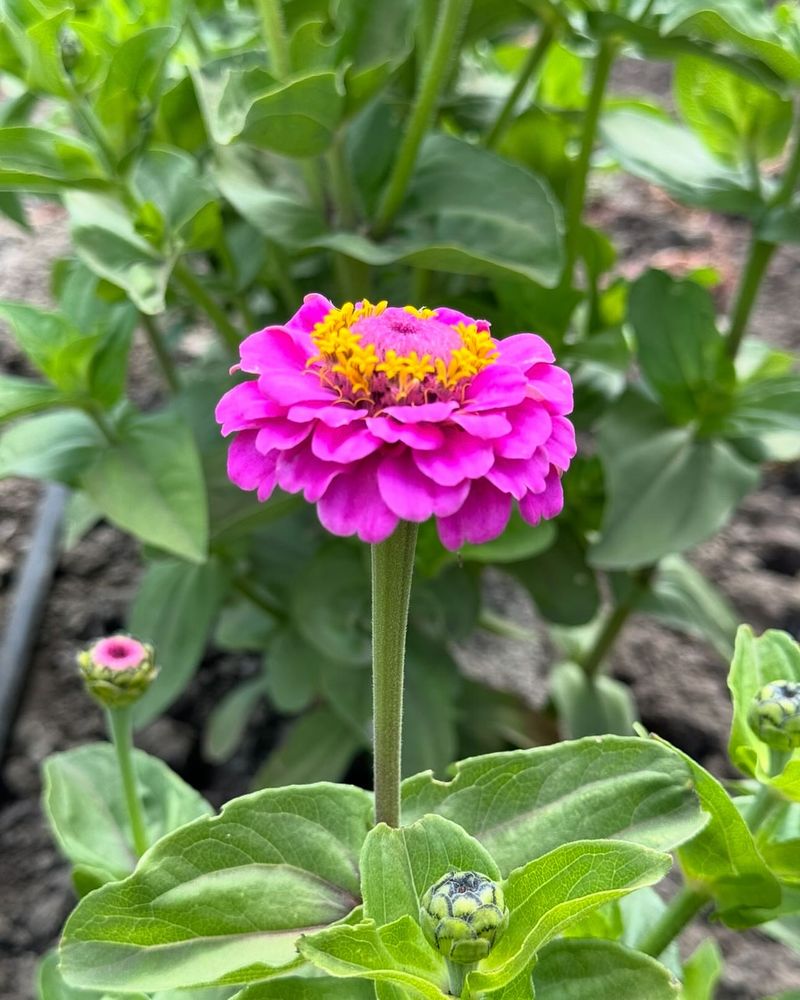
Few flowers bring as much cheerful color to a Michigan garden as zinnias do. These bold, vibrant bloomers come in nearly every shade imaginable, from deep red to bright orange to soft pink.
Once they get going in the summer heat, they just do not stop.
Zinnias thrive in full sun and well-drained soil, making them a natural fit for Michigan summers. They handle the heat really well once established, which is a huge plus when July and August temperatures climb.
Regular deadheading, which means removing spent blooms, keeps the flowers coming continuously right up until frost arrives.
One thing to watch for in Michigan is powdery mildew, a fungal issue that shows up in humid conditions. Giving your plants enough spacing, usually about 12 inches apart, allows good airflow and helps prevent that problem.
Avoid overhead watering when possible and water at the base of the plant instead.
Zinnias also attract butterflies and pollinators, which adds even more life and movement to your garden space. They grow quickly from seed, so you can direct sow them outdoors after the last frost date, typically around late May in Michigan.
For bigger blooms earlier, start seeds indoors about four to six weeks before transplanting outside.
2. Petunia (Petunia × hybrida)
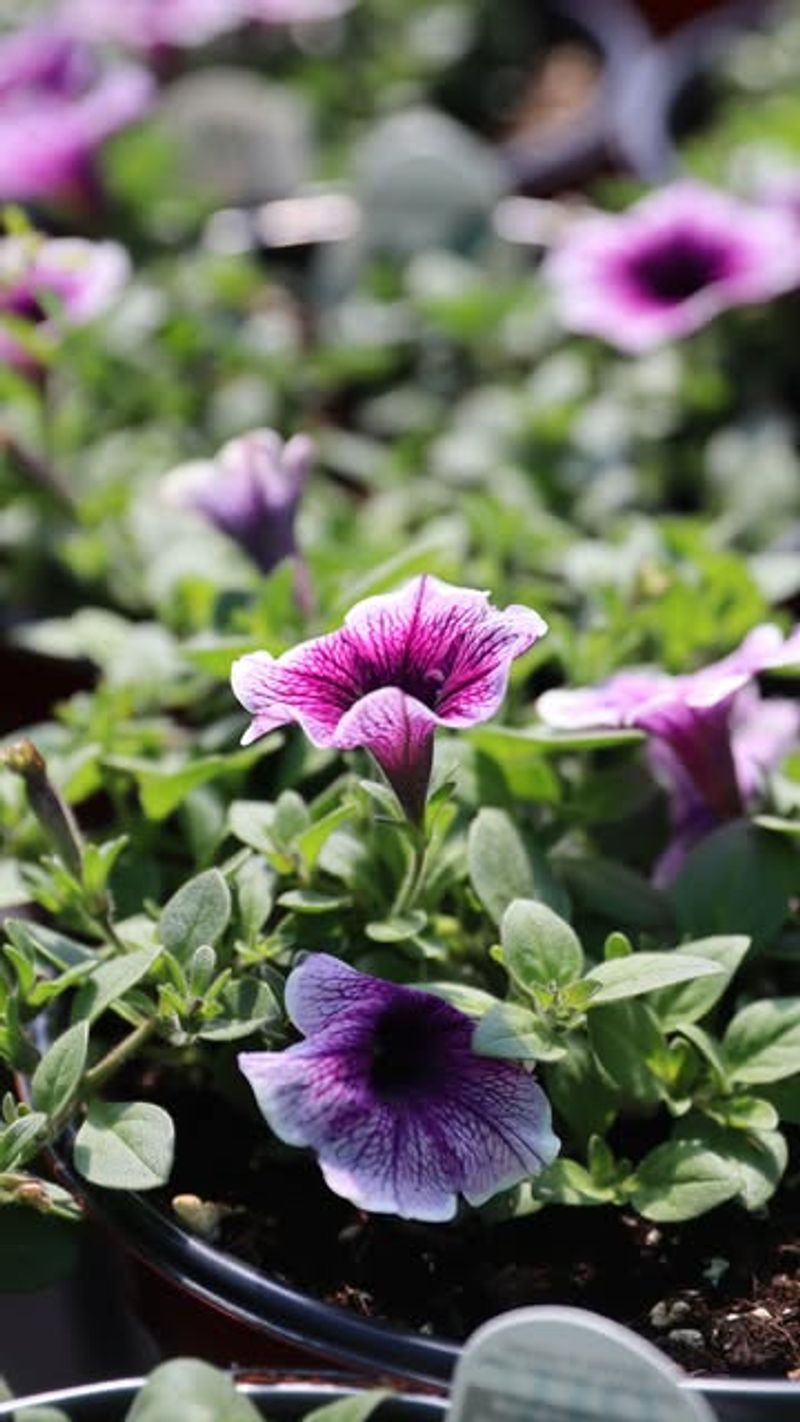
Walk through any Michigan neighborhood in July and you will almost always spot petunias spilling over window boxes, containers, and garden beds. These reliable bloomers have been a favorite for decades, and honestly, it is easy to see why.
They deliver nonstop color with very little fuss. Modern petunia varieties have improved a lot over older types. Newer cultivars like Wave and Supertunia require much less deadheading, which saves you time and effort throughout the season.
Full sun and consistent watering are the two main things petunias need to perform their best in Michigan.
Container growing is where petunias truly shine. A large pot on a sunny Michigan porch filled with mixed petunia colors looks absolutely stunning all summer long.
Your Michigan Garden Changes Every Week. Your Plan Should Too.
Gardening in Michigan changes quickly throughout the season. Every Friday you’ll receive a simple weekly plan showing exactly what to plant, prune, fertilize, harvest, and protect so you never miss the right timing.
Just make sure your containers have good drainage holes because petunias do not appreciate sitting in soggy soil.
One challenge to keep in mind is prolonged wet weather. Michigan can have stretches of rainy days, especially in spring and early summer, and petunias can struggle during those periods.
If that happens, trim them back slightly and they will bounce back quickly once the sun returns. Fertilizing every two weeks with a balanced liquid fertilizer keeps the blooms rich and plentiful throughout the entire Michigan growing season.
3. Marigold (Tagetes patula, Tagetes erecta)
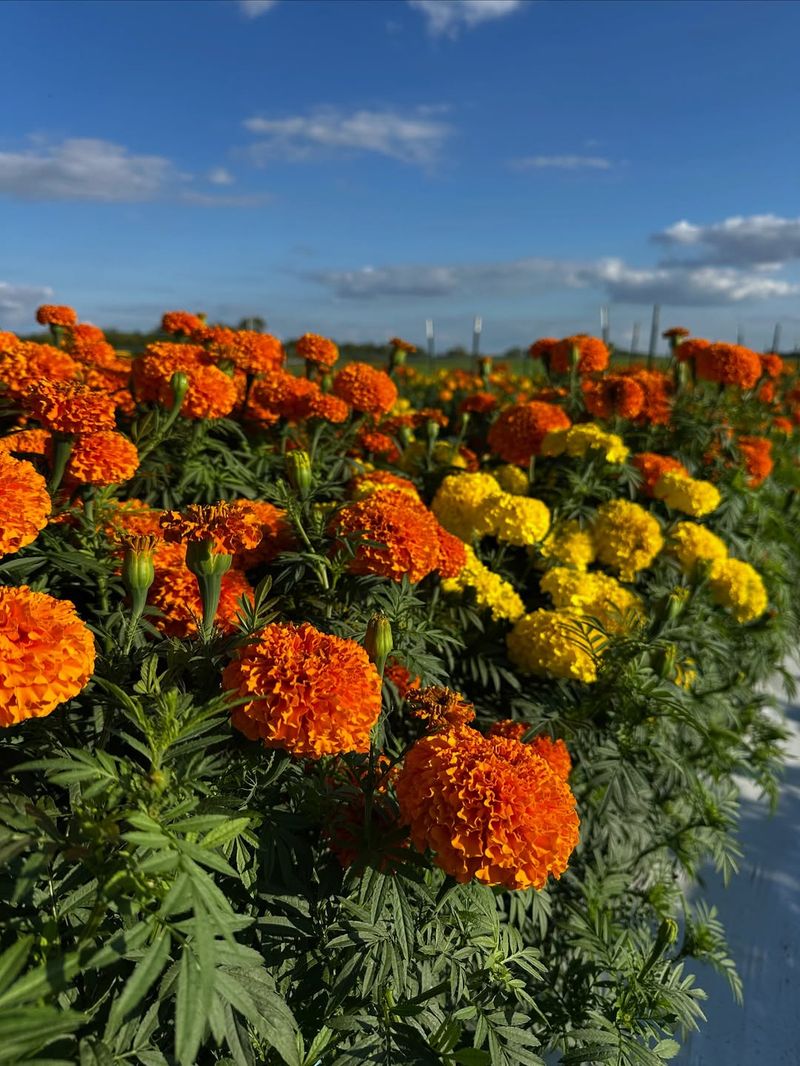
Marigolds are one of those flowers that almost every Michigan gardener has grown at some point, and for good reason. They are tough, reliable, and bloom from early summer all the way to frost without much babying.
Their warm orange and yellow tones add a cheerful energy to any garden space.
These plants thrive in full sun and handle Michigan’s variable soils pretty well. French marigolds, the smaller Tagetes patula type, tend to be more compact and bushy, while African marigolds, Tagetes erecta, grow taller and produce larger blooms.
Both types work beautifully in borders, raised beds, and containers.
Marigolds are often planted near vegetable gardens, and while they do attract beneficial insects, their pest-reducing effects are not as dramatic as some gardening myths suggest. Still, they add beauty and biodiversity to any growing space, which is always a win.
Their strong scent is what many gardeners believe helps deter certain insects.
Starting marigolds from seed is incredibly easy and affordable. You can direct sow them outdoors in Michigan after the last frost, usually late May, or start them indoors four to six weeks earlier.
Deadhead regularly to encourage more blooms and avoid letting spent flowers go to seed too early. With minimal care, marigolds reward Michigan gardeners with months of bold, cheerful color.
4. Cosmos (Cosmos bipinnatus)
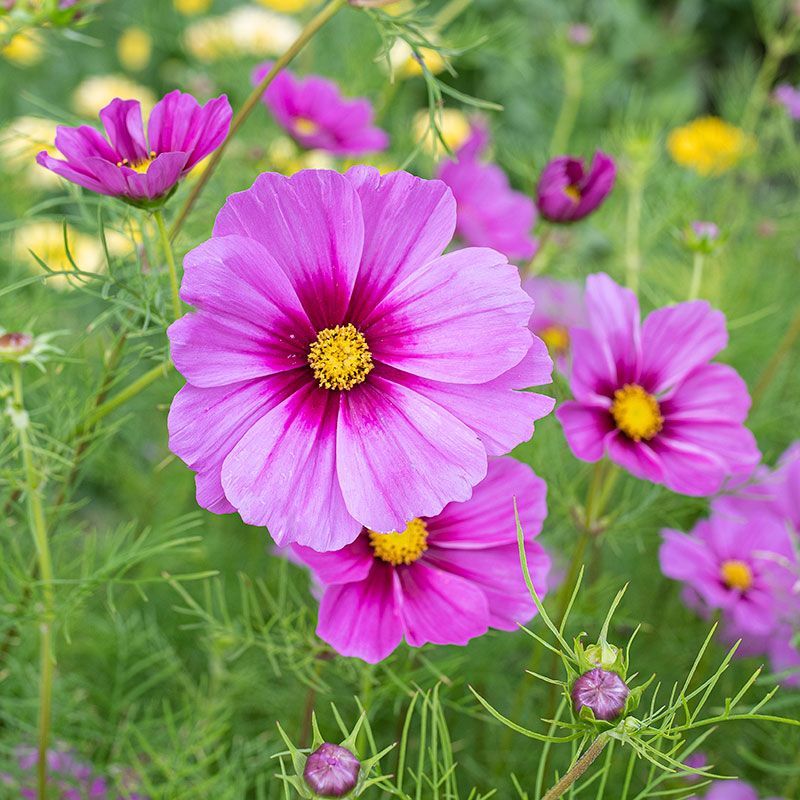
There is something almost magical about cosmos swaying gently in a late summer Michigan breeze. Their feathery, fern-like foliage and delicate daisy-shaped blooms create a soft, romantic look that few other annuals can match.
Best of all, they practically grow themselves. Cosmos thrive in Michigan’s summer conditions and actually prefer soil that is not too rich or heavily fertilized. Too much nitrogen encourages leafy growth at the expense of flowers, so skip the heavy feeding.
They tolerate poorer soils better than most annuals, which makes them perfect for spots in your Michigan yard where other flowers struggle.
These plants bloom continuously from midsummer through fall with minimal care, which is a huge plus for busy gardeners. Deadheading encourages more blooms, but even without it, cosmos keep producing flowers at a steady pace.
They also self-seed freely, meaning you might find volunteer plants coming back in the same spot next year.
One thing to plan for is their height. Cosmos can grow anywhere from two to four feet tall, and in exposed Michigan garden areas with wind, taller varieties may need light staking or support.
Planting them near a fence or alongside other sturdy plants helps naturally. Direct sow seeds outdoors after your last frost date for the easiest results, and within weeks, you will have stunning blooms filling your Michigan garden space.
5. Sweet Alyssum (Lobularia maritima)
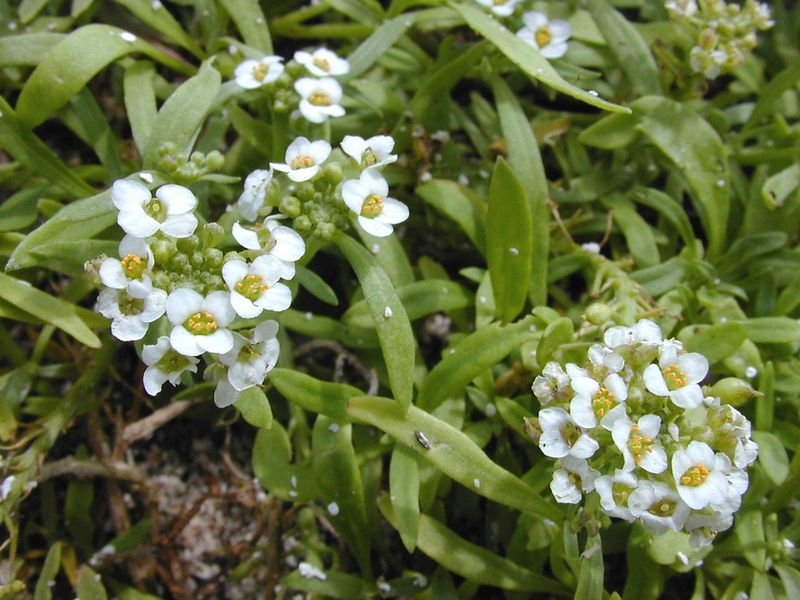
Sweet alyssum is one of those quiet overachievers that never gets quite enough credit. Its tiny clusters of white or purple flowers look delicate, but this low-growing annual is surprisingly tough during the cooler parts of Michigan’s season.
The honey-like fragrance it gives off is an added bonus that makes it truly special.
In Michigan, sweet alyssum performs at its very best during spring and early fall when temperatures are mild and comfortable.
During the peak heat of July and August, especially in southern parts of the state, it may slow down or take a short break from blooming.
A light trim during that period helps refresh the plant and encourages a strong comeback once cooler weather returns.
As an edging plant, sweet alyssum is hard to beat. It fills in gaps along garden paths, softens the edges of raised beds, and spills beautifully over the sides of containers.
Mixing it with taller annuals like snapdragons or zinnias creates a layered, professional-looking garden design that impresses everyone who visits your Michigan yard.
Planting sweet alyssum is simple and rewarding. You can direct sow seeds outdoors in Michigan as soon as the soil is workable in spring, since it tolerates light frost.
It spreads quickly and fills in nicely without becoming invasive. Regular watering during dry spells keeps it looking full and lush all season long.
6. Snapdragons (Antirrhinum majus)
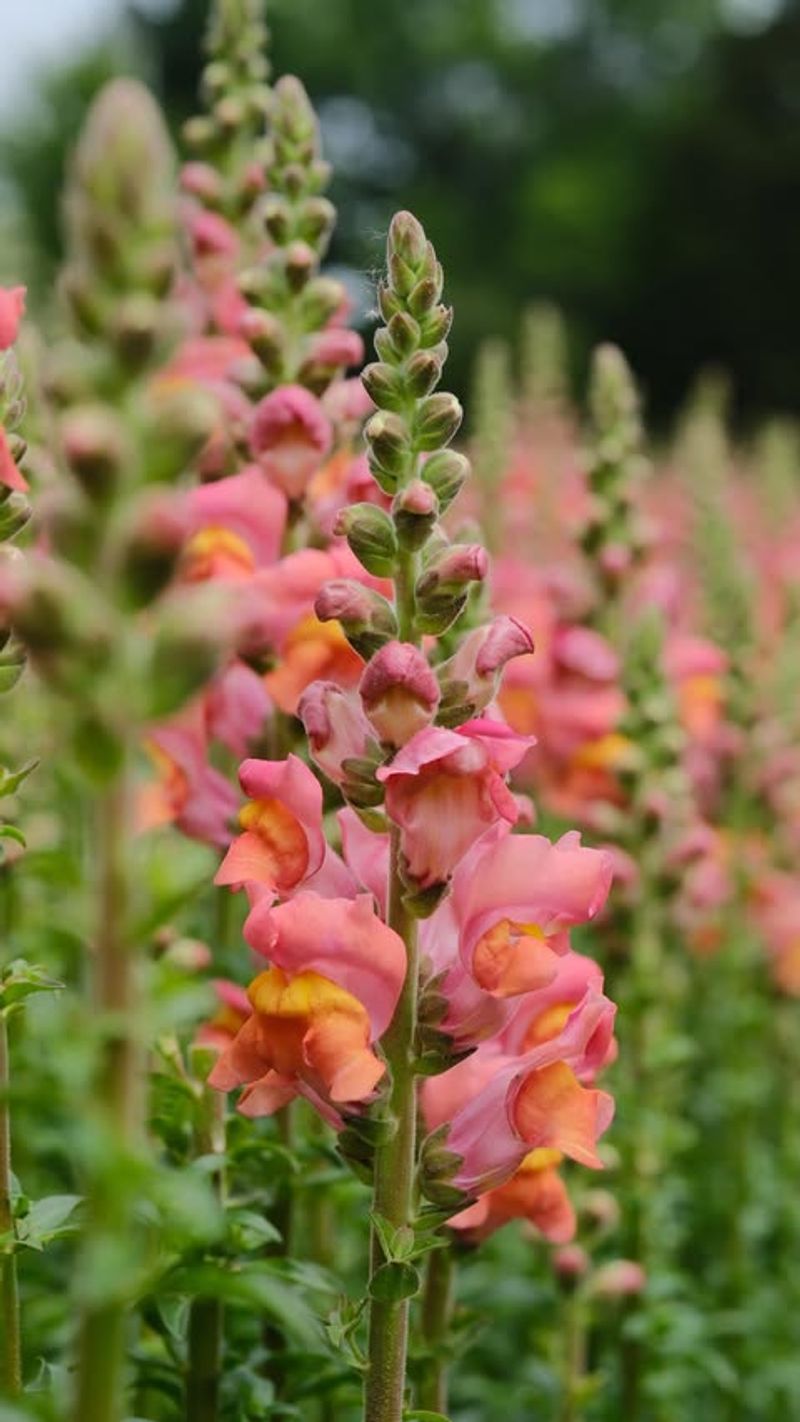
Snapdragons have a playful charm that sets them apart from nearly every other annual in the garden. Squeeze the sides of one of those tubular blooms and it opens and closes like a tiny mouth, which is how they got their fun name.
Kids and adults alike love them, and Michigan gardeners have been growing them for generations.
As a cool-season annual, snapdragons perform at their absolute peak during spring and early summer in Michigan. They love mild temperatures and will reward you with tall, colorful flower spikes in shades of red, pink, yellow, orange, white, and purple.
When the heat of midsummer arrives, flowering may slow or pause temporarily.
The good news is that snapdragons often rebound beautifully in Michigan’s cooler fall weather. Once August temperatures start dropping, these resilient plants frequently push out a second flush of blooms that carries right into October.
That extended season makes them incredibly valuable for Michigan gardeners who want color from spring through fall.
Plant snapdragons in full sun to light shade for the best results. They prefer well-drained soil and consistent moisture but do not like to sit in wet conditions for long.
In Michigan, you can transplant snapdragon seedlings outdoors a few weeks before the last frost date since they handle cool temperatures well. Starting them indoors eight to ten weeks before transplanting gives you the strongest, most floriferous plants possible.
7. Calibrachoa (Calibrachoa spp.)
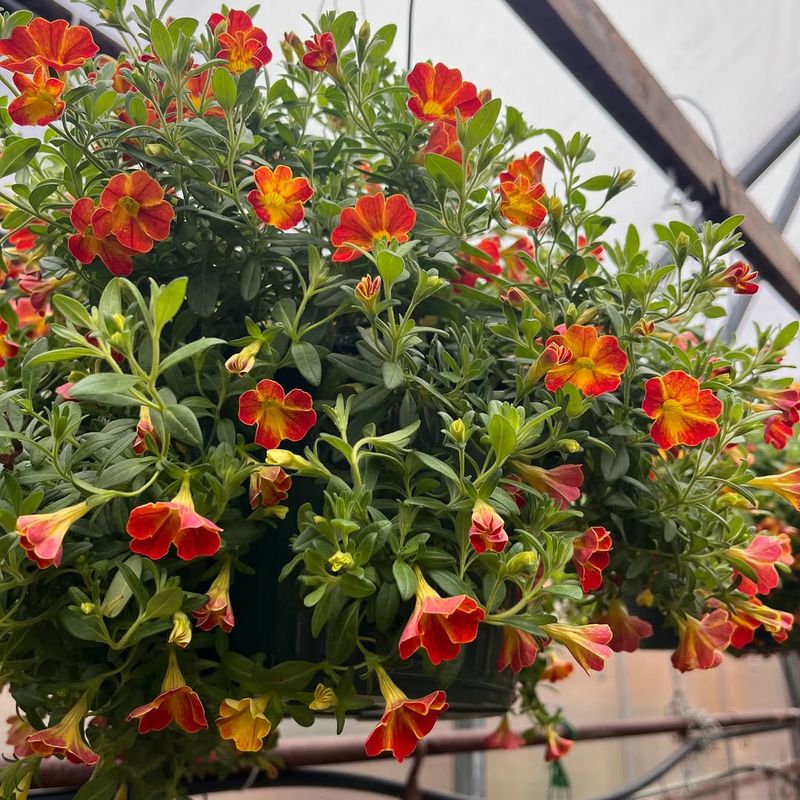
Calibrachoa looks like a miniature petunia, but this trailing annual has its own impressive personality.
The small, bell-shaped blooms cover the plant so densely that you can barely see the foliage underneath, creating a stunning cascade of color that looks professionally designed. Michigan gardeners who love container gardening absolutely adore this plant.
Hanging baskets are where calibrachoa truly earns its reputation. A single basket planted with calibrachoa in mixed colors can become the focal point of an entire Michigan porch or deck.
The trailing stems grow long and lush throughout the season, creating a full, overflowing look that stays beautiful from June right through to fall.
Full sun and well-drained soil are non-negotiable for calibrachoa. This plant is sensitive to overwatering, and poor drainage is one of the fastest ways to run into trouble.
Make sure your containers and hanging baskets have adequate drainage holes, and let the top inch of soil dry slightly between waterings to keep roots healthy and happy.
Fertilizing is key to keeping calibrachoa blooming at its best throughout Michigan’s growing season. Use a water-soluble fertilizer every one to two weeks since container-grown plants deplete nutrients quickly.
Unlike some annuals, calibrachoa does not need deadheading because the spent blooms fall away on their own. It is a truly low-maintenance plant that delivers maximum visual impact on any Michigan patio or porch all season long.