The 10 Best Plants To Grow Under California Shade Trees
Shade trees make a California yard feel cooler, calmer, and instantly more inviting, but planting beneath them can be a whole different puzzle.
The ground may be dry, root-filled, dim, or covered in leaf litter, and plenty of fussy plants take one look at those conditions and give up.
The winners are the ones that can handle filtered light, root competition, and California’s long dry season without demanding constant rescue.
Think leafy textures, quiet blooms, evergreen structure, and ground-hugging plants that make the space under a tree look intentional instead of forgotten.
A bare patch beneath a canopy does not have to stay bare, and it definitely does not have to become a weed lounge. With the right plant choices, that tricky shaded spot can turn into one of the prettiest, most peaceful corners of the yard.
1. Western Sword Fern
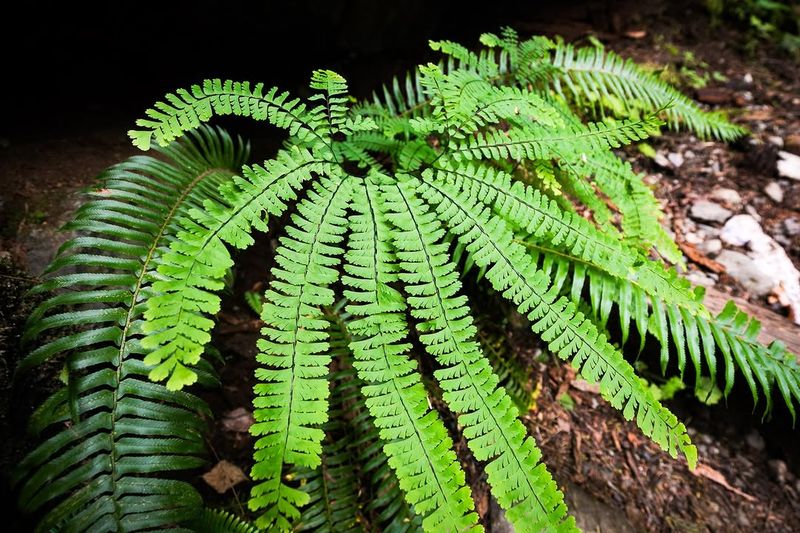
Few plants look as lush and full under a shady California tree as the Western Sword Fern. Its long, arching fronds can reach up to four feet, creating a rich green carpet that feels almost like a mini forest floor.
It is one of the most reliable shade plants you can choose for California gardens.
This fern grows naturally along the California coast and in moist, wooded areas throughout the state. It thrives under oaks, redwoods, and bay trees where other plants struggle.
Once established, it needs very little water, which makes it a great fit for California’s dry summers.
Planting is simple. Choose a spot with well-draining soil and good shade.
Water it regularly during the first season to help it settle in. After that, rainfall usually handles the rest.
It spreads slowly over time, filling in bare patches beautifully.
Wildlife loves this fern too. Birds use the dense fronds for cover, and small insects find shelter among the leaves.
If you want a low-effort, high-impact plant for that dark corner under your tree, Western Sword Fern is hard to beat. It stays green year-round and looks great in every season.
2. Coral Bells
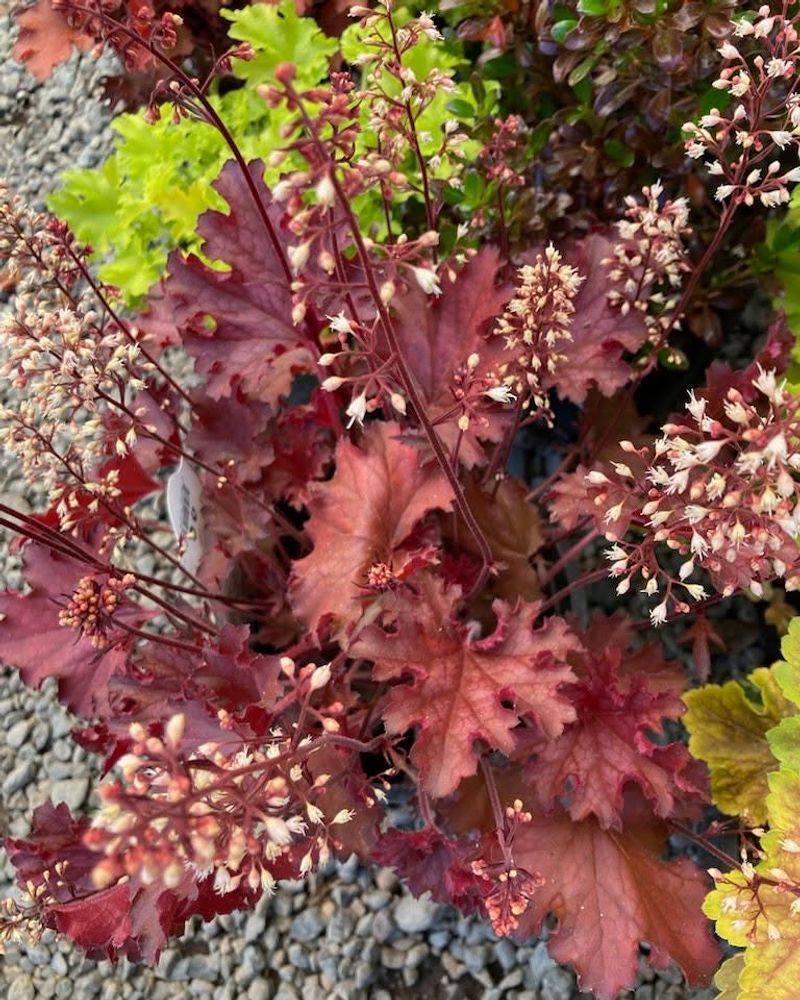
Coral Bells are the kind of plant that makes people stop and stare. Their leaves come in stunning shades of burgundy, bronze, lime green, and deep purple, depending on the variety.
Even without flowers, the foliage alone is enough to make your shade garden pop with color.
In California, Coral Bells perform especially well in partial to full shade. They are native to North America and several varieties are naturally adapted to California’s climate.
The plants stay fairly compact, usually growing about one to two feet tall, which makes them easy to tuck in around the base of trees.
Come spring and early summer, slender stems shoot up above the leaves, topped with tiny bell-shaped flowers. Hummingbirds absolutely love them.
If you already have hummingbirds visiting your California yard, adding Coral Bells will keep them coming back for more.
Care is straightforward. Plant them in well-draining soil, water them regularly at first, and then ease back once they are established.
They handle dry shade better than most flowering plants. Dividing them every few years keeps them looking fresh.
Your California Garden Changes Every Week. Your Plan Should Too.
Gardening in California changes quickly throughout the season. Every Friday you’ll receive a simple weekly plan showing exactly what to plant, prune, fertilize, harvest, and protect so you never miss the right timing.
Coral Bells are a true workhorse in the shade garden, combining beauty with toughness in a way few plants can match.
3. Douglas Iris
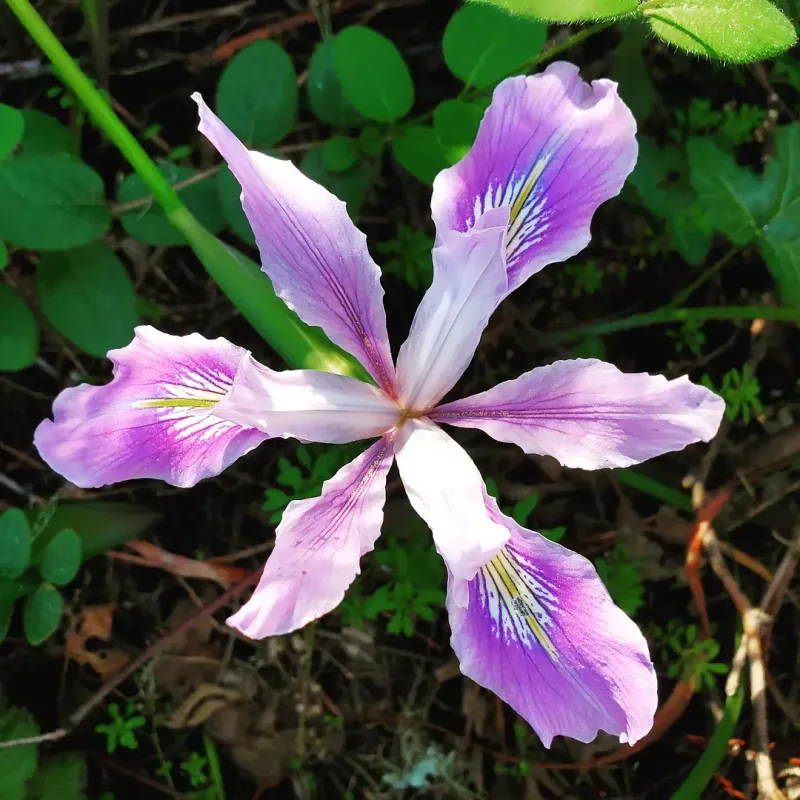
There is something quietly stunning about a Douglas Iris in full bloom. The flowers come in rich shades of purple, blue, lavender, and cream, and they appear in early spring just when the garden needs a color boost.
It is a California native that feels right at home under the state’s native trees.
Douglas Iris grows naturally along the California coast and in woodland areas throughout Northern and Central California. It handles shade well and even prefers it during the hottest parts of the day.
Plant it under oaks or other native trees and it will reward you with blooms year after year.
One of the best things about this iris is how tough it is. Once established, it needs very little supplemental water.
It actually prefers dry summers, which lines up perfectly with California’s natural rainfall patterns. Overwatering is one of the few things that can cause problems, so less is more once it gets going.
The narrow, grass-like leaves stay attractive even when the plant is not in bloom. They form tidy clumps that spread slowly over time.
Douglas Iris also supports local pollinators, including native bees and butterflies. It is a plant that works hard for your garden while asking for very little in return.
4. Wild Ginger
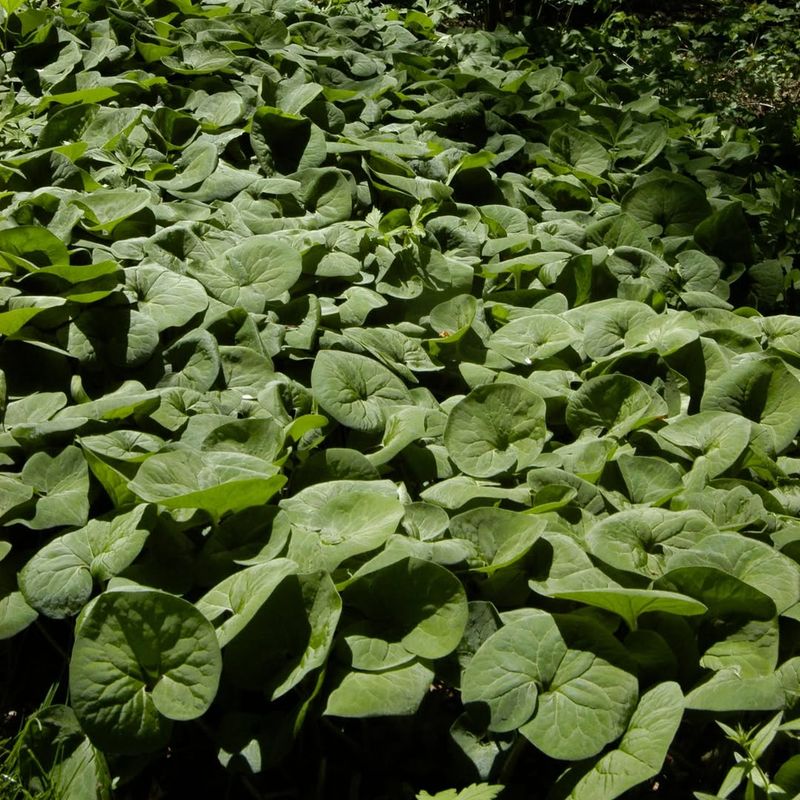
If you have ever wanted a living carpet under your shade trees, Wild Ginger might be exactly what you are looking for. It spreads low and wide, covering the ground with large, heart-shaped leaves that stay rich green all year.
It has a quiet, woodland charm that feels completely natural in a California garden.
California’s native Wild Ginger, known as Asarum caudatum, grows naturally in moist, shaded forest areas along the coast and in the Sierra Nevada foothills. It thrives under redwoods, oaks, and bay trees.
The dense leaf cover also helps keep weeds from sprouting, which is a huge bonus for busy gardeners.
The flowers are small and hidden beneath the leaves, so most people never notice them. But that is fine, because the foliage is the real star.
The leaves have a slightly shiny surface that catches any light filtering through the tree canopy above.
Wild Ginger does best in moist, rich soil with good drainage. Water it regularly during dry spells, especially in California’s hot summers.
It spreads by underground rhizomes, slowly filling in shaded areas over a few seasons. Once it gets going, it becomes a reliable, beautiful ground cover that needs very little attention to look great.
5. Woodland Strawberry
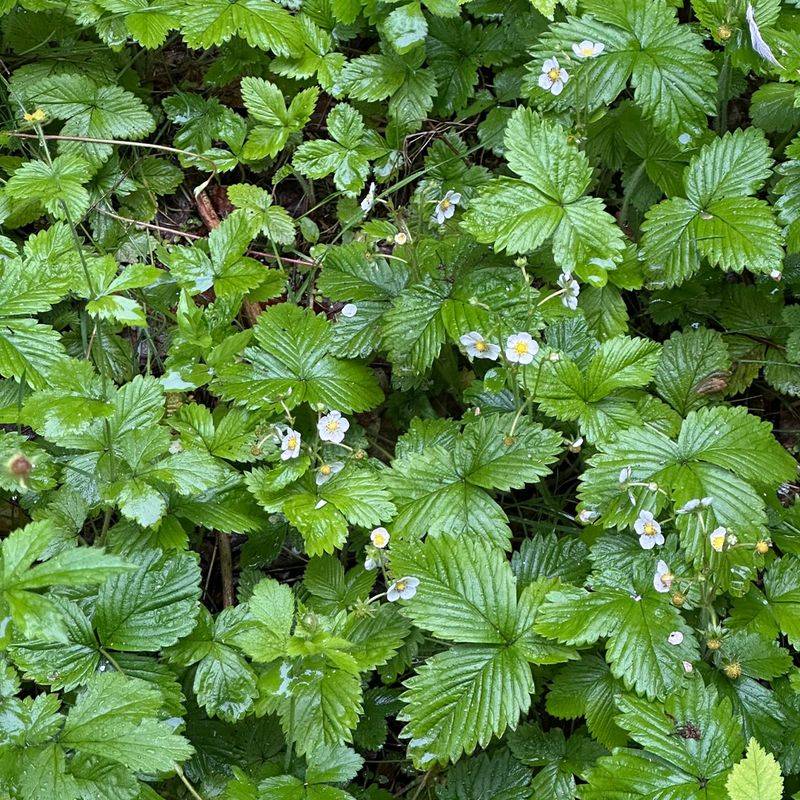
Woodland Strawberry is one of those plants that earns its place in the garden in more ways than one. It looks great, it spreads to fill bare ground, and it produces small, sweet berries that birds and people both enjoy.
For California gardeners, it is a native plant that checks a lot of boxes at once.
Known scientifically as Fragaria vesca, this plant grows naturally in shaded woodlands across California and much of the western United States. It forms a low, spreading mat of bright green leaves dotted with small white flowers in spring.
The tiny red berries follow shortly after and are surprisingly flavorful.
Unlike its commercial cousins, Woodland Strawberry handles shade and dry conditions with ease. It spreads by sending out runners, which root themselves and create new plants.
Over time, it can fill a large area under your trees without any extra effort from you. Just plant a few and let them do their thing.
It works beautifully as a ground cover alternative to grass in shaded spots where lawn simply will not grow. Birds love the berries, and the flowers attract native bees.
In California, where water conservation is always a priority, this low-water native plant is a smart and rewarding choice for any shade garden.
6. Yerba Buena
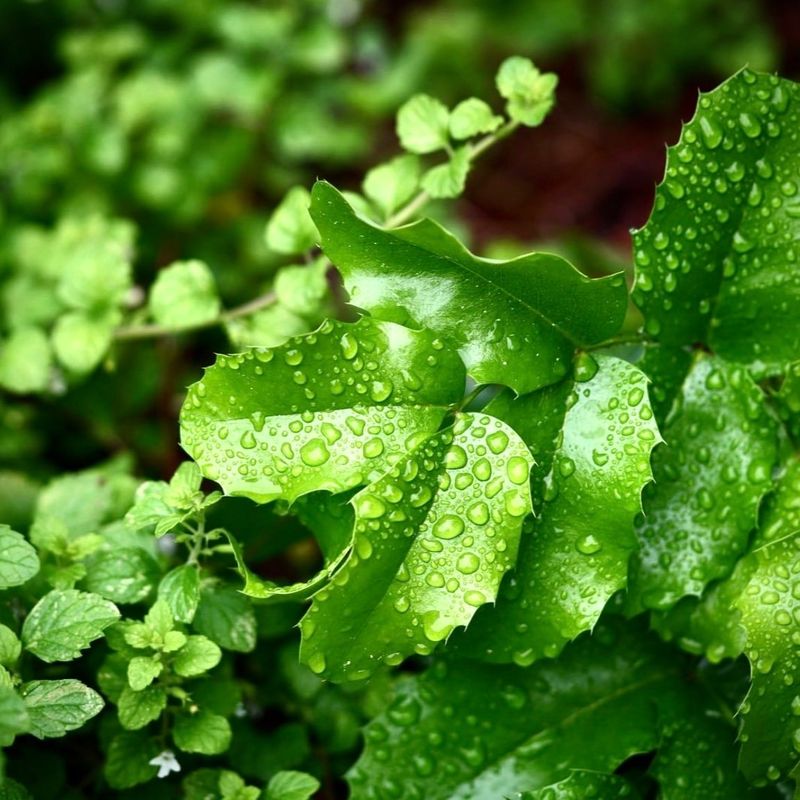
Yerba Buena holds a special place in California history. Its name means “good herb” in Spanish, and early settlers in San Francisco loved it so much that they named their settlement after it before it became the city we know today.
That kind of history makes it one of the most charming plants you can grow in a California shade garden.
This low-growing herb belongs to the mint family and has a lovely, fresh minty scent when the leaves are crushed. It creeps along the ground, spreading slowly to form a fragrant mat under trees.
It grows naturally in shaded coastal and woodland areas throughout California, making it well-suited to the state’s climate.
Yerba Buena prefers partial to full shade and well-draining soil. It does not like to sit in soggy ground, so make sure water drains away from its roots.
Once established, it needs only occasional watering during California’s dry season. It is a genuinely low-maintenance plant.
Beyond its looks and history, Yerba Buena has traditional uses too. Native Californians used it for medicinal teas.
You can harvest small amounts of leaves and steep them in hot water for a mild, refreshing mint tea. It is a plant that brings beauty, fragrance, and a little piece of California’s rich cultural story to your garden.
7. Hummingbird Sage
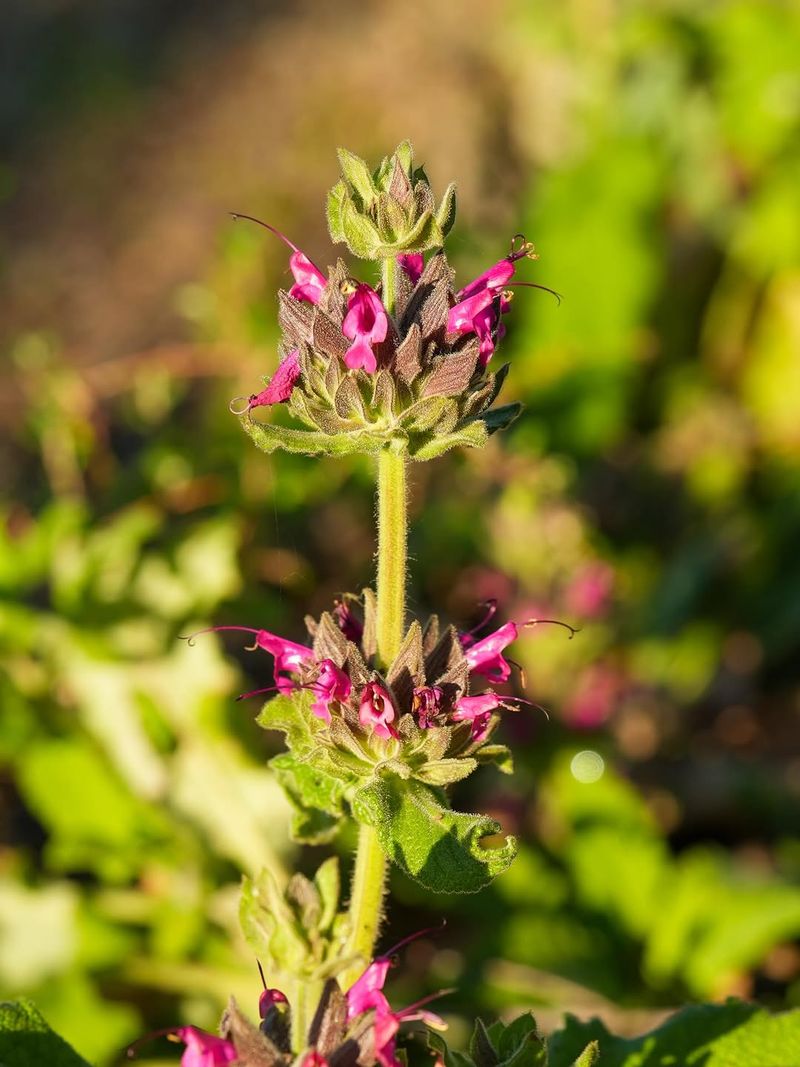
Hummingbird Sage earns its name in the most literal way possible. The moment its bold magenta flower spikes appear, hummingbirds show up as if they have been waiting all season.
If you garden in California and love watching those tiny, fast-moving birds, this plant is a must-have for your shade garden.
Salvia spathacea, as it is formally called, is a California native that grows naturally in shaded coastal sage scrub and woodland areas. It is especially common in Southern and Central California.
The plant spreads by underground rhizomes, slowly forming large colonies under trees where little else wants to grow.
The flower spikes rise up to three feet tall and bloom from late winter through spring. Even outside of bloom time, the large, wrinkled, gray-green leaves release a strong, fruity sage fragrance when touched.
Walking past a patch of Hummingbird Sage and brushing your hand across the leaves is one of those small garden pleasures that never gets old.
It handles dry shade well once established, which is a big deal in California’s long, hot summers. Plant it in well-draining soil and water it during the first growing season.
After that, it is largely self-sufficient. It is bold, fragrant, wildlife-friendly, and completely at home in a California shade garden.
8. Island Alum Root
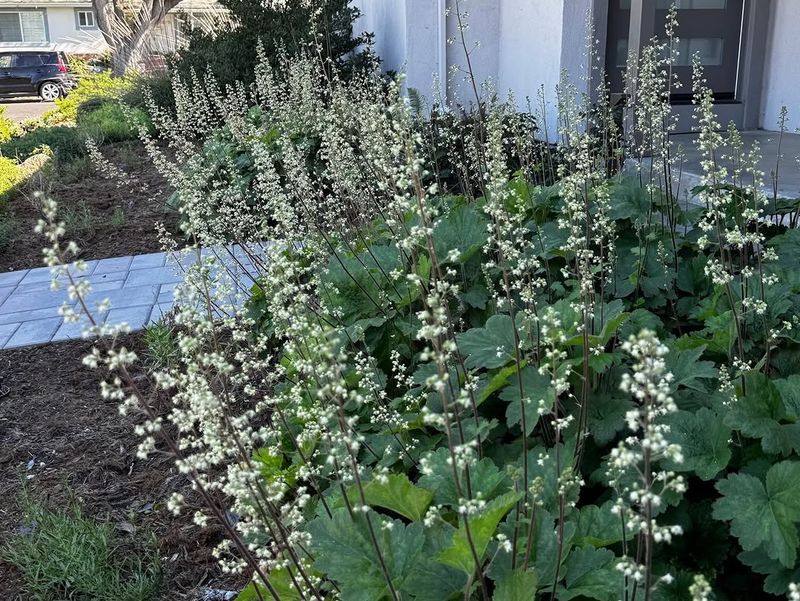
Not every shade plant gets the attention it deserves, and Island Alum Root is a perfect example. It is easy to overlook at first glance, but once you see it thriving in a dry, shaded spot where almost nothing else survives, you start to appreciate just how tough and useful this plant really is.
Heuchera maxima is native to the Channel Islands off the coast of Southern California. It has adapted to rocky, dry, and shaded conditions, which makes it an excellent choice for the challenging spots under California’s large trees.
The rounded, lobed leaves form a tidy mound that stays attractive year-round.
In late winter and early spring, tall, slender flower stalks rise above the foliage and produce clusters of small white to pale pink flowers. Hummingbirds and native bees visit the blooms regularly.
The flowers are delicate but plentiful, giving the plant a soft, airy look during bloom time.
Planting in well-draining soil is key. Island Alum Root does not like wet feet, especially during California’s rainy season.
Once settled in, it handles dry summers with impressive resilience. It pairs beautifully with other California natives like Douglas Iris and Hummingbird Sage, creating a layered, natural-looking shade garden that practically takes care of itself.
9. Pacific Coast Iris
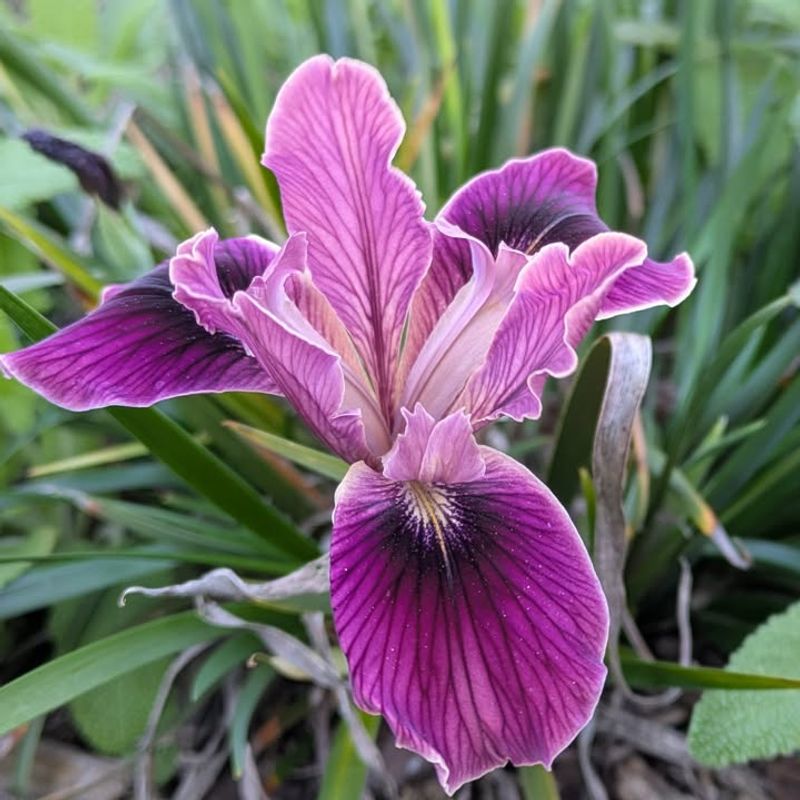
Pacific Coast Iris is a group of stunning native irises that have been charming California gardeners for generations. They come in an incredible range of colors, from deep violet and soft lavender to creamy white and golden yellow.
Some flowers even have beautiful veining patterns that look almost hand-painted.
These irises grow naturally along the California coast and into Oregon, thriving in the shade of oaks and other native trees. They are tough, drought-tolerant once established, and bloom reliably every spring.
In California’s coastal gardens especially, they perform beautifully with very little extra care needed.
The narrow, evergreen leaves form graceful clumps that look tidy even when the plants are not in bloom. They work well as a border plant, a mass planting under trees, or mixed in with other California natives.
Plant them in well-draining soil and water during the first season to help them establish strong roots.
One thing to keep in mind is that Pacific Coast Irises do not like summer irrigation once they are established. They go semi-dormant in summer and prefer to stay dry during that period, which fits naturally with California’s dry season.
Give them room to spread, enjoy the spring blooms, and let them rest in summer. It is a simple routine that pays off beautifully every year.
10. Creeping Snowberry
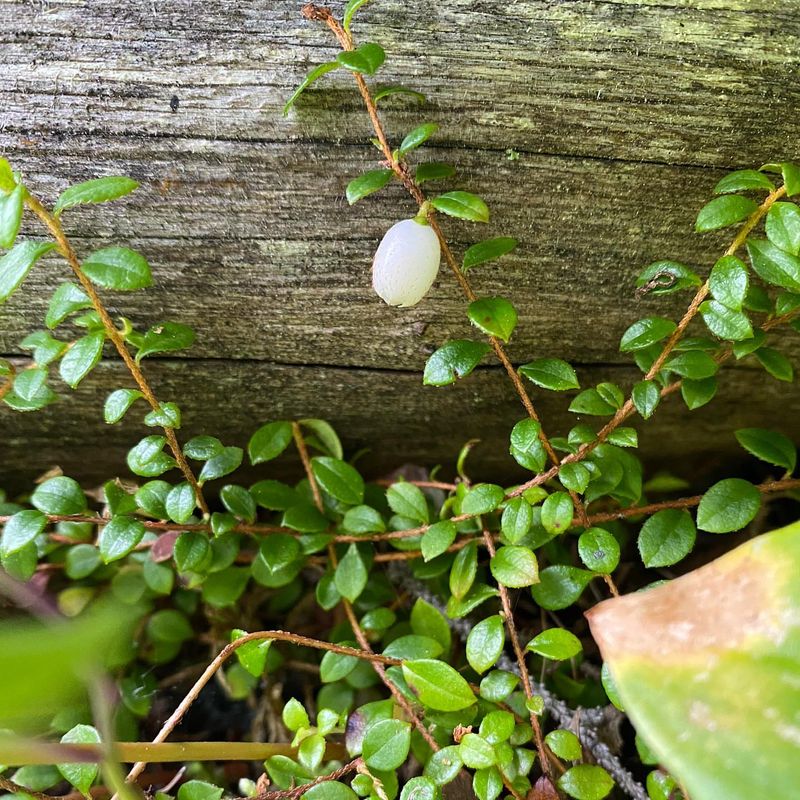
Creeping Snowberry is a quiet overachiever in the California shade garden. It does not shout for attention with big, flashy blooms.
Instead, it works steadily, spreading low across the ground, producing tiny pink flowers, and then offering clusters of white berries that wildlife absolutely love. It is the kind of plant that earns your trust over time.
Symphoricarpos mollis grows naturally in shaded woodlands and oak forests throughout California. It is one of the few truly shade-tolerant, native ground covers available to California gardeners.
It spreads by both runners and underground stems, slowly filling in areas under trees where grass and other plants refuse to grow.
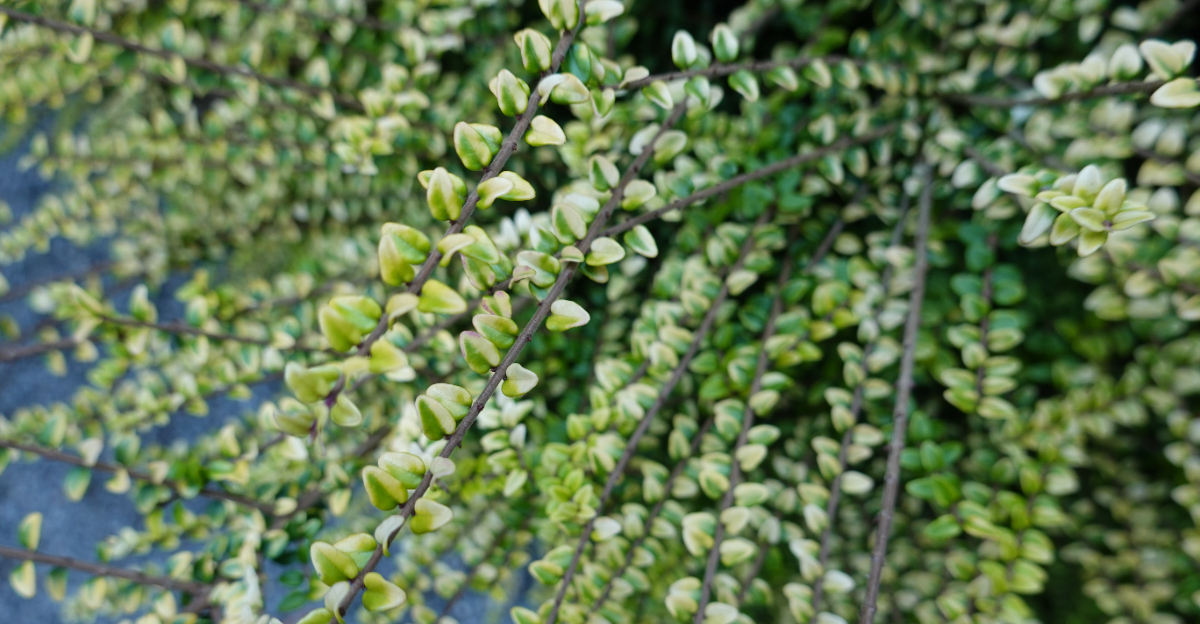
The small, rounded leaves stay on the plant through much of the year, giving it a tidy, evergreen appearance in mild California winters. The white berries appear in late summer and fall, providing an important food source for birds just as other berries are becoming scarce.
Quail, thrushes, and other native birds are regular visitors.
Creeping Snowberry is very low-maintenance once established. It handles dry shade, poor soil, and competition from tree roots better than most plants.
Water it occasionally during California’s dry season for the first year or two. After that, it largely looks after itself, quietly doing what it does best while making your shade garden a better place for wildlife.