The Biggest Tomato Mistakes Georgia Gardeners Make In Summer Heat
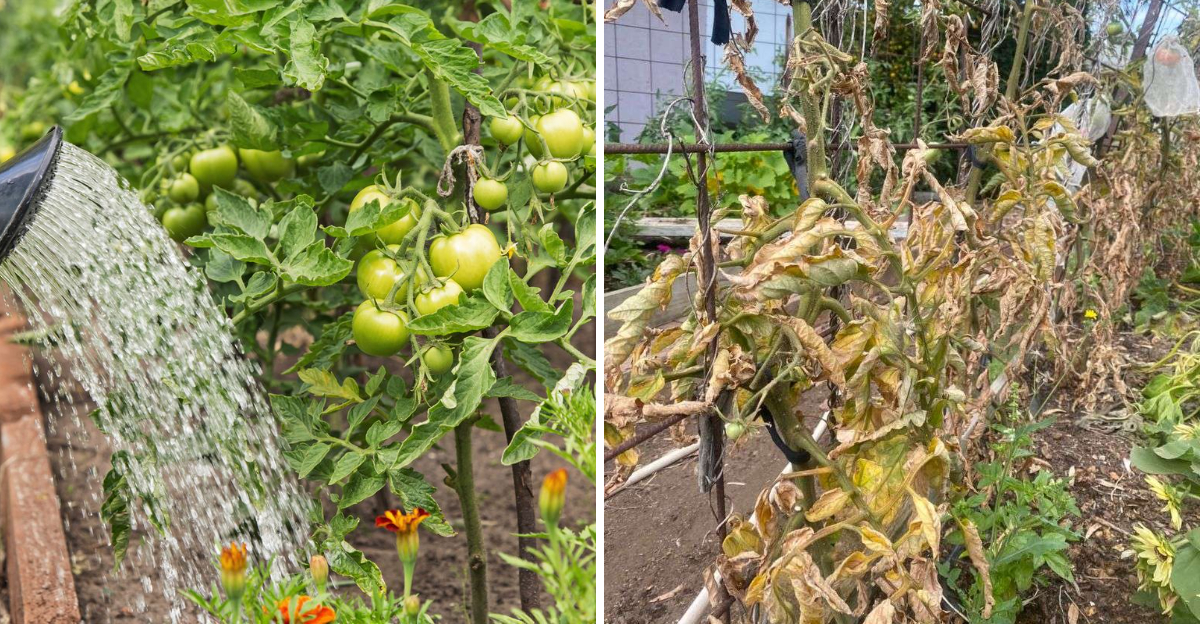
Tomatoes in a Georgia garden can look strong and productive as summer starts, with steady growth and fruit setting that makes everything feel on track. Heat builds quickly, though, and the change does not always show up right away.
Leaves begin to curl, flowers drop off, and fruit stops developing the way it should, even when care stays consistent.
That shift catches attention because the plants seemed healthy just days before. Watering feels right, feeding stays regular, yet something still goes off once temperatures stay high.
Heat alone is not always the issue. Certain habits that work earlier in the season can start working against the plant during peak summer.
Small mistakes build up fast under those conditions, which is why results can decline even when effort stays the same. This is where the right adjustments make all the difference.
1. Letting Soil Dry Out Between Watering Cycles
One of the most common tomato problems in Georgia starts below the surface, where soil swings from soaked to bone dry much faster than many gardeners expect. Tomatoes handle heat better when moisture stays steady, but intense sun, sandy spots, and raised beds can dry out roots in a hurry.
When that happens, plants get stressed, fruit can crack, blossom end rot becomes more likely, and growth often slows right when you want strong production. In many Georgia yards, the top inch of soil may look fine in the morning while the root zone underneath is already too dry by late afternoon.
That is why quick visual checks can be misleading during a hot spell. If you wait until leaves look tired every day, your plants have probably been dealing with moisture stress for longer than you realized.
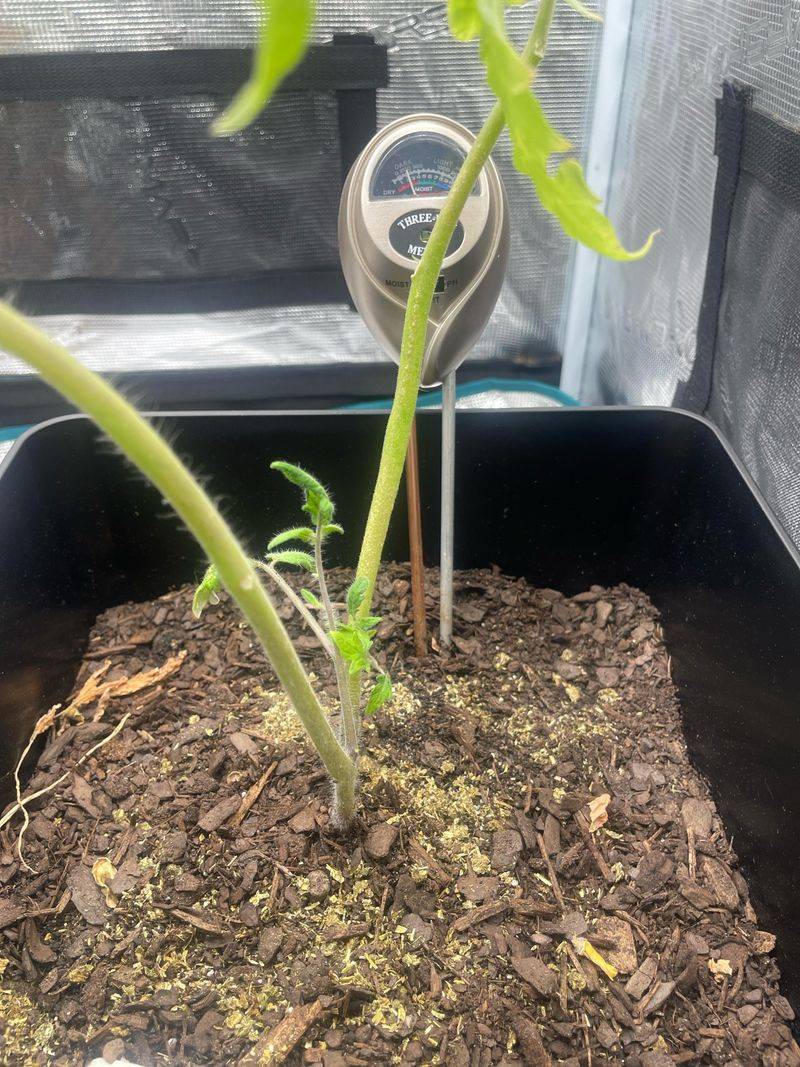
A better approach is to check the soil with your finger several inches down and water before it becomes dusty and hard. Monitoring how quickly the soil dries after a deep watering provides a more accurate guide than following a fixed schedule.
Clay-heavy beds, containers, and raised boxes all behave differently in Georgia heat. Keeping moisture more even helps tomatoes hold fruit, stay productive, and avoid dramatic stress swings.
Once this habit is corrected, many other summer problems often become easier to manage.
2. Watering Too Lightly Instead Of Deeply
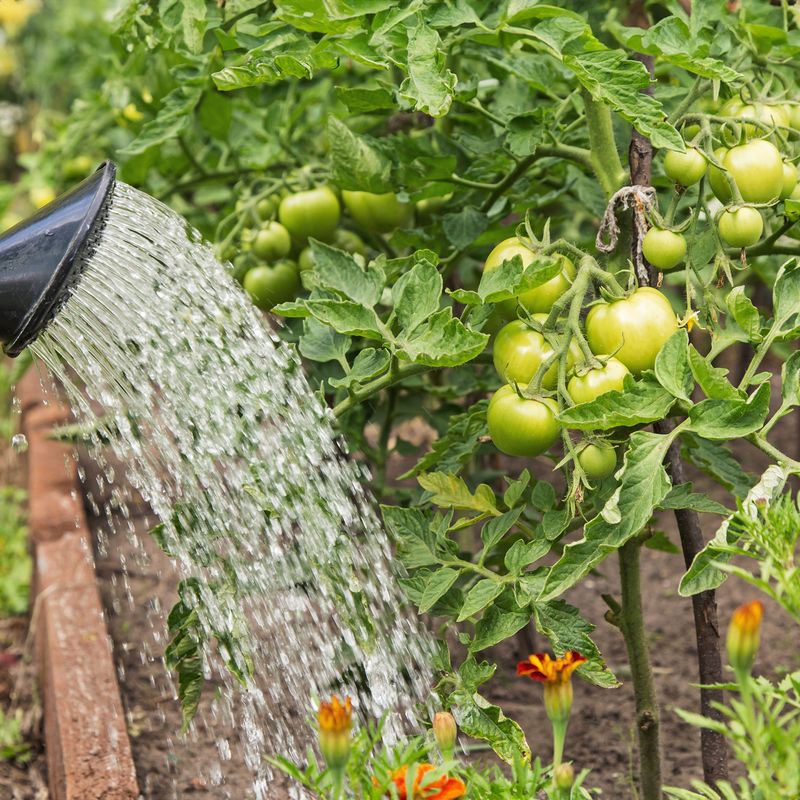
Plenty of Georgia gardeners water often in summer, but the real issue is that they water too lightly and never reach the deeper root zone. A quick sprinkle cools the surface for a little while, yet it does almost nothing for the roots that need dependable moisture during long hot days.
That pattern encourages shallow rooting, which leaves tomatoes even more vulnerable when the next blast of heat rolls across Georgia.
When water only wets the top layer, roots stay near the surface where temperatures rise fast and evaporation steals moisture almost immediately. Plants may perk up briefly, fooling you into thinking the job is done.
By afternoon, though, they are stressed again, and the cycle repeats until production starts slipping.
Deep watering is much more helpful because it pushes moisture farther down and encourages roots to grow deeper into cooler, more stable soil layers. Instead of a fast daily splash, soak the soil slowly so water penetrates several inches and spreads through the whole root area.
Your Georgia Garden Changes Every Week. Your Plan Should Too.
Gardening in Georgia changes quickly throughout the season. Every Friday you’ll receive a simple weekly plan showing exactly what to plant, prune, fertilize, harvest, and protect so you never miss the right timing.
Early morning is ideal, since plants can take up moisture before the hottest part of the day without staying wet overnight.
A soaker hose or drip line makes this much easier, especially if your Georgia garden has several plants competing for moisture. Watering less often but more thoroughly, followed by checking the soil before repeating the process, supports stronger root systems.
That simple change supports steadier growth, reduces stress, and helps tomatoes hold up better when summer feels relentless.
3. Skipping Mulch During Peak Heat
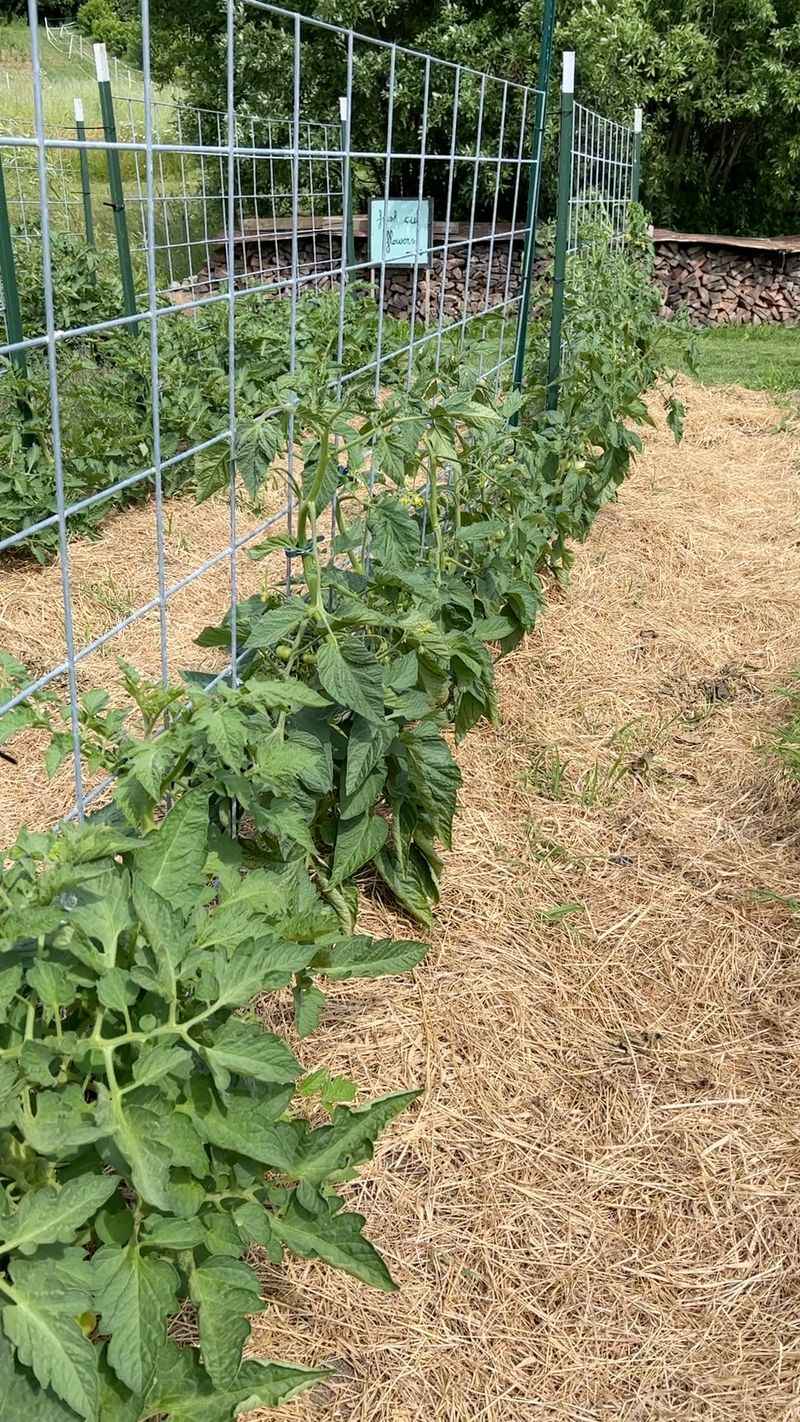
By the time Georgia reaches peak summer, bare soil around tomatoes becomes a problem much faster than many gardeners think. Strong sun heats the ground, moisture escapes quickly, and roots are forced to work harder through conditions that stay harsh day after day.
Without mulch, even a well-watered plant can struggle to remain steady between morning and evening.
Mulch acts like a buffer that helps the soil hold moisture longer and keeps root temperatures from swinging so wildly. That matters a lot in Georgia, where a single week of brutal heat can change how plants flower, fruit, and recover from stress.
A good mulch layer also slows weeds, which means less competition for the water and nutrients your tomatoes need.
Straw, shredded leaves, pine straw, or untreated grass clippings can all work if applied in a clean, breathable layer. A mulch depth of about two to three inches around the plants is widely recommended, with a small gap left around stems to prevent excess moisture buildup.
Once the mulch settles in, watering becomes more effective because less of that moisture is lost right back into the air. Gardeners sometimes skip mulch because it feels optional, but in a Georgia summer it is closer to essential support.
The difference often shows up in fewer stress symptoms, steadier soil, and fruit that develops with less drama. If your tomatoes seem to dry out too quickly, mulch may be one of the simplest and most effective fixes to apply.
4. Overfeeding With Nitrogen In Hot Weather
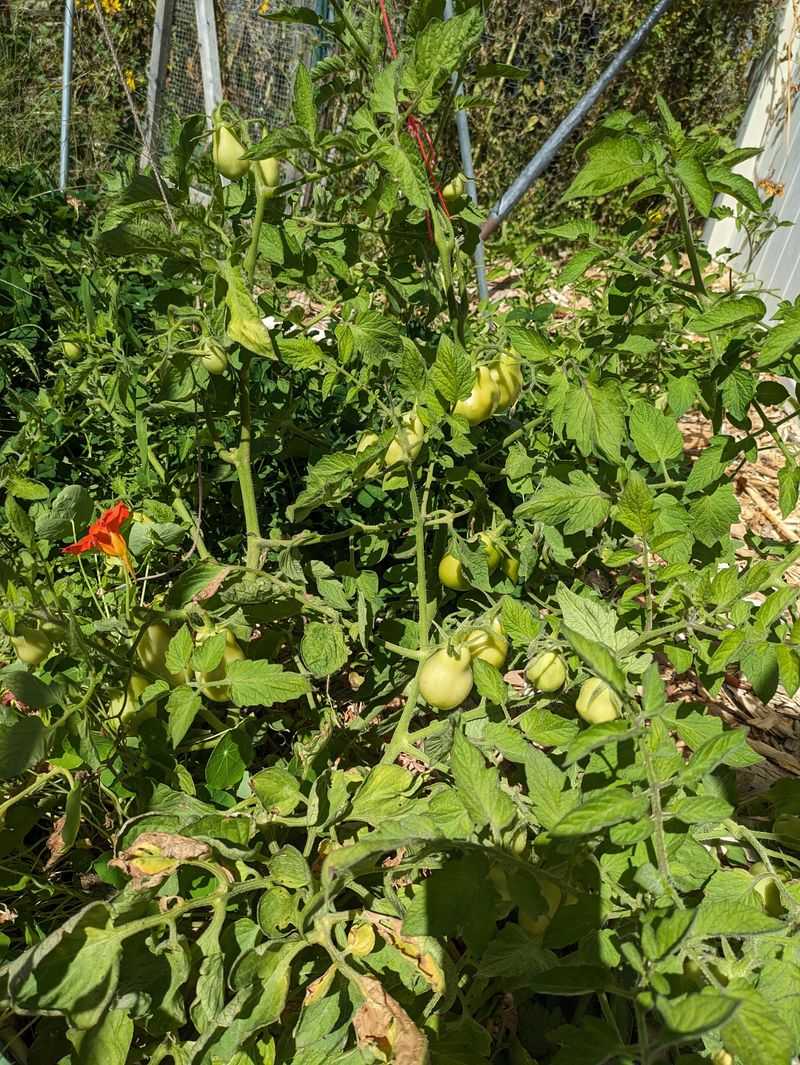
It is easy to assume tired tomato plants need more fertilizer, but in Georgia summer heat that instinct can backfire, especially when the product is high in nitrogen. Nitrogen pushes leafy growth, and that sounds helpful until plants start producing lots of foliage while fruit set slows down.
During hot weather, too much feeding can create soft, overly lush plants that are less balanced and harder to manage.
Many gardeners notice big green plants and think everything is going great, yet blossoms may drop and fruit production can lag behind. That is because tomatoes under heat stress need stability more than a growth surge.
When you keep pouring on nitrogen, you may be asking the plant to do the wrong job at the wrong time.
Instead of feeding heavily, pay attention to what your plants are actually showing you. If leaves look healthy and growth is strong, additional nitrogen is often unnecessary.
In Georgia, a lighter approach during the hottest stretch generally produces better results, especially after improving watering, mulch, and spacing.
Choose a balanced tomato fertilizer, follow label directions closely, and avoid the urge to double up after a rough week. Consistent, moderate feeding supports better plant balance than heavy applications during peak heat.
The goal is not the largest leaf canopy possible, but a stable plant that continues flowering, setting fruit, and handling summer conditions more effectively.
5. Leaving Plants Fully Exposed To Harsh Afternoon Sun
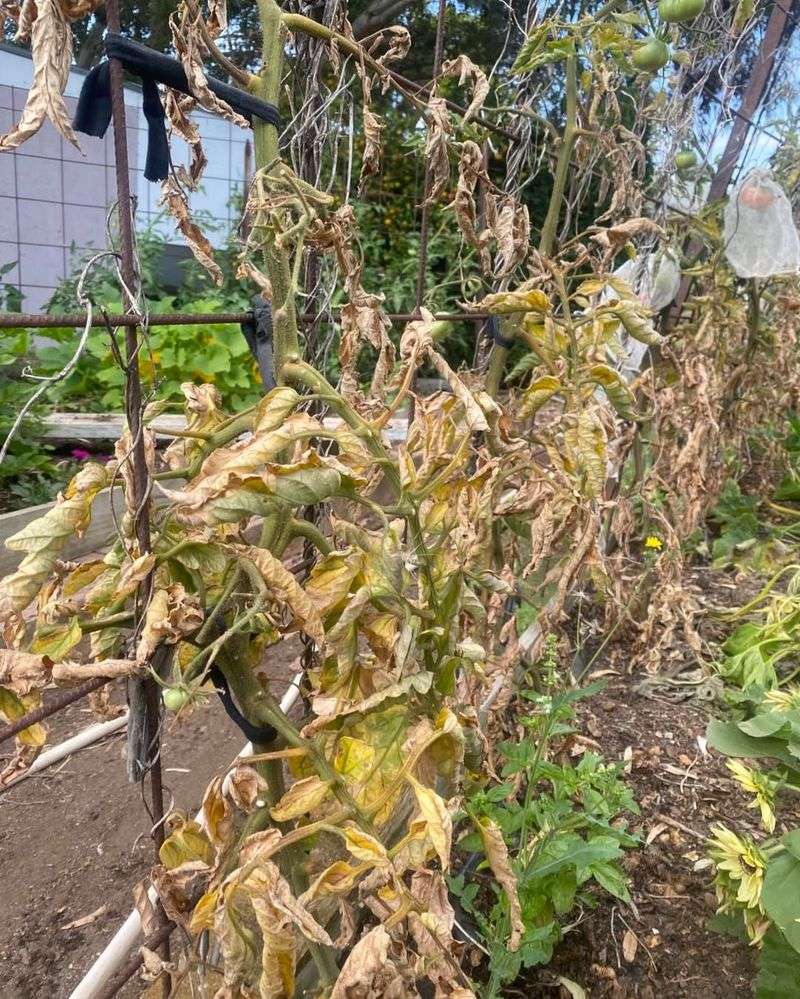
Tomatoes love sun, but Georgia gardeners sometimes take that idea too far and leave plants baking in harsh afternoon exposure without any relief. Morning sun is excellent, yet the brutal light and heat from late afternoon can push stressed plants past their comfort zone.
When temperatures stay high for days, flowers may struggle, fruit can sunscald, and leaves may look worn even with decent watering.
That does not mean tomatoes belong in deep shade, because they still need strong light to produce well. What helps is reducing the most intense part of the day in especially hot locations.
In many parts of Georgia, a little filtered shade after lunch can help plants maintain better function during extreme heat.
Shade cloth is a smart option because it softens the worst heat without blocking all the light your tomatoes need. You can also use placement to your advantage if taller crops, fencing, or a nearby structure offers partial late-day protection.
The goal is not to darken the bed, but to reduce stress caused by prolonged high temperatures.
If a plant gets full sun from sunrise to sunset and seems stalled, the issue may be heat stress rather than lack of nutrients. Observing plant condition in the late afternoon often gives a more accurate picture of heat impact.
In Georgia, managing intense sun exposure can support better fruit quality, steadier flowering, and improved plant resilience.
6. Crowding Plants And Reducing Airflow
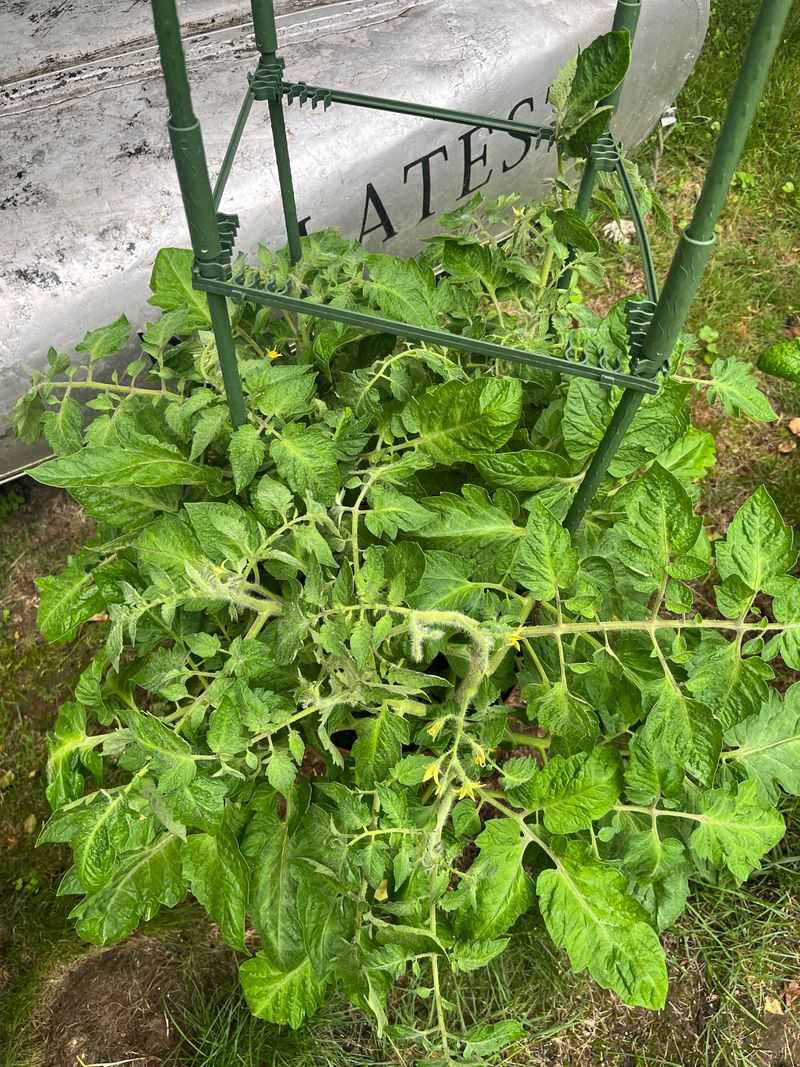
At planting time, tomato seedlings look small, so it is tempting to tuck in extra plants and hope everything will sort itself out later. By midsummer in Georgia, that tight spacing often turns into a wall of tangled stems, trapped humidity, and leaves that stay damp too long.
Crowded plants compete for light, water, and nutrients while airflow drops exactly when hot, sticky weather makes good circulation most important.
Poor airflow does more than make the bed look messy. It increases stress, slows drying after rain or watering, and creates a heavier environment around the foliage.
When plants are jammed together, harvesting also gets harder, which means ripe fruit can hide too long and pest checks become less consistent.
Giving tomatoes proper space helps every part of summer care work better. Cages, stakes, and pruning can open the center of the plant, improve air movement, and make watering at the base much easier.
In humid Georgia conditions, that extra breathing room often makes a bigger difference than expected.
If your bed already feels crowded, you still have options. Tie up wandering stems, remove a few lower leaves if needed, and limit excess suckers to prevent overcrowding.
A more open planting means quicker drying, easier picking, and stronger plants that can handle Georgia heat with less strain through the rest of the season.
7. Waiting Too Long To Harvest Ripe Fruit
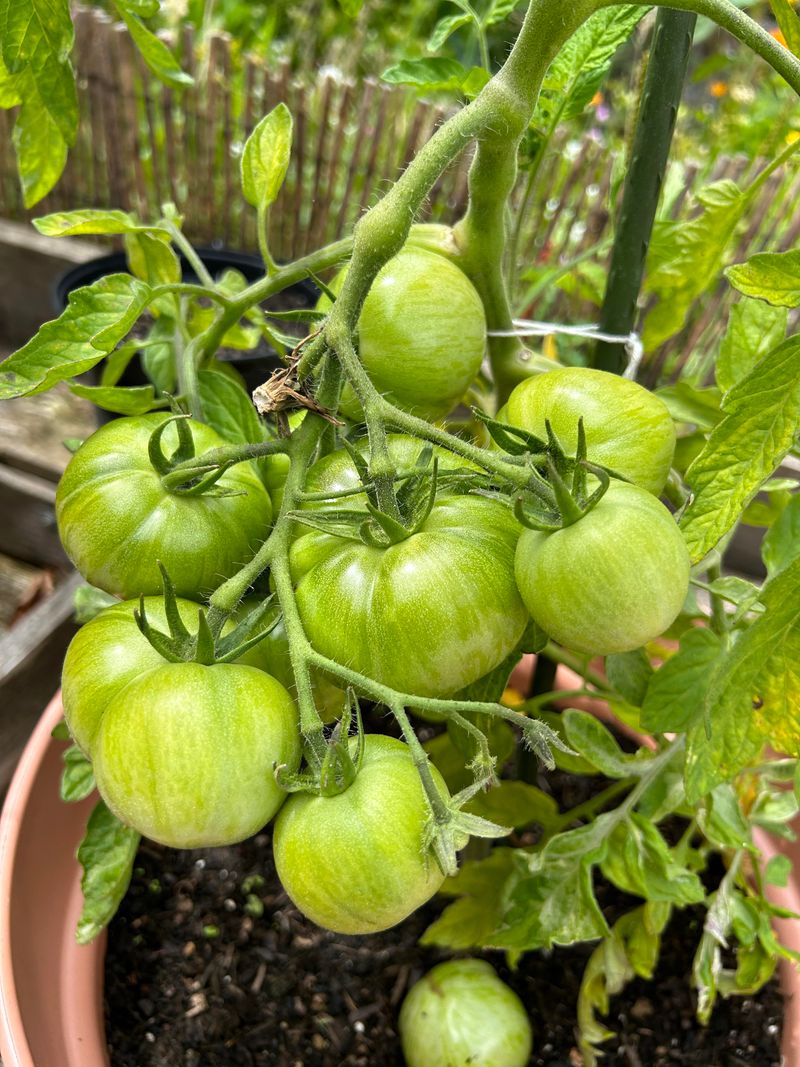
Sometimes the biggest summer mistake is not about watering or feeding at all. In Georgia heat, leaving ripe tomatoes on the vine too long can invite splitting, soft spots, insect attention, and extra stress on the plant.
A fruit that looked perfect yesterday may be overripe by tomorrow afternoon once the weather turns hot and humid.
Many gardeners wait because they want that ideal deep color or hope tomatoes will get a little larger. The problem is that peak summer conditions speed everything up.
Once fruit reaches mature color and feels slightly firm but ready, picking it promptly is often the best way to protect quality and keep the plant focused on producing more.
Regular harvesting also helps you notice issues sooner. You spot cracking, pests, sunscald, and nutrient problems faster when you are in the patch every day or two.
That habit matters in Georgia, where weather changes quickly and one hot rainy stretch can alter fruit quality in a hurry.
If you are worried about flavor, tomatoes can finish ripening indoors at room temperature after they start coloring up. Harvesting slightly early often reduces losses from splitting after sudden rain or heat swings.
Staying ahead of harvest keeps plants lighter, improves overall production, and helps maintain better fruit quality through the peak of summer.