Fruit Seeds You Can Germinate In Water Perfect For North Carolina
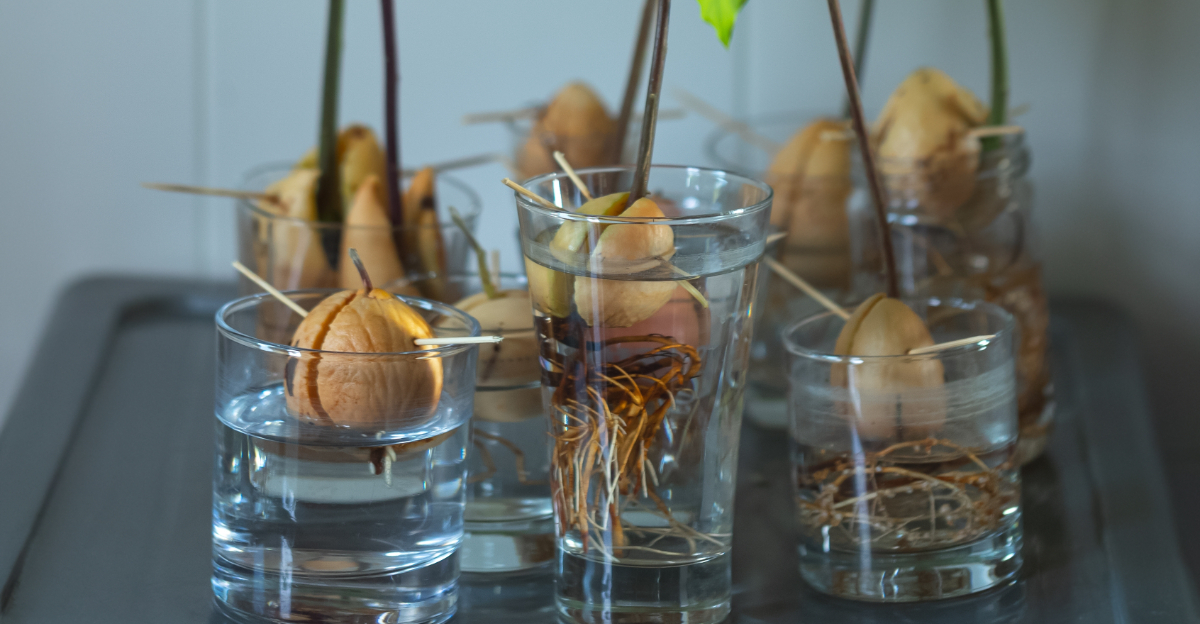
Starting fruit plants from seed does not always require soil, special trays, or a complicated setup. Some of the most satisfying germination projects begin with nothing more than a glass of water and seeds pulled straight from fruit you already have in your kitchen.
It sounds almost too simple, but water germination works surprisingly well for a range of fruit seeds and gives you a clear view of exactly what is happening as roots begin to develop.
North Carolina’s climate makes this approach even more rewarding, because once those seedlings are ready for soil, they are heading into conditions that favor strong, steady growth across most of the state.
Whether you are working with seeds from something you bought at a farmers market or fruit growing in your own backyard, the water germination method is a low cost, low risk way to turn something you would normally toss into a productive new plant.
These are the fruit seeds worth trying and what to expect from each one along the way.
1. Citrus Seeds (Lemon And Orange)
Imagine squeezing a fresh lemon in your North Carolina kitchen, spotting those plump little seeds inside, and realizing you could grow an entire tree from one of them.
Citrus seeds from fresh lemons and oranges germinate surprisingly well when soaked in water for 24 hours before planting, and some will even sprout tiny roots right in the water if conditions are right.
Fresh seeds work far better than dried ones, so use seeds straight from the fruit. North Carolina winters can get too cold for citrus trees planted outdoors, especially in the Piedmont and mountain regions.
Growing citrus in containers solves that problem perfectly. You can keep your lemon or orange tree on a bright, south-facing windowsill all winter and move it to a sunny patio or deck during the warmer months.
The coastal areas of North Carolina offer slightly milder winters, giving container citrus an even better chance.
Soak your citrus seeds overnight in warm water, then plant them about half an inch deep in a moist seed-starting mix.
Keep the pot in a warm spot with plenty of indirect light. Germination typically happens within two to four weeks.
Growing citrus from seed takes patience since fruiting can take several years, but the fragrant leaves and beautiful plant make every single day of that wait completely worthwhile for North Carolina home gardeners.
2. Papaya (Carica papaya)
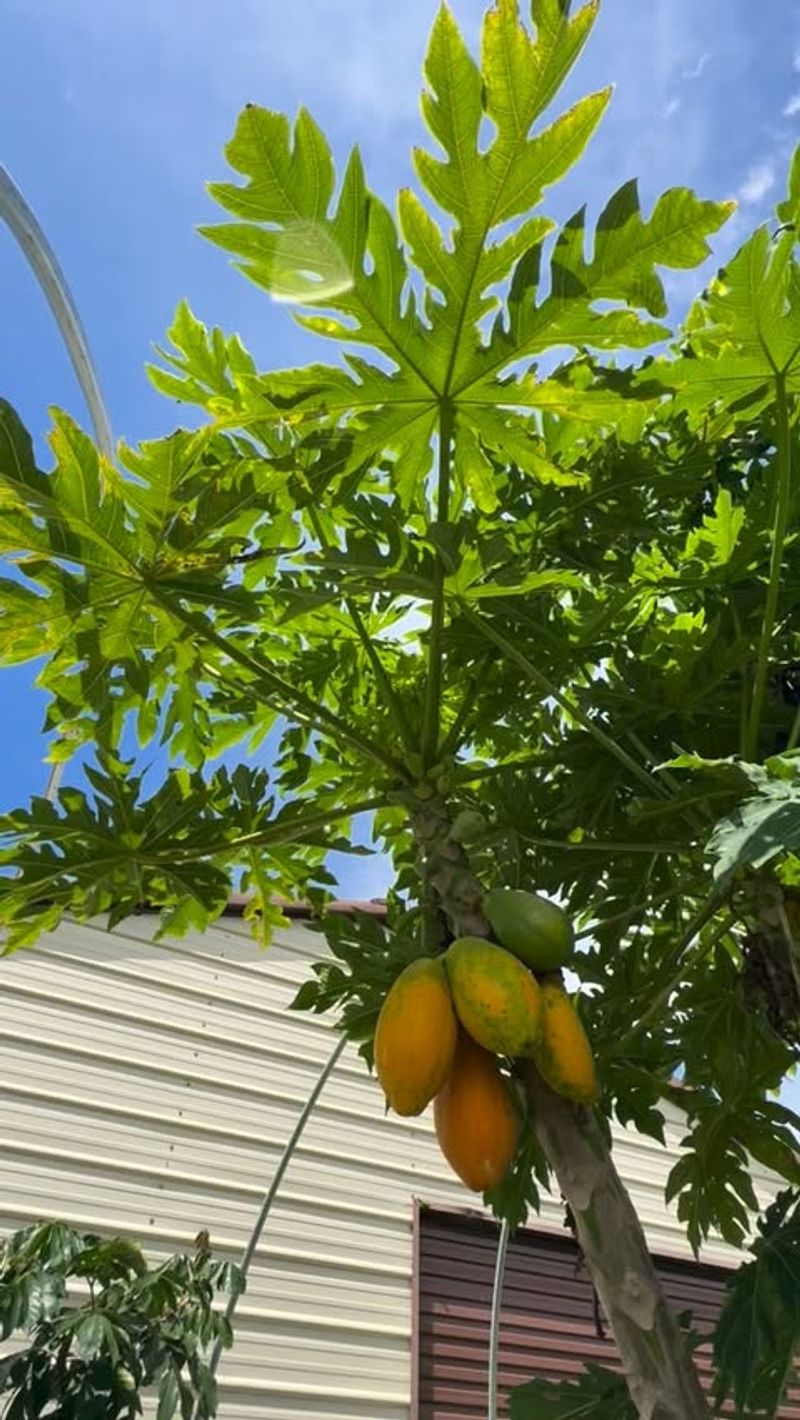
Papaya is one of the fastest-growing fruit plants you can start from seed, and that speed makes it incredibly fun to grow.
Inside a ripe papaya, you will find dozens of small, round black seeds coated in a slippery gel. Rinse that gel off completely, then soak the seeds in warm water for 24 to 48 hours.
This soaking step softens the seed coat and dramatically speeds up germination once you move them to soil.
North Carolina summers are warm and humid enough for papaya to grow fast as a seasonal annual or a large container plant.
Your North Carolina Garden Changes Every Week. Your Plan Should Too.
Gardening in North Carolina changes quickly throughout the season. Every Friday you’ll receive a simple weekly plan showing exactly what to plant, prune, fertilize, harvest, and protect so you never miss the right timing.
Start your seeds indoors in late winter or early spring so the plants are strong and ready when outdoor temperatures climb above 60 degrees Fahrenheit.
Papaya plants can grow several feet tall in a single season, producing big tropical leaves that give any North Carolina backyard or patio a lush, exotic look.
Plant soaked seeds about a quarter inch deep in a warm, moist seed-starting mix. Keep the temperature above 70 degrees for best results.
Seedlings often appear within one to two weeks, which feels almost magical compared to slower-growing fruit trees.
Even if your papaya does not produce fruit in its first North Carolina season, the bold, dramatic foliage alone makes it a standout addition to any garden or sunny indoor space throughout the warm months.
3. Passionfruit (Passiflora incarnata – Maypop)
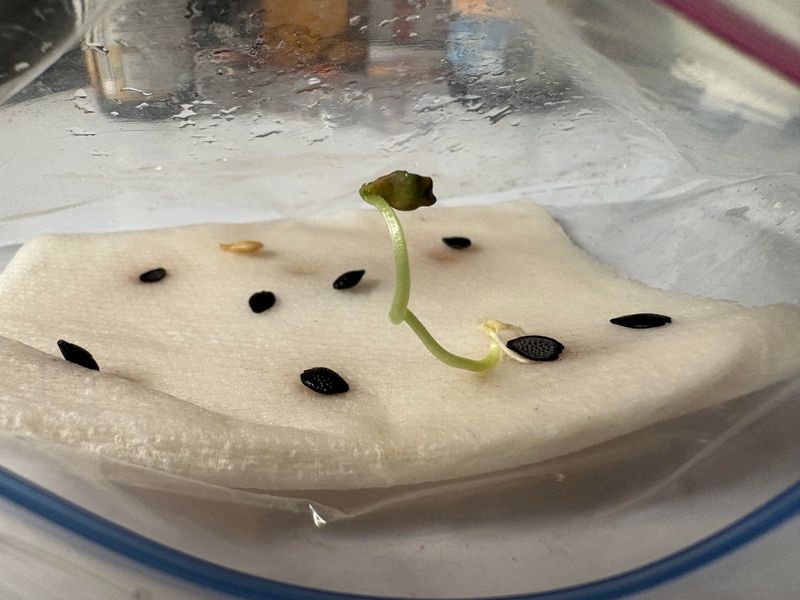
Here is a fun fact that surprises most people: one of the most stunning flowering vines in North America is actually native to North Carolina.
Passiflora incarnata, commonly called Maypop, produces exotic-looking purple and white flowers followed by small yellow fruits that are sweet and edible.
This native vine grows wild across much of North Carolina, thriving in fields, roadsides, and garden fences without much fuss at all.
Maypop seeds benefit greatly from soaking in warm water for 24 to 48 hours before planting. The seed coat is tough, and that water soak helps soften it enough to speed up germination.
Some gardeners also lightly scarify the seeds by rubbing them gently on fine sandpaper before soaking.
After soaking, plant seeds about a quarter inch deep in moist, well-draining soil and keep them in a warm, sunny spot. Germination can take anywhere from two weeks to a couple of months, so patience is key.
Once established, Maypop vines are vigorous growers that can spread quickly along fences and trellises across North Carolina gardens.
They attract butterflies, especially the Gulf Fritillary, making them a wonderful choice for pollinator gardens.
The combination of gorgeous flowers, edible fruit, and wildlife value makes Passiflora incarnata one of the most rewarding native plants any North Carolina gardener can grow from a simple soaked seed.
4. Pomegranate (Punica granatum)
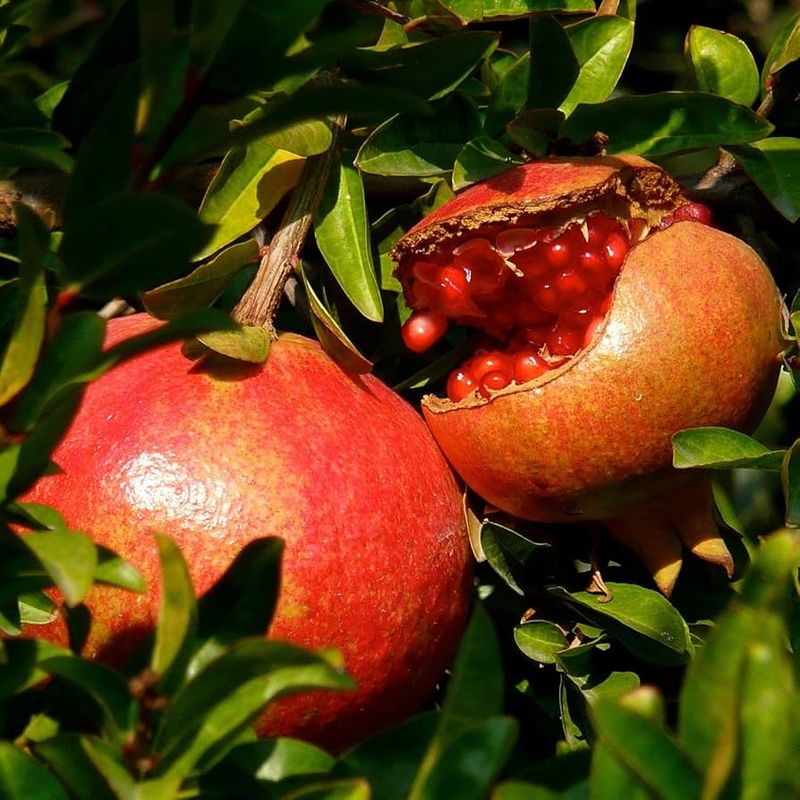
Pomegranate seeds are wrapped in juicy red arils inside the fruit, and once you separate those seeds from the pulp and rinse them clean, they are ready for germination.
Soaking cleaned pomegranate seeds in warm water for 24 hours before planting significantly improves germination rates.
Some gardeners have had success with seeds beginning to sprout small root tips right in the water, especially when kept in a warm, bright spot in their North Carolina home.
Pomegranates actually do quite well in the warmer parts of North Carolina, particularly in the Piedmont and coastal plain regions where winters are milder.
They can handle brief periods of cold but prefer long, hot summers to fruit well. In colder areas of the state, growing pomegranates in large containers and bringing them indoors during winter is the smartest approach.
Container-grown pomegranates can still produce beautiful orange-red flowers and small fruits with proper care.
After soaking, plant seeds about a quarter inch deep in well-draining, slightly sandy soil.
Keep the growing medium consistently moist and warm, ideally above 65 degrees Fahrenheit. Seedlings typically emerge within two to six weeks.
Pomegranates grown from seed may take a few years to fruit, but their striking flowers and attractive foliage make them a beautiful addition to any North Carolina garden or sunny porch long before the first pomegranate ever appears on the branch.
5. Avocado (Persea americana)
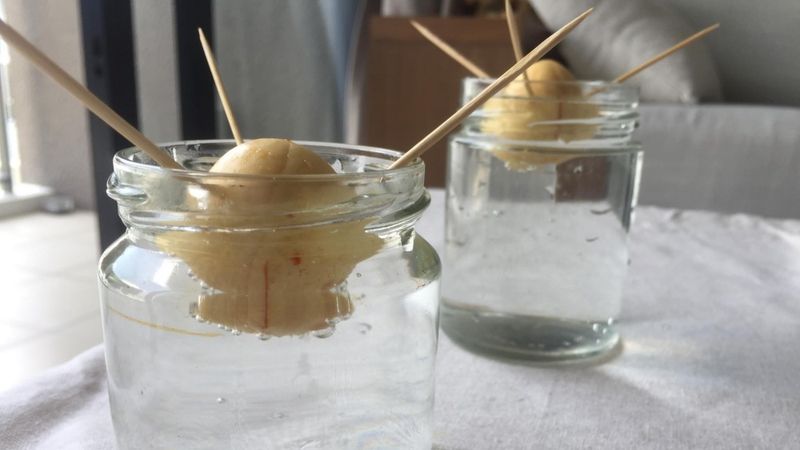
Few things feel more satisfying than watching a smooth brown avocado pit crack open and send out its first white roots.
The classic toothpick-and-glass method works wonderfully here. Just push three toothpicks around the middle of the pit, set the flat end down in a jar of water, and place it near a sunny North Carolina window.
Roots usually appear within two to six weeks. Avocados are tropical plants, which means they struggle with North Carolina’s cold winters outdoors.
However, they thrive as indoor container plants and can grow into impressive houseplants with glossy, dark green leaves.
Many North Carolina gardeners keep them in pots and bring them outside during warm summer months to soak up the heat and sunshine. Change the water every few days to keep it fresh and clear.
Once the stem reaches about six inches tall and the roots look thick and healthy, it is time to pot your avocado in well-draining soil. Keep the soil moist but never waterlogged.
With patience and good light, your avocado will grow strong, and watching that progress from a single pit to a thriving plant is genuinely exciting for gardeners of all ages across North Carolina.
6. Guava (Psidium guajava)
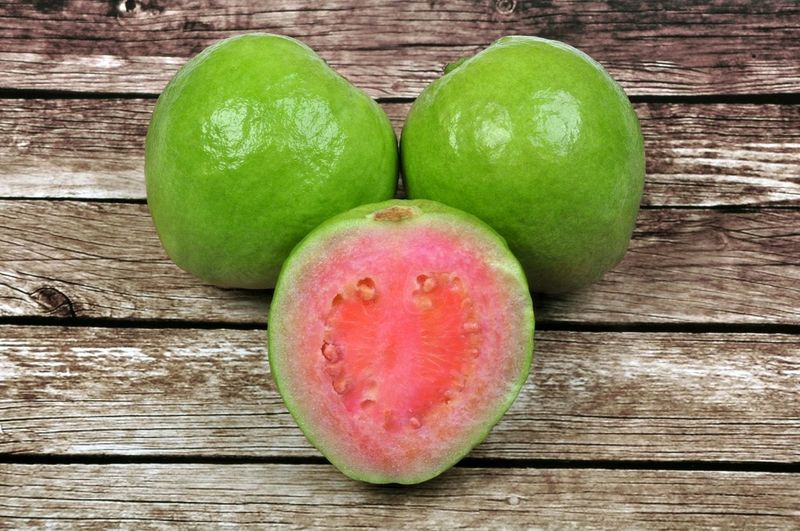
Guava fruit is packed with tiny hard seeds, and those seeds have a reputation for being slow and stubborn when it comes to germination.
The good news is that soaking guava seeds in warm water for 24 to 48 hours makes a noticeable difference.
Some gardeners soak them even longer, up to a week, changing the water daily to keep things fresh.
This extended water treatment softens the hard seed coat and signals to the seed that conditions are right for sprouting.
Guava is a tropical plant that loves heat and dislikes frost, so North Carolina gardeners typically grow it as a container plant that can be moved indoors during cooler months.
The plant produces fragrant white flowers and sweet, aromatic fruits that are rich in vitamin C.
Container guavas can fruit at a relatively young age compared to many other tropical fruit trees, which makes them especially rewarding for home gardeners across North Carolina who want results without waiting decades.
After soaking, plant guava seeds in warm, moist seed-starting mix and cover them lightly. Keep the container in a warm spot, ideally above 70 degrees Fahrenheit, with bright indirect light.
Germination usually takes two to eight weeks. Once seedlings are a few inches tall, transplant them into larger pots with rich, well-draining soil.
With consistent watering and plenty of sunlight, your guava plant will grow into a lush, productive addition to your North Carolina home garden.
7. Loquat (Eriobotrya japonica)
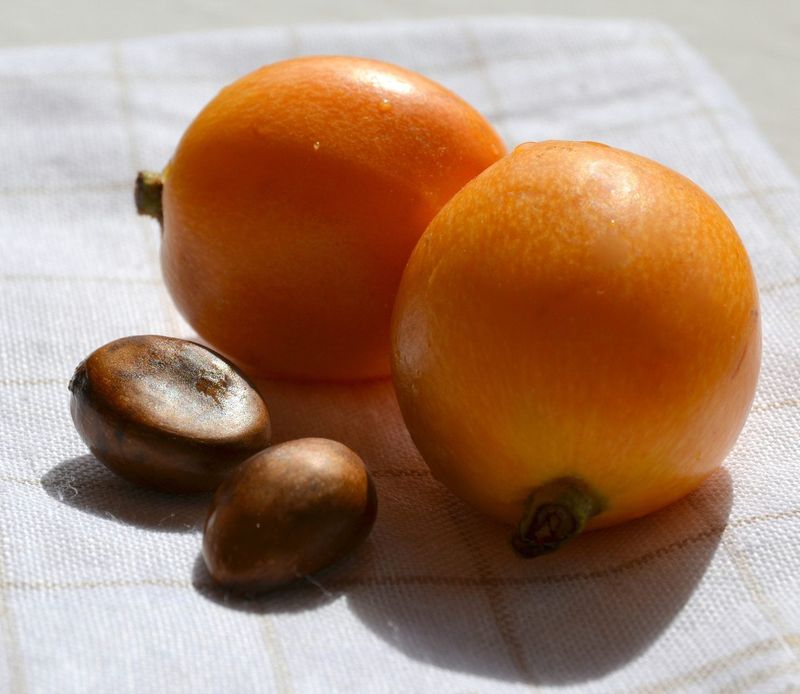
Loquat seeds are big, smooth, and brown, and they germinate with impressive enthusiasm when fresh.
Unlike many fruit seeds that need complex preparation, loquat seeds sprout readily when placed in a shallow container of water or kept in a very moist environment for a short period before planting.
The key is using fresh seeds straight from a ripe loquat fruit because loquat seeds lose their ability to germinate quickly once they dry out completely.
Eastern North Carolina is actually one of the best places in the state to grow loquats outdoors.
The milder winters along the coast and in the lower Piedmont allow loquat trees to survive and even fruit in sheltered spots.
Loquat trees produce clusters of small, sweet orange-yellow fruits in late winter or early spring, which is an unusual and exciting time to harvest fresh fruit from your own North Carolina yard.
The trees also have large, attractive evergreen leaves that look beautiful year-round. Plant your soaked loquat seeds about an inch deep in rich, well-draining soil and keep them consistently moist.
Germination often happens within two to four weeks. Loquat seedlings grow steadily and can be transplanted outdoors in spring once frost risk has passed in your area of North Carolina.
These trees are drought-tolerant once established and require very little maintenance, making them one of the most rewarding and underappreciated fruit trees for North Carolina home gardeners to grow from seed.
8. American Persimmon (Diospyros virginiana)
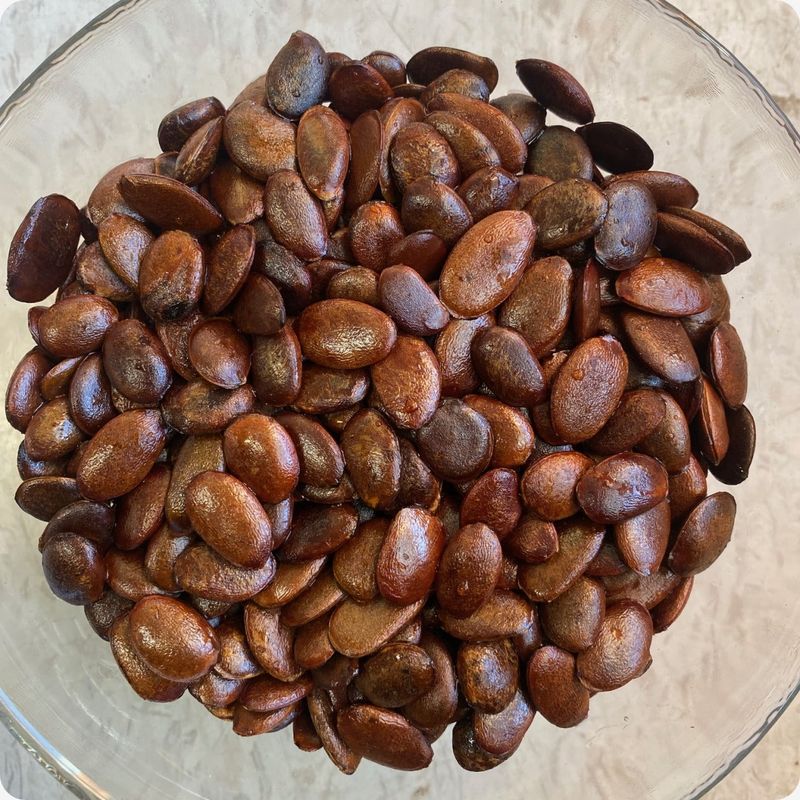
The American persimmon is a true North Carolina native, growing wild in forests, fields, and roadsides across the entire state.
Its small orange fruits are intensely sweet after the first frost softens them, and the seeds inside are large, flat, and easy to work with.
Soaking fresh persimmon seeds in warm water for 24 to 48 hours is an important first step before moving them into cold stratification, which mimics the natural winter conditions these seeds need to sprout successfully.
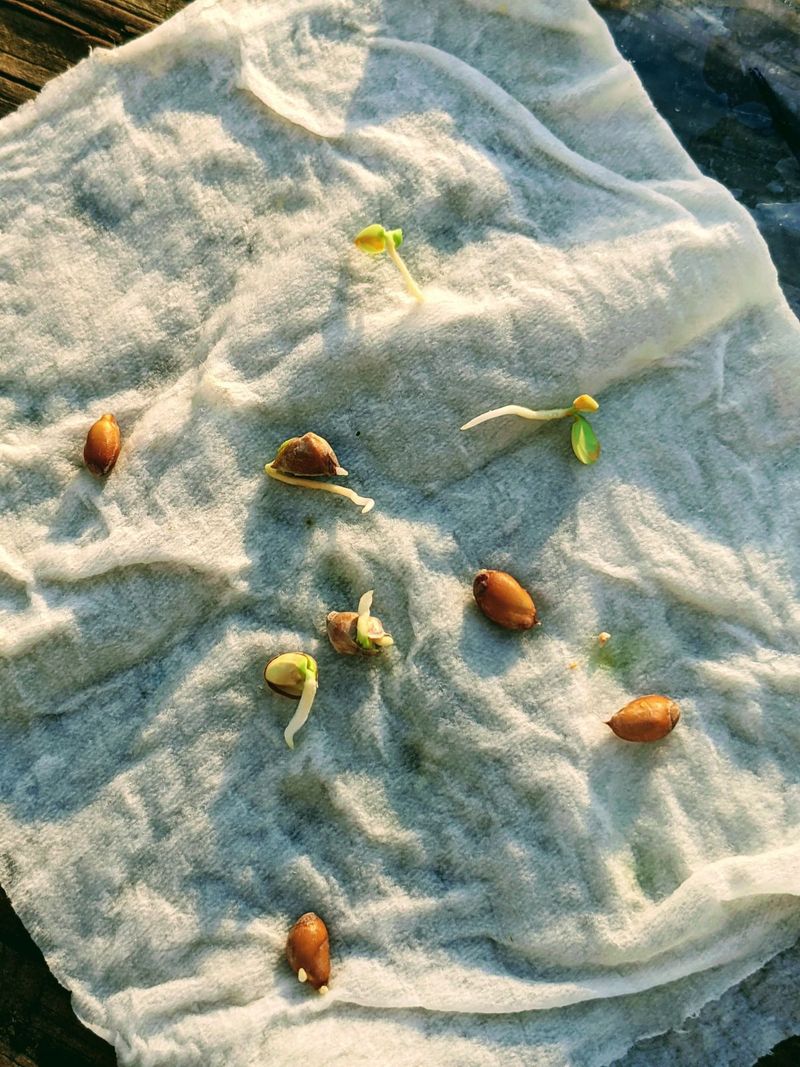
Cold stratification sounds complicated, but it simply means wrapping the soaked seeds in a damp paper towel, sealing them in a plastic bag, and storing them in the refrigerator for 60 to 90 days.
After that chilling period, bring the seeds back to room temperature and plant them in moist soil.
North Carolina gardeners who follow this process are often rewarded with strong, healthy seedlings that grow into beautiful, productive trees over the following years. American persimmon trees are incredibly tough and adaptable.
They handle both drought and wet conditions better than most fruit trees and grow well across all regions of North Carolina, from the mountains to the coast. Wildlife absolutely love the fruit, but there is always plenty to share.
These trees grow at a moderate pace and can eventually reach 30 to 60 feet tall, providing decades of sweet autumn fruit and gorgeous fall foliage color for any North Carolina property lucky enough to have one.
9. Pawpaw (Asimina triloba)
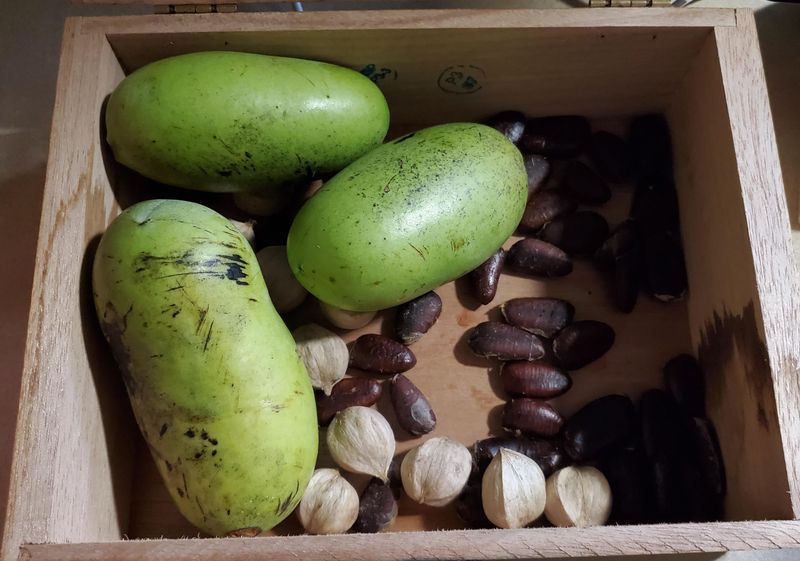
North Carolina has a secret tropical treasure growing right in its own forests, and it is called the pawpaw.
Asimina triloba produces the largest edible fruit native to North America, with a creamy, custard-like flesh that tastes like a blend of banana, mango, and vanilla.
The seeds inside are large, dark brown, and smooth, and they have one very strict rule: they must never be allowed to dry out completely, or they will not sprout at all.
Soaking pawpaw seeds in water for 24 to 48 hours is the first step in a multi-stage germination process.
After soaking, the seeds need cold stratification for 60 to 100 days in a moist environment kept just above freezing.
This cold treatment breaks the seed’s dormancy and prepares it to germinate when warmer conditions arrive.
Many North Carolina gardeners simply plant pawpaw seeds outdoors in fall and let winter do the stratification work naturally.
After stratification, pawpaw seeds germinate in warm soil and produce a long taproot before any above-ground growth appears, so patience is absolutely essential here.
Seedlings prefer partial shade when young, mimicking the forest understory where pawpaws naturally thrive throughout North Carolina’s river valleys and bottomlands.
Once established, pawpaw trees are low-maintenance, pest-resistant, and incredibly rewarding.
Growing a pawpaw from a single soaked seed is one of the most exciting long-term gardening projects any North Carolina gardener can take on.