Native Coastal Plants North Carolina Gardeners Love Because They Need Almost No Water
Some of the best plants for North Carolina coastal gardens are the ones that seem to ask for almost nothing. They handle sandy soil, salty air, bright sun, and dry stretches without acting like they are under stress.
That alone makes them easy to love. But the real surprise is how much beauty they can bring while needing so little water.
For gardeners near the coast, that is a big deal. A plant that can stay strong without constant watering saves time, cuts down on work, and still keeps the yard looking full of life.
Native coastal plants also feel right at home in the landscape because they belong there. They are built for local conditions in a way many common garden plants are not.
If you want a North Carolina garden that looks good with less effort, these tough native plants are hard to beat.
1. Sea Oats
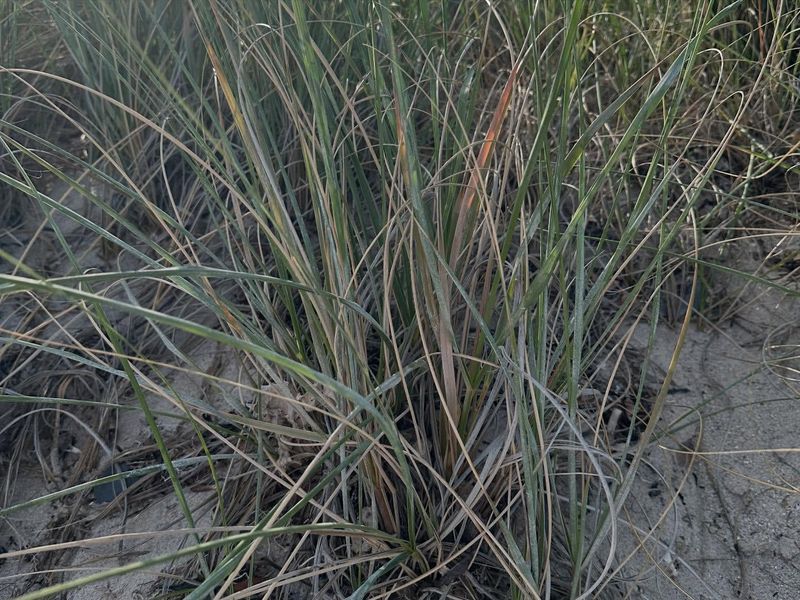
Few plants capture the spirit of the North Carolina coast quite like Sea Oats. Their tall, nodding seed heads sway in the ocean breeze like nature’s own wind chimes, and they look stunning from late summer well into fall.
Uniola paniculata is one of the most recognizable native grasses along the Atlantic coastline, and for good reason.
Sea Oats grow naturally in sandy dunes where almost nothing else dares to take root. Once established, they need virtually no supplemental watering because their deep root systems pull moisture from far below the surface.
Those roots also work hard underground, binding loose sand together and reducing erosion along shorelines and dune systems throughout the region.
Planting Sea Oats in your coastal North Carolina garden is surprisingly straightforward. They prefer full sun and well-drained sandy soil, which means most beachside yards are already perfectly suited for them.
Spacing plants about two feet apart gives each one room to spread naturally over time.
One important thing to know is that Sea Oats are legally protected in North Carolina. You cannot harvest them from wild areas, so always purchase transplants from a reputable native plant nursery.
Once they settle in, you can essentially step back and watch them thrive through summer heat, salt spray, and dry stretches without any fuss at all.
2. Beach Sunflower
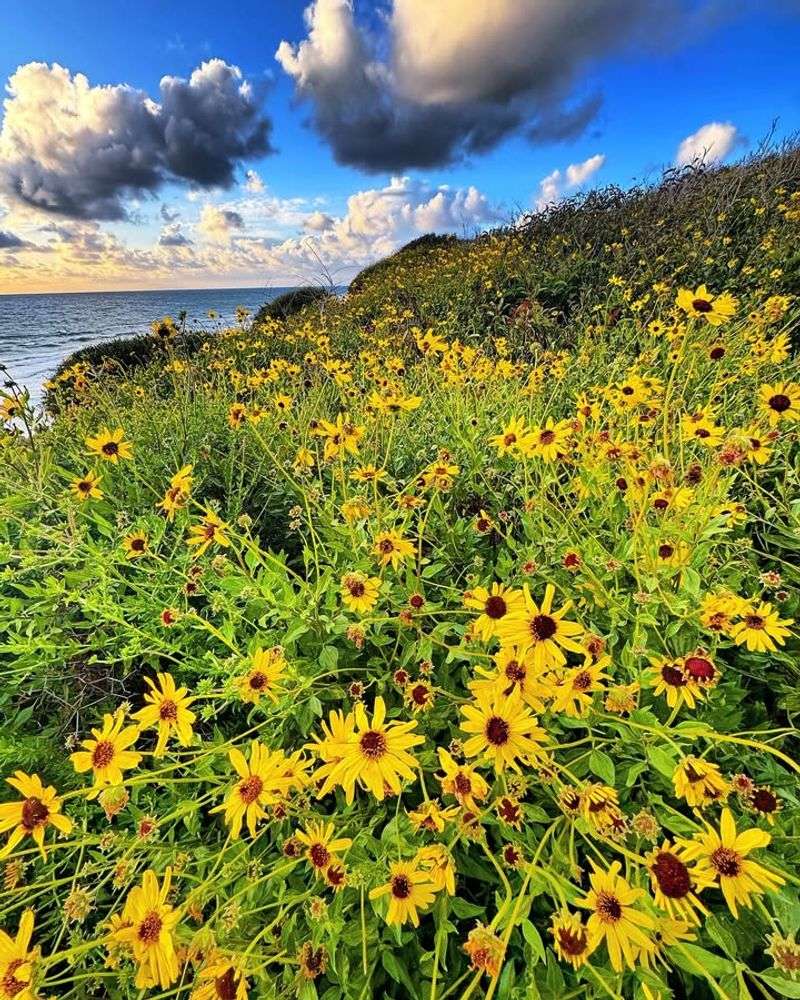
Imagine a plant that practically glows in the summer sun, covers bare sandy ground with cheerful yellow blooms, and never once asks you to water it.
That is exactly what the Beach Sunflower delivers to North Carolina coastal gardeners who want big color without big effort. Helianthus debilis is a true coastal survivor with serious charm.
Beach Sunflowers thrive in the kind of conditions that would stress most garden plants. Sandy soil, salt spray, intense heat, and long dry spells are all perfectly fine for this tough native.
The flowers are a brilliant golden yellow with dark centers, and they bloom generously from spring through fall, drawing in bees, butterflies, and other pollinators throughout the growing season.
This plant spreads low and wide, making it a fantastic choice for covering open ground along driveways, garden edges, or sandy slopes near the water. It fills in quickly and crowds out weeds naturally, which means less maintenance work for you over time.
Your North Carolina Garden Changes Every Week. Your Plan Should Too.
Gardening in North Carolina changes quickly throughout the season. Every Friday you’ll receive a simple weekly plan showing exactly what to plant, prune, fertilize, harvest, and protect so you never miss the right timing.
North Carolina gardeners near Wilmington and the Outer Banks have embraced it as a reliable landscape workhorse.
Plant Beach Sunflowers in full sun and stand back. They root down fast, establish without fuss, and bloom reliably even during summer dry spells.
Removing spent blooms occasionally can encourage more flowering, though many gardeners skip that step entirely and still enjoy a spectacular show all season.
3. Dune Grass (Saltmeadow Cordgrass)
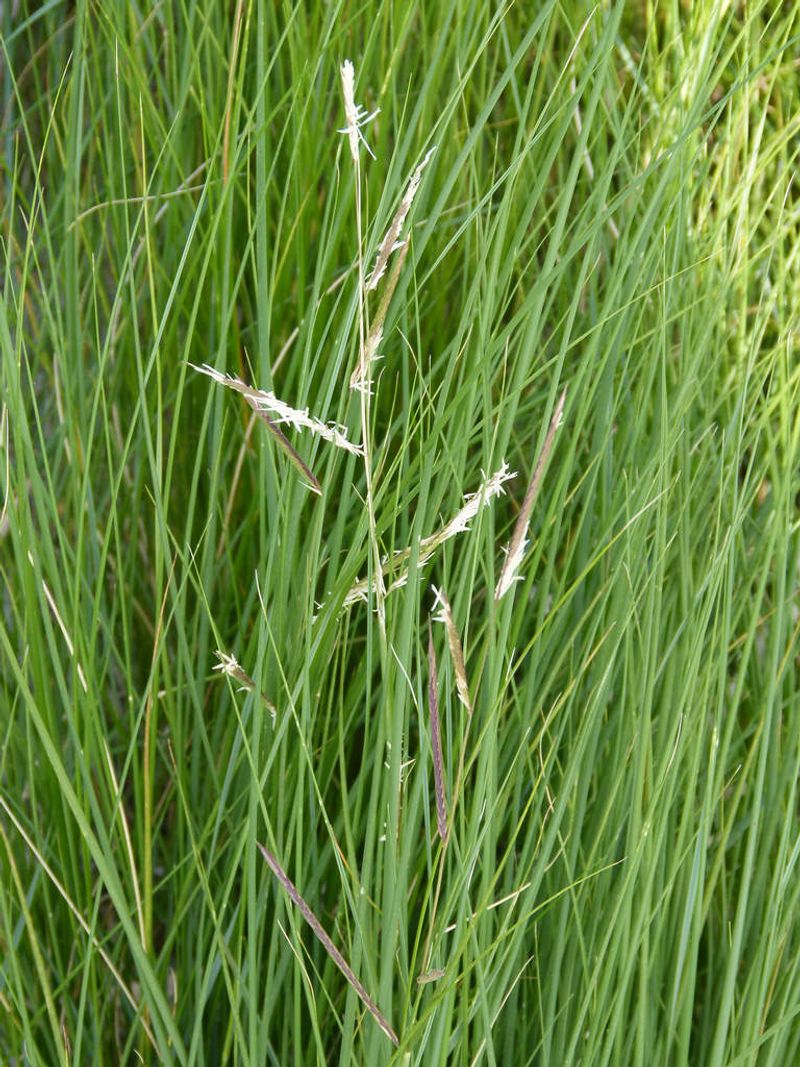
Not every garden hero looks dramatic, and Saltmeadow Cordgrass proves that point beautifully.
Spartina patens grows in fine, grass-like tufts that ripple softly in coastal breezes, creating a natural, flowing texture that fits perfectly into any North Carolina seaside landscape. It is understated, incredibly functional, and remarkably tough.
This native grass is built for sandy, salty conditions along the coast. It tolerates flooding, salt spray, and extended dry periods without showing any signs of stress.
Its dense, spreading root system works constantly to hold soil in place, making it one of the most effective plants available for preventing erosion on dunes, slopes, and open sandy areas throughout the region.
Saltmeadow Cordgrass needs very little supplemental water once it gets established, which usually happens within the first growing season. After that, rainfall alone is typically enough to keep it healthy and actively spreading.
It grows best in full sun and handles poor, nutrient-depleted sandy soils with ease, never demanding fertilizer or special soil amendments to perform well.
For North Carolina gardeners dealing with bare or eroding areas near the shoreline, this grass is a practical and ecologically sound choice. It supports coastal bird species and small wildlife while stabilizing the ground beneath it.
Plant it in masses for the best visual effect and the strongest erosion control benefits, and enjoy a low-maintenance ground cover that truly earns its place in the landscape.
4. Eastern Red Cedar
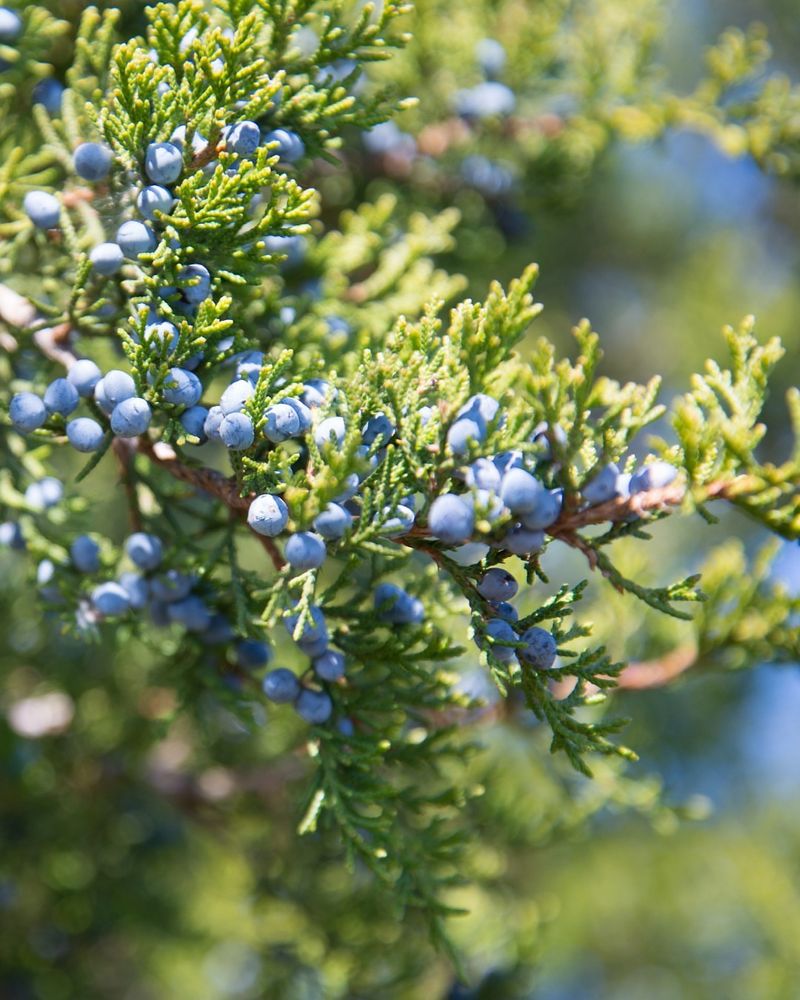
Eastern Red Cedar is the kind of plant that coastal North Carolina gardeners come to rely on year after year. Juniperus virginiana stands strong through punishing winds, salt-laden air, and long summer droughts without skipping a beat.
It is tough in the best possible way, and it pulls double duty as both a windbreak and a wildlife magnet.
This evergreen grows naturally throughout much of eastern North Carolina, including barrier islands and coastal plains where conditions are harsh and unforgiving. Its deep root system anchors it firmly in sandy, poor soil, and it never needs irrigation once established.
The dense, dark green foliage stays attractive year-round, which makes it especially valuable in a landscape that needs structure and color during the cooler months.
Birds absolutely love Eastern Red Cedar. Cedar waxwings, mockingbirds, and bluebirds are among the many species that feast on the small, blue-gray berry-like cones it produces each year.
Planting a row of these trees along your property line creates a natural privacy screen, a noise buffer, and a windbreak all at once, which is a remarkable return on a single planting investment.
Eastern Red Cedar grows at a moderate pace and reaches anywhere from 10 to 40 feet tall depending on conditions. Planting it in full sun gives the best results.
It is one of the most reliable native evergreens available to coastal North Carolina gardeners, and once it is in the ground, it is essentially on its own.
5. Wax Myrtle
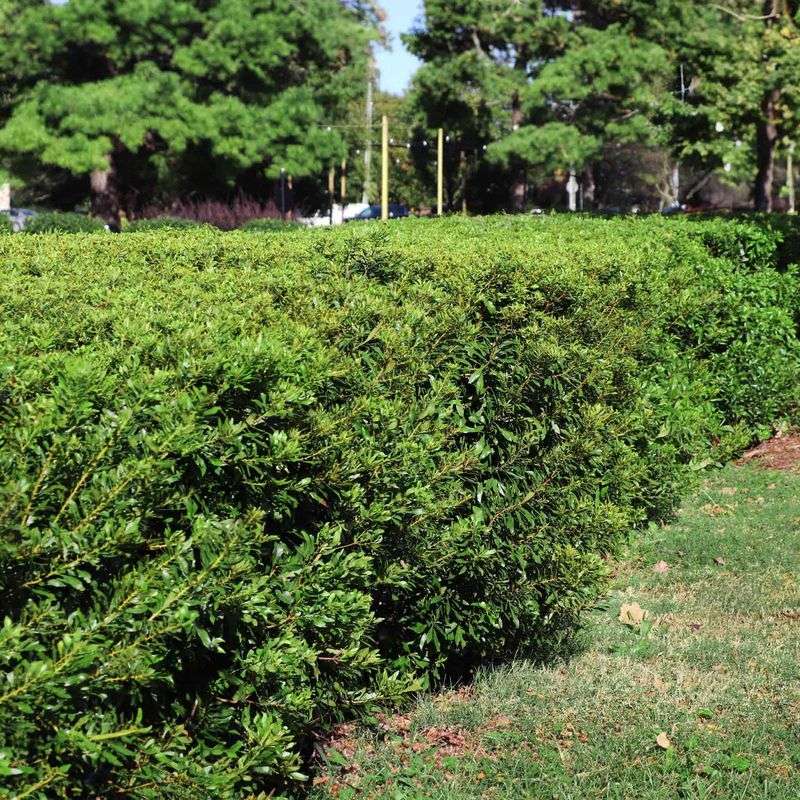
Walk past a Wax Myrtle on a warm afternoon and you will immediately understand why North Carolina gardeners keep planting it. Rubbing a leaf releases a clean, spicy fragrance that is unmistakably coastal.
Morella cerifera is native to the entire southeastern coast, and it fits into the North Carolina shoreline landscape like it was always meant to be there, because it was.
Wax Myrtle is a fast-growing evergreen shrub that handles the full range of coastal challenges without complaint. Sandy soil, salt spray, occasional flooding, and summer drought are all conditions it manages naturally.
Once established, it needs almost no supplemental watering, making it one of the most water-smart choices available to coastal gardeners in the region.
The small, waxy, gray-blue berries that appear in fall and winter are a major attraction for birds, including yellow-rumped warblers that rely on them as a primary food source during migration.
Planting Wax Myrtle near your yard essentially sets up a free bird-feeding station that runs itself all season long.
It can be grown as a large shrub or trained into a small multi-stemmed tree depending on your space and preference.
Wax Myrtle works beautifully as a privacy hedge, a windbreak, or a natural border along property edges in coastal North Carolina communities. It grows quickly and fills in thickly, requiring only occasional trimming to keep the shape you want.
For a plant that gives so much and asks for so little, it is hard to beat.
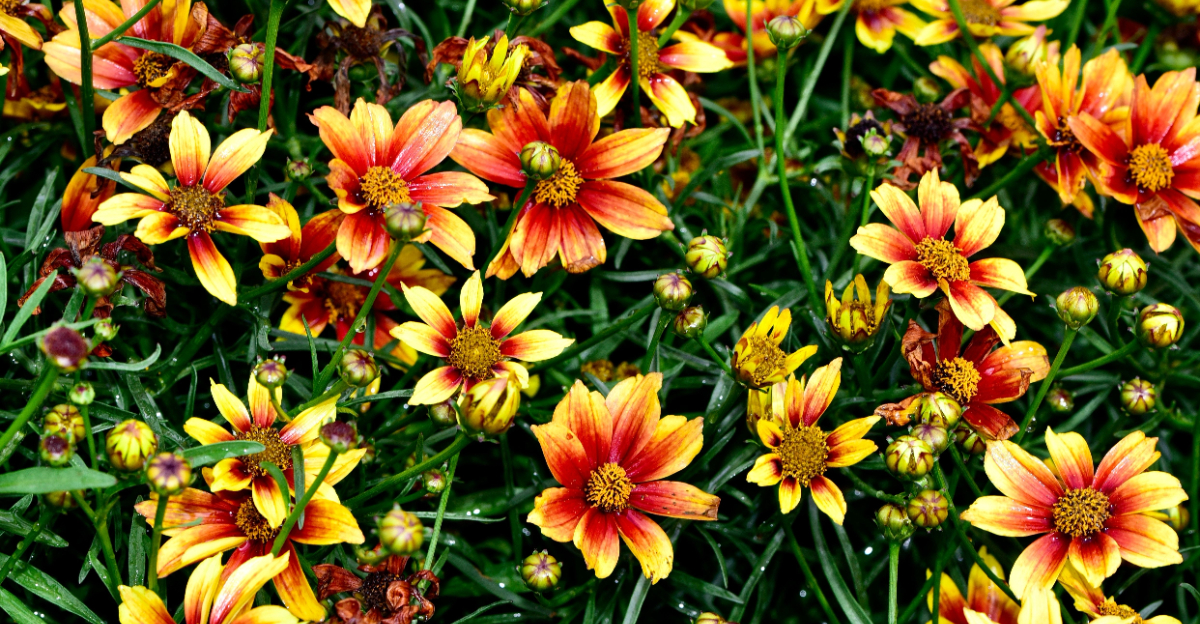
6. Coreopsis (Tickseed)
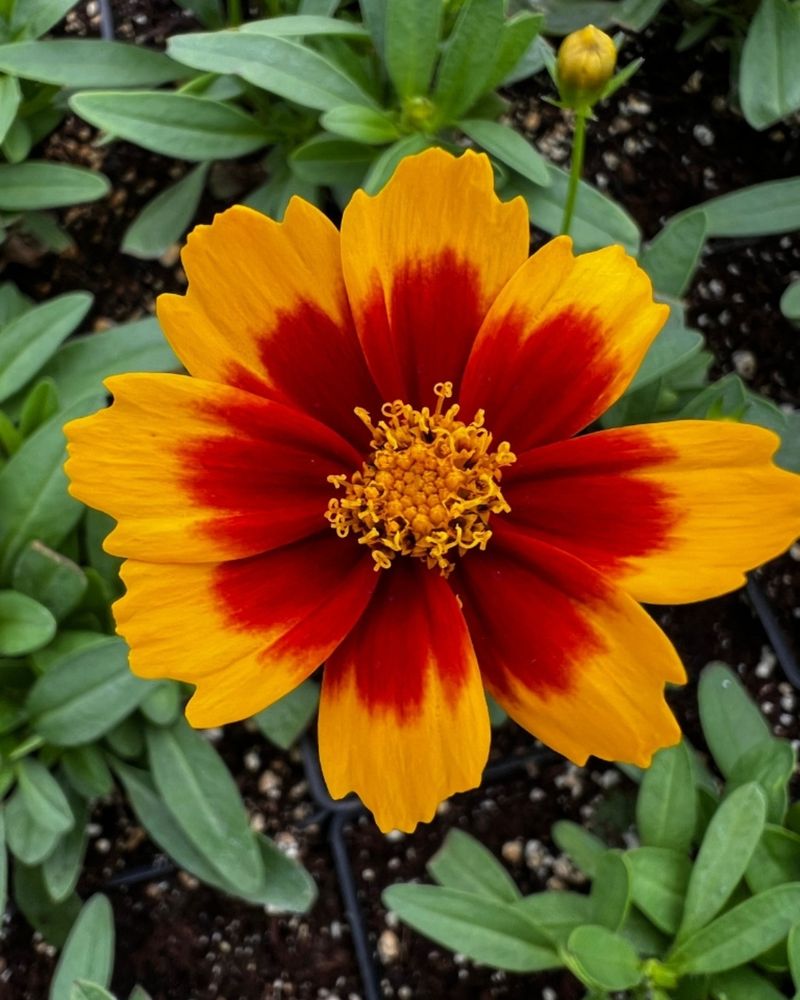
Coreopsis is one of those plants that makes you do a double take the first time you see it blooming in a coastal garden.
The flowers are a vivid, warm yellow that practically radiates sunshine, and they keep coming back week after week through summer heat that would exhaust most flowering plants.
North Carolina even named it the state wildflower, which tells you a lot about how well it belongs here.
Native tickseeds, including Coreopsis leavenworthii and related species, are tailor-made for the sandy, well-drained soils found throughout the NC coastal plain. They thrive in full sun and handle drought remarkably well once their roots settle in.
Supplemental watering is rarely needed after the first season, and overwatering can actually cause more harm than drought ever would for these plants.
Pollinators are wild about Coreopsis. Butterflies, bees, and even small native wasps visit the blooms regularly throughout the flowering season.
Planting a patch near a vegetable garden or fruit trees can improve pollination across your entire yard, making Coreopsis a functional choice as well as a beautiful one.
Coreopsis spreads readily by self-seeding, so one small planting can multiply into a generous sweep of color over just a few seasons.
Removing spent blooms encourages continuous flowering, but leaving some seed heads in place lets the plant naturalize on its own. Either approach works well in a relaxed, naturalistic coastal North Carolina garden.
7. Beach Morning Glory
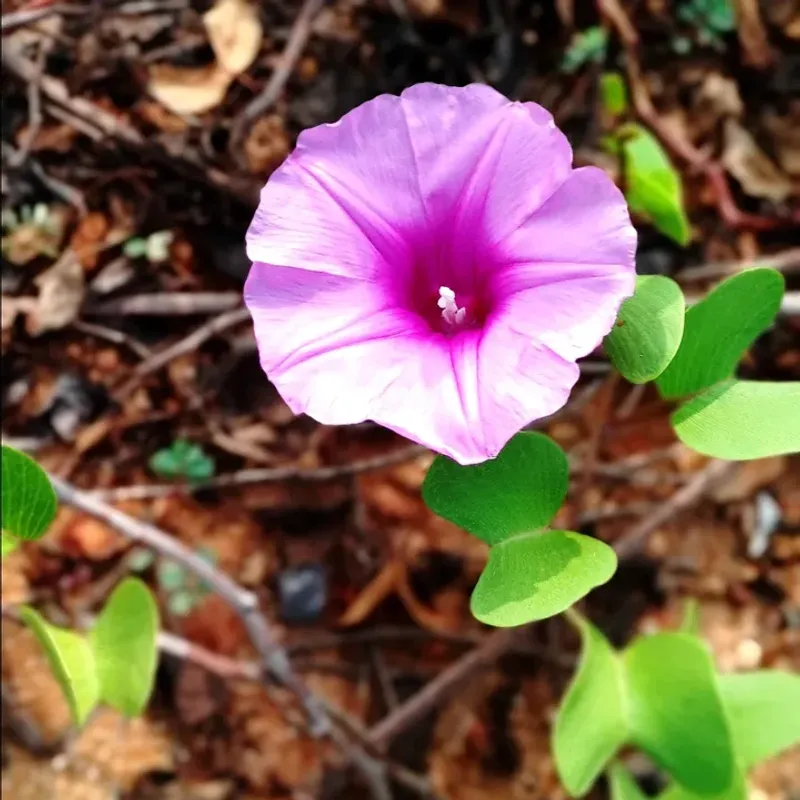
There is something almost magical about watching Beach Morning Glory spread across bare sand, sending out long trailing vines and popping open fresh flowers every morning along the North Carolina shoreline.
Ipomoea imperati is a native ground-covering vine that treats sandy dunes like prime real estate, filling in open areas with lush green foliage and delicate white flowers with yellow centers.
This plant is perfectly engineered for coastal survival. It handles salt spray, compacted or loose sandy soil, and extended dry periods without showing any distress.
The trailing stems root wherever they touch the ground, which allows the plant to spread steadily and cover large areas of bare sand that would otherwise erode during storms or high winds.
Beach Morning Glory needs almost no supplemental water once it gets going. Rainfall along the North Carolina coast is usually sufficient to keep it healthy and actively spreading through the growing season.
Full sun is ideal, and the plant performs best in open, exposed areas where other plants might struggle to survive at all.
The flowers open in the morning and close by afternoon, which gives the plant its name and adds a charming daily rhythm to your garden. While it is not as commonly sold in nurseries as some other natives, it is worth seeking out from coastal plant specialists.
Once established on a dune or sandy slope, Beach Morning Glory holds the ground firmly and looks effortlessly beautiful doing it.
8. Sweetgrass
Sweetgrass carries a history that runs deeper than most garden plants. For centuries, artisans along the southeastern coast, particularly in the Carolinas, have woven Muhlenbergia filipes into intricate baskets that are considered some of the finest traditional American craft.
Planting Sweetgrass in a North Carolina coastal garden connects you to that remarkable cultural legacy while also giving you a genuinely beautiful ornamental grass.
Muhlenbergia filipes grows naturally in coastal meadows and savannas where sandy, nutrient-poor soils are the norm. It is well adapted to dry conditions and handles drought with ease once established.
Supplemental irrigation is rarely needed, and the plant actually prefers the lean, gritty soils that are common throughout coastal North Carolina rather than rich, amended garden beds.
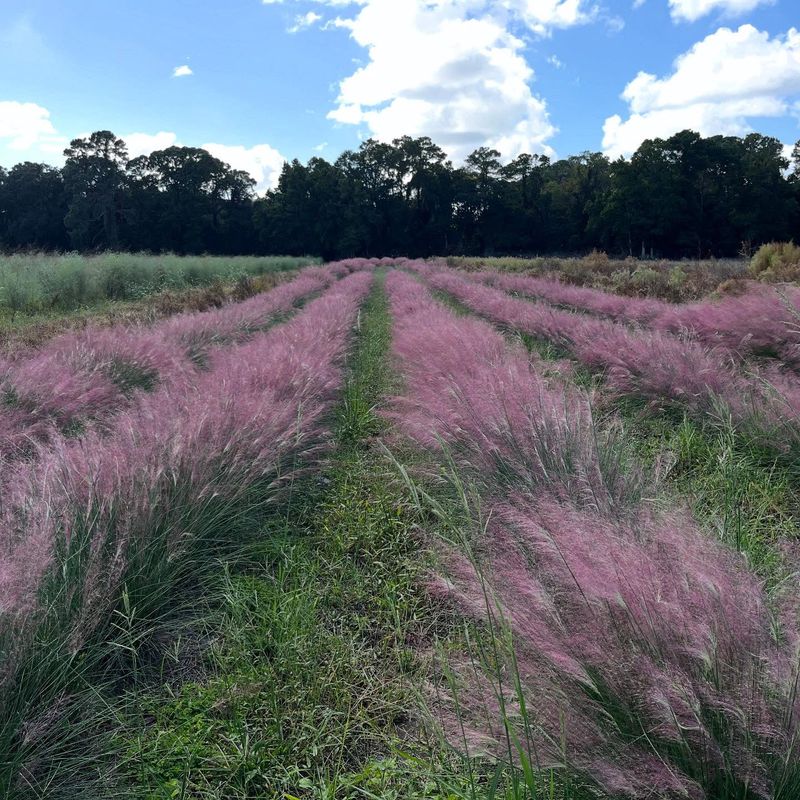
The grass itself has a fine, airy texture with pale green blades that catch and hold light beautifully throughout the day. In late summer and fall, it sends up delicate, pinkish-purple flower plumes that shimmer in the coastal breeze and add a soft, dreamy quality to any garden setting.
It is subtle but genuinely striking when planted in generous sweeps. Sweetgrass grows best in full sun and is happiest when left largely undisturbed after planting.
It pairs beautifully with other coastal natives like Coreopsis and Sea Oats, creating a naturalistic meadow effect that looks intentional and polished without requiring constant upkeep.
For North Carolina gardeners who appreciate both beauty and heritage, Sweetgrass is an exceptional choice.
9. Saltbush (Seacoast Atriplex)
Saltbush might not be the flashiest plant on this list, but coastal North Carolina gardeners who have discovered it know it earns its spot in any seaside landscape.
Atriplex glabriuscula is built specifically for the kind of extreme conditions found right at the edge of the ocean, where salt content in both the soil and the air would overwhelm most other plants completely.
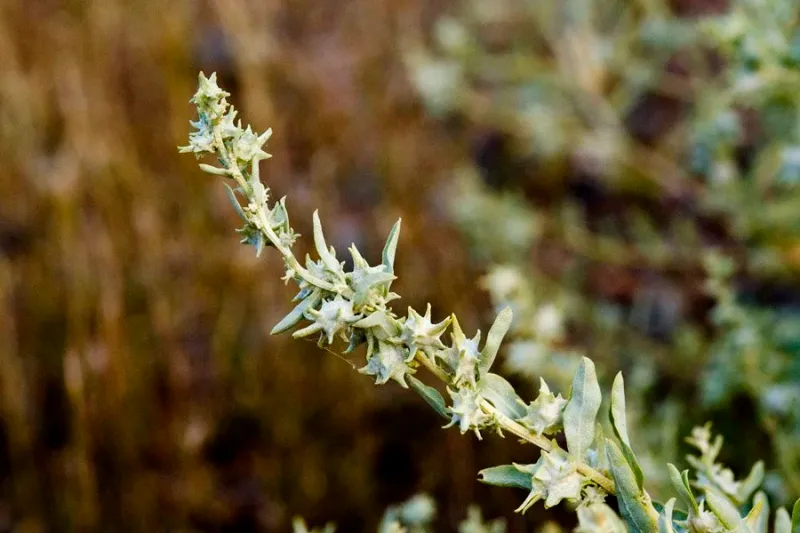
The silvery-green foliage of Saltbush has a distinctive, almost metallic quality that reflects sunlight and helps the plant manage heat stress during hot coastal summers.
It grows low and wide, spreading across sandy ground and creating effective ground cover that suppresses weeds and holds soil in place against wind and water erosion.
Few native plants are as well suited to exposed, salty coastal environments in the region.
Water needs are minimal once Saltbush establishes its root system, which usually happens within the first growing season.
It tolerates both dry spells and occasional flooding, making it flexible enough to handle the variable moisture conditions that are common along the North Carolina shoreline throughout the year.
Sandy, salty soil is not a problem for this plant. It is actually the preferred growing condition.
Saltbush works particularly well planted along property edges closest to the water, where conditions are most intense. It can also anchor slopes and bare sandy areas that are vulnerable to erosion after storms.
While it is not widely available at every garden center, specialty native plant nurseries along the Carolina coast typically carry it for gardeners who seek it out.
10. Bayberry
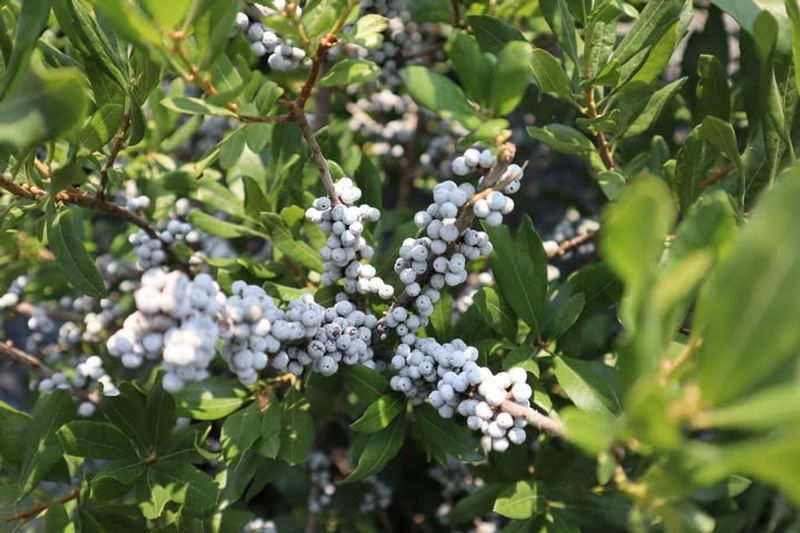
Bayberry is one of those old-fashioned plants that deserves a serious comeback in modern coastal North Carolina gardens.
Morella pensylvanica has been part of the eastern coastal landscape for generations, and early American colonists famously boiled its waxy berries to make fragrant candles.
That rich history alone makes it interesting, but its garden performance is what keeps coastal gardeners planting it today.
This native shrub is exceptionally drought-tolerant once established, which makes it a natural fit for the sandy, fast-draining soils found throughout the North Carolina coast.
It grows at a moderate pace into a rounded, multi-stemmed form that typically reaches four to eight feet tall, making it useful as a privacy screen, a windbreak, or an anchor plant in a naturalistic coastal garden design.
The small, waxy, gray berries clustered along the stems are a magnet for migrating birds during fall and winter. Tree swallows and yellow-rumped warblers are especially fond of them, and a well-established Bayberry shrub can attract dozens of birds on a single autumn afternoon.
The aromatic leaves add another sensory layer that makes this shrub genuinely enjoyable to be near throughout the growing season.
Bayberry handles poor soil, salt spray, and low moisture conditions with remarkable resilience. Planting it in full sun to light shade gives the best results along the North Carolina coastline.
Once it is settled in, you can largely leave it alone and enjoy the birds, the fragrance, and the steady, reliable beauty it brings to your coastal landscape year after year.