How To Prune Dragon Fruit In Arizona Without Slowing Growth
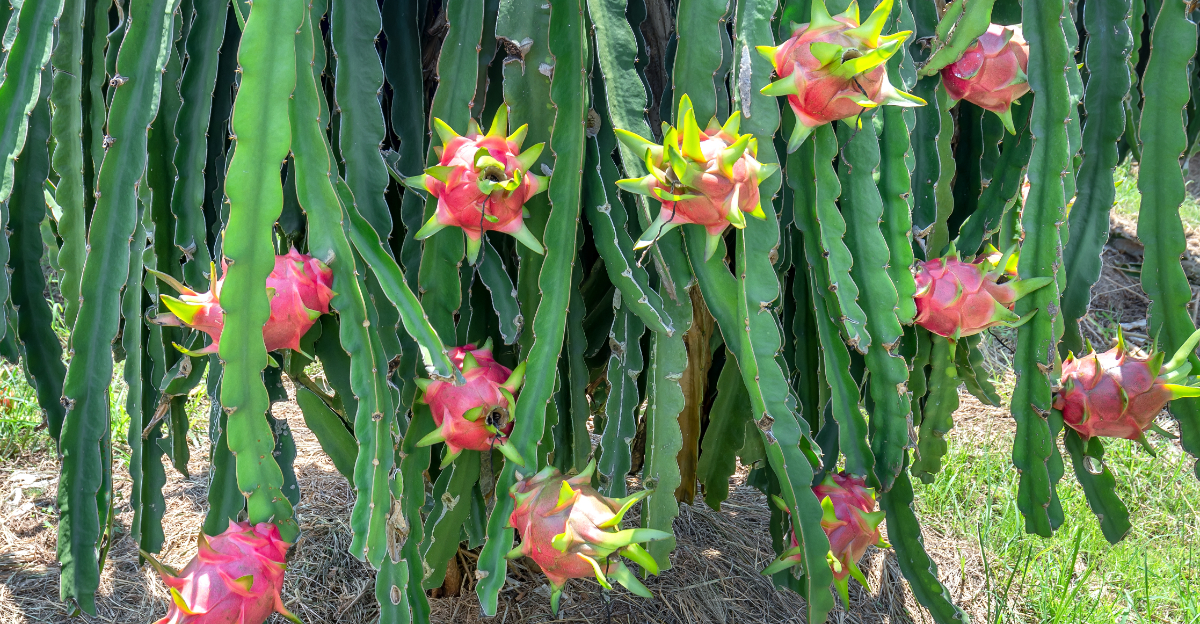
Dragon fruit is one of those plants that looks almost too exotic to actually grow in your own backyard. Yet more and more Arizona gardeners are doing exactly that, and loving every bit of it.
Here’s something most people don’t realize though. How you prune this plant makes a huge difference in how well it performs, especially in Arizona’s intense heat and dry climate.
One wrong move at the wrong time and you could set your plant back by months. Nobody wants that after putting in so much care and effort.
Whether you’re brand new to growing dragon fruit or you’ve had your plant for a while and want better results, knowing the right pruning approach for Arizona conditions changes everything.
Some simple adjustments to your timing and technique can keep your plant healthy, productive, and growing strong all season long. And once you understand what this plant actually needs, pruning becomes one of the easiest parts of the whole process.
1. Cut Back Overgrown Stems To Keep Energy Focused On New Growth
Overgrown stems are one of the biggest reasons dragon fruit plants in Arizona plateau instead of push forward. When a plant sends energy into long, leggy stems that aren’t producing, it’s pulling resources away from the newer growth that could actually become fruit-bearing branches.
Cutting those stems back redirects that stored energy toward younger, more productive segments. In Arizona’s climate, where the growing season stretches well into fall, giving the plant a clear path to channel energy makes a noticeable difference in how quickly new shoots appear after pruning.
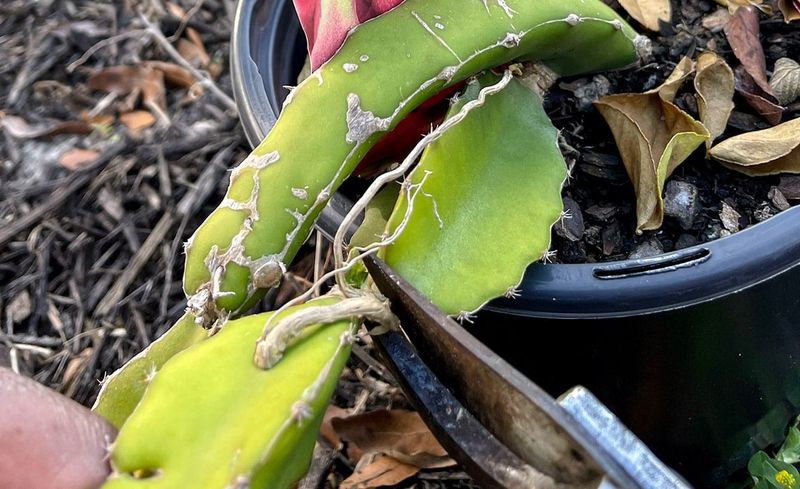
Start by identifying stems that have grown beyond your trellis or support structure without branching. Long, single stems with no lateral shoots are usually the ones worth cutting back first.
Trim them to just above a node or joint, which gives the plant a clear point to branch from.
Arizona gardeners often notice that after cutting back those overgrown stems, two or three new shoots emerge from the trimmed area within a few weeks during active growing periods. That kind of branching response is exactly what builds a fuller, more productive plant over time.
2. Remove Weak Or Damaged Segments Before They Drain The Plant
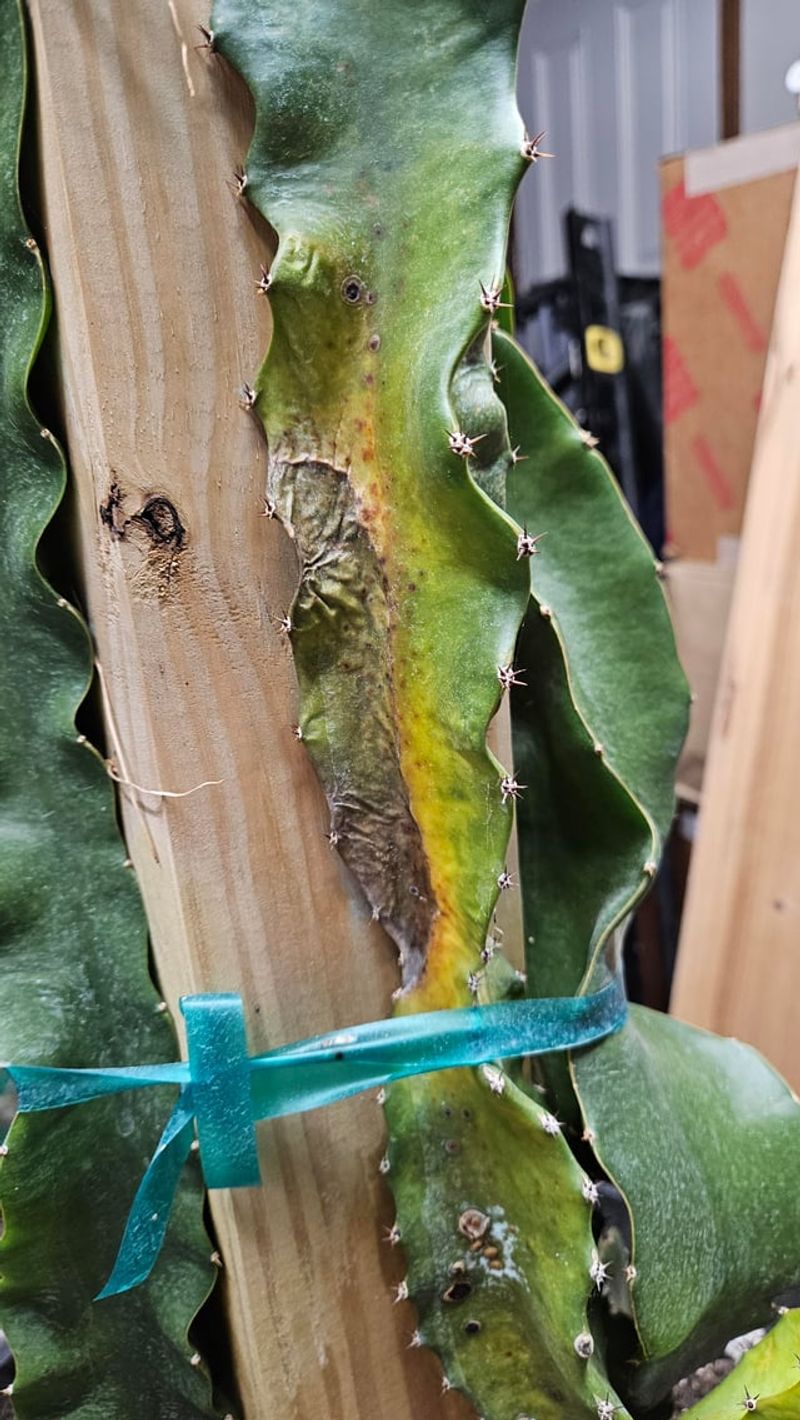
Soft, yellowing, or shriveled segments on a dragon fruit plant are not just cosmetic problems.
In Arizona’s heat, damaged tissue can become a doorway for fungal issues and pests, and the plant still spends energy trying to maintain those failing sections instead of investing in healthy new growth.
Spotting weak segments early is easier than most people expect. Look for sections that feel mushy when pressed lightly, appear discolored compared to the rest of the plant, or have started to wrinkle and pull away from the main stem.
These are the ones to remove before they become a bigger issue.
Cut the weak segment cleanly at the joint where it connects to the healthier stem. Leaving a clean cut rather than a ragged tear gives the plant a better chance to seal the wound quickly, which matters a lot in Arizona’s dry, sun-intense environment.
Your Arizona Garden Changes Every Week. Your Plan Should Too.
Gardening in Arizona changes quickly throughout the season. Every Friday you’ll receive a simple weekly plan showing exactly what to plant, prune, fertilize, harvest, and protect so you never miss the right timing.
After removing damaged segments, let the cut ends callous over before any irrigation hits that area. Arizona’s low humidity actually helps with this process since dry air speeds up callousing compared to more humid climates.
Giving the cut a day or two before watering near that spot reduces the chance of moisture-related problems at the wound site.
3. Train A Strong Main Stem For Better Structure And Faster Growth
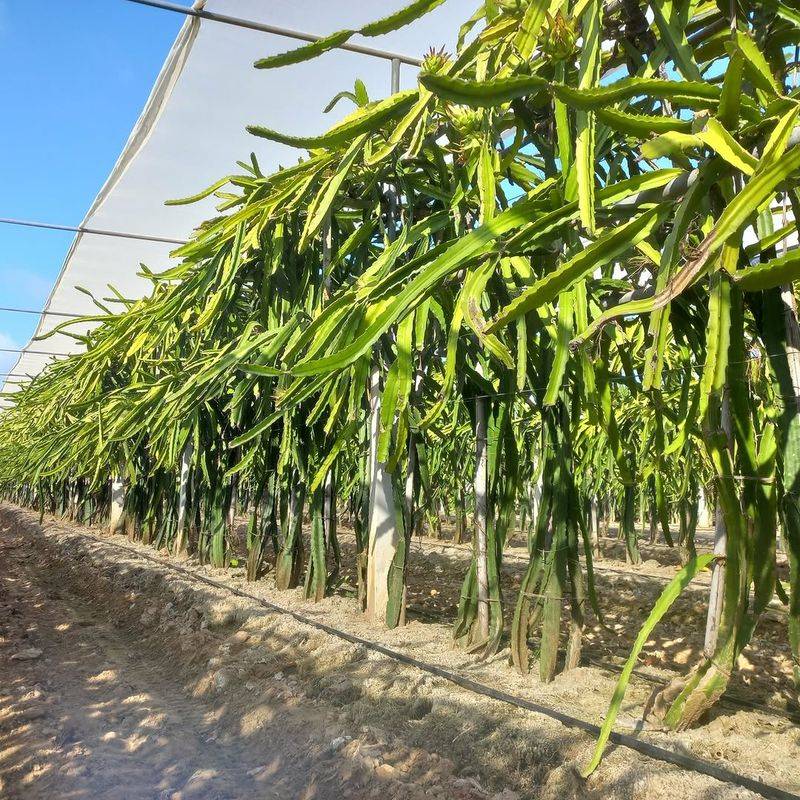
A plant without a clear main stem wastes a surprising amount of energy. Without one defined central column, dragon fruit tends to sprawl in every direction, producing lots of stems but struggling to support the weight of fruit or channel nutrients efficiently through the plant.
In Arizona, where dragon fruit can grow aggressively during warm months, establishing that main stem early saves a lot of corrective work later. Pick the strongest, thickest stem coming up from the base and commit to it as your central trunk.
Everything else growing from the base at that early stage can be removed to keep focus on that one leader.
Tie the main stem loosely to a sturdy support post as it grows upward. Avoid tight ties that could cut into the stem as it thickens over time.
Many Arizona growers use a simple T-post or wooden stake with horizontal wires at the top, allowing the plant to cascade naturally once it reaches the desired height.
Once the main stem reaches the top of your support structure, pinch or cut the growing tip to encourage lateral branching.
4. Thin Out Crowded Growth To Improve Light And Airflow
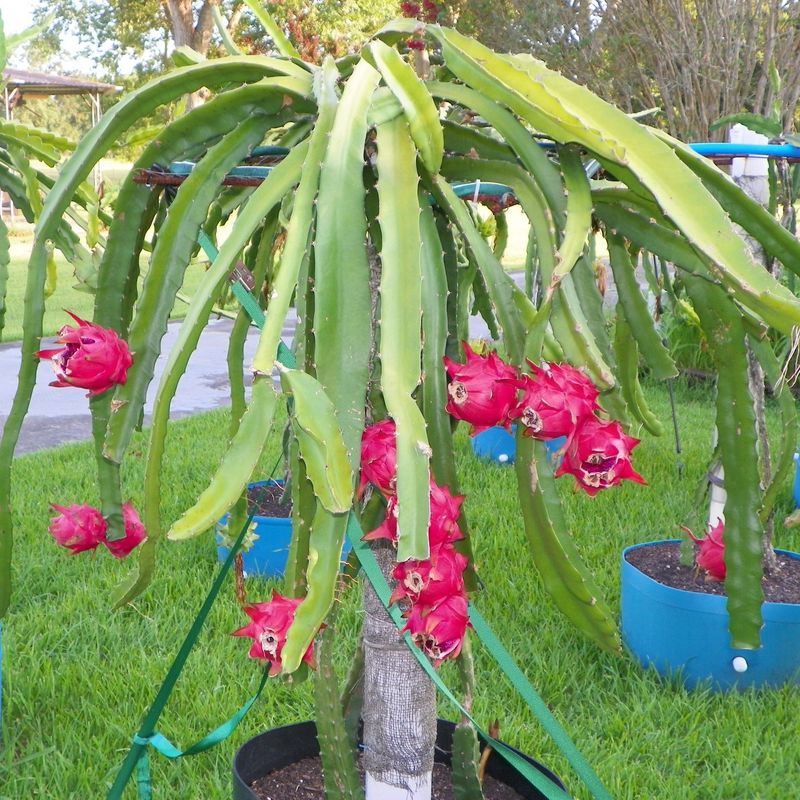
Too many stems packed together create problems that go beyond just looking messy.
When dragon fruit growth gets dense, the inner sections of the plant stop receiving enough direct sunlight, and airflow drops significantly, which in Arizona’s warm, sometimes humid monsoon season can lead to fungal problems taking hold in shaded, stagnant areas.
Thinning is different from heavy pruning. The goal isn’t to reduce the plant’s size dramatically but to open up space so light and moving air can reach the interior stems and nodes.
Even removing a handful of crowded stems can dramatically change how much sun penetrates the plant’s center.
Focus on stems that are growing inward or crossing over other stems when deciding what to remove.
Branches that are rubbing against each other can cause surface damage over time, and removing one of the two crossing stems solves the problem while improving airflow at the same time.
Arizona’s monsoon season, which typically runs from mid-June through September, brings humidity levels that are unusual for the desert.
During those weeks, good airflow through your dragon fruit plant becomes especially valuable because stagnant moisture between packed stems creates conditions where surface mold or rot can develop faster than expected.
5. Trim After Active Growth Starts, Not During Dormant Periods
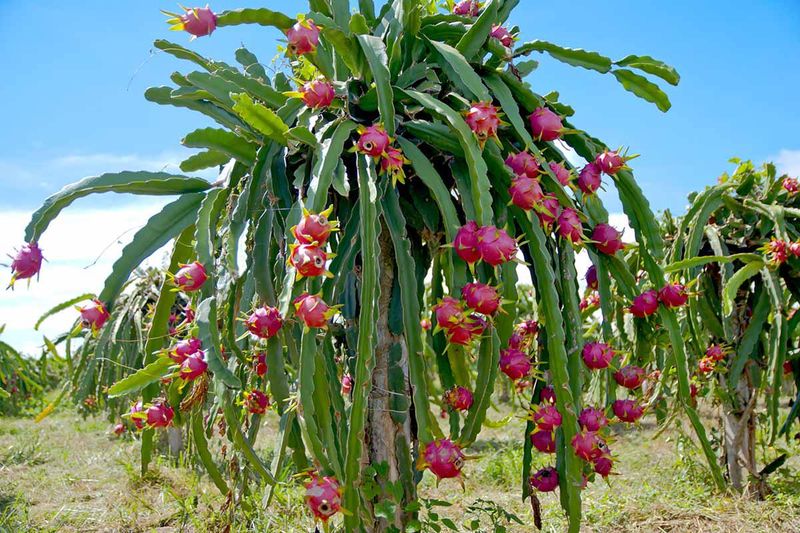
Timing a pruning session wrong can set a dragon fruit plant back by weeks, especially in Arizona where the transition between dormancy and active growth is tied closely to soil temperature rather than just the calendar date.
Cutting during dormancy removes stored energy the plant needs to push out new growth when conditions improve.
Dragon fruit in Arizona typically goes semi-dormant during the cooler winter months, roughly November through February depending on the location and elevation. During that stretch, growth slows noticeably, and the plant conserves energy rather than expanding.
Pruning during this window gives the plant fewer resources to recover and respond with new shoots.
Waiting until you see fresh growth emerging, usually small new pads or tips swelling at the nodes, signals that the plant has shifted into an active phase and is ready to handle the stress of pruning. At that point, cuts heal faster and new branching tends to follow within a few weeks.
Spring in Arizona, particularly March through May before extreme heat sets in, is generally the most productive window for pruning.
Temperatures are warm enough to encourage quick recovery but not so intense that fresh cuts are immediately exposed to scorching midday sun.
6. Use Clean Sharp Cuts To Prevent Stress And Infection
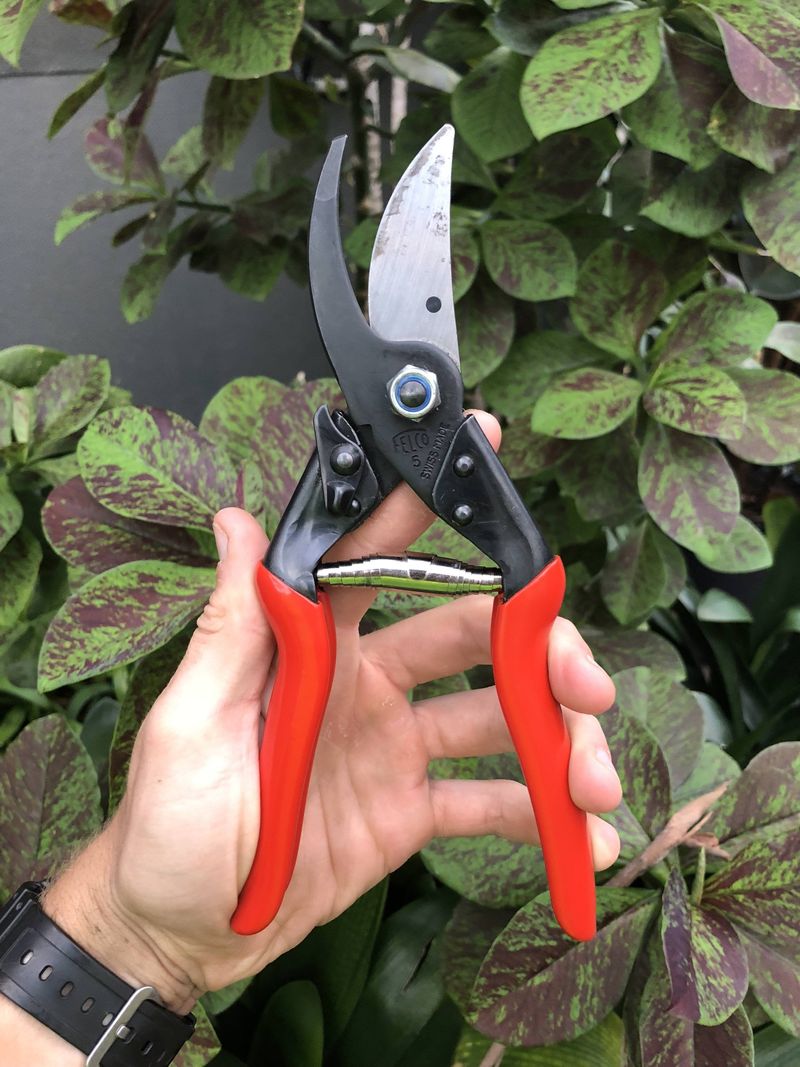
A dull blade does more damage than most people realize. Ragged cuts on dragon fruit stems create larger wound surfaces, take longer to callous over, and leave the plant more vulnerable to pathogens that can enter through torn tissue.
In Arizona’s intense growing conditions, a clean cut heals noticeably faster than a crushed or jagged one.
Sharp bypass pruners are the best tool for most dragon fruit pruning tasks. They slice through the stem cleanly in a single motion rather than crushing the tissue the way anvil-style pruners sometimes do.
Keeping a sharpening stone handy and touching up the blade before each pruning session takes less than a minute and makes a real difference in cut quality.
Wiping the blade with rubbing alcohol between cuts is worth doing, especially when moving from a potentially damaged or discolored stem to a healthy one.
Pathogens can transfer on blades, and in Arizona’s warm temperatures, anything that enters through a fresh wound has ideal conditions to spread quickly.
Angle your cuts slightly rather than cutting straight across the stem. A slight diagonal angle allows any moisture that lands on the cut surface to run off rather than pool, which reduces the chance of moisture sitting on the wound site.
Arizona’s monsoon rain can catch gardeners off guard, so this small detail adds up over a season.
7. Limit Heavy Pruning To Avoid Slowing Down Future Growth
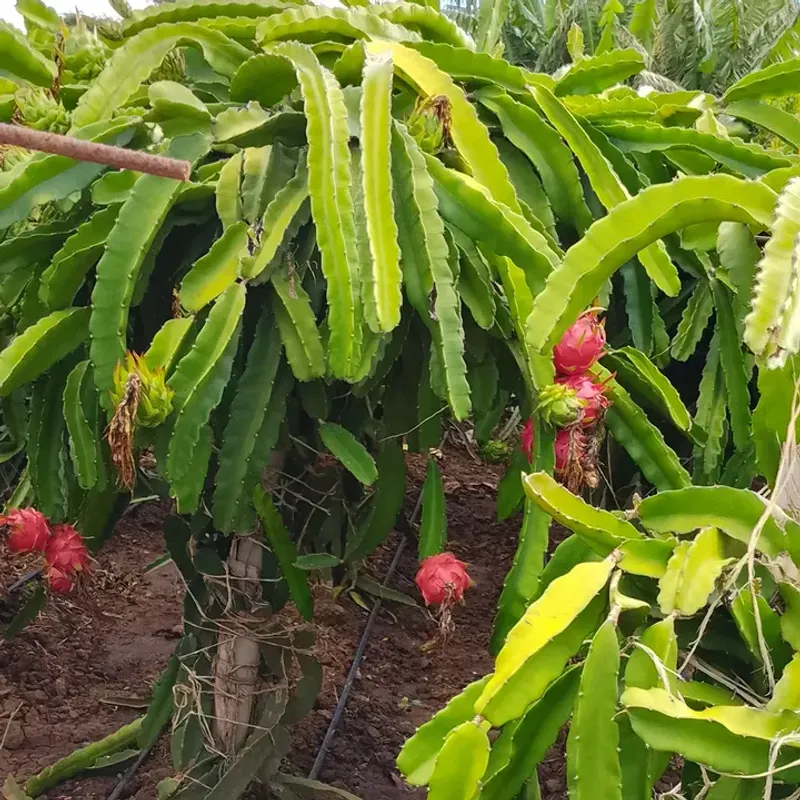
Removing too much at once is one of the most common mistakes Arizona dragon fruit growers make, especially when a plant looks overgrown heading into spring.
Heavy pruning triggers a stress response that can slow new growth significantly, sometimes pushing back the plant’s productive phase by a month or more depending on conditions.
A useful guideline is to avoid removing more than one-third of the plant’s total stem volume in a single session.
Staying within that range gives the plant enough remaining foliage to continue photosynthesizing and recovering without going into a prolonged stress response.
Plants pruned beyond that threshold often stall before pushing out new growth.
Spreading heavier pruning work across two or three sessions spaced a few weeks apart is a practical strategy for Arizona gardeners managing larger plants.
Cutting back in phases allows you to assess how the plant responds after each round before deciding how much more to remove.
Some plants bounce back faster than others depending on their age, root health, and soil conditions. Young dragon fruit plants, especially those under two years old, need even more restraint.