The Right Way To Set Up A Spring Pot For Pollinators In Arizona
Spring in Arizona hits differently than most other places. Warm temperatures arrive early, pollinators get active fast, and your garden can either be ready for all of that or completely miss the window.
Container gardening has become one of the most popular ways for Arizona gardeners to support bees, butterflies, and hummingbirds right at home. Even with limited space, a single well-planted pot can make a real difference for the local pollinator population.
But not just any combination of plants will do the job. Arizona’s climate calls for specific choices, smart placement, and a setup that actually holds up through the heat rather than fading out by late spring.
Many gardeners put together beautiful pots that look great at first but struggle to keep pollinators coming back consistently.
Getting the details right from the start is what separates a pot that performs all season from one that just looks pretty for a week or two.
1. Choose Flowers That Handle Heat Well
Arizona heat is no joke, and not every flower will survive it. Choosing the wrong plants for your spring pollinator pot can mean wilted blooms by late April, which helps no one, least of all the bees and butterflies counting on your garden for food.
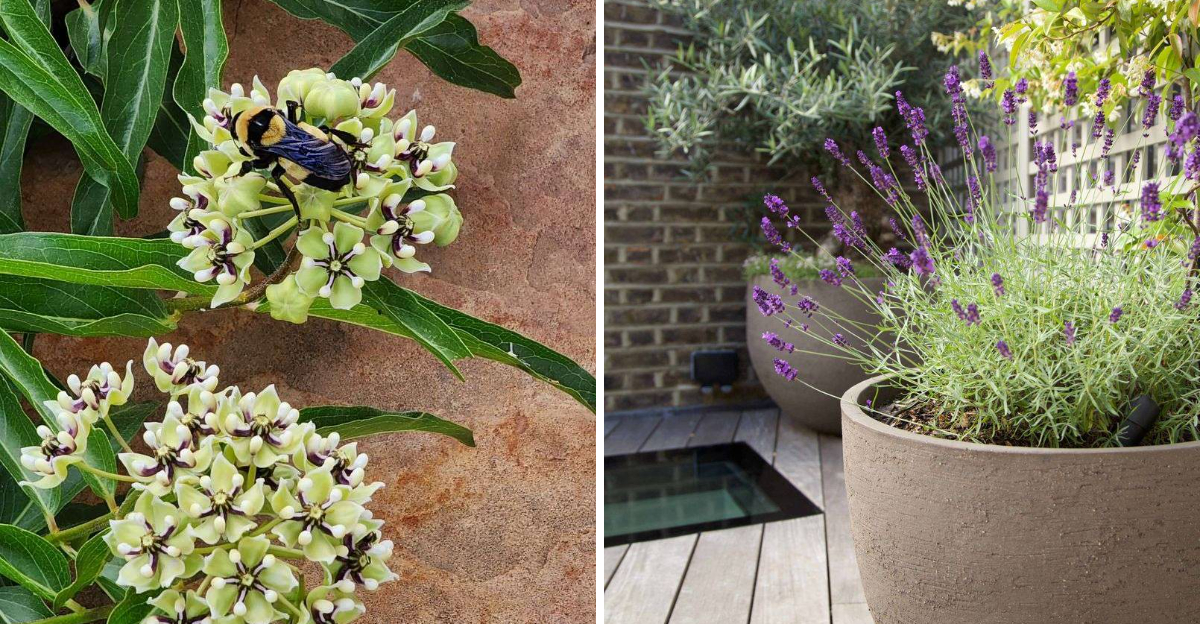
Plants like lantana, desert marigold, globe mallow, and pentas are excellent starting points. All of them handle Arizona temperatures well, attract multiple types of pollinators, and bloom reliably through the warmer months.
Lantana, in particular, draws in butterflies with impressive consistency and holds up even during dry stretches.
Native Arizona wildflowers are also worth considering. Desert bluebells and firecracker penstemon are both heat-tolerant and beloved by native bees.
Mixing one or two native species with drought-adapted ornamentals gives your pot a broader appeal without sacrificing durability.
Check plant tags before purchasing, but also cross-reference with local Arizona gardening guides or your county extension office. Not every plant labeled heat-tolerant is suited for the low desert specifically.
Tucson and Phoenix gardeners face different microclimates, so knowing your zone matters.
Stick with plants that bloom in spring and keep blooming into summer. Consistent nectar and pollen availability is what keeps pollinators returning.
2. Mix Bloom Shapes To Attract More Pollinators
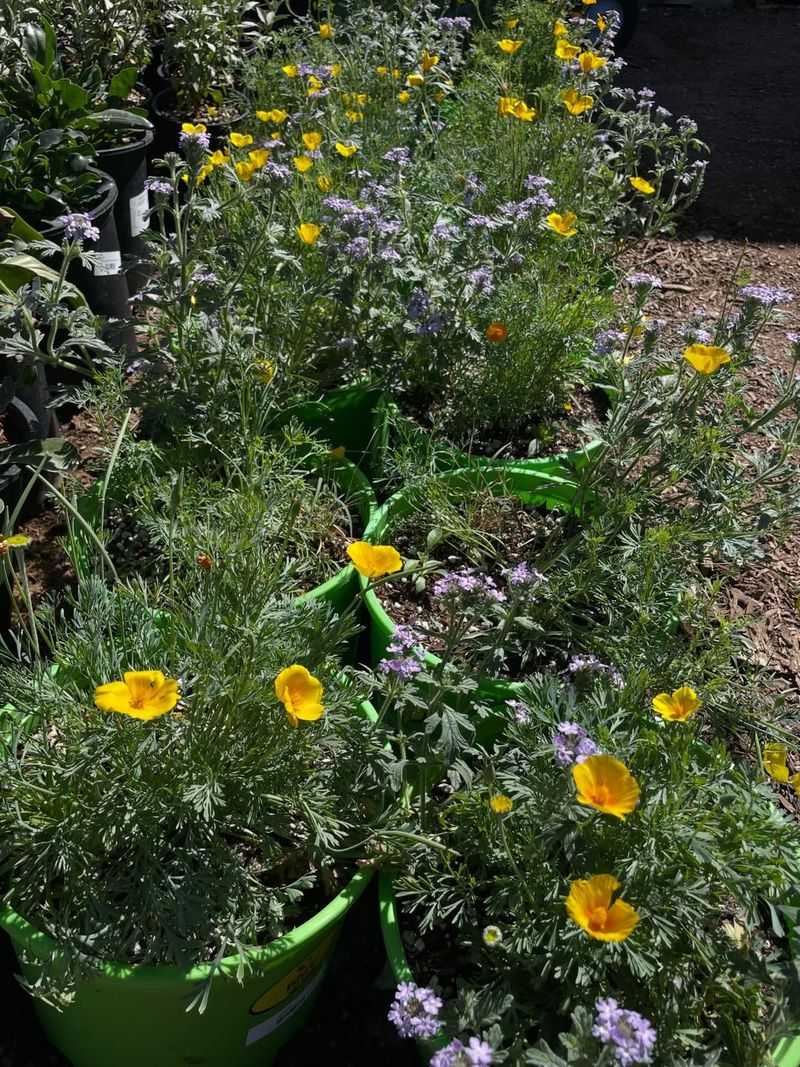
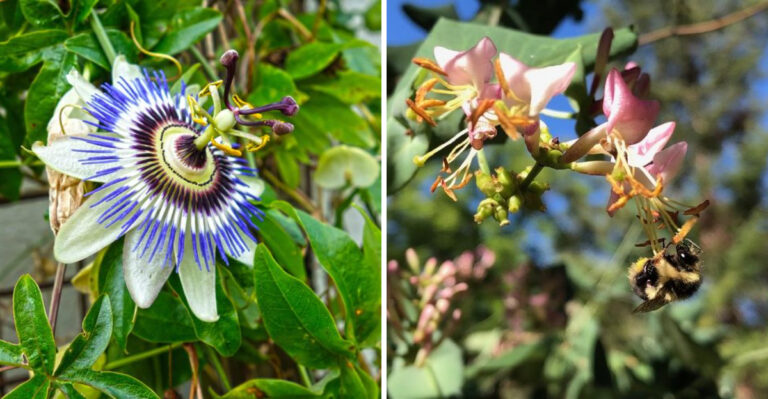
Not all pollinators feed the same way, and a pot full of one flower type will attract only a narrow crowd. Hummingbirds prefer long, tubular flowers.
Bees lean toward open, flat blooms they can land on easily. Butterflies favor clustered flowers with a stable landing platform.
Planting a mix of bloom shapes in a single pot dramatically increases the number of pollinator species that will visit. In Arizona, where native bee diversity is genuinely remarkable, this strategy pays off quickly.
The Sonoran Desert region supports hundreds of native bee species, many with highly specific flower preferences.
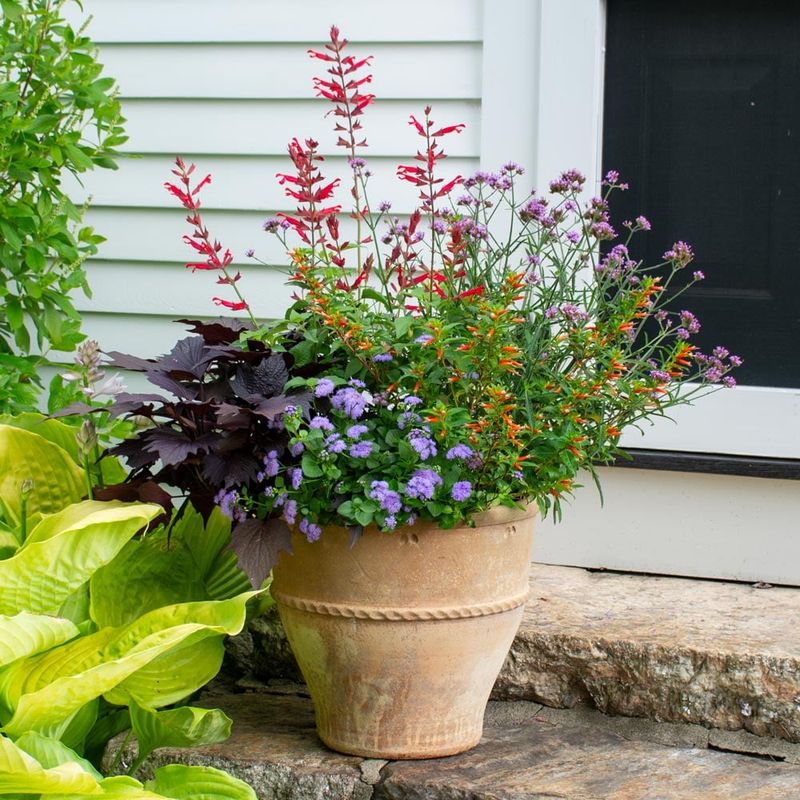
A good combination might include salvia for hummingbirds, zinnias for butterflies, and a low-growing herb like thyme for small native bees. Verbena bonariensis also works well because its tall, clustered flowers attract both butterflies and bees without taking over the entire pot.
Your Arizona Garden Changes Every Week. Your Plan Should Too.
Gardening in Arizona changes quickly throughout the season. Every Friday you’ll receive a simple weekly plan showing exactly what to plant, prune, fertilize, harvest, and protect so you never miss the right timing.
Color matters too, though perhaps less than shape. Bees tend to see blue and violet well, while hummingbirds are strongly drawn to red and orange.
Planting across the color spectrum alongside varied shapes gives your Arizona pollinator pot the widest possible reach.
3. Use Well-Draining Soil In Every Pot
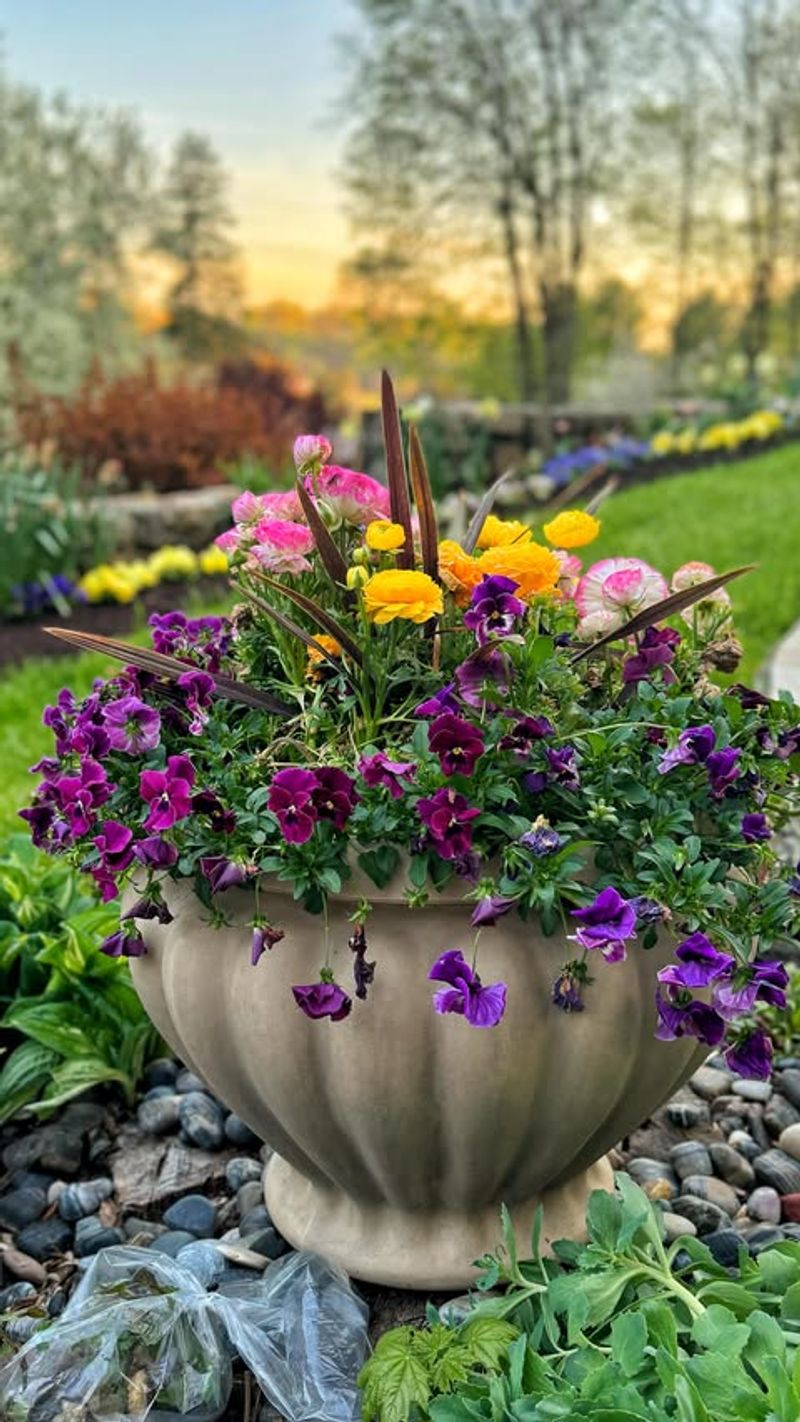
Soggy roots are a real problem in container gardening, especially when you are trying to grow drought-adapted plants suited to Arizona conditions.
Regular potting soil holds too much moisture for many of the heat-loving, pollinator-friendly plants that thrive in the desert Southwest.
A well-draining mix keeps roots healthy and prevents the kind of rot that sneaks up quietly on potted plants. For most Arizona spring pollinator pots, a blend of quality potting mix, perlite, and a small amount of coarse sand works well.
Aim for a mix that feels loose and gritty rather than dense and clumped.
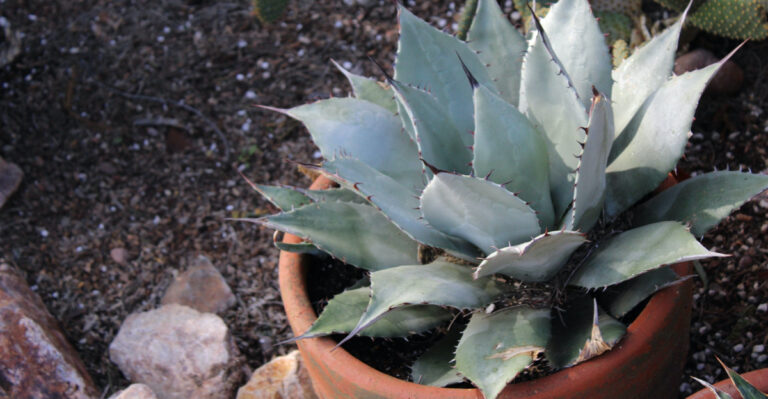
Cactus and succulent mixes can work as a base if you are planting primarily drought-tolerant natives or desert-adapted species.
Just be aware that some flowering annuals still need a bit more organic matter to produce strong blooms, so blending is usually smarter than using a single product straight from the bag.
Always make sure your pots have drainage holes. No amount of good soil mix will save a plant sitting in standing water at the bottom of a sealed container.
In Arizona, where spring rains can occasionally be heavy and fast, drainage holes are non-negotiable.
4. Give Morning Sun With Light Afternoon Shade
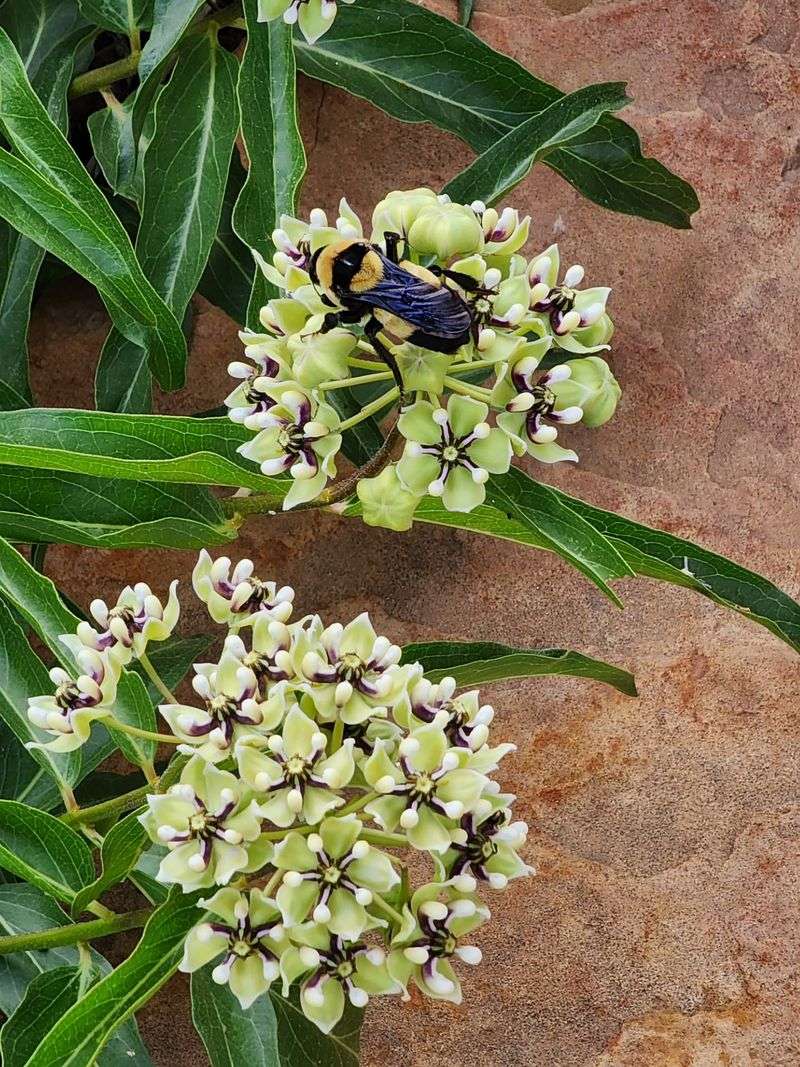
Full sun in Arizona is not the same as full sun in Ohio. By early afternoon in Phoenix or Mesa, direct sunlight can push temperatures past levels that even tough plants struggle with.
Positioning your pollinator pots to receive morning sun and some afternoon shade is one of the simplest ways to keep blooms going longer into the season.
Morning light gives plants the photosynthesis they need without the punishing intensity of mid-afternoon rays. East-facing walls and patios are ideal for this reason.
Plants get a solid four to six hours of quality morning light and then benefit from the natural shade created by a wall, fence, or nearby tree as the day progresses.
Shade cloth is another option if your outdoor space does not have natural shade in the afternoon. A 30 to 40 percent shade cloth draped loosely over a pot grouping can reduce heat stress noticeably without blocking enough light to hurt flowering.
Many Arizona gardeners use this approach in May when temperatures climb quickly.
Pollinators themselves tend to be most active in the morning hours anyway. Bees especially prefer cooler parts of the day for foraging.
Placing your pots where they are accessible and visible during morning hours encourages more visits and better pollination activity overall.
5. Group Pots To Make Blooms Easier To Find
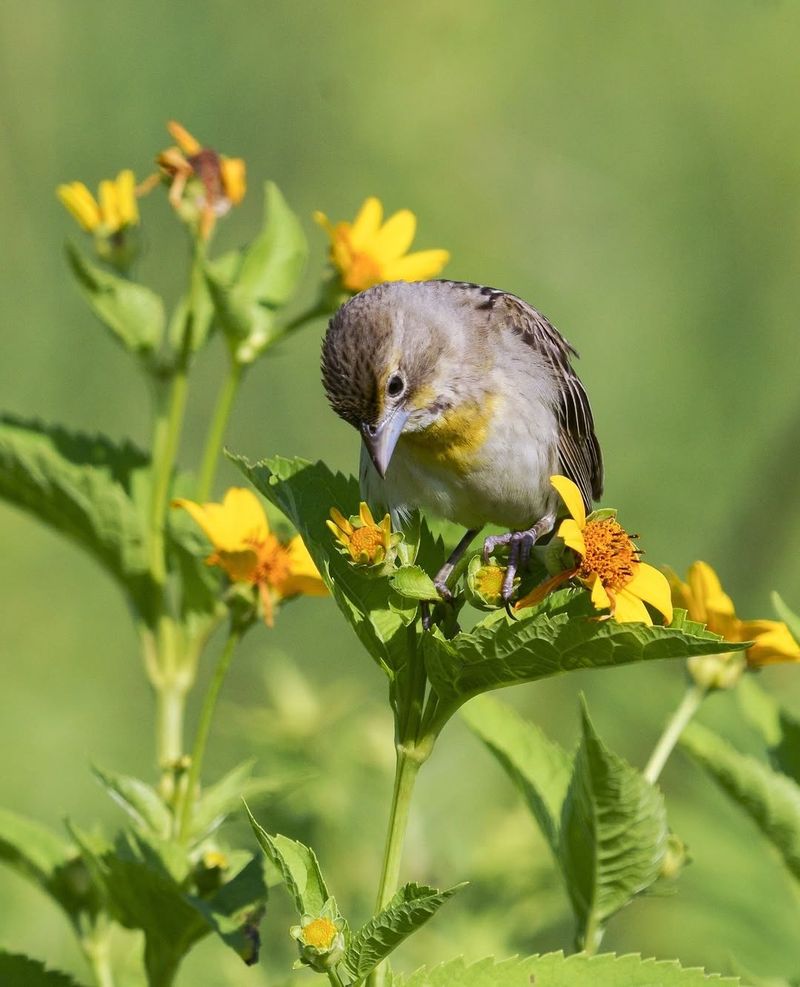
A single pot sitting alone in the middle of a large patio is easy for humans to notice but surprisingly hard for pollinators to locate from a distance.
Bees and butterflies navigate largely by color patterns and scent, and a small, isolated bloom cluster can get lost against the visual noise of a busy outdoor space.
Grouping three to five pots together creates a larger, more visible target. From above, the combined color mass becomes far more noticeable to passing pollinators.
In Arizona, where distances between flowering plants can be significant in urban landscapes, making your pots easy to spot genuinely matters.
Grouping also creates a microclimate benefit. Pots placed close together retain slightly more humidity around the foliage, which can help during dry Arizona spring days when moisture evaporates fast.
Plants in a tight group tend to dry out a bit more slowly than isolated pots, reducing watering frequency slightly.
Vary the heights within your grouping for added effect. Tall plants at the back, medium in the middle, and low-growing plants at the front creates a layered look that is both attractive and functionally useful.
Pollinators can access blooms at multiple levels without having to search awkwardly around a single flat surface.
6. Water Deeply And Let Soil Slightly Dry
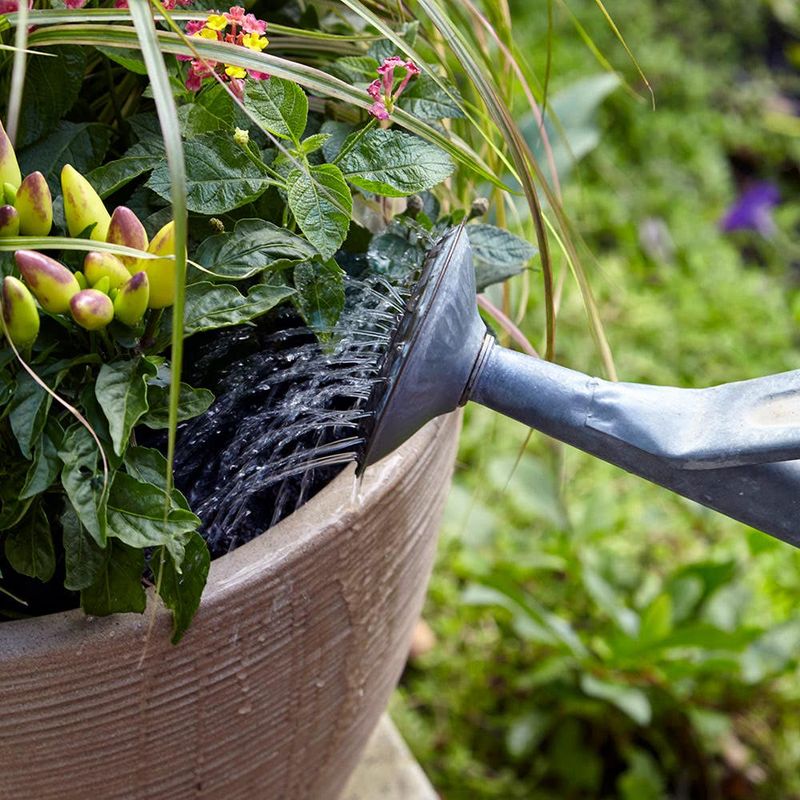
Watering little and often is one of the most common mistakes container gardeners make in Arizona. Shallow, frequent watering encourages roots to stay near the surface, where they are far more vulnerable to heat and drought stress.
Deep, less frequent watering trains roots to grow downward into cooler, more stable soil zones.
When you water, go slowly and thoroughly until water runs freely from the drainage holes. That signals the entire root zone has been reached.
Then wait. For most pollinator-friendly plants in Arizona spring conditions, letting the top inch or two of soil dry slightly before watering again is the right rhythm.
Overwatering is just as damaging as underwatering, especially in containers. Roots sitting in consistently wet soil cannot access enough oxygen and will weaken over time.
Plants that look wilted despite wet soil are often suffering from root problems caused by too much water, not too little.
Early morning is the best time to water in Arizona. Watering in the evening can leave foliage damp overnight, which sometimes encourages powdery mildew on susceptible plants.
Morning watering gives leaves time to dry fully before temperatures drop, reducing that risk considerably.
7. Avoid Pesticides That Harm Pollinators
Spraying pesticides anywhere near a pollinator pot can unravel everything you worked to build. Even products labeled as safe for gardens can be highly toxic to bees and other beneficial insects when applied to or near flowering plants.
In Arizona, where native bee populations are both diverse and ecologically important, this is a real concern worth taking seriously.
Systemic pesticides are especially problematic. Products containing imidacloprid or other neonicotinoids are absorbed by the plant and end up in the pollen and nectar.
Bees carry contaminated pollen back to their nests, which can affect entire colonies over time. Avoiding these products entirely in your pollinator pot setup is the safest approach.
If pest pressure becomes a genuine issue, start with the least harmful options first. A strong blast of water removes aphids effectively without any chemical residue.
Insecticidal soap works against soft-bodied insects and breaks down quickly, posing much lower risk to pollinators when applied carefully and not directly to open blooms.
Neem oil is sometimes suggested as an organic option, but use it with caution around pollinators. Applied in the evening when bees are less active and avoiding direct contact with flowers reduces risk, though it is not completely without impact on beneficial insects.