Why Wild Columbine Self-Seeds Better Than Any Other Native Plant In Michigan
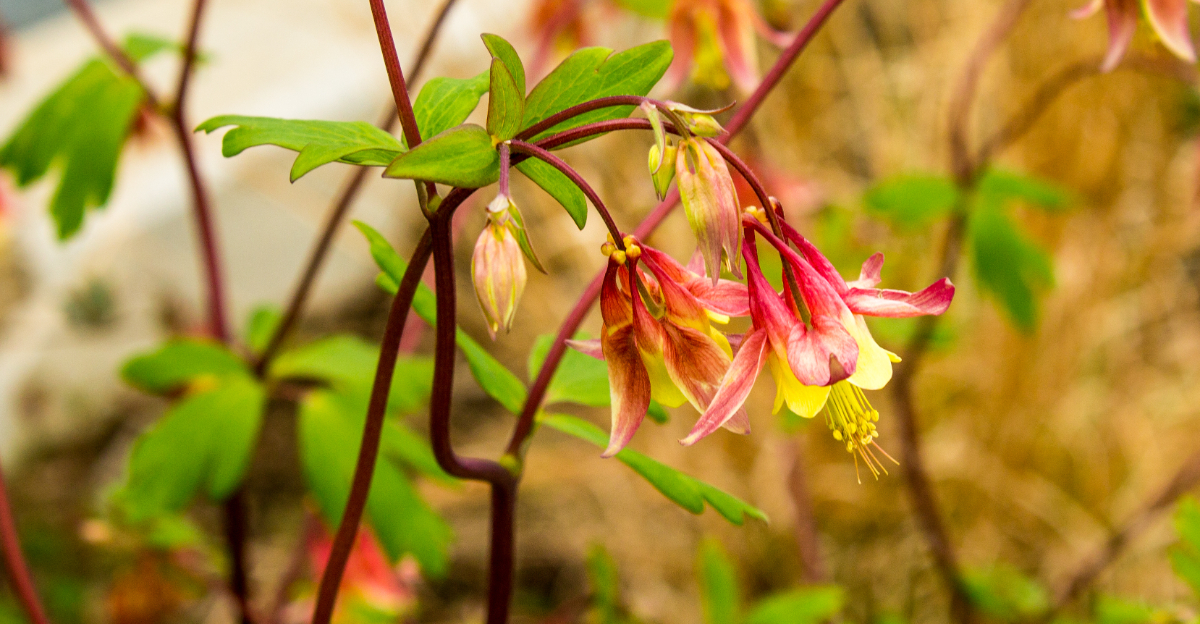
Wild columbine has a quiet kind of magic that takes most Michigan gardeners completely by surprise the second or third season after planting.
You put in one or two plants, enjoy the delicate red and yellow blooms, and then almost without noticing, small new rosettes start appearing nearby the following spring.
Then more the season after that. Before long, columbine is weaving itself through your garden beds in a way that looks intentional even though nature did all the planning.
No other native plant in Michigan self-seeds with quite the same combination of reliability, good placement, and visual payoff.
The seeds know what they are doing, germinating in spots with just enough shade, just enough moisture, and just enough open soil to get started.
Hummingbirds and native bees make sure the blooms are well pollinated before seeds even form, which means the next generation starts with a strong foundation.
Understanding why columbine does this so consistently, and how to encourage it rather than accidentally work against it, makes growing this plant one of the most rewarding decisions in any Michigan native garden.
1. Produces A High Volume Of Viable Seed (Aquilegia Canadensis)
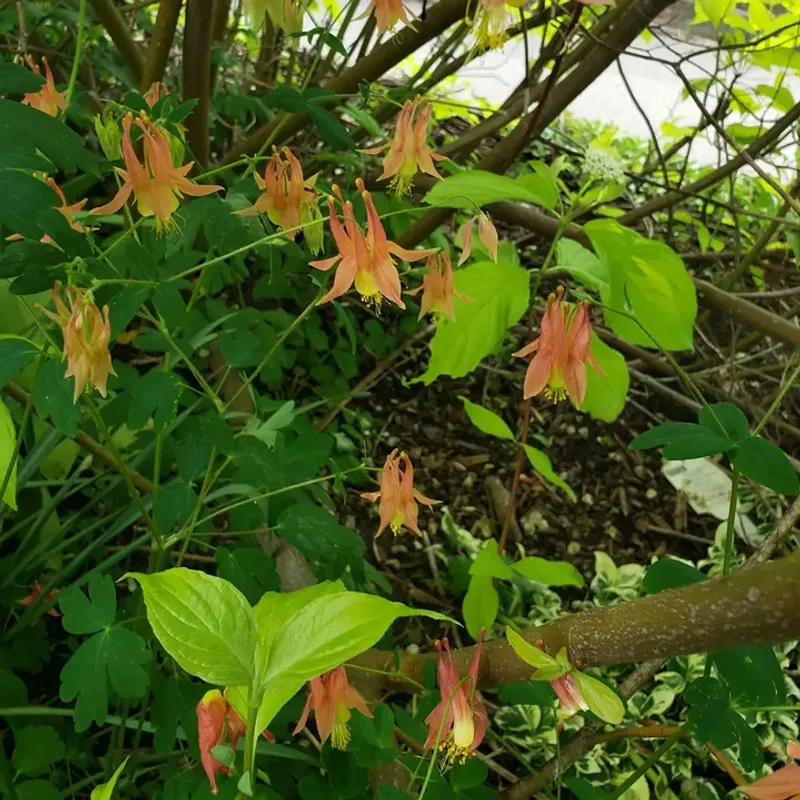
Few native plants in Michigan can match the sheer seed output of Wild Columbine. Each flower that blooms in spring eventually forms a cluster of upright seed pods, and a single plant can produce hundreds of seeds in just one growing season.
That kind of volume gives the plant a serious advantage when it comes to spreading naturally.
The seeds themselves are small, smooth, and shiny black, which helps them move easily once they are released. Because each pod contains multiple seeds and a single plant carries many pods, the math adds up fast.
More viable seeds in the ground means more chances for new plants to sprout the following spring.
What really sets Aquilegia canadensis apart from other Michigan natives is that a very high percentage of those seeds are actually viable, meaning they are capable of sprouting. Some native plants produce lots of seeds but have low germination rates.
Wild Columbine consistently beats that trend, producing seeds that are both plentiful and ready to grow.
Gardeners across Michigan who have grown this plant often report being surprised by just how many new seedlings pop up the following year, sometimes far from the original planting spot.
That reliable seed production is the foundation of everything else that makes this plant such a self-seeding superstar.
2. Seeds Disperse Easily Without Help
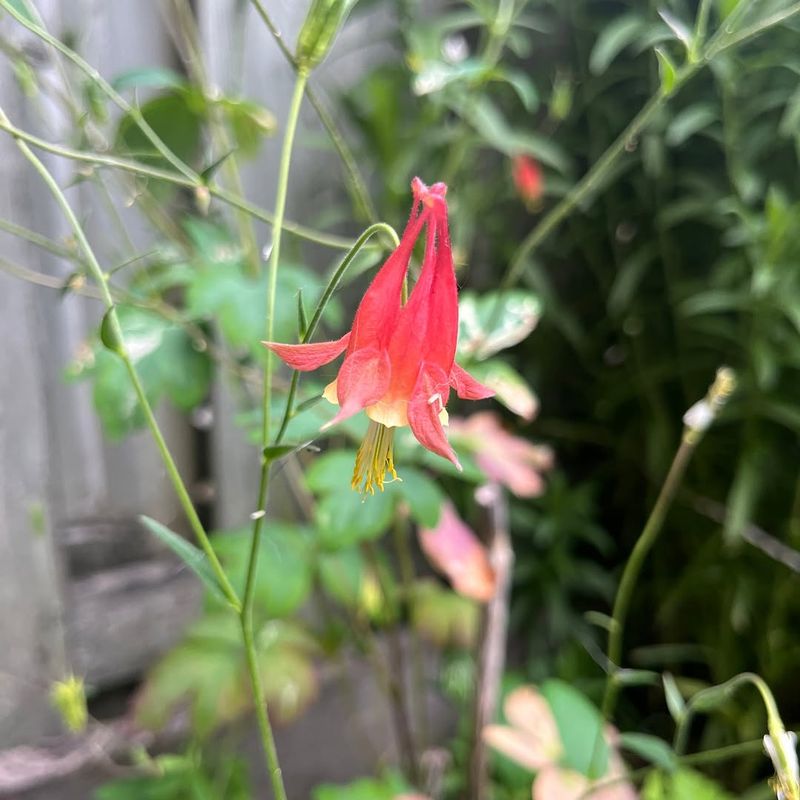
Nature built Wild Columbine with a clever seed delivery system that requires zero effort from gardeners. When the seed pods mature and dry out, they split open at the tips and act almost like tiny salt shakers.
A gentle breeze or even a passing animal brushing against the stem is enough to send those seeds flying in multiple directions.
Most native plants rely on birds, insects, or water to move their seeds around. Wild Columbine does not need any of those helpers because gravity and wind do most of the work.
Your Michigan Garden Changes Every Week. Your Plan Should Too.
Gardening in Michigan changes quickly throughout the season. Every Friday you’ll receive a simple weekly plan showing exactly what to plant, prune, fertilize, harvest, and protect so you never miss the right timing.
The pods stay upright on the stem, which means seeds can scatter in a wide circle around the parent plant as the stem sways throughout the day.
In Michigan gardens, this matters a lot. Winds pick up regularly, especially in open yards or near woodland edges, and that natural air movement helps seeds reach new spots across beds, borders, and even cracks in stone pathways.
Gardeners sometimes notice new Wild Columbine seedlings popping up several feet away from where the original plant grows, which is a direct result of this easy dispersal method. You do not need to collect seeds, store them, or replant them yourself.
The plant handles its own spreading with surprising efficiency, making it one of the lowest-maintenance native plants you can grow anywhere in Michigan.
3. Tolerates A Wide Range Of Light Conditions
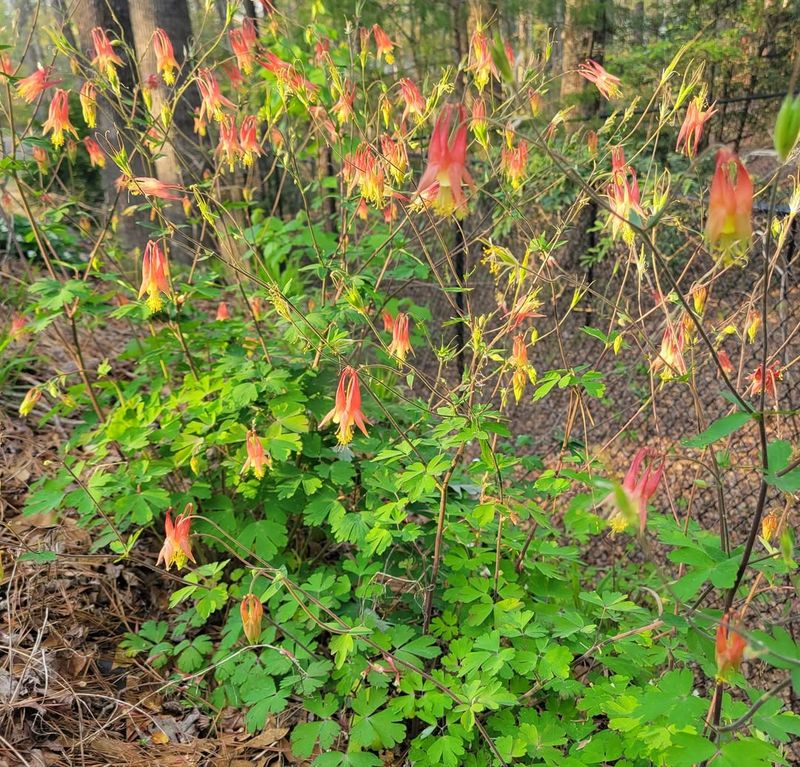
One of the biggest reasons Wild Columbine reseeds so successfully across Michigan is that its seedlings are not picky about light. Most plants need specific lighting to thrive, but Wild Columbine seedlings can establish themselves in full sun, partial shade, and everything in between.
That flexibility opens up a huge number of spots across any garden. Think about a typical Michigan backyard. You might have a sunny front bed, a shaded corner under a maple tree, and a partially lit strip along a fence.
Wild Columbine seedlings can take hold in all three of those spots, which is something very few other native plants can claim. That versatility directly supports more widespread and consistent reseeding.
In woodland gardens, which are common across Michigan, Wild Columbine shines especially bright. It naturally grows along forest edges and rocky slopes where light shifts throughout the day, so it evolved to handle those changing conditions with ease.
When seeds land in a shadier area, the plant adjusts its growth to reach available light. When seeds fall in a sunny patch, it grows more compact and sturdy.
This adaptability means that wherever a seed lands in your Michigan garden, there is a real chance it will sprout and grow into a healthy plant. That is a rare and valuable trait that helps Wild Columbine outpace most other native species when it comes to natural spreading.
4. Adapts To Multiple Soil Types
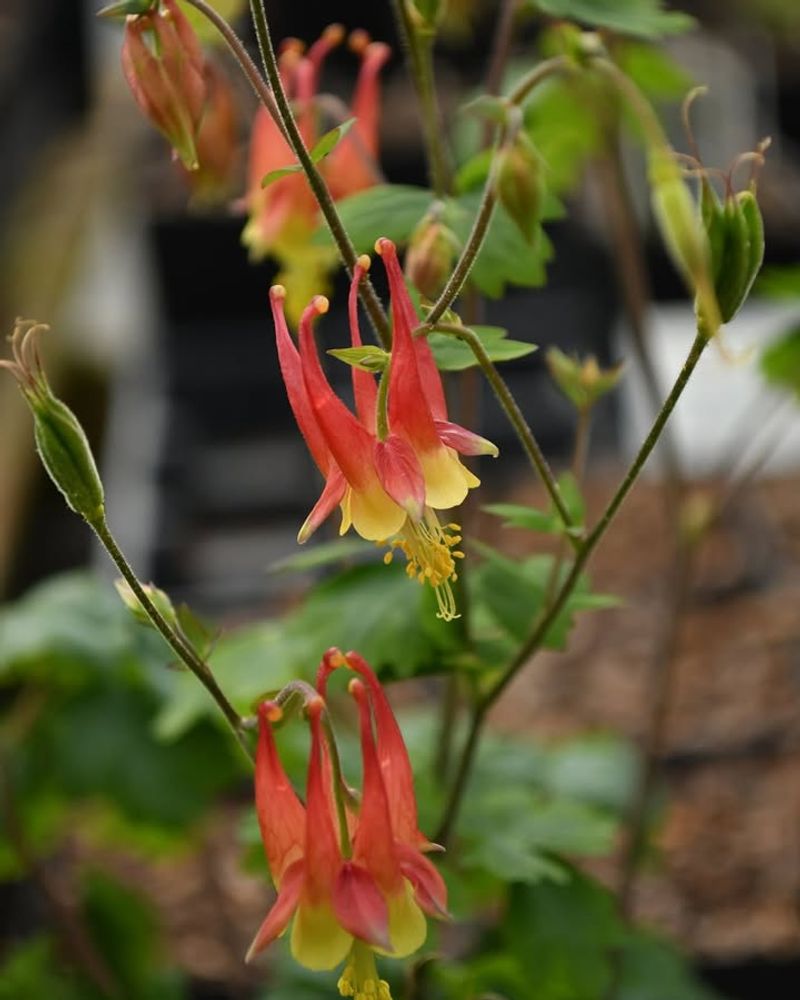
Sandy soils in the west, clay-heavy ground in the south, and rocky terrain across the Upper Peninsula, Michigan has an incredibly diverse range of soil types.
Most native plants do best in one specific soil type, but Wild Columbine has a remarkable ability to grow in many of them. That adaptability is a key reason its seeds keep finding new places to take root.
When a seed lands in a new spot, the soil it finds there might be very different from where the parent plant grew. Wild Columbine handles that transition well.
As long as there is decent drainage and the soil is not constantly waterlogged, seedlings have a solid chance of establishing themselves and growing into healthy plants.
Gardeners in Michigan who have tried growing more finicky native plants know the frustration of plants failing simply because the soil conditions were slightly off. Wild Columbine sidesteps that problem almost entirely.
Rocky slopes, sandy garden beds, and average loamy soils all support this plant without much amendment or preparation. That means seeds that scatter across different parts of a garden are not limited to just one ideal growing zone.
They can sprout in the rocky pathway border just as easily as they can in the well-prepared flower bed nearby. This soil flexibility is a major reason Wild Columbine continues to spread and thrive in Michigan gardens season after season without extra help from the gardener.
5. Germinates Well After Winter (Cold Stratification)
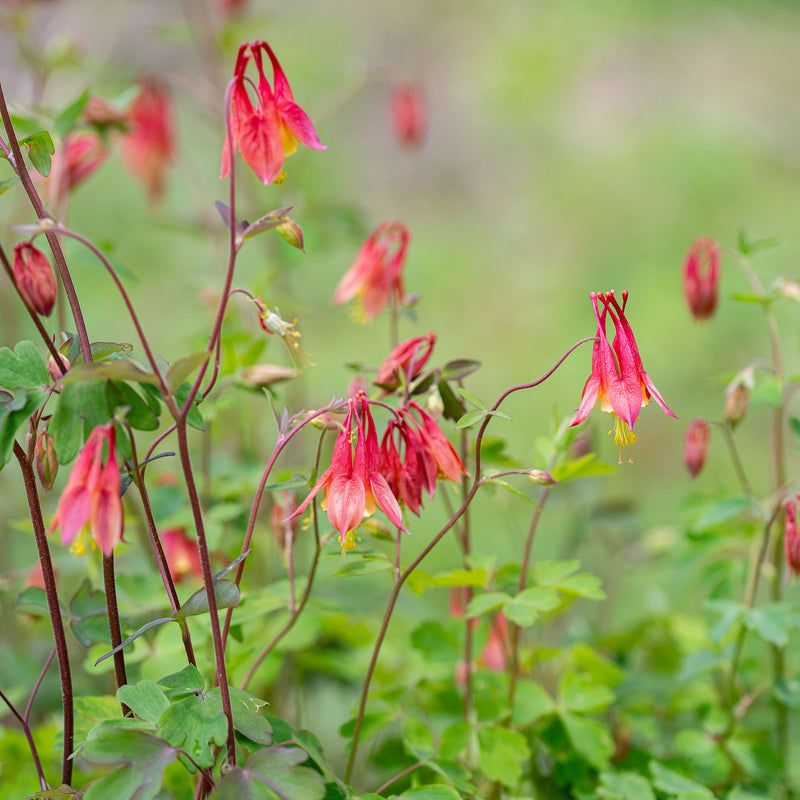
Michigan winters are long and cold, but for Wild Columbine, that harsh season is actually a gift. The seeds need a period of cold and moisture before they are ready to sprout, a process called cold stratification.
Michigan’s natural winter climate provides exactly that, making it one of the best states in the country for this plant to reseed on its own.
When seeds fall to the ground in late summer or autumn, they sit through freezing temperatures, snow, and wet soil all winter long. By the time spring arrives and the ground warms up, those seeds have been perfectly prepared to germinate.
No special treatment, no refrigerator tricks, and no extra steps are needed. Nature does all the work.
Compare that to plants that need warm, consistent temperatures to germinate or ones that require gardener intervention to prep their seeds. Wild Columbine skips all of that hassle entirely.
In Michigan, the climate naturally provides the exact conditions the seeds need, which gives them a strong head start each spring. Gardeners who have tried starting cold-stratified seeds indoors know how easy it is to get the process slightly wrong.
With Wild Columbine growing outdoors in Michigan, there is no risk of that happening. The plant evolved alongside this climate, and every Michigan winter essentially acts as a free, natural germination boost that keeps new seedlings appearing reliably each spring.
6. Establishes Quickly In Open Soil
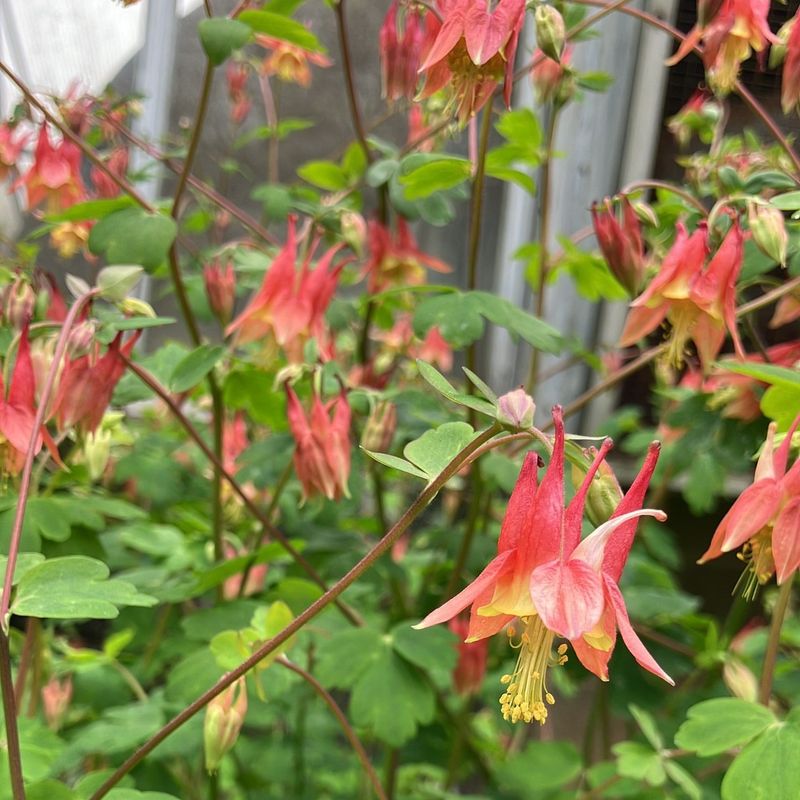
Bare or lightly disturbed soil is like a welcome mat for Wild Columbine seedlings. Unlike plants that struggle to compete with established groundcovers, Wild Columbine seedlings are quick to take advantage of any open patch of earth.
That speed and opportunism give it a serious edge over other native species when it comes to natural reseeding.
In Michigan gardens, open soil pops up regularly. A section of mulch that got pulled back, a spot where an annual was removed, or a freshly edged border all create exactly the kind of opportunity Wild Columbine seedlings love.
They move in fast, set roots, and start growing before competing plants have a chance to close in around them.
Gardeners who want to encourage more Wild Columbine spreading can simply leave a few small patches of open soil near existing plants. You do not need to do anything elaborate.
Just clear a small area, let the seeds fall naturally, and watch new plants appear the following spring. This is one of the most practical and rewarding things about growing Wild Columbine in Michigan.
The plant rewards low-effort gardening with beautiful results. While dense turf or thick groundcovers can slow down reseeding by blocking light and space, even small breaks in coverage are enough for Wild Columbine to sneak in and establish a new plant.
That resourceful, fast-starting nature makes it a standout reseeder among Michigan native plants.
7. Not Heavily Targeted By Deer
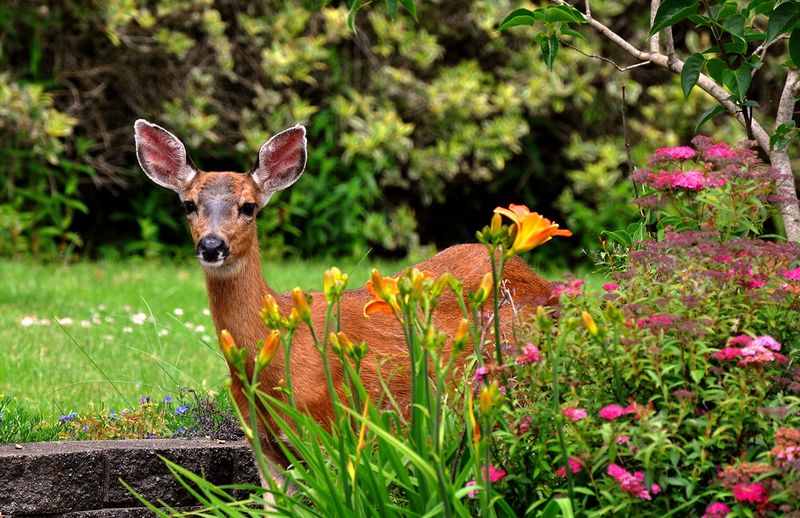
Anyone who gardens in Michigan knows that deer pressure is a real challenge. White-tailed deer are abundant across the state, and they can wipe out an entire planting overnight if they find something they enjoy eating.
Wild Columbine, fortunately, is not at the top of their menu, and that makes a big difference for reseeding success.
When seedlings survive their first season without being eaten, they grow strong enough to flower and set seed the following year. Plants that get heavily browsed by deer rarely make it to that stage.
Wild Columbine’s relative resistance to deer browsing means that far more seedlings survive long enough to become mature, seed-producing plants. That cycle keeps the population growing.
It is worth noting that no plant is completely deer-proof, especially in areas with very high deer populations or during food-scarce winters. But compared to many other Michigan native plants that deer actively seek out, Wild Columbine holds up much better.
Gardeners in rural and suburban Michigan report that their Wild Columbine patches remain largely untouched even when nearby hostas or native asters get heavily browsed. That survival advantage compounds over time.
More surviving seedlings means more flowering plants, which means more seeds, which means even more seedlings the following year. This steady growth cycle is a major reason why Wild Columbine populations build up so reliably in Michigan gardens over just a few seasons.
8. Short-Lived Perennial That Relies On Reseeding
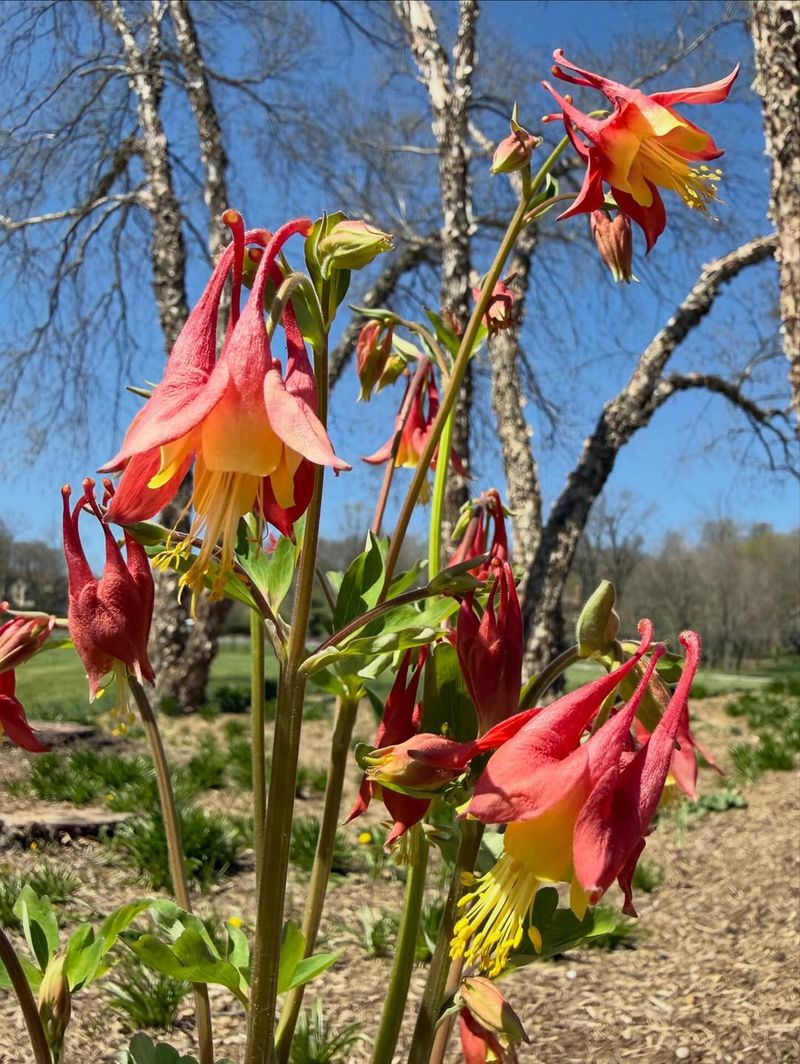
Wild Columbine is what botanists call a short-lived perennial, meaning individual plants typically live for only two to four years before fading out naturally. That might sound like a downside, but it is actually one of the biggest drivers of its incredible reseeding behavior.
Because the plant cannot rely on living for decades, it puts enormous energy into producing seeds every single year.
Each plant blooms heavily, sets a large number of seeds, and disperses them widely before its lifespan ends. That urgency creates a self-sustaining cycle where new seedlings are always coming up to replace older plants.
In Michigan gardens, this means the colony never disappears. It simply renews itself continuously through reseeding, with new plants always ready to fill the gaps left by older ones.
Many gardeners first get nervous when they notice their Wild Columbine plants starting to look tired after a few years. But if you look closely at the base of the plant or in the surrounding soil, you will almost always find small seedlings already growing nearby and ready to take over.
That natural handoff happens without any intervention from the gardener. Allowing seed pods to ripen fully before cutting back spent stems is all you need to do to keep the cycle going strong.
In Michigan, where growing conditions align so well with this plant’s needs, that cycle runs beautifully season after season, making Wild Columbine one of the most reliably self-sustaining native plants you can grow.