9 Things Most People Don’t Know About California Wildflowers
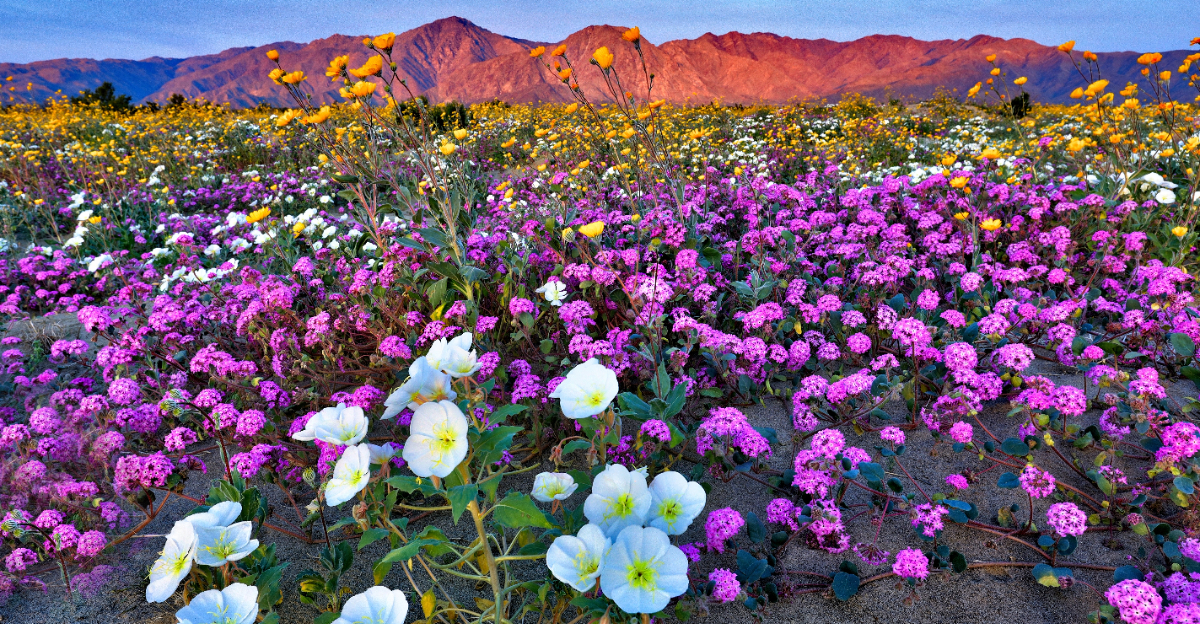
California wildflowers have a way of stealing the whole show. One minute you are out for a normal spring drive or walk, and the next you are staring at a hillside that looks almost unreal.
They make people pull over, take photos, and start paying attention to landscapes they might usually rush right past. But as familiar as they may seem during bloom season, there is a lot about them that most people never really notice.
That is what makes this topic so fun. California wildflowers are not just a pretty spring moment.
They are part of the mood, rhythm, and character of the state in a way few plants can match. The more you start paying attention to them, the more interesting they become.
Tiny details, surprising patterns, and little things hiding in plain sight can make them feel much more fascinating than they first appear.
California Leads In Native Plant Diversity
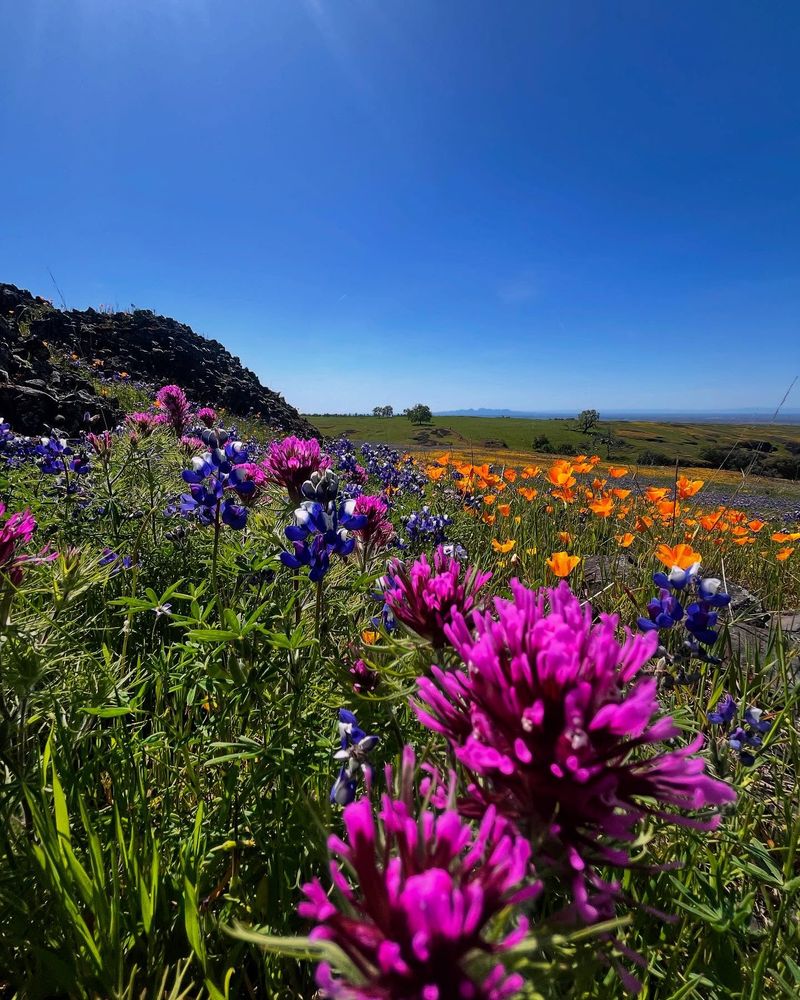
Few places on Earth can match what California offers when it comes to native plant variety. The state is home to over 6,500 plant species, and roughly 30% of those are found nowhere else in the world.
That’s a staggering number compared to most other U.S. states.
California’s landscape plays a huge role in this. The state has deserts, coastlines, mountain ranges, and valleys, all packed into one place.
Each of those environments supports a completely different set of wildflowers. A bloom thriving in the Mojave Desert would never survive on the foggy Northern California coast.
Places like Antelope Valley, Carrizo Plain, and the hills of the Bay Area are famous for their wildflower displays. Spring is when most of the action happens, but some species bloom well into summer and fall.
Native plants like the California poppy, blue-eyed grass, and clarkia are beloved symbols of the state’s natural beauty. Protecting this diversity matters because these plants support birds, bees, and countless other animals.
California’s wildflower richness is truly one of its greatest natural treasures, and exploring it is always worth the trip.
Some Seeds Wait Years To Sprout
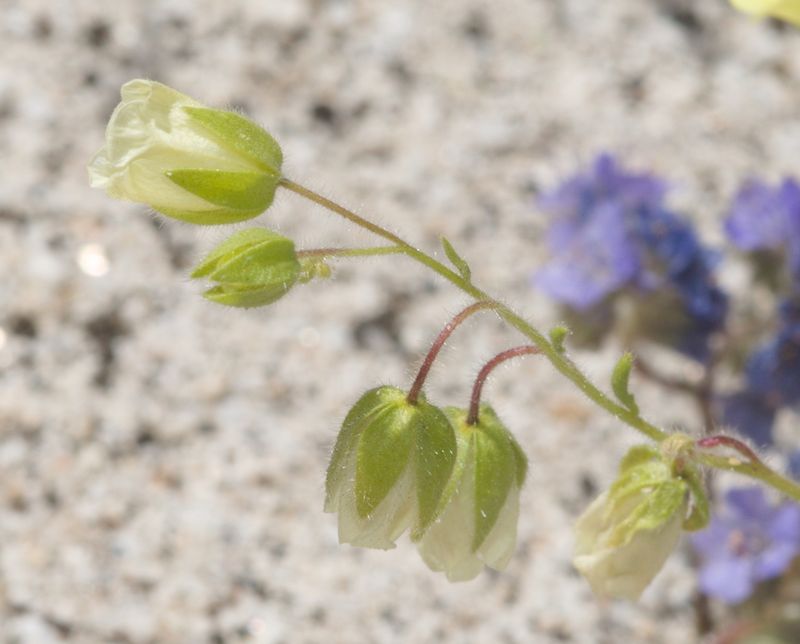
Patience is built into the DNA of some California wildflowers. Certain seeds can sit in the ground for five, ten, or even twenty years before they finally sprout.
They’re not broken or weak. They’re simply waiting for exactly the right conditions to wake up.
Scientists call this seed dormancy. A hard seed coat, chemical inhibitors, or the need for a specific temperature can all keep a seed from sprouting too soon.
Nature designed this as a survival strategy. If every seed sprouted at once during a bad year, the whole population could be wiped out.
The whispering bells and some species of phacelia are great examples of this behavior in California. These plants produce seeds that can stay dormant in the soil for decades.
When a wildfire clears the land or a heavy rain season arrives, something triggers those seeds to finally sprout. It feels almost magical when a barren hillside in Central California suddenly bursts into color.
Your California Garden Changes Every Week. Your Plan Should Too.
Gardening in California changes quickly throughout the season. Every Friday you’ll receive a simple weekly plan showing exactly what to plant, prune, fertilize, harvest, and protect so you never miss the right timing.
Knowing that some of those flowers were waiting underground for years makes the experience even more amazing. Next time you see a bloom, remember there’s a whole hidden story beneath the surface.
Fire Can Trigger Hidden Blooms
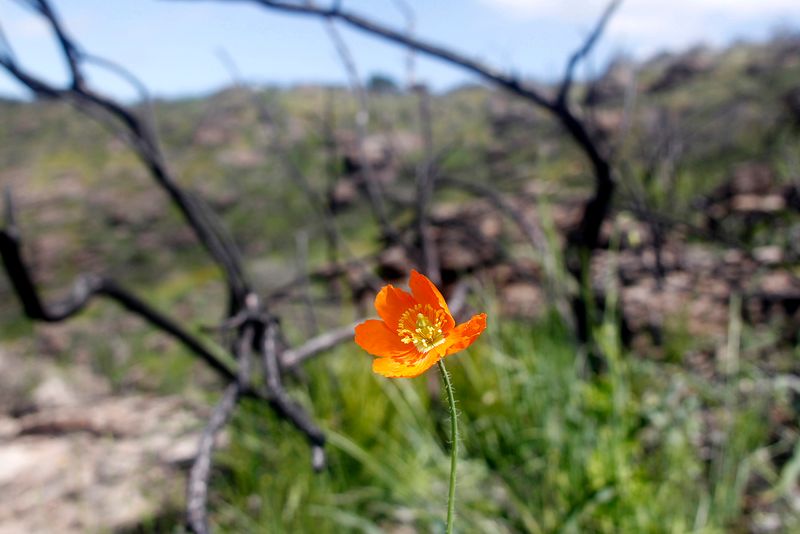
Right after a wildfire sweeps through parts of California, something unexpected happens. Instead of just ash and bare ground, colorful wildflowers start popping up within weeks.
It sounds strange, but fire is actually one of nature’s most powerful gardening tools.
Some California wildflowers are called fire followers because they depend on fire to germinate. The fire poppy is one of the most famous examples.
Its seeds can sit in the soil for decades, completely inactive, until the heat and smoke from a fire finally signal that it’s time to grow. The cleared land also means less competition from other plants, giving these flowers room to thrive.
After the 2017 Thomas Fire in Ventura County and other major fires across California, photographers and hikers documented incredible wildflower blooms covering previously burned areas. Compounds in smoke, including karrikinolide, have been found to chemically trigger seed germination.
Researchers are still learning exactly how this works. What’s clear is that fire, as destructive as it can be, is also part of the natural cycle that keeps California’s wildflower ecosystems healthy and diverse.
It’s one of the most surprising relationships in the plant world.
Superblooms Need Perfect Timing
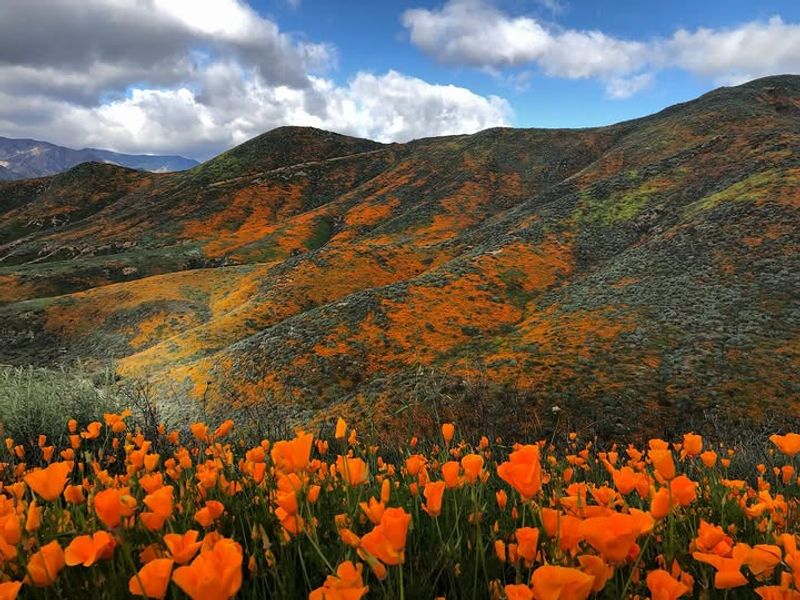
Every few years, something extraordinary happens across parts of California. Hillsides and desert floors explode with color as millions of wildflowers bloom all at once.
People call it a superbloom, and it draws visitors from all over the country.
Getting a superbloom is not easy. It requires a very specific combination of factors.
Above-average rainfall must arrive early in the season, temperatures need to stay mild, and the timing of those rains has to line up just right with the natural seed cycle. If even one of those elements is off, the bloom is much smaller or skips certain areas entirely.
The Antelope Valley California Poppy Reserve near Lancaster is one of the most famous spots to witness a superbloom. Anza-Borrego Desert State Park in Southern California is another hotspot that draws huge crowds when conditions are right.
The 2019 superbloom was one of the most spectacular in recent memory, with blooms appearing from the coast all the way to the desert. Checking local wildflower hotlines and websites before visiting is always a smart idea.
Superblooms are unpredictable and fleeting, but when they happen, they’re truly one of California’s most breathtaking natural events.
Tough Soils Grow Rare Beauties
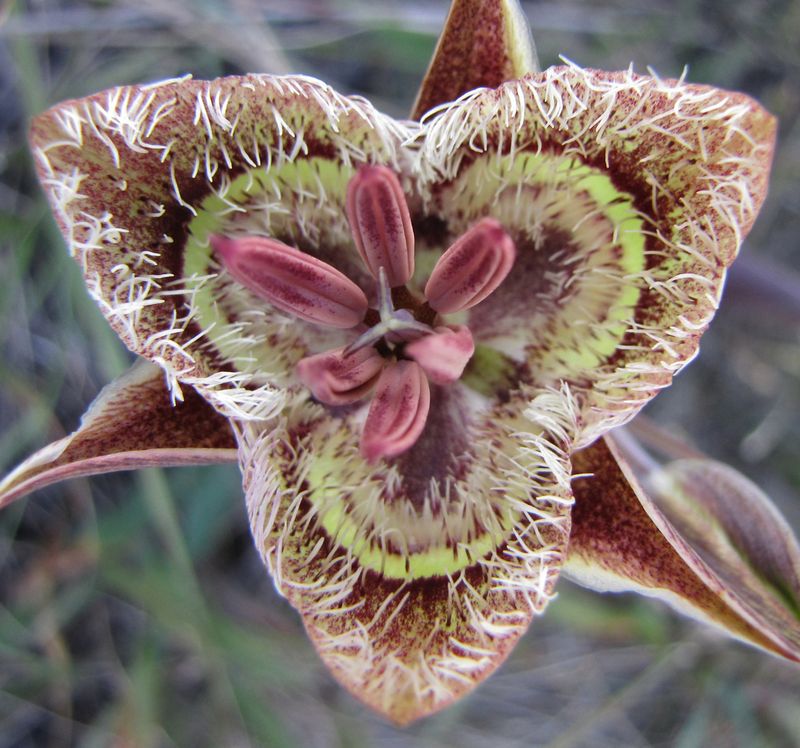
Most gardeners try to avoid rocky, nutrient-poor soil. But for some of California’s rarest wildflowers, that kind of harsh ground is home.
Serpentine soil is one of the most unusual soil types in the state, and it supports plants found absolutely nowhere else on Earth.
Serpentine soil forms from a type of rock called serpentinite. It contains high levels of magnesium and heavy metals while being low in calcium and other nutrients most plants need.
Regular plants struggle to grow in it, but a special group of California wildflowers has adapted perfectly to those tough conditions. Because competition is so low, these rare species can thrive without being crowded out.
Areas in the Coast Ranges, the Klamath Mountains, and parts of the Sierra Nevada foothills contain large patches of serpentine soil. Plants like the Tiburon mariposa lily and Marin dwarf flax grow only in these specific zones.
Some of these species exist in just a few square miles of California and are considered critically rare. Protecting serpentine habitats is a top priority for conservation groups like the California Native Plant Society.
Visiting these areas responsibly gives you a chance to see wildflowers that no one else in the world can find anywhere else.
Many Wildflowers Live Fast
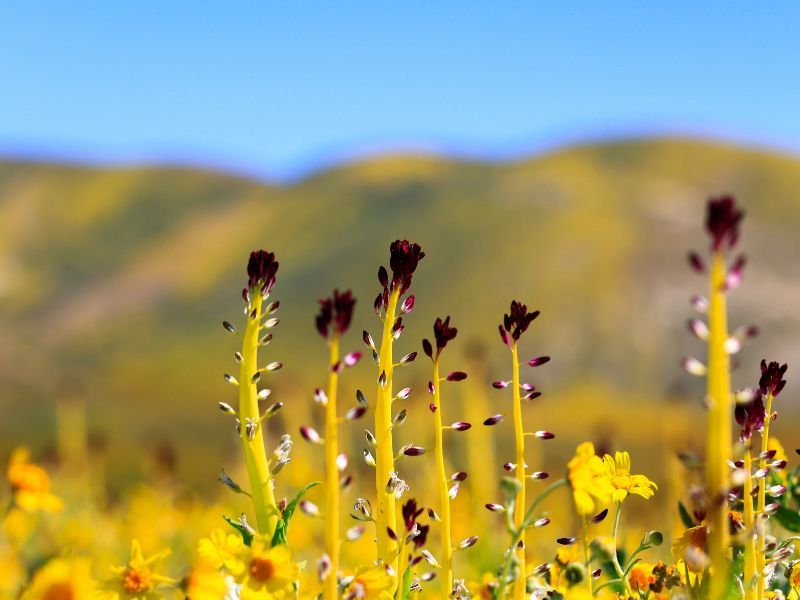
Not every wildflower gets to take its time. Many of California’s most beloved species are annuals, meaning they complete their entire life cycle in just one season.
They sprout, grow, bloom, produce seeds, and then fade away, all within a matter of weeks.
This fast lifestyle is actually a brilliant survival strategy. Annual wildflowers don’t need to store energy over winter or survive drought conditions year after year.
Instead, they put everything into producing as many seeds as possible before the dry California summer arrives. Those seeds then wait in the soil until the next good rain season rolls around.
Goldfields, tidy tips, and baby blue eyes are all classic California annuals. Walk through a field of them in April, and the ground looks like it’s been painted yellow, white, and purple.
Come back in July, and they’re completely gone. It’s a short but spectacular show.
This is why timing your wildflower visits in California matters so much. Peak bloom windows for annuals can last just two to four weeks in some locations.
Apps like iNaturalist and local ranger station updates can help you track when blooms are at their best across different regions of the state.
Tiny Pollinators Do Big Work
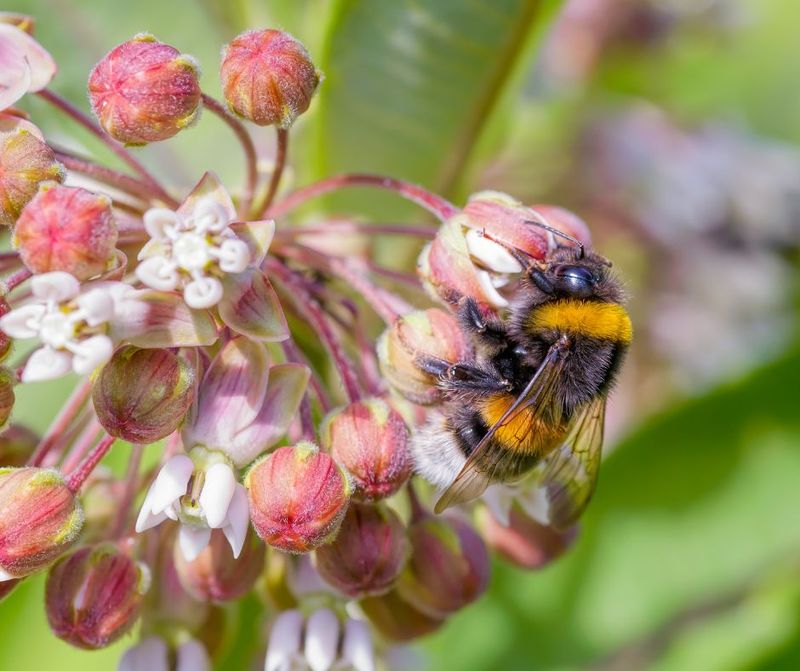
Walk through any wildflower field in California and you’ll notice the buzzing before you even see the insects. Native bees, butterflies, beetles, and even tiny flies are constantly moving from flower to flower, doing some of the most important work in the ecosystem.
California is home to over 1,600 species of native bees, many of which have evolved alongside specific wildflowers over thousands of years. Some bees are so specialized that they only collect pollen from one type of plant.
Lose that plant, and the bee struggles to survive. The relationship goes both ways, making both the flower and the pollinator dependent on each other.
Phacelia, clarkia, and native clovers are especially popular with California’s native bees. Monarch butterflies rely on milkweed and native flowering plants during their migration through the state.
Without healthy wildflower populations, pollinator numbers drop, which then affects food crops and other plants that depend on them. Gardeners across California are starting to plant native wildflower mixes in their yards to help support these tiny but essential creatures.
Even a small patch of native blooms in a backyard in Sacramento or San Diego can make a meaningful difference for local pollinator populations.
Invasive Plants Crowd Them Out
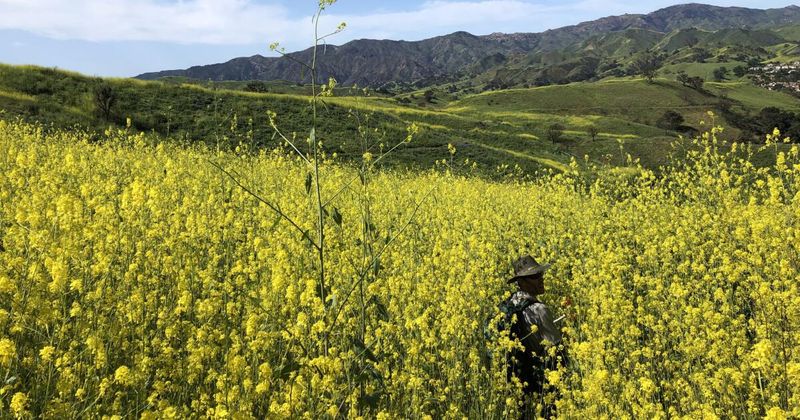
Not every plant growing in California’s open spaces belongs there. Hundreds of non-native plant species have spread across the state, and many of them are pushing out the wildflowers that California’s wildlife depends on.
It’s one of the biggest threats facing native plant communities today.
Yellow star thistle, wild mustard, and invasive grasses from Europe and Asia are among the most common culprits. These plants often grow faster, spread more aggressively, and can handle drought better than native wildflowers.
Once they establish themselves in an area, they can completely take over a hillside or meadow within just a few years.
Parts of the Central Valley and the coastal hills of Southern California have seen dramatic losses of native wildflower coverage because of invasive species. Conservation groups and volunteers spend thousands of hours each year pulling invasive plants by hand to give native species room to recover.
Some areas use controlled grazing with goats to manage invasive growth in a more natural way. Hikers can help by cleaning their boots and gear before entering wildflower areas, since seeds can travel on shoes and clothing.
Every small action adds up when it comes to protecting California’s native wildflower landscapes from further loss.
Too Much Foot Traffic Hurts
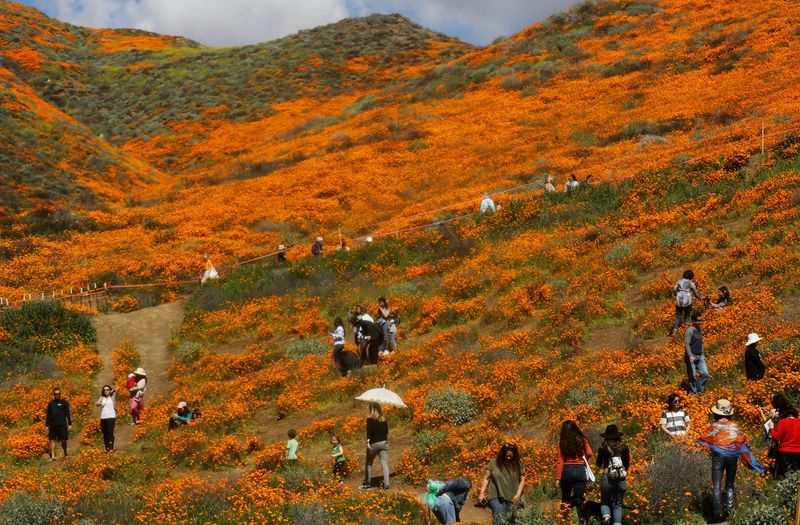
Seeing a superbloom or a stunning wildflower field in person is an unforgettable experience. But the surge of visitors that these blooms attract can cause serious damage if people aren’t careful.
Even one afternoon of heavy foot traffic can set back a wildflower population significantly.
Walking off designated trails compacts the soil, which makes it harder for seeds to sprout the following season. Picking flowers removes the seed heads that the plant needs to reproduce.
Sitting or lying in wildflower fields for photos, a trend that went viral during California’s 2019 superbloom, can flatten entire patches and stress plants that are already working hard in a short growing window.
Land managers at places like the Antelope Valley California Poppy Reserve and Anza-Borrego Desert State Park have had to close trails and add fencing in recent years to protect blooms from overvisiting. The phrase “take only photos, leave only footprints” is more important than ever in California’s wildflower hotspots.
Sticking to marked paths, keeping children and pets on trails, and resisting the urge to pick even a single stem all make a real difference. Sharing responsible visiting tips on social media is one of the best ways to help protect these incredible natural displays for future generations.