These Oregon Plants Make Yards Look Beautiful Without Constant Watering
There’s a version of Oregon gardening that involves dragging hoses around every other day, babying plants through dry spells, and watching your water bill climb all summer. A lot of gardeners just accept this as part of the deal.
But there’s another version, one where the yard looks just as lush and intentional, and the plants basically take care of themselves once they’re established. Low-water gardening in Oregon is not about sacrificing beauty for practicality.
It’s about choosing plants that are genuinely adapted to handle dry summers without falling apart, and there are a lot of them. Gorgeous ones.
Plants with interesting textures, long bloom seasons, and the kind of effortless good looks that make a yard stand out on the street.
Less time watering means more time actually enjoying the outdoor space you’ve worked so hard to create. These plants make that possible, and they do it without looking like a compromise.
1. Oregon Grape
Few plants say “Pacific Northwest” quite like Oregon Grape. It is actually the official state plant of Oregon, which tells you just how well it belongs here.
This tough, evergreen shrub grows naturally in forests across the state and asks for very little once it gets settled in your yard.
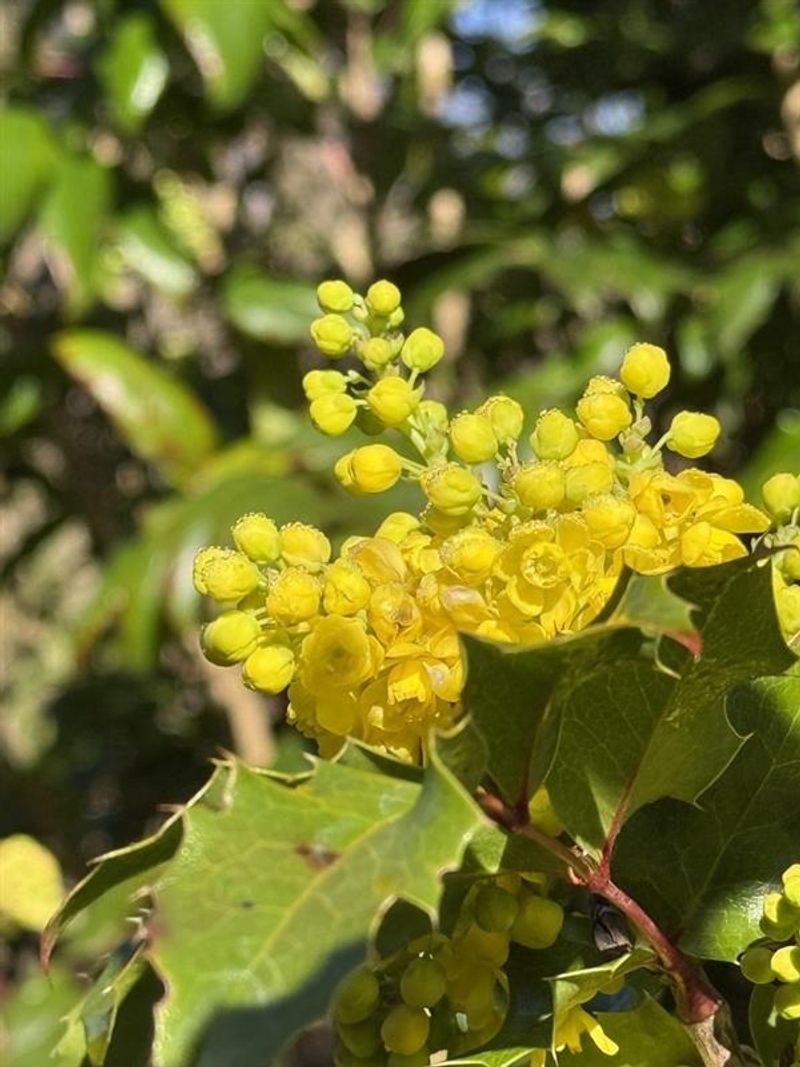
Oregon Grape grows well in shade or partial sun, making it perfect for spots under trees where other plants struggle. In spring, it bursts into clusters of bright yellow flowers that bees absolutely love.
By late summer, those flowers turn into deep purple berries that birds flock to.
The leaves are glossy, dark green, and shaped a bit like holly. They stay on the plant all year, giving your yard color even in winter.
During dry Oregon summers, established plants need almost no extra watering at all. You can plant it along fences, as a ground cover, or as a low hedge.
It also handles poor soil better than most plants. If you want a low-effort plant with year-round beauty and real Oregon roots, this one delivers every single time without disappointment.
2. Yarrow
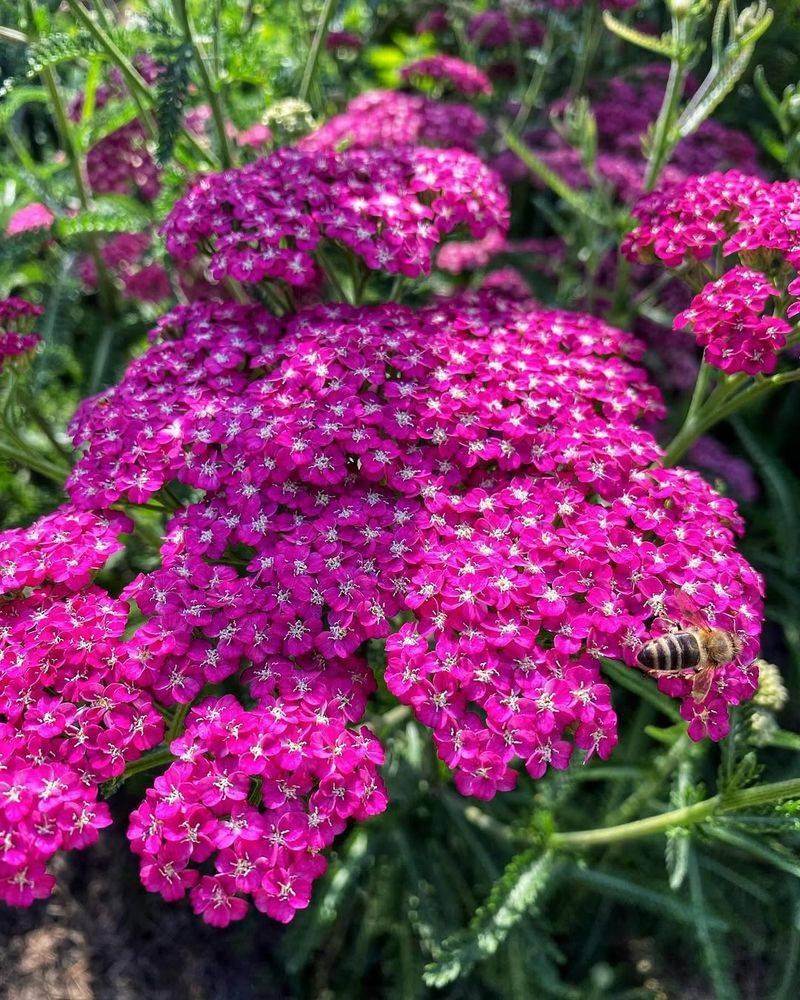
Yarrow is the kind of plant that thrives on neglect. Once it takes root in your Oregon yard, it handles heat, drought, and poor soil without skipping a beat.
It has been used by people for thousands of years, both as a garden plant and as a traditional herbal remedy.
The flowers grow in flat, wide clusters and come in shades of yellow, white, pink, and red. They bloom from late spring all the way through summer, giving your yard long-lasting color during Oregon’s driest months.
Pollinators like butterflies and bees visit constantly when yarrow is in bloom.
One of the best things about yarrow is how little water it needs. After the first growing season, it can survive on rainfall alone in most parts of Oregon.
It spreads slowly over time and fills in empty spaces beautifully. The feathery, fern-like leaves add texture even when the plant is not flowering.
It works great in sunny borders, rock gardens, or mixed wildflower beds. Cutting spent flowers actually encourages more blooms, so a little trimming goes a long way toward keeping it looking its best all season.
Your Oregon Garden Changes Every Week. Your Plan Should Too.
Gardening in Oregon changes quickly throughout the season. Every Friday you’ll receive a simple weekly plan showing exactly what to plant, prune, fertilize, harvest, and protect so you never miss the right timing.
3. Kinnikinnick
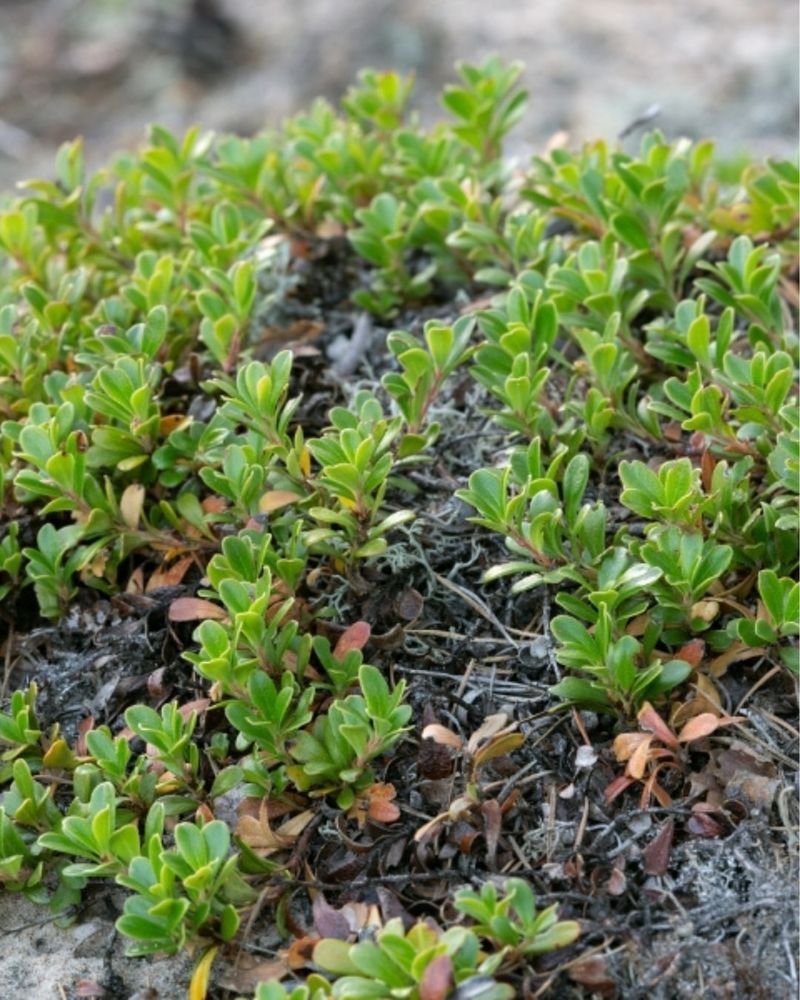
Imagine a ground cover so tough it grows naturally on rocky slopes and sandy coastal bluffs across Oregon. That is exactly what Kinnikinnick is.
Also called bearberry, this low-growing evergreen creeper hugs the ground and spreads slowly into a dense, beautiful mat that crowds out weeds naturally.
In spring, tiny pink and white bell-shaped flowers appear, followed by bright red berries in fall. Both the flowers and berries attract wildlife, including birds and small mammals that depend on them for food.
The deep green, leathery leaves stay colorful through winter, even during Oregon’s cold, wet months.
Kinnikinnick is perfect for slopes, rock gardens, or any sunny spot where you want coverage without the work. It handles dry summers in eastern and central Oregon especially well and rarely needs supplemental watering once established.
It stays low, usually only a few inches tall, so it never needs pruning or mowing. Planting it on a hillside helps control erosion, too.
If you have a tricky spot in your yard where nothing else seems to grow, Kinnikinnick is almost always the answer. It is tough, beautiful, and genuinely built for Oregon landscapes.
4. Lavender
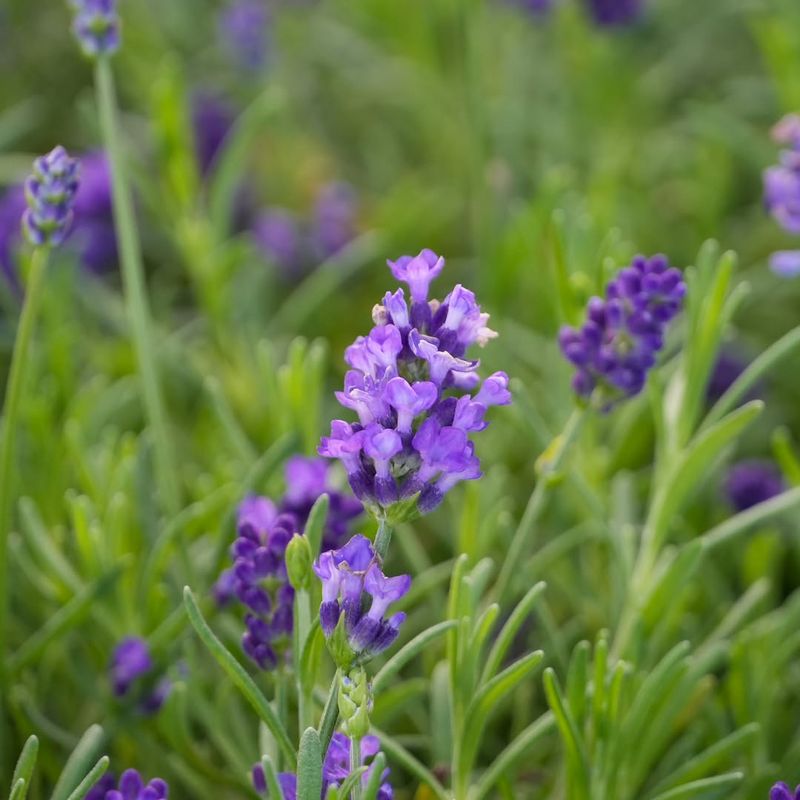
There is something almost magical about lavender. The moment you brush against it, that clean, calming scent fills the air instantly.
Lavender has been grown in gardens for centuries, and it turns out that Oregon’s dry, sunny summers are nearly perfect for it.
Lavender loves full sun and well-drained soil, both of which are easy to find in many parts of Oregon, especially in the Willamette Valley and central Oregon. Once established, it needs very little water.
In fact, overwatering is one of the few things that can actually cause problems for this plant.
The tall purple flower spikes bloom in early to midsummer and attract pollinators by the hundreds. Bees especially go wild for lavender.
After blooming, a light trim keeps the plant tidy and encourages fresh growth for next year. Lavender works beautifully as a border plant, along pathways, or in large containers on a sunny porch.
The dried flowers also make lovely sachets and natural air fresheners for your home. For Oregon gardeners who want a plant that looks gorgeous, smells amazing, and barely needs attention during dry months, lavender is a standout choice worth every bit of space.
5. Salal
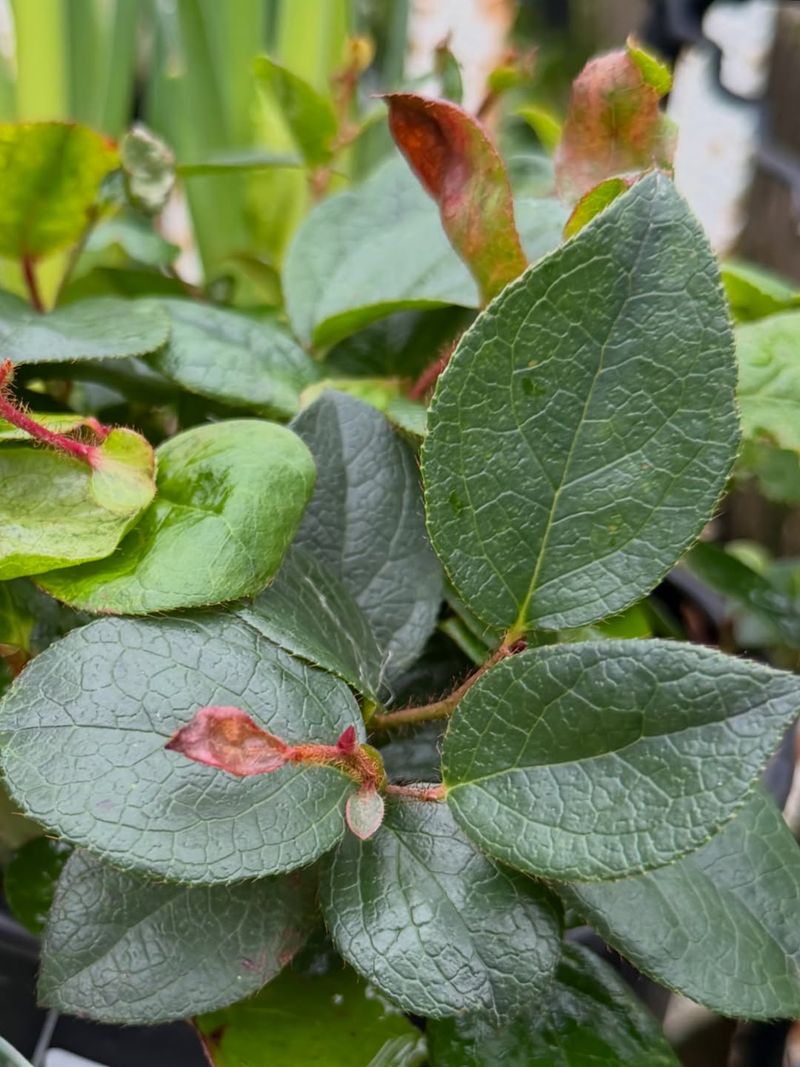
Walk through almost any forest in western Oregon and you will find salal growing beneath the trees. It is one of the most common native plants in the region, and for good reason.
Salal is incredibly adaptable and handles shade, drought, and poor soil with ease.
The leaves are large, glossy, and a rich dark green. They stay on the plant year-round, giving shaded garden areas a lush, full look even when other plants go bare.
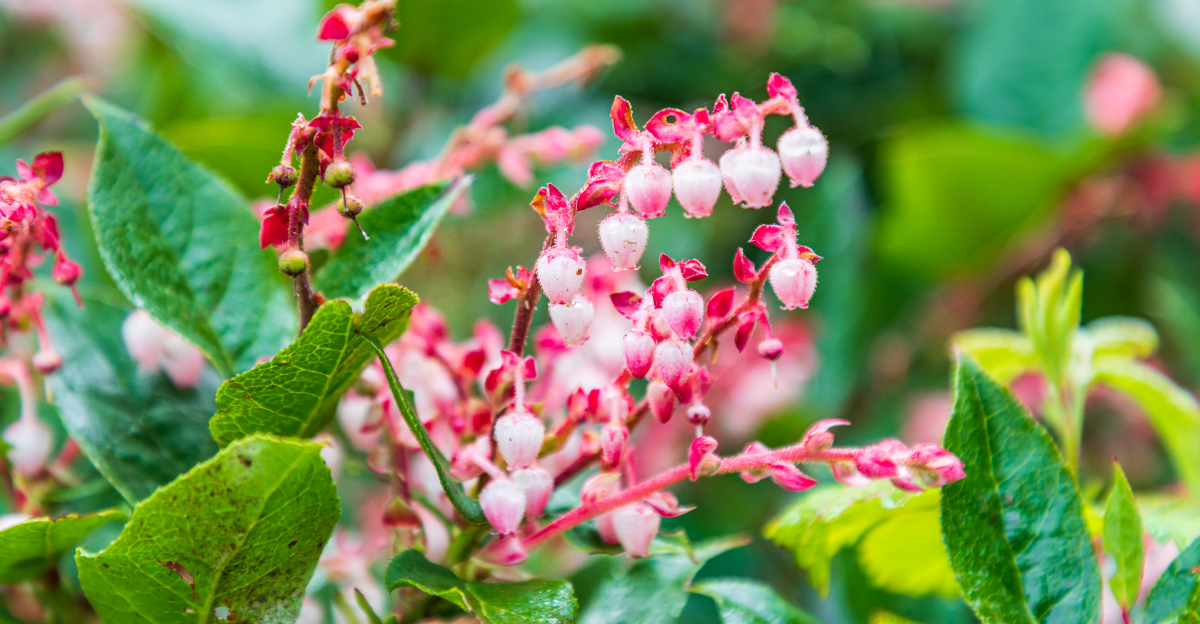
In late spring, small pinkish-white bell-shaped flowers hang in clusters. By midsummer, those flowers become dark purple berries that birds and wildlife love.
Salal grows slowly but spreads steadily over time, eventually forming a thick ground cover that chokes out weeds without any help from you. It works especially well under trees or on north-facing slopes where sunlight is limited.
Once established in an Oregon garden, it rarely needs watering during dry summer months. It also tolerates salty coastal air, making it a great choice for Oregon’s coast.
Florists actually prize salal branches for arrangements because the leaves hold up so well after cutting. It is a genuinely versatile plant that earns its place in any Oregon yard.
6. Red Flowering Currant
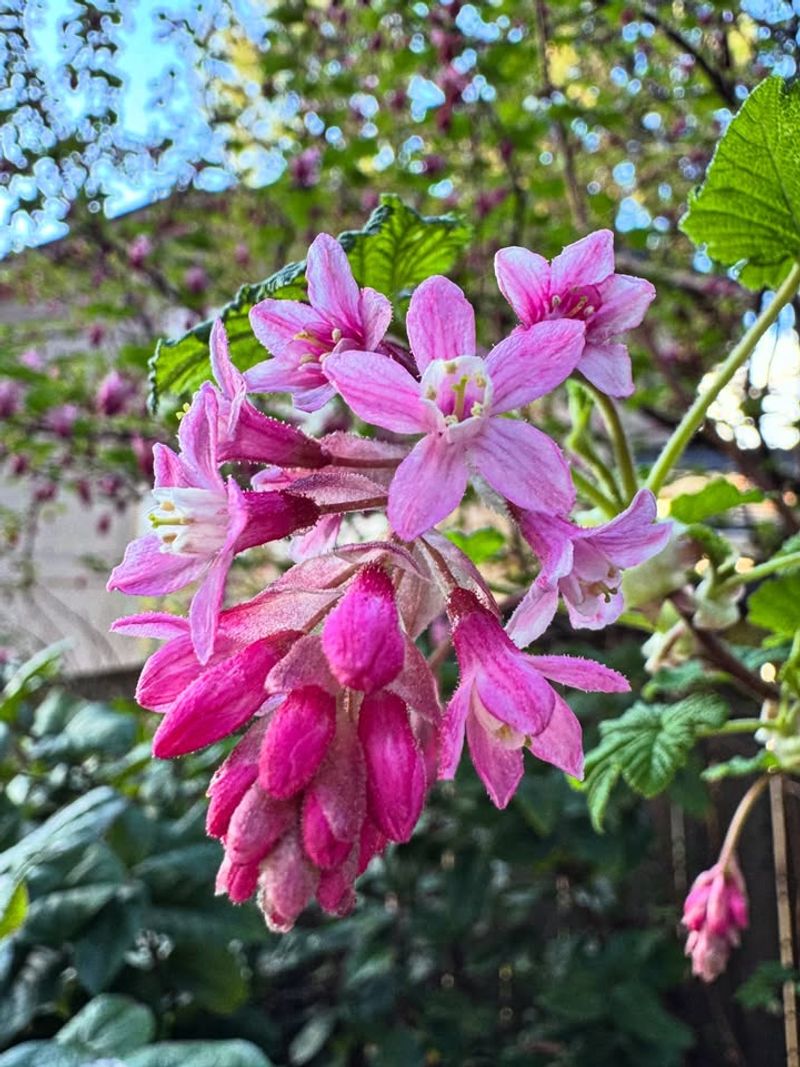
Every spring in Oregon, something remarkable happens in gardens and wild hillsides alike. Clusters of deep pink and red flowers burst open on bare branches before most other plants even wake up.
That is Red Flowering Currant doing what it does best, and it never fails to impress.
Hummingbirds arrive almost immediately when this shrub blooms. The tubular flowers are perfectly shaped for hummingbird beaks, and watching them hover and feed is one of spring’s best free shows.
After the flowers fade, small blue-black berries appear that songbirds devour eagerly throughout summer and fall.
Red Flowering Currant grows well across western Oregon in full sun to partial shade. It reaches about six to ten feet tall and wide, making it a solid choice for a privacy screen or a wildlife hedge.
Once established, it handles Oregon’s dry summers without supplemental watering. It grows naturally in the Cascades and Coast Range, so it is already perfectly adapted to local conditions.
Pruning right after flowering keeps the shape tidy and encourages strong new growth. For a plant that offers stunning spring color, wildlife value, and serious drought tolerance, Red Flowering Currant checks every important box for Oregon gardeners.
7. Pacific Wax Myrtle
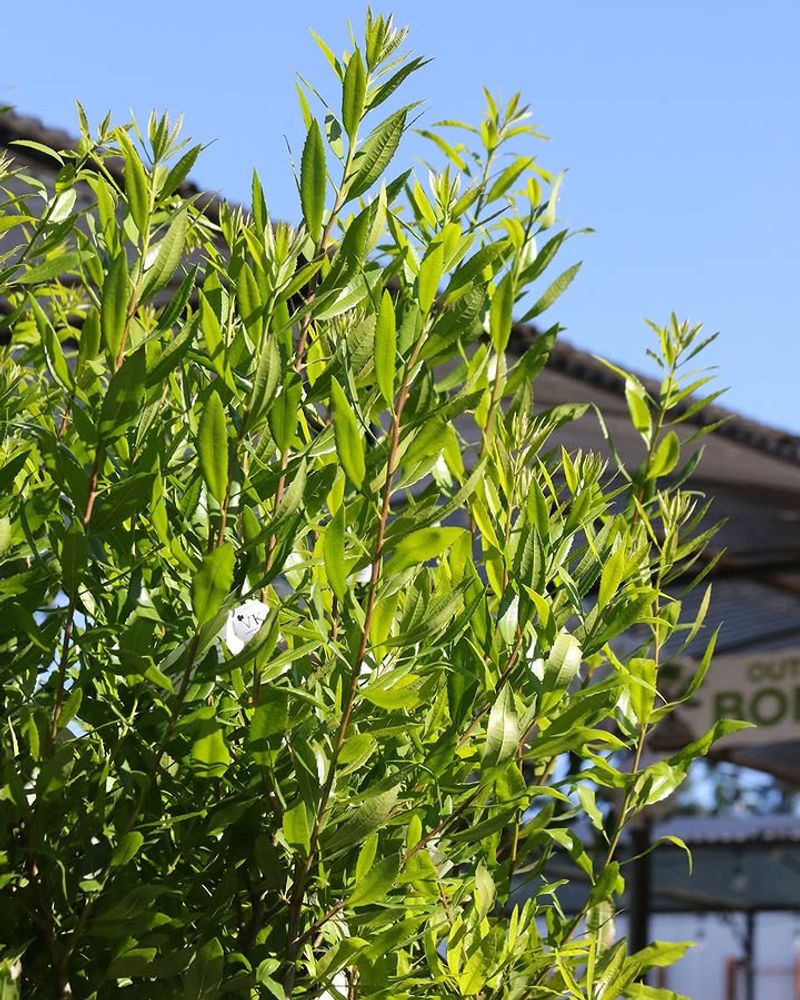
Privacy matters in any yard, and Pacific Wax Myrtle delivers it beautifully. Along Oregon’s coast and throughout the Willamette Valley, this fast-growing evergreen shrub has been used for decades as a natural screen and windbreak.
It handles coastal conditions better than almost any other plant.
The leaves are narrow, glossy, and give off a pleasant bay-like scent when you crush them. Small waxy berries appear in fall and provide food for many bird species, including yellow-rumped warblers that flock to them in huge numbers.
The dense foliage stays green and full all year, even through Oregon’s rainy winters.
Pacific Wax Myrtle grows quickly, which is a real advantage when you want results fast. It can be trimmed into a formal hedge or left to grow naturally as a large shrub.
Once established, it needs very little water during dry Oregon summers. It tolerates wind, salt spray, and poor soils, making it especially valuable near the Oregon coast.
It also adapts well to inland gardens throughout the state. If you want a living fence that provides privacy, wildlife habitat, and year-round good looks without constant care, Pacific Wax Myrtle is one of the smartest choices you can make for your Oregon landscape.
8. California Poppy
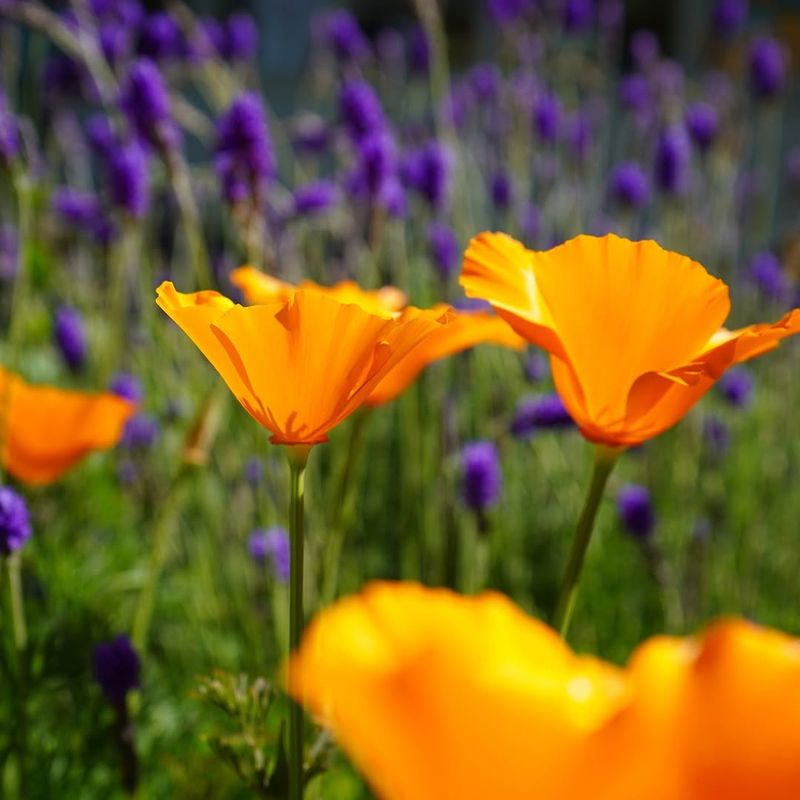
Do not let the name fool you. California Poppy grows just as happily in Oregon as it does anywhere else along the West Coast.
Its vivid orange flowers are almost impossible to ignore, and they bloom reliably from spring all the way into fall with almost zero effort from the gardener.
The flowers open wide on sunny days and close at night or on cloudy days, almost like little solar panels tracking the light. The feathery, blue-green foliage looks attractive even when the plant is not in bloom.
California Poppy self-seeds freely, which means once you plant it, it comes back on its own year after year without you lifting a finger.
Dry, sunny spots in Oregon are exactly where this plant thrives. It actually prefers poor, well-drained soil and can handle long stretches without rain.
Overwatering or rich soil can make it leggy and weak. Scatter seeds in fall or early spring in a sunny bed and let nature handle the rest.
It looks stunning mixed with blue lavender or purple penstemon in a wildflower-style garden. For a burst of cheerful, low-maintenance color in your Oregon yard, California Poppy is one of the easiest and most rewarding plants you will ever grow.
9. Penstemon
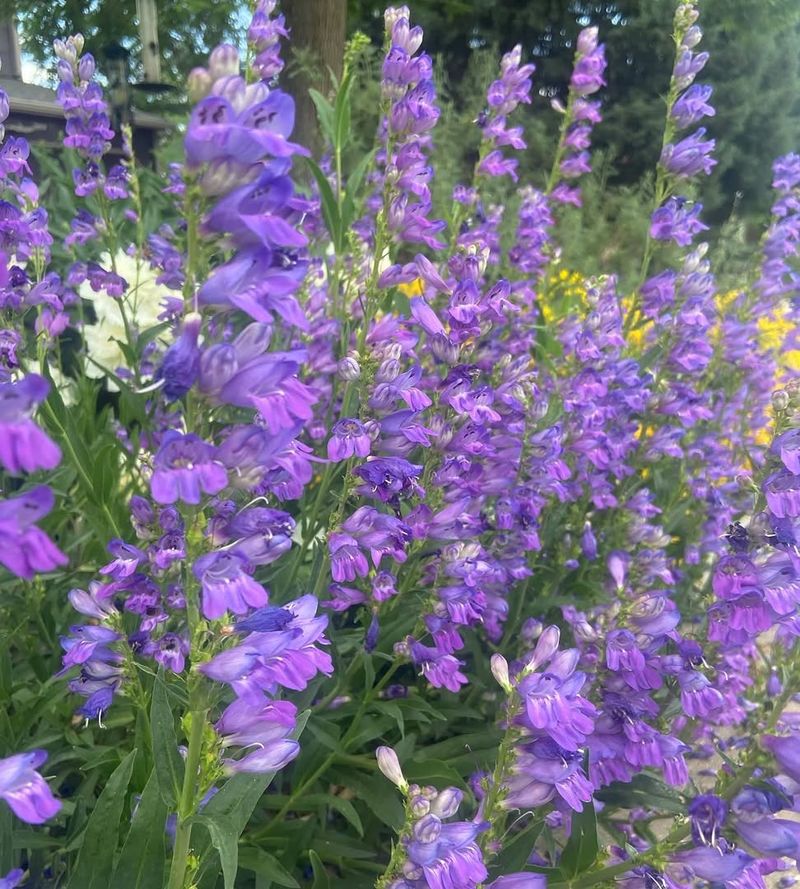
If there is one plant that hummingbirds in Oregon cannot seem to resist, it is Penstemon. The tall flower spikes are packed with tubular blooms in shades of purple, red, pink, and white.
They bloom from late spring into summer and create a stunning vertical accent in any sunny garden bed.
Oregon is actually home to many native Penstemon species, which means these plants are already perfectly tuned to local soils, rainfall patterns, and temperature swings. Established plants handle Oregon’s dry summers with almost no supplemental watering.
They actually prefer lean, well-drained soil over rich, moist conditions.
Beyond hummingbirds, bees and butterflies visit Penstemon flowers constantly throughout the blooming season. The plant looks great in rock gardens, on dry slopes, or mixed into a wildflower meadow.
After flowering, the seed heads add winter interest and provide food for small birds. Deadheading spent blooms encourages a longer flowering period, but it is completely optional.
Penstemon pairs beautifully with California Poppy and yarrow for a low-water, high-impact planting combination. For Oregon gardeners who want reliable color, wildlife appeal, and genuine drought tolerance all wrapped into one plant, Penstemon is an absolute must-have that rarely lets anyone down.
10. Stonecrop
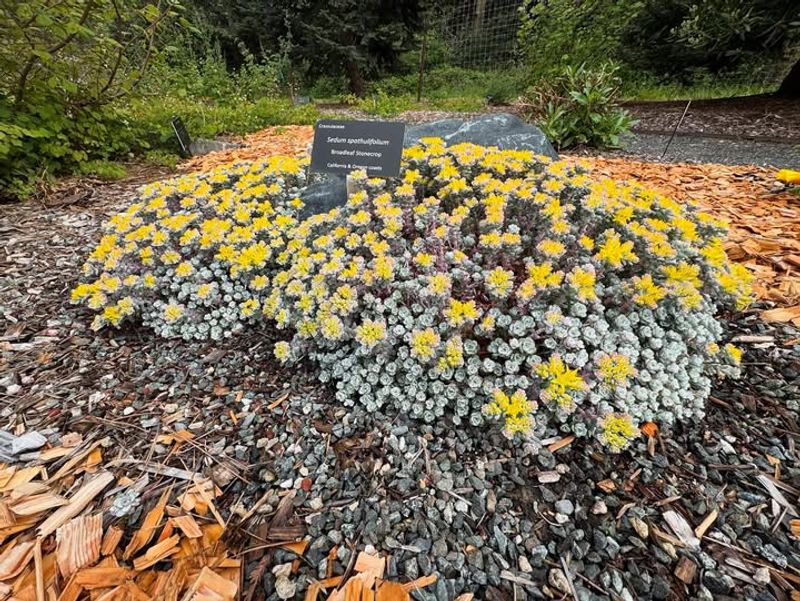
Succulent plants have a reputation for surviving tough conditions, and Stonecrop lives up to that reputation completely. Also known as sedum, this low-growing plant stores water in its thick, fleshy leaves.
That built-in water reserve is exactly what makes it such a champion in dry Oregon summers.
Stonecrop comes in a wide range of colors, from silvery blue-green to deep burgundy. The flowers are small and star-shaped, appearing in clusters of yellow, pink, or white depending on the variety.
Butterflies and bees love the blooms, which usually appear in late summer when many other plants have already finished flowering.
In Oregon, Stonecrop grows best in full sun with excellent drainage. Rocky gardens, green roofs, and dry slopes are its natural habitat.
It stays low to the ground and spreads gradually, filling in gaps between rocks or stepping stones beautifully. Once established, it can go weeks without rain and still look great.
It tolerates both the cool, wet winters of western Oregon and the hot, dry summers of central and eastern Oregon equally well. Planting Stonecrop along a sunny pathway or in a container gives you year-round texture and seasonal color with almost no maintenance required whatsoever.