The Easiest Flowers Michigan Gardeners Can Start From Seed In May
Starting flowers from seed in May feels like the right move in Michigan, and for good reason. The season has finally opened up, the soil is workable, and skipping the transplant process entirely saves both money and effort.
Direct sowing in May works especially well for certain flowers that prefer to grow exactly where they are planted rather than being moved around after germination.
The challenge is knowing which ones actually deliver on that promise in Michigan’s climate versus which ones need more time or warmer conditions than May can reliably offer across the whole state.
The flowers that make this list are genuinely easy, forgiving of minor timing mistakes, fast to establish, and capable of producing strong blooms well before the season wraps up.
Whether you are filling a new bed or adding color to spaces that need it, these are the seeds worth putting in the ground this month.
1. Cosmos (Cosmos bipinnatus)
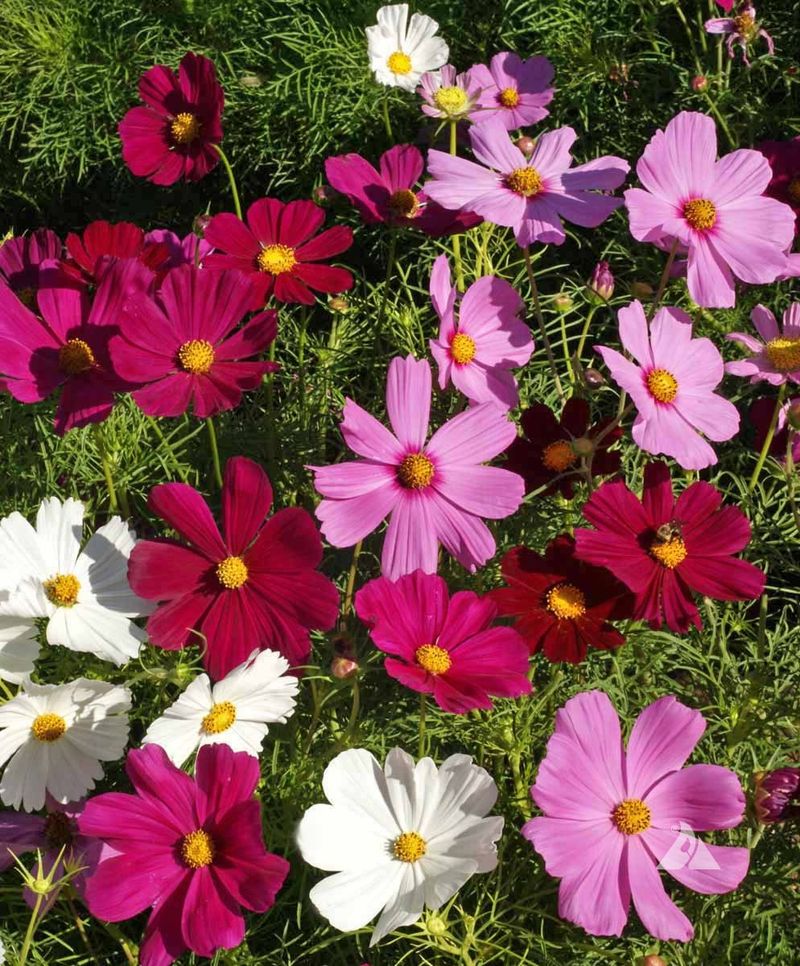
Cosmos have a breezy, carefree look that makes any garden feel like a meadow. Their feathery foliage and daisy-like blooms in shades of pink, white, and magenta create a soft, airy feel that pairs beautifully with bolder flowers.
Best of all, cosmos are incredibly easy to grow from seed, even for complete beginners.
Direct sow cosmos seeds in Michigan in May once the soil has warmed up a bit. They do not need rich soil at all.
In fact, too much fertilizer can lead to lots of leafy growth with fewer flowers, so average or even slightly poor garden soil works perfectly for them.
Thin seedlings to about twelve to eighteen inches apart once they sprout. Cosmos grow tall, sometimes reaching three to four feet, so planting them near a fence or wall can help shelter them from strong Michigan winds.
They need full sun to bloom their best throughout the summer months.
One of the coolest things about cosmos is how low-maintenance they are once established. They are drought-tolerant and rarely need extra watering after the first few weeks.
Deadhead spent blooms to keep new flowers coming, or let some go to seed and enjoy self-sown plants next season. Michigan gardeners who love a relaxed, natural style absolutely adore cosmos.
2. Zinnia (Zinnia elegans)
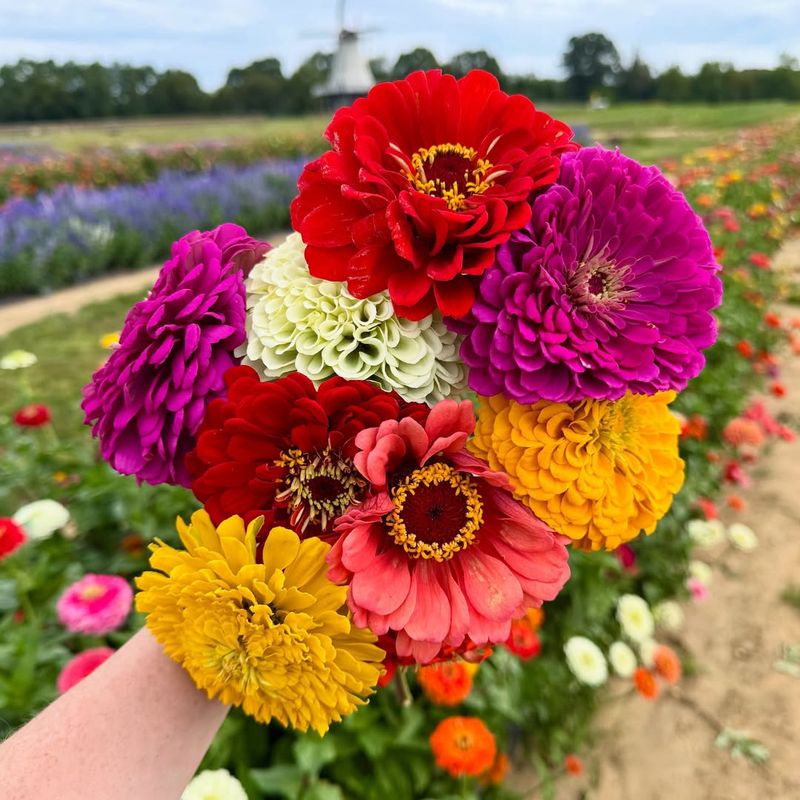
Zinnias are like the life of the party in any Michigan garden. Few flowers match their ability to pop with color from midsummer all the way through fall, and they ask for very little in return.
Once you scatter those flat, arrow-shaped seeds into warm soil after your last frost, germination can happen in just five to seven days under the right conditions.
Plant your zinnias in a spot that gets at least six hours of full sun each day. Michigan summers give plenty of that, so zinnias truly thrive here.
Space seeds about twelve inches apart so air can flow freely between plants, which helps reduce powdery mildew, a common issue in humid Michigan summers.
Water at the base of the plant rather than overhead to keep the leaves dry and healthy. Zinnias actually do better in slightly dry conditions than in soggy soil, so do not overwater them.
Your Michigan Garden Changes Every Week. Your Plan Should Too.
Gardening in Michigan changes quickly throughout the season. Every Friday you’ll receive a simple weekly plan showing exactly what to plant, prune, fertilize, harvest, and protect so you never miss the right timing.
Once they start blooming, cut the flowers regularly to encourage even more blooms to form throughout the season.
Kids love growing zinnias because the results come fast and the colors are bold and cheerful. Butterflies and pollinators love them too, making your Michigan yard feel alive and buzzing all season long.
Zinnias are truly one of the most rewarding flowers you can grow from seed in May.
3. Marigold (Tagetes patula, Tagetes erecta)
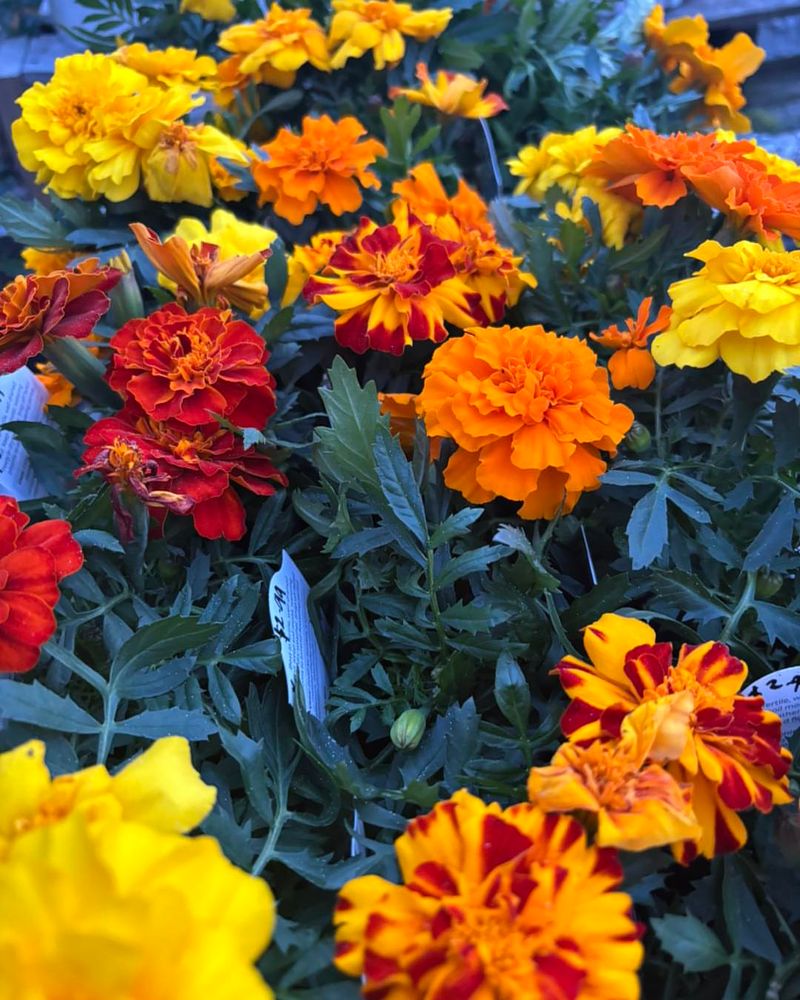
Marigolds have been a garden staple for generations, and there is a very good reason for that. They bloom reliably, they look cheerful, and they are nearly impossible to mess up when starting from seed.
Drop a marigold seed into warm Michigan soil in May and you can expect to see tiny sprouts poking through in about five to seven days.
Both French marigolds, Tagetes patula, and African marigolds, Tagetes erecta, perform well in Michigan gardens. French types stay compact and bushy, making them great for borders and containers.
African types grow taller and produce larger blooms that make a bold statement in the back of a flower bed.
Marigolds love full sun and handle the heat of Michigan summers without complaint. They bloom steadily from early summer until the first cold snap arrives in fall.
Plant them near tomatoes or peppers in your vegetable garden because many gardeners believe their scent helps discourage certain garden pests.
Water marigolds regularly but let the soil dry slightly between waterings to keep root rot at bay. Remove faded flowers to push the plant into making fresh blooms rather than setting seed too early.
With their bright orange and gold tones, marigolds bring a warm, festive energy to any Michigan garden from midsummer right through early autumn.
4. Sunflower (Helianthus annuus)
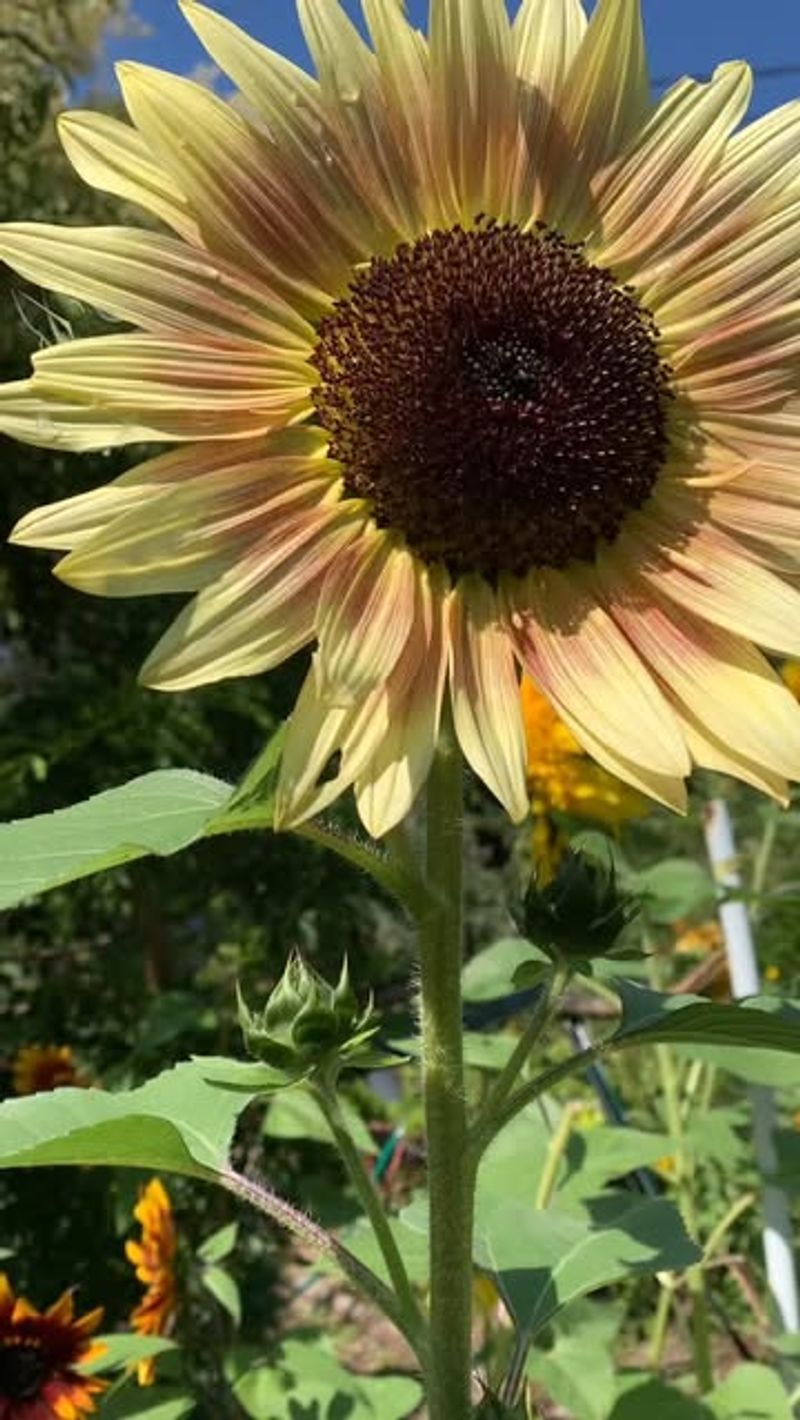
There is something undeniably joyful about a sunflower. Standing tall and facing the sun, they bring a sense of optimism and warmth to any Michigan yard.
May is the perfect month to push sunflower seeds directly into the ground because the soil has finally warmed up enough for quick, reliable germination.
Sunflower seeds sprout fast, often within seven to ten days of planting in warm soil. Choose a spot with full sun and plenty of space because most sunflower varieties grow quite tall, sometimes reaching six feet or more by midsummer.
Dwarf varieties are available too if your Michigan garden space is limited.
Plant seeds about one inch deep and six inches apart, then thin to twelve to twenty-four inches once seedlings emerge, depending on the variety.
Sunflowers have deep taproots that make them surprisingly drought-tolerant once established, but regular watering during the first few weeks helps them get off to a strong start.
Birds absolutely love sunflower seeds, so leaving a few seed heads on the plant at the end of the season turns your garden into a natural bird feeder.
Sunflowers also attract bees and other pollinators throughout the summer, which benefits every other plant in your Michigan garden.
Few plants are as rewarding, as fast, or as flat-out fun to grow from seed as the mighty sunflower.
5. Nasturtium (Tropaeolum majus)
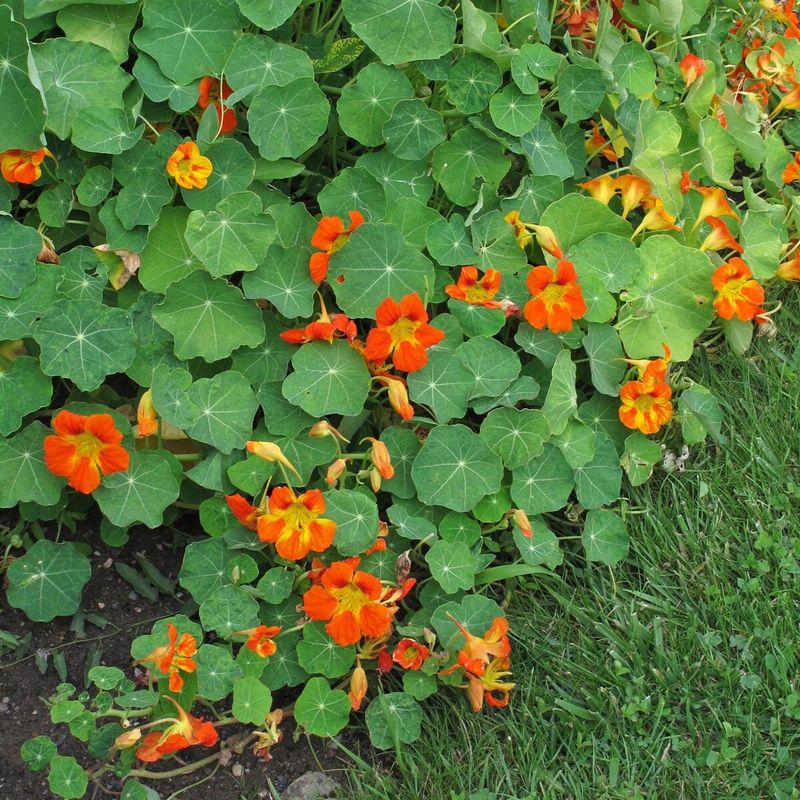
Nasturtiums are the kind of flower that rewards beginners and experienced gardeners equally. Their large, easy-to-handle seeds make them perfect for planting with kids, and they sprout quickly in May when Michigan soil temperatures begin to climb.
The round, lily-pad-like leaves are just as attractive as the trumpet-shaped blooms in shades of orange, yellow, and red.
One of the best things about nasturtiums is that they actually prefer poor to average soil. Planting them in rich, fertilized soil leads to lots of leaves and fewer flowers, so skip the compost in their bed and let them do their thing.
They grow well in Michigan gardens with minimal fuss, needing only regular sunlight and occasional watering to thrive.
Direct sow nasturtium seeds about half an inch deep after your last frost in May. They germinate within seven to twelve days and begin blooming within a few weeks after that.
Both trailing and bushy varieties are available, so pick the type that suits your garden layout best.
Here is a fun bonus: nasturtium flowers and leaves are completely edible. They have a peppery, slightly spicy flavor that adds a pop of color and taste to summer salads.
Michigan gardeners who love growing food alongside flowers will find nasturtiums to be one of the most versatile and delightful plants in the entire garden.
6. Bachelor’s Button (Centaurea cyanus)
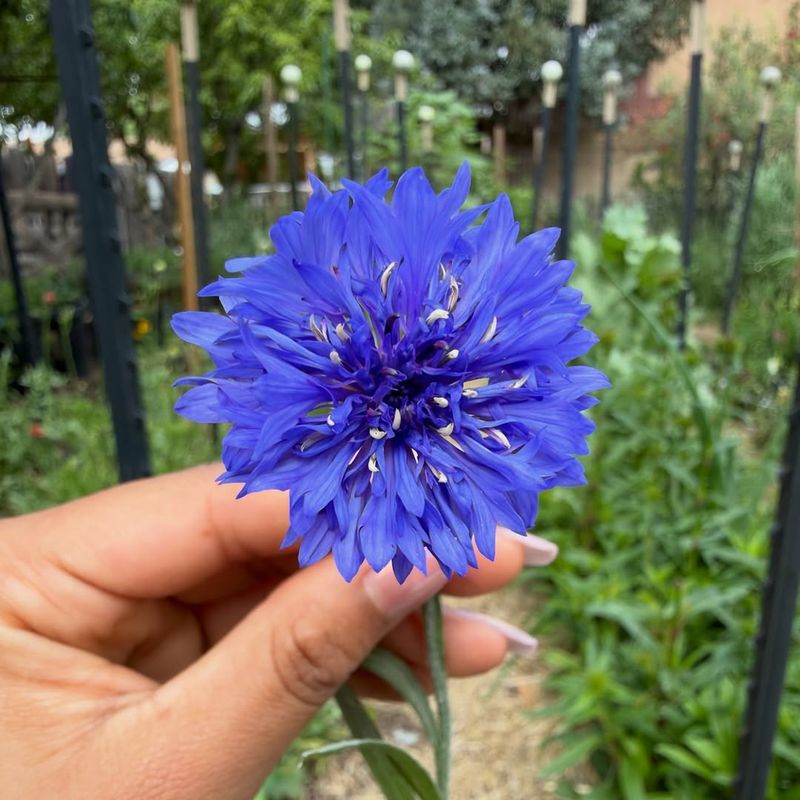
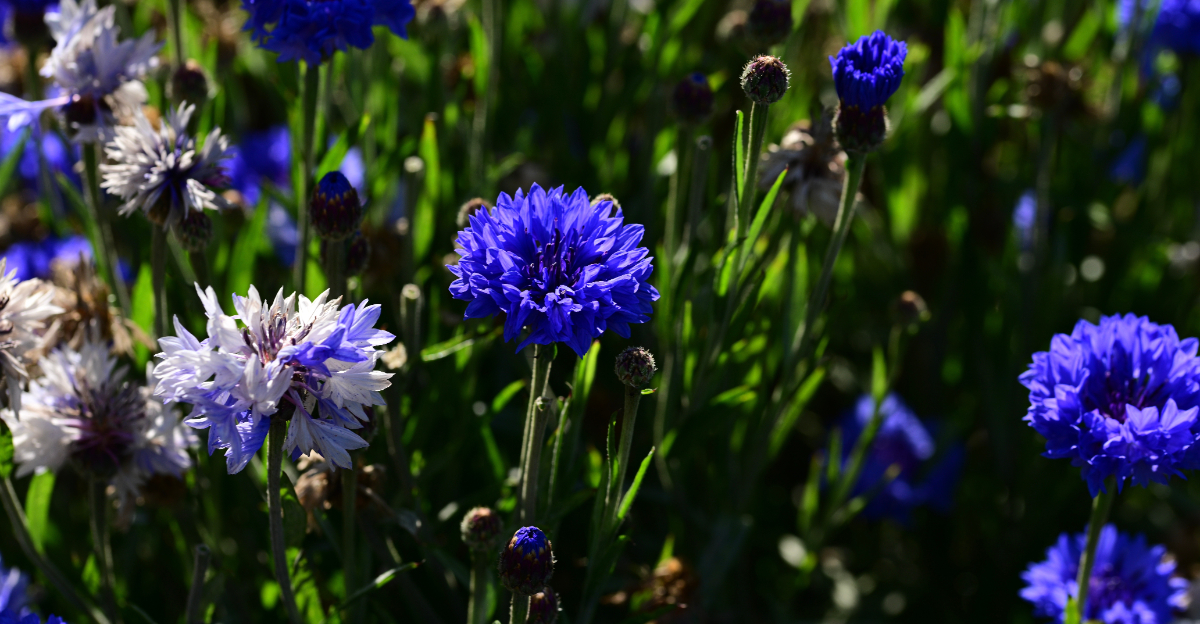
Bachelor’s button, also called cornflower, brings a pop of true blue to Michigan gardens, a color that is surprisingly rare among summer flowers.
Their vivid blue blooms have been beloved in cottage gardens for centuries, and starting them from seed in May is one of the easiest things a Michigan gardener can do.
They are cool-tolerant, which means they handle the variable spring weather in Michigan without skipping a beat.
Sow seeds directly into the garden in May, pressing them lightly into the soil about a quarter inch deep. They germinate reliably within seven to fourteen days.
Bachelor’s buttons prefer full sun but tolerate partial shade, making them flexible enough for gardens that do not get all-day light.
Thin seedlings to about eight to twelve inches apart once they reach a few inches tall. These plants grow to about twelve to thirty inches in height depending on the variety, and they bloom steadily from early summer onward.
Deadheading spent flowers encourages fresh blooms to keep coming throughout the Michigan summer season.
Bachelor’s buttons are also a magnet for bees and butterflies, which makes them a smart choice for pollinator-friendly gardens across Michigan. They work beautifully in cut flower arrangements too, holding their color well in a vase.
If you want a reliable, cheerful, and historically charming flower in your garden this season, bachelor’s button absolutely deserves a spot in your May planting plan.
7. Sweet Alyssum (Lobularia maritima)
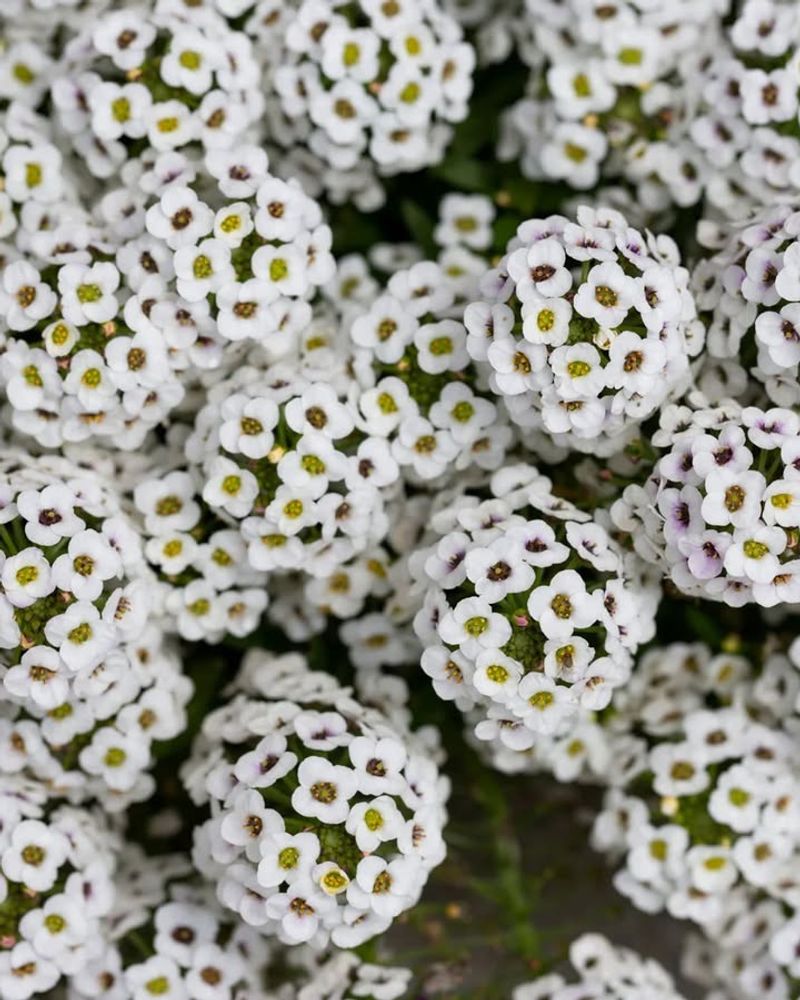
Sweet alyssum is one of those quiet overachievers that gardeners in Michigan tend to fall in love with once they try it. Its tiny, honey-scented flowers form dense, cloud-like clusters that spill beautifully over garden edges, containers, and pathways.
The fragrance alone makes it worth growing, and starting it from seed in May could not be simpler.
Scatter seeds on top of moist soil in a sunny to partially shaded spot and press them lightly into the surface without covering them, since they need light to germinate well.
Germination typically happens within five to ten days in May, when Michigan soil temperatures are just right for this cool-weather-friendly annual.
Space or thin plants to about six to nine inches apart to allow for spreading.
Sweet alyssum thrives in the cooler temperatures of early and late summer. During the hottest weeks in Michigan, it may bloom less vigorously, but a light trim and some extra watering can help it bounce back nicely as temperatures ease in late summer.
It is a remarkably resilient little plant. Pollinators, especially small native bees and beneficial insects, are drawn to sweet alyssum in large numbers. Planting it near vegetables or other flowers can help boost pollination across your entire Michigan garden.
Its low-growing habit also makes it a natural weed suppressor in borders and beds, giving you beauty and function all in one easy-to-grow package.
8. Calendula (Calendula officinalis)
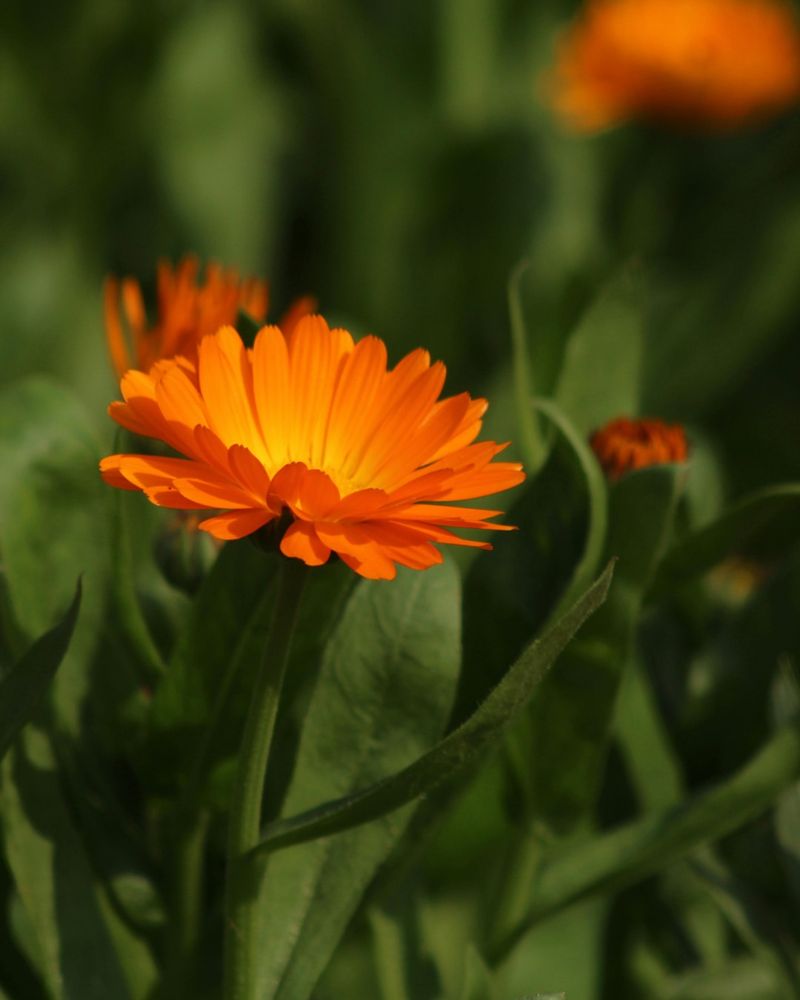
Calendula, sometimes called pot marigold, is one of those old-fashioned garden favorites that never goes out of style. Its bright orange and golden-yellow blooms have a warm, sunny look that lights up any Michigan flower bed.
Unlike many summer flowers, calendula actually prefers cooler soil, which makes May an ideal time to sow seeds directly into your Michigan garden.
Seeds germinate in about five to ten days and plants grow quickly, often producing their first flowers within six to eight weeks of sowing. Plant calendula in a spot with full sun to partial shade, and space seeds about nine to twelve inches apart.
They are not picky about soil as long as it drains well and does not stay soggy after rain.
Calendula blooms may slow down a bit during the hottest weeks of Michigan summer, but they often bounce back beautifully when temperatures cool again in late August and September.
This makes them a great choice for gardeners who want color in both early summer and early fall without replanting.
Beyond their good looks, calendula flowers are edible and have been used in herbal remedies and skin care for hundreds of years. The petals add a mild, slightly tangy flavor to salads and rice dishes.
Michigan gardeners who appreciate plants with both beauty and practical uses will find calendula to be a truly wonderful addition to their May seed-sowing lineup.