Why These 6 Crops Fail To Germinate In North Carolina And The Exact Depth They Actually Need
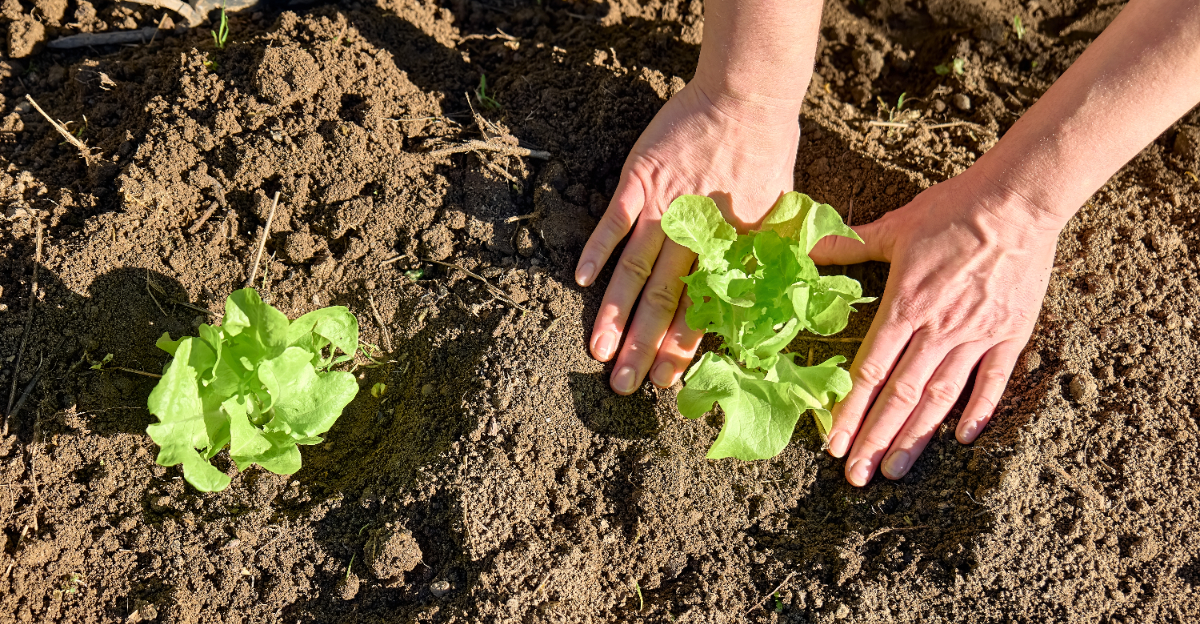
Planting seeds and waiting for nothing to happen is one of the more frustrating experiences in gardening, especially when you followed the instructions on the packet and did everything that seemed right.
Germination failures are more common than most beginner and intermediate gardeners expect, and in North Carolina, the reasons behind them are often specific to conditions in this state rather than general mistakes.
Soil temperature swings, heavy clay that crusts over after rain, and the pace at which North Carolina springs shift into summer heat all create a planting environment where depth matters more than most seed packets acknowledge.
Each crop has a germination sweet spot, a range where moisture, oxygen, and temperature align properly underground, and planting even a little too shallow or too deep can be enough to prevent sprouting entirely.
These crops fail more consistently than others across North Carolina gardens, and the reasons usually come down to one correctable mistake that most growers do not discover until they look into the details of what each seed actually needs to break dormancy and push toward the surface.
1. Carrots (Daucus carota subsp. sativus)
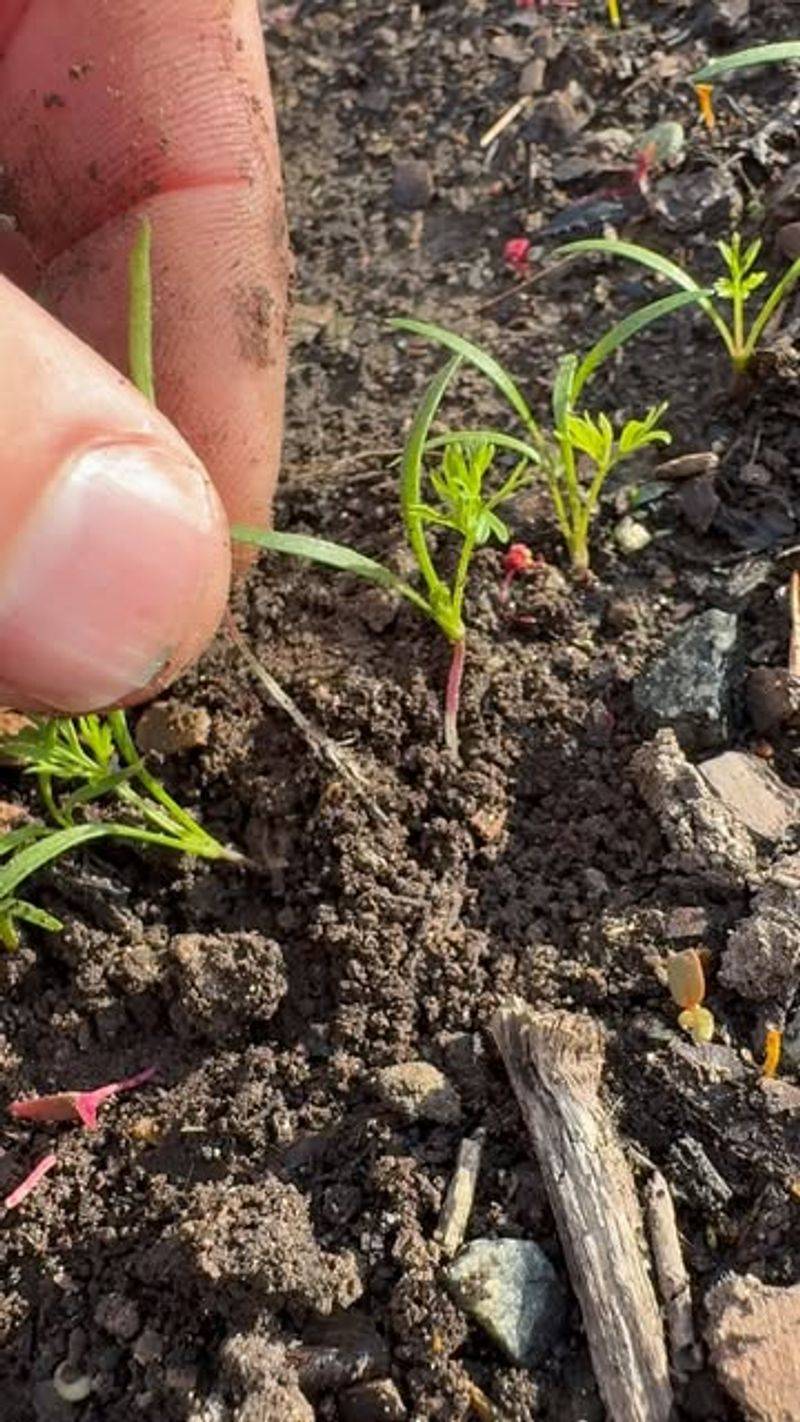
Carrots are one of the most misunderstood seeds in any North Carolina garden, and the reason so many gardeners struggle with them comes down to depth. Most people bury carrot seeds too deep, thinking more soil means more protection.
But carrot seeds are incredibly tiny and need to stay right near the surface, no deeper than one-quarter inch, to sprout successfully.
North Carolina summers heat up fast, and that warm, dry air pulls moisture out of the top layer of soil in a matter of hours. Since carrot seeds require consistent surface moisture throughout the entire germination period, any drying out can stop sprouting completely.
Covering the bed with a thin layer of burlap or a board until sprouts appear helps hold that critical moisture in place.
Another common mistake is planting in compacted or rocky soil. Carrots need loose, well-draining soil to push through, so tilling your North Carolina garden bed at least eight inches deep before sowing makes a real difference.
The correct planting depth is just one-quarter inch, roughly 0.6 centimeters, and spacing seeds about two inches apart gives each seedling enough room to develop. Thin them later to three inches once they sprout.
Getting that shallow depth right is honestly the single biggest change you can make for a better carrot harvest this season.
2. Lettuce (Lactuca sativa)
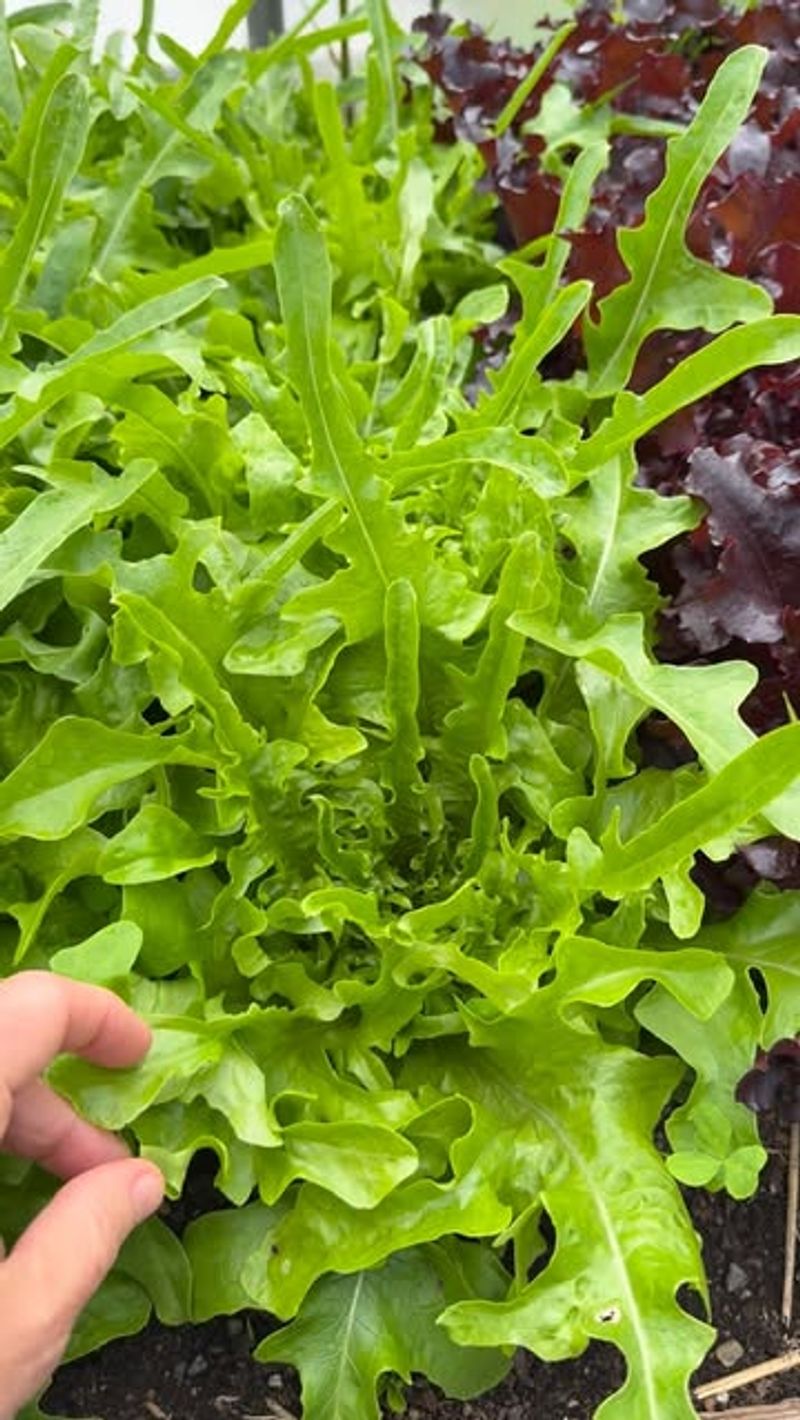
Lettuce is one of those crops that surprises even experienced North Carolina gardeners because its germination requirement feels almost backwards. Most people assume seeds need to be buried to grow, but lettuce actually needs light to trigger sprouting.
Burying seeds even a quarter inch too deep can completely prevent them from germinating at all.
The correct planting depth for lettuce is surface level to just one-eighth of an inch, which is roughly zero to 0.3 centimeters. That means you are essentially pressing seeds lightly onto moist soil rather than covering them with it.
Your North Carolina Garden Changes Every Week. Your Plan Should Too.
Gardening in North Carolina changes quickly throughout the season. Every Friday you’ll receive a simple weekly plan showing exactly what to plant, prune, fertilize, harvest, and protect so you never miss the right timing.
In North Carolina’s warm spring and fall seasons, this shallow placement lets seeds absorb just enough light and moisture to wake up and push through quickly.
Warm, wet soil is another challenge unique to North Carolina gardening. When lettuce seeds sit under a thick layer of soil in humid conditions, they tend to rot before they ever sprout.
Planting in early spring or fall, when soil temperatures stay between 60 and 65 degrees Fahrenheit, gives you the best results. Water gently with a fine mist rather than a heavy stream to avoid washing seeds away or pushing them too deep.
Keeping the surface consistently moist for the first week after sowing is the key move that separates a full, lush lettuce row from a patch that never quite gets going.
3. Beans (Phaseolus vulgaris)
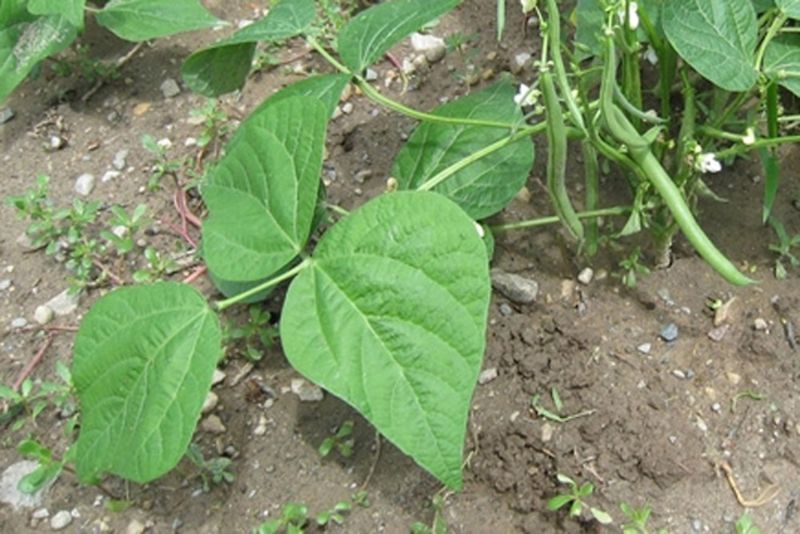
Beans have a reputation for being easy to grow, and in the right conditions, they absolutely are. But North Carolina gardeners run into trouble every single spring by planting beans too early, before the soil has warmed up enough.
Cold, wet soil is the number one reason bean seeds fail to sprout, and it happens more often than most people realize.
Bean seeds need soil temperatures of at least 60 degrees Fahrenheit, and ideally closer to 65 to 70 degrees, before they will reliably germinate. In North Carolina, that usually means waiting until late April or even early May for spring planting.
Planting in cool, soggy soil causes the seeds to absorb water too slowly and encourages fungal issues that stop sprouting before it even starts.
Depth matters just as much as timing. The correct planting depth for beans is one to one-and-a-half inches, which equals about 2.5 to four centimeters.
Planting too shallow exposes seeds to rapid drying, while going too deep in heavy North Carolina clay soil means sprouts struggle to push through. If your garden has dense clay, mix in some compost to loosen the texture before planting.
Spacing seeds about three to four inches apart in rows gives each plant room to breathe and grow. Once the soil temperature is right and the depth is correct, beans sprout fast and reward you with a strong, productive harvest in just a few weeks.
4. Cucumbers (Cucumis sativus)
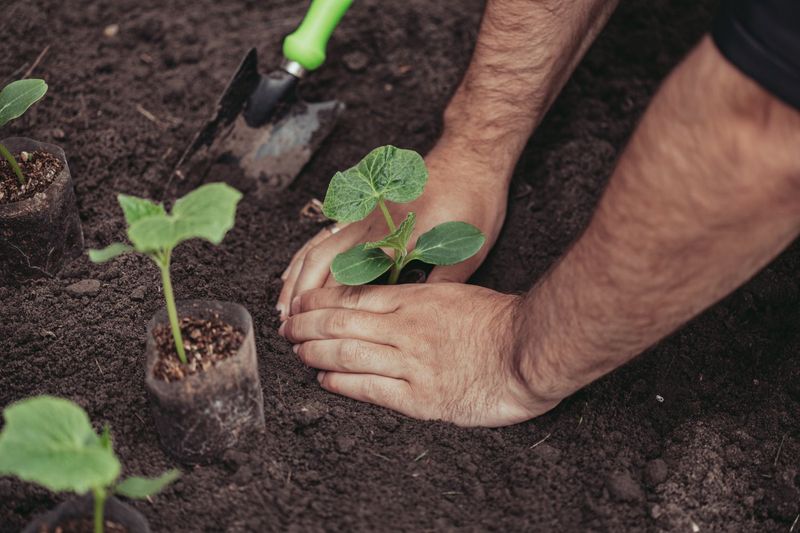
Cucumbers are warm-weather lovers through and through, and North Carolina’s long growing season should make them a perfect fit. Yet plenty of gardeners here watch their cucumber seeds sit in the ground for weeks without a single sprout appearing.
The culprit is almost always cold soil, and sometimes seeds buried just a little too deep to push through effectively.
Soil temperature is everything for cucumbers. They need the soil to be at least 60 degrees Fahrenheit, though 70 degrees or warmer is where they truly thrive.
In North Carolina, it can be tempting to plant early in March or even late February during a warm stretch, but soil that feels warm on the surface can still be too cold just a few inches down. Waiting until mid-April gives you a much stronger start.
The correct planting depth for cucumbers is one-half to one inch, or about 1.3 to 2.5 centimeters. Going shallower risks drying out, while going deeper in North Carolina’s sometimes heavy soils slows emergence noticeably.
Plant seeds in hills of two to three seeds each, or space them about six inches apart in rows. Covering the bed with black plastic mulch a week before planting is a smart trick that warms the soil faster and holds heat longer after seeds go in.
Once soil conditions are right and depth is on point, cucumber seeds typically sprout within five to ten days and grow with impressive speed.
5. Radishes (Raphanus sativus)
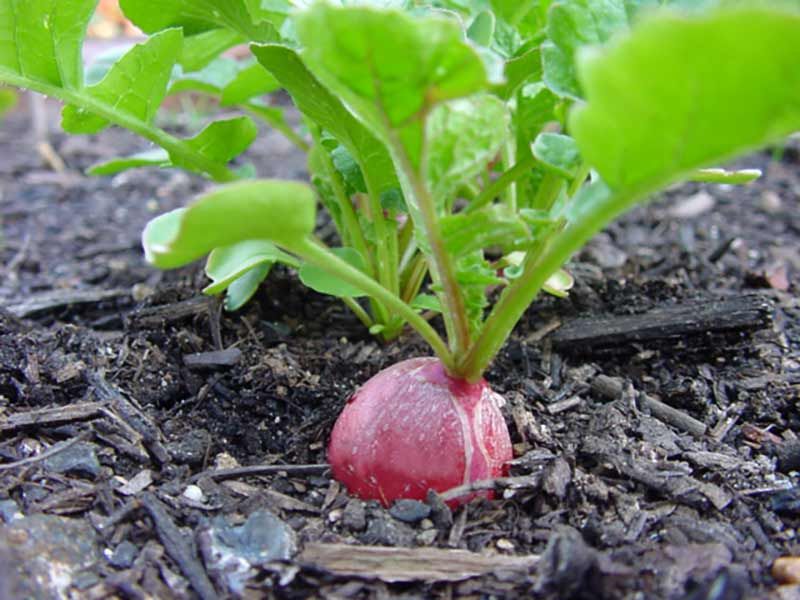
Radishes have a reputation as the beginner-friendly crop, and in many ways that is true. They grow fast, they do not need much space, and they are one of the first things you can plant in a North Carolina spring garden.
But even radishes have their quirks, and planting them too deep or in soil that has gotten too hot are two mistakes that stop germination cold.
The correct planting depth for radishes is one-half inch, which equals about 1.3 centimeters. That might sound easy to nail, but many gardeners push seeds a full inch or more into the soil out of habit, and that extra depth slows emergence significantly.
In North Carolina’s fast-warming spring soil, a slower-emerging radish seed is a seed that might not make it at all.
Heat is the other big challenge. Radishes prefer soil temperatures between 50 and 65 degrees Fahrenheit for best germination.
Once North Carolina soil climbs above 75 degrees in late spring and summer, radish seeds struggle badly. Timing your planting for late February through early April, or again in September and October for a fall crop, keeps soil temperatures in the sweet spot.
Spacing seeds about one inch apart and keeping the bed consistently moist during the first week gives you fast, uniform sprouting.
Radishes can go from seed to harvest in as little as three weeks under the right North Carolina conditions, making them incredibly satisfying to grow.
6. Zucchini (Cucurbita pepo)
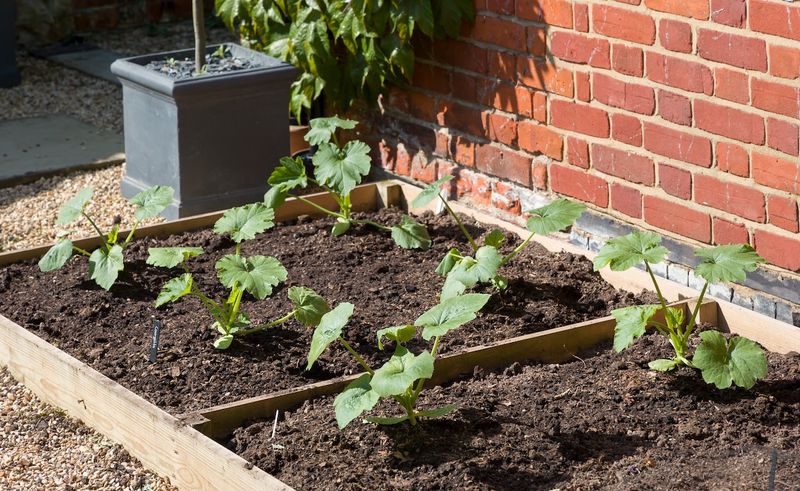
Zucchini is the crop that North Carolina gardeners either love deeply or feel confused by, especially when seeds refuse to sprout despite what looks like perfect garden conditions.
The two most common reasons zucchini fails to germinate here are planting in soil that has not warmed up enough and planting seeds too shallow so they dry out before sprouting begins.
Zucchini needs soil temperatures of at least 60 degrees Fahrenheit, and it truly performs best when soil sits closer to 70 degrees. In North Carolina, that window opens reliably in late April through May for most regions.
Planting too early in cool spring soil causes seeds to absorb moisture unevenly, which leads to poor or patchy germination even when everything else looks right.
The correct planting depth for zucchini is one inch, or about 2.5 centimeters. Shallower than that and the seed sits in soil that dries out between waterings, especially during North Carolina’s warm, breezy spring days.
Deeper than one inch in heavier soils and the seedling may struggle to push through before running out of stored energy. Plant two to three seeds per hill, spacing hills about three feet apart to give plants plenty of room as they spread.
Once the strongest seedling appears, thin to one plant per hill. Water deeply but less frequently to encourage roots to grow downward.
With the right depth and warm soil, zucchini sprouts within seven to ten days and takes off with remarkable speed.