Signs A Skunk Has Been Visiting Your Georgia Yard At Night And How To Discourage It
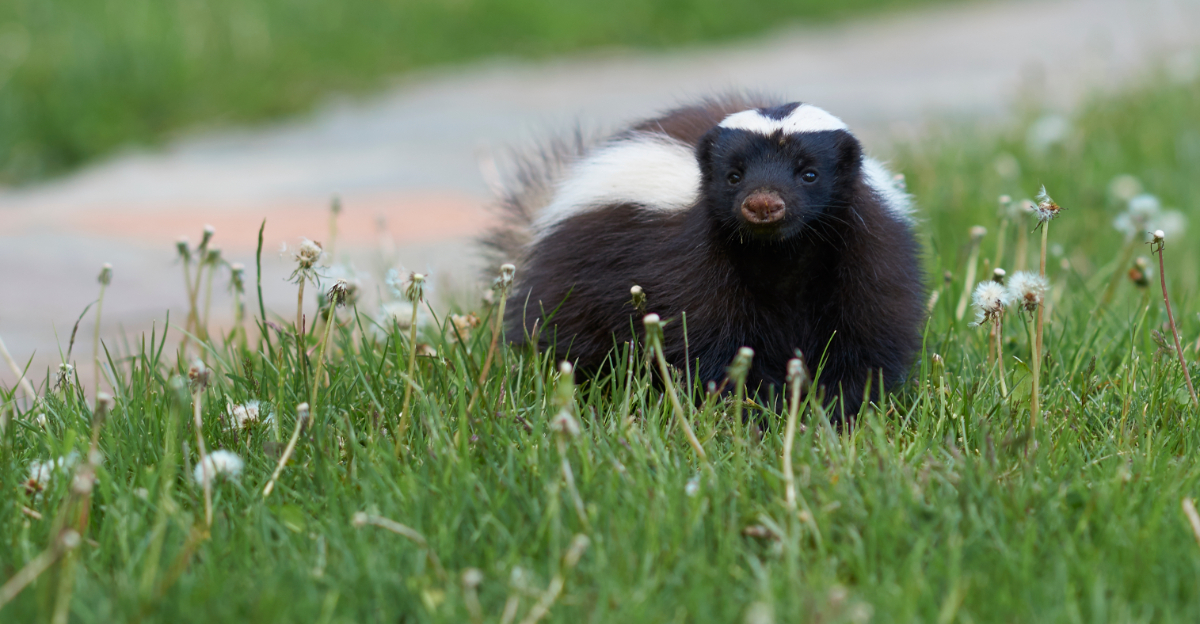
A Georgia yard can start to feel off without anything obvious standing out at first. Changes come and go, leaving more questions than answers.
Many homeowners notice the pattern but cannot explain it right away. In many cases, a skunk is already moving through the yard without much attention.
Skunks are quiet and stick to their routine, which makes them easy to miss early on. Once it becomes clear a skunk is behind it, everything starts to make more sense.
Acting early helps stop those visits from turning into a habit and keeps the yard from becoming a regular stop.
1. Strong Musky Smell That Lingers Around The Yard
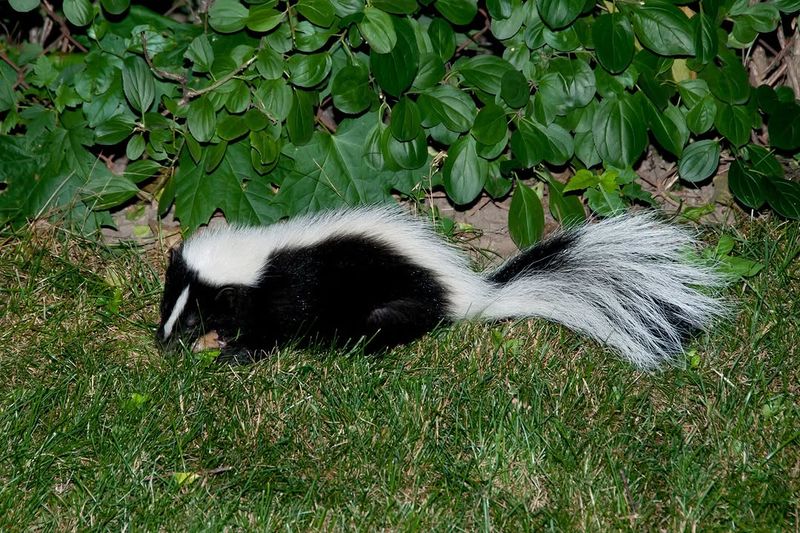
You step outside on a warm Georgia evening and something hits you immediately, a thick, sharp, musky odor that does not belong to anything in your garden.
That smell is one of the most reliable signs a skunk has been nearby, even if you never actually spotted the animal itself.
Skunks release their spray as a defense, but they also produce a milder musky scent just from moving through an area.
The smell tends to cling to low surfaces like grass, mulch, wooden fences, and deck boards. Georgia’s humid climate makes it worse because moisture helps the odor settle into materials and linger much longer than it would in a dry environment.
If you notice the smell showing up repeatedly near the same corner of your yard, that is a strong signal a skunk is making regular nighttime visits to that spot.
Not every skunk visit ends in a full spray, so do not assume you are safe just because the smell is mild. A light musky odor that keeps returning every few nights is worth taking seriously.
Checking your yard for other signs like tracks or holes can help you confirm whether a skunk is truly the culprit.
Georgia homeowners near wooded areas or creek beds tend to deal with this more often, especially in spring and summer when skunks are most active and searching for food after dark.
2. Small Cone Shaped Holes In The Lawn From Digging
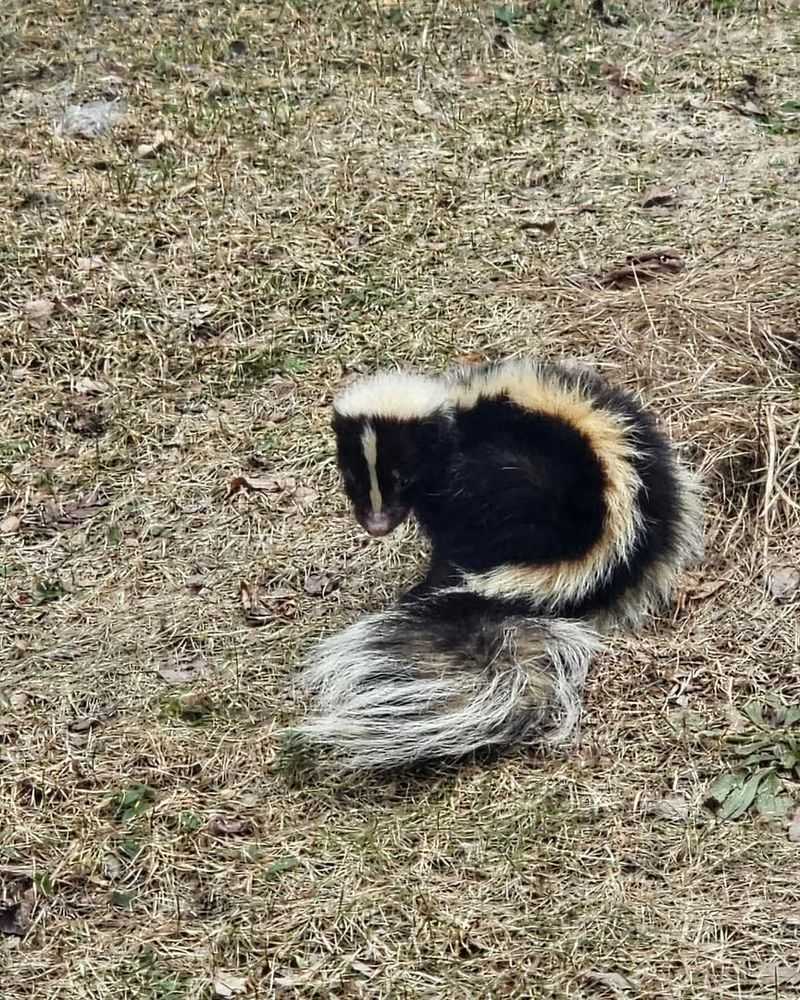
Scattered across your lawn one morning, you notice a collection of small, cone-shaped holes punched into the turf. Each one is roughly two to three inches wide and about as deep, with loose dirt pushed up around the edges.
Skunks are expert diggers, and they use their strong front claws to root through Georgia’s soft soil in search of grubs, beetle larvae, and earthworms hiding just below the surface.
Grub activity peaks in late summer and early fall across Georgia, which is exactly when skunk digging tends to become most noticeable in yards. If your lawn has a grub problem, you are essentially running a free buffet for every skunk in the neighborhood.
The holes are usually scattered randomly rather than arranged in a neat line, which helps tell them apart from damage caused by other animals like moles or voles.
One useful detail about skunk digging is that each hole is generally small and shallow. Skunks do not excavate large trenches or burrow deep into the ground when foraging.
Your Georgia Garden Changes Every Week. Your Plan Should Too.
Gardening in Georgia changes quickly throughout the season. Every Friday you’ll receive a simple weekly plan showing exactly what to plant, prune, fertilize, harvest, and protect so you never miss the right timing.
Catching this damage early matters because repeated digging weakens grass roots and leaves your lawn looking rough. Treating your lawn for grubs is one of the most practical steps Georgia homeowners can take to make the yard less appealing to skunks.
Without a reliable food source underground, skunks tend to move on and search for easier feeding grounds somewhere else in the area.
3. Tracks With Five Toes And Claw Marks In Soft Soil
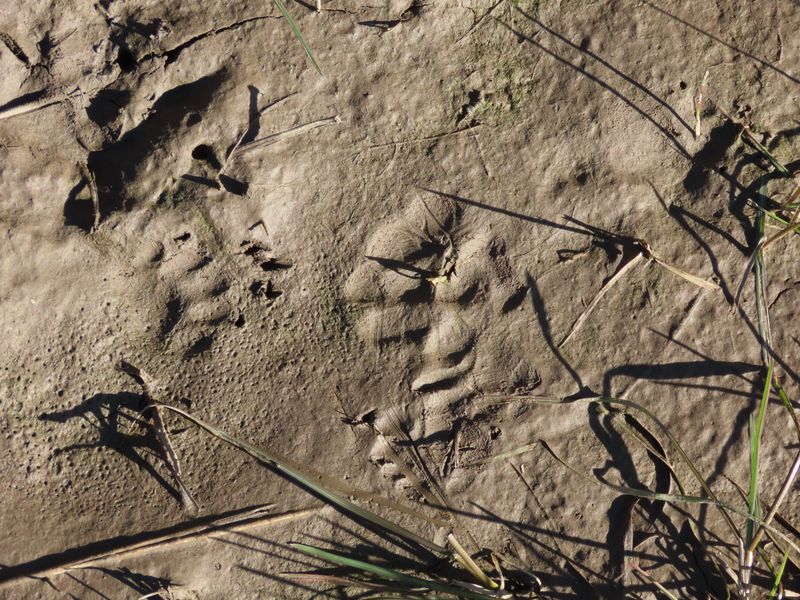
Muddy garden beds and soft soil near water sources are basically a natural tracking station, and skunk prints are surprisingly distinctive once you know what to look for.
Each skunk paw leaves behind five toes arranged in a slightly spread pattern, with noticeable claw marks extending from each toe.
The front feet print smaller than the back feet, and both sets show those claw impressions clearly.
Across Georgia, the best places to spot these tracks are in loose garden soil, muddy patches near downspouts, along creek banks, or in sandy areas around the edge of a lawn. After a rain, the ground stays soft long enough to capture a clean print, making it easier to confirm what has been wandering through your yard at night.
Skunk tracks are often confused with raccoon prints, but raccoon prints tend to be larger and have longer, more finger-like toe shapes.
Finding a clear trail of tracks moving from a wooded edge toward your garden or compost pile is a strong sign of regular skunk activity. Skunks tend to follow the same routes night after night, so the tracks often appear in the same general area repeatedly.
Photographing the prints can help you compare them against reference images online if you are unsure of the animal.
Georgia residents near nature preserves, creek corridors, or undeveloped lots are more likely to encounter these prints regularly throughout the warmer months of the year.
4. Remove Food Sources Like Pet Food And Fallen Fruit

Skunks are not picky eaters, and your yard might be offering them a full meal without you realizing it. Pet food left outside overnight is one of the biggest draws for skunks across Georgia neighborhoods.
A bowl of dog kibble sitting on a back porch after dark is practically an open invitation, and once a skunk finds it, that animal will return to the same spot every night until the food is gone.
Fallen fruit is another major attractant that homeowners often overlook. Georgia yards commonly have peach trees, apple trees, fig trees, and muscadine vines, and the fruit that drops to the ground ferments quickly in the summer heat.
Skunks have a sharp sense of smell and can locate that rotting fruit from a surprising distance. Picking up fallen fruit every day during the growing season makes a real difference in how often nighttime visitors show up.
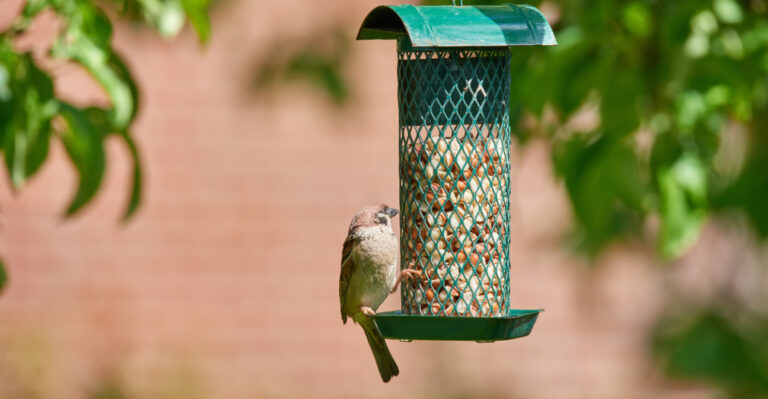
Bird feeders also deserve attention because seed that falls to the ground accumulates fast and attracts skunks along with other wildlife. Switching to a no-waste bird seed blend or adding a tray catcher under the feeder can cut down on the mess significantly.
Keeping a clean yard is genuinely one of the most effective long-term strategies for reducing skunk activity.
Georgia’s warm climate means fruit drops and seed scatter happen almost year-round, so staying consistent with cleanup is more important here than it might be in cooler northern states.
5. Secure Trash Bins And Close Off Shelter Spots
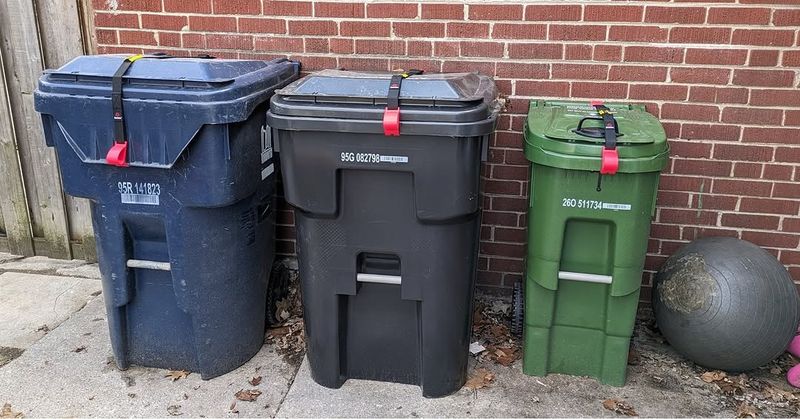
Trash night is practically a celebration for skunks, and unsecured bins are one of the easiest food sources they can find in a Georgia neighborhood. A standard plastic lid does not stop a determined skunk from pushing it off and rummaging through the contents.
Switching to bins with locking lids or securing existing lids with bungee cords or heavy clips is a straightforward fix that makes an immediate difference.
Shelter is just as important as food when it comes to skunk behavior. Skunks look for dark, enclosed spaces to rest during the day and to raise their young in spring.
Spaces under decks, porches, sheds, and crawl spaces are prime real estate for a skunk looking to settle in.
Blocking these areas with hardware cloth buried several inches into the ground prevents skunks from digging their way underneath and setting up a permanent home in your Georgia yard.
Woodpiles stacked directly on the ground also create ideal hiding spots, and simply elevating them on a rack removes that option entirely. Brush piles, overgrown shrubs, and cluttered storage areas along fence lines all offer cover that skunks find attractive.
Doing a thorough walkthrough of your property to identify and close off these spots is worth the effort.
Georgia homeowners who address both food and shelter at the same time tend to see much faster results than those who only focus on one issue without dealing with the other.
6. Use Motion Lights Or Noise To Startle Night Visitors
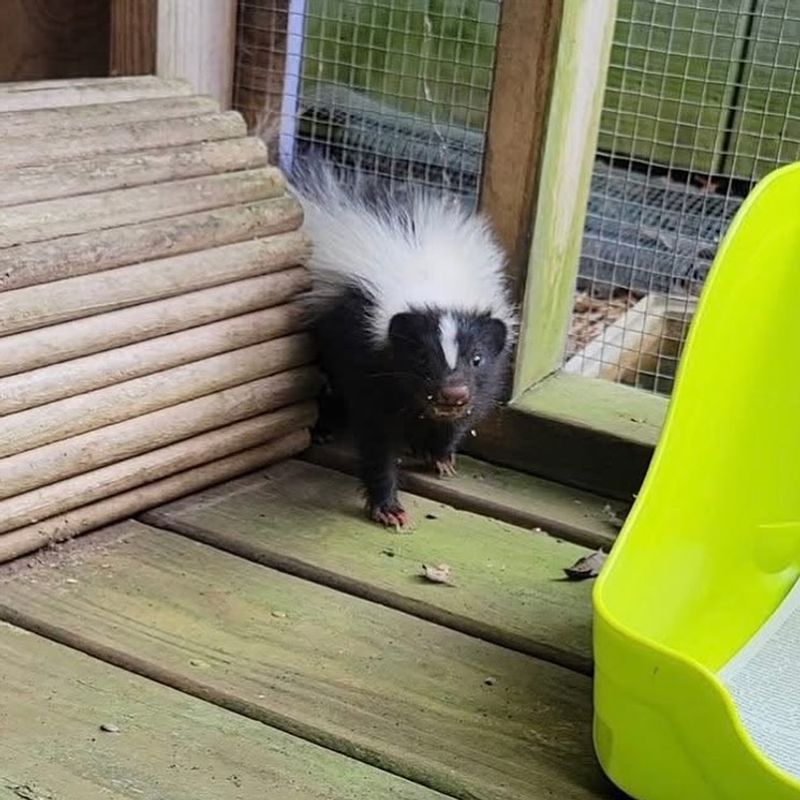
Skunks are creatures of habit, and they strongly prefer to move through a yard without any surprises. Motion-activated lights are a simple and affordable tool that can interrupt those habits and make your Georgia property feel less comfortable for nighttime visitors.
When a skunk walks into a suddenly lit area, its instinct is to retreat rather than stick around, especially if the light is bright enough to startle it.
Solar-powered motion lights have become much more reliable in recent years and work well across Georgia’s climate, where sunny days keep them charged consistently.
Placing lights near known entry points like fence gaps, garden edges, and areas near the house foundation gives you the best coverage.
Rotating or repositioning lights occasionally helps prevent skunks from simply learning the pattern and adjusting their route to avoid the lit zones.
Noise-based deterrents work on a similar principle. Wind chimes, battery-operated motion-activated alarms, and even a simple radio left on a talk station near a problem area can be enough to unsettle a skunk and send it searching for a quieter yard.
Combining light and noise together tends to be more effective than using either one alone.
Georgia summers mean warm nights when skunks are most active, so having both deterrents running through those peak months gives you a stronger line of defense without needing to use any chemicals or barriers at all.
7. Apply Safe Repellents To Areas They Keep Visiting
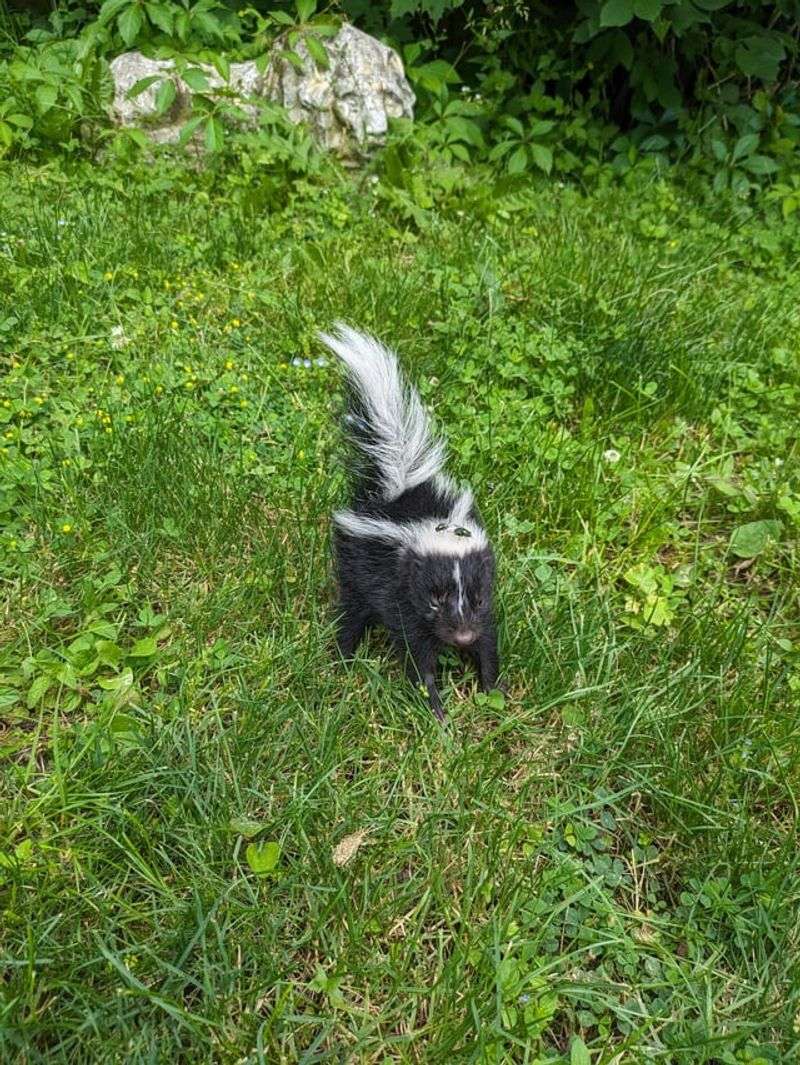
Repeated visits to the same corner of your yard usually mean a skunk has found something worth coming back for, and repellents can help change that impression. Several safe options exist that work without harming the animal or the surrounding environment.
Citrus peels scattered along a garden border, predator urine granules from a garden center, and commercial pepper-based sprays are all commonly used by Georgia homeowners dealing with persistent skunk activity.
Ammonia-soaked rags placed near entry points or under deck edges can also discourage skunks from lingering, though they need to be refreshed regularly, especially after Georgia’s frequent summer rain showers wash away the scent.
Castor oil-based repellents applied to the lawn have shown reasonable results against digging behavior specifically, since they make the soil less appealing without affecting the grass or nearby plants.
Consistency matters more than the strength of any single product. Applying repellents once and forgetting about them rarely produces lasting results.
Reapplying every week or after heavy rain, and rotating between different types of repellents, keeps skunks from getting used to any one scent.
Focusing your applications on the areas where you have already found tracks, holes, or detected that musky smell gives you the most targeted approach.
Georgia’s wet and humid conditions mean repellents break down faster than they would in drier climates, so staying on a regular schedule through spring and summer is the key to keeping your yard skunk-free over the long haul.