The Best Low-Maintenance Shrubs For Wisconsin Gardens
Wisconsin gardens don’t make things easy. Bitter winters.
Sudden temperature swings. Soil that doesn’t always cooperate.
And somehow, you’re still expected to make it all look effortless.
If you’ve ever felt like you’re constantly fighting your plants just to keep the yard presentable, you’re not alone.
There’s a simpler way to do this.
Low-maintenance shrubs are built for conditions like these. They handle cold snaps, adapt to different soils, and keep your landscape looking structured through the seasons without demanding constant attention.
Spring brings fresh growth, summer adds fullness, and even winter still has something to look at.
Once established, they settle in and do their job quietly in the background. Less maintenance, fewer problems, and a yard that still looks put together.
These are the kinds of shrubs that don’t just survive Wisconsin, they work with it.
1. Ninebark Belongs In Every Wisconsin Yard
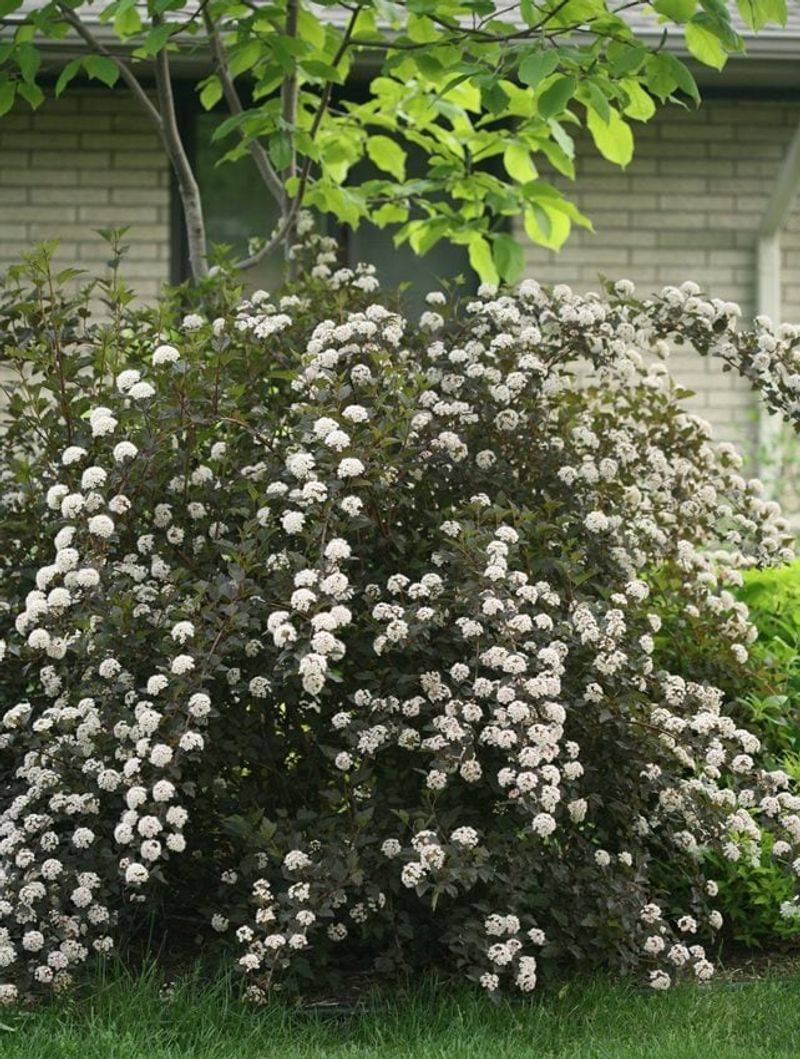
My neighbor once called this plant “the shrub that refuses to let me go,” and honestly, she wasn’t exaggerating. Ninebark earns its odd name from bark that peels away in multiple layers, creating an interesting texture that catches your eye even in winter.
This native Wisconsin superstar grows anywhere from three to ten feet tall, depending on the variety you choose.
The foliage alone makes this shrub worth planting. Leaves range from deep burgundy to golden yellow, giving you options to match any garden color scheme.
White or pinkish flowers appear in early summer, clustered in rounded bunches that look like tiny fireworks.
Here’s what makes ninebark truly remarkable for lazy gardeners like me. It grows in full sun or partial shade without complaining.
From clay and sand to wet and dry spots, this tough customer handles it all.
Pruning is optional, which is my favorite kind of maintenance. You can shape it if you want, or just let it do its thing naturally.
Pests generally ignore it, and diseases rarely show up.
Popular varieties include ‘Diablo’ with its dark purple leaves and ‘Dart’s Gold’ sporting bright chartreuse foliage. Both survive Wisconsin winters like champions.
The shrub also provides food and shelter for birds, so you’ll attract more feathered friends to your yard.
Plant it once, water occasionally the first year, then basically forget about it. Ninebark rewards neglect better than most plants reward careful attention.
2. Red Twig Dogwood Brings Color When Everything Else Fades
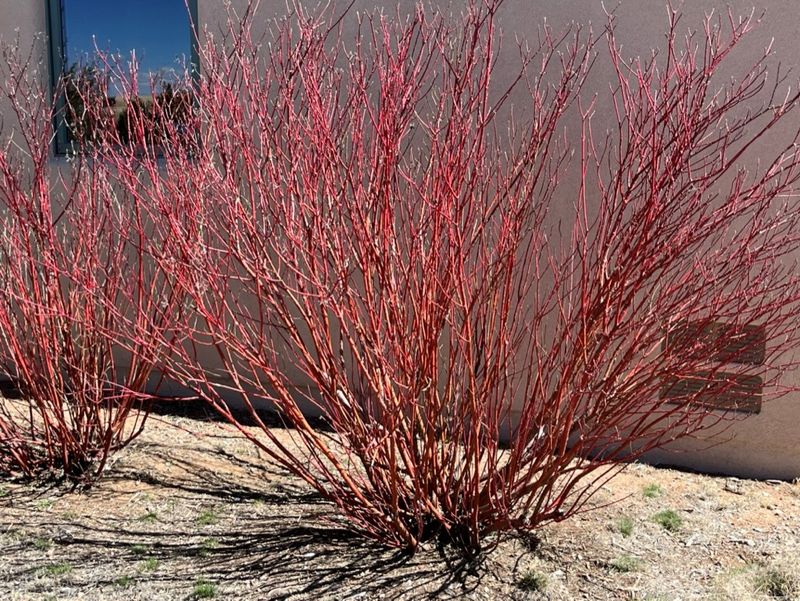
Winter in Wisconsin can look pretty bleak, but red twig dogwood turns the cold months into a landscape painting. Those brilliant crimson stems practically glow against white snow, making your winter garden look intentionally designed rather than accidentally frozen.
I planted three along my fence line five years ago, and they’ve become my favorite winter feature.
This native shrub grows naturally in wet areas throughout Wisconsin, which tells you something important about its toughness. Standing water doesn’t bother it one bit.
Neither does full sun or partial shade.
The white flowers in spring are pleasant but not showy. Small white berries follow, and birds gobble them up quickly.
Your Wisconsin Garden Changes Every Week. Your Plan Should Too.
Gardening in Wisconsin changes quickly throughout the season. Every Friday you’ll receive a simple weekly plan showing exactly what to plant, prune, fertilize, harvest, and protect so you never miss the right timing.
The real show happens when leaves drop and those red stems take center stage.
Young stems display the brightest color, so some gardeners cut the whole plant down to six inches every few years. This seems drastic, but the shrub bounces back enthusiastically with vibrant new growth.
You can also skip this step entirely and still enjoy decent color.
Height reaches six to nine feet with similar spread, making it suitable for screens or mass plantings. It spreads through underground stems called stolons, which can be annoying or helpful depending on your goals.
Just give it space to roam, or plant it where spreading doesn’t matter.
Deer occasionally nibble it, but they never destroy it completely. The shrub keeps growing regardless of their attention, proving its remarkable resilience.
3. Arrowwood Viburnum Offers Easy Structure For Any Garden
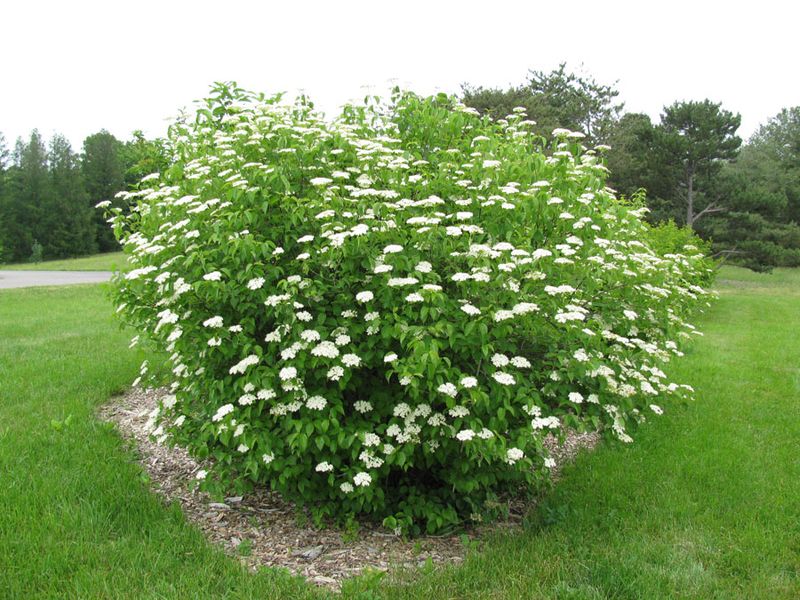
Forgettable name, unforgettable performance, that’s arrowwood viburnum in a nutshell. Native Americans used its straight stems for arrow shafts, hence the uninspired moniker.
What they didn’t tell you is that this shrub tolerates almost anything Wisconsin throws at it.
Creamy white flowers bloom in flat-topped clusters during late spring, attracting every pollinator in the neighborhood. Bees practically throw parties around these blooms.
The flowers give way to blue-black berries that birds devour with enthusiasm.
Fall foliage turns yellow, orange, or reddish-purple depending on growing conditions and genetics. It’s like a box of crayons exploded on one plant.
Some years the color knocks your socks off, other years it’s merely pleasant.
This shrub grows six to ten feet tall and equally wide, making it perfect for hedges or privacy screens. The dense branching provides excellent cover for nesting birds.
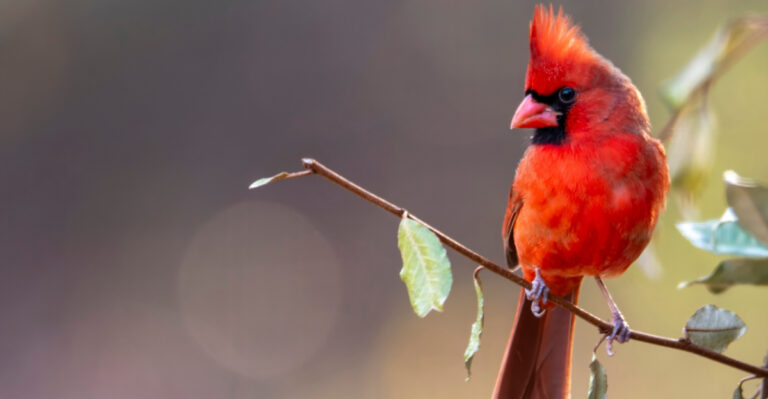
I’ve spotted cardinals raising families in mine three summers running.
Soil preferences? Arrowwood doesn’t really have any.
Wet, dry, acidic, alkaline, it adapts without drama. Full sun produces the best flowering and fall color, but partial shade works fine too.
Maintenance is very minimal after establishment. Pest and disease issues are rarely a concern, and there are no demanding requirements.
You might want to prune out old stems occasionally to keep the shrub looking fresh, but honestly, it’s optional.
Plant it, water it a few times, then ignore it. Arrowwood viburnum thrives on neglect.
4. American Cranberrybush Viburnum Delivers Year-Round Appeal In Cold Climates
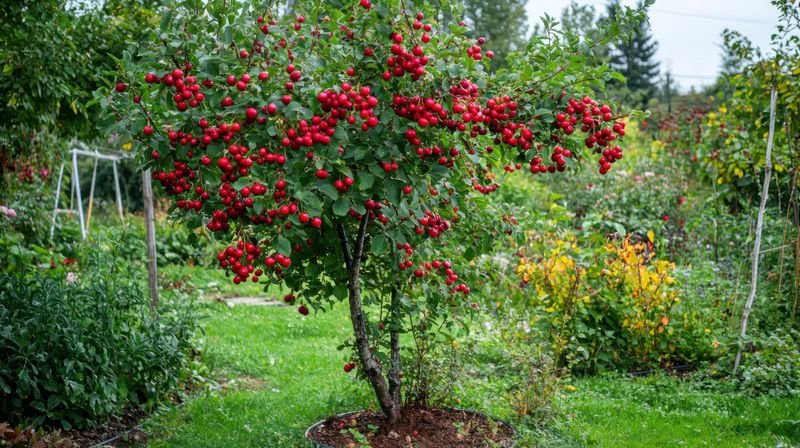
Don’t confuse this beauty with the invasive European version, the American cranberrybush is Wisconsin’s own native superstar. Those bright red berries persist through winter, providing emergency food for hungry birds when nothing else is available.
The berries are technically edible for humans too, though calling them “edible” is generous since they taste pretty awful raw.
White flowers arranged in flat, lacy clusters appear in late spring. The outer flowers are showy and sterile, while inner flowers are smaller and fertile.
This arrangement creates an elegant, tiered appearance.
Maple-shaped leaves turn gorgeous shades of red and burgundy in fall. Some years my shrub looks like it’s on fire, with colors so intense they seem artificial.
The fall display rivals many ornamental trees.
Height ranges from eight to twelve feet, making this a larger specimen suitable for anchoring landscape beds. It naturally grows in a rounded, somewhat irregular shape that looks informal and relaxed.
Pruning to control size is simple if needed.
Growing conditions? This shrub prefers moist soil but adapts to average conditions once established.
Full sun produces the best flowering and fruiting, though it tolerates some shade. Cold hardiness is exceptional, obviously, since it’s native here.
Aphids sometimes attack new growth in spring, causing leaves to curl temporarily. The damage looks worse than it is, and the plant recovers without intervention.
Otherwise, pests and diseases largely ignore this tough native.
Wildlife value is outstanding, with berries feeding birds well into winter months when food is scarce.
5. Chokeberry Is A No-Fuss Shrub For Wisconsin Landscapes
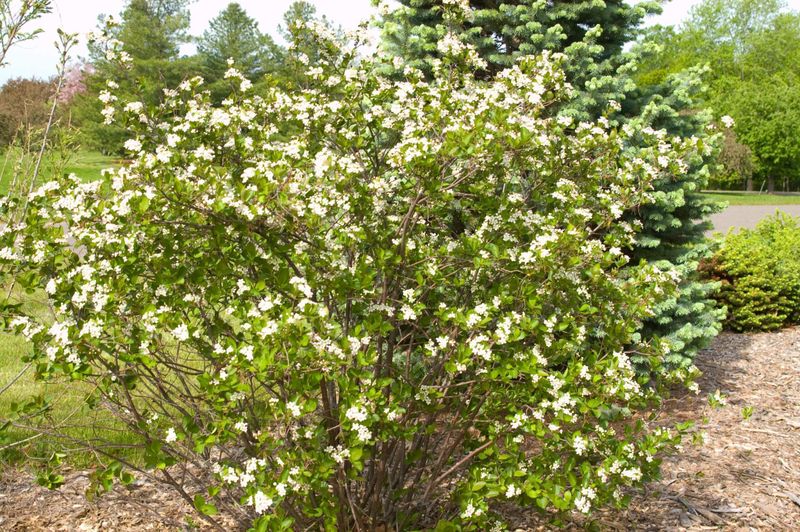
Chokeberry might win the award for one of the least appealing names in horticulture. Yes, the berries are astringent enough to make your mouth pucker dramatically, but they’re packed with antioxidants and make excellent jam once you add sufficient sugar.
Birds don’t mind the taste at all and strip the shrubs clean by late winter.
White or pinkish flowers bloom in spring, clustered in small groups. They’re not particularly showy, but they attract pollinators reliably.
Dark purple-black berries develop by late summer, hanging in clusters that contrast beautifully against glossy green foliage.
Fall color rates as spectacular, with leaves turning brilliant shades of red, orange, and purple. My chokeberry often outshines the fancy ornamental trees in my neighborhood.
The color show lasts several weeks before leaves finally drop.
This native shrub grows three to six feet tall with a similar spread. It spreads slowly through suckers, eventually forming colonies if left alone.
You can control spread easily by removing unwanted shoots, or embrace the natural colony formation for mass plantings.
Soil and light requirements are basically nonexistent. Wet soil, dry soil, sun and shade, chokeberry grows anywhere.
It actually performs better in challenging sites than in pampered conditions, making it perfect for problem areas.
Pests and diseases? Never seen any on mine in seven years.
The shrub is remarkably pest-resistant, probably because it’s adapted to survive Wisconsin’s harsh conditions naturally.
Plant it and walk away. Chokeberry asks for nothing and delivers consistent performance year after year without fail.
6. Potentilla Adds Simple And Reliable Color To Cold-Climate Landscapes
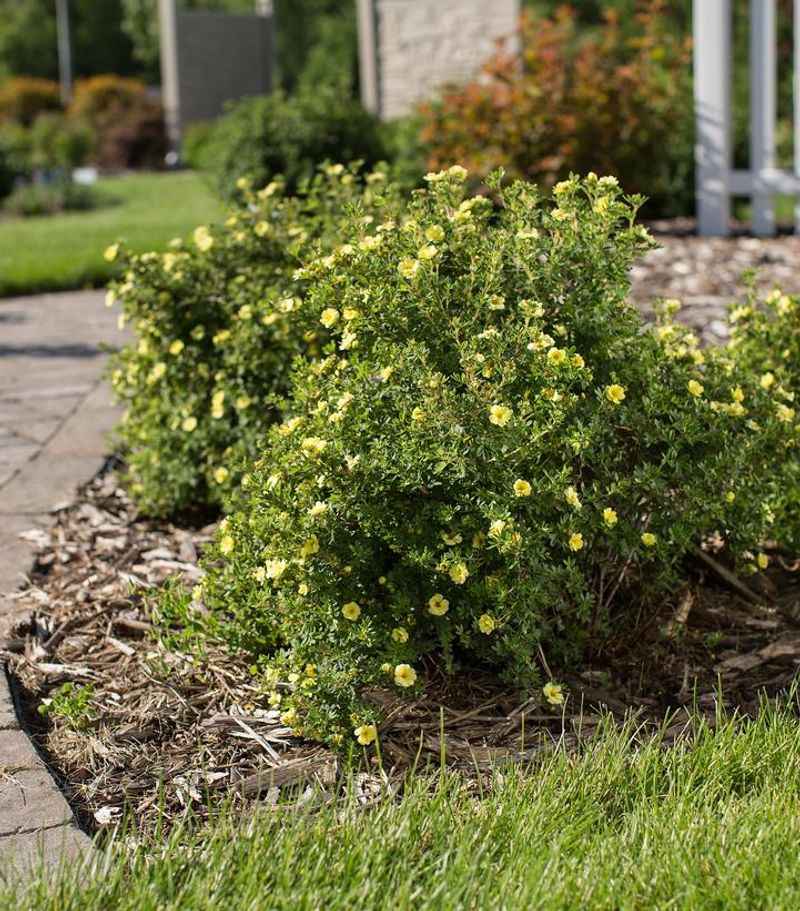
Small but mighty describes potentilla perfectly. This compact shrub blooms continuously from June until frost, which is basically unheard of in the shrub world.
Yellow flowers are most common, but varieties offer white, pink, orange, and red blooms too.
I started with one small potentilla near my mailbox eight years ago. It survived winter plowing, salt spray, drought, and general neglect while blooming cheerfully all summer.
Now I have six scattered throughout my yard because they’re just that reliable.
Size ranges from two to four feet tall depending on variety, making potentilla perfect for foundation plantings or edging larger beds. The fine-textured, almost ferny foliage creates a delicate appearance that contrasts nicely with bolder plants.
Growth habit is naturally rounded and compact without much pruning.
Full sun produces the heaviest flowering, but potentilla tolerates partial shade reasonably well. It prefers well-drained soil but adapts to various conditions.
Once established, it handles drought like a champion.
Here’s the maintenance schedule: basically nothing. No deadheading needed since flowers are small and fade cleanly.
Pruning is optional, you can trim it in early spring if you want to shape it, or just leave it alone.
Potentilla works beautifully in challenging locations where fussier plants fail. Hot, dry spots near driveways or sidewalks?
No problem. The shrub keeps flowering regardless of conditions, making your garden look carefully tended when you’ve done almost nothing.
Varieties like ‘Goldfinger’ and ‘Abbotswood’ are particularly reliable in Wisconsin.
7. Spirea Brings Easy Color To Any Garden
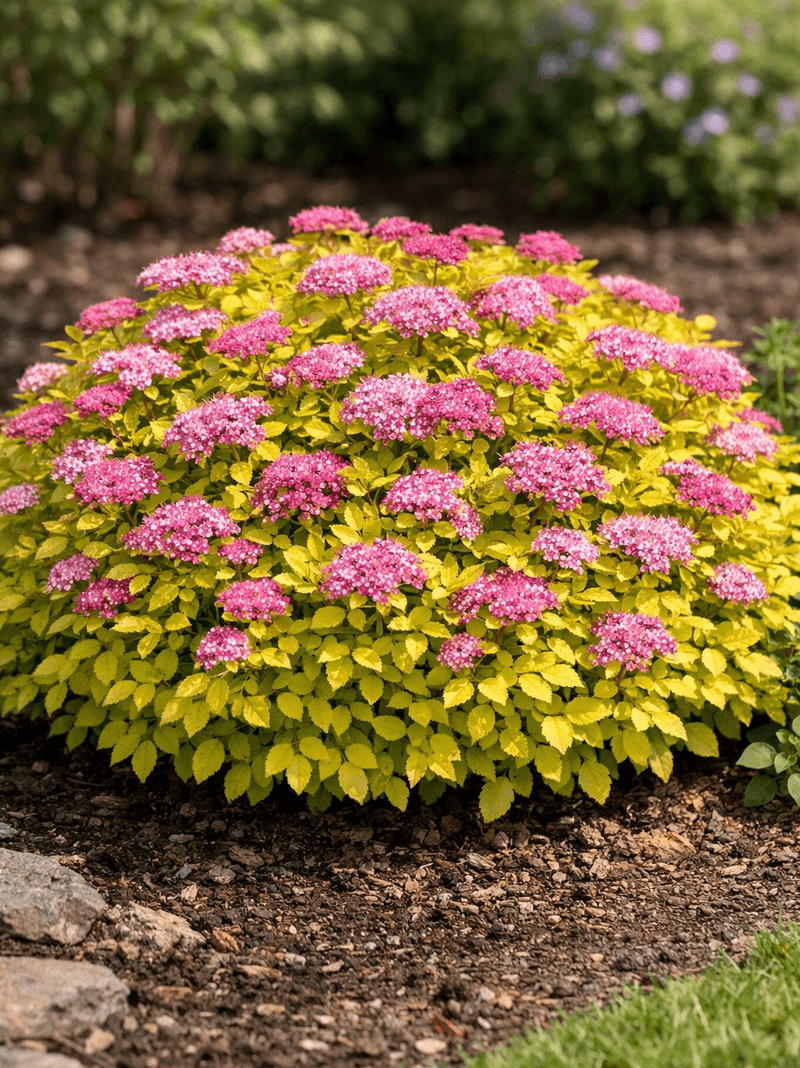
Spirea has been a garden staple for decades, and there’s good reason for its enduring popularity. This shrub delivers consistent performance without requiring much attention, making it perfect for gardeners who have better things to do than fuss over plants.
Flowers cover the entire plant in late spring or early summer, creating a spectacular display.
Varieties offer different flower colors and bloom times. Pink-flowered types like ‘Anthony Waterer’ and ‘Little Princess’ are compact and tidy.
White-flowered ‘Bridal Wreath’ types grow larger and have a more cascading form.
Many newer varieties feature colorful foliage that adds interest beyond the blooming period. Goldflame spirea emerges with orange-red new growth that matures to golden yellow, then turns reddish-bronze in fall.
It’s like having three different shrubs in one season.
Size varies dramatically by variety, ranging from two-foot dwarfs to six-foot giants. This size range means you can find a spirea for almost any landscape need.
Compact varieties work perfectly in foundation plantings or containers.
Growing requirements are minimal. Full sun produces the best flowering and foliage color, but spirea tolerates light shade.
Average soil suits it fine – no special amendments needed. Drought tolerance is decent once established.
Pruning can be done in early spring or right after flowering, depending on the type. Some gardeners cut the whole plant down to six inches every few years to rejuvenate it.
Others never prune at all and still enjoy great performance.
Japanese beetles sometimes munch the leaves, but damage is rarely serious enough to warrant intervention.
8. Forsythia Is Wisconsin’s First Sign Of Spring
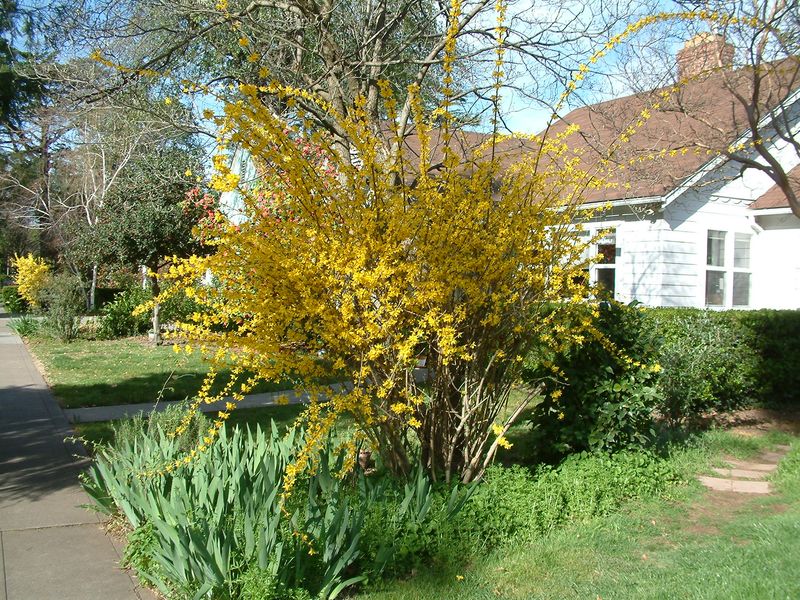
Nothing says spring has finally arrived like forsythia bursting into bloom with thousands of bright yellow flowers. This happens while everything else is still brown and dormant, making forsythia the garden’s official optimist.
The flower show lasts two to three weeks, covering every branch in sunny color.
My grandmother had a massive forsythia hedge that marked her property line. She never pruned it, never fertilized it, never did anything except enjoy the annual spring explosion.
That hedge outlasted her and still blooms every April.
After flowering, green leaves emerge and the shrub fades into the background as a serviceable but unremarkable green mass. Fall color is minimal, usually yellowish-green at best.
This is definitely a one-season star.
Size gets impressive if left unpruned, eight to ten feet tall and equally wide is common. You can prune it back hard after flowering without harming the plant, though you’ll reduce next year’s bloom somewhat.
Many gardeners prune it into formal hedges or leave it natural.
Forsythia grows in almost any soil and tolerates urban conditions surprisingly well. Full sun produces the most abundant flowering, but partial shade works too.
Drought and heat don’t faze it once established.
The biggest maintenance issue is knowing when to prune. Since flowers form on old wood, you must prune immediately after blooming.
Pruning in fall or winter removes flower buds and ruins next spring’s display.
Pests and diseases rarely bother forsythia. It’s bulletproof in terms of toughness and reliability, even if it’s boring most of the year.
9. Serviceberry Delivers Year-Round Garden Appeal
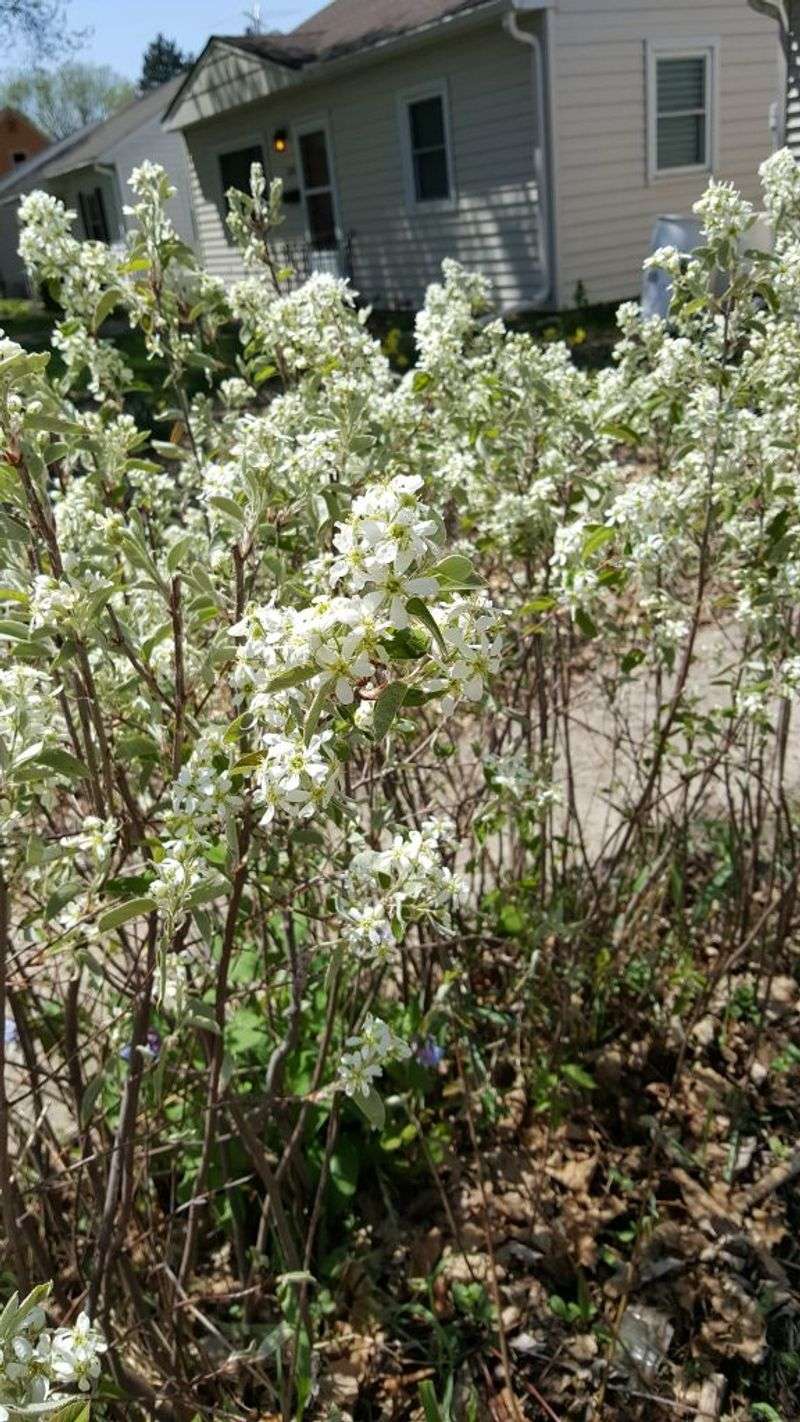
Four seasons of interest is rare in shrubs, but serviceberry delivers every single time. White flowers appear in early spring before leaves fully emerge, creating a cloud-like effect.
Edible berries ripen from red to purple-black in early summer, tasting similar to blueberries. Fall foliage blazes in shades of yellow, orange, and red.
Winter reveals attractive gray bark and interesting branching structure.
The berries are legitimately delicious, though you’ll need to beat the birds to harvest them. Cedar waxwings and robins consider serviceberries a delicacy and often clean the shrub within hours of berries ripening.
I’ve learned to pick them slightly early if I want any for myself.
Size varies by variety, ranging from shrubby four-foot forms to small tree forms reaching twenty feet. Most grow somewhere in between, typically eight to twelve feet tall.
The multi-stemmed growth habit creates an informal, natural appearance.
This native Wisconsin plant thrives in full sun to partial shade and adapts to various soil types. It prefers moisture but tolerates moderate drought once established.
Cold hardiness is exceptional, obviously.
Maintenance is nearly nonexistent. You can prune to control size or remove damaged wood, but it’s optional.
The shrub looks great without intervention. Some rust diseases occasionally appear but rarely cause serious problems.
Wildlife value is outstanding. Besides feeding birds, serviceberry provides food and shelter for numerous beneficial insects.
Pollinators love the early spring flowers when few other food sources exist.
Plant it anywhere in your landscape and enjoy year-round beauty with minimal effort required.
10. Weigela Is The Easiest Way To A Colorful Garden
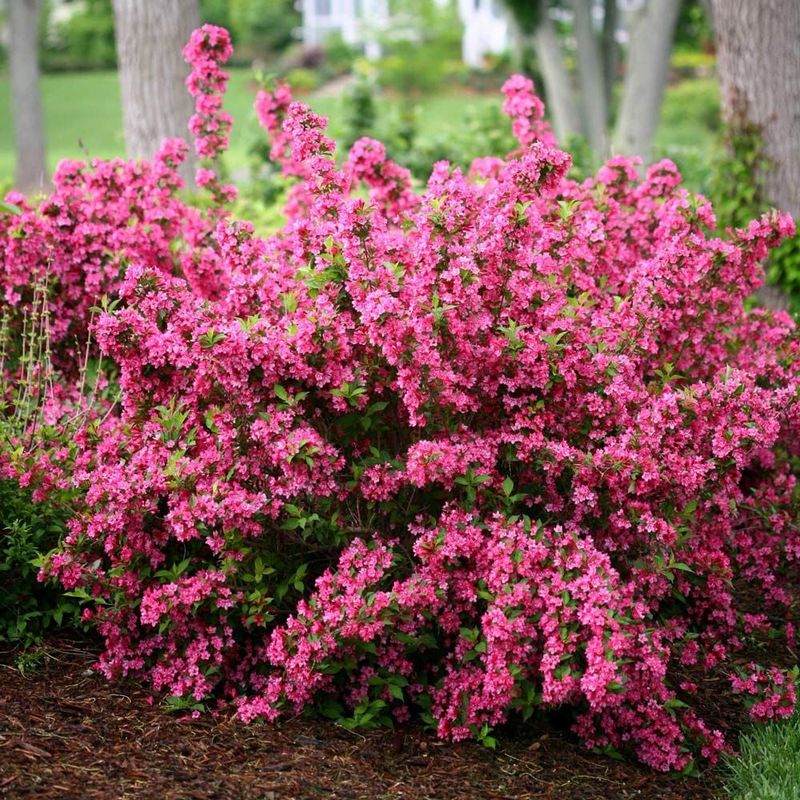
Trumpet-shaped flowers in shades of pink, red, or white cover weigela branches in late spring, creating a show that stops people in their tracks. The flowers attract hummingbirds like magnets, which is worth the price of admission alone.
I’ve counted up to five hummingbirds simultaneously visiting my weigela on busy spring mornings.
Older varieties grow quite large, reaching six to nine feet tall and wide. Newer compact varieties stay under four feet, making them suitable for smaller spaces.
Many feature colorful foliage in addition to flowers, burgundy, chartreuse, or variegated patterns add interest all season.
Weigela often produces a smaller flush of flowers in late summer, especially if you deadhead the spent spring blooms. This bonus bloom is lighter than the spring show but still appreciated.
The shrub benefits from occasional renewal pruning but performs adequately without it.
Growing conditions are flexible. Full sun produces the heaviest flowering and best foliage color, but weigela tolerates partial shade reasonably well.
Average garden soil suits it fine with no special amendments needed. Once established, it handles drought and heat without complaining.
Japanese beetles sometimes feed on the foliage in midsummer, but damage is temporary and rarely requires treatment. The shrub recovers quickly and continues growing normally.
No serious diseases affect weigela in Wisconsin gardens.
Popular varieties include ‘Wine and Roses’ with dark purple foliage and hot pink flowers, and ‘Midnight Wine’ featuring burgundy leaves on a compact plant. Both are exceptionally cold-hardy and reliable performers in Wisconsin’s challenging climate, requiring almost no maintenance beyond occasional watering during establishment.