Don’t Throw Away Eggshells If You Grow These 12 Oregon Plants
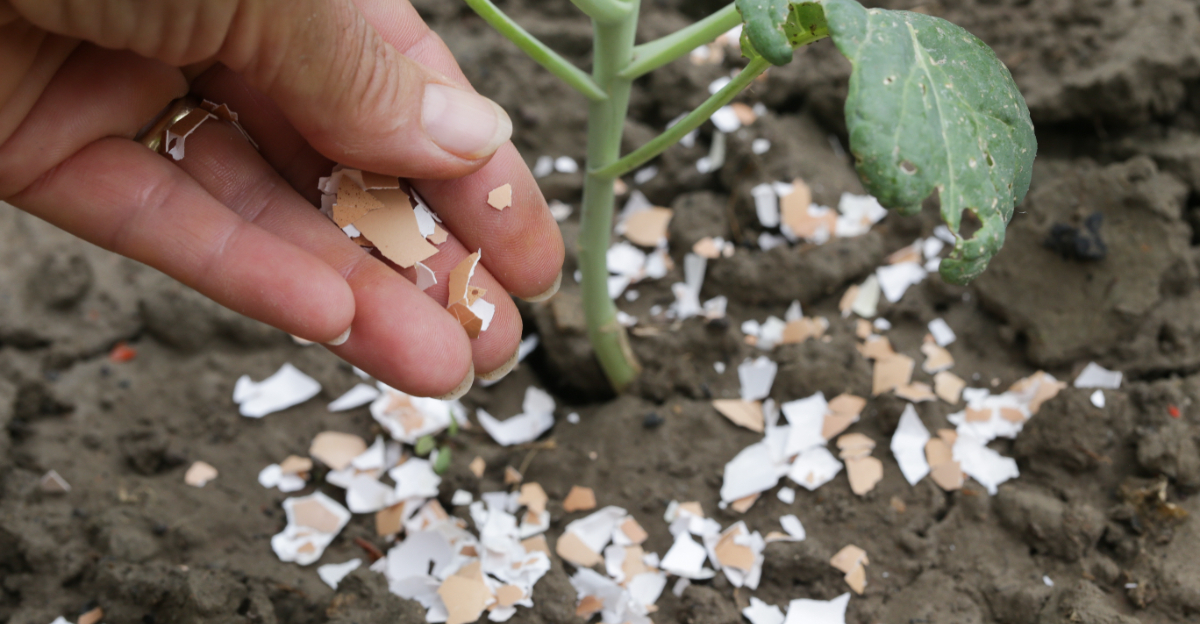
Before you toss those eggshells in the trash, just wait. Those brittle little leftovers from your morning scramble are worth more in an Oregon garden than most people ever give them credit for.
It sounds like the kind of tip your grandma would have sworn by, and honestly? Grandma was onto something.
Eggshells are packed with calcium, and calcium is something a surprising number of garden plants are quietly desperate for. Without enough of it, certain vegetables crack, rot, and underperform in ways that are easy to misdiagnose.
Certain ornamentals struggle too. The fix is often sitting right there in your kitchen, completely free, and destined for the garbage can.
Oregon’s naturally acidic soil makes the right plants even more responsive to the slow calcium boost eggshells provide over time.
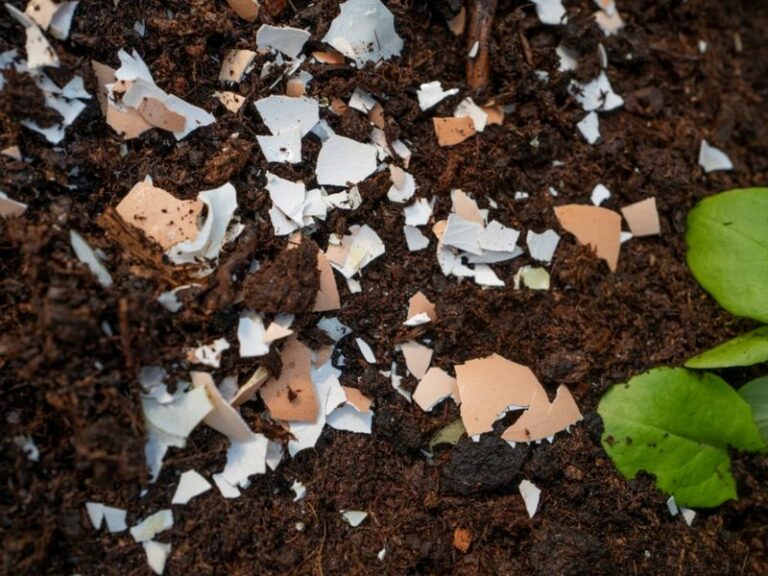
Rinse them, crush them, and put them to work. Your garden will absolutely notice the difference.
1. Tomatoes
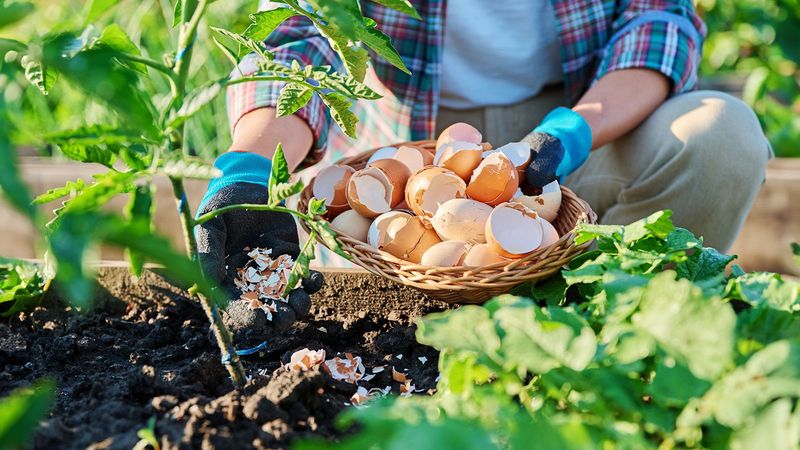
Calcium is one of the most important nutrients for growing great tomatoes, and eggshells are loaded with it. Without enough calcium, tomato plants can develop a frustrating problem called blossom end rot.
That’s when the bottom of the tomato turns black and mushy before it even gets a chance to ripen.
Oregon gardeners know how unpredictable the growing season can be, especially in coastal areas where cool, wet springs slow things down. Adding crushed eggshells to the soil before planting helps build up calcium reserves early.
The shells break down slowly and keep feeding the plant all season long.
To use them, dry your eggshells out and crush them into small pieces. Mix them into the soil a few inches deep around each tomato plant.
You can also add them to your compost pile and let them break down there first. Either way, your tomatoes will have a much better chance of producing big, healthy fruit.
In Oregon’s shorter growing season, every little advantage counts. Eggshells are one of the easiest and cheapest ways to give your tomato plants a real boost from the ground up.
2. Peppers
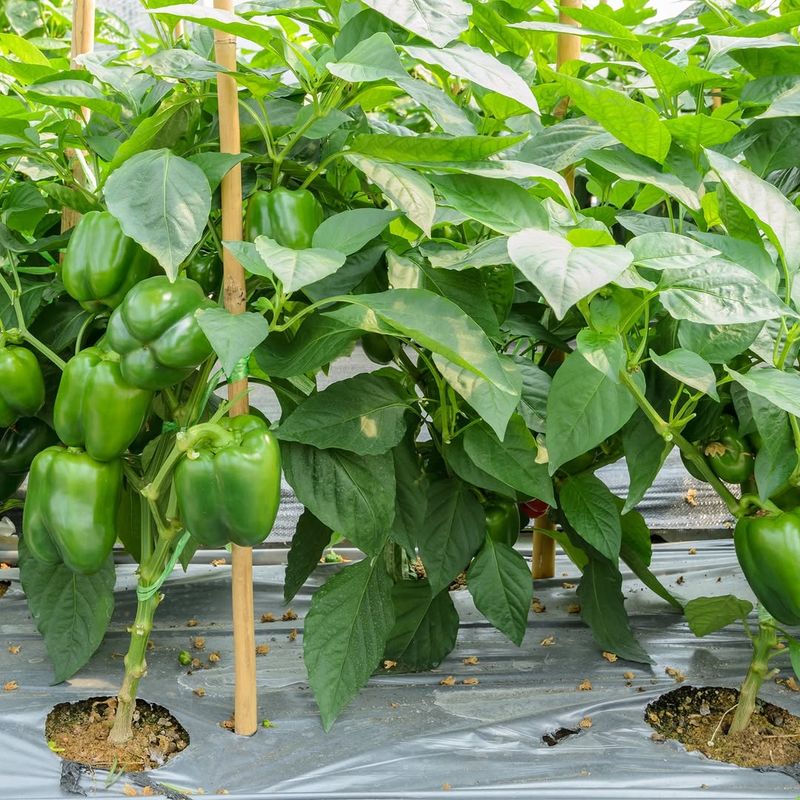
Peppers and tomatoes are close cousins in the garden, and they share the same weakness when it comes to calcium. Blossom end rot hits pepper plants just as hard, turning the tips of the fruit brown and ruining the harvest.
Crushed eggshells added to the planting hole can help prevent this from happening in the first place.
Growing peppers in Oregon takes a little extra effort because the state’s climate can be too cool for them in some years. Gardeners in the Willamette Valley and southern Oregon have the best luck, but everyone can benefit from well-prepared soil.
Eggshells help improve soil structure, which allows roots to spread out and absorb water and nutrients more effectively.
Start saving your shells a few weeks before planting season. Rinse them off, let them dry completely, then crush or grind them up.
Sprinkle a generous handful into each planting hole before dropping in your pepper transplant. Cover with soil and water well.
Your Oregon Garden Changes Every Week. Your Plan Should Too.
Gardening in Oregon changes quickly throughout the season. Every Friday you’ll receive a simple weekly plan showing exactly what to plant, prune, fertilize, harvest, and protect so you never miss the right timing.
As the season goes on, you can top-dress around the base of each plant with more crushed shells. Peppers grown in calcium-rich soil tend to be firmer, tastier, and far more productive throughout the warm Oregon summer months.
3. Eggplants
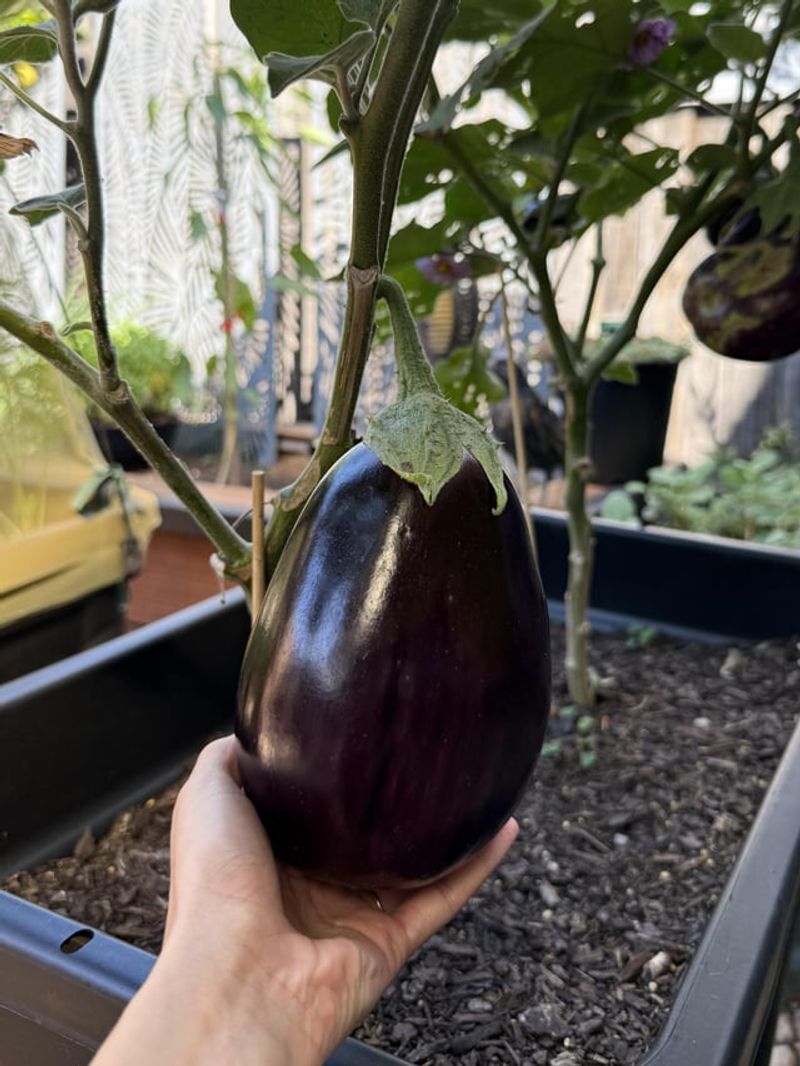
Gardeners in southern Oregon cities like Medford and Ashland have the warmest summers in the state, making those areas ideal spots for growing beautiful, glossy eggplants. But no matter where you garden in Oregon, eggshells can give your plants a serious advantage.
Like peppers and tomatoes, eggplants are prone to calcium deficiency when the soil lacks the right minerals. Adding crushed eggshells to your beds before transplanting helps prevent soft spots and uneven ripening.
The shells also slightly raise soil pH over time, which can benefit eggplants growing in overly acidic Oregon soils.
Work crushed shells into the top few inches of soil about two weeks before planting. This gives them a little time to start breaking down before your transplants go in.
You can also mix shells into your compost and use that enriched compost as a soil amendment. Eggplants need consistent moisture and nutrients to produce well, and eggshells support both by improving soil texture.
With a little prep work and a handful of saved shells, your Oregon eggplants can grow into impressive, heavy-bearing plants that produce all the way through early fall.
4. Squash
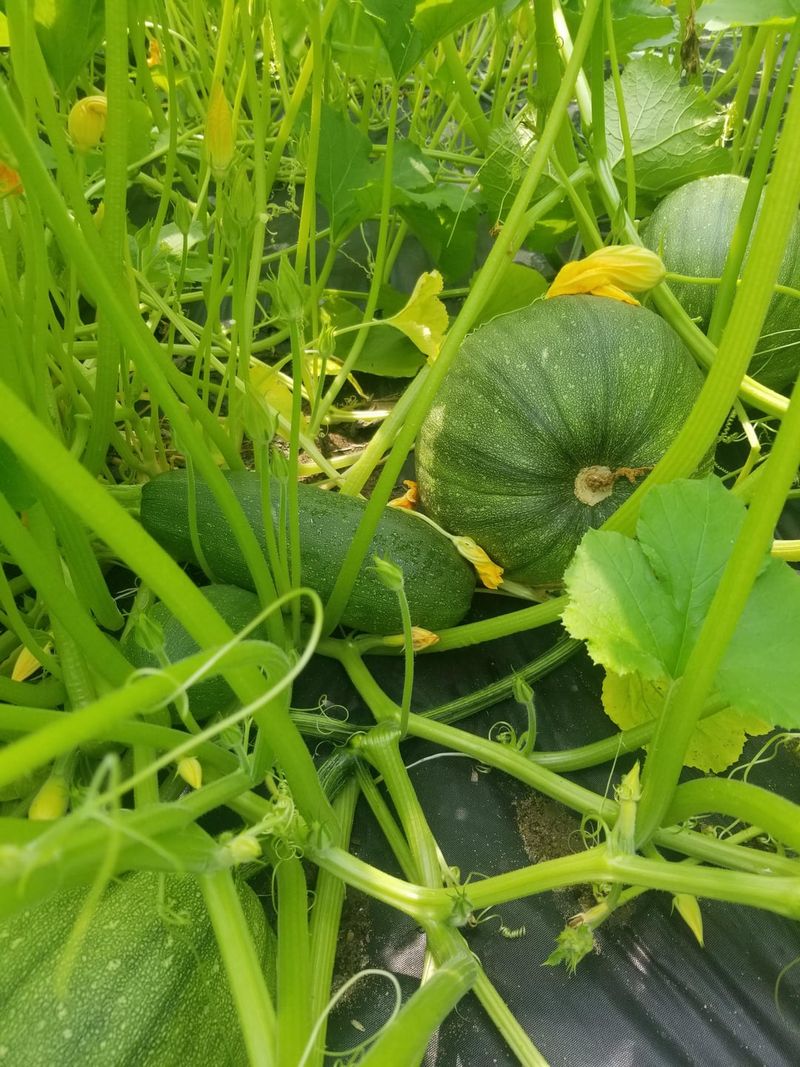
These plants are big, hungry growers that pull a lot of nutrients from the soil over the course of a season. Calcium is one of those key nutrients, and without enough of it, squash can develop soft, rotting spots on the fruit similar to what happens with tomatoes.
Eggshells are a simple, free fix that many Oregon gardeners swear by.
Zucchini, butternut, acorn, and spaghetti squash all grow well across Oregon, especially in the warmer inland valleys. Whether you’re growing in a raised bed in Salem or a large garden plot in the Rogue Valley, adding eggshells to your squash beds is an easy habit to pick up.
Squash roots are wide-spreading, so scatter the crushed shells in a broad area around each plant rather than just at the base.
Eggshells also help with pest control. Slugs and snails, which are a constant problem in Oregon’s wet western regions, don’t like crawling over sharp, jagged shell pieces.
Sprinkling crushed shells around your squash plants creates a rough barrier that discourages these pests from reaching the leaves and stems. It’s a two-for-one benefit that makes eggshells one of the most useful things you can recycle straight from your Oregon kitchen into the garden.
5. Cucumbers
Cucumbers grow fast and produce a lot of fruit in a short amount of time, which means they need steady access to nutrients throughout the whole growing season. Calcium plays a big role in keeping the fruit firm and the vines strong.
Eggshells deliver that calcium slowly and steadily as they break down in the soil, which is exactly what cucumber plants need.
Oregon’s mild summers are actually great for growing cucumbers, especially in the Willamette Valley where warm days and cool nights create ideal conditions. But Oregon soils can sometimes be on the acidic side, and cucumbers prefer a slightly neutral pH.
The calcium carbonate in eggshells helps neutralize overly acidic soil, making nutrients more available to the plants.
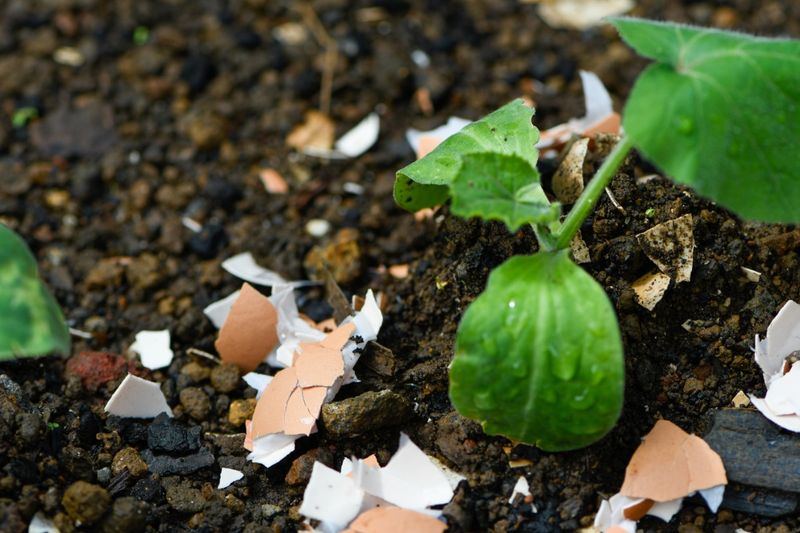
Crush your eggshells finely and mix them into the soil before you plant your cucumber seeds or transplants. You can also use them as a mulch layer on top of the soil, which will slowly break down with each watering.
Another great trick is to brew eggshell tea by soaking crushed shells in water overnight and using that liquid to water your plants. Cucumbers fed this way tend to produce crunchier, better-tasting fruit with fewer problems from tip rot or soft spots.
6. Broccoli
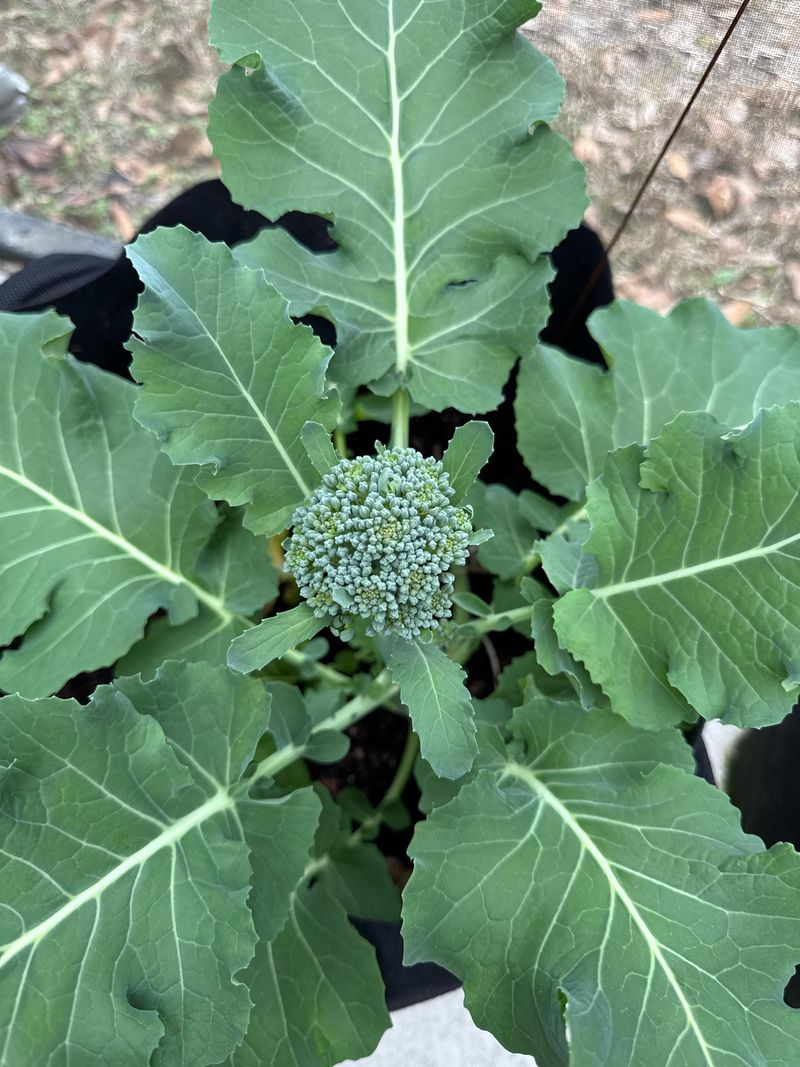
Broccoli is one of the most popular vegetables grown in Oregon, and for good reason. The state’s cool, mild climate is almost perfectly suited for this leafy brassica.
Broccoli thrives in temperatures that other vegetables find too cold, making it a go-to crop for spring and fall gardens across the Pacific Northwest. And eggshells can make it grow even better.
Brassica vegetables like broccoli are heavy calcium feeders. A calcium shortage shows up as brown or hollow stems, stunted heads, and poor overall growth.
Mixing crushed eggshells into your garden beds before planting gives broccoli the mineral boost it needs to develop big, tight heads with strong, sturdy stems.
Eggshells also help with clubroot, a common fungal disease that attacks brassica roots in acidic Oregon soils. Raising the soil pH slightly with eggshells can reduce the risk of clubroot taking hold.
Sprinkle a cup or two of crushed shells around each broccoli plant and work them into the top inch of soil. Repeat this every few weeks throughout the growing season for the best results.
Oregon gardeners who grow broccoli in raised beds with added eggshells often report noticeably larger heads and healthier plants compared to those grown without any calcium supplementation.
7. Cabbage
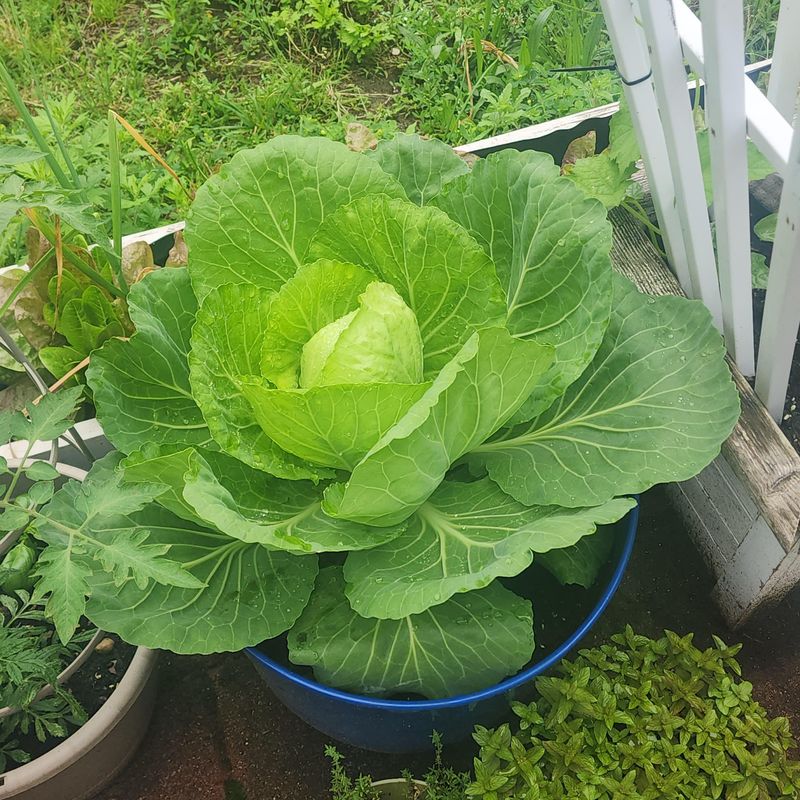
This is a tough, reliable vegetable that does extremely well in Oregon’s cool, damp climate. It’s a staple in many Oregon home gardens, especially in the wet western part of the state where the long, mild growing season lets cabbages develop slowly and form tight, heavy heads.
Eggshells are a natural partner for cabbage because of the calcium they provide.
Without enough calcium, cabbage leaves can develop a condition called tip burn, where the edges of the inner leaves turn brown and papery. This happens when the plant can’t move calcium fast enough to the growing parts.
Adding eggshells to the soil helps ensure there’s always plenty of calcium available, especially during rapid growth spurts in spring and early summer.
Just like broccoli and other brassicas, cabbage is also at risk for clubroot in acidic soils. The calcium carbonate in eggshells helps raise the soil pH and create a less welcoming environment for the fungus that causes clubroot.
Work a generous amount of crushed shells into your cabbage bed before planting each season. Over time, regular eggshell use builds up the soil’s calcium levels and improves its structure.
Oregon gardeners who do this consistently tend to grow some of the biggest, most beautiful cabbages you’ll ever see at a local farmers market.
8. Kale
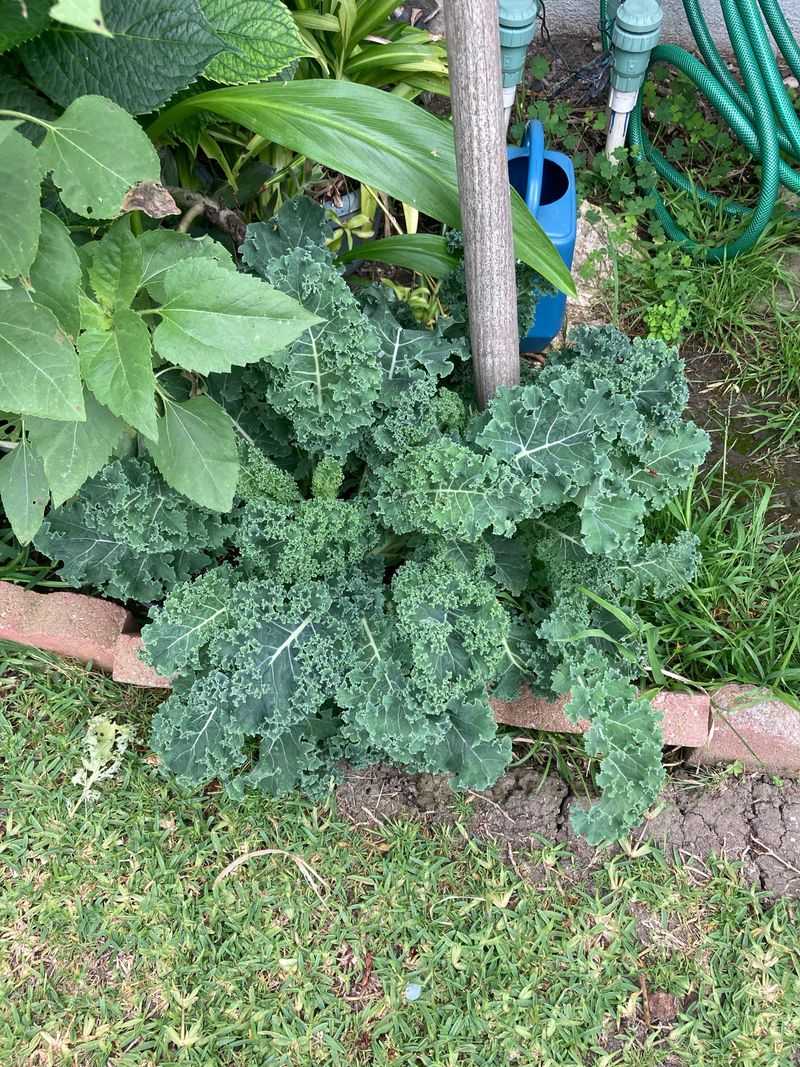
Kale has become one of Oregon’s most beloved vegetables, and you’ll find it growing in backyard gardens, community plots, and urban farms all across the state. Portland in particular has a thriving food culture built around fresh, locally grown greens, and kale is right at the center of it.
What most people don’t realize is that kale is a calcium-hungry plant that absolutely benefits from eggshells in the soil.
Calcium helps kale develop strong cell walls, which makes the leaves more resistant to disease and physical damage. It also plays a role in how the plant absorbs other nutrients like magnesium and potassium.
When calcium levels are low, kale can look pale, grow slowly, and become more vulnerable to pests and fungal problems that are already common in Oregon’s wet climate.
Crush your eggshells and mix them into the soil before planting kale transplants or seeds. You can also top-dress around established plants every few weeks to keep calcium levels consistent.
Kale is a cut-and-come-again vegetable, meaning you harvest outer leaves and the plant keeps producing. Strong, calcium-fed kale can produce all the way from early spring through winter in many parts of Oregon, giving you fresh greens for months on end with very little extra effort.
9. Roses
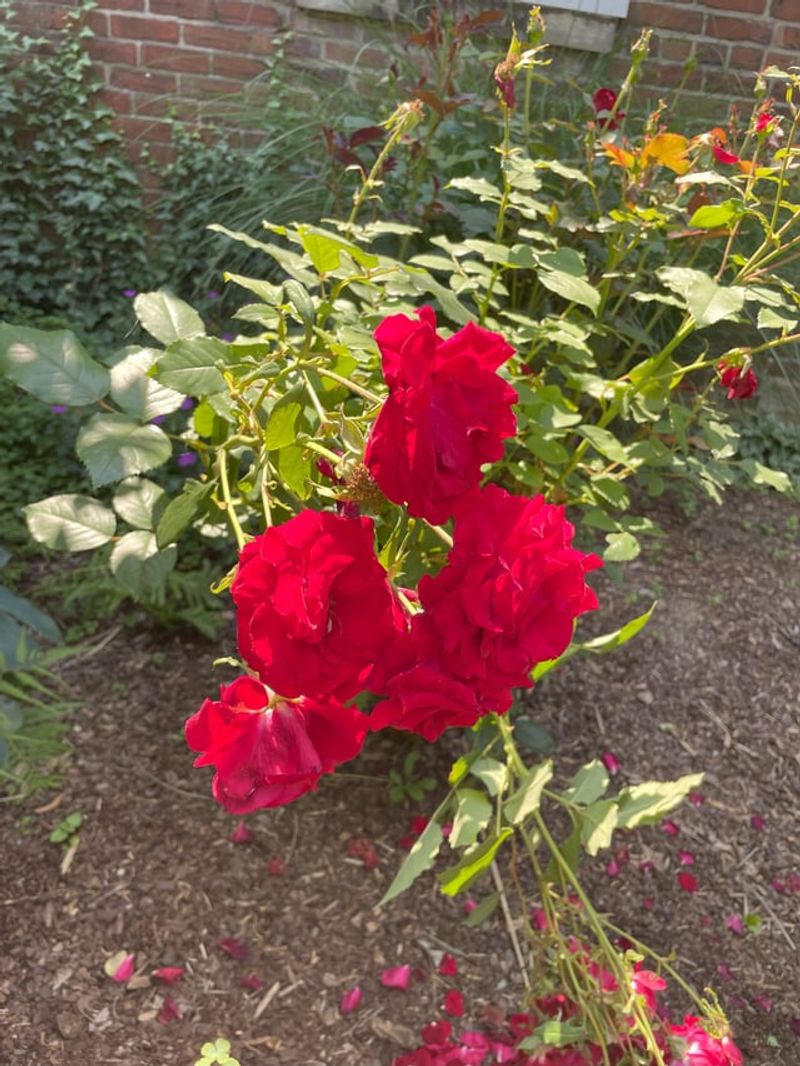
Roses are one of the most beloved flowering plants in Oregon, and the city of Portland is even nicknamed the City of Roses for good reason. The mild, wet winters and warm summers create near-perfect conditions for growing roses that bloom with incredible color and fragrance.
To get the most out of your rose bushes, though, the soil needs to be rich in calcium, and that’s where eggshells come in.
Calcium helps roses build strong canes and develop healthy root systems. It also plays a role in flower development, helping blooms open fully and hold their shape longer.
Rose bushes that lack calcium can look weak and leggy, and their flowers may be smaller and less vibrant than expected. Eggshells added to the soil around roses provide a steady, slow-release source of calcium that keeps plants nourished all season.
Crush your shells well and work them into the soil around the base of each rose bush. You can also add them to the hole when planting new roses.
Some Oregon gardeners mix eggshells with banana peels and coffee grounds for a homemade rose fertilizer blend that covers calcium, potassium, and nitrogen all at once. This combination can produce noticeably fuller blooms and healthier foliage throughout Portland’s long and beautiful rose season.
10. Hydrangeas
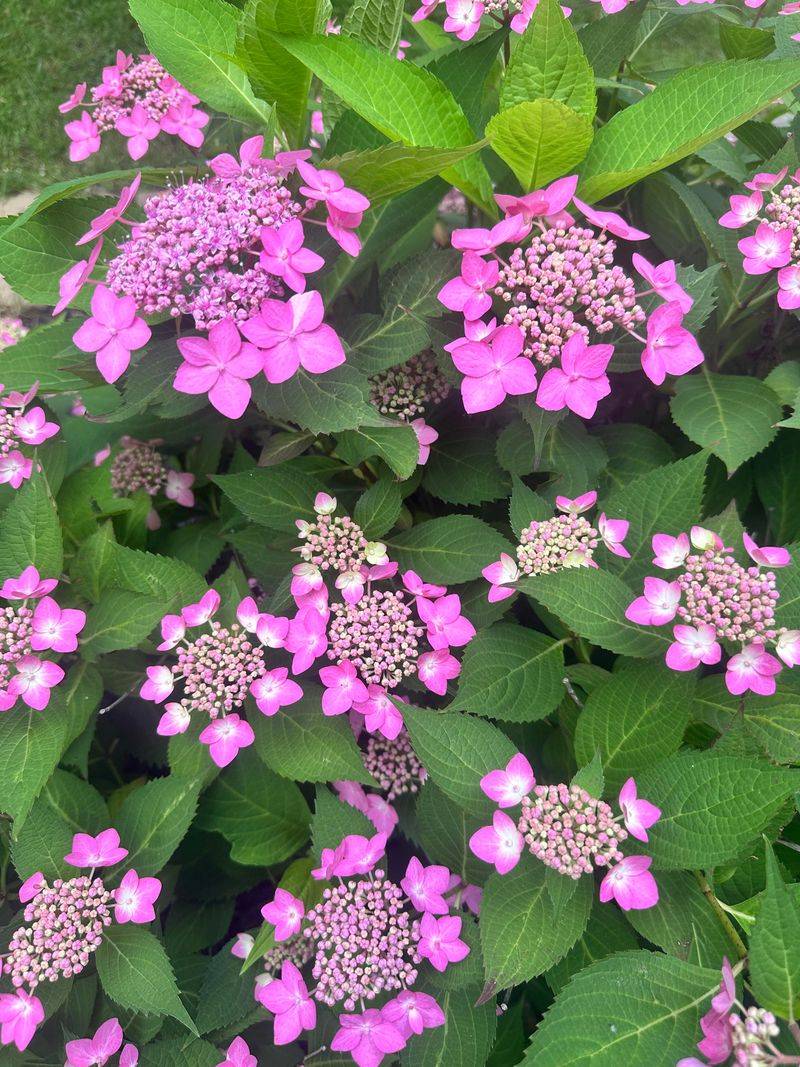
One of the most interesting things about hydrangeas is that their flower color is directly affected by soil pH. Acidic soil produces blue flowers, while more alkaline soil produces pink ones.
Since eggshells raise soil pH slightly, adding them around your hydrangeas can actually shift the blooms from blue toward pink over time.
Beyond color, calcium from eggshells helps hydrangeas grow strong woody stems that can support those big, heavy flower heads without flopping over. Oregon’s rainy seasons can weigh down flower clusters, and structurally strong stems make a big difference in how well the plant holds up.
Calcium also supports healthy leaf development, giving hydrangeas that deep, rich green color that makes the flowers pop.
If you love the blue flowers and don’t want to change the color, just use eggshells in moderation and keep the soil slightly acidic with other amendments like coffee grounds or pine needle mulch. But if you want to encourage those gorgeous pink and purple shades, sprinkle crushed shells generously around the base of your hydrangeas each spring.
Oregon gardeners in Eugene and Corvallis have had great success using eggshells as part of a balanced, natural approach to feeding their hydrangeas year after year.
11. Clematis
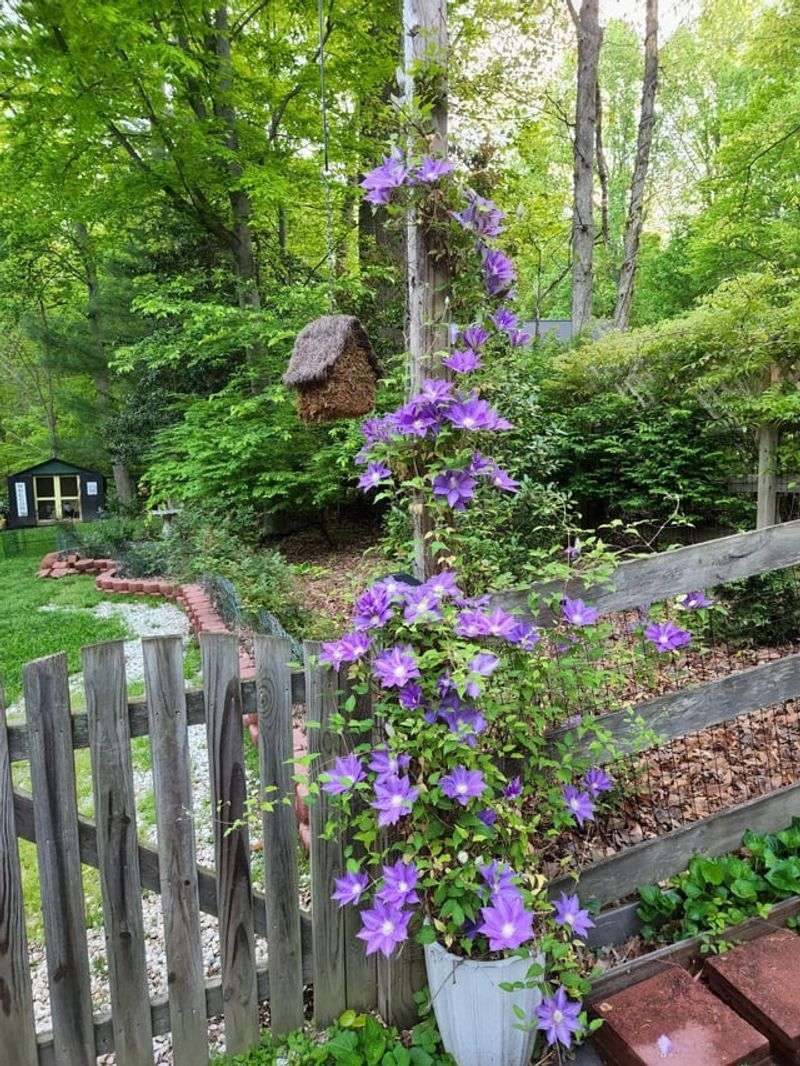
The large, star-shaped flowers come in shades of purple, pink, white, and deep red, and they can completely transform a plain fence or trellis into something truly eye-catching. What many gardeners don’t know is that clematis absolutely loves a soil that’s slightly alkaline, and eggshells are one of the best natural ways to achieve that.
Clematis roots are sensitive and prefer cool, moist conditions. The plant likes to have its head in the sun and its roots in the shade, which is why Oregon gardeners often plant low-growing perennials around the base.
Adding crushed eggshells to the planting area helps raise the pH just enough to keep clematis happy while also improving drainage so the roots don’t sit in waterlogged soil during Oregon’s long, wet winters.
Work a generous amount of crushed eggshells into the soil when planting a new clematis, and top-dress with more shells each spring as the plant breaks dormancy. Clematis is a long-lived perennial that can grow for decades in the same spot, so building good soil from the start pays off for years to come.
Oregon gardeners in the Willamette Valley who do this consistently are rewarded with truly spectacular floral displays every single spring and summer.
12. Lavender
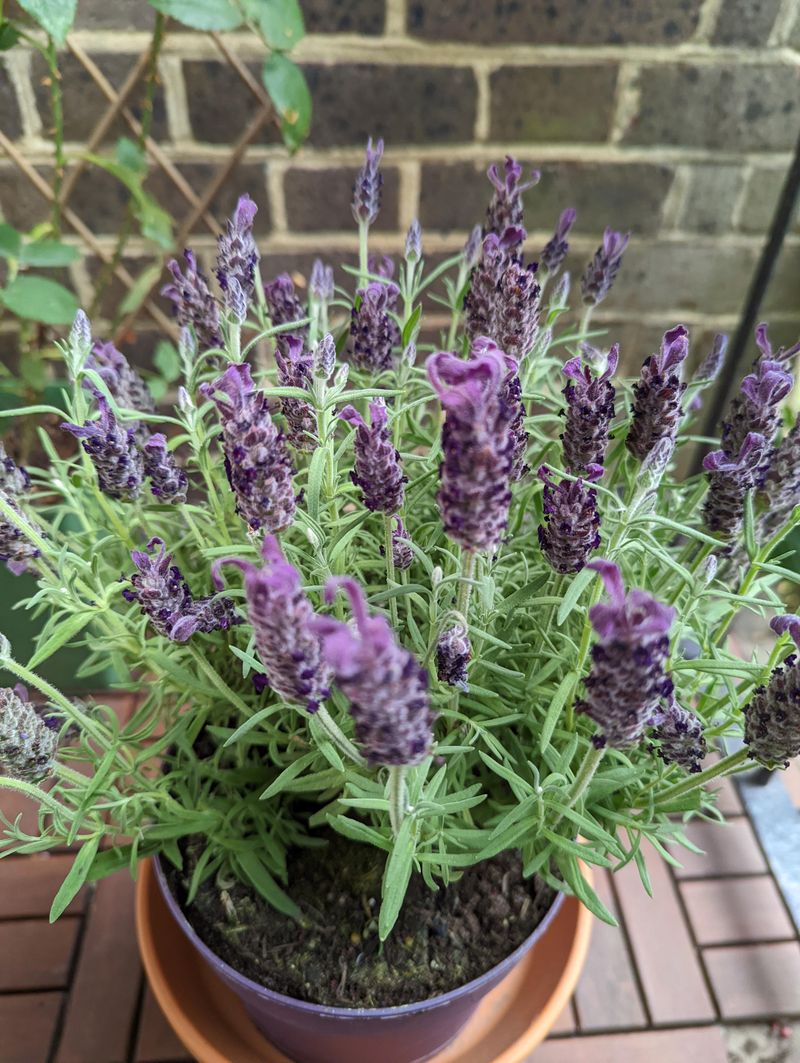
Lavender is one of those plants that seems almost made for Oregon’s dry eastern landscapes and sunny southern valleys. The Willamette Valley and areas around the Cascade foothills have become popular spots for lavender farms, and many Oregon home gardeners grow it for its gorgeous purple spikes and incredible fragrance.
Lavender thrives in well-drained, slightly alkaline soil, which makes eggshells a perfect natural soil amendment for this plant.
Most Oregon soils tend to be on the acidic side, especially in the western part of the state where rainfall is heavy. Lavender doesn’t do well in acidic, soggy soil.
It prefers lean, gritty conditions with a higher pH. Mixing crushed eggshells into the planting area and into the surrounding soil helps shift the pH in the right direction, making conditions much more suitable for lavender to thrive.
Eggshells also improve soil drainage when mixed into heavy clay soils, which is another big win for lavender growers in western Oregon. Crush the shells into medium-sized pieces rather than grinding them to a fine powder, since the larger pieces help open up the soil texture.
Top-dress around your lavender plants each spring with a fresh layer of crushed shells. Over time, this simple practice can mean the difference between lavender that barely survives and lavender that grows into full, fragrant, long-lasting shrubs that bloom beautifully every year across Oregon.