How To Make Your Lantana Bloom Like Crazy All Summer Long In Michigan
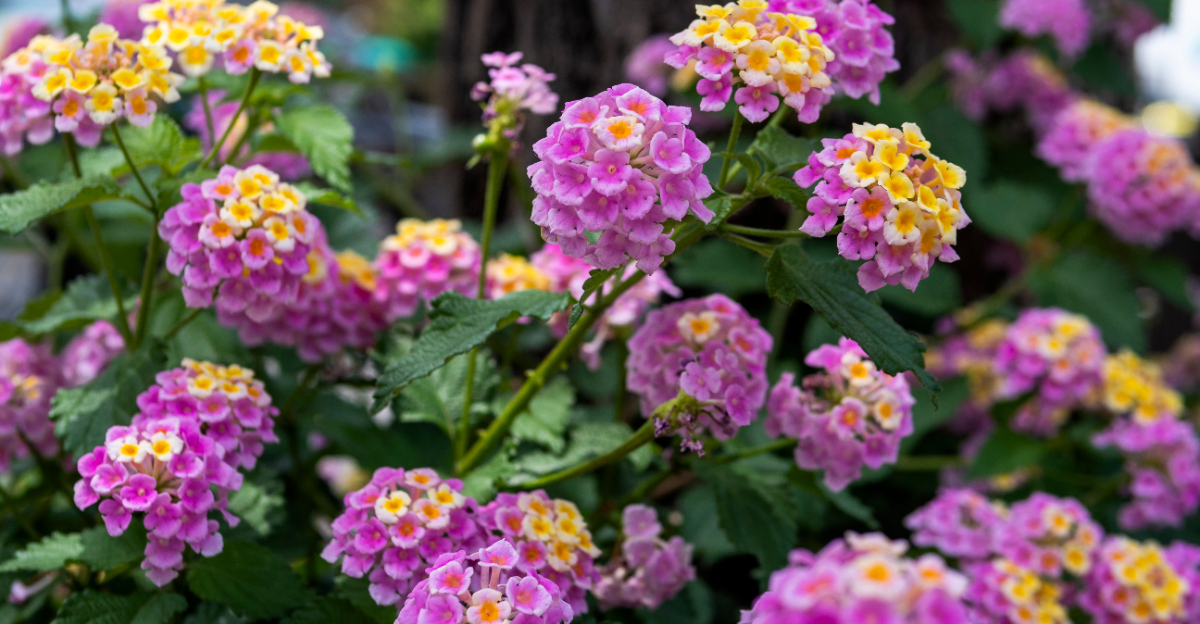
Lantana is one of those plants that can either be a summer standout or a quiet disappointment depending on how it is managed, and Michigan gardeners have a slightly different set of conditions to work with than growers in warmer states where lantana behaves almost automatically.
The growing season here is shorter, which means you need lantana producing at full capacity as quickly as possible and continuing that output right up until frost.
The good news is that lantana responds very directly to the right care, and the plants that bloom continuously all summer in Michigan yards are almost always receiving a few specific things consistently. Left completely on its own, lantana will bloom adequately.
Given a little targeted attention in the right areas, it transforms into something that stays covered in flower clusters from early summer through fall and draws in butterflies every single week.
These are the practices that actually make the difference and why each one matters for Michigan’s specific growing window.
1. Treat It As An Annual For Best Results
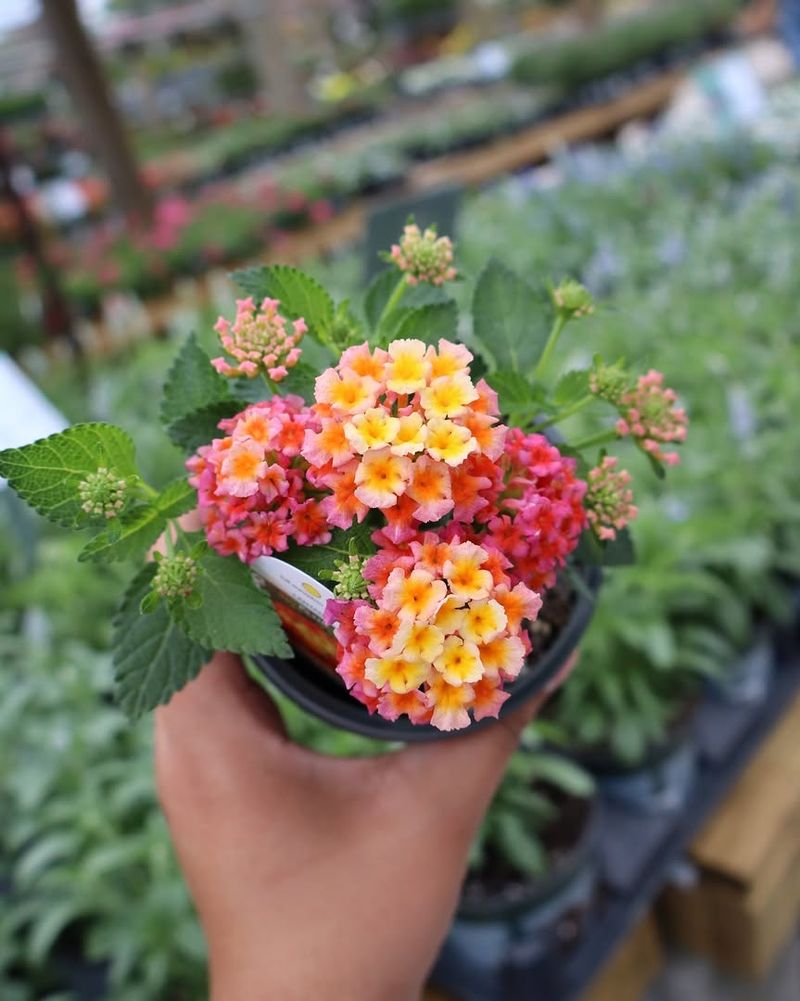
Here is something every Michigan gardener should know right away: lantana is not built to survive a Michigan winter outdoors. Lantana camara, the most common variety, is a tropical plant that simply cannot handle freezing temperatures and heavy frost.
Once you accept that and plan around it, everything gets so much easier.
Growing lantana as a warm-season annual means you plant fresh each spring and enjoy incredible blooms all summer long.
Many gardeners in Michigan actually prefer this approach because it gives them the freedom to try new colors and varieties every single year. Vibrant pinks, fiery oranges, sunny yellows, and bold purples are all on the table.
If you really love a particular plant, you can bring it indoors before the first frost hits in fall and overwinter it in a sunny window or under grow lights. Keep it barely watered and in a warm spot, then ease it back outside once spring warms up.
Either way, treating lantana as an annual removes the guesswork and sets you up for a season packed with color and blooms that truly impress.
2. Wait For Warm Soil Before You Plant
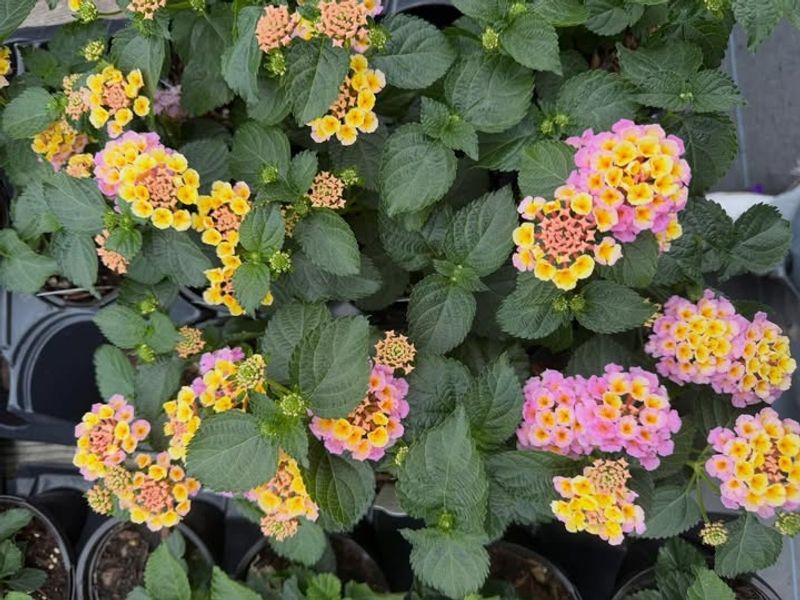
Patience really pays off when it comes to planting lantana in Michigan. Rushing to get it in the ground too early is one of the most common mistakes gardeners make, and it can set your plant back by weeks.
Lantana needs warmth, and cold soil simply stresses it out before it even gets started.
Wait until all frost risk has completely passed, which in most parts of Michigan means late May to early June. Nighttime temperatures should stay consistently above 50 degrees Fahrenheit before you even think about planting.
Cold nights slow root development, delay flowering, and can leave your plant looking sad and stunted for far too long into the season.
A simple soil thermometer is a great tool to have on hand. You want the soil to read at least 60 degrees Fahrenheit at planting depth before setting your lantana in the ground.
Your Michigan Garden Changes Every Week. Your Plan Should Too.
Gardening in Michigan changes quickly throughout the season. Every Friday you’ll receive a simple weekly plan showing exactly what to plant, prune, fertilize, harvest, and protect so you never miss the right timing.
The good news is that once the soil warms up in Michigan, it tends to stay warm through summer, which is exactly what lantana craves.
A little extra waiting time in spring leads to faster establishment and a much more impressive bloom display from July all the way through September and beyond.
3. Give Your Lantana Eight Or More Hours Of Full Sun
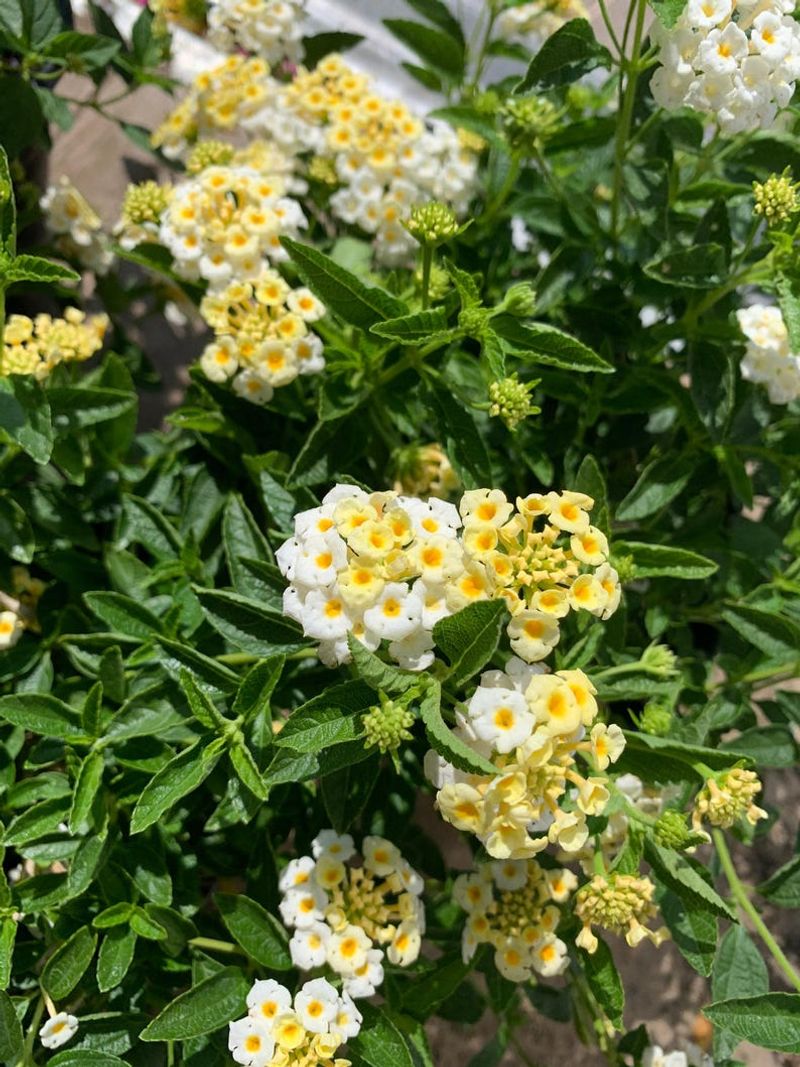
Sunlight is not just helpful for lantana, it is absolutely essential. This plant runs on sunshine, and the more direct sun it gets, the more flowers it produces.
In Michigan, choosing the sunniest spot in your yard is one of the single best decisions you can make for your lantana all season long.
Aim for at least eight hours of direct sunlight every day. Spots near south-facing walls, open garden beds, or sunny patios work beautifully.
When lantana does not get enough sun, it tends to stretch out and get leggy, producing far fewer blooms and losing that gorgeous, full appearance that makes it so eye-catching in the first place.
Michigan summers can bring some cloudy stretches, so picking the brightest possible location gives your plant the best chance to thrive even on less-than-perfect days.
Avoid planting near large trees or structures that cast shade during peak daylight hours. Full sun also helps warm the soil around the plant, which lantana loves deeply.
Once you find that perfect sunny spot, your lantana will reward you with wave after wave of brilliant blooms that keep going strong from early summer right through the cooler days of early fall in Michigan.
4. Use Very Well-Drained Soil To Prevent Root Problems
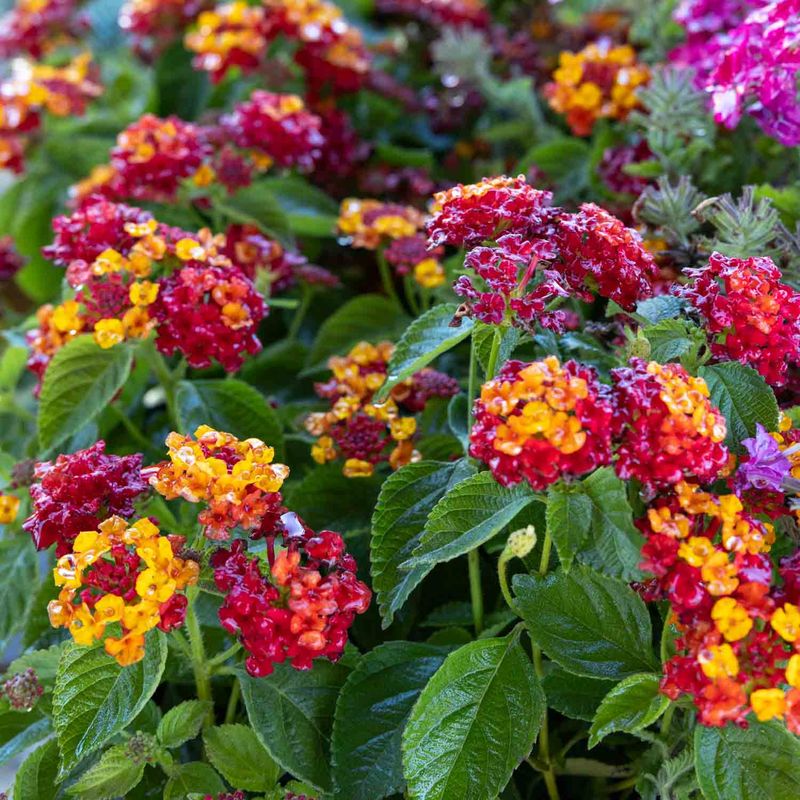
Lantana has one non-negotiable requirement when it comes to soil, and that is excellent drainage. Standing water and soggy roots are the quickest way to ruin an otherwise healthy plant.
Michigan has plenty of clay-heavy soils in many regions, so this is something you need to plan for carefully before planting.
In garden beds, avoid areas where water pools after rain. If your soil is heavy or compacted, work in generous amounts of coarse sand or perlite to improve drainage before planting.
Raised beds are also a fantastic option because they naturally drain better and warm up faster in spring, giving your lantana a strong head start during Michigan’s shorter growing season.
Container planting is another excellent solution for Michigan gardeners dealing with poor native soil. Use a high-quality potting mix designed for fast drainage and make sure your containers have plenty of drainage holes at the bottom.
Terracotta pots actually work really well because they allow moisture to escape through the sides, keeping the root zone drier.
When roots stay healthy and the soil drains properly, lantana channels all of its energy into producing those gorgeous, colorful blooms instead of fighting off stress from waterlogged conditions.
5. Water Deeply But Let The Soil Dry Out A Little Between Sessions
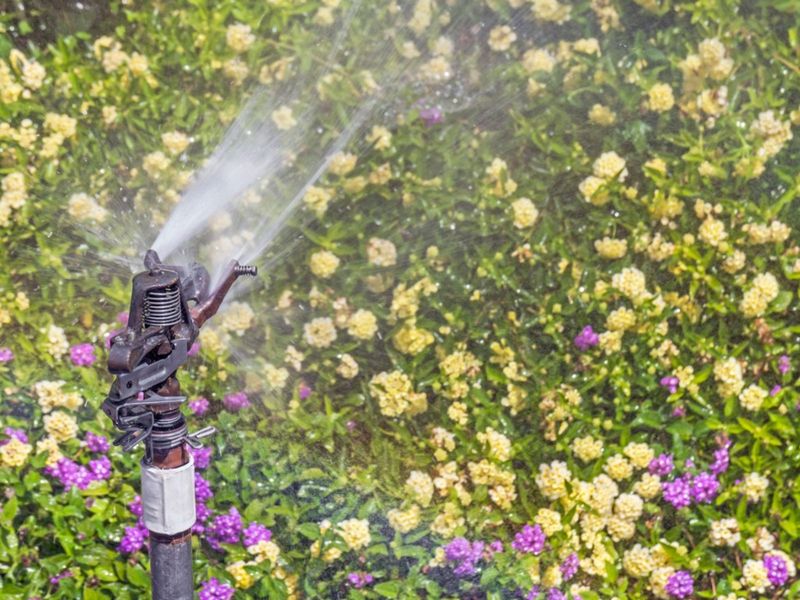
Watering lantana correctly makes a bigger difference than most people expect. Too much water is actually more of a problem than too little, which surprises a lot of new gardeners.
Lantana is naturally drought-tolerant and genuinely thrives when you let the soil dry out slightly between watering sessions.
The best approach is to water deeply and then wait. Push your finger about two inches into the soil near the plant.
If it still feels damp, hold off and check again in a day or two. When the top couple of inches feel dry, that is your signal to water thoroughly until it drains from the bottom of the container or soaks well into the ground in a garden bed.
Overwatering is a real concern in Michigan during rainy summer stretches. If your area gets a good soaking rain, skip your regular watering schedule and let the plant manage on its own for a few days.
Consistently wet soil reduces flowering noticeably and can lead to unhealthy roots over time. Lantana actually responds to mild dry periods by pushing out more blooms, almost as if the slight stress encourages it to flower harder.
Getting the watering rhythm right is one of the most rewarding adjustments you can make for a spectacular summer display.
6. Go Easy On The Fertilizer To Maximize Blooms
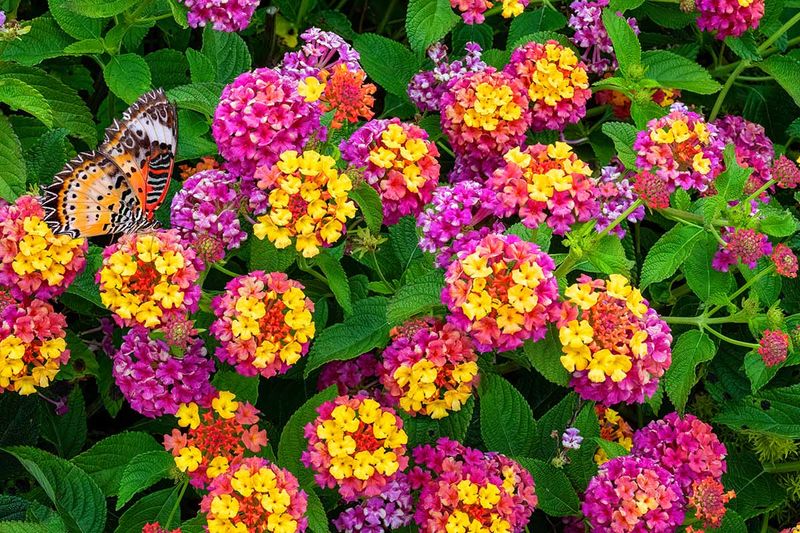
More fertilizer does not mean more flowers when it comes to lantana, and that is a fact worth writing down. Many enthusiastic gardeners make the mistake of feeding heavily, expecting bigger and better blooms, but the opposite usually happens.
Too much fertilizer, especially anything high in nitrogen, pushes the plant to produce lush green leaves instead of the colorful flowers you are working so hard to get.
Lantana actually performs beautifully in moderately lean soil. If you want to feed it at all, use a slow-release balanced fertilizer applied once at the start of the season, and keep it light.
A granular 10-10-10 blend worked into the soil at planting time is usually more than enough to support healthy growth throughout a Michigan summer without overdoing it.
Skip the heavy liquid fertilizer treatments that are tempting to reach for when growth seems slow. In most cases, lantana slows down because of temperature or watering issues rather than a lack of nutrients.
If your plant is already blooming well, there is really no need to fertilize at all during the season. Restraint is genuinely the secret here.
Keeping the soil on the leaner side encourages lantana to put its energy into producing those spectacular, long-lasting blooms rather than growing extra foliage.
7. Remove Faded Flowers And Lightly Trim To Keep Blooms Coming
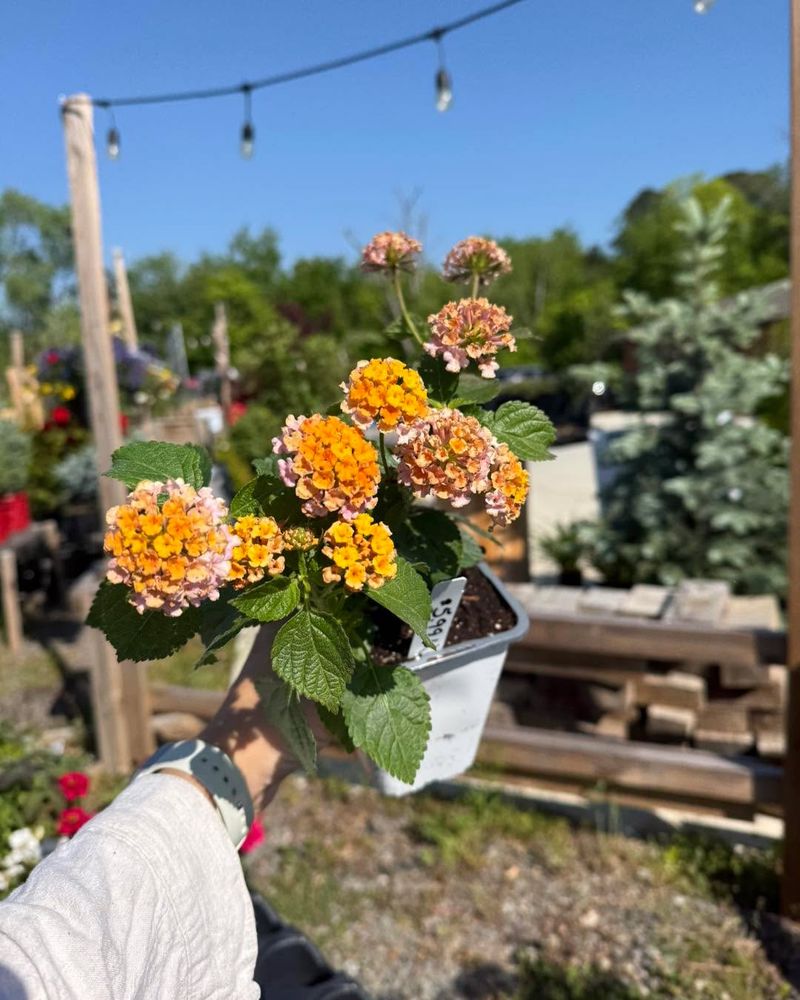
One of the best-kept secrets to keeping lantana blooming all summer in Michigan is regular deadheading and light trimming. When spent flower clusters are left on the plant, it shifts energy toward producing seeds rather than pushing out new blooms.
Simply removing those faded clusters changes the entire dynamic and keeps the flowering cycle going strong.
You do not need fancy tools or a lot of time to do this well. A quick pass with your fingers or a pair of small garden scissors every week or two is all it takes.
Pinch or snip off the old flower heads right where they meet the stem, and you will often see new buds forming within days. It is genuinely satisfying to watch the plant respond so quickly to this simple bit of attention.
If your lantana starts looking a little wild or uneven by midsummer, a light overall trim can work wonders. Cut back the tips of the stems by a few inches to encourage fresh branching and a new flush of blooms.
Michigan summers are long enough that trimming in mid-July still leaves plenty of time for a spectacular second wave of color before the season winds down. Regular maintenance like this is what separates a good lantana display from a truly jaw-dropping one.
8. Grow Lantana In Containers For Better Heat And Control
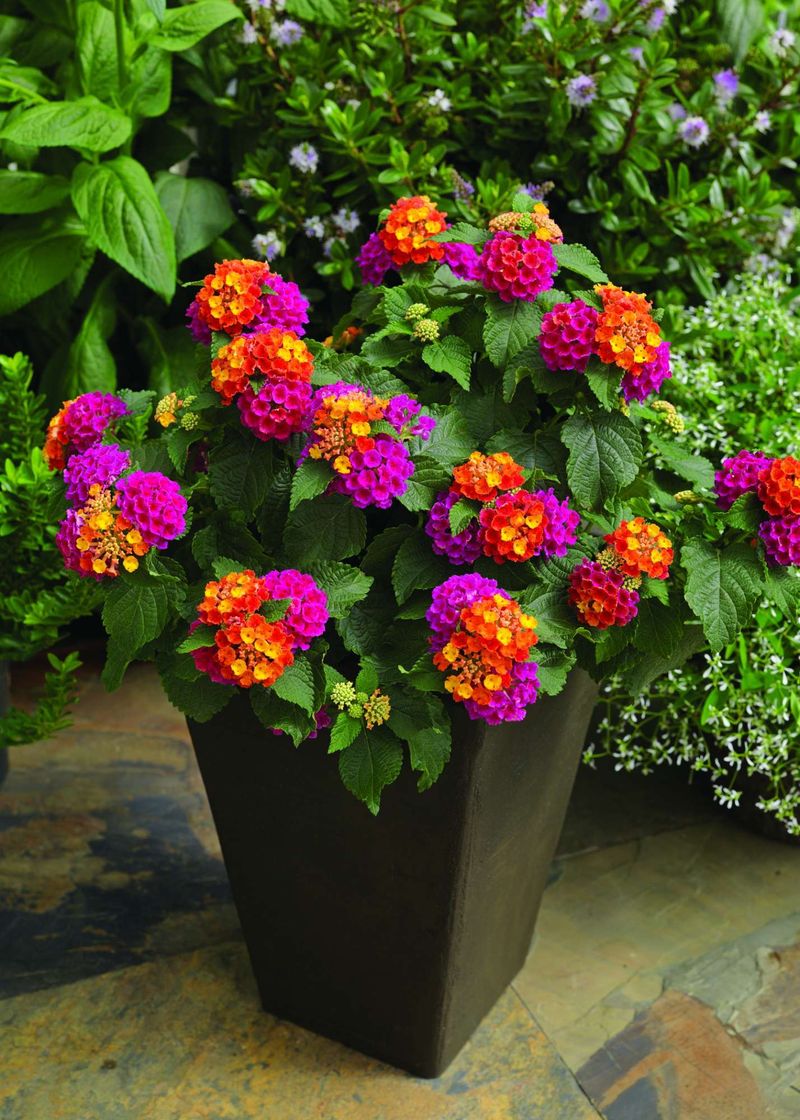
Container growing is honestly one of the smartest strategies for Michigan gardeners who want lantana to perform at its absolute best. Pots warm up significantly faster than in-ground soil in spring, which gives your plant a head start during Michigan’s shorter growing season.
That extra warmth translates directly into earlier and more abundant blooms throughout the summer.
Drainage is also much easier to control in containers, and since lantana hates soggy roots, this is a real advantage. Choose a pot that is at least 12 to 14 inches wide to give the roots room to spread, and always make sure there are several drainage holes at the bottom.
Terra cotta and fabric grow bags both work wonderfully for keeping roots healthy and the soil from staying too wet after rain. Another huge perk of container growing in Michigan is mobility.
You can move your pots to follow the sun throughout the day, place them on a warm south-facing patio where heat reflects off the pavement, or bring them inside quickly when an unexpected cold snap threatens in early fall.
This flexibility extends your blooming season and protects your plant from early frost damage. Containers also make a bold visual statement on porches, decks, and patios, turning your outdoor space into a colorful, pollinator-friendly showstopper all summer long.