7 Plants Bluebirds Love And How To Grow Them Fast In A Michigan Garden
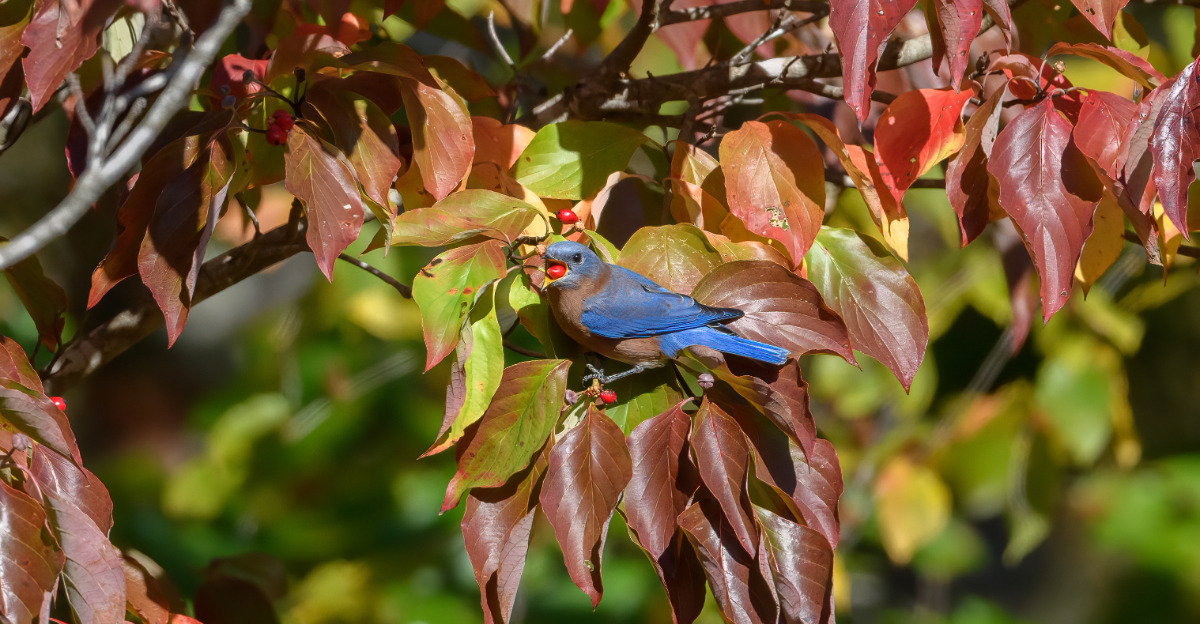
Eastern bluebirds are one of the most sought after visitors in Michigan yards, and most gardeners trying to attract them focus entirely on nest boxes while overlooking the plants that make a yard genuinely worth visiting in the first place.
Nest boxes help, but bluebirds need more than a place to raise young. They need reliable food sources, perching spots, and a habitat that signals this yard has what they are looking for through multiple seasons. The right plants communicate all of that at once.
Bluebirds are primarily insect hunters during spring and summer and switch to fruit heavily in fall and winter, which means the plants that serve them best are the ones that support both of those needs across the year.
Michigan’s growing season gives these plants enough time to establish quickly and start producing, especially when you choose varieties suited for this climate.
These seven plants are the ones that consistently bring bluebirds in and give them a reason to keep coming back.
1. Eastern Red Cedar (Juniperus Virginiana)
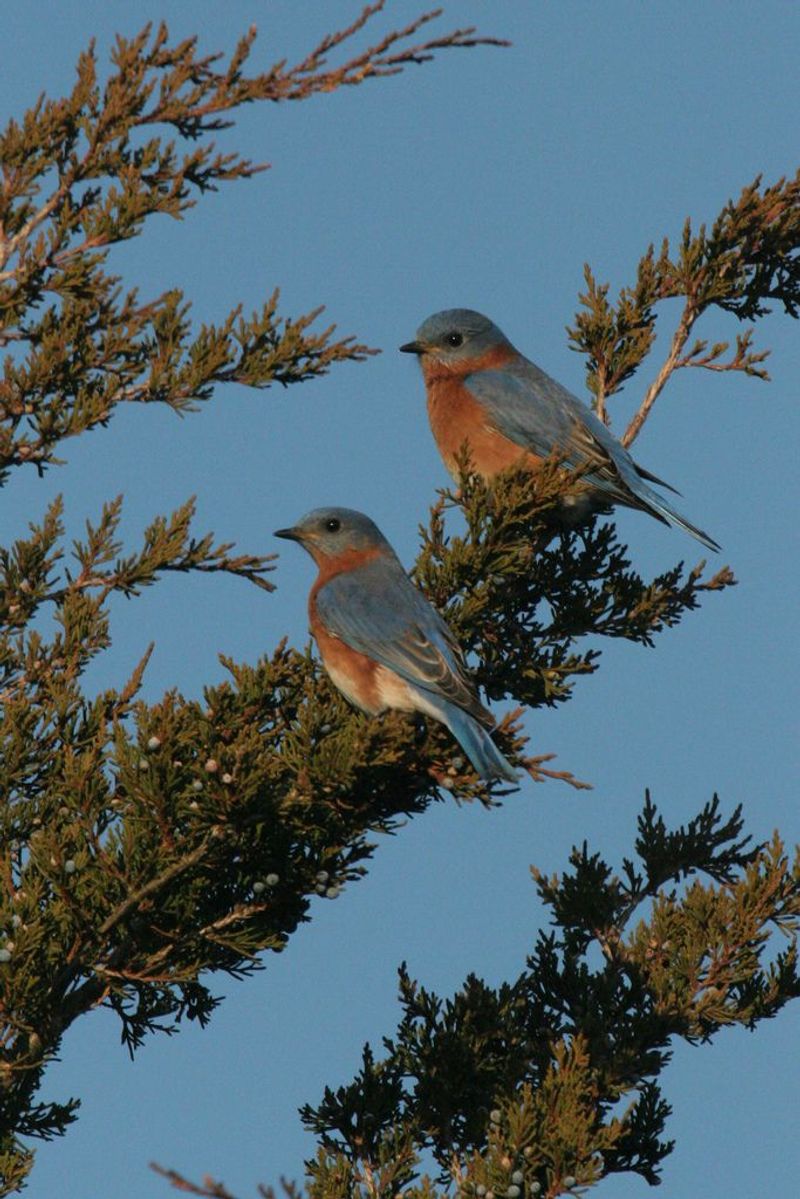
There is something quietly powerful about the Eastern Red Cedar standing tall in a Michigan yard through every season. This native evergreen does double duty for bluebirds by offering both food and shelter in one impressive package.
The small blue-gray berry-like cones that cover its branches in fall and winter give bluebirds a reliable snack even when most other plants have nothing left to offer. On cold Michigan nights, the dense branches become a cozy hideout from wind and predators.
Planting Eastern Red Cedar is about as low-maintenance as it gets. Choose a spot with full sun and soil that drains well, then plant and water it through the first season.
After that, this tough tree practically takes care of itself. Overwatering is the one mistake to avoid since soggy roots can slow it down.
Once it finds its footing, it grows steadily and requires almost no extra attention from you.
Michigan gardeners love this tree because it handles the state’s cold winters without missing a beat. It grows at a pace of one to two feet per year and can reach impressive heights over time, creating a permanent landmark in your landscape.
Birds beyond bluebirds flock to it too, making it a lively hub of wildlife activity. Plant one near an open area so bluebirds can easily spot it and swoop in from their favorite hunting perches nearby.
2. Serviceberry (Amelanchier Arborea)
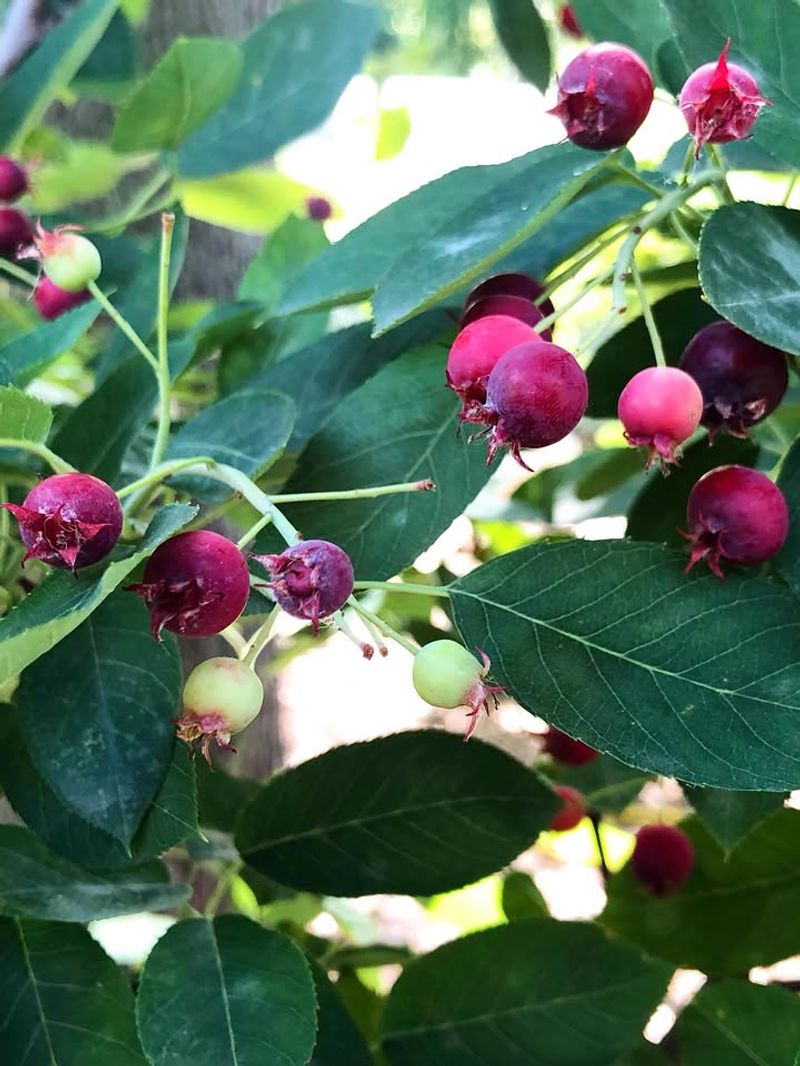
Few plants in Michigan spark as much excitement for backyard birders as the Serviceberry. This native beauty bursts into white blossoms every spring, and by early summer, it loads up with small purple-red berries that bluebirds absolutely cannot resist.
It is one of the first fruiting plants to ripen each season, which makes it incredibly valuable when birds are raising their young and need reliable food fast.
Growing Serviceberry in Michigan is surprisingly straightforward. Plant a container-grown shrub or small tree in a spot that gets full sun to part sun, and make sure the soil drains well.
Your Michigan Garden Changes Every Week. Your Plan Should Too.
Gardening in Michigan changes quickly throughout the season. Every Friday you’ll receive a simple weekly plan showing exactly what to plant, prune, fertilize, harvest, and protect so you never miss the right timing.
Water it consistently during the first growing season so the roots settle in strong. Once established, this plant handles Michigan winters with ease and bounces back beautifully each spring without much fuss from you.
Serviceberry grows at a moderate to fast pace, often putting on two feet or more of new growth each year under good conditions. Adding a layer of mulch around the base helps the soil hold moisture and keeps the roots comfortable through hot summer months.
If you want bluebirds showing up in your Michigan garden year after year, Serviceberry is hands down one of the smartest first plants to put in the ground. It rewards you quickly and keeps giving every single season.
3. Winterberry (Ilex Verticillata)
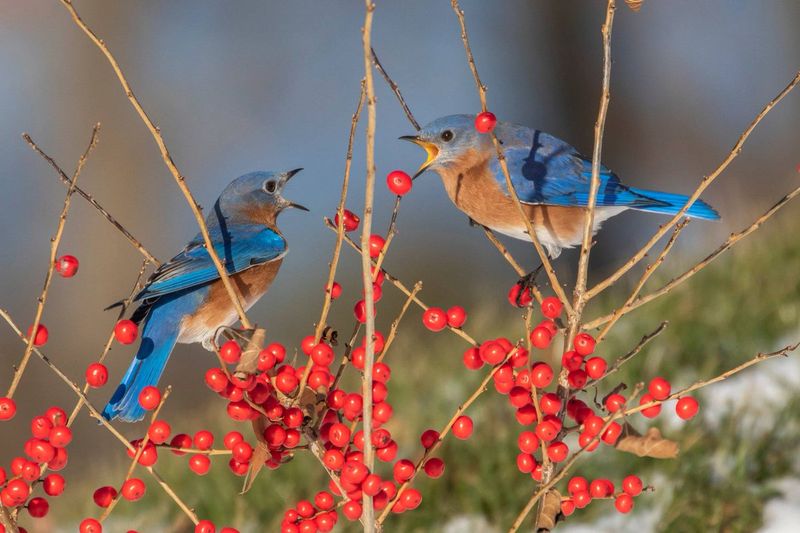
Imagine a shrub so loaded with bright red berries that it looks like it is decorated for the holidays. That is Winterberry in a Michigan garden, and bluebirds treat it like a buffet.
What makes this native shrub especially valuable is its timing. The berries hang on the branches well into winter, feeding birds long after most other food sources have disappeared.
When snow blankets the Michigan landscape, Winterberry stands out like a beacon for hungry wildlife.
One thing to know before planting is that Winterberry needs both a male and a female plant to produce berries. One male can pollinate up to five female plants, so you do not need many.
Plant them in moist, slightly acidic soil, which Michigan naturally provides in many areas. Wet spots near rain gardens or low areas of your yard are actually perfect locations for this shrub since it thrives where other plants struggle.
Growth picks up noticeably once Winterberry settles into its spot, especially with consistent moisture. It can grow two to three feet per year under ideal conditions and eventually forms a full, rounded shrub that looks stunning in every season.
Pruning is rarely needed, which is great news for busy gardeners. The brilliant red display in late fall and winter is something neighbors will ask about, and the bluebirds will thank you for planting it every single year.
4. Elderberry (Sambucus Canadensis)
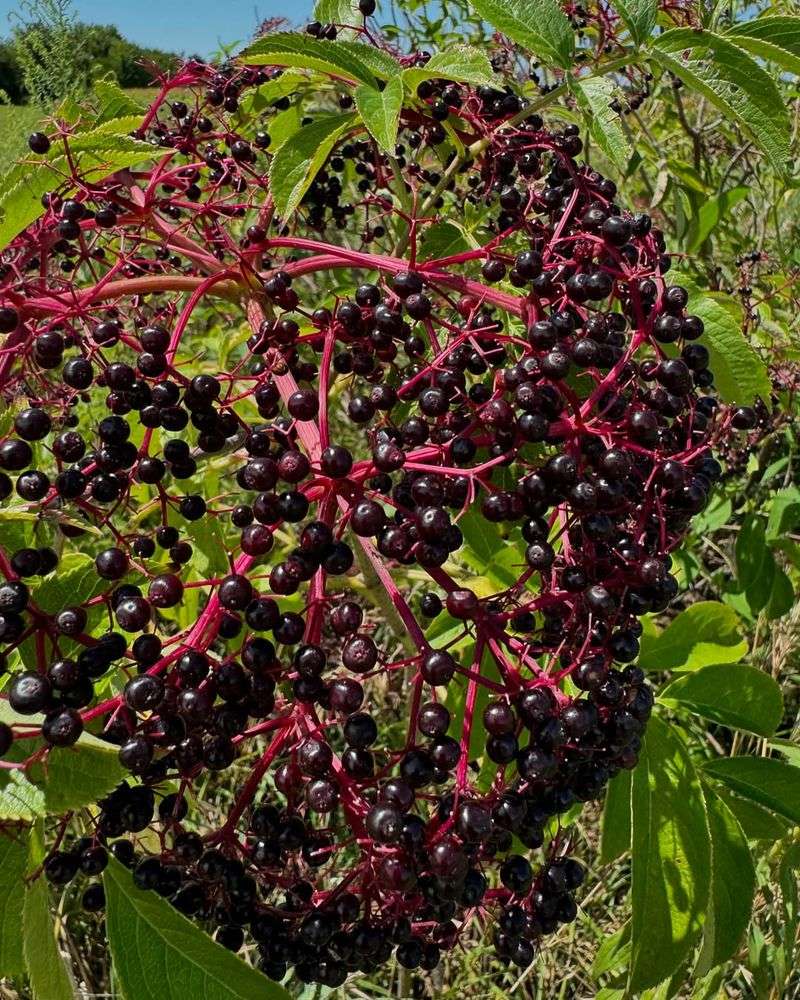
Elderberry is the overachiever of the native Michigan garden, and bluebirds know it. By midsummer, this fast-growing shrub is absolutely loaded with heavy clusters of dark purple-black berries that attract bluebirds, robins, cedar waxwings, and a whole crowd of other birds.
The sheer volume of fruit it produces makes it one of the most generous berry plants you can grow in Michigan. Planting even one or two shrubs can transform your yard into a popular stop on the local bird circuit.
What really sets Elderberry apart is its speed. Under good conditions with full sun and moist soil, it can grow four to six feet in a single season.
Water it regularly during its first year, and it will reward you with substantial growth before summer is even over. It thrives across most of Michigan, handles a wide range of soil types, and bounces back strong even after a tough winter.
Few native plants offer this kind of rapid establishment.
Planting two or more Elderberry shrubs together increases cross-pollination and dramatically boosts berry production. They spread by suckering, gradually forming a natural thicket that birds find irresistible for both food and nesting cover.
Trim them back in early spring to encourage fresh, vigorous growth and heavier fruiting. For Michigan gardeners who want fast results and maximum bird activity, Elderberry is truly one of the most satisfying native plants you can add to your landscape.
5. Dogwood (Cornus Florida And Cornus Sericea)
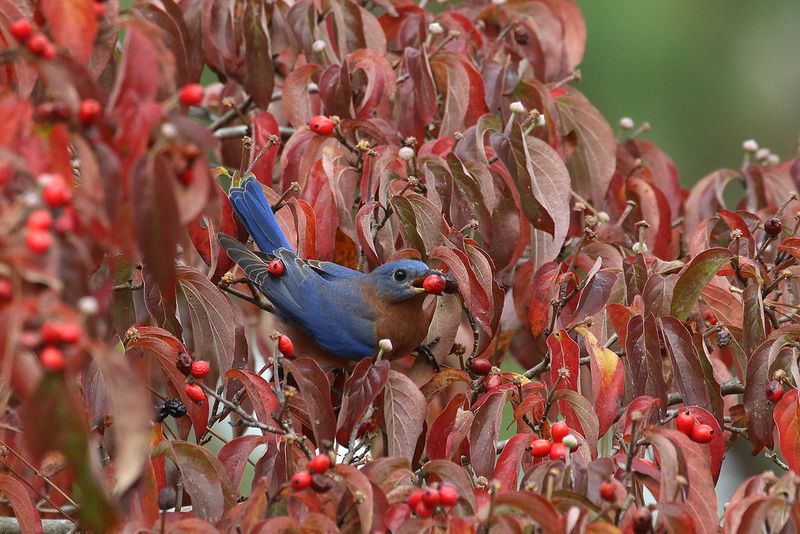
Dogwood has a special charm that few other Michigan native plants can match. Whether you choose the elegant Flowering Dogwood or the bold red-stemmed Redosier Dogwood, both varieties produce berries that bluebirds eagerly seek out in late summer and fall.
The berries are small, fat, and packed with the kind of energy that birds need during migration and nesting season. Bluebirds seem to have a real soft spot for Dogwood, returning to the same shrubs and trees season after season.
Growing Dogwood in Michigan works best when you plant it in part sun with good soil drainage. Full shade slows its growth and reduces berry production, so aim for a spot that gets at least four to six hours of sunlight daily.
Mulching around the base is a smart move because it keeps the soil from drying out too fast during Michigan summers and encourages steady root development through the season.
Redosier Dogwood is especially fast-growing and can add several feet of new growth each year, making it a great choice if you want results quickly. It also tolerates wetter soils than most shrubs, which gives Michigan gardeners plenty of planting flexibility.
Both types offer multi-season interest with flowers in spring, berries in summer and fall, and striking branch color in winter. For bluebirds and beauty combined, Dogwood delivers on every front without asking for much in return.
6. Viburnum (Viburnum Dentatum)
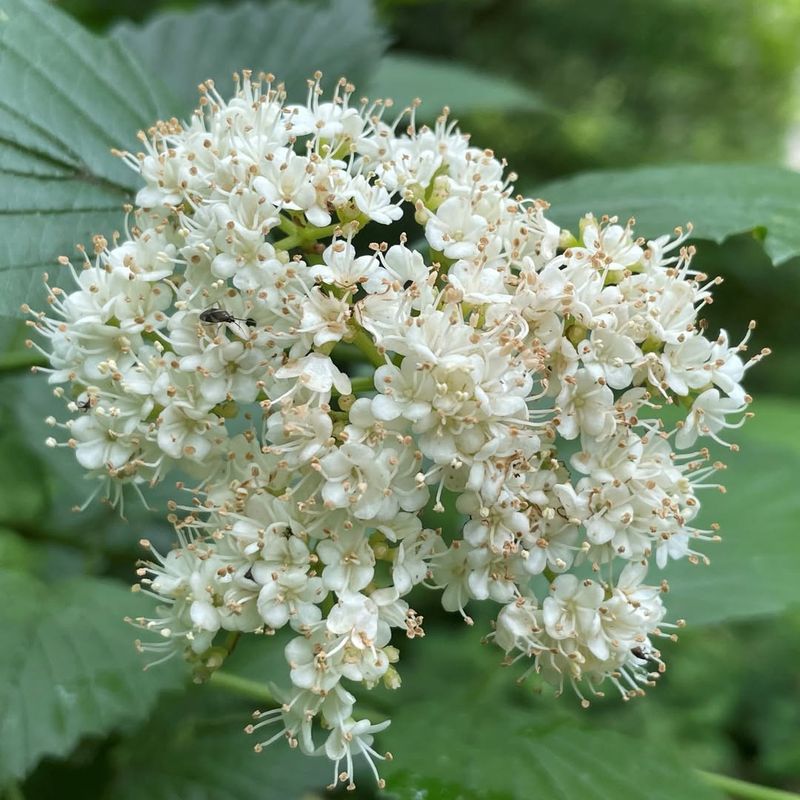
Not every garden plant gets the credit it deserves, and Viburnum is a perfect example.
Arrowwood Viburnum is a native Michigan shrub that quietly produces generous clusters of dark blue berries in late summer, right when bluebirds are preparing for fall migration and need extra fuel.
Its berries are not flashy or oversized, but birds know exactly where to find them. Bluebirds, thrushes, and waxwings all show up reliably when this shrub is in fruit, making it a steady and dependable part of a bird-friendly yard.
Viburnum adapts well to a range of growing conditions, which is one of the reasons Michigan gardeners love it. It performs best in full sun to part shade and tolerates both moist and moderately dry soils once it gets established.
For the fastest growth, plant it in a spot with good moisture and give it regular water during its first full growing season. It typically adds two to three feet per year once it finds its rhythm.
One of the best things about Viburnum is how little drama it brings to the garden. It does not demand constant attention, rarely has serious pest problems, and fills out into a full, rounded shrub that looks polished in any Michigan landscape.
Spring brings flat-topped white flower clusters, summer brings glossy green foliage, and late summer delivers those bird-magnet berries. It earns its place in the garden multiple times over throughout the year.
7. Wild Strawberry (Fragaria Virginiana)
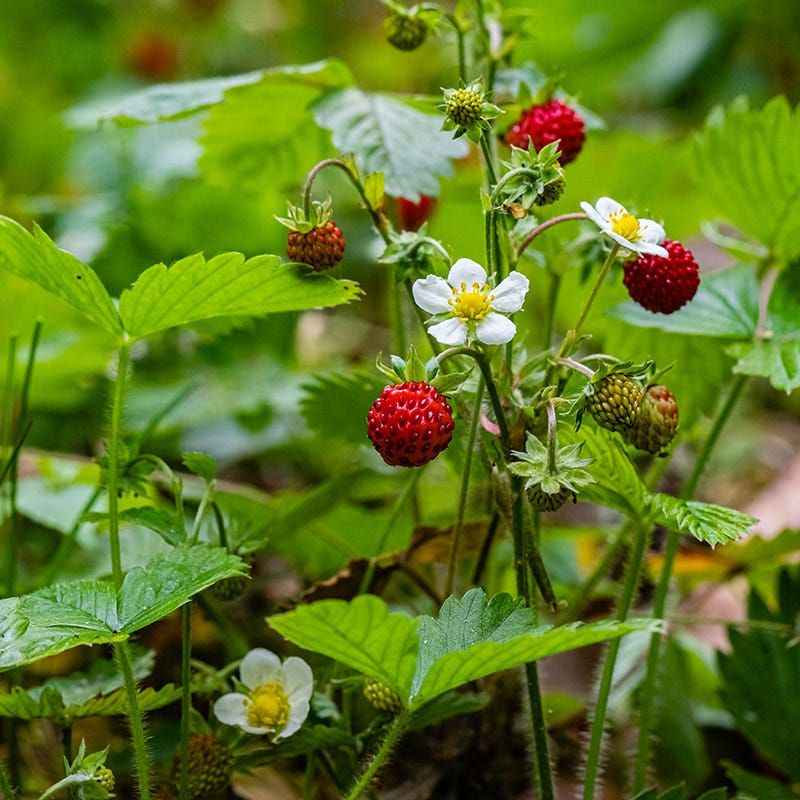
Wild Strawberry might be small, but bluebirds go absolutely wild for it. This low-growing native groundcover produces tiny red fruits in early summer that bluebirds snatch up with enthusiasm.
Beyond the fruit, Wild Strawberry also draws in insects like beetles and small caterpillars, which bluebirds rely on heavily for feeding their nestlings.
Having a patch of it in your Michigan garden essentially creates a two-for-one feeding station that keeps bluebirds busy from morning to evening.
Growing Wild Strawberry is one of the easiest gardening wins you can score. Plant it in full sun with well-drained soil, and it will take off faster than you expect.
It spreads naturally by sending out runners that root wherever they touch the ground, so one small plant can fill a patch of bare soil within a single growing season.
Michigan’s warm summers give it plenty of energy to spread quickly and establish a dense, lush mat of foliage.
Wild Strawberry works beautifully along garden edges, under bird feeders, or in open sunny areas where bluebirds like to forage on the ground. It stays low, rarely needs pruning, and looks charming with its bright white spring flowers and glossy green leaves.
Pair it with taller native plants like Elderberry or Serviceberry for a layered planting that feeds bluebirds at every level. This humble little groundcover punches far above its weight in any Michigan bird garden.