These 9 Oregon Garden Plants Need A Light Trim In May For Better Blooms Later
May feels too early to be thinking about pruning for a lot of Oregon gardeners. Things are finally growing, flowers are showing up, and putting shears anywhere near a thriving plant feels a little counterintuitive.
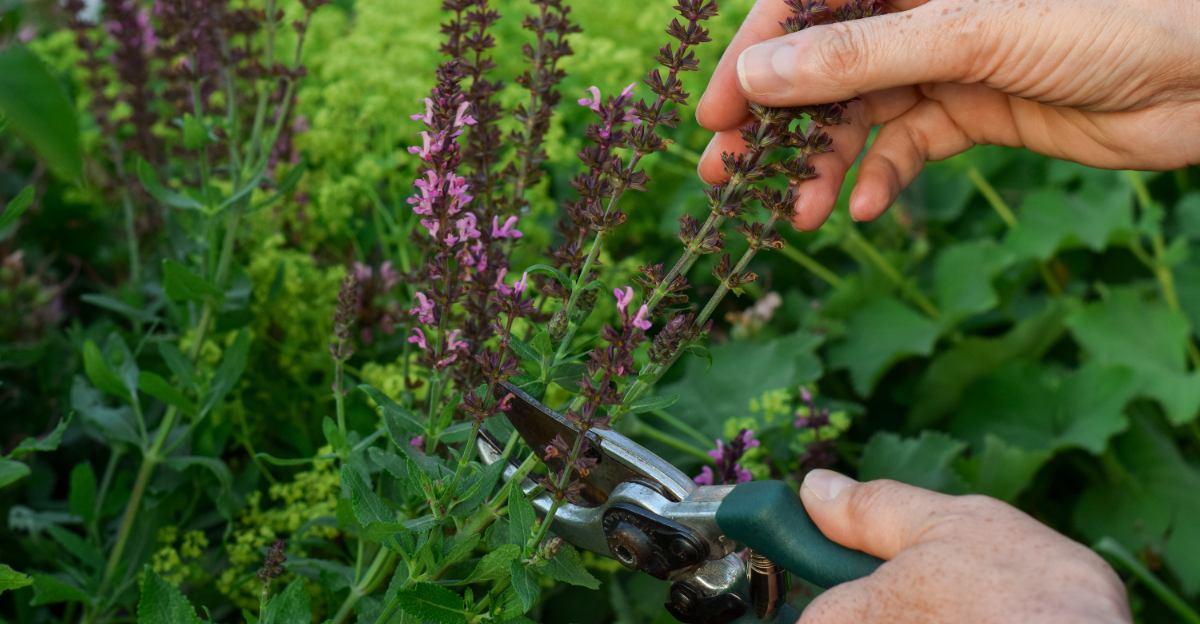
But here’s the thing: a light, well-timed trim in May is one of the highest-return moves you can make if bigger, better blooms later in the season are the goal. It’s not about cutting things back hard.
It’s about a few strategic snips that redirect the plant’s energy in exactly the right direction. Done correctly, this kind of early trim encourages bushier growth, more branching, and significantly more flowers come summer and fall.
Skip it and plenty of plants will put all their effort into just a handful of blooms on leggy, stretched-out stems.
A little off the top now means a lot more payoff later, and these plants respond to May pruning better than almost anything else in an Oregon garden.
1. Catmint
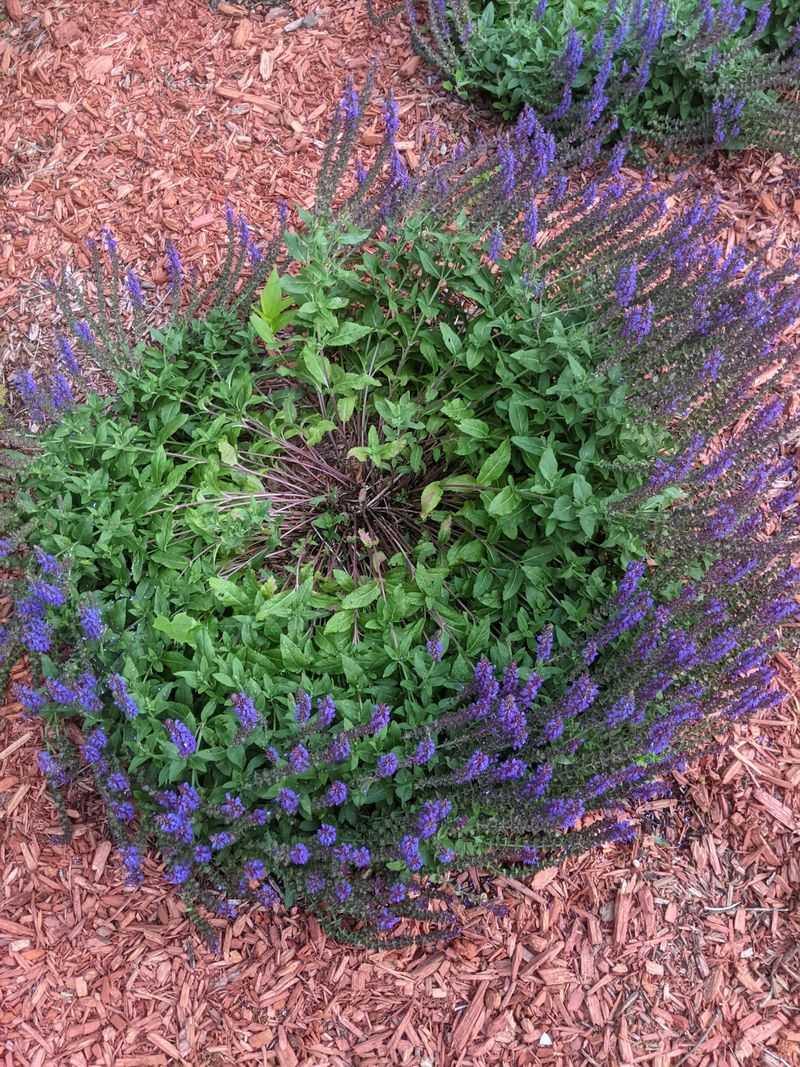
Few plants in an Oregon garden are as cheerful and easy-going as catmint. Those soft lavender-blue flower spikes start popping up in late spring, and they smell absolutely wonderful.
But here is the thing: if you let catmint go without a trim in May, it tends to get floppy and bloom itself out too quickly.
A light trim now, cutting the stems back by about one-third, keeps the plant compact and bushy. This encourages a much stronger second flush of blooms later in summer.
Think of it like a reset button for your plant.
Catmint is incredibly tough and handles pruning really well. In Oregon’s mild climate, it bounces back fast after a trim.
Use clean scissors or shears and cut just above a set of leaves. Within a few weeks, you will notice fresh new growth pushing out from the base.
This plant is also a fantastic pollinator magnet. Bees absolutely love it.
By keeping it trimmed and blooming longer, you are also helping the local bee population thrive. Catmint works beautifully along garden borders and pathways, and a May trim keeps it looking tidy and full all season long.
2. Salvia
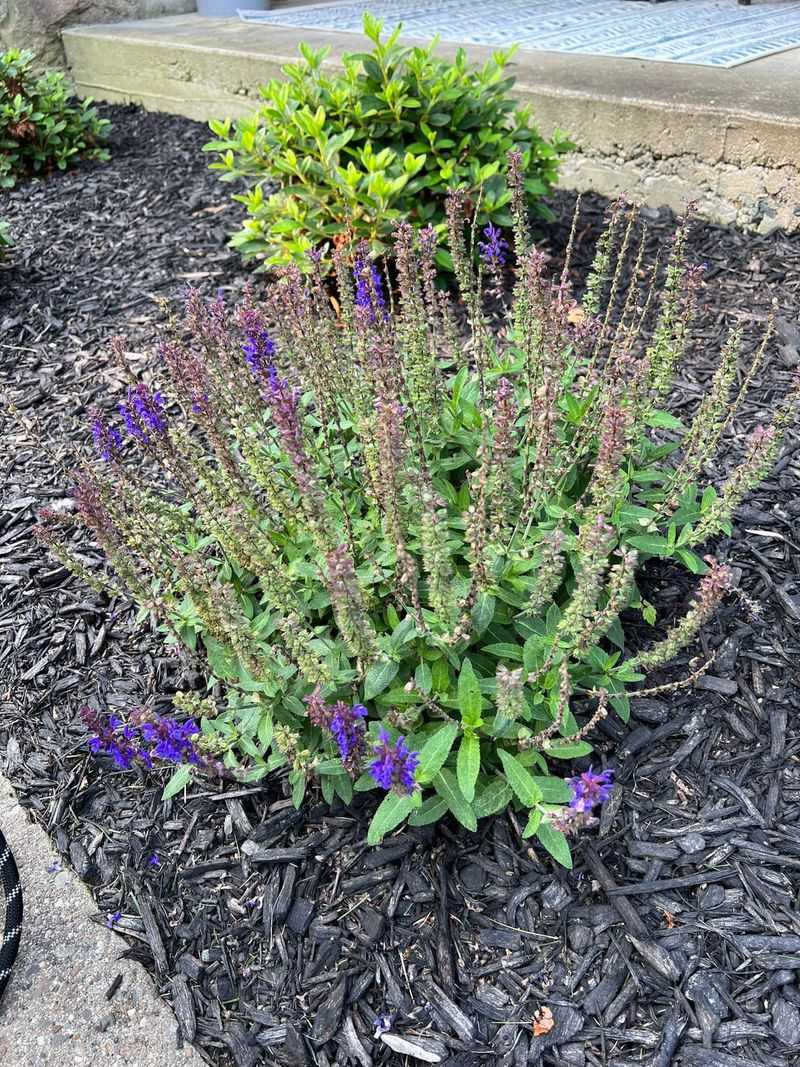
Salvia is one of those plants that rewards you big time for paying attention to it in May. Oregon gardeners love salvia for its rich purple and blue flower spikes, which attract hummingbirds and bees like crazy.
The trick is knowing when and how to trim it for the best results.
In May, once the first flush of blooms starts to fade, cut the flower stalks back by about half. Do not cut all the way to the base.
Leave plenty of healthy green leaves and side shoots so the plant has energy to push out new growth.
Salvia grows vigorously in Oregon’s spring conditions. A light trim now redirects the plant’s energy away from setting seed and toward producing more flower stems.
The result is a longer, more impressive bloom season stretching well into fall.
There are many varieties of salvia that thrive across Oregon, from the coast to the Cascade foothills. Some are tender perennials and some are fully hardy.
Your Oregon Garden Changes Every Week. Your Plan Should Too.
Gardening in Oregon changes quickly throughout the season. Every Friday you’ll receive a simple weekly plan showing exactly what to plant, prune, fertilize, harvest, and protect so you never miss the right timing.
Either way, a May trim keeps them looking sharp and blooming strong. Keep your pruning shears clean between cuts to avoid spreading any disease, and your salvia will reward you with months of gorgeous color.
3. Bee Balm
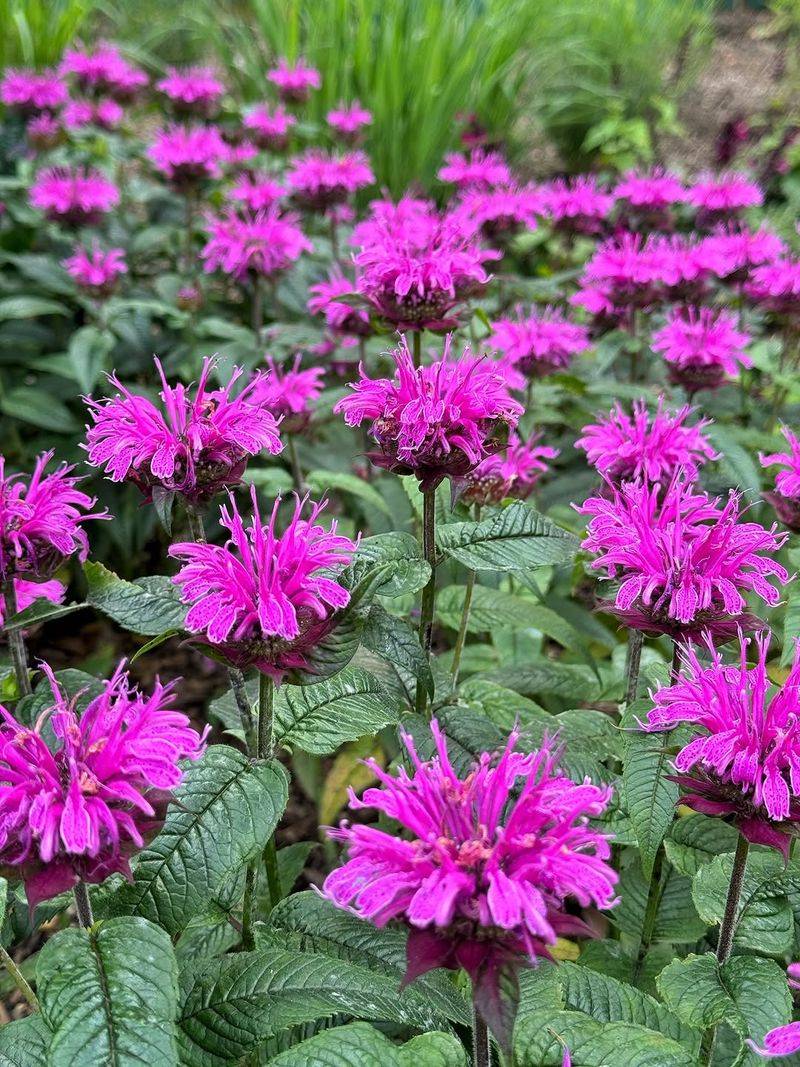
Bee balm is bold, colorful, and wildly popular with pollinators. Walk past a patch in full bloom and you will almost always find bees, butterflies, and hummingbirds feasting away.
Oregon gardeners in the Willamette Valley especially love this plant for its late-summer fireworks display of red, pink, and purple flowers.
Here is why a May trim matters so much for bee balm. If you pinch back the stem tips now, while the plants are still in active growth mode, each stem branches out and produces more flower heads.
That means more blooms per plant come July and August.
To do it right, simply pinch or snip off the top two to four inches of each stem. Do this once or twice through May and into early June.
The plant will look a little shorter for a while, but the payoff is worth it.
Bee balm can also be prone to powdery mildew, especially in wetter parts of Oregon. Thinning out the stems a bit while you trim improves airflow through the plant and helps reduce that problem.
Good airflow is one of the simplest ways to keep bee balm healthy and looking great all season.
4. Yarrow
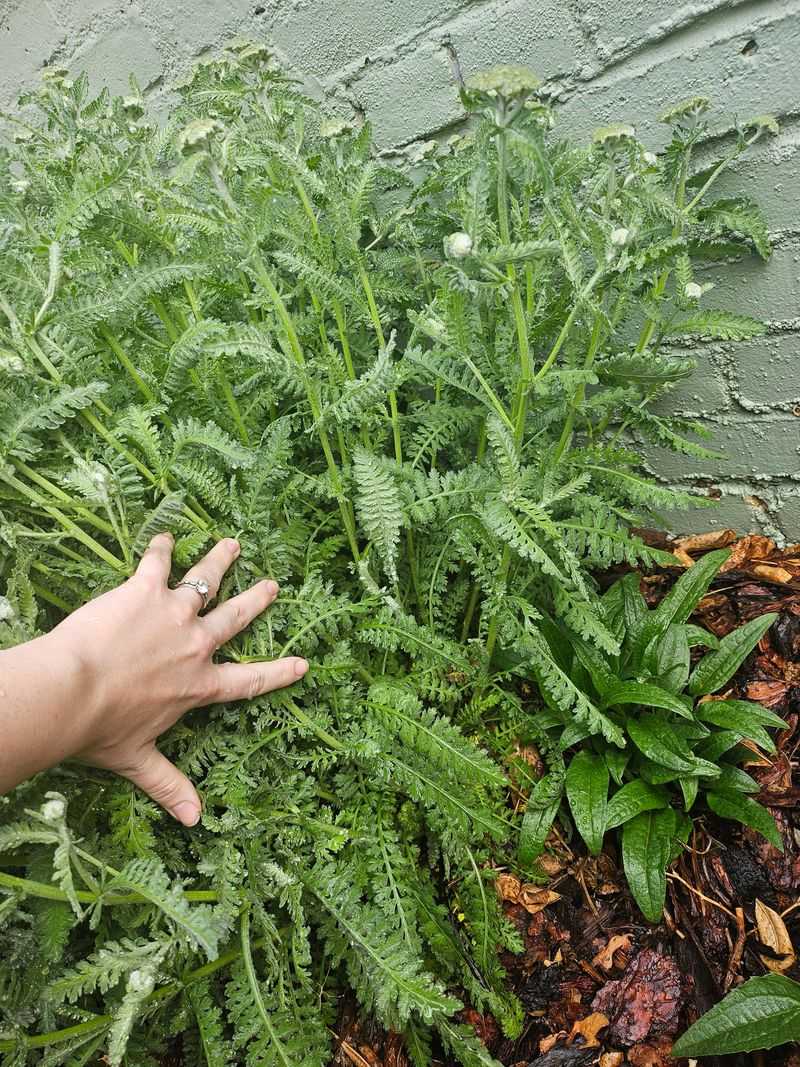
Yarrow is one of the toughest plants you can grow in Oregon. It handles dry summers, poor soil, and full sun without complaint.
But even tough plants benefit from a little attention in May, and yarrow is no exception.
Cutting yarrow back by about one-third in May does something really interesting. It delays the main bloom period slightly, which actually spreads out the flowering season.
Instead of one big burst of color that fades fast, you get a longer, more sustained display through summer and into early fall.
Yarrow also has a tendency to flop over as it gets taller, especially in Oregon’s sometimes heavy spring soils. A May trim keeps the plants more compact and upright, so they look tidier in the garden bed without needing staking.
This plant is especially useful in dry eastern Oregon gardens where water is precious. Its drought tolerance is legendary, and trimming it in May helps it stay manageable.
Yarrow comes in a wide range of colors, from bright yellow to soft pink and white. No matter which variety you grow, a light trim now sets it up for a much stronger performance later.
It is one of the easiest pruning tasks in the whole garden.
5. Coreopsis
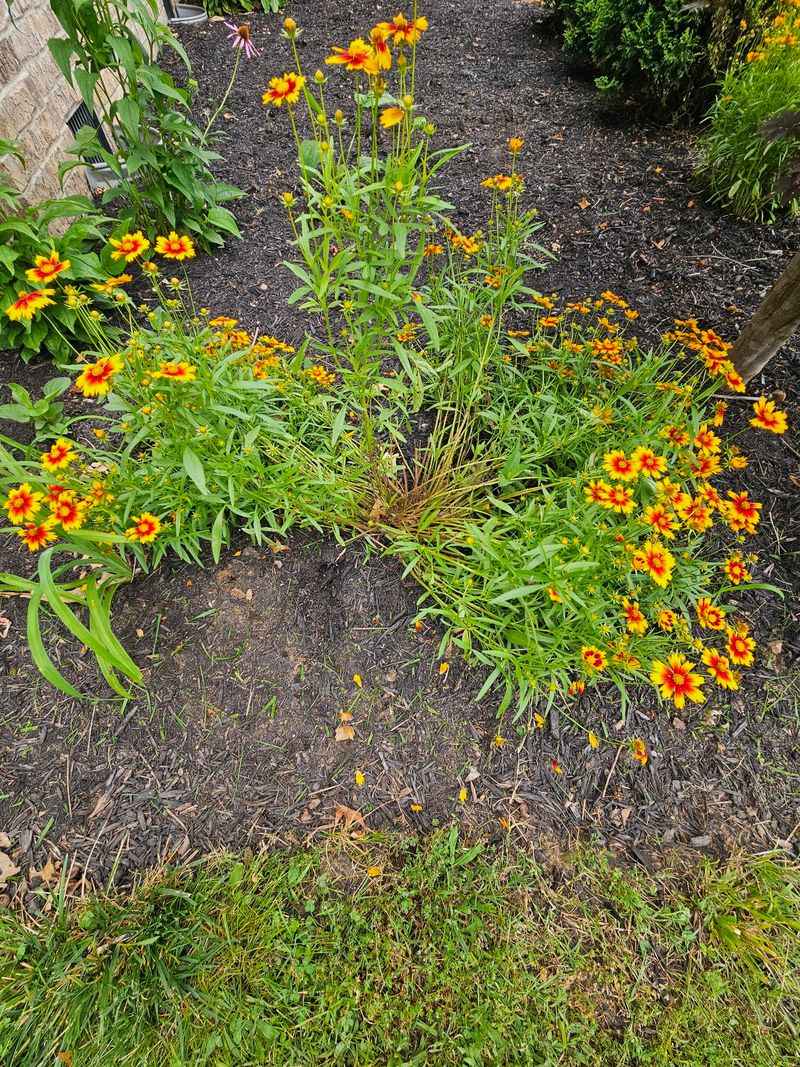
Coreopsis brings a burst of sunshine yellow to Oregon gardens, and it is one of the most cheerful plants you can grow. Sometimes called tickseed, this perennial is loved for its long bloom season and its ability to handle Oregon’s summer heat once established.
A light trim in May keeps coreopsis from getting leggy and encourages a much denser mound of flowers. If you let it grow without any trimming, the stems tend to stretch out and flop.
Cutting back the tips by a few inches now promotes compact, bushy growth that holds up much better through summer.
Deadheading, which means removing spent flowers, is also really important for coreopsis. But in May, before the big bloom flush, a more general trim of the whole plant is the way to go.
Think of it as shaping the plant so it has the best possible structure going into its peak season.
Coreopsis is a fantastic plant for pollinators and works beautifully in mixed borders across Oregon. It pairs really well with salvias, ornamental grasses, and other summer bloomers.
Give it full sun and good drainage, trim it lightly in May, and it will reward you with nonstop golden blooms from early summer all the way through fall.
6. Penstemon
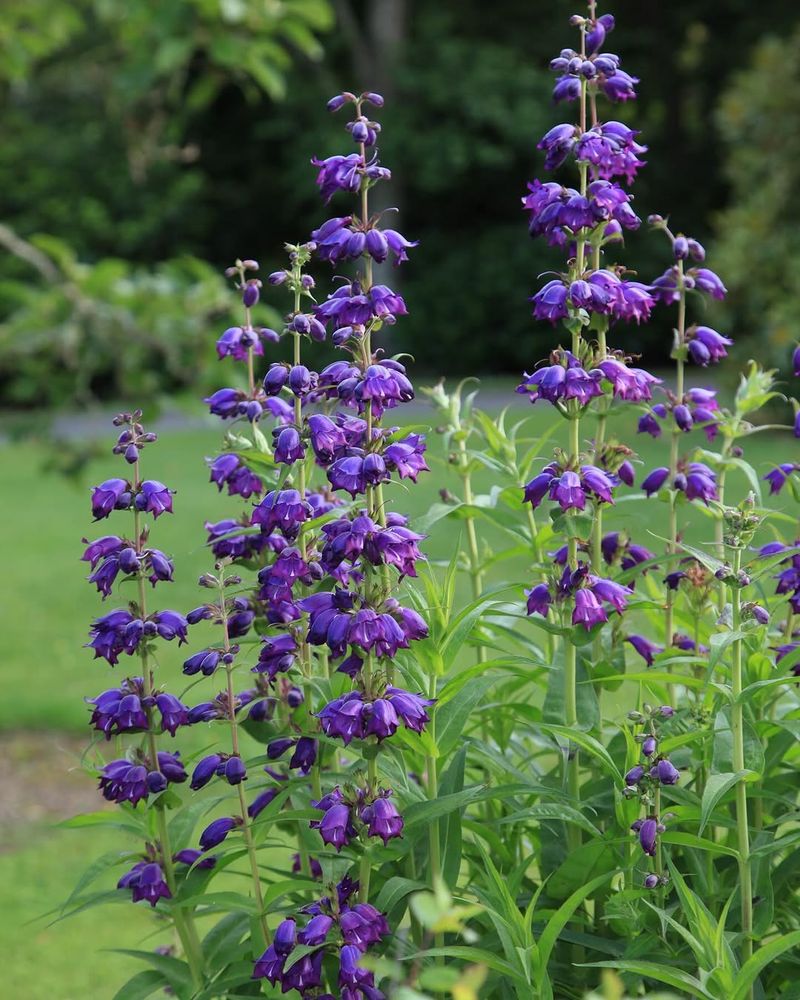
Penstemon is one of Oregon’s true garden heroes. Many species are native to the Pacific Northwest, and they are perfectly adapted to the region’s climate.
From the rocky slopes of eastern Oregon to coastal gardens, penstemon shows up and performs beautifully with very little fuss.
In May, penstemon plants are putting on a lot of new growth and may already be showing early flower buds. A light trim at this stage, cutting back the tips of non-flowering stems, encourages the plant to branch out and produce more flower spikes.
More flower spikes means a much more impressive bloom show.
Be careful not to cut into old woody growth. Focus your trimming on the soft, new green stems.
This keeps the plant healthy and productive without stressing it out. Penstemon does not like to be cut back too hard, so light is the key word here.
Hummingbirds go absolutely wild for penstemon flowers. If you have hummingbirds visiting your Oregon garden, a well-trimmed penstemon in full bloom will keep them coming back all season.
These plants also handle dry conditions really well, making them a smart choice for water-wise gardens throughout the state. A little trim in May goes a very long way with this plant.
7. Hardy Geraniums
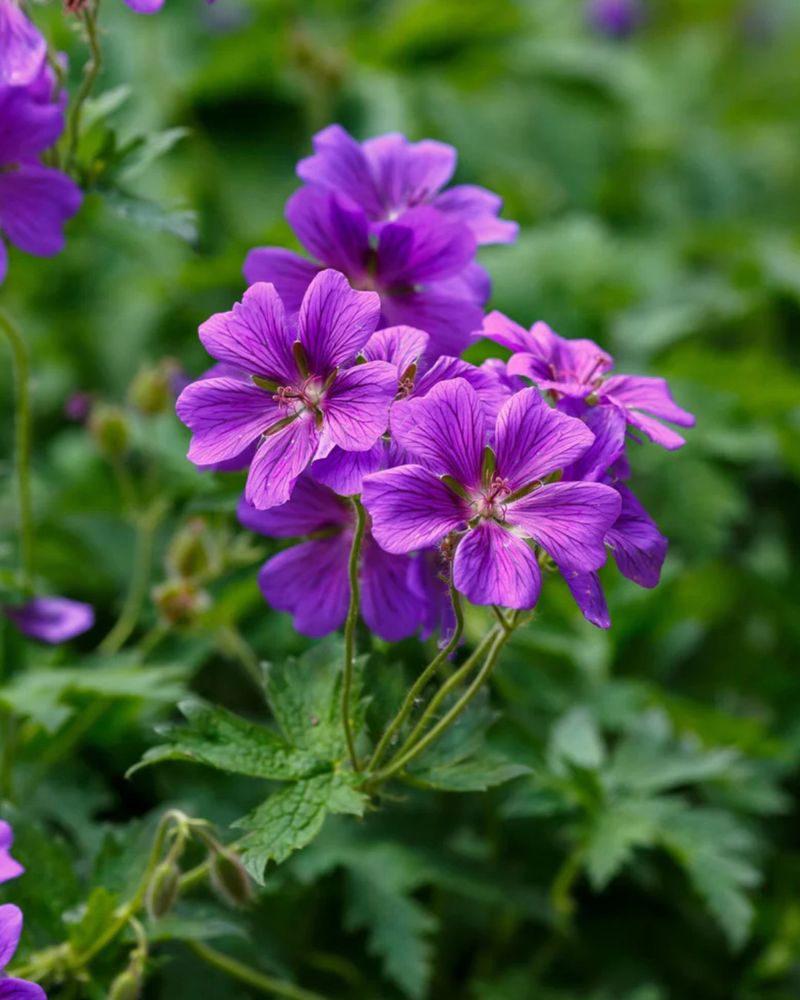
Hardy geraniums, also known as cranesbills, are some of the most reliable perennials in Oregon gardens. They are not the same as the tender geraniums in pots.
These are true perennials that come back year after year, spreading happily into lovely ground-covering clumps.
By May, many hardy geraniums are already blooming or just about to. Once that first flush of flowers starts to fade, grab your shears and cut the whole plant back by about half.
It might feel drastic, but hardy geraniums bounce back incredibly fast in Oregon’s mild spring climate.
This hard-ish trim after the first bloom encourages a second, often even better flush of flowers in midsummer. Without trimming, the plants tend to look ragged and tired by July.
With a trim, they come back fresh and full of color.
Hardy geraniums are wonderfully versatile in the garden. They work as ground covers, border plants, and companions for roses and shrubs.
They thrive in both sun and partial shade, which makes them super useful in Oregon gardens with lots of tree coverage. Varieties like ‘Rozanne’ and ‘Johnson’s Blue’ are especially popular here.
A May trim sets them up perfectly for a long, beautiful season of soft, pretty blooms.
8. Phlox
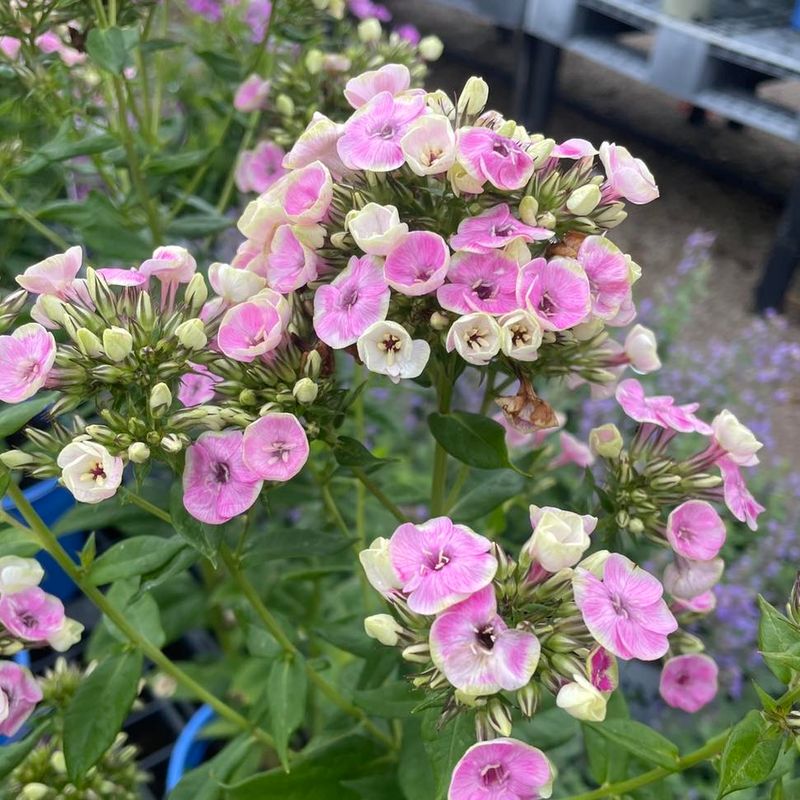
Garden phlox is famous for its fragrant, colorful flower clusters that make summer gardens smell absolutely amazing. In Oregon, phlox thrives especially well in the Willamette Valley where the summers are warm but not brutally hot.
Getting the most out of phlox starts with a smart trim in May.
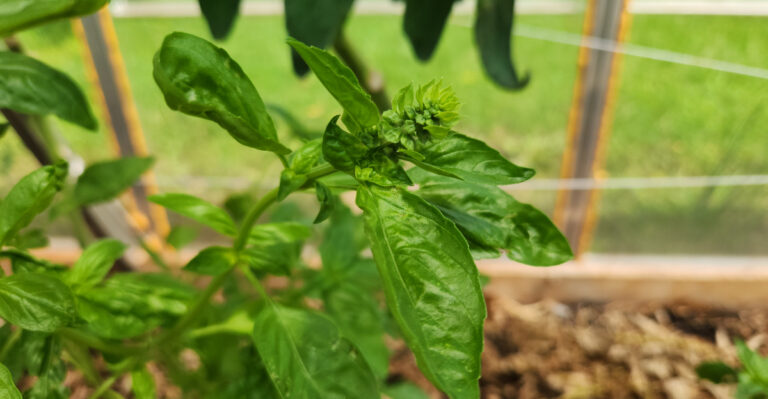
Pinching back the stem tips in May is the classic trick for phlox. When you remove the top inch or two of each stem, the plant responds by sending out side shoots.
Each of those side shoots will eventually produce its own flower cluster, so you end up with far more blooms than if you had left the plant alone.
Thinning out some of the weaker stems is also a great idea in May. Phlox can get crowded, and good airflow helps prevent powdery mildew, which is a common problem in wetter parts of Oregon.
Remove about one-third of the stems at the base to open things up.
Phlox comes in a gorgeous range of colors, from bright magenta to soft lavender and pure white. It blooms beautifully in midsummer and early fall, right when many other perennials are winding down.
A little pinching and thinning in May sets the stage for a truly spectacular late-season show that your whole neighborhood will notice.
9. Asters
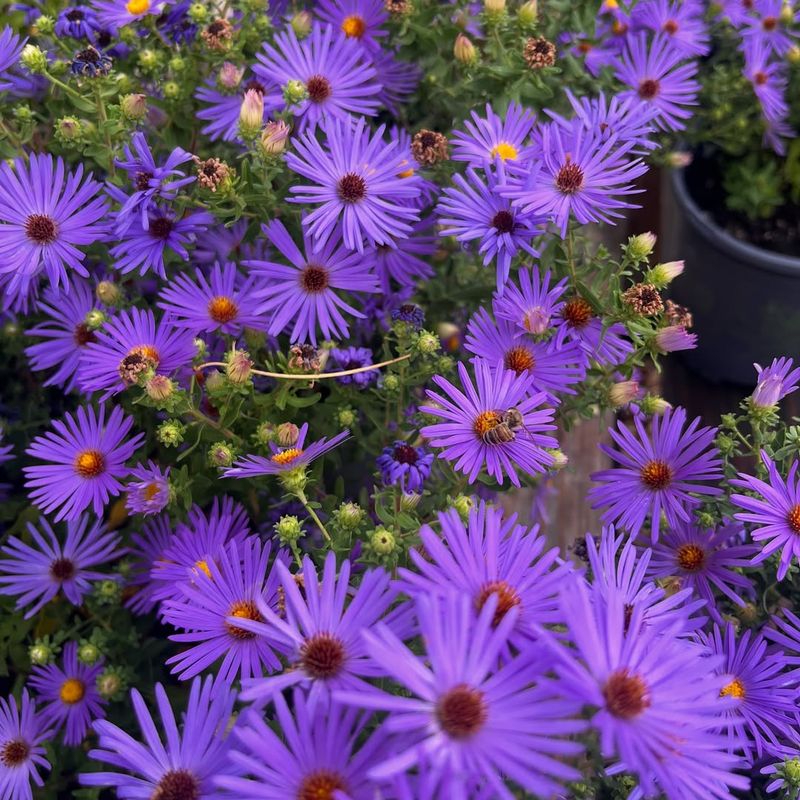
Asters are the ultimate fall bloomers in Oregon gardens. When most summer flowers are wrapping up, asters burst into waves of purple, pink, and white daisy-like flowers.
They are a lifeline for late-season pollinators getting ready for winter. But the secret to a spectacular fall display starts all the way back in May.
Pinching asters in May is one of the best things you can do for them. When you cut the stems back by about half while they are still short and young, the plant responds by branching out massively.
Each cut stem becomes two or three new stems, and each of those stems will eventually carry flowers.
The result is a much fuller, more floriferous plant come September and October. Without pinching, asters tend to grow tall and floppy with fewer flowers concentrated at the top.
With pinching, you get a compact, dome-shaped plant absolutely covered in blooms.
Asters are incredibly tough and adaptable across Oregon’s varied climates. From the rainy coast to the drier interior valleys, they settle in and perform reliably year after year.
You can pinch them once in May and again in early June for maximum effect. Just make sure to stop pinching by mid-June so the plant has enough time to set flower buds before fall arrives.