The Best Ways To Keep African Violets Healthy And Thriving Indoors In North Carolina
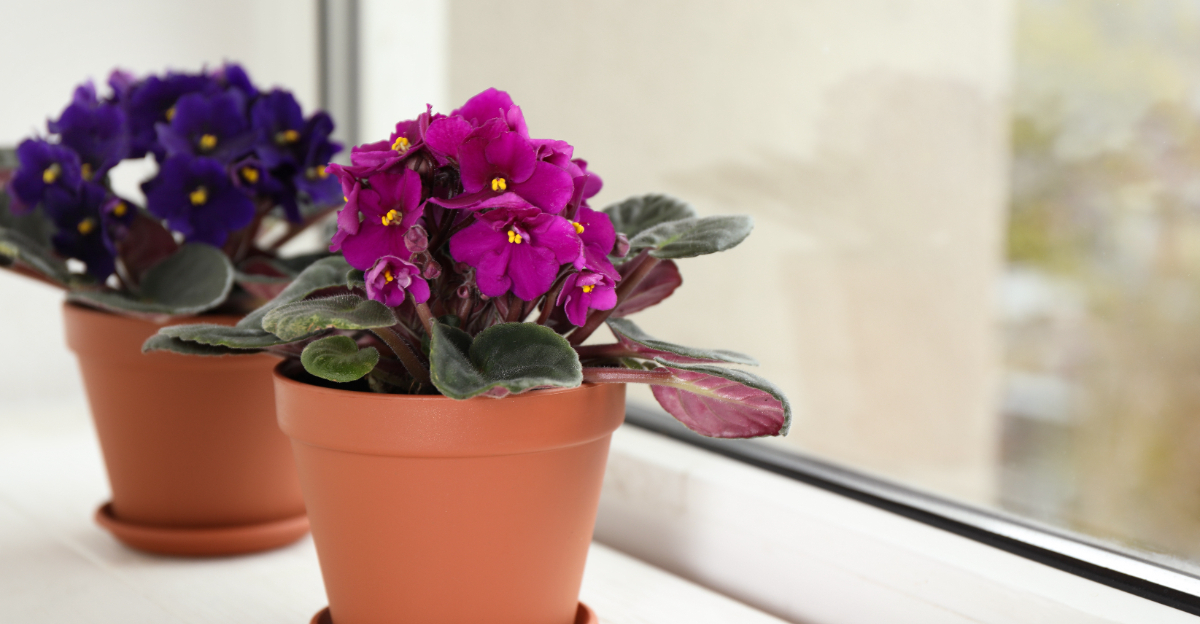
African violets seem simple enough at first glance, small, compact, and sold at just about every grocery store and garden center in North Carolina. Then people get them home and discover these plants have strong opinions about how they are treated.
Too much direct sun and the leaves bleach out. Water on the foliage and spots appear that never go away.
Inconsistent watering and the blooms stop coming entirely. North Carolina homes add a few specific variables that make African violet care slightly different here than in drier or more temperate climates.
Seasonal humidity shifts, the way homes are heated in winter and cooled in summer, and the quality of light available through different parts of the year all affect how these plants behave.
Getting them to bloom consistently and stay genuinely healthy rather than just alive requires understanding what they actually respond to.
Once those conditions are dialed in, African violets become one of the most reliably rewarding indoor plants you can keep.
1. Give Bright Indirect Light For Happy Blooms
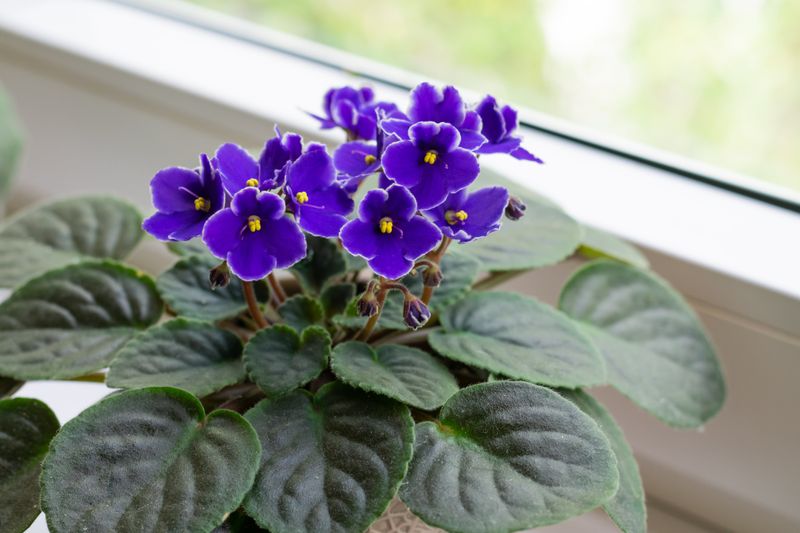
Sunlight is everything when it comes to African violets blooming consistently, and getting it right is easier than most people think.
These plants love bright light, but not the harsh direct rays that pour through south or west-facing windows during North Carolina summers.
Too much direct sun can scorch those beautiful velvety leaves and cause the plant to stop flowering altogether.
East-facing windows are the sweet spot for African violets. The soft morning light they receive is gentle enough to encourage steady blooming without burning the foliage.
If your home does not have a great east-facing window, grow lights work wonderfully and give you full control over how much light your plant receives each day.
Fluorescent or full-spectrum LED grow lights placed about 12 inches above the plant for 12 to 14 hours daily can produce stunning results. Many North Carolina growers who live in apartments or homes with limited natural light swear by this method.
The key is consistency. African violets that receive steady, reliable light will reward you with clusters of blooms that last for weeks at a time, making them one of the most satisfying houseplants you can possibly grow indoors.
2. Keep Drafts Away From Your Plants
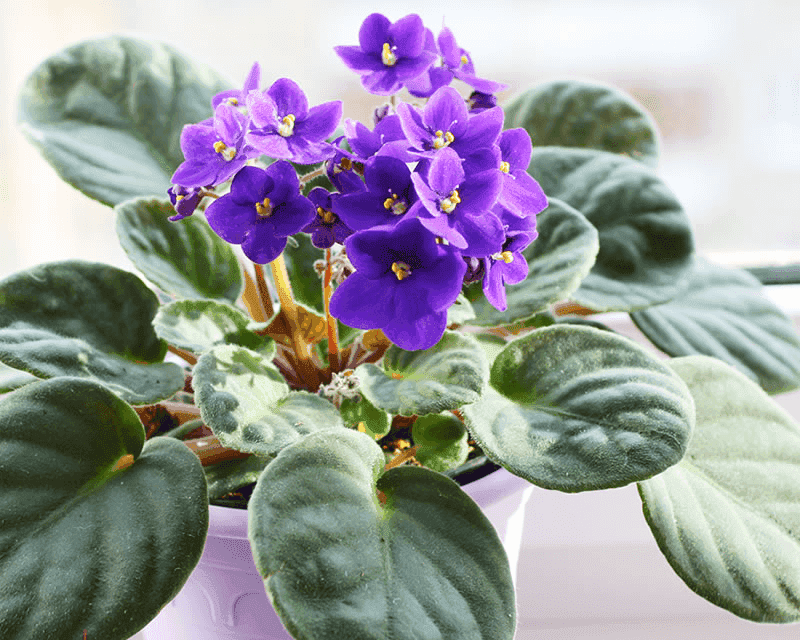
African violets are surprisingly sensitive to sudden changes in air temperature, and that sensitivity shows up fast when they are placed in the wrong spot.
A plant sitting too close to a heating vent, an air conditioner, or a frequently opened exterior door can quickly show signs of stress. Leaves may curl, flowers may drop, and growth may slow down noticeably.
North Carolina homes run air conditioning for a good chunk of the year, and those cold drafts blowing across a windowsill can really set a plant back. The ideal temperature range for African violets is between 65 and 75 degrees Fahrenheit.
Anything below 60 degrees, even briefly, can cause damage that takes weeks to recover from.
Finding a stable, draft-free spot in your home is one of the simplest and most effective things you can do for these plants. Interior shelves, plant stands away from windows, or a dedicated plant corner in a climate-controlled room all work beautifully.
Your North Carolina Garden Changes Every Week. Your Plan Should Too.
Gardening in North Carolina changes quickly throughout the season. Every Friday you’ll receive a simple weekly plan showing exactly what to plant, prune, fertilize, harvest, and protect so you never miss the right timing.
Once your African violet settles into a spot with steady temperatures and no surprise blasts of cold or hot air, it tends to grow more consistently and flower far more often.
Stability is something these plants genuinely appreciate, and they will show it through their blooms.
3. Water At Soil Level To Protect The Leaves
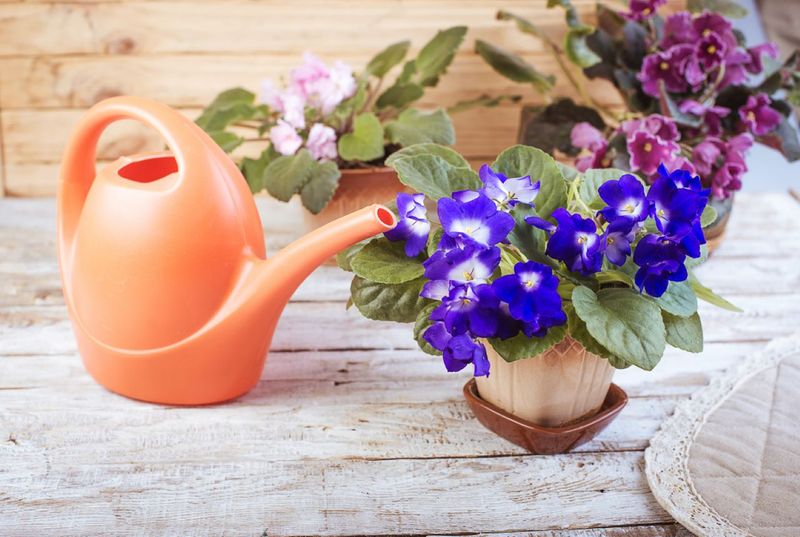
Watering African violets the right way is one of the most important habits to build, and it all comes down to where the water lands. Splashing water on those fuzzy leaves can cause unsightly white or brown spots that do not go away.
In humid North Carolina conditions, wet foliage can also invite fungal problems that spread quickly if not caught early.
The safest approach is to water directly at the soil level, keeping the leaves completely dry. A small watering can with a narrow spout makes this much easier and gives you better control.
Another popular method is bottom watering, where you set the pot in a shallow tray of water and let the soil absorb moisture from the bottom up over about 30 minutes, then remove any standing water.
Bottom watering is especially great because it encourages roots to grow downward and keeps the crown of the plant dry, which reduces the risk of rot.
Many experienced African violet growers across North Carolina use this method exclusively and report healthier, fuller plants because of it.
Whichever method you choose, the goal is the same: get water to the roots without ever letting it sit on the leaves. That one simple habit protects the plant and keeps it looking beautiful all year long.
4. Choose The Right Potting Mix For Strong Roots
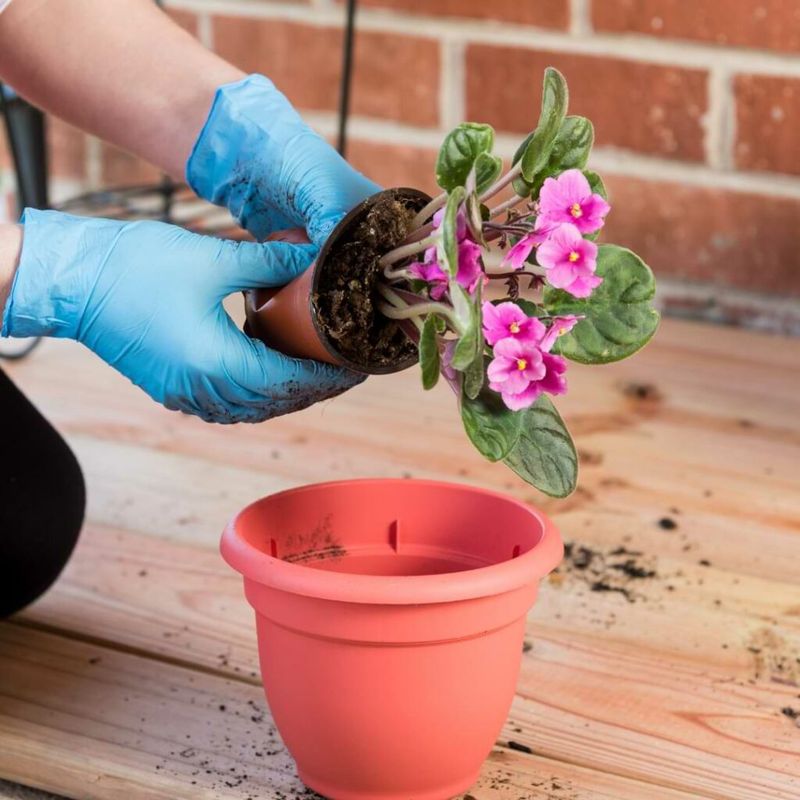
Regular potting soil might seem like a fine choice, but African violets actually need something much lighter and more breathable to thrive.
Heavy soil holds too much moisture, especially in the naturally humid climate of North Carolina, and that trapped moisture around the roots leads to problems fast.
A well-draining mix is not just helpful, it is essential for long-term plant health.
African violet-specific potting mixes are widely available at garden centers and online, and they are formulated to provide exactly the right balance of moisture retention and drainage.
These mixes typically contain perlite, peat moss or coco coir, and sometimes vermiculite to keep things light and airy. You can also make your own by combining equal parts of a good quality potting mix with perlite.
Repotting into fresh mix every year or two also does wonders for plant health. Over time, potting mix breaks down and becomes compacted, which reduces airflow to the roots and makes drainage worse.
North Carolina growers who refresh their African violet soil regularly tend to notice stronger growth and more consistent flowering.
Starting with the right mix and maintaining it over time is one of those behind-the-scenes habits that makes a huge visible difference in how vibrant and full your plants look throughout the year.
5. Let The Soil Dry Slightly Between Waterings
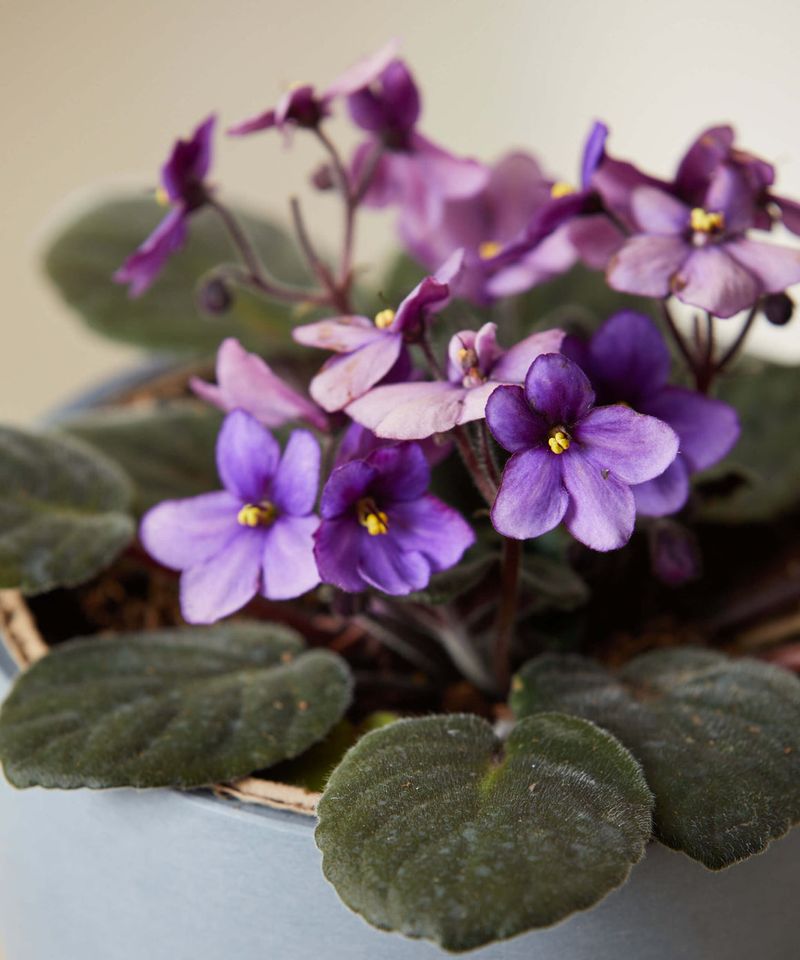
Overwatering is one of the most common mistakes people make with African violets, and it happens more often than you might expect. These plants prefer soil that stays evenly moist, not soggy and not bone dry.
Finding that middle ground takes a little practice, but once you get the feel for it, watering becomes second nature.
A simple way to check is to press your finger about an inch into the soil. If it feels damp, wait a day or two before watering again.
If it feels barely moist or slightly dry, it is time to water. The goal is to never let the plant sit in soggy soil for extended periods, because roots need oxygen just as much as they need water.
North Carolina summers can be warm and humid, which actually slows down how quickly soil dries out indoors. During winter, indoor heating can have the opposite effect, drying soil out faster than expected.
Paying attention to seasonal changes and adjusting your watering schedule accordingly keeps your African violet in great shape all year.
Consistent moisture without excess is the sweet spot these plants love, and once you find that rhythm, your plant will respond with lush foliage and a steady stream of colorful flowers that brighten up any room.
6. Maintain Comfortable Humidity Levels Indoors
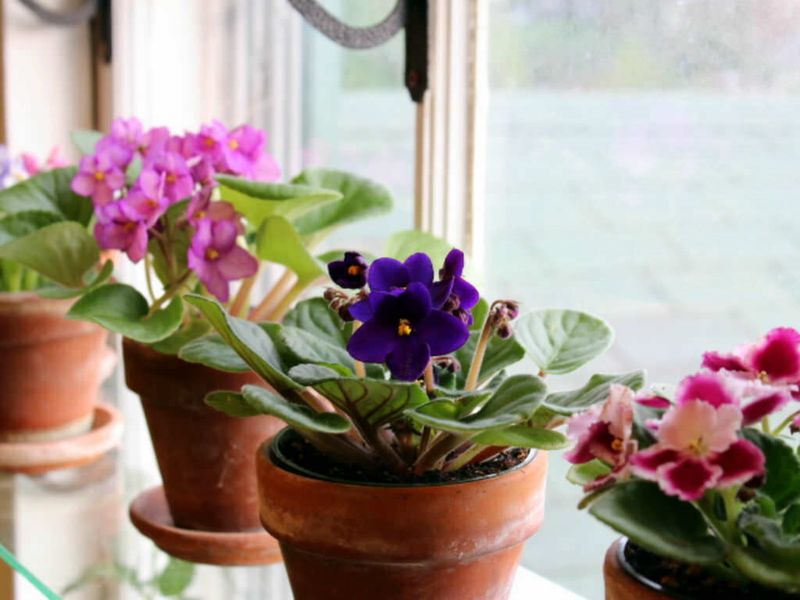
Humidity might not be the first thing you think about when caring for houseplants, but African violets are very aware of the moisture in the air around them.
North Carolina winters bring dry indoor air thanks to central heating, and that dryness can cause leaf edges to brown and overall plant health to dip. Getting humidity right makes a noticeable difference in how well these plants grow.
African violets prefer humidity levels between 40 and 60 percent. A small room humidifier placed near your plant collection is one of the easiest ways to maintain that range during the drier months.
Another option is to group plants together, since they naturally release moisture through their leaves and create a slightly more humid microclimate around each other.
One thing to keep in mind is that while humidity is helpful, stagnant air is not. Good airflow around the leaves prevents fungal issues and keeps the plant healthy.
Avoid misting African violets directly, since water droplets sitting on the leaves can cause spotting or encourage mold. A gentle fan running nearby on low speed works well to keep air circulating without creating a harsh draft.
Balancing humidity and airflow is a simple but powerful combination that North Carolina growers use to keep their African violets looking lush and thriving all season long.
7. Feed Your Plants With The Right Fertilizer
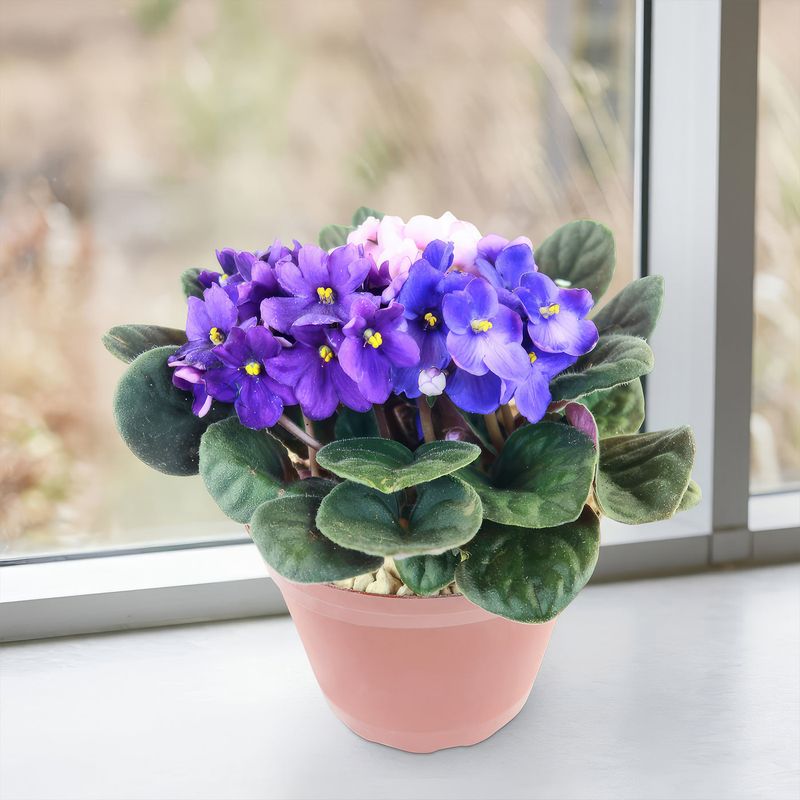
African violets are not heavy feeders, but they do appreciate a regular light meal during their active growing season. Fertilizing correctly is one of those habits that quietly transforms a decent-looking plant into a showstopper.
The right nutrients encourage rich leaf color, strong stems, and a generous supply of flowers that keep coming back.
Look for a fertilizer specifically labeled for African violets or blooming houseplants. These formulas tend to be higher in phosphorus, which supports flower production, and lower in nitrogen, which can push too much leafy growth at the expense of blooms.
Diluting the fertilizer to half the recommended strength and applying it every two to four weeks during spring and summer is a great routine to follow.
During fall and winter, when growth naturally slows down, you can reduce feeding or pause it entirely.
North Carolina gardeners often find that a consistent fertilizing schedule from spring through early fall gives their African violets the energy boost they need to flower abundantly.
Always apply fertilizer to moist soil rather than dry soil to prevent root damage. Over-fertilizing is just as problematic as under-fertilizing, so less truly is more with these plants.
A steady, measured approach to feeding keeps your African violet balanced, healthy, and covered in blooms for as long as possible throughout the year.
8. Remove Old Flowers And Aging Leaves Regularly
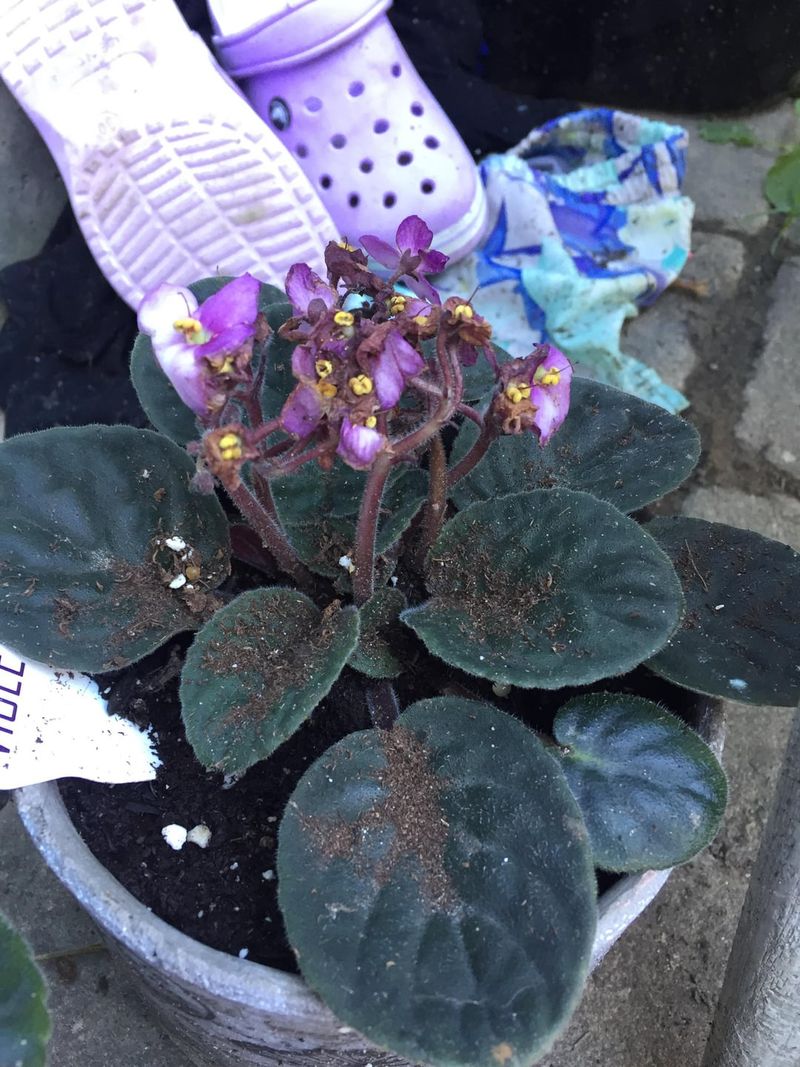
There is something satisfying about tidying up a plant and watching it respond with fresh new growth.
African violets are big fans of a little regular grooming, and removing spent blooms along with older or damaged leaves is one of the best things you can do to keep them performing at their best.
It redirects the plant’s energy toward producing new flowers instead of maintaining declining ones.
Spent flowers left on the plant can sometimes develop mold, especially in humid conditions that are common in parts of North Carolina.
Gently pinching or snipping them off as soon as they fade keeps the plant clean and reduces the risk of any fungal issues spreading to healthy tissue. The same goes for leaves that are yellowing, mushy, or showing signs of damage.
Use clean scissors or your fingers to remove unwanted growth, and always pull or cut as close to the base as possible to avoid leaving stubs that can rot.
Doing a quick check on your African violet once a week takes only a few minutes but makes a big difference over time.
Plants that receive this kind of regular attention tend to stay more compact, bloom more consistently, and look far more attractive than those that are left completely untouched. A little care goes a remarkably long way with these beautiful plants.
9. Choose Small Pots For Better Blooming Results
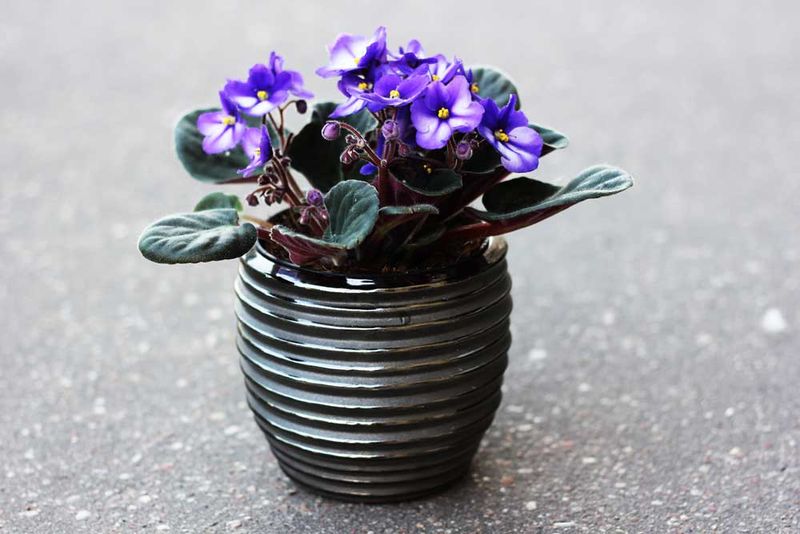
Pot size is one of those details that many new plant owners overlook, but it plays a surprisingly big role in how well African violets bloom.
These plants actually prefer to be slightly root-bound, meaning their roots fill the pot snugly before they need to be moved to a larger one.
When you plant them in an oversized pot, the extra soil holds more moisture than the roots can use, which increases the risk of root rot.
A good rule of thumb is to choose a pot that is roughly one-third the diameter of the plant’s leaf spread. So if your African violet measures about six inches across, a two-inch pot is a good fit.
It sounds small, but these plants genuinely thrive in cozy containers. Terra cotta pots are a popular choice because they allow moisture to evaporate through the sides, which helps prevent overwatering.
North Carolina growers who have switched to smaller pots often notice a dramatic improvement in flowering within just a few weeks. The plant stops putting all its energy into root expansion and starts channeling it into producing more of those gorgeous blooms.
When roots do eventually start creeping out of the drainage holes or circling the bottom, that is your signal to move up just one pot size. Gradual upsizing keeps the plant happy and the blooms coming steadily.
10. Rotate Your Pots For Even, Balanced Growth
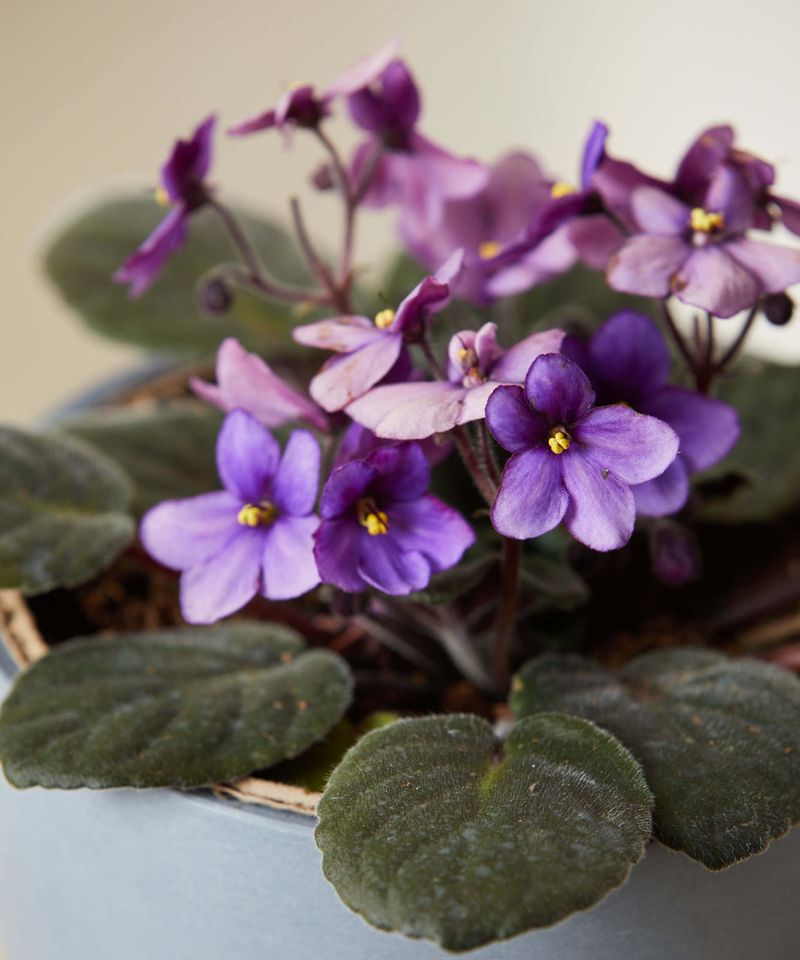
Plants are always reaching toward light, and African violets are no exception. If you leave yours in the same position week after week, the side facing the window will grow outward while the opposite side lags behind.
The result is an uneven, lopsided plant that looks a little off and may not bloom as evenly as it should. Rotating the pot is the easiest fix imaginable.
Giving the pot a quarter turn every week or every other week encourages all sides of the plant to receive equal light exposure. Over time, this simple habit produces a beautifully symmetrical rosette shape, which is exactly what healthy, well-grown African violets look like.
Symmetrical plants also tend to produce flowers more evenly around the crown, giving you a fuller, more impressive display.
North Carolina homes with south or west-facing windows can be especially intense in summer, making rotation even more important for preventing one side of the plant from getting scorched while the other stays in shade.
If you use grow lights instead of natural light, rotation is less critical but still helpful for encouraging even airflow and growth.
Making rotation part of your weekly plant routine, maybe on the same day you check soil moisture, keeps things consistent and easy to remember. Small habits like this one add up to big, beautiful results over time.