Top Veggies To Grow In Containers During May In Pennsylvania
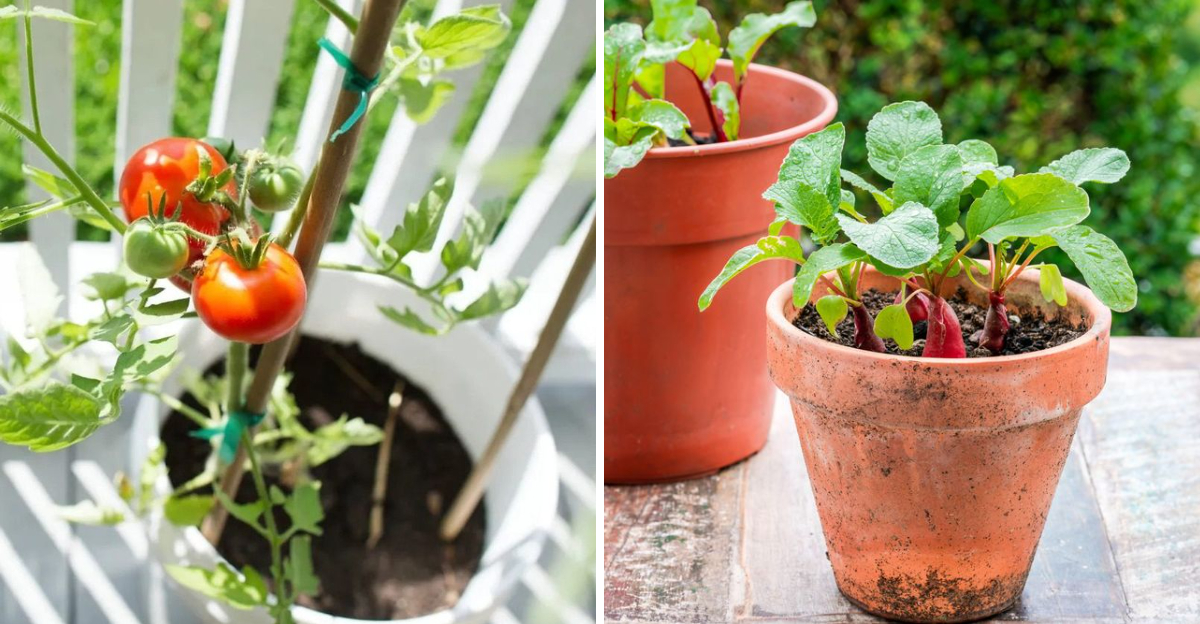
Container vegetable gardening in Pennsylvania hits its stride in May, and if you’ve been putting it off because you assumed you needed a full garden bed to grow anything worth eating, this is the month that changes that assumption completely.
The temperatures are finally cooperative, the days are long enough to support solid growth, and a surprisingly wide range of vegetables perform exceptionally well in containers when the conditions are right.
The appeal of container growing goes well beyond just saving space. You control the soil quality from the start, drainage is easier to manage, and you can move things around to chase the best light as the season progresses.
For Pennsylvania gardeners working with small yards, rental properties, patios, or just awkward growing spaces, containers open up possibilities that in-ground growing simply can’t.
The key is knowing which vegetables actually thrive in pots during May in Pennsylvania versus which ones need more root room than a container can reasonably provide.
1. Cherry Tomatoes
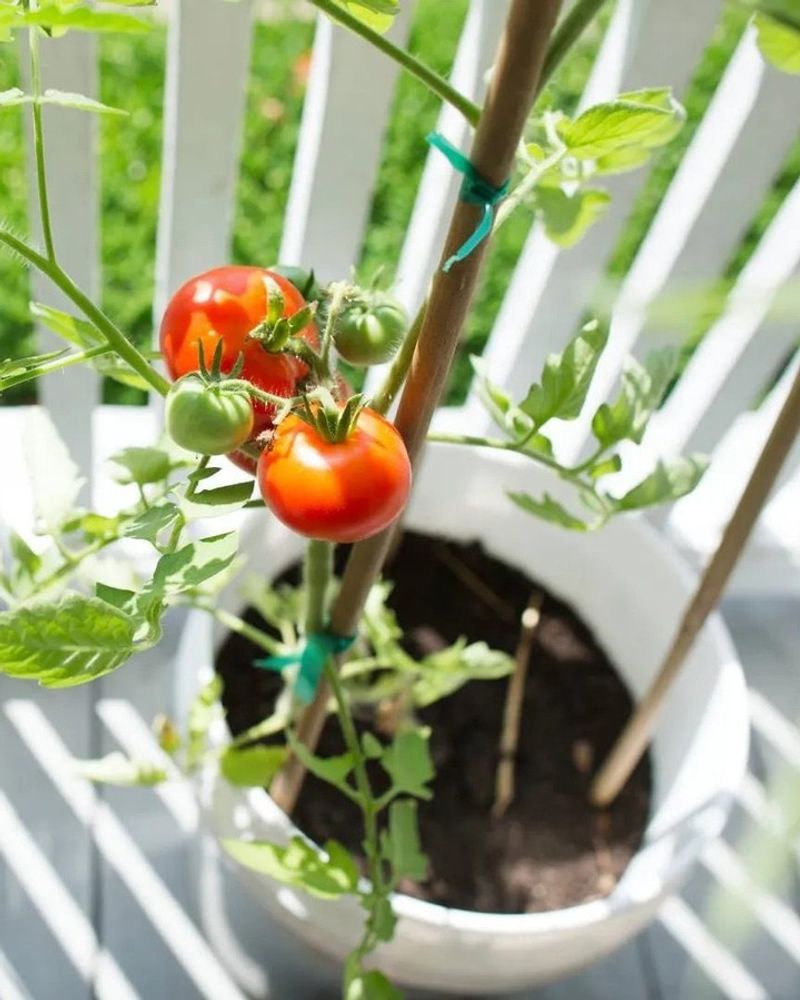
Few things beat the feeling of popping a sun-warmed cherry tomato straight from the vine. Cherry tomatoes are one of the most popular container vegetables in Pennsylvania, and for good reason.
They are compact, incredibly productive, and absolutely love the warm, sunny days that May brings.
For container growing, look for dwarf or patio varieties like Tumbling Tom, Tiny Tim, or Sweet Million. These plants stay smaller than full-sized tomato plants but still produce loads of fruit.
A container that holds at least five gallons of soil gives the roots enough room to spread out and grow strong.
Place your pot in a sunny spot on your deck or patio where it gets at least six to eight hours of direct sunlight each day. Pennsylvania’s May sun is usually strong enough to get these plants off to a great start.
Make sure your container has good drainage holes so the roots never sit in standing water. Water your cherry tomato plants consistently. Uneven watering can cause issues like cracking fruit or blossom drop.
A slow, deep watering every couple of days works better than a quick splash each morning. You can also use a liquid fertilizer every week or two once the plants start flowering to keep them producing all season long.
Staking or caging your plant helps support the stems as they grow taller and heavier with fruit. Even in a container, cherry tomatoes can get bushy and need a little structure to stay upright and healthy.
2. Peppers
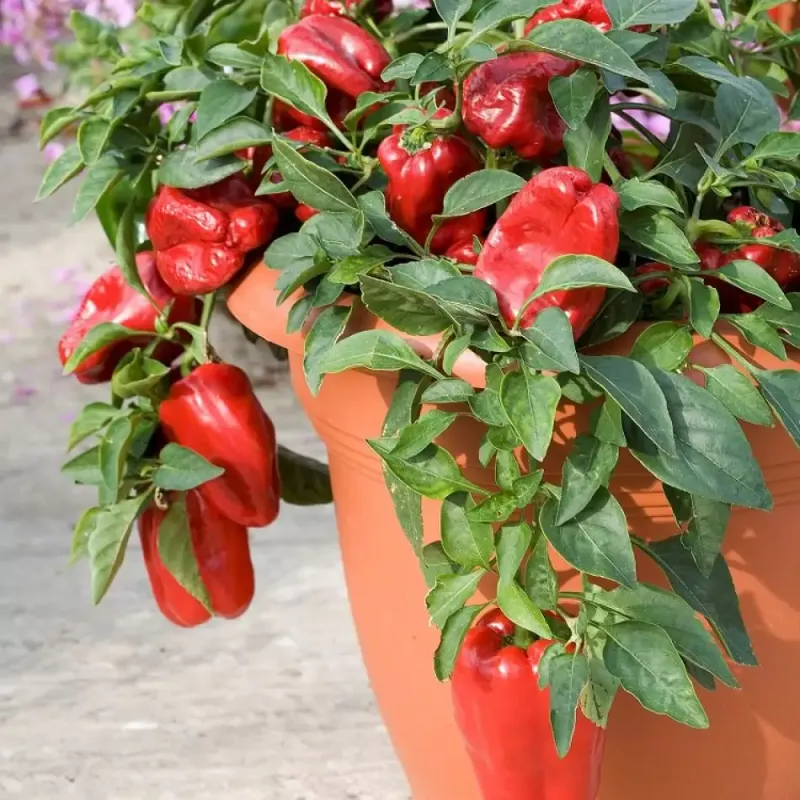
Peppers are one of those vegetables that really reward patient gardeners. By May in Pennsylvania, nighttime temperatures have warmed up enough for pepper plants to settle into their containers and start thriving.
They love heat, and the sunny days ahead are exactly what they need. Both sweet peppers and hot peppers grow well in containers. Bell peppers, banana peppers, and jalapeños are all excellent choices.
Choose a container that is at least twelve inches deep and wide to give the roots room to develop. Fill it with a good quality potting mix that drains well but holds some moisture.
Your Pennsylvania Garden Changes Every Week. Your Plan Should Too.
Gardening in Pennsylvania changes quickly throughout the season. Every Friday you’ll receive a simple weekly plan showing exactly what to plant, prune, fertilize, harvest, and protect so you never miss the right timing.
Place your pepper containers in the warmest, sunniest spot you have. A south-facing deck or patio in Pennsylvania is ideal.
Peppers need at least six to eight hours of sun daily to produce well. If temperatures dip below 55 degrees Fahrenheit at night early in May, bring your containers inside temporarily to protect the plants.
Did you know that peppers are actually perennial plants in tropical climates? Here in Pennsylvania, we grow them as annuals because of our winters.
But that means each plant puts all of its energy into producing fruit during our warm season, which makes for a very generous harvest.
Water peppers regularly but do not overdo it. Let the top inch of soil dry out slightly between waterings.
Feed them with a balanced fertilizer once a month. With a little care, your container peppers will keep producing from summer well into early fall.
3. Leaf Lettuce
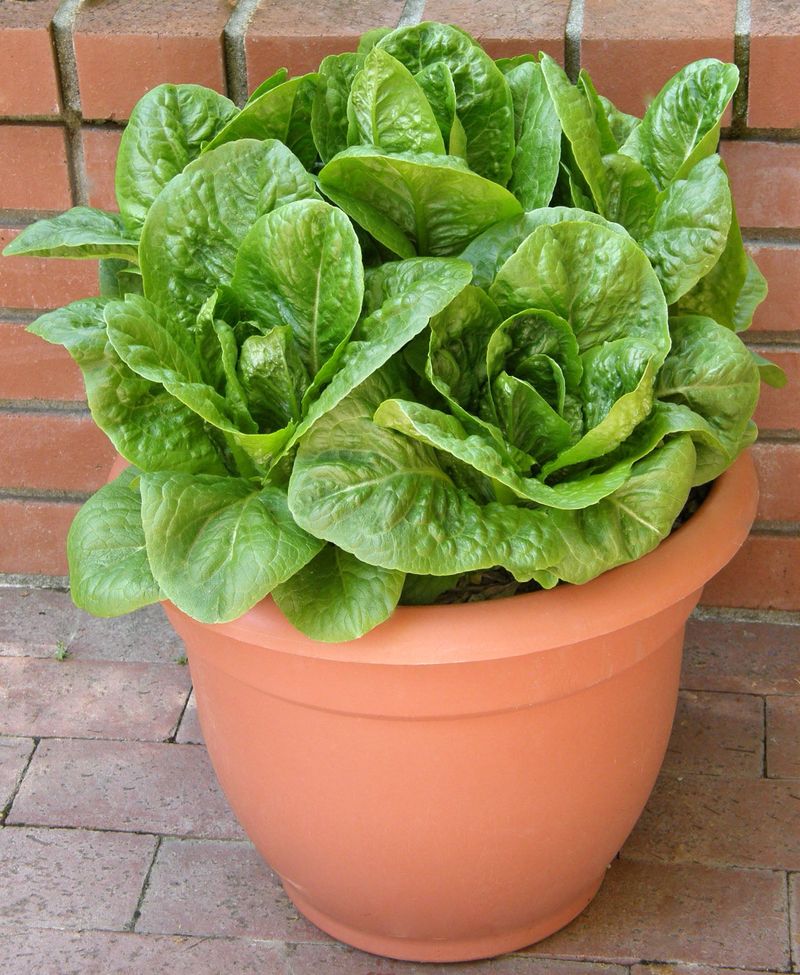
Leaf lettuce is the kind of vegetable that makes you feel like a gardening pro almost immediately. It sprouts fast, grows quickly, and you can start harvesting leaves within just a few weeks of planting.
May in Pennsylvania is a great time to get it going because lettuce loves cool spring weather.
Unlike head lettuce, leaf lettuce does not need to fully mature before you harvest it. You can snip the outer leaves while the center of the plant keeps growing.
This cut-and-come-again method means one container can keep providing fresh salad greens for weeks on end. Varieties like Red Sails, Oak Leaf, and Buttercrunch all do well in containers.
A wide, shallow container works well for lettuce since its roots do not grow very deep. A window box or a rectangular planter about six to eight inches deep is plenty.
Fill it with a moist, loose potting mix and plant seeds or transplants close together for a full, lush look.
Keep your lettuce container in a spot that gets morning sun but some afternoon shade. Lettuce can get bitter and bolt quickly once summer heat hits Pennsylvania.
Placing it on the east side of your home or under a larger plant can extend your harvest by a few extra weeks.
Water lettuce consistently to keep the soil evenly moist. It does not like to dry out between waterings.
A light sprinkle each morning is usually enough to keep it happy and producing through the mild Pennsylvania spring days.
4. Bush Beans
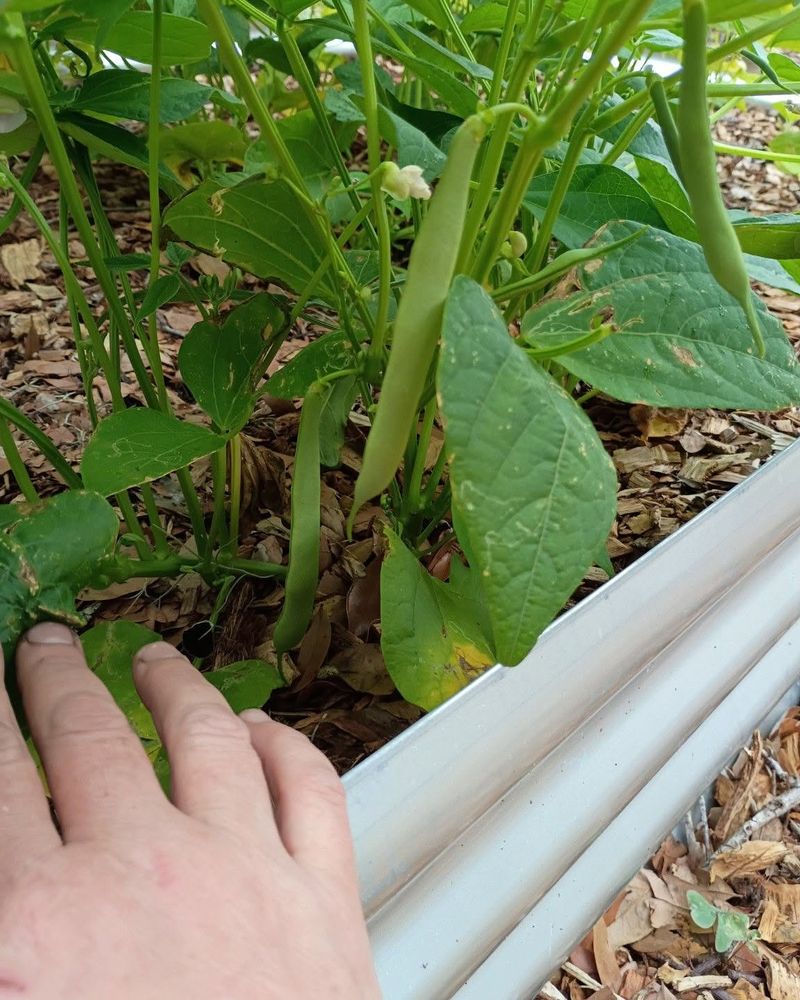
Bush beans are one of the most satisfying vegetables to grow in a container. They grow fast, they need very little fuss, and they produce a surprisingly large harvest from a relatively small pot.
If you have never grown vegetables before, bush beans are a wonderful place to start your container garden in Pennsylvania this May.
Unlike pole beans, bush beans do not need a trellis or support structure. They stay compact and upright on their own, which makes them perfect for container life.
Varieties like Provider, Contender, and Blue Lake Bush are well-suited to growing in pots. They typically reach about eighteen to twenty-four inches tall and wide.
Use a container that is at least eight to ten inches deep and at least twelve inches wide. You can plant several seeds in a single pot for a fuller look and a bigger harvest.
Plant seeds directly into the container about an inch deep and two to three inches apart. Bush beans do not transplant well, so starting from seed right in the pot is the best approach.
Pennsylvania’s May weather is warm enough for beans to germinate quickly, usually within seven to ten days. Place your container in a spot with full sun for best results. Water regularly but make sure the pot drains well, because beans do not like soggy roots.
Harvest your beans when the pods are firm and about four to six inches long. Regular picking actually encourages the plant to keep producing more pods, so check your containers every couple of days once they start coming in.
5. Radish
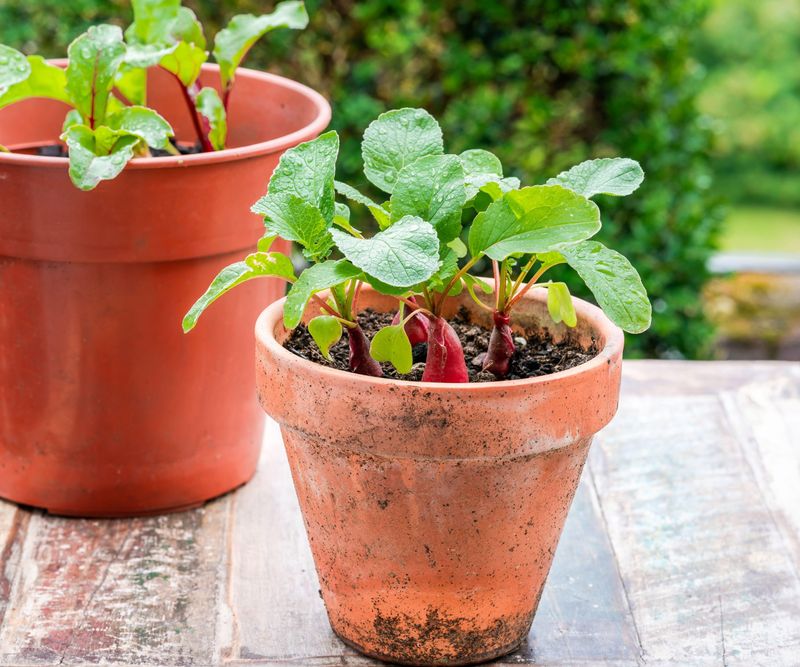
If you want the fastest reward in container gardening, radishes are your answer. Some varieties go from seed to harvest in as little as twenty-two days.
That is less than four weeks from planting a tiny seed to pulling up a crisp, spicy radish ready to eat. For beginner gardeners in Pennsylvania, that kind of quick success is incredibly encouraging.
Radishes are cool-weather crops, which makes May in Pennsylvania a perfect time to plant them. The mild temperatures help them develop their best flavor and texture.
If you plant them too late in the season when summer heat arrives, they can become tough and overly spicy. Getting them in the ground in early to mid-May gives you the ideal growing window.
You do not need a big or deep container for radishes. A pot that is at least six inches deep works well.
Cherry Belle and French Breakfast are two popular varieties that do especially well in containers. Sow seeds directly into the pot about half an inch deep and space them about two inches apart to give each root room to develop.
Keep the soil consistently moist for the best results. Dry soil can cause radishes to become woody and cracked. Water lightly but regularly, especially during dry spring spells in Pennsylvania.
Once you harvest your first batch, you can immediately sow a second round of seeds in the same container. This succession planting keeps fresh radishes coming throughout the spring and into early summer before the heat of the season sets in.
6. Cucumbers
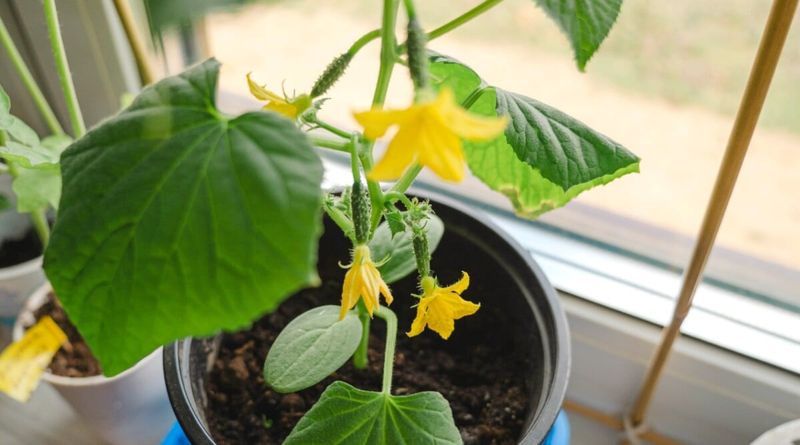
Cucumbers have a reputation for needing a lot of space, but compact and bush varieties have completely changed the game for container gardeners.
Bush Pickle, Spacemaster, and Patio Snacker are all varieties bred specifically for smaller growing spaces, and they perform beautifully in containers on Pennsylvania decks and patios come May.
Plant cucumbers in a large container, at least five gallons, to give the roots enough room to grow. Fill it with a rich, well-draining potting mix and place it in a spot that gets full sun for most of the day.
Cucumbers are heat lovers, and Pennsylvania’s May sunshine gives them exactly the warm start they need.
Even compact varieties benefit from a small trellis or cage placed inside the container. Training the vines upward saves space and keeps the fruit from resting on the soil, which can lead to rot.
A simple wooden stake or a small tomato cage works perfectly for most container cucumber varieties.
Water cucumbers deeply and consistently. They are mostly made of water themselves, so they need a steady supply to produce crisp, flavorful fruit.
Inconsistent watering can cause bitter cucumbers or misshapen fruit. Aim to keep the soil evenly moist, especially during warmer stretches in Pennsylvania’s late spring and early summer.
Cucumbers grow fast once they get going. Check your plants every day once they start flowering.
Harvest the fruit when it is firm and bright green, before it gets too large and the seeds inside start to harden. Frequent harvesting keeps the plant producing all season long.
7. Green Onions
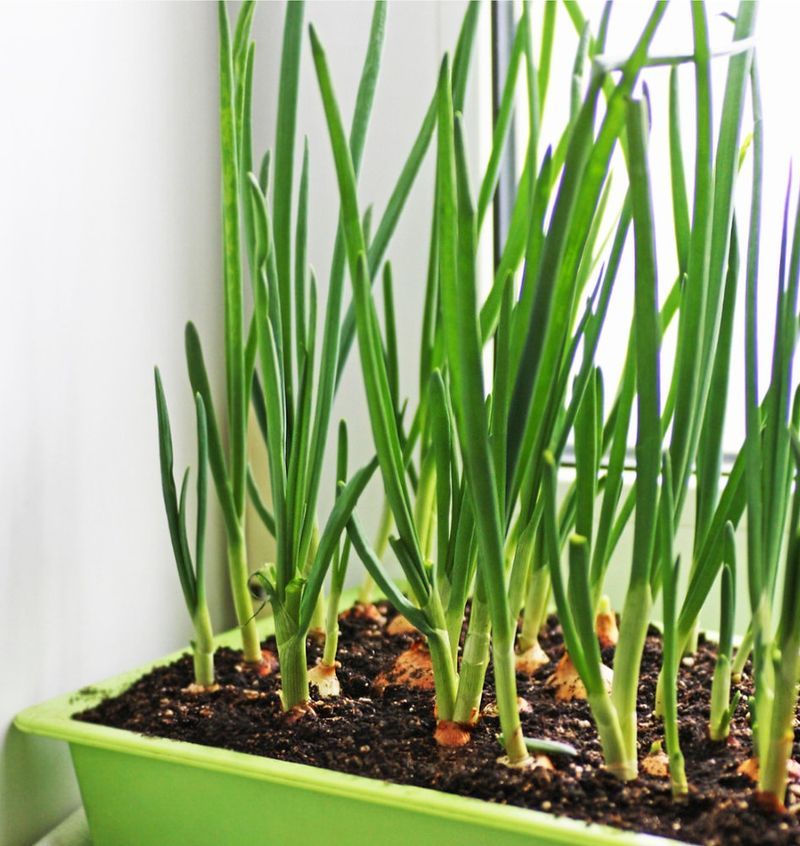
Green onions might be the most underrated vegetable you can grow in a container. They take up almost no space, they need very little attention, and they are ready to harvest in just a few weeks.
Whether you have a full patio or just a single pot on a windowsill, green onions fit right in. Also called scallions, green onions are cool-weather plants that absolutely love Pennsylvania’s mild May temperatures. .
You can start them from seeds or from sets, which are small bulbs that speed up the growing process.
You can even regrow green onions from store-bought ones by placing the white root ends in a little water or potting soil. It is one of the easiest gardening tricks around.
A pot that is at least four to six inches deep is all you need. Plant seeds or sets about an inch deep and an inch apart.
A round pot about eight inches wide can hold a surprising number of plants. Fill it with a good potting mix and place it somewhere that gets at least four to six hours of sun each day.
Water your green onions regularly to keep the soil moist but not waterlogged. They are not heavy feeders, so you do not need to fertilize them often.
A light application of balanced liquid fertilizer once a month is more than enough to keep them growing strong in Pennsylvania’s spring weather.
Harvest green onions by snipping the tops when they reach about six inches tall, or pull the whole plant when you want the white bulb end too. Either way, fresh green onions from your own container are a simple joy worth trying.