These Shade-Loving Ground Covers Thrive In Georgia Gardens
Shady areas in Georgia gardens have a way of becoming the most frustrating spots to deal with. Grass struggles, weeds creep in fast, and some plants never seem to settle no matter how much effort goes into them.
By late spring, those darker corners often start looking uneven while the sunnier parts of the yard take off.
What surprises many gardeners is how much difference the right ground cover can make in those conditions. Certain plants handle shade far better than expected and slowly change the entire look of difficult areas without demanding constant attention.
Texture starts filling in, bare soil becomes less noticeable, and the garden begins looking more balanced overall. Some options stay attractive much longer than people expect in Georgia conditions, especially once summer humidity settles in.
The biggest difference usually comes from picking plants that naturally prefer those lower light areas instead of constantly fighting against them.
1. Creeping Jenny Spreads Fast In Moist Shady Areas
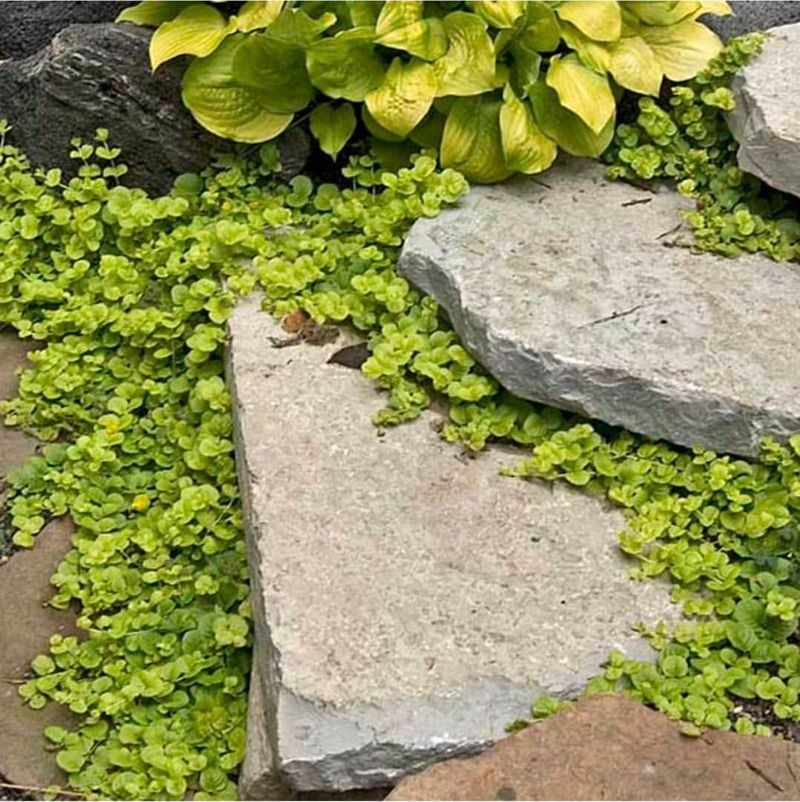
Few plants move as quickly and confidently through a shaded garden bed as Creeping Jenny. In Georgia, where summer humidity stays high and low spots under trees tend to hold moisture, this plant genuinely thrives without much fuss from you.
Lysimachia nummularia, its botanical name, sends out long trailing stems that root as they go. You plant it once, and within a single growing season, it can cover a surprisingly wide area.
The bright chartreuse leaf color actually lights up dark corners in a way that feels almost unnatural for a shade plant.
Creeping Jenny handles both partial and full shade, though the golden-green color tends to deepen slightly in deeper shade.
It prefers consistently moist soil, so spots near downspouts, low garden beds, or shaded water features in Georgia yards suit it especially well.
One thing worth knowing: it can spread aggressively if conditions are just right. Planting it inside a border or container can help keep it where you want it.
Slugs occasionally bother it during wet Georgia springs, but healthy plants recover quickly. Overall, it asks for very little while delivering strong visual impact all season long.
Even during long Georgia summers, Creeping Jenny usually keeps its color and dense growth without thinning out in shaded areas.
Small yellow flowers can also appear in late spring or early summer, adding a subtle extra layer of color among the trailing foliage.
2. Ajuga Forms A Dense Carpet Beneath Trees
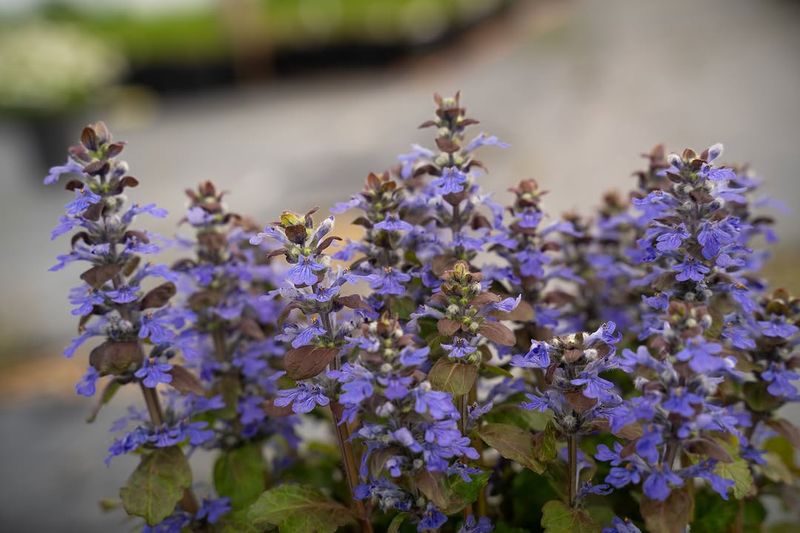
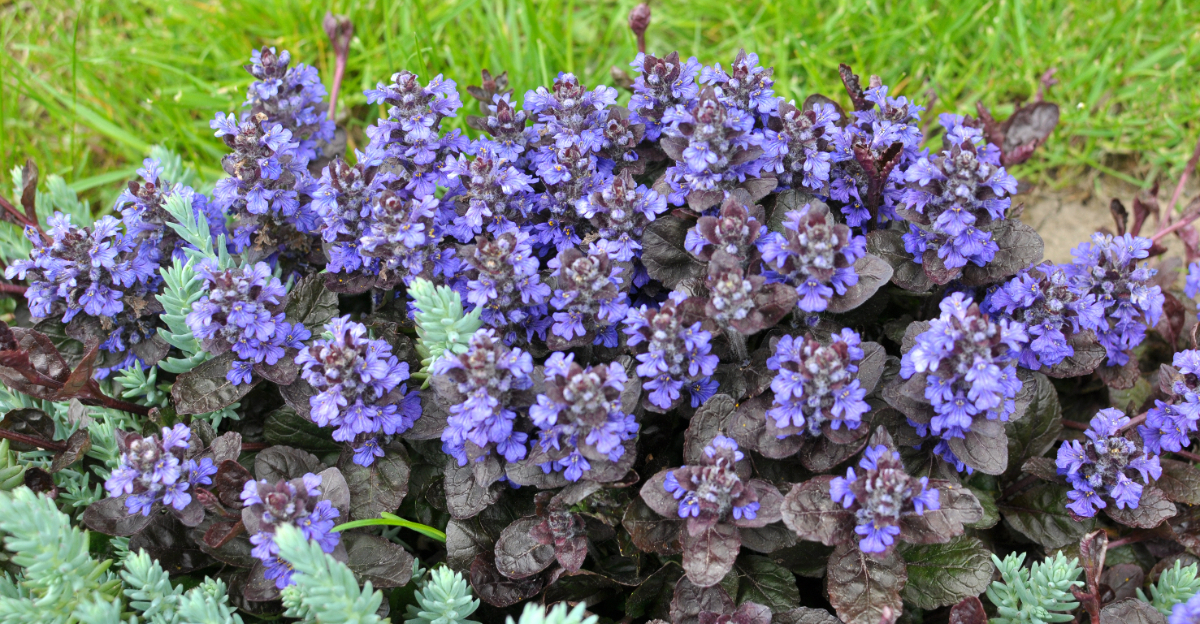
Walk through almost any established Georgia garden in spring, and you might spot Ajuga’s electric blue flower spikes shooting up from a dense mat of dark foliage. It is one of those plants that looks like it took serious effort but actually spreads on its own once settled.
Ajuga reptans, commonly called bugleweed, forms a tight, weed-suppressing carpet that works especially well under large trees where grass refuses to grow.
Roots from nearby trees make soil dry and compacted in spots, but Ajuga handles those conditions better than most alternatives.
Georgia gardeners appreciate that it stays mostly evergreen through mild winters, bouncing back quickly after cold snaps.
Your Georgia Garden Changes Every Week. Your Plan Should Too.
Gardening in Georgia changes quickly throughout the season. Every Friday you’ll receive a simple weekly plan showing exactly what to plant, prune, fertilize, harvest, and protect so you never miss the right timing.
Foliage comes in several colors ranging from dark chocolate-purple to green and burgundy, giving you options depending on the look you want beneath your trees.
Ajuga spreads by runners, so it fills gaps steadily without needing replanting. It does prefer some moisture during dry Georgia summers, so watering during extended droughts keeps it looking its best.
Dividing clumps every few years prevents overcrowding and refreshes the planting. Crown rot can develop in poorly drained spots, so avoid planting in areas where water pools after heavy rain.
In spring, pollinators regularly visit the short flower spikes, especially bees looking for early season nectar sources.
Once established in Georgia gardens, Ajuga also helps reduce soil erosion on shaded slopes where bare ground can quickly wash out after heavy rain.
3. Wild Ginger Thrives In Deep Woodland Shade
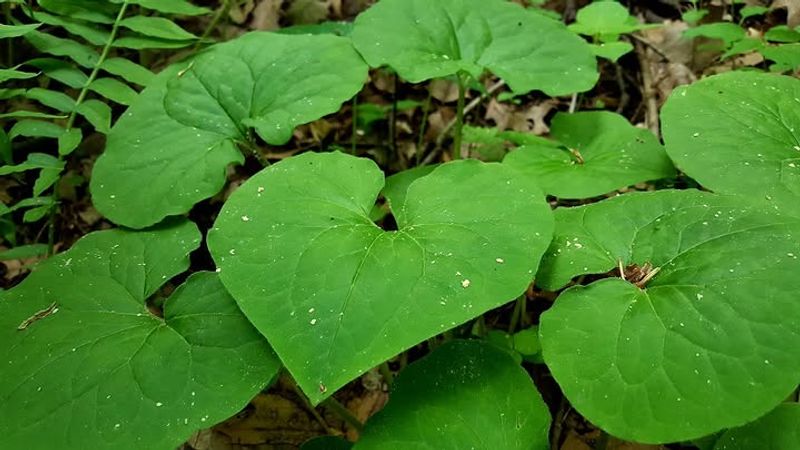
Deep shade is where most plants give up, but wild ginger leans into it. Asarum canadense grows naturally across the eastern United States, and Georgia’s woodland gardens offer nearly perfect conditions for it to settle in and slowly spread into something beautiful.
Large, heart-shaped leaves create a lush, layered look that mimics a forest floor. The foliage stays low, typically only four to six inches tall, which keeps it tidy without any trimming.
In Georgia, it goes semi-evergreen in mild winters and re-emerges reliably each spring with fresh new growth.
Wild ginger spreads by rhizomes underground, moving slowly but steadily outward. It is not a fast-spreading plant, so patience matters here.
Planting several divisions close together speeds up coverage and gives you a fuller look sooner rather than later.
Soil quality makes a real difference with this one. Rich, well-drained soil with plenty of organic matter, similar to what you find on an actual forest floor, helps it perform best.
Adding a layer of leaf mulch around plants keeps roots cool and moist through Georgia’s intense summers. Deer tend to leave it alone, which is a genuine bonus in rural and suburban Georgia gardens where deer pressure runs high.
Small reddish brown flowers appear near the base of the plant in spring, though they often stay hidden beneath the leaves and go unnoticed.
Wild ginger also works well around native ferns and woodland perennials in Georgia shade gardens, creating a natural layered look without demanding constant upkeep.
4. Foamflower Brings Soft Spring Blooms To Shade
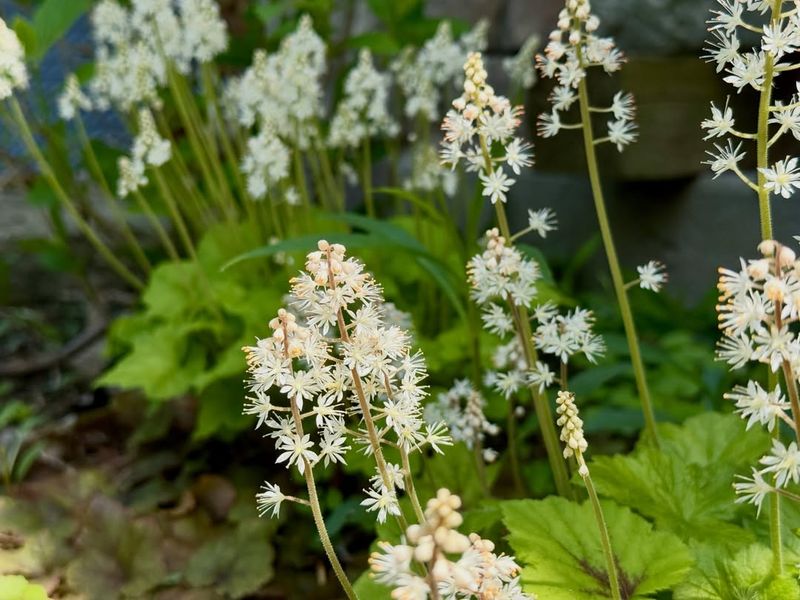
Foamflower earns its name every spring when clusters of tiny, frothy white blooms rise above its patterned leaves like something from a fairy tale garden. Native to eastern North American woodlands, Tiarella cordifolia feels right at home in Georgia’s shaded beds and slopes.
What makes it especially appealing is the foliage, which stays attractive long after the spring bloom period ends. Leaves often feature deep burgundy or bronze markings along the veins, giving the plant a decorative quality even without flowers.
In Georgia, the foliage persists through most winters in a semi-evergreen state.
Foamflower spreads in two ways depending on the variety. Some spread by runners, filling in gaps across a bed, while clumping varieties stay in tighter mounds that work better in smaller spaces.
Both types perform well in Georgia gardens when planted in rich, moist, well-drained soil under deciduous trees.
Slugs and snails occasionally bother young plants during wet spring weather in Georgia, so keeping the area clean of debris helps reduce that problem. Established clumps are generally tough and low-maintenance.
Dividing plants every three to four years keeps them vigorous and gives you extra divisions to spread around or share with neighbors who are also working on their shaded garden areas.
Foamflower also pairs beautifully with native ferns and hostas in Georgia shade gardens, helping create a layered woodland look that stays attractive well beyond spring bloom season.
5. Mondo Grass Keeps Its Shape In Low Light
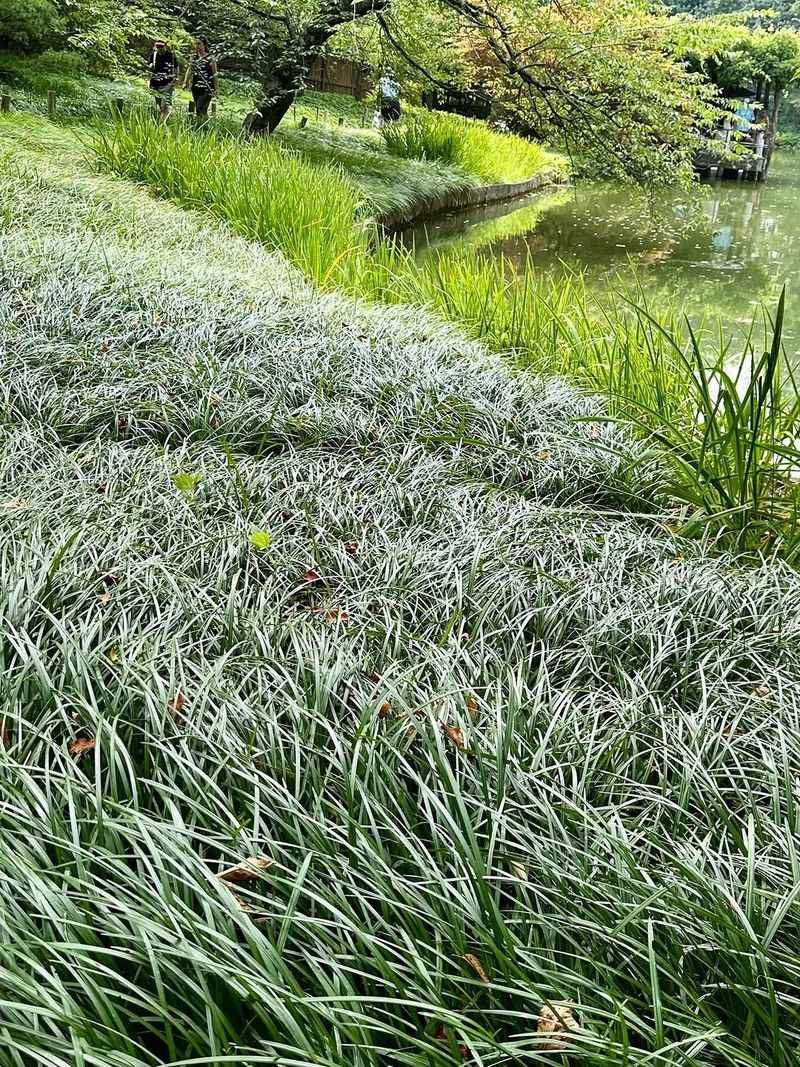
Mondo grass does not ask much from a gardener. Plant it, water it through the first season, and it will quietly hold its ground for years without complaint.
In Georgia, where summer heat pushes most shade plants to their limits, Ophiopogon japonicus stands out for its remarkable durability.
Clumps grow slowly into neat, arching mounds of dark green, grass-like foliage. It never gets tall enough to look messy or require cutting back, which makes it a popular choice for edging shaded paths, planting under large shrubs, or filling tight spots where nothing else seems to cooperate.
Georgia gardeners often use dwarf mondo grass, which stays under two inches tall, as a lawn alternative in deeply shaded areas where actual turf grass gives up.
It handles foot traffic less gracefully than turf, but for low-traffic shaded zones, it creates a clean, manicured appearance year-round.
One honest limitation worth mentioning: mondo grass spreads slowly, so filling a large area takes time. Planting divisions six to eight inches apart speeds up coverage noticeably.
It tolerates drought once established, but new plantings need consistent moisture through Georgia’s first hot summer. Small purple flowers appear in summer, followed by dark blue berries that add subtle seasonal interest to the planting.
6. Green And Gold Brightens Dark Garden Corners
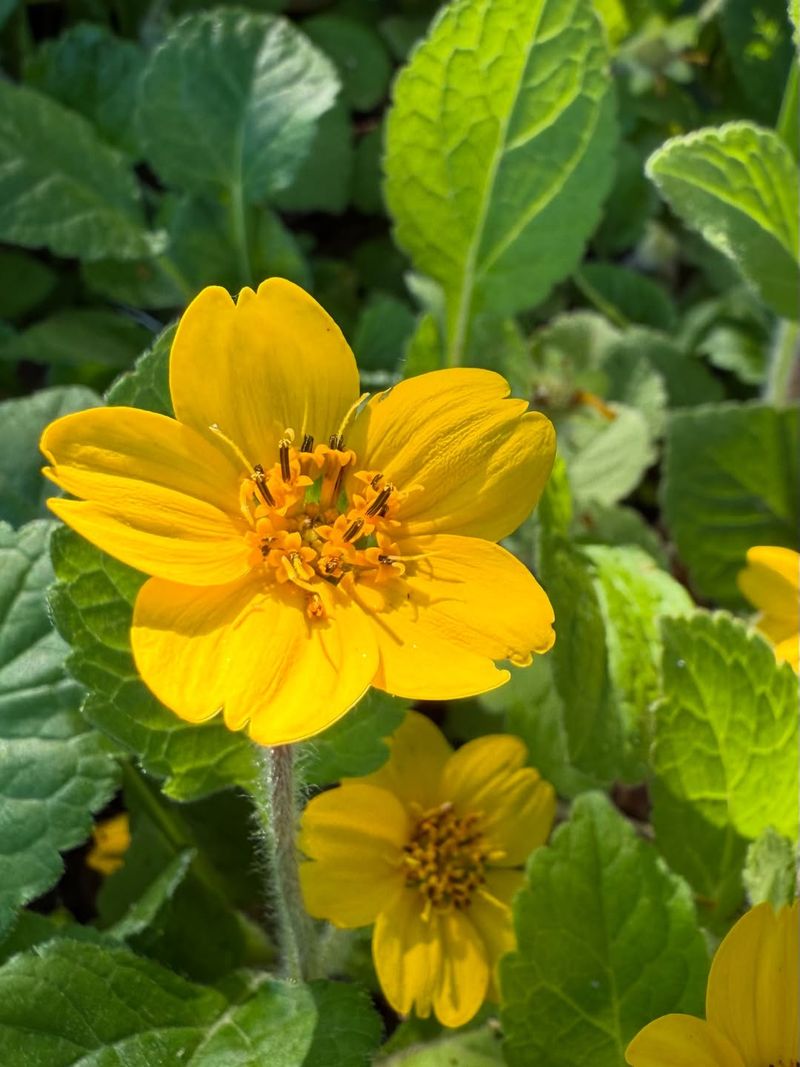
Bright yellow flowers in a shaded garden corner feel like a small miracle, and that is exactly what Chrysogonum virginianum delivers.
Known simply as Green and Gold, this native southeastern plant blooms generously in spring and then keeps producing scattered flowers through much of the growing season.
Native to the southeastern United States, it feels completely at home in Georgia gardens. It handles everything from partial shade to fairly deep shade, and once established, it spreads steadily by runners without becoming invasive or difficult to manage.
Green and Gold stays low, typically six to nine inches tall, with semi-evergreen foliage that holds up through Georgia’s mild winters reasonably well.
The combination of cheerful flowers and clean, textured leaves makes it one of the most visually rewarding native ground covers available for shaded spaces in the region.
Soil does not need to be perfect for this plant to perform, but good drainage matters. Consistently wet soil causes root problems, so avoid low spots where water lingers after rain.
Moderate moisture during dry Georgia summers keeps flowering consistent. Because it is native, local pollinators including bees visit the flowers regularly during bloom periods.
Dividing established clumps every few years refreshes the planting and gives you material to expand coverage in other shaded corners of your yard.
7. Partridgeberry Slowly Fills Shaded Garden Beds
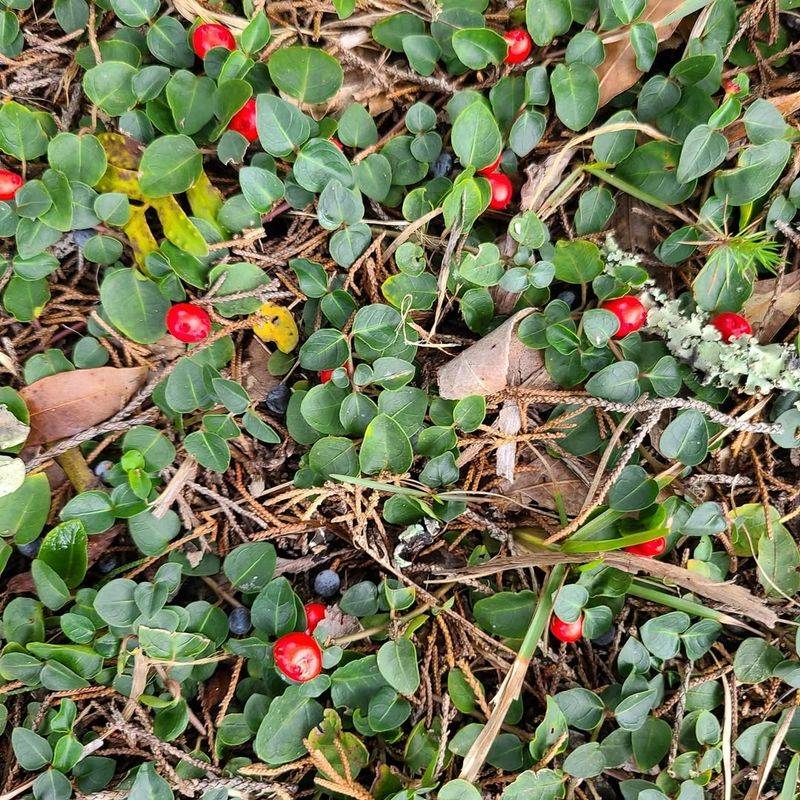
Partridgeberry is not a plant for the impatient gardener. Mitchella repens grows slowly, creeping along the ground with small, paired leaves and delicate white flowers that eventually give way to bright red berries.
But in the right shaded spot in a Georgia garden, it rewards patience with something that genuinely looks like a piece of the forest floor brought home.
Native across eastern North America, it grows naturally in Georgia’s woodland areas, which means it is already adapted to the region’s soil and climate.
It prefers acidic, well-drained soil rich in organic matter, conditions that are easy to create or find naturally under Georgia’s many pine and oak trees.
Red berries appear in fall and often persist through winter, adding color to the garden during a season when most ground covers look quiet. Wildlife including birds appreciate the berries, making partridgeberry a functional choice as well as an ornamental one.
Because it spreads slowly, it works best in smaller shaded beds or as a companion to other ground covers rather than as a large-scale solution on its own.
Keeping it consistently moist during establishment is important, especially through Georgia’s dry summer stretches.
Foot traffic will damage it, so plant it in areas where people and pets do not regularly walk. Mulching lightly around plants helps retain moisture without smothering the low stems.
8. Allegheny Spurge Creates A Full Woodland Look
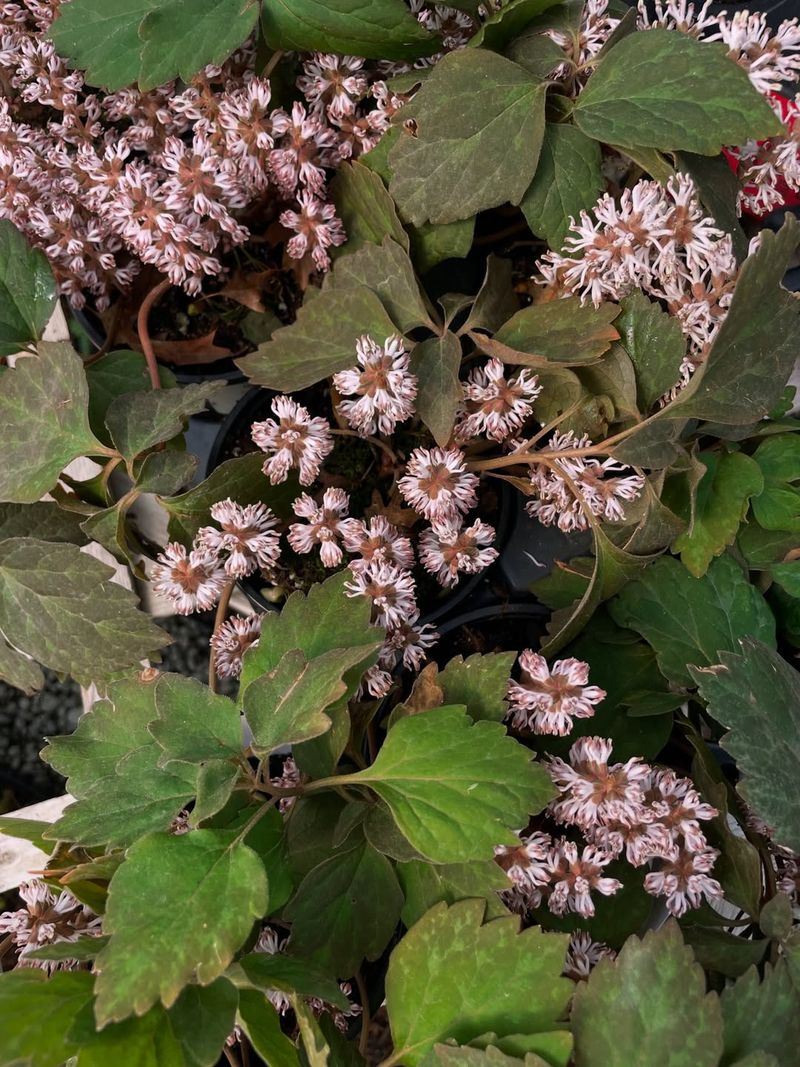
Most gardeners know Japanese pachysandra, but Allegheny spurge, Pachysandra procumbens, is the native alternative that actually suits Georgia gardens better in many situations.
Broader, more textured leaves with attractive silver mottling give it a visual richness that the common Japanese version simply does not match.
Native to the southeastern United States, it grows naturally in shaded woodland conditions similar to what many Georgia yards already provide beneath mature trees.
It is semi-evergreen, meaning leaves from the previous year persist through winter and then drop as fresh new growth emerges in spring, which keeps the bed looking covered year-round.
Fragrant white flower spikes appear in early spring before the new foliage fully expands, which is an unexpected bonus from a plant most people grow purely for its leaves. Pollinators visit the flowers, adding brief ecological value during an early season window when blooms are scarce.
Allegheny spurge spreads by rhizomes, moving outward gradually to fill a bed over several seasons. It prefers moist, well-drained, acidic soil, which aligns naturally with conditions found under Georgia’s pine trees and hardwoods.
Planting in amended soil with added compost gives it a strong start. Compared to its Japanese relative, it shows better resistance to the leaf blight issues that sometimes affect pachysandra plantings in humid southeastern climates like Georgia’s.