What Georgia Homeowners Should Know About No Mow May
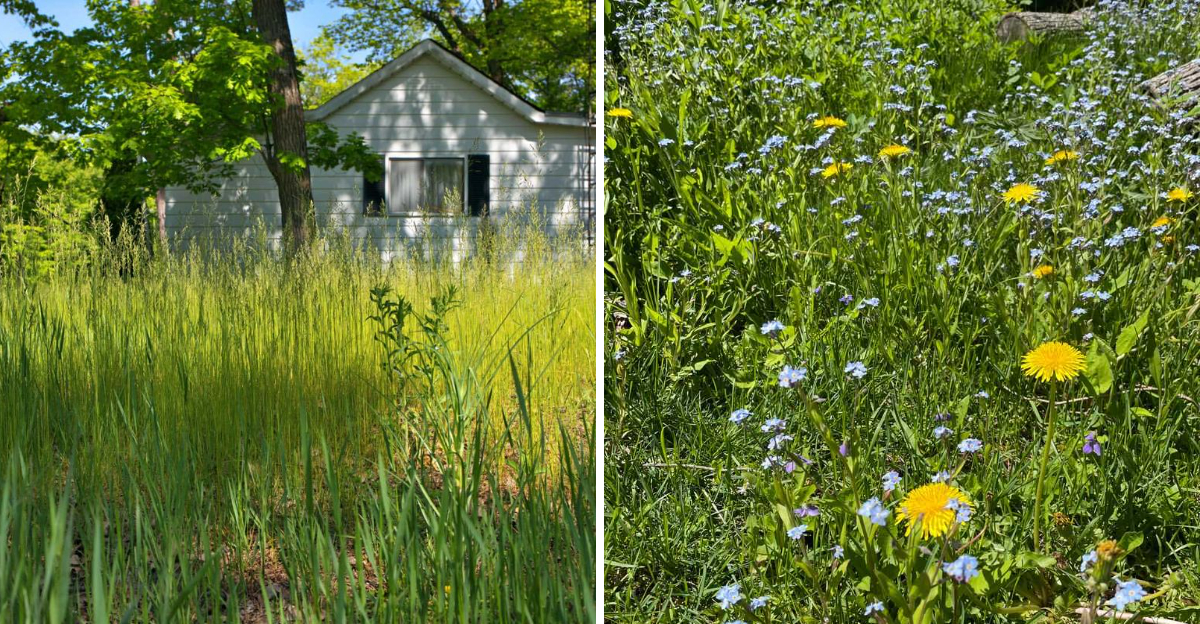
Georgia lawns can change fast once mowing stops in May, especially after warm temperatures and spring rain start pushing grass growth into overdrive.
No Mow May keeps getting more attention from homeowners hoping to support pollinators or cut back on constant mowing. Georgia conditions can make the idea far less straightforward than many people expect at first.
What works in cooler states can play out very differently once thick warm season grass, rising humidity, and rapid spring growth enter the picture.
Plenty of homeowners start the month expecting one result, then end up noticing completely different changes in the yard a few weeks later.
1. No Mow May Encourages More Spring Flowers To Bloom
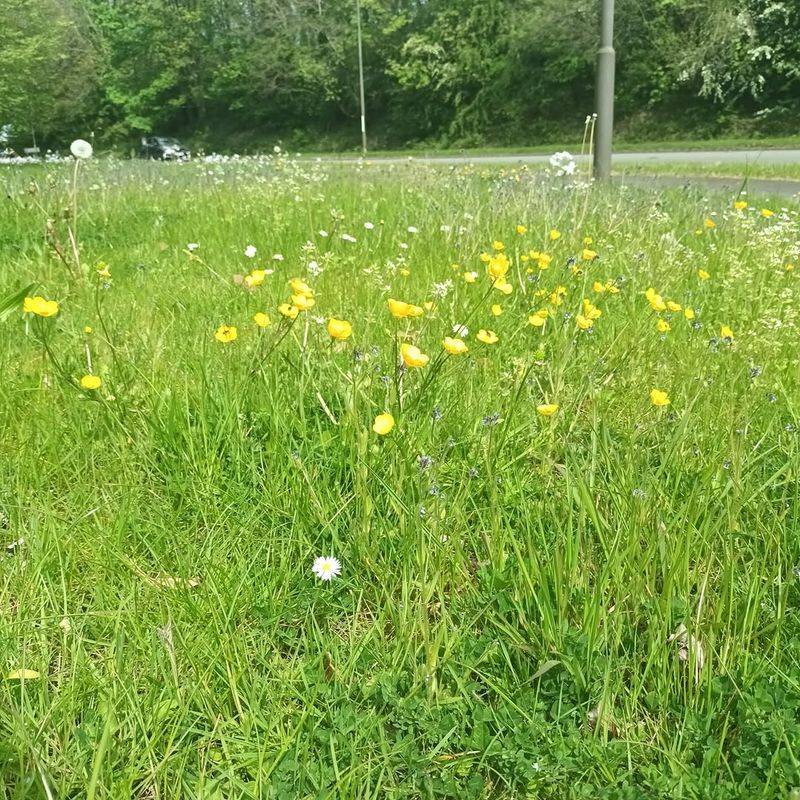
Skipping the mower for a month can turn a plain green lawn into something surprisingly colorful.
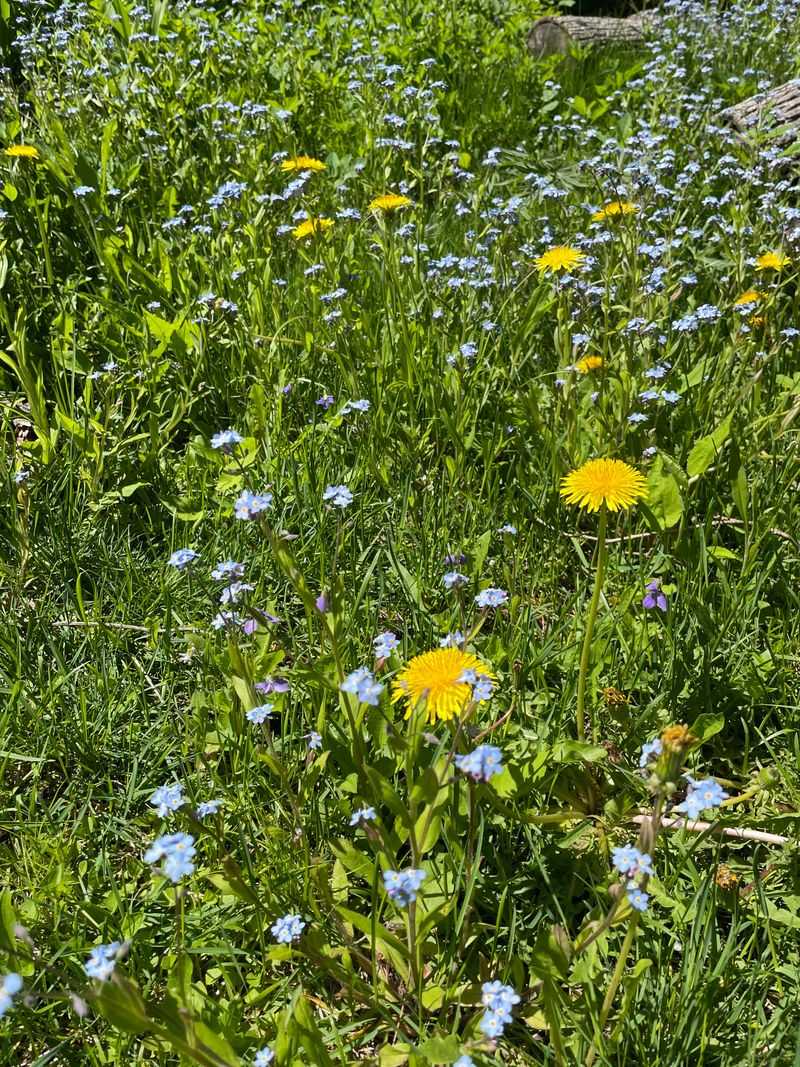
When grass is allowed to grow tall in May, low-growing plants like clover, wild violet, and dandelions get enough light and space to push up blooms that would normally get cut off before they ever open.
Georgia yards often have more of these plants than homeowners realize, quietly waiting beneath the surface for a chance to flower.
Clover is one of the most common volunteers in Georgia lawns, and it blooms quickly once mowing stops. Wild violet, which thrives in the shadier corners of many Georgia yards, can produce small purple flowers that add unexpected color to the lawn.
Even plantain, a flat-leafed weed most people try to get rid of, sends up slender flower stalks when left alone long enough.
Not every Georgia lawn will produce a wildflower meadow after a month without mowing. Lawns dominated by warm-season grasses like Bermuda or Zoysia tend to grow densely and can crowd out many of the smaller flowering plants.
Results depend heavily on what seeds are already present in your soil and how much sunlight your yard receives.
2. Pollinators Often Visit Lawns Left Uncut In Spring
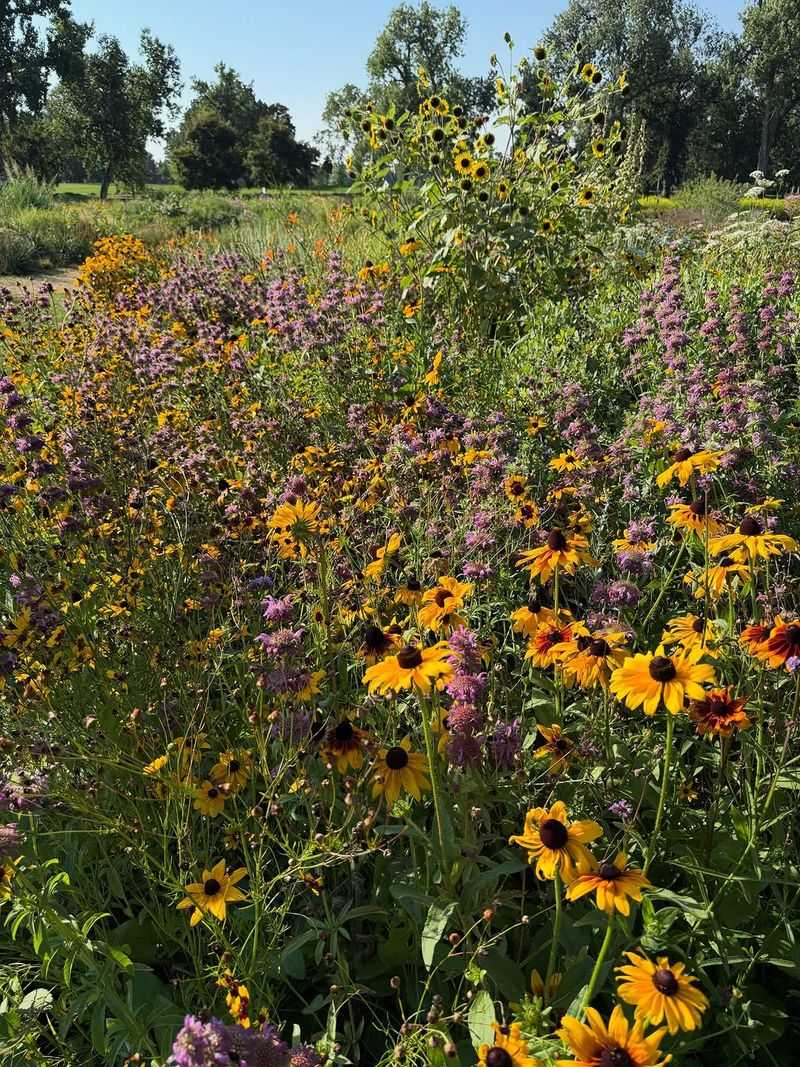
Bees do not care much about perfectly trimmed grass. What they care about is finding food, and a lawn full of clover, dandelion, and other low-growing flowers is essentially a buffet.
Georgia is home to hundreds of native bee species, and many of them are actively foraging in May, just when No Mow May begins.
Letting flowers bloom in your lawn, even briefly, can provide real nutritional support to bees that are building colonies after a long winter.
Butterflies also benefit from taller, flowering lawns. Species like the common checkered-skipper and various sulphur butterflies are frequently spotted in Georgia yards during spring, and they are attracted to nectar-producing plants that grow close to the ground.
A lawn with a few weeks of growth can become a reliable pit stop for these insects as they move through neighborhoods.
Ground-nesting bees are another group worth knowing about. About 70 percent of all bee species nest in the ground rather than in hives, and some of them use patches of bare soil or low-traffic lawn areas in Georgia yards.
Reducing mowing frequency in May gives these bees less disturbance during a critical nesting period. That said, the benefit to pollinators depends on what is actually blooming in your lawn.
Your Georgia Garden Changes Every Week. Your Plan Should Too.
Gardening in Georgia changes quickly throughout the season. Every Friday you’ll receive a simple weekly plan showing exactly what to plant, prune, fertilize, harvest, and protect so you never miss the right timing.
3. Georgia Heat Causes Grass To Grow Faster In May
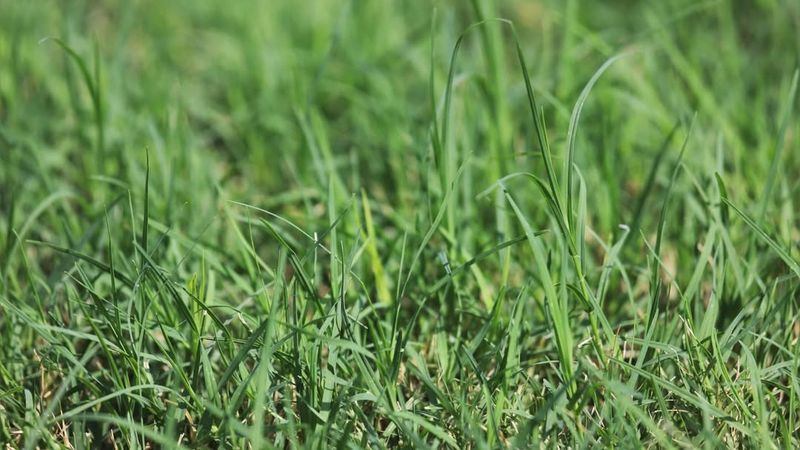
Georgia May is not like May in Minnesota or Oregon. Temperatures in Georgia regularly climb into the mid-80s and sometimes push past 90 degrees Fahrenheit before the month is even halfway done.
Warm-season grasses like Bermuda, Zoysia, and Centipede are already in active growth mode by early May, and they respond to that heat by putting on serious height fast. What looks manageable in the first week can become a genuine problem by week three.
Bermuda grass in particular is known for aggressive spring growth. Under warm Georgia conditions, it can add several inches of height per week when left uncut.
Zoysia grows a bit slower but still adds significant height over a month. Centipede, which is common in the coastal and middle Georgia regions, grows at a more moderate pace but still gets noticeably tall without regular cutting.
One real concern with skipping mowing all month is what happens when you finally do cut. Warm-season grasses should not be cut by more than one-third of their height at a time, according to general turf management guidance.
If your Bermuda lawn reaches eight inches and you cut it back to two, that is a significant shock to the plant that can leave the lawn looking brown and stressed for days.
4. Tall Grass Can Hold More Moisture Near The Soil
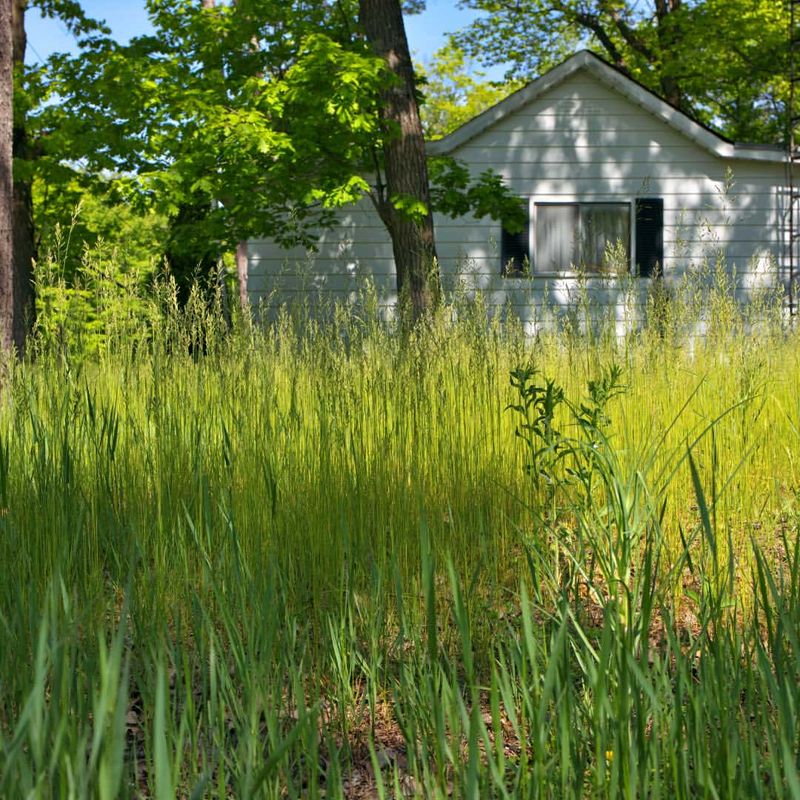
Longer grass blades cast shade over the soil beneath them, and that shade makes a real difference when Georgia temperatures start climbing in May. Shaded soil loses water to evaporation more slowly than bare or short-cut soil exposed to direct sun.
For homeowners dealing with sandy or clay-heavy Georgia soils that tend to dry out quickly in warm weather, this moisture retention can actually be a practical benefit during a dry spring stretch.
Grass roots also tend to grow deeper when the plant is allowed to maintain more height.
Taller grass generally signals to the plant that it can invest more energy into root development, which improves the lawn’s ability to draw moisture from deeper in the soil profile.
This is especially relevant in parts of middle and south Georgia where May can bring dry spells between rain events.
However, there is a flip side worth acknowledging. Georgia May also brings high humidity and warm nights, and a lawn that holds moisture near the soil surface while staying densely shaded can create conditions that encourage fungal growth.
Lawn diseases like brown patch and dollar spot are already a concern for Georgia homeowners in late spring, and consistently wet, shaded soil can make those problems worse.
5. Longer Grass May Create More Hiding Spots For Pests
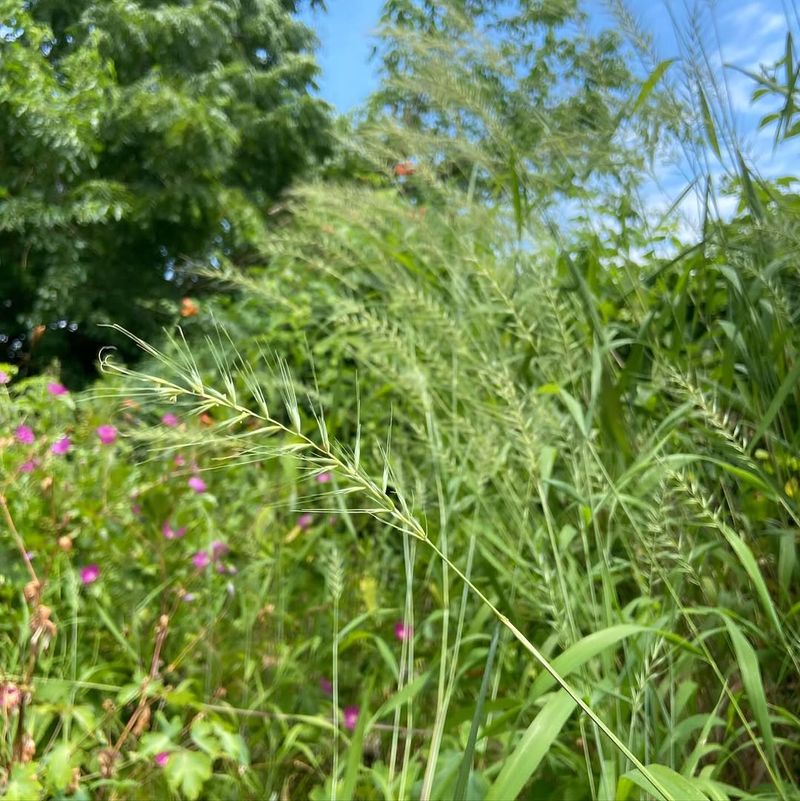
Ticks are a serious concern in Georgia, and they love tall grass. The black-legged tick and the lone star tick are both common in Georgia and are known to carry diseases that affect people and pets.
Taller grass provides the kind of shaded, humid environment these pests prefer, and it gives them an easy way to latch onto anyone or anything walking through the yard.
Georgia homeowners with children or pets who use the yard regularly should weigh this risk carefully before committing to a full month without mowing.
Fleas are another pest that thrives in tall, shady grass. Georgia’s warm spring temperatures create ideal conditions for flea populations to expand rapidly, and a lawn that goes uncut for four weeks can become a hospitable environment for them.
Once fleas establish themselves in a yard, getting rid of them takes time and effort, often requiring multiple treatments.
Chiggers, which are common throughout Georgia and especially in rural and semi-rural areas, also prefer dense, tall vegetation. These tiny mites are barely visible to the naked eye but leave intensely itchy welts on skin.
They are most active in warm weather and tend to congregate in grassy areas with low light and high humidity, which describes an unmowed Georgia lawn in May fairly well.
6. Warm Season Lawns Usually Recover Better With Regular Care
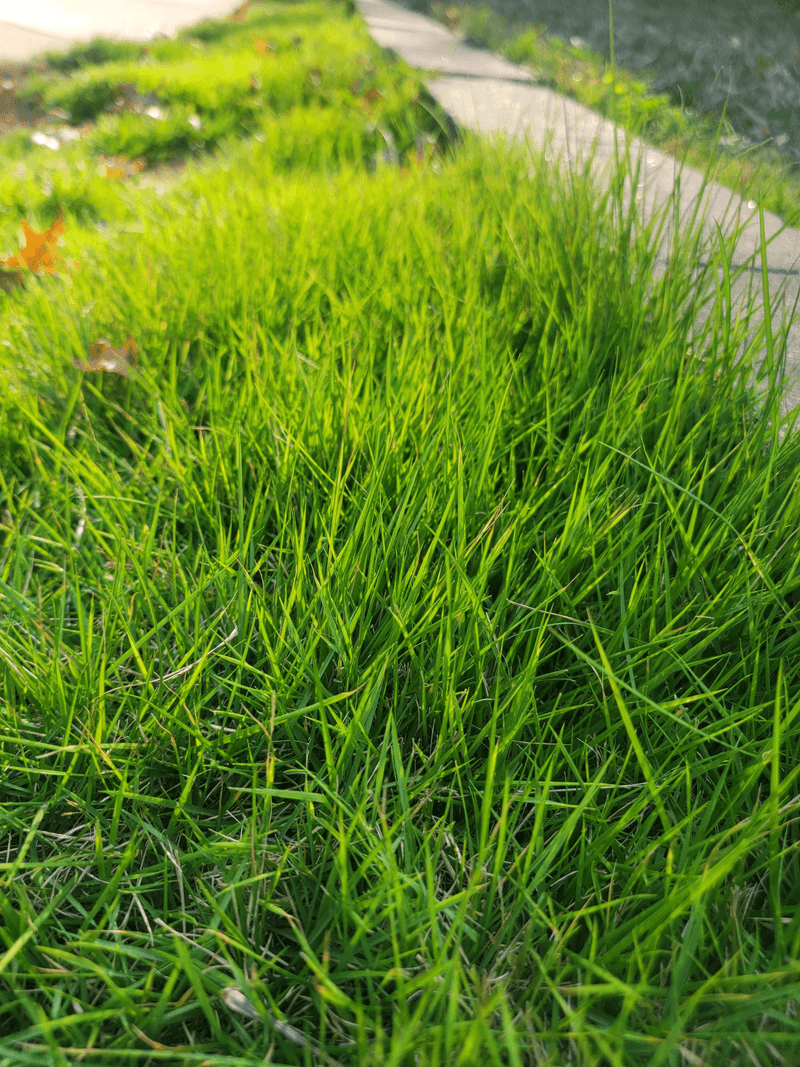
Bermuda, Zoysia, Centipede, and St. Augustine are the four warm-season grasses that make up the vast majority of Georgia lawns, and all four have one thing in common: they thrive with consistent maintenance during their active growing season.
Skipping an entire month of mowing during May, which is right when these grasses are hitting their stride, goes against the basic care rhythm that keeps warm-season turf healthy and dense through summer.
Regular mowing encourages lateral growth in warm-season grasses. When you cut the top of the grass blade, the plant responds by spreading outward and filling in gaps, which creates a denser, more weed-resistant lawn over time.
When mowing stops for a month, that lateral growth slows and the plant puts more energy into vertical growth instead, which can leave the lawn looking thin and open when it is finally cut back down.
Centipede grass, which is popular in the middle and coastal Georgia regions, is especially sensitive to dramatic changes in mowing height.
Cutting it back severely after a month of growth can stress the turf in ways that take weeks to recover from, particularly if the weather turns hot and dry after the cut.
St. Augustine, common in south Georgia, handles height changes somewhat better but still benefits from consistent cutting.
7. Many Homeowners Choose Partial Mowing Instead Of Stopping Completely
All-or-nothing is rarely the best approach when it comes to lawn care in Georgia, and No Mow May is no exception.
A growing number of Georgia homeowners are finding a middle ground that works for both their lawn and local pollinators: mowing most of the yard on a regular schedule while leaving one designated section unmowed for the month.
A patch near a fence line, along a garden border, or in a back corner of the yard can serve as a small pollinator habitat without putting the entire lawn at risk.
Partial mowing also helps manage the practical challenges that come with Georgia’s fast spring growth.
Keeping high-traffic areas of the yard cut short reduces tick and flea exposure for kids and pets, while the unmowed section still provides blooming plants for bees and butterflies to visit.
It is a realistic compromise that addresses both the ecological goal of the movement and the real-world conditions of a Georgia spring.
Some Georgia homeowners also choose to simply reduce their mowing frequency rather than create a dedicated unmowed zone. Cutting every two to three weeks instead of every week still allows some flowers to bloom between cuts and gives pollinators more time to visit the lawn.