The Native Michigan Wildflower That Peaks In May And Is Gone Before Most Gardeners Even Notice
Some wildflowers announce themselves loudly and hold their display for weeks. Others arrive quietly, peak brilliantly, and disappear before most people realize what they missed.
Michigan has one native wildflower that operates almost entirely in that second category, timing its entire above ground presence around a narrow spring window and then vanishing as completely as if it were never there.
May is when it reaches full bloom, and the display it puts on during those few weeks is genuinely worth planning around if you know to look for it.
After that, the foliage pulls back and the plant retreats underground until the following spring. Gardeners who have never caught it at the right moment often walk past the same spot for years without knowing what grows there.
Understanding this plant’s rhythm, what it looks like in bloom, where it tends to appear in Michigan landscapes, and how to grow it intentionally makes May feel like it holds something worth watching for rather than just another busy stretch of the planting season.
1. Shooting Star Is A True Michigan Native (Dodecatheon Meadia)
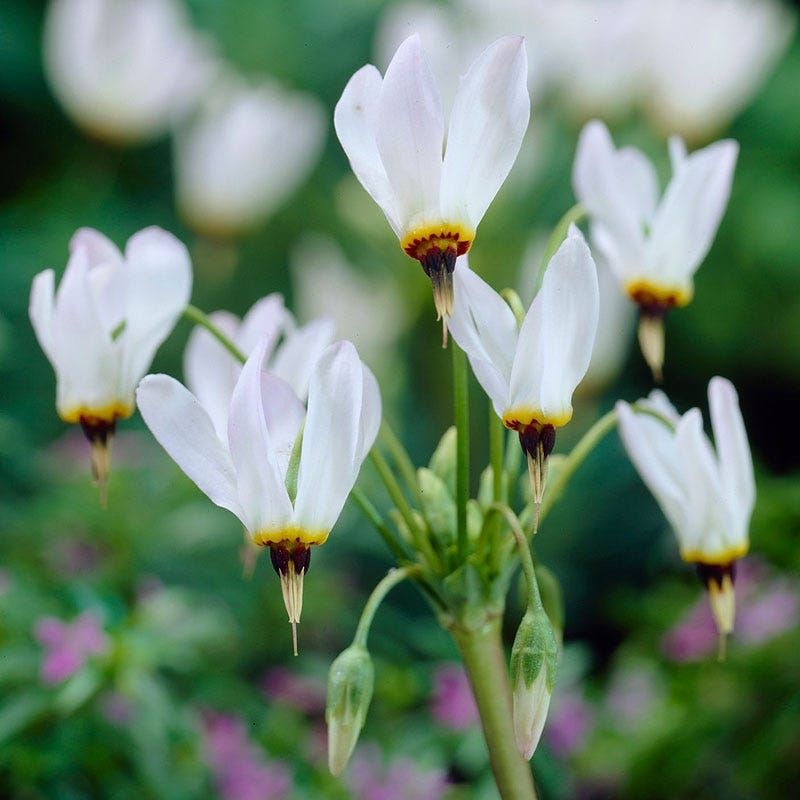
Few wildflowers can match the quiet drama of the shooting star. Known scientifically as Dodecatheon meadia, this stunning plant grows naturally across parts of Michigan, thriving in prairies, open woodlands, and moist meadows where conditions are just right.
It is not a garden import or a hybrid creation. It is the real deal, born from Michigan soil and shaped by centuries of natural selection.
What makes it so special is how perfectly it fits into the native landscape. You will spot it growing alongside other spring wildflowers in areas where human activity has been minimal.
Prairies in southern Michigan and sheltered woodland edges are some of its favorite hangouts. The plant forms low rosettes of smooth, pale green leaves that hug the ground before sending up a single flowering stalk.
Gardeners in Michigan who want to support native ecosystems should absolutely consider adding this plant. It connects directly to the natural heritage of the region and supports local wildlife in ways that non-native plants simply cannot match.
Growing a plant that belongs here feels different, almost like giving something back to the land. Once established, a healthy colony of shooting stars can thrive for many years without much help from you at all.
2. The Bloom Window Is Short And Sweet In Late Spring
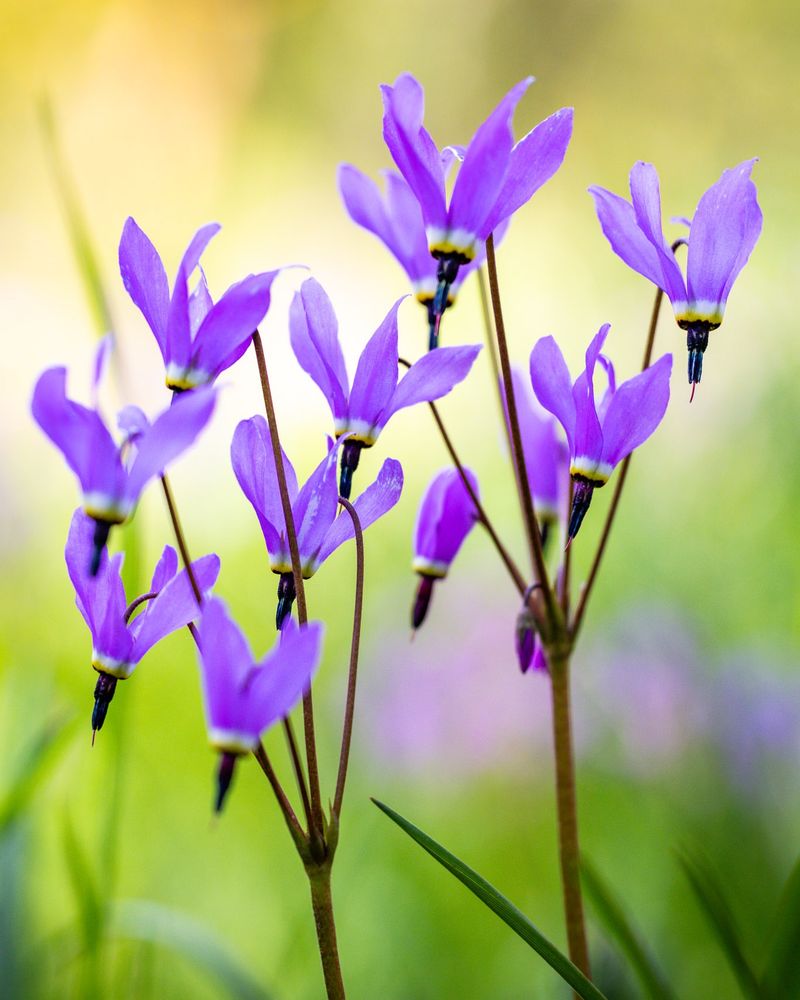
Timing is everything with the shooting star flower. In Michigan, peak flowering typically happens between late April and mid-May, making it one of the earlier spring bloomers to put on a real show.
The moment the soil warms and days grow longer, these flowers shoot up on tall, slender stalks and open almost overnight. Blink and you might miss the whole performance.
The bloom period itself usually lasts only two to three weeks under normal conditions. Warmer temperatures can shorten that window even further, while a cool, wet spring might stretch it out just a bit.
Either way, you are working with a narrow timeframe, which is part of what makes spotting these flowers feel so rewarding. There is a real thrill in catching them at their peak.
Your Michigan Garden Changes Every Week. Your Plan Should Too.
Gardening in Michigan changes quickly throughout the season. Every Friday you’ll receive a simple weekly plan showing exactly what to plant, prune, fertilize, harvest, and protect so you never miss the right timing.
For Michigan gardeners who want to enjoy the blooms year after year, marking the calendar helps. A quick walk through your garden or nearby natural areas in late April can reveal whether the stalks are emerging.
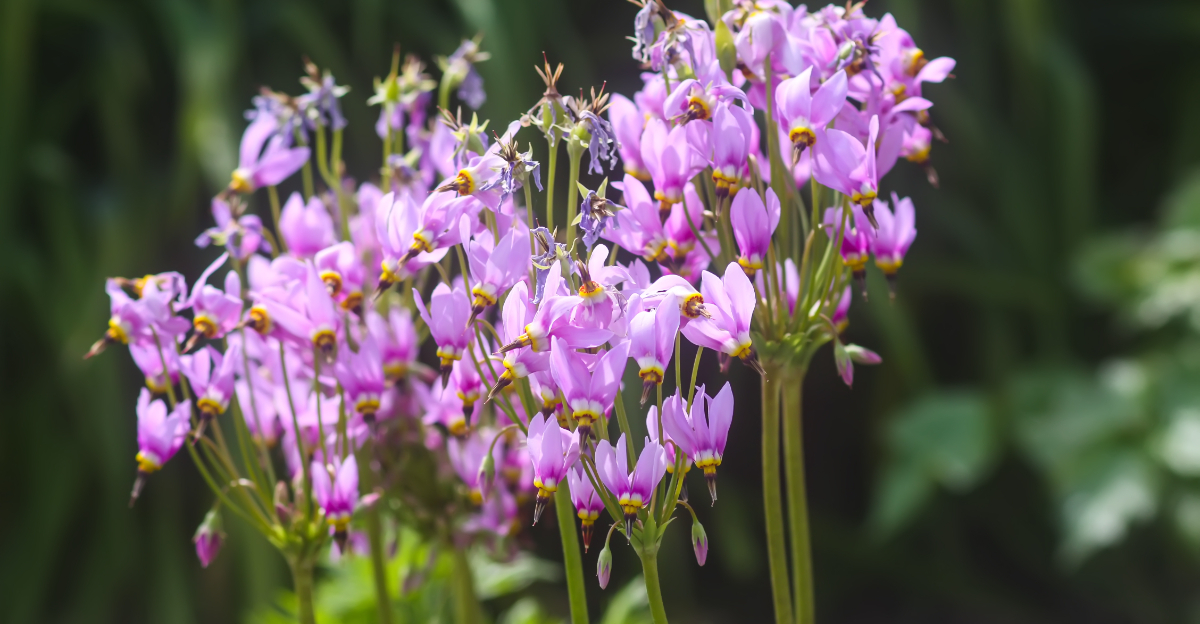
Once the buds begin to open, the display is absolutely worth stopping to admire. The delicate pink or white flowers cluster at the top of each stem, nodding gently in the breeze like tiny fireworks frozen mid-burst. Plan ahead and you will never miss the show again.
3. Those Backward Petals Are What Give It The Name
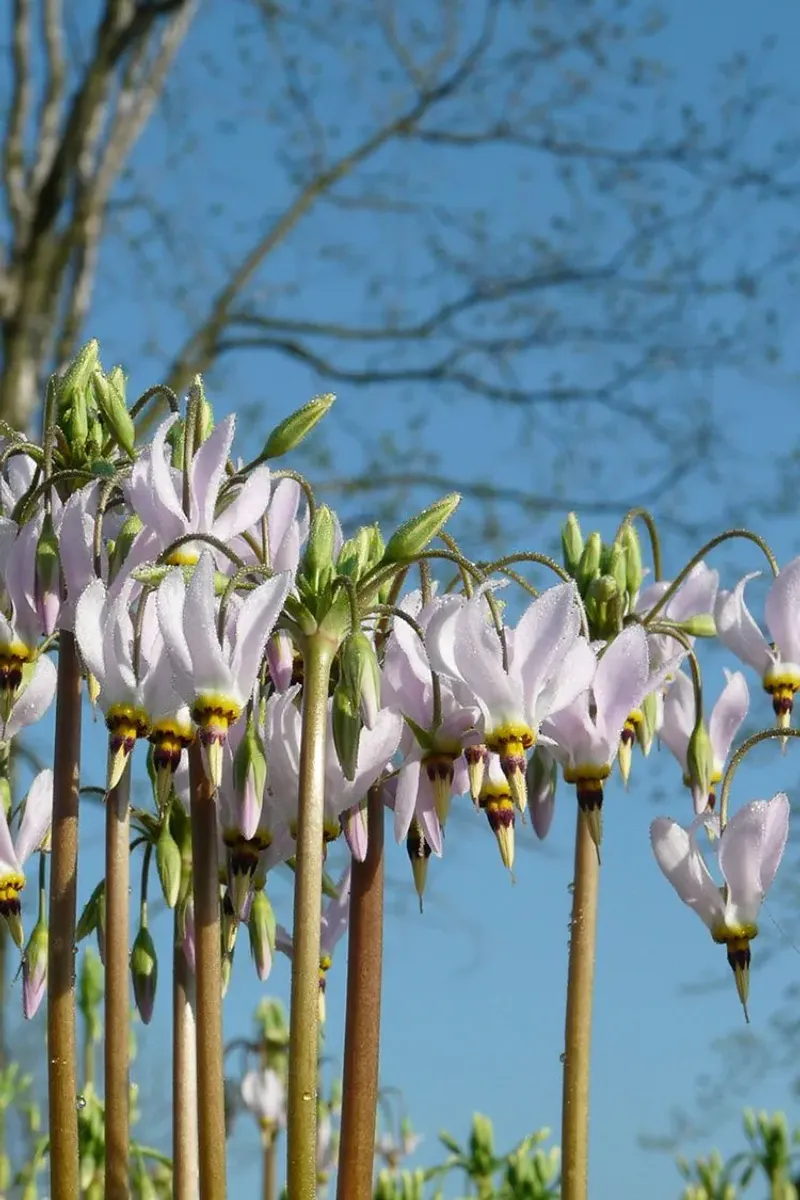
The first time most people see a shooting star flower, they do a double take. The petals do not open forward like a typical bloom.
Instead, they sweep sharply backward, pointing away from the center of the flower in a bold, dramatic arc. The effect is startling and instantly memorable, like watching a tiny comet streak across the sky.
At the center of each flower, a pointed cluster of yellow and dark purple stamens juts forward, creating a sharp contrast against the reflexed petals. That combination of swept-back petals and a forward-pointing tip is exactly what inspired the name shooting star.
The resemblance to a falling star is uncanny, especially when a whole cluster of blooms hangs from a single arching stem and sways in the wind.
Botanically speaking, this petal arrangement serves a real purpose. It exposes the stamens in a way that makes buzz pollination, also called sonication, highly effective.
Certain native bees grab onto the flower and vibrate their flight muscles rapidly, shaking pollen loose in the process. It is a clever system that Michigan’s native bee populations have relied on for a very long time.
So those unusual petals are not just beautiful. They are also a finely tuned tool that supports the whole ecosystem around them.
4. It Vanishes Underground Like A True Spring Ephemeral
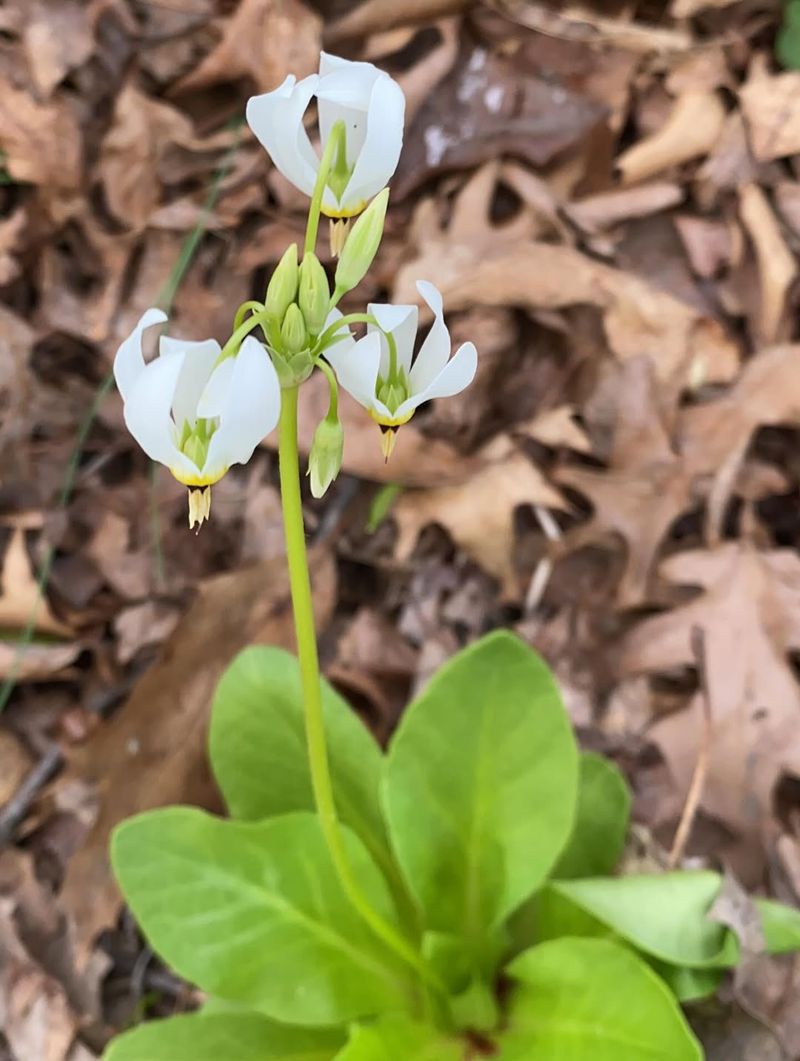
Here is where the shooting star pulls off its most impressive trick. After flowering and setting seed in late spring, the entire plant fades back.
The leaves yellow, shrink, and disappear. By early summer, there is almost no trace that it was ever there.
This is the hallmark behavior of a true spring ephemeral, a plant that completes its entire above-ground life cycle before summer heat takes over.
Underground, the plant is very much alive. A fleshy root system stores energy through the warm months, patiently waiting for the following spring.
This survival strategy allows the shooting star to take full advantage of the brief window when sunlight reaches the forest floor before tree canopies fill in. It is a brilliant adaptation shaped over thousands of years of evolution in Michigan and surrounding regions.
For gardeners, this disappearing act can be both charming and confusing. You might worry that your plant did not make it through summer, only to see fresh rosettes of leaves emerge again the following March or April.
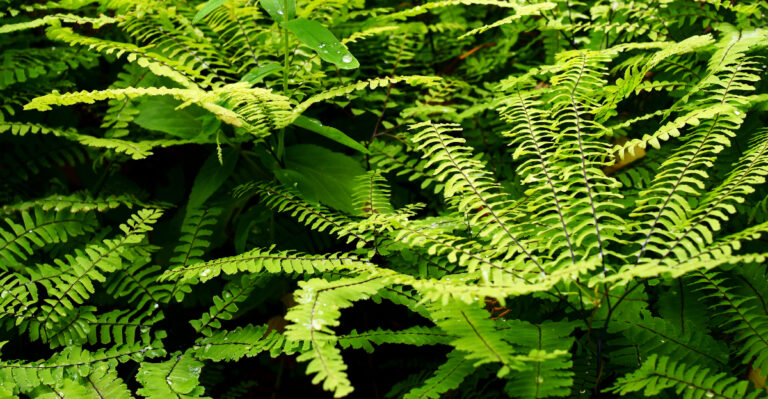
The trick is to plant companion species nearby that fill in the space once the shooting star goes dormant. Ferns, hostas, or native groundcovers work beautifully for this purpose.
They hide the bare spots and keep the garden looking full all season long without disturbing the sleeping roots below.
5. Most Gardeners Walk Right Past It Without Knowing
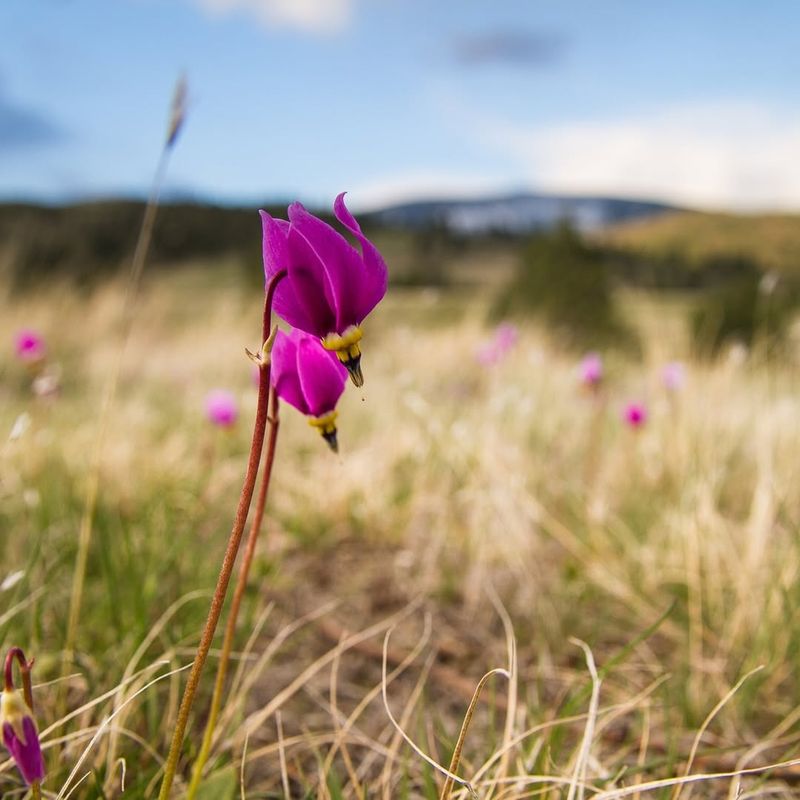
Imagine walking through a Michigan nature preserve in early May and not even realizing you just passed one of the most spectacular native wildflowers in the state. It happens all the time.
Because the shooting star blooms so early and disappears so fast, most casual gardeners never cross paths with it at the right moment. The timing gap between when people start paying attention to their gardens and when this flower peaks is surprisingly large.
Many gardeners begin serious outdoor activity in late May or June, right around the time the shooting star has already finished its show and gone dormant.
By then, the flower is completely invisible, tucked away underground with no leaves, no stalks, and no clues that it ever existed. You could walk over a whole colony of them without suspecting a thing.
The best way to change that is to get outside earlier in the season. Michigan’s natural areas and even some residential gardens host these flowers, but you have to be looking.
Joining a local native plant society or following nature-focused social media accounts can help you track bloom times each year. Once you spot your first shooting star in the wild, something shifts.
You start watching for it every spring, almost like checking in on an old friend who only visits for a couple of weeks each year.
6. Moist Spring Soil With Good Drainage Is The Sweet Spot
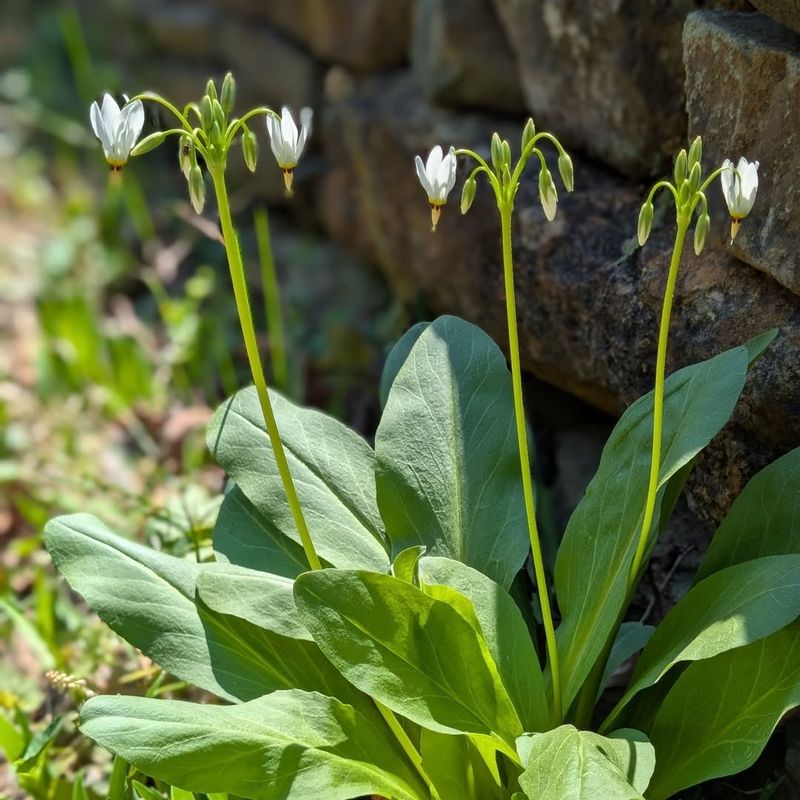
Getting the soil conditions right makes all the difference when growing shooting star in a Michigan garden. This plant thrives where moisture is available during spring but where water does not pool or sit stagnant around the roots through summer.
Think of the kind of spot where rain soaks in quickly, the soil stays cool and rich, and drainage carries excess water away without drying things out completely.
In its natural Michigan habitat, you often find it growing on slopes, woodland edges, or prairie swales where water moves through rather than collects. Replicating those conditions in a home garden is very doable.
Adding organic matter like leaf compost improves both moisture retention and drainage, creating a balanced environment where the roots can breathe even after a heavy spring rain.
One common mistake gardeners make is planting shooting star in low spots where water collects after storms. Even though the plant loves spring moisture, waterlogged soil during its dormant summer period can cause the roots to rot.
Raised beds or gently sloped planting areas work much better. A good rule of thumb is to test drainage before planting by filling a hole with water and watching how quickly it absorbs.
If it drains within an hour, you have found a great spot for this beautiful Michigan wildflower to call home.
7. Leave The Roots Alone And They Will Reward You For Years
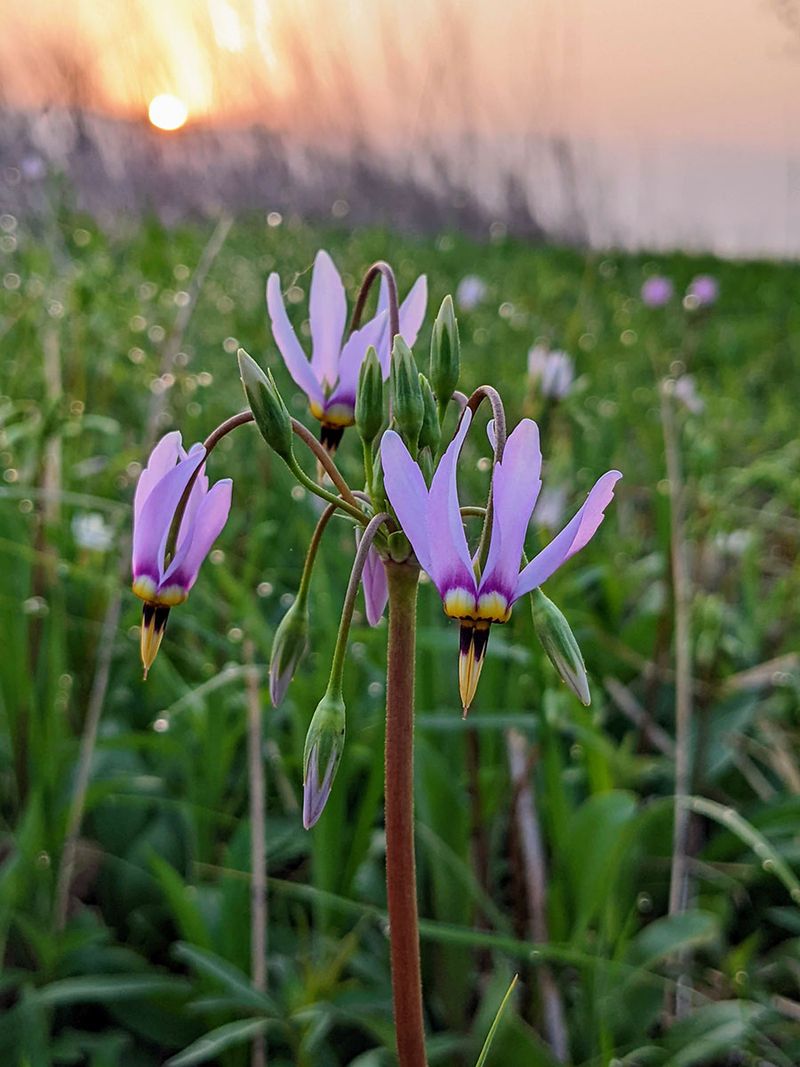
Patience is the secret ingredient when it comes to growing shooting star successfully. Once this plant settles into a spot it likes, it wants to stay there.
Digging it up, moving it around, or disturbing the soil around its roots can set it back significantly or even prevent it from returning the following spring. Established colonies build up over years, slowly spreading and strengthening, but only if you leave them alone.
This is a plant that rewards a hands-off approach more than almost any other Michigan native. Many gardeners make the mistake of treating their spring wildflowers the same way they handle annual flowers, digging, dividing, and rearranging every season.
With shooting star, that instinct works against you. The best thing you can do after planting is simply step back and let the colony develop at its own pace.
If you want to propagate shooting star without disturbing the parent plant, collecting fresh seed right after the pods ripen in early summer is the way to go. Sow seeds in a cold frame or directly in a prepared garden bed in late summer, and expect germination the following spring.
It takes a few years for seedlings to reach flowering size, but the wait is absolutely worth it. Over time, a thriving, undisturbed colony becomes one of the most impressive sights a Michigan native garden can offer.
8. Native Bees Count On These Early Blooms To Survive Spring
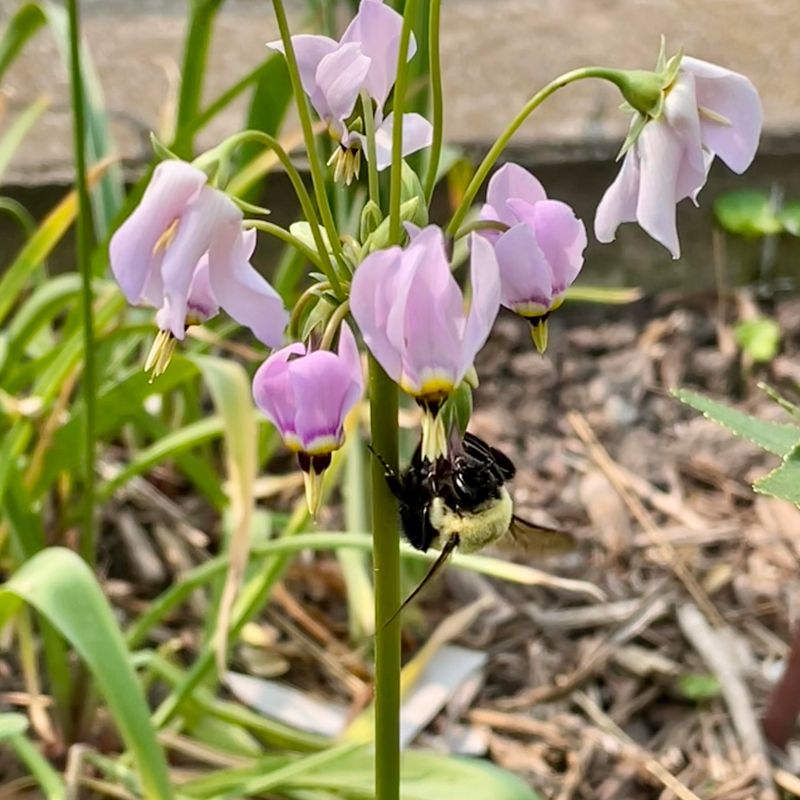
Early spring is a tough time for pollinators. Native bees emerge from overwintering while flower choices are still limited, and every available bloom matters more than most people realize.
The shooting star plays a genuinely important role during this critical window, offering pollen and nectar at a time when other food sources are scarce across Michigan’s landscapes.
What makes this plant especially valuable is how it interacts with its pollinators. Bumblebees are the primary visitors, and they use a fascinating technique called buzz pollination to collect the pollen.
The bee grabs the flower and vibrates its body at a specific frequency, causing the stamens to release pollen in a burst. It is an incredibly efficient system, and the shooting star flower is perfectly built for it.
The swept-back petals give the bee a clear grip and full access to the pollen-loaded stamens.
Planting shooting star in a Michigan garden is one of the most direct ways to support native bee populations during early spring.
Combine it with other early bloomers like bloodroot, trout lily, or Virginia bluebells to create a reliable food corridor for pollinators from March through June.
The more native plants you include, the stronger and more resilient your local pollinator community becomes.
Supporting these small creatures in spring pays dividends throughout the entire growing season, as they go on to pollinate vegetables, fruits, and countless other plants in your yard.