Avoid Planting These Bushes Near Your Pennsylvania Garden Fence
Fence lines are one of those garden spaces that feel like they need something planted along them, and most Pennsylvania homeowners fill that space without giving it a whole lot of strategic thought. Something goes in, it grows, and the fence line looks finished.
The problem reveals itself later, sometimes much later, when the wrong shrub has spent several seasons doing things to your fence, your soil, your neighboring plants, and your property line that are genuinely difficult and expensive to undo.
Not every bush belongs near a fence, and in Pennsylvania, where certain shrubs take advantage of the climate to grow aggressively, put down invasive root systems, or spread into neighboring properties, the consequences of a bad fence-line planting decision can compound for years before anyone fully addresses them.
Knowing which bushes to keep away from your Pennsylvania garden fence before you plant them is the kind of information that saves real headaches down the road.
1. Burning Bush
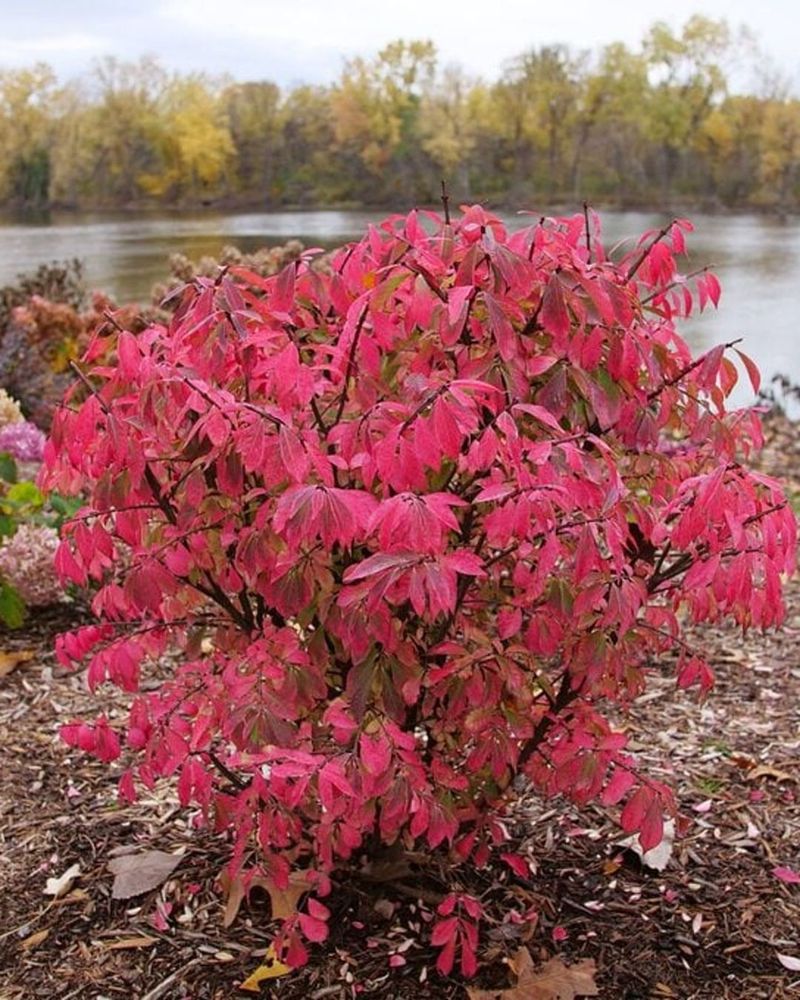
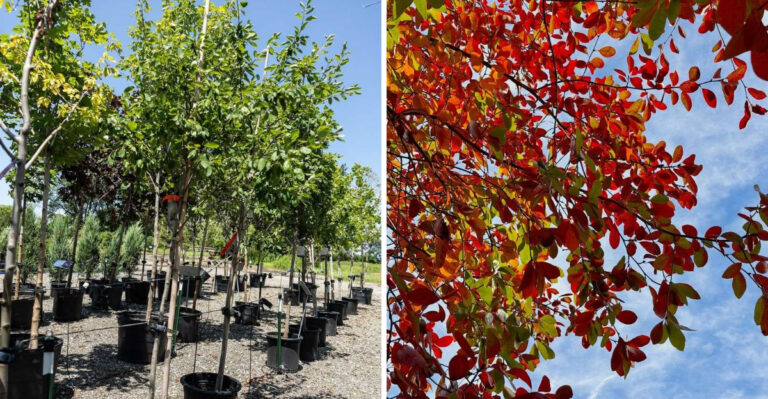
Few plants put on a fall show quite like the Burning Bush. Those brilliant red leaves turn heads every October, and it is easy to see why so many Pennsylvania homeowners have planted it near their fences over the years.
But looks can be deceiving, and this shrub has a reputation that goes well beyond its pretty color.
Burning Bush spreads aggressively, both through its root system and through seeds dropped by birds. Once it gets going near a fence line, it can quickly outgrow the space you gave it.
Removing it later is a frustrating and time-consuming job that most gardeners wish they had avoided from the start.
In Pennsylvania, Burning Bush is considered an invasive species by many conservation groups. It competes with native plants and can push out beneficial shrubs that local wildlife depends on.
The Pennsylvania Department of Conservation and Natural Resources has flagged it as a plant that responsible gardeners should think twice about planting.
If you love that fiery fall color, there are better options. Native alternatives like Highbush Blueberry or Fothergilla give you gorgeous autumn color without the invasive spread.
Keeping your Pennsylvania fence line clear of Burning Bush means less maintenance work and a healthier garden ecosystem for years to come. Make the smarter choice early, and your future self will thank you for it.
2. Rose Of Sharon
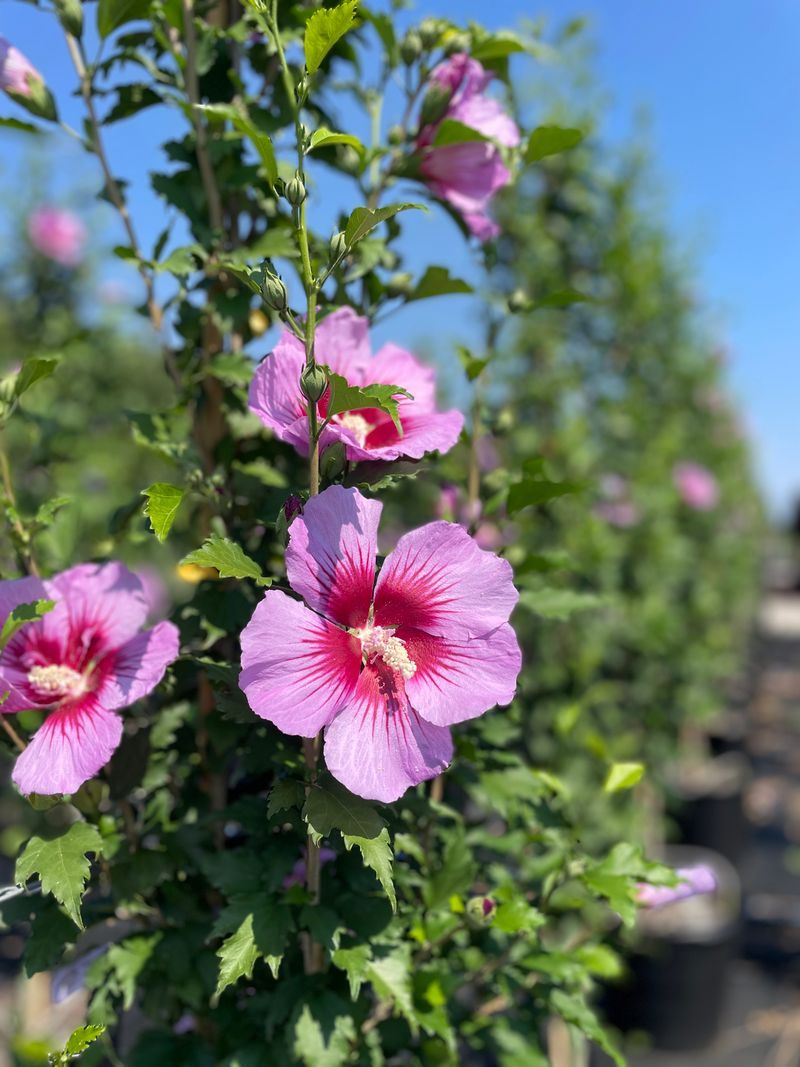
There is no denying that Rose of Sharon is a showstopper when it blooms in late summer. The flowers are gorgeous, and it fills a gap in the garden calendar when most other flowering shrubs have already finished.
Many Pennsylvania gardeners plant it with the best intentions, only to regret it a season or two later.
The problem is seeds. Rose of Sharon produces them in enormous quantities, and they sprout just about everywhere.
Near a fence, you will start finding seedlings popping up in your lawn, your flower beds, the cracks in your walkway, and even your neighbor’s yard. Keeping up with all those volunteers becomes a part-time job.
Each mature plant can drop hundreds of seeds in a single season. Multiply that over a few years, and you have a serious cleanup situation on your hands.
Your Pennsylvania Garden Changes Every Week. Your Plan Should Too.
Gardening in Pennsylvania changes quickly throughout the season. Every Friday you’ll receive a simple weekly plan showing exactly what to plant, prune, fertilize, harvest, and protect so you never miss the right timing.
Along a Pennsylvania fence line where space is already limited, the reseeding habit of this shrub makes it a poor choice for tidy, low-maintenance gardens.
Some sterile cultivars have been developed that produce far fewer seeds, so if you are truly devoted to the Rose of Sharon look, those varieties are worth seeking out. However, even sterile types can still spread through root growth over time.
Choosing a native alternative like Buttonbush or Swamp Rose gives Pennsylvania gardeners beautiful blooms without the endless seedling cleanup that comes with planting Rose of Sharon too close to the fence.
3. Japanese Barberry
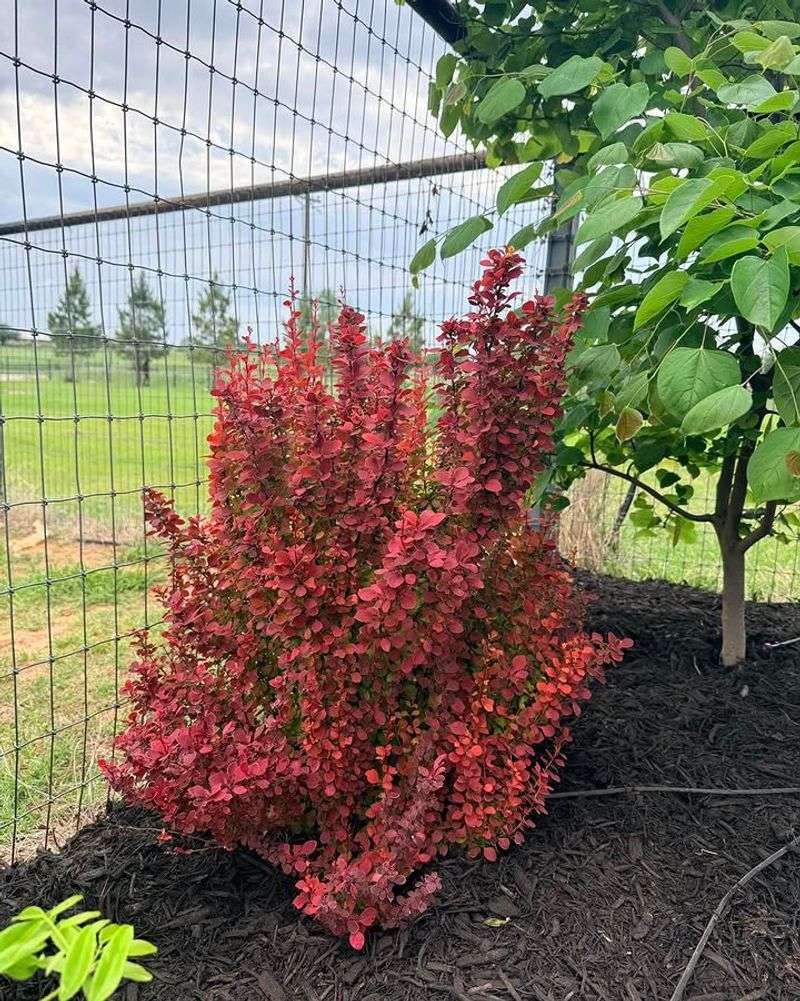
Japanese Barberry might look like a tidy little accent shrub at the garden center, but do not let the compact display fool you. Once it settles into your Pennsylvania yard, it reveals a much more difficult personality.
It is thorny, hard to handle, and has been officially listed as invasive in Pennsylvania since 2021.
Beyond the scratchy branches, there is a more serious concern. Research has linked dense Japanese Barberry thickets to higher populations of black-legged ticks.
The shrub creates a humid, shaded microclimate at ground level that ticks absolutely love. Planting it near a fence where people and pets pass regularly is a choice that many Pennsylvania gardeners deeply regret.
The plant also spreads readily through seeds carried by birds, which means it does not stay where you put it. New plants pop up in nearby wooded areas, meadows, and along fence lines throughout the Mid-Atlantic region.
Pennsylvania conservation officials have urged homeowners to remove existing plants and stop planting new ones.
Getting rid of established Japanese Barberry is painful work, literally. The thorns make pruning and digging a miserable task without heavy gloves and long sleeves.
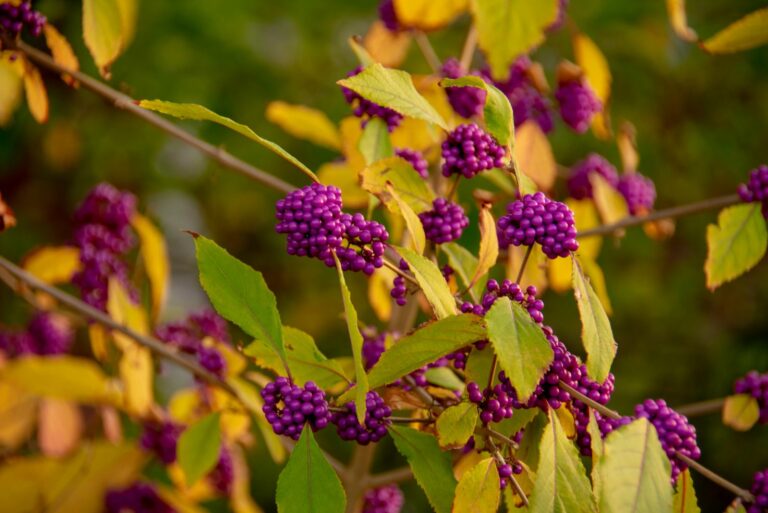
Native shrubs like Inkberry Holly or American Beautyberry offer similar visual interest with colorful berries, without the invasive spread or tick habitat concerns.
Swapping out Japanese Barberry for a friendlier native option is one of the best upgrades a Pennsylvania gardener can make along a fence line.
4. Privet
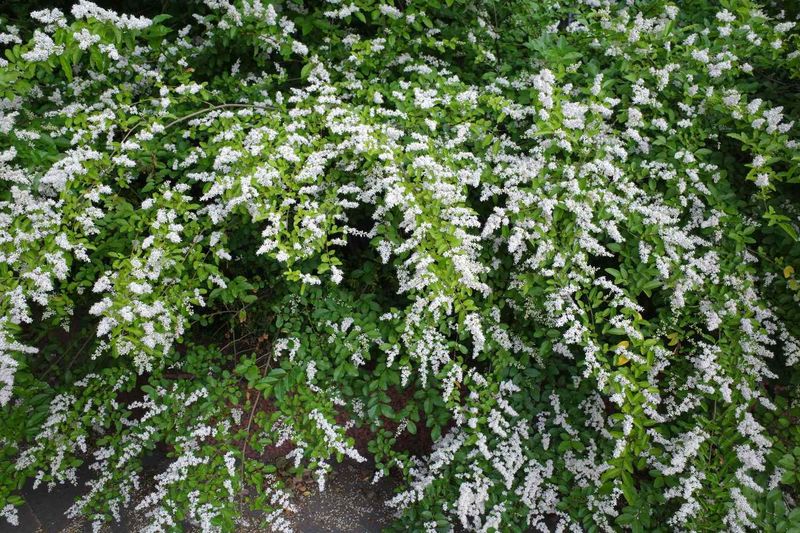
Privet has been used as a hedge plant for generations, and there is a reason for that. It grows fast, fills in quickly, and creates a solid green wall along a fence line in just a few seasons.
Sounds perfect, right? The catch is that once Privet gets established in your Pennsylvania garden, slowing it down becomes a serious challenge.
This shrub grows so aggressively that it can swallow a fence entirely if left unchecked for a season or two. Regular, heavy pruning is the only way to keep it manageable, and even then it bounces back with remarkable speed.
For gardeners who want a low-maintenance fence border, Privet is the opposite of what they are looking for.
Privet also produces berries that birds carry into nearby natural areas, spreading the plant well beyond your yard. In Pennsylvania, both Chinese and Japanese Privet have naturalized in disturbed areas, roadsides, and woodland edges.
Their presence crowds out native understory plants that local birds and insects depend on for food and shelter.
If you are after a fast-growing privacy screen along your Pennsylvania fence, consider native alternatives like American Arborvitae or Eastern Red Cedar. Both grow with purpose and provide excellent screening without the invasive tendencies that make Privet such a problem.
Taking a little extra time to choose the right hedge plant now saves you from years of battling an overgrown, out-of-control shrub that seems to have a mind of its own.
5. Forsythia
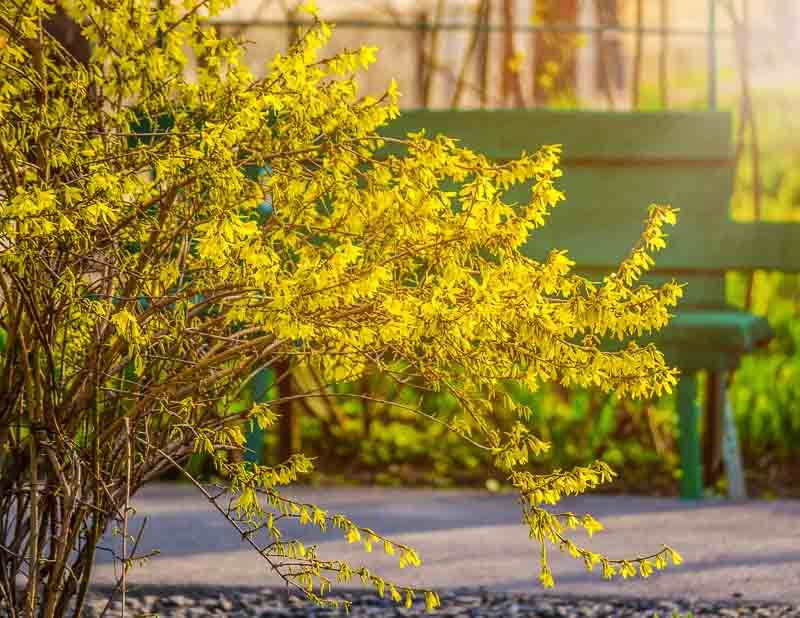
Every spring, Forsythia explodes in a burst of bright yellow that signals the end of winter across Pennsylvania neighborhoods. It is one of the most cheerful sights in any garden, and that seasonal charm is exactly why so many homeowners rush to plant it.
But ask anyone who has tried to keep Forsythia tidy near a fence, and you will hear a very different story.
The problem is those long, arching branches. Forsythia grows in every direction with enthusiasm, and a plant near a fence will quickly push through it, drape over it, and spread far beyond the space you originally planned.
In a narrow border along a fence line, this growth habit becomes a constant pruning battle that never really ends.
Left to its own devices, a single Forsythia shrub can spread six to ten feet wide or even more in Pennsylvania’s climate. Branches that touch the ground often root where they land, creating new plants that expand the colony further.
What started as a single cheerful shrub can become a tangled, sprawling thicket within a few years.
Forsythia does respond well to hard pruning, but that means committing to serious seasonal maintenance every single year. If you have a large, open area away from the fence, Forsythia can be a rewarding plant.
For tight fence borders in Pennsylvania yards, though, a more compact blooming shrub like Spicebush or native Viburnum gives you color and fragrance without the unruly sprawl that Forsythia is famous for delivering.
6. Butterfly Bush
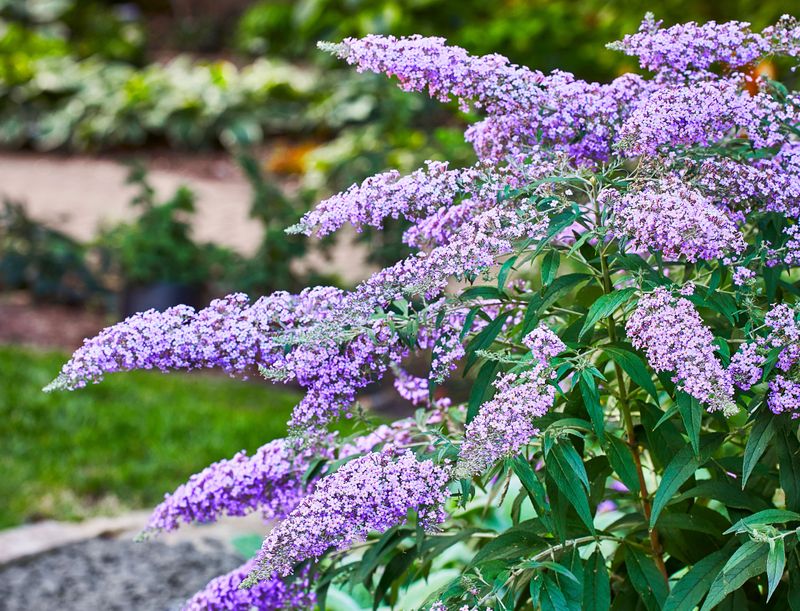
Walk into almost any Pennsylvania garden center in summer and you will find Butterfly Bush front and center.
The long purple, pink, or white flower spikes are irresistible, and watching butterflies flock to them feels like a reward for all your gardening effort. Many people assume it stays small and manageable. That assumption causes problems.
Butterfly Bush grows much larger than the tag at the store suggests. A plant marketed as a three-foot shrub can easily reach six or seven feet tall and nearly as wide by the end of its second season in a Pennsylvania garden.
Near a fence, that kind of growth quickly becomes overwhelming, blocking light and crowding out everything planted nearby.
There is also the reseeding issue. Butterfly Bush produces thousands of tiny seeds that float on the wind and sprout in disturbed soil, gravel paths, and along fence lines throughout the Mid-Atlantic region.
Several states have raised concerns about its spread into natural areas, and Pennsylvania gardeners near wooded edges should be especially cautious about where they plant it.
The good news is that native alternatives actually do a better job of supporting butterflies and pollinators. Buttonbush, native Coneflower, and Joe-Pye Weed attract just as many butterflies while providing genuine ecological value to Pennsylvania wildlife.
Swapping Butterfly Bush for one of these natives near your fence means you get the butterfly action you wanted without the overgrown, hard-to-manage shrub taking over your entire fence line.
7. Staghorn Sumac
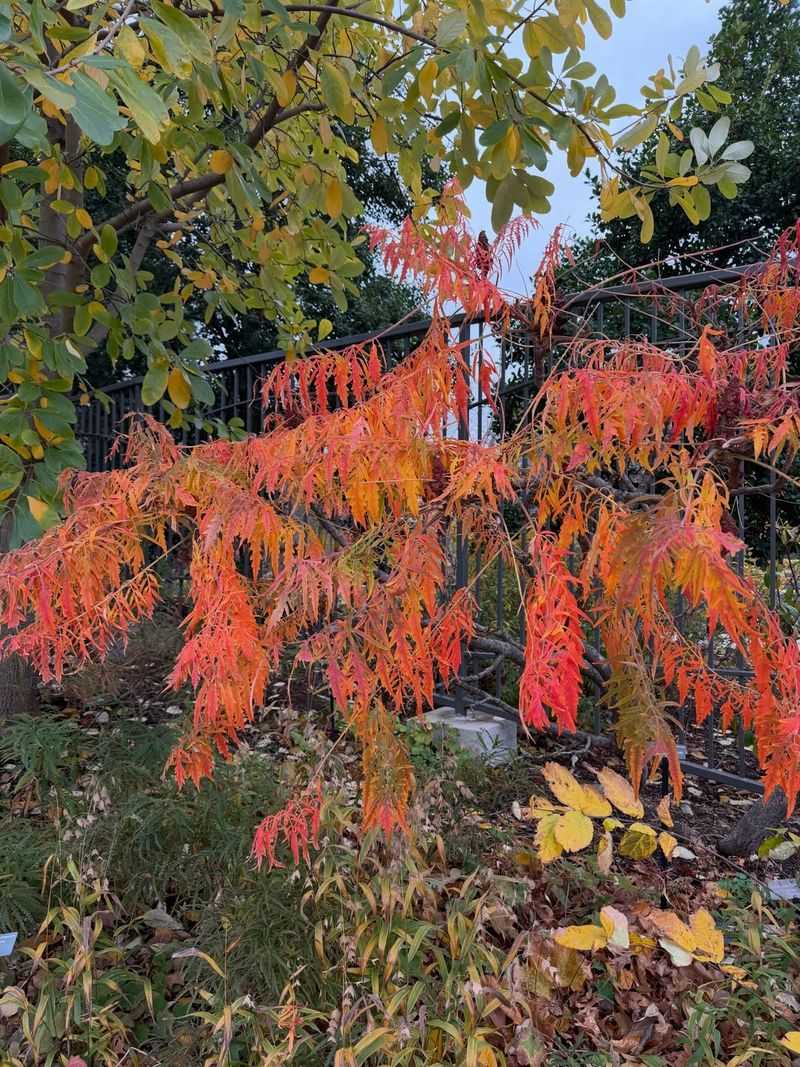
Staghorn Sumac is a Pennsylvania native, which surprises a lot of gardeners who assume native plants are always safe choices for any spot in the yard. And in the right setting, like a large open hillside or a naturalized area with plenty of room, Staghorn Sumac is genuinely beautiful.
Near a garden fence, though, it is a plant that will test your patience in ways you are not prepared for.
The issue is its suckering habit. Staghorn Sumac spreads underground through a network of roots that send up new shoots, called suckers, far from the original plant.
A single shrub planted near your Pennsylvania fence can produce new growth popping up six, ten, or even fifteen feet away within a couple of seasons. Mowing them down does not stop them. They just keep coming back.
Once a Staghorn Sumac colony gets going near a fence, removing it completely requires digging out the entire root system. That is a significant landscaping project that most homeowners are not ready for when they first put the plant in the ground.
The roots go deep and spread wide, making cleanup a multi-season effort. If you love the look of Sumac, consider containing it in a large raised bed or planting it in a truly open area where spreading is not a concern.
For fence lines in Pennsylvania yards, choosing a well-behaved native shrub like Arrowwood Viburnum or Sweetspire gives you beautiful foliage and berries without the aggressive underground spread that makes Staghorn Sumac such a challenging neighbor.